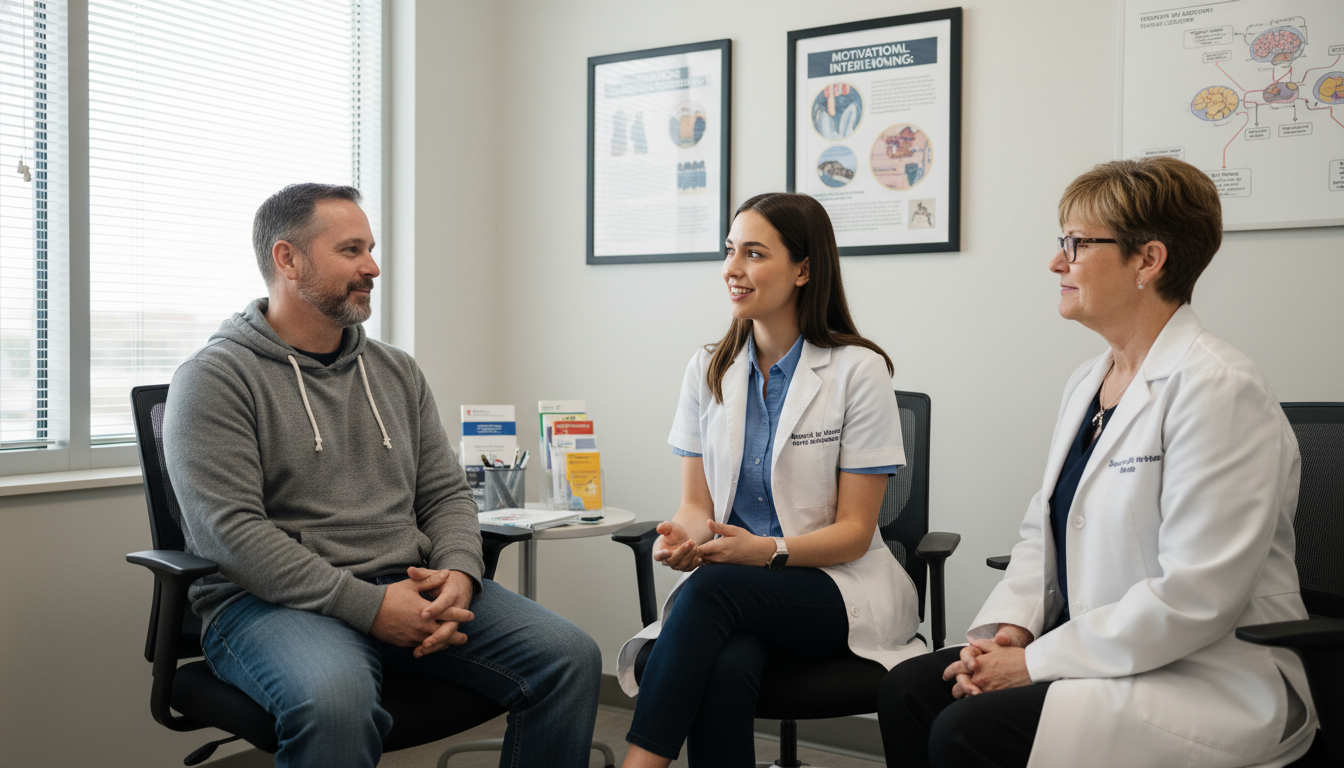
Understanding Addiction Medicine Clinical Rotations
Clinical rotations in addiction medicine are some of the most formative experiences for students considering a career in this field—or for anyone who will care for patients with substance use disorders (SUDs), regardless of specialty. Whether this is an elective fourth-year experience or part of your third year rotations, excelling in these clerkships requires a blend of clinical knowledge, communication skills, self-awareness, and professionalism.
Addiction medicine is uniquely multidisciplinary. During a rotation you may work with:
- Physicians (addiction medicine, psychiatry, internal medicine, family medicine)
- Social workers and case managers
- Psychologists and counselors
- Peer recovery coaches
- Nurses, pharmacists, and advanced practice providers
This creates outstanding opportunities for learning—but also demands that you integrate information from many sources and adapt quickly.
This guide will walk through how to prepare, what to expect, and concrete clinical rotations tips that will help you stand out, deliver excellent patient care, and strengthen your residency application—especially if you’re eyeing an addiction medicine fellowship in the future.
Laying the Foundation Before Your Rotation
Your performance during the clerkship begins well before day one. A small amount of preparation can dramatically change how much you learn and how your attendings perceive you.
Clarify the Structure and Expectations
Addiction medicine rotations can vary widely:
- Settings:
- Inpatient consult services
- Dedicated detox/withdrawal management units
- Residential rehabilitation programs
- Outpatient medication for opioid use disorder (MOUD) clinics
- Dual diagnosis or integrated psychiatry-primary care clinics
Before the rotation starts:
Email the clerkship coordinator or preceptor
Ask:- “What clinical sites will I be at, and on which days?”
- “What time should I arrive, and what is the expected dress code?”
- “Are there required readings, lectures, or online modules?”
- “How will my performance be evaluated?”
Review your school’s rotation objectives
Common goals include:- Taking a focused SUD and mental health history
- Performing screening and brief intervention
- Understanding pharmacologic treatments (buprenorphine, methadone, naltrexone, acamprosate, disulfiram, etc.)
- Appreciating the biopsychosocial model of addiction
Ask about documentation responsibilities
- Will you write full H&Ps, consult notes, progress notes?
- Will you place orders under supervision?
- Are there standardized templates for SUD assessments?
Clarifying these details sets clear targets for clerkship success and reduces first-week anxiety.
Build a Targeted Knowledge Base
You do not need to be an addiction expert before starting, but you should know the fundamentals. In the week prior, focus on:
Core topics to review:
- Diagnostic criteria for common SUDs (alcohol, opioids, stimulants, benzodiazepines, cannabis, nicotine)
- Basics of intoxication and withdrawal syndromes
- Overview of medication treatments:
- Opioid use disorder: methadone, buprenorphine, naltrexone
- Alcohol use disorder: naltrexone, acamprosate, disulfiram, off-label agents
- Nicotine use disorder: NRT, varenicline, bupropion
- Principles of harm reduction (naloxone, syringe services, fentanyl test strips)
- Brief intervention and motivational interviewing basics
High-yield resources:
- SAMHSA’s Treatment Improvement Protocols (TIPs) – especially on alcohol and opioid use disorders
- ASAM (American Society of Addiction Medicine) pocket guides
- UpToDate or equivalent for practical withdrawal management and MOUD initiation
Spending even 3–4 focused hours on these topics sets you up to engage actively in patient care from day one.

Core Clinical Skills to Excel On-Rotation
Addiction medicine rotations are an excellent environment to build competencies that residency programs value across all specialties. Focus intentionally on these skills.
1. Master the Addiction-Focused History and Exam
Your biggest day-to-day task will be patient evaluation. A strong addiction medicine history goes beyond “What do you use and how often?”
Key elements of a high-quality SUD history:
Substance inventory (past and present)
- “Which substances are you currently using? How often, and by what route?”
- “Tell me about the first time you used… What was going on in your life then?”
- Ask nonjudgmentally about:
- Alcohol, tobacco/nicotine, cannabis
- Prescription opioids, benzodiazepines, stimulants
- Heroin, fentanyl/analogs, cocaine (powder/crack), methamphetamine
- Nonmedical use of prescribed medications
Pattern and context of use
- Quantity, frequency, route, setting, and co-use with other substances
- Triggers (emotional, environmental, social)
Consequences and severity
- Impact on work/school, relationships, legal system
- Health complications (overdose, infections, liver disease, psychiatric decompensation)
Past treatment history
- Prior detox or rehab stays
- Past MOUD trials: what worked, what didn’t, side effects
- Involvement with mutual help groups (AA, NA, SMART Recovery)
Motivation and goals
- “What is your goal right now—cut back, stop, or something else?”
- “On a scale from 0 to 10, how important is it for you to make a change?”
Risk and safety
- Overdose history and naloxone access
- Suicidal or homicidal ideation
- Injection-related risks (sharing equipment, skin infections, endocarditis, HIV, HCV risk)
Co-occurring psychiatric and medical conditions
- Depression, anxiety, PTSD, psychosis, bipolar disorder
- Chronic pain, liver disease, HIV, HCV, pregnancy status
Physical exam should focus on:
- Signs of intoxication or withdrawal
- Evidence of injection drug use (track marks, abscesses)
- Nutritional status, liver disease stigmata
- Cognitive status, affect, psychomotor activity
Write this history in a structured, concise way in your notes—attendings will notice.
2. Develop Competence in Withdrawal and Detox Management
Being able to recognize and communicate about withdrawal is a major marker of clinical competence.
Know how to:
- Differentiate:
- Alcohol withdrawal vs. benzodiazepine withdrawal vs. opioid withdrawal
- Stimulant crash vs. intoxication vs. primary mood disorder
- Use common scales:
- CIWA-Ar (alcohol withdrawal)
- COWS (opioid withdrawal)
Clinical rotations tips for learning withdrawal management:
When you see a new patient with possible withdrawal:
- Ask to perform the CIWA or COWS yourself and present your scoring to the team.
- Watch how nurses assess and compare your findings.
- Ask the attending to walk you through the logic behind the medication regimen (e.g., symptom-triggered vs. fixed-dose benzodiazepines).
For each withdrawal patient you follow, track:
- Day of last use
- Onset of symptoms
- Doses of medications given
- Clinical response over time
This creates mental models you’ll use in residency and beyond.
3. Learn the Basics of Addiction Pharmacotherapy
You will probably not write independent orders, but you should understand why certain medications are chosen. Pay special attention to:
Opioid use disorder:
- Buprenorphine:
- Mechanism and benefits (partial agonist, ceiling effect on respiratory depression)
- Standard induction vs. micro-induction (low-dose) strategies
- Managing precipitated withdrawal
- Methadone:
- Indications and regulatory restrictions
- QTc monitoring considerations
- Dose titration strategy
- Naltrexone:
- Oral vs. extended-release injectable
- Need for opioid-free period to avoid precipitated withdrawal
Alcohol use disorder:
- Naltrexone (oral and extended-release IM)
- Acamprosate: particularly relevant in patients with liver disease
- Disulfiram: selecting appropriate patients and monitoring
- Thiamine, folate, and management of Wernicke’s encephalopathy risk
Other relevant medications:
- Clonidine, lofexidine for opioid withdrawal
- Benzodiazepine taper strategies
- Nicotine replacement, varenicline, bupropion
How to stand out:
- The night before clinic or rounds, review one or two key medications you know will be used the next day.
- Ask to present a 3–5 minute “micro-teach” on, for example, “Extended-release naltrexone: when I would and would not use it.”
- Make an informal medication summary sheet for your own reference—preceptors appreciate this initiative.
4. Practice Motivational Interviewing (MI) Every Day
Motivational interviewing is central to addiction medicine—and is also highly valued in any future residency.
Core MI techniques you should practice:
- Open-ended questions
- Affirmations
- Reflective listening
- Summaries (OARS)
Example:
- Instead of: “You need to stop using fentanyl; do you understand?”
- Try: “Tell me about what you like and don’t like about your fentanyl use right now.”
- Reflect: “On one hand, it helps with your pain and stress, and on the other, you’re worried about overdosing and losing your job.”
On the rotation, aim for:
- 1–2 focused MI-based encounters daily
- Asking your supervisor for feedback on a specific skill (“Can you listen in and tell me if I’m doing reflections correctly?”)
- Observing different clinicians’ communication styles and adopting strategies that fit your personality
Documenting MI in your notes demonstrates you’re thinking about behavior change, not just diagnosis.
Getting the Most Out of Different Clinical Settings
Your addiction medicine clerkship may rotate you through multiple sites. Adapting your approach to each is key to clerkship success.
Inpatient Addiction Consults and Detox Units
Here you’ll often see acutely ill patients admitted for:
- Alcohol withdrawal or delirium tremens
- Opioid withdrawal in the setting of infection, trauma, or overdose
- Complications of injection use (endocarditis, osteomyelitis, abscesses)
- Co-occurring psychiatric crises
How to excel:
Be punctual and prepared for morning rounds; review overnight events and lab results beforehand.
When seeing a new consult, succinctly answer:
- What substances is the patient using and at what severity?
- Are they in withdrawal, intoxicated, or at risk of either?
- What treatment options are appropriate right now (pharmacologic and psychosocial)?
- What is the recommended disposition and follow-up plan?
Own a few patients:
- Follow them throughout their hospital stay
- Track their course and anticipate next steps in treatment
- Offer to update families if appropriate and allowed
Outpatient Addiction Clinics and MOUD Programs
In the outpatient setting, you will see continuity of care: induction, stabilization, and maintenance on medications; relapses and recoveries.
Focus on:
- Building rapport quickly in short visits
- Following up on previous treatment plans (“Last time we talked about cutting back from 4 drinks to 2 on weekdays—how did that go?”)
- Understanding clinic workflows: urine drug screening, prescription monitoring programs, prior authorizations
Clinical rotations tips for outpatient success:
- Pre-chart before clinic:
- Review problem lists, recent notes, last urine drug screen, and current medications.
- After each visit, write a problem-focused assessment:
- “OUD on buprenorphine 16 mg daily—stable; occasional cannabis use without functional impairment; continue current regimen and provide naloxone refill.”
Showing that you think longitudinally about care will impress supervisors and is preparation for both residency and an addiction medicine fellowship later.
Residential and Community-Based Programs
You may spend time in:
- Residential rehab facilities
- Halfway houses
- Community harm reduction sites
- Group therapy settings
Here, the focus may be less on prescribing and more on psychosocial interventions and systems of care.
How to stand out:
- Attend groups (with patient and program consent) and observe dynamics.
- Ask counselors about:
- How they conceptualize relapse
- How they use CBT, contingency management, or 12-step facilitation
- Understand the practical barriers to care:
- Transportation, childcare, legal issues, cost
- Learn local resources:
- Homeless shelters, syringe services, recovery housing, mutual help meetings
Your notes and presentations should reflect this broader psychosocial perspective, not just medications and lab values.

Professionalism, Self-Care, and Reflective Practice
Addiction medicine is deeply meaningful but can also be emotionally and ethically challenging. How you carry yourself in these situations strongly influences evaluations and letters of recommendation.
Maintain a Nonjudgmental, Trauma-Informed Stance
Patients with SUDs often have:
- Histories of trauma, stigma, and discrimination in healthcare
- Complex relationships with honesty, trust, and authority
- Cycles of relapse and recovery that frustrate even experienced clinicians
To excel:
Avoid stigmatizing language:
- Use “person with opioid use disorder,” not “addict.”
- Say “positive” or “expected” urine drug screens, not “dirty/clean.”
Work from a trauma-informed framework:
- Ask permission before discussing sensitive topics
- Normalize their experiences: “Many people in your situation have been through something similar.”
- Be aware of body language and tone; sit down, maintain eye contact, and avoid appearing rushed.
Supervisors will notice if you consistently demonstrate empathy and respect—even (and especially) with patients others find “difficult.”
Manage Your Own Emotional Responses
It is normal to experience:
- Frustration when patients leave AMA or return after overdose
- Sadness or helplessness in the face of systemic barriers
- Moral distress around prescribing decisions or limited treatment availability
Use these experiences constructively:
- Debrief with your team after difficult cases.
- Keep a brief reflection journal: one paragraph per day noting:
- A moment of learning
- A challenging emotional reaction and what you did with it
- If allowed, bring a short reflection to your mid-rotation or end-of-rotation meeting to discuss your professional growth.
Residency program directors highly value applicants who can thoughtfully process complex clinical work—especially if you later pursue an addiction medicine fellowship.
Time Management and Organization
Rotations in addiction medicine can be busy, especially when combined with general medicine duties. Apply basic time management strategies:
- Set daily priorities:
- “Today I will focus on improving my CIWA assessments and one MI conversation.”
- Use checklists for new patient evaluations so you do not forget key elements of the SUD history.
- Close the loop:
- If you promise to look up a resource or call a community program, document it, follow through, and update the team.
These habits demonstrate reliability—critical for strong evaluations and letters.
Turning Rotation Excellence into Future Opportunities
Performing well during your addiction medicine clerkship can open doors for your residency applications and beyond.
Building Relationships and Securing Strong Letters of Recommendation
Identify potential mentors early:
- Attendings or fellows who:
- See you work with multiple patients
- Observe your growth over time
- Share your interest in addiction medicine or related fields (psychiatry, internal medicine, family medicine, emergency medicine)
How to set up a strong letter:
Near the end of the rotation, ask for focused feedback:
- “What are one or two areas you think I’ve particularly grown in during this rotation?”
If feedback is positive and specific, follow up:
- “I’m planning to apply in internal medicine with the goal of doing an addiction medicine fellowship later. Would you feel comfortable writing a strong letter of recommendation based on my work here?”
Provide:
- Updated CV
- Personal statement draft (if available)
- Brief paragraph reminding them of specific clinical experiences you had together (e.g., “Our work with Mr. J’s alcohol withdrawal and complex discharge planning.”)
Demonstrating Commitment to Addiction Medicine on Your Application
Even if your addiction medicine experience is limited to a single rotation, you can still highlight it effectively:
In your personal statement and ERAS experiences:
- Describe what you learned about:
- Managing chronic, relapsing disease
- Addressing health disparities and social determinants
- Working in interprofessional teams
- Provide a concrete case example (with identifying details removed).
- Describe what you learned about:
In interviews:
- Be ready to discuss:
- A challenging case: what made it complex, how you navigated it.
- How this rotation influenced your approach to patients in any specialty.
- Ways you plan to incorporate substance abuse training into residency—electives, QI projects, advocacy.
- Be ready to discuss:
Residency programs increasingly recognize the importance of SUD competence. Showing that you have experience and reflection in this area is a competitive advantage—even if you ultimately train in another specialty.
Planning for Future Addiction Medicine Fellowship
If you are already seriously considering an addiction medicine fellowship:
Ask your attending:
- “What training paths do you see most commonly in addiction medicine fellows?”
- “If I’m interested in addiction medicine, what should I look for in a residency program?”
Seek opportunities to:
- Participate in a small quality improvement or educational project during or after the rotation.
- Present a case or short talk at a departmental meeting or journal club.
- Attend a local ASAM or similar conference (even virtually).
These experiences help you build a coherent story of sustained interest when you later apply for fellowship.
Practical Day-to-Day Clinical Rotations Tips
To consolidate everything above, here are concrete, actionable strategies you can implement starting on day one:
Carry a pocket “addiction toolkit”:
- Mini CIWA and COWS scoring sheets
- Quick-reference for MOUD and alcohol pharmacotherapy
- List of local addiction treatment and harm reduction resources
Use a consistent presentation structure for patients with SUD:
- Chief concern
- Brief medical/psychiatric background
- Substance history overview (focused, organized by substance)
- Withdrawal/intoxication assessment
- Motivation and goals
- Assessment of risk (overdose, suicidality, medical instability)
- Proposed plan (medications, psychosocial interventions, follow-up)
Volunteer strategically:
- “Would it be okay if I lead the history on our next new consult?”
- “Can I try to do the first pass of the CIWA on this patient and then review it with you?”
- “If you’re okay with it, I’d like to practice motivational interviewing in our next visit—would you give me feedback afterward?”
Debrief after difficult interactions:
- If a patient becomes agitated, uses pejorative language, or leaves abruptly:
- Ask your preceptor: “How did you approach that? Is there anything you’d suggest I do differently next time?”
- If a patient becomes agitated, uses pejorative language, or leaves abruptly:
Prepare a brief “end-of-rotation summary” of your learning:
- One page with:
- Top 5 clinical pearls
- One or two cases that shaped your thinking
- Skills you improved and next steps
- Share highlights with your attending at your final feedback meeting; it shows reflection and maturity.
- One page with:
By applying these strategies, you’ll not only excel in your current clerkship but also lay groundwork for residency and a future in addiction medicine if you choose that path.
FAQs
1. I don’t plan to specialize in addiction medicine. How important is this rotation for me?
Extremely important. Substance use disorders intersect with every specialty: emergency medicine, internal medicine, surgery, obstetrics, psychiatry, pediatrics, and more. This rotation will teach you:
- How to screen for and briefly intervene on unhealthy substance use
- How to manage common withdrawal syndromes safely
- How to communicate empathetically with patients whose behaviors may be stigmatized
- How to coordinate care with social services, psychiatry, and primary care
These are core residency skills, not just niche knowledge.
2. How can I succeed if I feel uncomfortable talking about substance use?
Discomfort is common at first and often stems from fear of saying the wrong thing or personal experiences with substance use. To improve:
- Use standardized screening tools (e.g., AUDIT-C, DAST) as conversation starters.
- Practice a few nonjudgmental phrases:
- “I ask all my patients these questions because substance use can affect many aspects of health.”
- “Can you help me understand what your use looks like on a typical day?”
- Debrief with your supervisor when you feel stuck—they can model language and approaches.
Over time, repeated exposure and intentional practice greatly reduce discomfort.
3. What should I do if I strongly disagree with a treatment plan?
Professionalism means balancing advocacy with humility:
- Ask clarifying questions: “Can you help me understand the reasoning behind not starting buprenorphine in this case?”
- Frame concerns from a learning perspective: “I read that early initiation of MOUD can reduce overdose risk—how does that apply here?”
- If disagreements persist and involve ethical concerns, discuss them privately with your attending or clerkship director, focusing on patient safety and evidence-based care.
Learning to respectfully navigate these situations is part of your development.
4. How can I highlight this addiction medicine experience in my residency application?
Concrete ways:
- In your ERAS experiences, describe a meaningful contribution (e.g., helping develop an educational handout, assisting with a small QI project, or improving screening on a medicine unit).
- In your personal statement, use a brief case vignette demonstrating what the rotation taught you about chronic disease management, health equity, or communication.
- During interviews, reference specific skills gained (motivational interviewing, withdrawal management, team-based care) and how you will apply them in your chosen specialty.
Doing so converts a single clerkship into clear evidence of clinical maturity and patient-centeredness—traits program directors highly value.
By approaching your addiction medicine rotation with curiosity, structure, and intentional practice, you can transform it from “just another elective” into one of the most impactful learning experiences of medical school—and a powerful asset in your journey toward residency and, if you choose, a future addiction medicine fellowship.