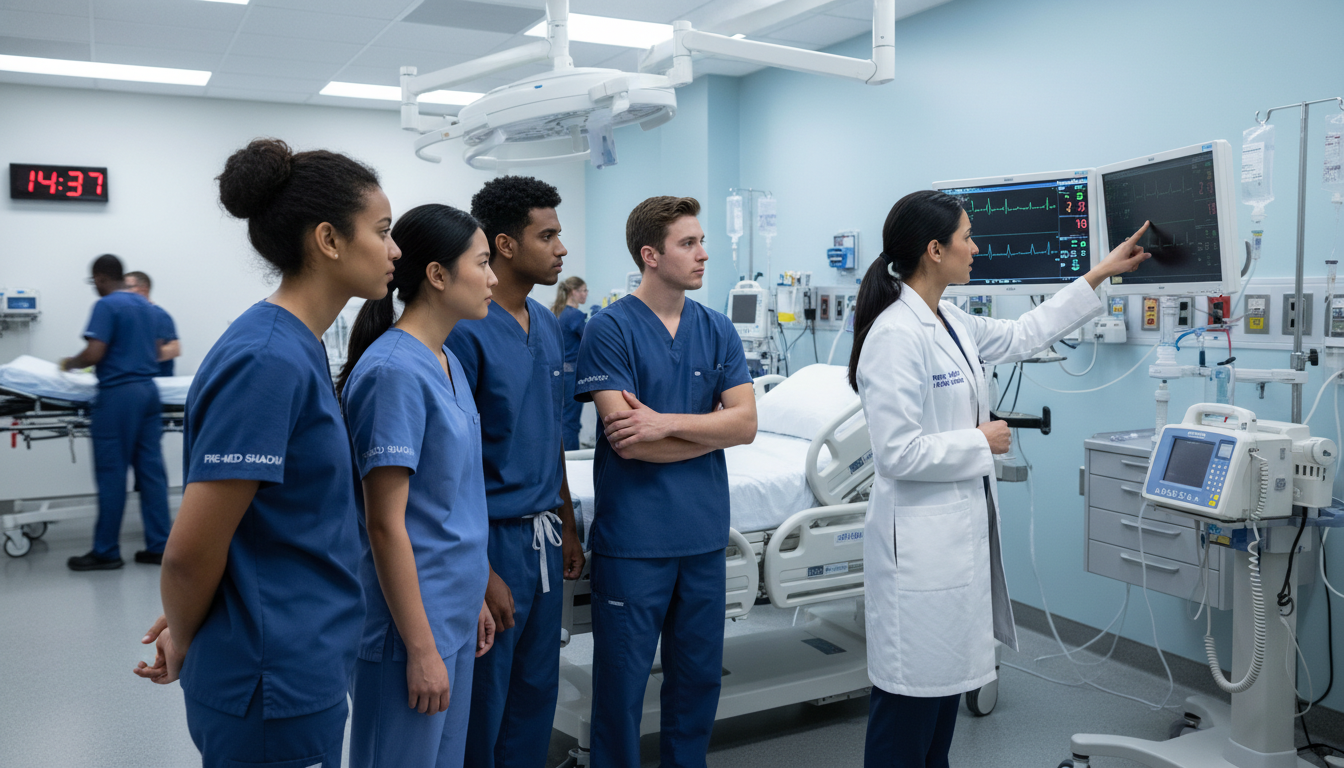
Why Pre-Med Preparation Matters for Emergency Medicine
If you’re even thinking about emergency medicine (EM) as a future career, the premed years are your best opportunity to build a foundation that will make the EM match much smoother later on. Strong premed preparation doesn’t just help you meet basic premed requirements and get into medical school; it also:
- Clarifies whether EM is actually a good fit for your personality and goals
- Positions you to thrive in the high-intensity environment of an emergency department (ED)
- Gives you compelling experiences to write about in personal statements and talk about in interviews
- Sets you up for a competitive EM residency application down the road
This guide walks you step-by-step from college course selection through early clinical experiences to early CV-building, all framed around future success in emergency medicine residency.
Understanding the Path: From Premed to Emergency Medicine
Before we get specific, it’s important to understand where premed fits in the full “how to become a doctor” timeline, particularly for EM.
Typical pathway:
- High school (optional early exploration)
- Volunteer, basic shadowing, early exposure to healthcare.
- College (Premed years: 4 years, sometimes more)
- Complete premed requirements (prerequisite courses, clinical exposure, MCAT, extracurriculars).
- Medical school (4 years)
- Preclinical years: basic sciences, limited clinical exposure.
- Clinical years: rotations including required or elective emergency medicine rotations.
- EM residency (3–4 years, depending on program)
- Categorical Emergency Medicine residency after the EM match.
- Optional fellowship (1–2 years)
- Critical care, ultrasound, toxicology, EMS, pediatric EM, administration, etc.
Your premed stage is where you build:
- Academic strength (to handle the heavy cognitive load of EM)
- Emotional resilience and communication skills (for high-acuity, emotionally intense cases)
- Exposure to acute care environments (to see if you enjoy and tolerate that pace)
If you plan early, each step you take as a premed can make your later emergency medicine residency aspirations more achievable.
Building a Premed Academic Foundation for Emergency Medicine
You do not need a specific major to become an emergency physician. Admissions committees care far more about your academic performance, maturity, and understanding of medicine than about whether you majored in biology or philosophy. That said, some choices make later life in the EM match easier.
Core Premed Requirements
Most U.S. medical schools share overlapping premed requirements:
- Biology: 2 semesters with lab
- General Chemistry: 2 semesters with lab
- Organic Chemistry: 2 semesters with lab (some schools now accept biochem in place of second semester orgo)
- Physics: 2 semesters with lab
- Biochemistry: 1 semester
- English / Writing-intensive courses: 2 semesters
- Math: 1–2 semesters (often including statistics)
- Social sciences / Psychology / Sociology: strongly encouraged, sometimes required
EM is cognitive- and knowledge-heavy, but nothing is uniquely “EM-only” at the premed level. Focus on:
- High GPA: Aim for 3.7+ if possible; >3.5 is generally competitive with strong MCAT and ECs.
- Trend matters: An upward trend can meaningfully offset a weaker start.
Actionable tip:
Create a 4-year plan early with your premed or academic advisor. Map out all prerequisite courses, major requirements, and room for electives that will help your EM skill set—such as public health, ethics, or advanced communication.
Major Selection: What Works Well for Future EM Physicians?
You can choose almost any major and still enter an emergency medicine residency later, as long as you complete required courses for med school. Common strategies:
Science-heavy majors (e.g., Biology, Biochemistry, Neuroscience)
- Pros:
- Align with MCAT and med school science content.
- Easier to integrate lab experiences and research.
- Cons:
- Risk of being “generic” unless you differentiate with strong experiences.
Non-science or blended majors (e.g., Psychology, Sociology, Public Health, Anthropology, Philosophy)
- Pros:
- Strengthen your understanding of human behavior, culture, and ethics—crucial in the ED.
- Can make your application stand out, especially if tied to ED-relevant topics like addiction, health disparities, or mental health.
- Cons:
- You must be very organized to fit in all science prerequisites.
For future EM physicians, Public Health, Global Health, or Psychology can be particularly valuable:
- Emergency departments are on the front lines of mental health crises, substance use, trauma, and health disparities.
- An early foundation in these topics helps you understand both the patient in front of you and the system around them.
Recommended Electives for Aspiring EM Physicians
Beyond the minimal premed requirements, some electives are especially useful:
- Medical Ethics / Bioethics – EM physicians frequently navigate end-of-life care, capacity assessment, and challenging consent issues.
- Medical Spanish (or another language common in your region) – Extremely useful in the ED.
- Statistics / Epidemiology – Helps with evidence-based practice and later residency or fellowship research.
- Trauma / Emergency Response courses (if available) – Not essential, but can fuel interest and provide talking points.
- Psychology / Abnormal Psychology – Mental health crises are a major part of EM practice.
Example:
A premed majoring in Public Health pairs core requirements with electives in injury prevention, substance use, and epidemiology. Later, that student can talk about how ED experiences align with upstream public health interventions—an excellent narrative for an EM personal statement and, eventually, for the EM match.

Clinical Exposure: Getting Early Experience in Emergency Settings
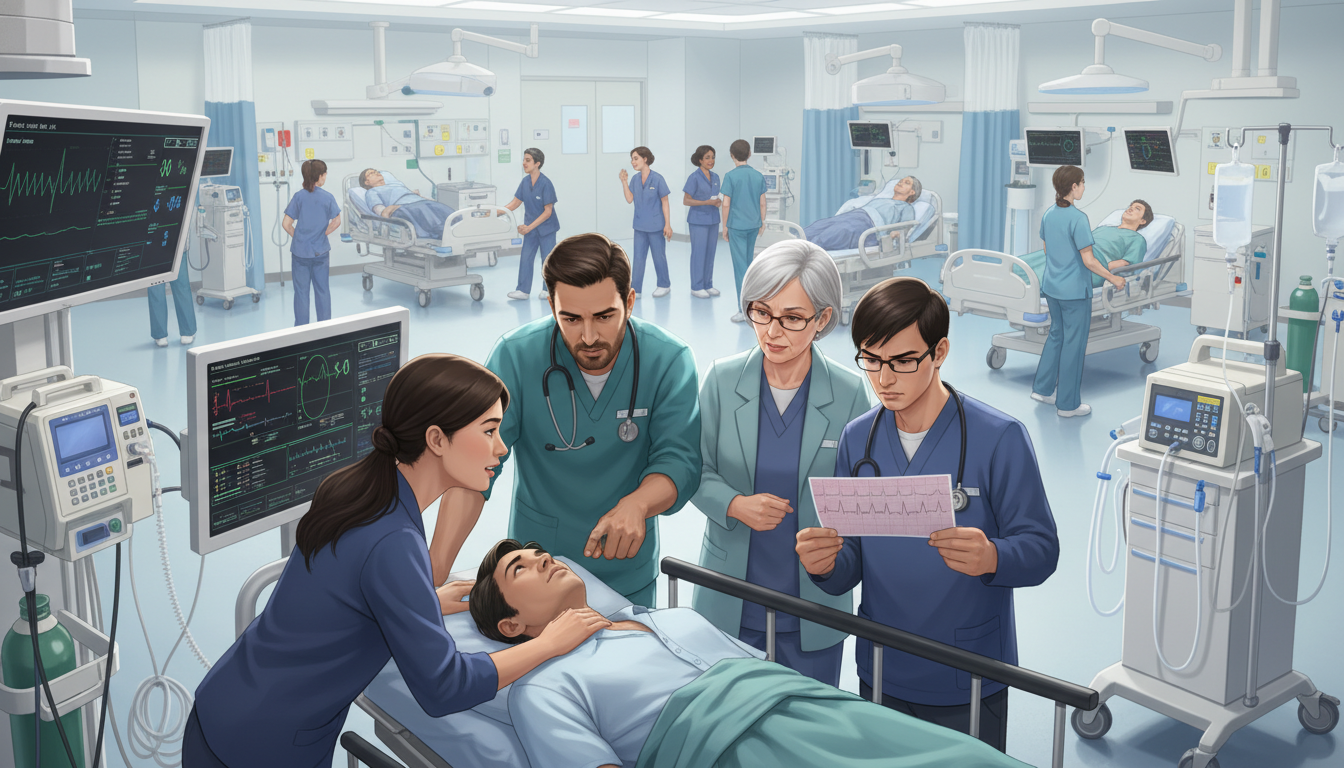
You can’t know if emergency medicine is for you until you’ve spent real time in or around an emergency department. As a premed, you won’t be doing procedures, but you can absolutely immerse yourself in EM-relevant environments.
Shadowing in the Emergency Department
Shadowing is often the first entry point into EM:
- Objectives as a premed shadower:
- Observe how emergency physicians think and make rapid decisions.
- See the workflow: triage, resuscitation, handoffs, disposition (admit vs. discharge).
- Experience the tempo and emotional climate of a busy ED.
How to find EM shadowing opportunities:
- Reach out to your college’s pre-health advising office for hospital contacts.
- Explore local teaching hospitals’ volunteer or shadowing programs.
- Ask personal connections (family, friends, or alumni) if they know any emergency physicians.
- Look for EM physicians with academic appointments; they may be more comfortable hosting students.
Shadowing etiquette tips:
- Dress professionally (business casual + white coat if required by institution).
- Maintain confidentiality; never discuss cases outside the ED.
- Be unobtrusive during critical resuscitations; ask questions after.
- Keep a reflection journal—not of identifiable patient details, but of what you learned and how it affected you.
These reflections become excellent raw material later for personal statements, secondary essays, and, eventually, your emergency medicine residency application when you articulate your ongoing interest in EM.
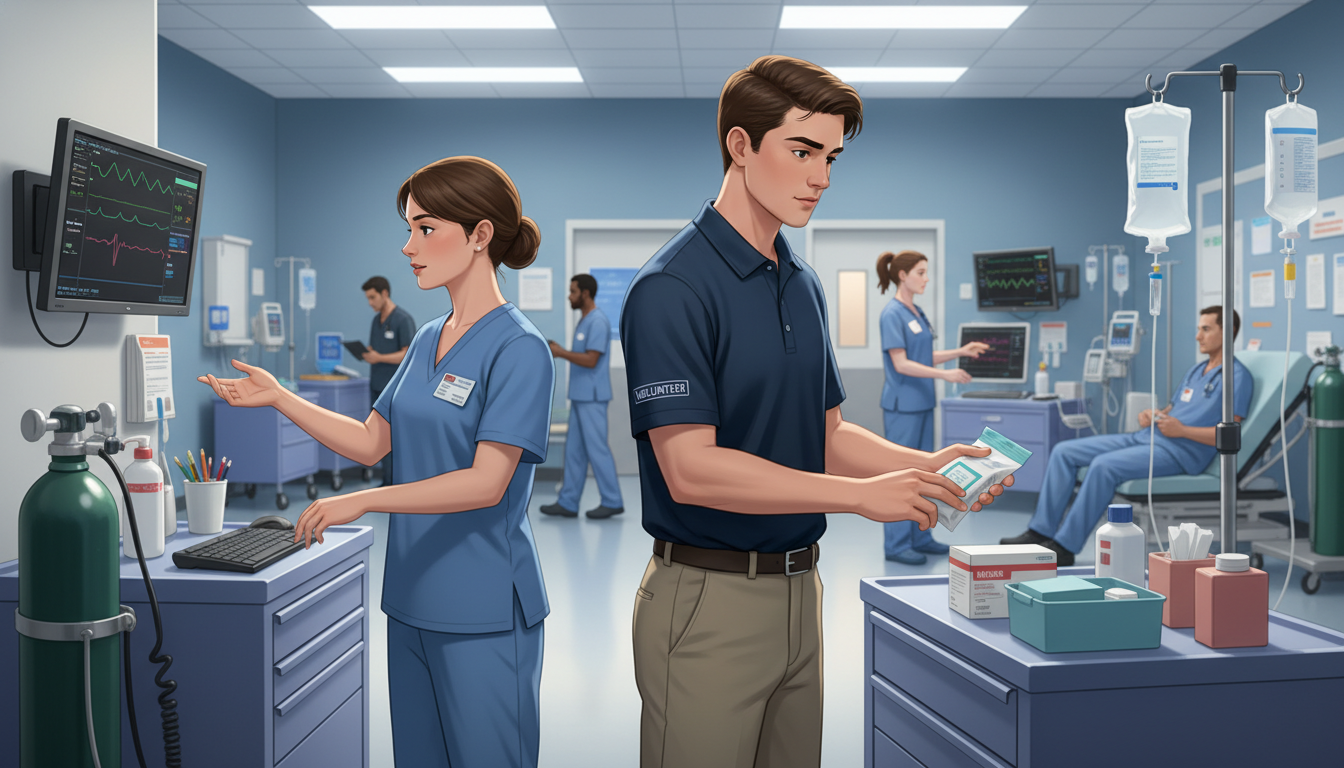
Volunteering in Emergency or Acute Care Settings
Volunteering gives you more continuous, active involvement than pure shadowing. While responsibilities are usually non-clinical, they still immerse you in the environment.
Potential roles:
- ED volunteer: stocking supplies, transporting patients, assisting with non-medical tasks.
- Patient transport or hospitality roles in the hospital.
- Crisis hotline volunteer: builds communication skills for handling distressed people.
- EMS or ambulance volunteer (depending on local regulations and training).
Why this matters for EM:
- You learn to be comfortable in fast-paced, unpredictable settings.
- You gain exposure to diverse patient populations and social determinants of health.
- You collect a series of longitudinal experiences that show sustained interest in acute care.
Actionable step:
Aim for consistent engagement (e.g., 2–4 hours per week over a year) rather than short bursts. Longevity matters to admissions committees and will matter again when EM program directors look at your trajectory.
Becoming an EMT or First Responder (Optional but Highly Valuable)
For some premeds eyeing emergency medicine residency, training as an EMT (Emergency Medical Technician) is one of the best possible premed experiences.
Benefits of EMT work as a premed:
- Direct, hands-on patient care under supervision.
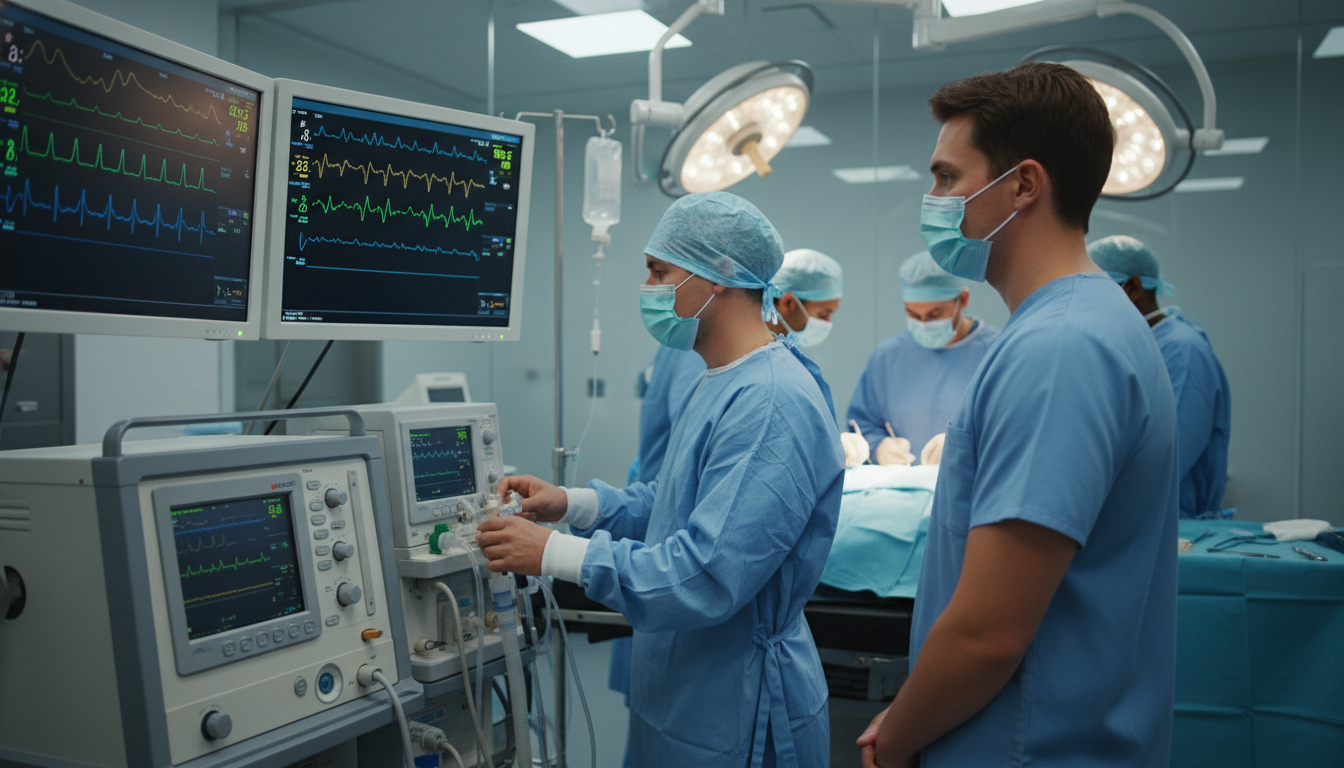
- Learn fundamentals of airway management, vital signs, trauma assessment, and communication in crisis.
- See prehospital care and how patients arrive at the ED context.
- Gain stories and insights that demonstrate maturity, responsibility, and real-world exposure.
Be realistic about balancing EMT work with coursework; an EMT job plus a full credit load can be intense. But even part-time or summer EMT work can meaningfully strengthen your profile for both medical school and, down the line, the EM match.
Skills and Experiences That Translate to Future EM Success
Emergency medicine requires a blend of cognitive, technical, and interpersonal skills. While you won’t be intubating patients as a premed, you can start developing the underlying competencies that EM physicians rely on daily.
Communication and Teamwork
In a crowded ED, communication errors can have serious consequences. EM physicians:
- Lead multidisciplinary teams under pressure.
- Explain complex, high-stakes situations to patients and families.
- Collaborate with consultants from every specialty.
As a premed, build these skills through:
- Team-based extracurriculars:
- Student government, debate team, team sports, EMS squads, or group-based research projects.
- Leadership roles:
- Captain, president, coordinator—anything that forces you to manage conflict and logistics.
- Community outreach:
- Health education, mentoring, or tutoring, especially in underserved communities.
Example:
A premed who leads a campus EMS organization can later describe learning to coordinate multiple volunteers, manage difficult on-scene conversations, and debrief emotionally intense calls—every one of which maps directly to ED leadership skills.
Resilience, Stress Management, and Emotional Intelligence
The ED is where people go on the worst day of their lives. You will eventually face trauma, resuscitations, death notifications, and suffering.
You can’t fully prepare for the emotional intensity as a premed, but you can start:
- Practicing stress management strategies: sleep hygiene, exercise, mindfulness, peer support.
- Reflecting regularly on emotionally challenging volunteer or shadowing experiences.
- Seeking mentorship from clinicians about how they sustain their careers without burnout.
Actionable tip:
Keep a private reflection journal tracking what energized you and what drained you in each experience. Review it annually. If repeated ED exposure leaves you mostly energized despite the difficulty, EM may be a good fit.
Research and Scholarly Activity Related to EM
You do not need emergency medicine-specific research to match into EM later, but research broadly is a plus for many medical schools and residency programs.
If you have the opportunity to get involved in research that intersects with emergency medicine, it can be especially strong:
- Injury prevention or trauma research
- Substance use, overdose prevention, or harm reduction
- Health disparities in access to urgent or emergent care
- Mental health crises, suicide prevention
- EMS systems and prehospital care
How this helps later:
- Demonstrates intellectual curiosity and evidence-based thinking.
- Provides talking points that link your premed years to an EM-oriented future.
- Gives you faculty mentors who may later advocate for you when you apply to EM residency.
Strategically Positioning Yourself for Medical School and Future EM Match
Everything you do as a premed—from your MCAT prep to your volunteering—ultimately serves two major goals:
- Get into medical school.
- Keep the door wide open for an emergency medicine residency later.
MCAT and Academic Performance with an EM Lens
For emergency medicine residency, there is no special “EM MCAT.” You simply need to be competitive for medical school admission.
Targets (approximate, not absolute cutoffs):
- GPA: Aim for ≥3.6 overall and science GPA if possible.
- MCAT: 510–515+ makes many schools accessible; higher scores further broaden options.
EM itself is physically and cognitively demanding, but the gateway is still medical school admissions. Strong foundational knowledge will make later EM rotations—and ultimately the EM match—less stressful.
Practical strategies:
- Schedule MCAT after you’ve completed key science prerequisites.
- Use a structured prep plan: content review + practice passages + full-length exams.
- Start MCAT prep early enough to avoid sacrificing grades during heavy semesters.
Building a Cohesive Narrative: Why EM?
While you don’t have to commit irrevocably to EM in college, a coherent story helps.
Try to gradually assemble a narrative that answers:
- What first drew you to acute care or emergency settings?
- How did shadowing or volunteering in the ED refine your interest?
- What have you learned about yourself—your temperament, values, strengths—from these experiences?
- How have research, leadership, or community service reinforced your commitment (or, if you’re undecided, your curiosity)?
This narrative will be invaluable at multiple stages:
- Medical school application personal statement and secondary essays
- Early mentoring conversations during medical school
- Later, your EM residency personal statement and interviews
Choosing Medical Schools with EM Opportunities in Mind
Even as a premed, you can think ahead to the environment you’d like for EM exposure in med school:
Look for medical schools with:
- Strong EM departments and dedicated EM faculty
- Level I or II trauma centers affiliated with the school
- Required EM rotations in the core clinical curriculum
- EM interest groups, simulation labs, and ultrasound training
- A robust track record of students successfully entering emergency medicine residency programs
This doesn’t mean you should only apply to EM-powerhouse schools, but if EM strongly interests you, give at least some preference to schools with established EM departments and residencies on-site.
Early Professionalism and Reputation
Program directors in emergency medicine care deeply about:
- Reliability
- Teamwork
- Professionalism under stress
Those traits start now. As a premed:
- Show up on time for every shadowing and volunteer shift.
- Respect every member of the healthcare team—nurses, techs, clerks, housekeeping, security.
- Follow all HIPAA and hospital rules meticulously.
The way you conduct yourself now lays the groundwork for mentorship relationships, strong letters of recommendation later, and a sustainable, respected career—whether or not you ultimately match into emergency medicine.
Putting It All Together: Sample Pre-Med Roadmaps for Future EM Docs
To illustrate how you can integrate all this, here are two example trajectories.
Example 1: Traditional Pre-Med Biology Major Interested in EM
Year 1:
- Take General Chemistry, Intro Biology, Writing, and a humanities class.
- Join premed club and a campus EMS squad as a trainee.
- Start casual shadowing in the ED (a few shifts each semester).
Year 2:
- Complete Organic Chemistry, Physics, and statistics.
- Intensify EMS involvement; begin regular weekly shifts.
- Volunteer once a week in the hospital ED (supply stocking, patient comfort measures).
- Begin MCAT content review over winter/summer.
Year 3:
- Biochemistry and upper-level biology electives (e.g., Physiology).
- Take MCAT in spring or early summer.
- Start a small project with an EM faculty member on ED patient flow or injury prevention.
- Assume a leadership role in campus EMS (training coordinator or officer).
Year 4:
- Finish remaining electives, possibly in public health or ethics.
- Apply to medical school.
- Continue EMS and ED volunteering, allowing more leadership and teaching roles.
By the time this student starts medical school, they have a strong academic foundation, rich ED exposure, leadership experience in acute care, and a coherent narrative pointing toward possible emergency medicine residency in the future.
Example 2: Non-Science Major (Psychology) with EM Interest
Year 1:
- Intro Psychology, General Chemistry, College Writing, and Calculus or Statistics.
- Join a local crisis hotline training program.
- Shadow in the ED a few times to confirm interest.
Year 2:
- Biology I & II, Physics I, and core Psychology courses.
- Volunteer weekly in the ED; start learning basic medical Spanish.
- Summer: take an EMT course and begin working part-time shifts.
Year 3:
- Organic Chemistry, Biochemistry, and upper-level Psych (e.g., Abnormal, Health Psychology).
- Take MCAT after completing Biochem.
- Continue EMT work; maybe do a small qualitative research project on patient experiences in acute psychiatric crises.
Year 4:
- Finish psychology degree with a capstone related to mental health and emergency care.
- Apply to medical school.
- Maintain EMT work and crisis hotline shifts, reflecting on how these shape your understanding of acute care and patient communication.
This student can later articulate a powerful connection between mental health, crisis intervention, and emergency medicine—a very compelling angle for EM programs.
FAQs: Premed Preparation for a Future in Emergency Medicine
1. Do I need to decide on emergency medicine during college to be competitive for the EM match later?
No. Many students discover EM during clinical rotations in medical school. However, if you already suspect EM may be a fit, using your premed years to explore acute care settings (EMS, ED, crisis work) gives you a head start. Admissions committees and, later, EM residency programs like to see genuine, sustained interest, but they do not require a rigid commitment from day one.
2. Is EMT certification necessary to get into EM later?
Not at all. EMT experience is helpful but not mandatory. It can strengthen your understanding of prehospital care and provide rich clinical stories, but many successful EM physicians never worked as EMTs. If EMT work would compromise your GPA or MCAT prep, prioritize academics first.
3. What premed requirements are most important if I’m specifically interested in emergency medicine?
You must meet all standard medical school prerequisites; the ED doesn’t change that. There aren’t “special EM courses” at the premed level, but mastering biology, chemistry, physics, and biochemistry sets you up for success in med school, where you’ll later integrate that knowledge into acute care scenarios in the ED. Supplementary coursework in psychology, public health, ethics, and language skills (e.g., medical Spanish) is particularly useful for EM practice.
4. How can I stand out later when applying for an emergency medicine residency (EM match) if I’m only a premed now?
You can’t “lock in” a future EM match as a premed, but you can lay strong groundwork:
- Keep your GPA and MCAT competitive to access good medical schools with strong EM departments.
- Seek sustained, meaningful exposure to emergency or acute care settings (ED volunteering, EMS, crisis hotlines).
- Build a track record of leadership, teamwork, and professionalism.
- Reflect on your experiences so that by the time you’re in medical school, you can clearly explain why EM fits your strengths and values.
Over time, this foundation makes it much easier to excel in EM rotations, obtain strong letters, and present a compelling application when you finally apply for emergency medicine residency.
By planning intentionally and choosing experiences that align with acute care and teamwork, your premed years can do far more than just satisfy premed requirements—they can equip you with the mindset, skills, and narrative that make a future in emergency medicine both attainable and deeply rewarding.