
Understanding Burnout in Plastic Surgery Residency
Residency in plastic surgery is one of the most competitive and demanding paths in medicine. Between the long hours, intense operative expectations, aesthetic precision, and patient pressures, it’s no surprise that residency burnout and physician burnout are widely reported in this field.
Burnout is not a sign of weakness, poor motivation, or inadequate “grit.” It is a recognized occupational syndrome resulting from chronic workplace stress that has not been successfully managed. For plastic surgery residents, it can quietly erode performance, learning, creativity, and compassion—exactly the skills you need to thrive in a high-stakes, detail-oriented specialty.
What Burnout Really Is
Most definitions of burnout in healthcare (including the WHO description) focus on three main dimensions:
Emotional exhaustion
- Feeling “used up,” drained, or unable to recover between shifts
- Dreading the day ahead or the coming week
- Sleep that doesn’t feel restorative, despite adequate hours
Depersonalization (cynicism)
- Detaching from patients or colleagues as a coping strategy
- Feeling indifferent or numb when facing suffering or complications
- Adopting a negative, sarcastic, or dismissive attitude just to get through the day
Reduced sense of personal accomplishment
- Feeling incompetent, ineffective, or like an “imposter” despite objective success
- Minimizing your achievements (“Anyone could have done that case”)
- Believing you are stuck and nothing you do will meaningfully change your situation
Burnout exists on a spectrum. You might not meet full criteria but still experience worrisome levels of stress, fatigue, or detachment. Early recognition allows for earlier, more effective action.
Why Plastic Surgery Residents Are at Particular Risk
Components of plastic surgery training that specifically increase burnout risk:
High expectations and perfectionism
- Constant scrutiny of fine motor skills, aesthetic judgment, and outcomes
- Complications can feel profoundly personal; even minor contour irregularities may feel like major failures
- A comparison-driven culture in many programs, especially with the intensity of the integrated plastics match
Early sub-specialization and pressure to “be great” right away
- Integrated plastic surgery residents enter the specialty from day one
- Little buffer period to explore; there can be strong internal pressure to prove you “deserve” your coveted spot
- Early exposure to complex reconstructions and cosmetic consults, with steep learning curves
Schedule and workload structure
- Physically demanding cases: long microsurgical reconstructions, multi-hour free flaps
- Frequent in-house or home call, often with unpredictable emergencies (replants, degloving injuries, flap take-backs)
- Emotional burden of trauma, cancer reconstruction, and pediatric deformities
Clinical and aesthetic dual identity
- Balancing reconstructive oncology work with cosmetic surgery aspirations
- Learning to navigate patient expectations in aesthetic practice, where “satisfaction” is subjective and sometimes unrealistic
Understanding these specific drivers is the first step in designing meaningful medical burnout prevention strategies tailored for plastic surgery residency.
Early Warning Signs: How to Recognize Burnout in Yourself and Peers
Plastic surgery residents are often high-achieving perfectionists. This personality style can mask burnout, because you may continue to perform at a high level while internally deteriorating. Recognizing early warning signs is essential.
Personal Red Flags
Look for patterns over time, not one-off bad days. Concerning trends include:
Cognitive changes
- Difficulty concentrating in the OR or clinic
- Forgetfulness (missing steps, overlooking simple orders)
- Slower decision-making or frequent second-guessing
Emotional changes
- Irritability or anger over minor frustrations (“pager rage”)
- Feeling emotionally flat when something should feel meaningful (successful flap, grateful patient)
- Frequent feelings of dread on off-days before returning to work
Behavioral changes
- Withdrawing from peers, skipping resident events you previously enjoyed
- Increased alcohol or other substance use “to take the edge off”
- Doom-scrolling or gaming late into the night instead of resting
Somatic symptoms
- New or worsening headaches, GI upset, musculoskeletal pain
- Persistent fatigue despite days off
- Frequent minor illnesses or prolonged recovery from simple infections
Professional & Training-Related Red Flags
Decreased engagement with learning
- Skimming articles or not reading at all
- Avoiding conferences or being physically present but mentally absent
- Losing interest in research or scholarly projects you once valued
Shift in values
- Thinking of patients as “numbers” or “problems” rather than individuals
- Resentment toward consults, particularly at night, even when appropriate
- Questioning your choice of plastic surgery in a chronic, despairing way (vs normal fluctuation)
Performance concerns
- Greater frequency of small errors or near misses
- Sloppy documentation or missed orders
- Feedback from attendings that you “seem off” or “less present”
Peer Indicators: Watching Out for Each Other
Plastic surgery is a team sport. Pay attention if a co-resident:
- Stops coming to pre-round coffee, morning sign-out, or social gatherings
- Becomes increasingly negative or cynical about every case or attending
- Appears chronically sleep-deprived, unkempt, or disinterested
- Starts talking about quitting or switching specialties in a hopeless, not exploratory, way
The culture you create as a resident class—especially in a small integrated plastics program—can be a powerful buffer against residency burnout.

Personal Strategies to Prevent and Mitigate Burnout
No amount of “self-care” can fully compensate for a toxic or chronically overloaded system. But there are concrete, evidence-informed habits that meaningfully improve resilience, performance, and well-being for residents.
1. Protect the Fundamentals: Sleep, Nutrition, Movement
Sleep
- Aim for consistency, not perfection:
- Target 6–8 hours when possible; during heavy call blocks, make micro-adjustments (20–30 minute naps, strict pre-call bedtime).
- Use sleep hygiene rules that work even on a resident schedule:
- Dark, cool room; use blackout curtains or an eye mask for post-call sleep.
- Avoid scrolling or charting in bed; keep the phone off the mattress.
- Limit caffeine 6–8 hours before planned sleep when you can.
Nutrition
- Pre-plan “fuel” like you pre-plan consults:
- Keep a “call bag” with nuts, jerky, protein bars, and electrolyte packets.
- Pre-portion meals on lighter days; your future post-call self will be grateful.
- Hydrate steadily through the day using a labeled water bottle (e.g., aim to finish one bottle by noon, another by 6 p.m.).
Movement
- Integrate movement into your existing routine:
- Take stairs instead of elevators for non-urgent trips when not post-call.
- Do 5–10 minute micro-workouts: wall sits, calf raises, shoulder stretches between cases.
- When schedule allows, build 2–3 short workouts per week—focus on strength and mobility to support long OR days.
2. Cognitive Tools: Reframing and Mental Skills for the OR
High-stakes specialties like plastic surgery magnify self-criticism. Structured cognitive approaches can help.
Reframing Perfectionism
- Shift from “I must get this perfect” to:
- “I’m here to learn reproducible technique.”
- “Every attending has a different style; my job is to understand the principles.”
- After a tough case or criticism, ask:
- What is one technical lesson I can take forward?
- What is one communication lesson I can take forward?
Pre- and Post-Case Routines
Develop a simple mental framework you can run in 1–2 minutes:
Pre-case:
- Identify 1–2 learning goals (e.g., “understand flap inset sequence,” “practice atraumatic handling of skin edges”).
- Visualize the first few steps you will perform.
Post-case:
- Ask yourself:
- What went well?
- What would I do differently next time?
- What’s the next reading or video I’ll review related to this?
- Ask yourself:
This structured reflection builds confidence and a sense of progression, which directly counteracts the “I’m not improving” aspect of burnout.
3. Strategic Boundary-Setting During Residency
Boundaries in residency are not about refusing work; they’re about intentional allocation of your limited energy.
Realistic Strategies in Plastic Surgery Residency
- Protect one recurring personal anchor:
- A weekly dinner, religious service, exercise class, or call to a partner/family. Treat it like a non-emergent but important appointment. Trade call when needed; you’ll also cover for others.
- Use “bounded” availability for non-urgent extras:
- Example: “I’m happy to help with that chart review project—I can contribute 2 hours a week on Friday evenings; if it needs more than that, I may not be the best person.”
- Practice saying “yes, if…” rather than “yes” to every new opportunity:
- “Yes, I’d like to be involved in that aesthetic study, if I can join as a sub-investigator and limit my role to data extraction.”
4. Building Emotional Resilience
Mindfulness and Micro-Pauses
You don’t need 30-minute meditations to see benefit. Instead:
- Take 3–5 deep breaths:
- Before entering the OR
- Before delivering difficult news
- After a complication discussion or morbidity and mortality
Those 30–60 second pauses help reset your nervous system and reduce the cumulative stress load that leads to burnout.
Debriefing After Difficult Events
Plastic surgery can involve traumatic and emotionally heavy cases—amputations, pediatric anomalies, cancer recurrences. After these:
- Debrief with a co-resident, fellow, or trusted attending:
- “What did you think of how that went?”
- “How do you manage when cases like that stick with you?”
- Write a quick note for yourself that focuses on:
- What you did for the patient
- What you learned clinically
- What feelings are still lingering (naming them reduces their power)
Using Your Program and System: Structural Approaches to Burnout Prevention
Medical burnout prevention is not solely an individual responsibility. Programs and institutions influence your daily experience as much as your personal habits.
1. Know and Use Program Wellness Resources
Many plastic surgery residency programs now have structured wellness frameworks. Common offerings include:
- Scheduled wellness days or “golden weekends”
- Confidential counseling services with protected time
- Peer support or “buddy” systems within your residency class
- Faculty wellness champions or mentors
- Simulation labs for technical skills, reducing pressure to learn everything in live cases
Action items:
- Ask explicitly during orientation or early in PGY-1/PGY-2:
- “What wellness resources are available, and how do residents usually access them?”
- Save the contact information for counseling, resident support services, and your program director in your phone.
Using these resources is professional, not weak. It signals that you take your long-term viability as a surgeon seriously.
2. Optimizing Workflow and Team Dynamics
Burnout often comes from inefficient, not just heavy, work.
Examples of small workflow improvements that matter:
- Standardizing pre-op orders and templates for common plastic surgery procedures (carpal tunnel, breast reduction, local flaps)
- Using shared sign-out tools to reduce redundant paging and miscommunication
- Cluster rounding so that residents can be in the OR more predictably rather than getting pulled out unpredictably
Engage your team actively:
- Propose time-limited experiments:
- “Can we trial a shared messaging group for consults for 2 weeks and see if pages decrease?”
- Use positive framing:
- “I think this pre-op checklist may help reduce last-minute cancellations and save us all time.”
These system tweaks both reduce cognitive load and give you a sense of control—another antidote to burnout.
3. Mentorship and Sponsorship
Robust mentorship is a known buffer against residency burnout, and it is especially important in plastic surgery, where career paths are diverse.
Types of mentors valuable in plastic surgery:
- Technical mentor – helps with operative skills, case preparation, and professional conduct in the OR
- Career mentor – guides choices between microsurgery, hand, craniofacial, aesthetics, academic vs private practice
- Wellness/peer mentor – often a senior resident or young attending, honest about struggles and strategies
Action steps:
- Request a formal mentor if not automatically assigned.
- Informally “audit” attendings:
- Who seems to balance high standards with teaching and humanity?
- Who talks about life outside of work?
- Ask direct but respectful questions:
- “How did you handle stress during your residency?”
- “What do you wish you’d done differently for your own well-being?”
4. Program-Level Culture: What You Can Influence
Even as a resident, you shape the culture of your plastic surgery service.
- Normalize normal struggles:
- “This week has been brutal; I’m glad we’re getting through it together.”
- Celebrate small wins:
- A difficult flap that survives, a well-managed consult, a patient thank-you note.
- Protect juniors:
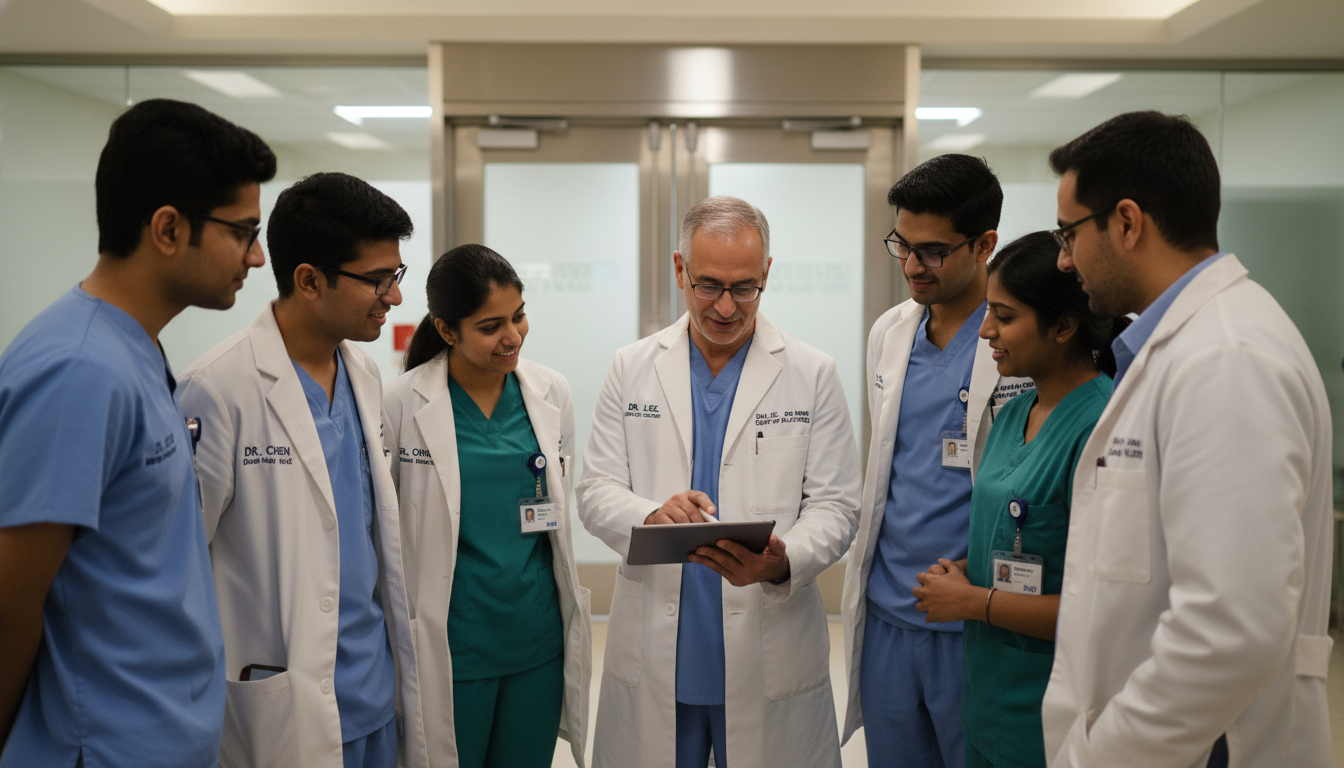
- As a senior resident, buffer PGY-1s and PGY-2s from unnecessary scut and support them when they struggle; this strengthens the entire residency culture.
Planning a Sustainable Career: From Residency to Attending Life
Residency is finite, but habits formed during training often carry into your attending years. Physician burnout frequently peaks in early practice if these patterns aren’t intentionally addressed.
1. Clarify Your “Why” in Plastic Surgery
Reconnecting to meaning is a major component of burnout prevention.
Reflect on:
- What aspects of plastic surgery drew you in initially?
- Creativity? Technical complexity? Restoring form and function? Aesthetics?
- Which clinics or cases leave you feeling energized rather than drained?
- Hand trauma vs elective breast vs craniofacial vs cosmetic consults
Use this information to:
- Prioritize rotations and electives that align with your core motivations
- Seek research and scholarly activity in areas that energize you, not just what’s available
- Guide fellowship and job decisions toward environments that match your values
2. Integrating Research, Aesthetics, and Reconstructive Work Without Overload
Many plastic surgery residents feel pressure to build massive CVs: basic science research, clinical studies, QI projects, conferences, aesthetic training, and more.
To avoid burnout:
- Apply the “portfolio” approach:
- Choose 1–2 primary focus areas (e.g., microsurgical reconstruction research + hand surgery clinical excellence).
- Let other areas be secondary (e.g., occasional aesthetic workshop rather than multiple competing commitments).
- Time-bound your commitments:
- “I will be the lead on this project for 6 months, then hand off data collection to a junior resident.”
- Use mentors to say “no” strategically:
- Before accepting a new role, ask a trusted attending: “Does this align with where I’m headed, or should I pass?”
3. Transitioning from Integrated Plastics Match to Senior Resident and Beyond
The intensity of the integrated plastics match can create a mindset where constant productivity and perfection feel mandatory just to “keep up.” As you move through residency:
- Recalibrate expectations:
- You are no longer competing for a residency spot; you are developing into a safe, skilled surgeon.
- Focus on depth of skill rather than sheer volume of accomplishments.
- Anticipate key stress points:
- First time leading a major free flap as primary
- First major complication where you were the senior on the case
- Fellowship and job interviews, contract negotiations
Plan ahead:
- Schedule check-ins with mentors around these milestones.
- Consider formal coaching (many academic centers now support this for senior residents and fellows).
4. Thinking Long-Term About Medical Burnout Prevention
As you envision attending life:
- Assess potential practice environments for burnout risk:
- Patient volume expectations, call burden, case mix, and support staff
- Culture of the group: do they talk openly about wellness and boundaries?
- Ask targeted questions on interviews:
- “How do your surgeons typically manage their OR and clinic days?”
- “What does time off actually look like in this practice?”
- “How does the group handle complications and support one another?”
Residency is your training ground not just for surgical skills, but for building the psychological and practical toolkit you’ll need for a sustainable plastic surgery career.
FAQs: Residency Burnout Prevention in Plastic Surgery
1. Is burnout inevitable during plastic surgery residency?
No. High stress is expected at times, but severe, persistent burnout is not inevitable. Many residents experience intense but temporary strain during heavy rotations without progressing to full burnout. Programs that proactively address workload, provide mentorship, and encourage use of wellness resources can significantly reduce the prevalence and severity of residency burnout. Your own habits—especially around sleep, boundaries, and support networks—also make a real difference.
2. How do I know when stress has crossed the line into burnout?
Look for sustained patterns (over weeks to months) of emotional exhaustion, detachment from patients and colleagues, and feeling ineffective or hopeless about your work. If you find no activities inside or outside of medicine enjoyable, dread going to work most days, or notice increased errors or near-misses, it’s time to take this seriously and talk with someone—whether that’s a mentor, chief resident, program director, or mental health professional.
3. What should I do if I think a co-resident is burned out?
Start with a private, non-judgmental conversation: “I’ve noticed you seem really drained lately and I’m concerned about you. How are you doing?” Listen more than you talk. Encourage them to use available resources, and if you’re comfortable, offer to accompany them to speak with a chief, program director, or wellness officer. If you are seriously worried about their safety, escalate immediately to leadership or institutional support services; safety comes first.
4. Will talking about burnout or seeking help hurt my career in plastic surgery?
Addressing burnout early is far less risky—to you and to patient safety—than ignoring it. The culture in medicine, and particularly in competitive specialties like plastic surgery, is slowly but meaningfully shifting. Many leaders now view proactive help-seeking and self-awareness as professional strengths, not liabilities. Use confidential resources when available, and choose mentors who explicitly support wellness and sustainable careers. Over the span of your career, protecting your well-being is essential to remaining a capable, compassionate plastic surgeon.