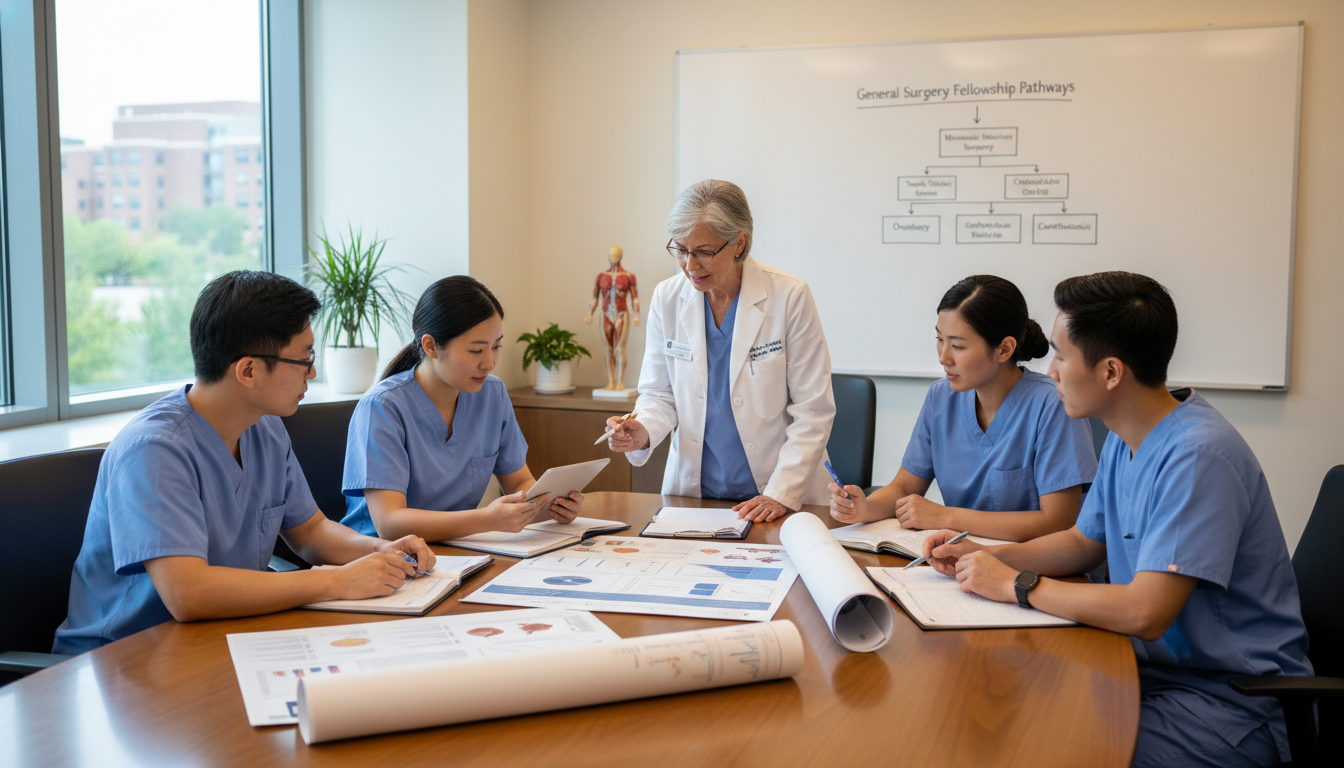
Understanding Surgical Fellowship Pathways in Cardiothoracic Surgery
Cardiothoracic surgery is one of the most demanding and rewarding surgery subspecialty choices. For many residents, the landscape of cardiothoracic surgery residency and subsequent surgical fellowship options can feel confusing—especially with evolving integrated pathways, diverse subspecialties, and increasingly competitive fellowships like structural heart, congenital, and surgical oncology fellowship tracks.
This guide walks you through the main pathways to becoming a cardiothoracic surgeon, how fellowships fit in, and how to strategically plan your training from medical school through early faculty years.
We’ll focus on:
- The core pathways to cardiothoracic training (integrated vs traditional)
- Major fellowship options within cardiothoracic surgery
- How to build a competitive application for advanced heart surgery training
- Strategic planning, timing, and common pitfalls
- Practical advice and FAQs for residents and medical students
Core Pathways into Cardiothoracic Surgery
Before you select a surgical fellowship, you need to understand how you actually enter the field. In the U.S., there are three primary training structures that lead to independent practice in cardiothoracic surgery.
1. Integrated I-6 Cardiothoracic Surgery Residency
What it is
The integrated 6-year (I-6) cardiothoracic surgery residency allows medical students to match directly into cardiothoracic training right out of medical school. It combines core general surgery exposure with early, sustained cardiothoracic specialization.
Structure (typical pattern)
- PGY1–2:
- Core rotations in general surgery, ICU, anesthesia, vascular, cardiology, pulmonary, and sometimes trauma
- Early exposure to thoracic and cardiac ORs
- PGY3–4:
- Increasing cardiothoracic responsibility: valve surgery, CABG exposure, thoracic oncology cases
- Mixed rotations in cardiac, thoracic, and sometimes vascular/endovascular
- PGY5–6:
- Chief-level responsibility in adult cardiac and general thoracic
- Focused exposure in specialized areas (e.g., transplant, aortic surgery, minimally invasive/robotic)
Who this pathway suits
- Students committed early to cardiothoracic surgery
- Those seeking a shorter overall training timeline
- Applicants with strong CVs by MS3/MS4 (research, strong letters, early CT exposure)
Pros
- Shorter path (6 years vs 7–9 years traditional)
- Earlier, deeper immersion in cardiothoracic surgery
- Good for building early mentorship and niche interests (e.g., structural, aortic, transplant)
Cons
- Reduced breadth in general surgery compared with 5+2 pathway
- Requires early career decision
- Switching out later can be challenging
2. Traditional 5+2 Pathway (General Surgery + CT Fellowship)
What it is
The “classic” route: a 5-year ACGME-accredited general surgery residency followed by a 2–3 year cardiothoracic surgery fellowship.
Structure
- PGY1–5 (General Surgery):
- Broad operative and perioperative training across all of general surgery
- Opportunities to rotate on CT and thoracic services
- PGY6–7 or 6–8 (CT Fellowship):
- Focused cardiothoracic training: adult cardiac, general thoracic, possibly congenital or transplant exposure
- Graduates are eligible for ABTS (American Board of Thoracic Surgery) certification
Who this pathway suits
- Students uncertain between different surgical fields at matriculation
- Residents who discover a passion for cardiothoracic later during training
- Individuals who value broad general surgery skills (especially if planning practice in smaller communities or mixed practice settings)
Pros
- Strong foundation in general surgical principles and techniques
- Flexibility in career choice until later in residency
- Useful if interested in combined practice (e.g., vascular + CT in certain settings)
Cons
- Longer total training time
- Need to match twice (general surgery and then CT fellowship)
- Must actively build a CT-specific profile during a busy general surgery residency
3. 4+3 or Early Specialization Pathways
Some institutions have 4+3 or “Early Specialization in Cardiac Surgery (ESCS)” models:
- 4 years of general surgery
- Followed by 3 years of cardiothoracic (often within the same institution)
These hybrid pathways aim to retain strong general surgery exposure while accelerating cardiothoracic specialization.
Key considerations for all pathways
- All CT pathways are rigorous; burnout and attrition are real concerns.
- Evaluate case volume, graduated responsibility, and faculty mentorship when comparing programs.
- Consider whether you want primarily adult cardiac, general thoracic, or congenital focus—and how each program’s caseload aligns.
Major Fellowship Options Within Cardiothoracic Surgery
After completing core heart surgery training (via I-6, 5+2, or 4+3), many graduates pursue subspecialty fellowships to refine their expertise and differentiate themselves in a competitive job market.
Below are the most common and relevant surgical fellowship pathways once you are board-eligible or board-certified in cardiothoracic surgery.
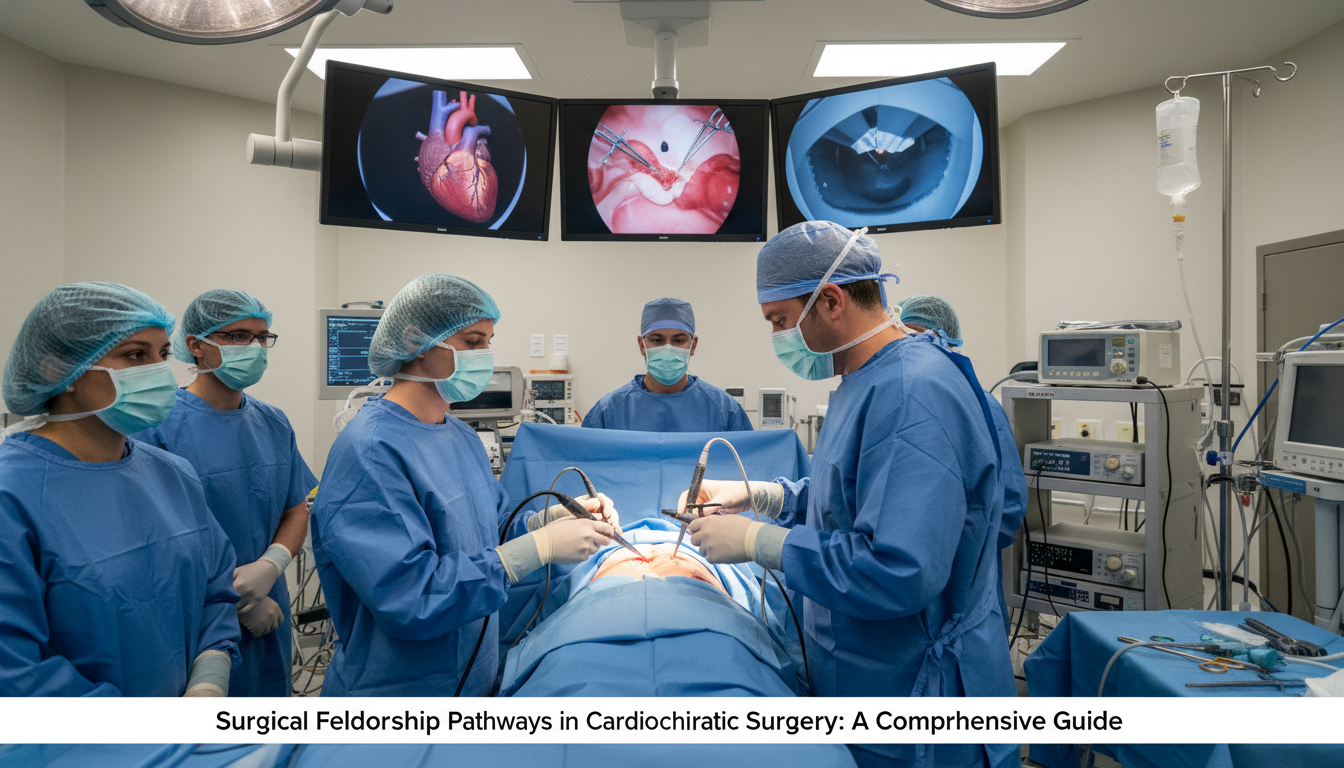
1. Adult Cardiac Surgery Fellowships
Focus areas
- Coronary artery bypass grafting (CABG)
- Valve repair and replacement (aortic, mitral, tricuspid)
- Aortic root and arch surgery
- Reoperative cardiac surgery
- Minimally invasive and robotic cardiac procedures
- Off-pump and hybrid coronary interventions
Some programs brand these as “advanced adult cardiac” with emphasis on:
- Aortic surgery and aortic center training
- Valve repair (especially complex mitral repair)
- Hybrid endovascular–open procedures
Ideal candidates
- Trainees planning careers in high-volume cardiac centers
- Those intending to develop a niche (e.g., complex aortic disease, valve repair center of excellence)
Program variations
- 1-year vs 2-year fellowships
- Some combine with structural heart or transplant exposure
- May be tailored for academic vs community practice goals
2. Congenital Cardiothoracic Surgery Fellowships
Scope
Congenital CT fellowships focus on surgery for:
- Neonates, infants, and children with congenital heart disease
- Adults with residual or repaired congenital cardiac conditions (ACHD)
Training highlights
- Complex neonatal cases (e.g., HLHS, truncus arteriosus, TAPVR)
- Pediatric cardiopulmonary bypass management
- Longitudinal outcomes and multidisciplinary care (cardiology, intensivists, geneticists)
Pathways and prerequisites
- Typically pursued after full CT training (I-6 or 5+2 route)
- Fellowship length often 1–2 years, but case volume and complexity are crucial
Career considerations
- Smaller number of jobs, concentrated in tertiary pediatric centers
- Highly competitive; requires strong commitment and often extensive research background
- Work is technically demanding and emotionally intense (complex infant and neonatal cases)
3. General Thoracic / Thoracic Oncology Fellowships
Some surgeons gravitate away from cardiac work and toward thoracic oncology and lung disease. There are several training models:
- Designated general thoracic surgery fellowships
- Thoracic oncology emphasis within a CT program
- Oncology-focused programs that function similar to a surgical oncology fellowship, but dedicated to thoracic cancers
Clinical exposure
- Lung cancer resection (lobectomy, segmentectomy, pneumonectomy)
- Esophageal cancer and benign esophageal disease
- Mediastinal tumors, chest wall tumors
- Minimally invasive thoracic surgery (VATS, robotic)
- Multidisciplinary cancer care (tumor boards, neoadjuvant/adjuvant planning)
Who this suits
- Trainees interested in cancer care, longitudinal outcomes, and multidisciplinary collaboration
- Those who prefer thoracic anatomy and lung/esophageal pathology over cardiac cases
- Applicants with an interest in clinical trials, translational oncology, or cancer biology
4. Heart and Lung Transplant + Mechanical Circulatory Support (MCS)
Training focus
- Orthotopic heart transplantation
- Lung transplantation (single and bilateral)
- Durable LVAD and RVAD implantation
- ECMO cannulation and management
- Donor procurement and organ allocation systems
- ICU and advanced heart/lung failure management
Typical structure
- 1–2-year specialized fellowships at major transplant centers
- Intense ICU involvement and high-acuity cases
- Close collaboration with heart failure cardiologists, pulmonologists, and transplant coordinators
Career implications
- Positions largely in large academic or transplant centers
- On-call structure can be demanding (organ offers at all hours, emergency implants)
- High risk, high reward area with strong academic productivity opportunities
5. Structural Heart Disease and Hybrid Fellowships
While many structural heart procedures are led by interventional cardiologists, cardiothoracic surgeons play a critical role in:
- Transcatheter aortic valve replacement (TAVR / TAVI)
- Transcatheter mitral and tricuspid interventions (e.g., edge-to-edge repair, valve-in-valve)
- Left atrial appendage occlusion
- Hybrid aortic procedures (e.g., frozen elephant trunk, arch debranching + TEVAR)
Training models
- Formal structural heart fellowships (sometimes shared with interventional cardiology)
- Integrated hybrid programs attached to adult cardiac or aortic fellowships
- On-the-job specialization within high-volume CT practices
Key skills developed
- Imaging interpretation: TEE, CT, 3D reconstructions
- Hybrid OR workflows and radiation safety
- Device selection and procedural planning
- Collaborative practice with cardiology teams
6. Additional Niche Fellowships and Complementary Training
Less common but increasingly relevant options include:
- Endovascular / Aortic Fellowships
- TEVAR, EVAR, complex branched and fenestrated grafts
- Often joint with vascular surgery
- Minimally Invasive / Robotic Fellowships
- Robotic CABG, valve surgery, lobectomy, and esophagectomy
- Good if your residency had limited robotic experience
- Outcomes Research / Health Services Fellowships
- For those pursuing academic careers with focus on quality, outcomes, or health policy
- Global Cardiac Surgery and Humanitarian Fellowships
- Limited but impactful; focus on underserved regions and capacity building
Planning Your Path: From Medical School to Fellowship
To successfully navigate from early training to a targeted surgical fellowship, you need to think in phases and align your steps with your long-term goals.

Phase 1: Medical School – Positioning for Cardiothoracic Training
Key objectives
- Decide between integrated I-6 vs general surgery first
- Build an early portfolio that signals commitment to CT
Actionable steps
Clinical exposure early and often
- Request CT elective during core clinical year if possible
- Shadow in the cardiac or thoracic OR
- Attend departmental conferences or M&M
Research involvement
- Aim for at least one CT-related project: outcomes, case series, quality improvement, or translational research
- Identify a CT surgeon mentor; these relationships often drive future letters and opportunities
Letters of recommendation
- At least one letter from a CT surgeon if applying I-6
- Emphasize work ethic, OR performance, and ability to handle complex cases
USMLE/COMLEX and academic performance
- Competitive scores and strong clinical evaluations remain important for top programs
- Honors in surgery rotation is particularly valuable
Deciding I-6 vs traditional path
- I-6: choose if you are committed early and want fast-tracked heart surgery training
- Traditional 5+2: choose if you want broader exposure or are unsure of final subspecialty
Phase 2: Surgical Residency – Building a CT-Oriented Portfolio
If you’re in general surgery:
- Prioritize CT rotations:
- Seek out elective rotations on CT and thoracic services
- Request to assist on complex cases and follow patients longitudinally
- Research productivity:
- Present at STS, AATS, or regional CT meetings
- Work toward publications in cardiothoracic or surgical journals
- Networking and mentorship:
- Identify CT faculty who know your work and can write detailed, enthusiastic letters
- Signal your interest:
- Give CT-focused grand rounds or journal clubs
- Engage in quality improvement or ERAS pathway projects related to CT patients
If you’re in an integrated I-6 program:
- Develop an early niche:
- Aortic, structural, congenital, thoracic oncology, or transplant—start testing your interests by PGY3
- Maximize case logs:
- Track your volume; seek opportunities to participate in a wide mix of cases
- Academic development:
- Aim for focused research that aligns with your intended fellowship (e.g., transplant outcomes, thoracic cancer biology)
Phase 3: CT Residency/Fellowship – Positioning for Advanced Fellowships
By your final years of core CT training:
Clarify your career goals
- Academic vs community practice
- Cardiac vs thoracic vs congenital vs transplant
- Desire for hybrid/structural or robotics
Select targeted fellowships
- Research program strengths: case volume, faculty, alumni placements
- Look at case mix—e.g., some “cardiac” fellowships are primarily CABG, others excel in complex aortic or structural
Application strategy
- Typical timeline:
- Many advanced fellowships recruit 1–2 years before start date
- Some use formal matches; others recruit via direct application and interviews
- Application components:
- Updated CV with clear operative and research experience
- Tailored personal statement emphasizing your niche interest
- Strong letters from recognized CT surgeons in your chosen subspecialty
- Interview preparation
- Be ready to discuss:
- Detailed operative experiences and level of autonomy
- Long-term career vision
- How you will contribute to the program’s clinical and academic missions
Strategic Considerations: Matching Training to Career Goals
Choosing among multiple training and fellowship options requires more than just prestige chasing. Be intentional about how each step supports your eventual practice.
Academic vs Community Career Tracks
Academic-focused surgeons often benefit from:
- High-volume, tertiary or quaternary referral center training
- Subspecialty fellowships (congenital, transplant, thoracic oncology, structural)
- Meaningful research and teaching experience
- Strong mentorship and national society involvement
Community-based surgeons may prioritize:
- Broad-based training over ultra-narrow subspecialization
- Programs with strong CABG and valve volume
- Exposure to practical, real-world case mix (e.g., combined cardiac and some thoracic)
- Training environments that simulate the resource constraints of smaller hospitals
Geographic and Lifestyle Considerations
- Certain fellowships (e.g., transplant, congenital) are concentrated in specific metropolitan regions.
- MCS/transplant and some academic practices involve demanding call schedules and irregular hours.
- Thoracic and adult cardiac practices may offer more predictable elective workloads in some settings.
Market Realities and Job Prospects
- Thoracic oncology and general thoracic surgeons are increasingly in demand due to lung cancer screening, aging populations, and minimally invasive techniques.
- Pure adult cardiac positions remain plentiful, but competition is strongest in major urban centers.
- Congenital surgery is a small field with limited positions; careful planning and mentorship are essential.
- Transplant/MCS positions are tied to a smaller number of transplant centers, often in academic settings.
Avoiding Common Pitfalls
- Over-training without clear purpose:
- Multiple fellowships can delay earning potential and delay board certification. Pursue additional training only when it clearly aligns with your long-term goals.
- Underestimating non-clinical fit:
- Team culture, mentorship, and institutional support matter as much as case volume.
- Neglecting wellness and sustainability:
- CT training is intense. Long-term success depends on building sustainable habits and boundary-setting even in fellowship.
Frequently Asked Questions (FAQ)
1. Do I need a fellowship after completing a cardiothoracic surgery residency?
Not always. Many surgeons practice successfully after standard cardiothoracic surgery residency without additional formal fellowships, particularly in broad adult cardiac or mixed cardiac/thoracic practices.
You are more likely to need a fellowship if:
- You want to specialize in congenital, transplant/MCS, or highly complex aortic surgery.
- You’re targeting an academic position with a clearly defined niche.
- Your residency lacked volume or depth in your desired subspecialty (e.g., robotics, structural heart, or advanced thoracic oncology).
2. How competitive are advanced cardiothoracic fellowships?
Competitiveness varies:
- Most competitive: Congenital, transplant/MCS, some structural heart programs, and prestigious thoracic oncology centers.
- Moderately competitive: High-profile adult cardiac or thoracic programs with strong reputations.
- Variable: Smaller or less well-known programs, where fit and networking are often more important than raw metrics.
Factors that strengthen your candidacy:
- Strong letters from respected CT surgeons
- Clear subspecialty focus with relevant research and presentations
- High operative case volume and documented autonomy
- Evidence of professionalism, teamwork, and resilience
3. Can I switch from cardiac to thoracic (or vice versa) after training?
To some extent, yes—but with caveats:
- Board certification in thoracic surgery typically covers both cardiac and general thoracic surgery, but your employability depends heavily on your actual case experience.
- Switching focus (e.g., from adult cardiac to primarily thoracic oncology) may require:
- A dedicated thoracic fellowship, or
- Substantial on-the-job experience at a high-volume thoracic center.
- Employers and credentialing bodies look closely at your training profile and case logs when granting privileges.
4. Is research mandatory for getting into a good cardiothoracic fellowship?
Not formally, but it is highly advantageous, especially if:
- You are targeting academic or high-profile programs.
- You want subspecialty fellowships (e.g., congenital, thoracic oncology, transplant).
Strong research involvement demonstrates:
- Commitment to the field
- Ability to think critically about outcomes and innovation
- Potential to contribute to the academic mission of a program
Residents with limited research can still match into solid fellowship programs if they have:
- Outstanding clinical performance
- Strong letters emphasizing technical growth and professionalism
- Clear, well-articulated career plans
Cardiothoracic surgery offers a rich landscape of training and fellowship options, from integrated residency to highly focused fellowships in transplant, congenital, thoracic oncology, and structural heart. By understanding the available surgical fellowship pathways, aligning them with your long-term goals, and planning strategically from medical school onward, you can build a career in cardiothoracic surgery that is both technically fulfilling and personally sustainable.