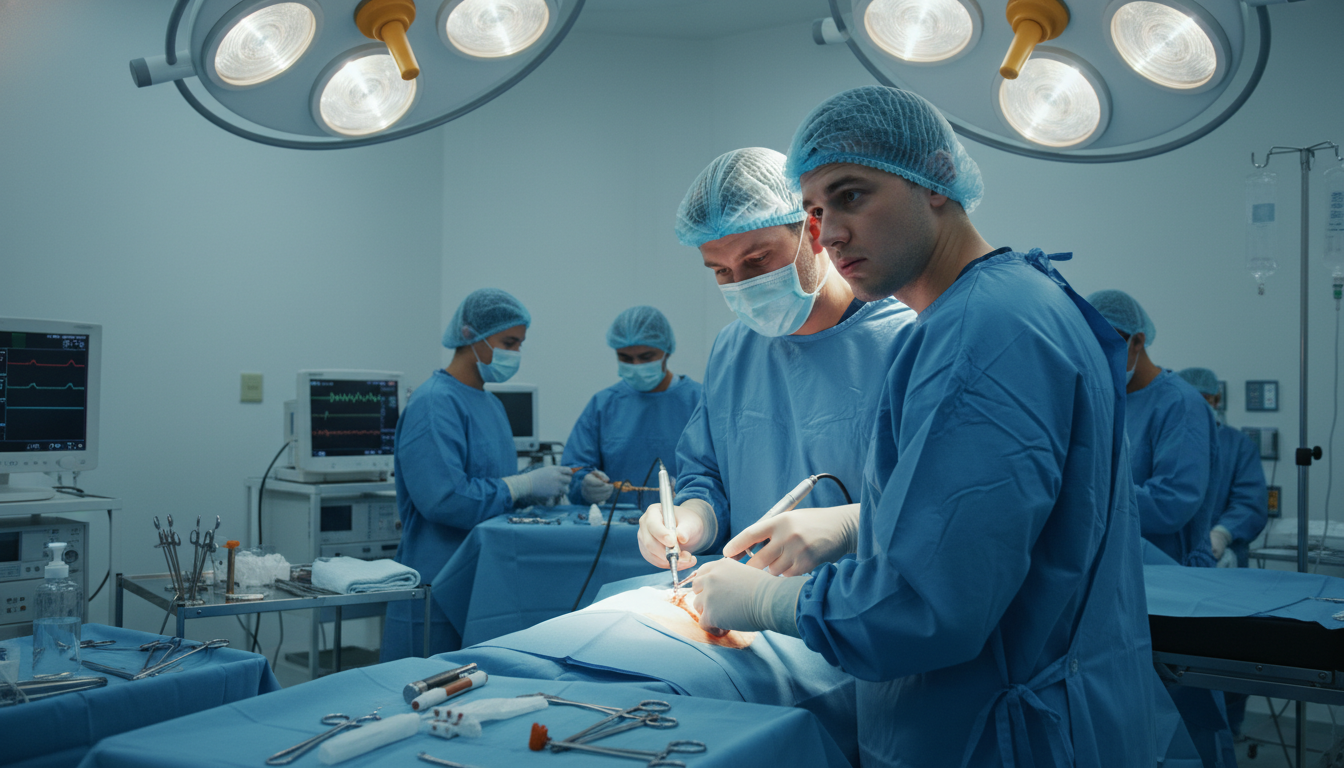
Understanding Diagnostic Radiology as a Specialty
Diagnostic Radiology is the medical specialty that uses imaging to diagnose (and sometimes help treat) disease. At its core, radiology is about answering clinical questions: Why is this patient short of breath? Is this headache from a tumor, a bleed, or something benign? Is this trauma patient bleeding internally?
When you’re asking “What specialty should I do?” or exploring how to choose a specialty, it’s important to understand what radiologists actually do day to day and how that fits your personality, values, and long-term goals.
What is Diagnostic Radiology?
Diagnostic radiologists interpret medical images created by:
- X-ray (plain radiographs)
- CT (computed tomography)
- MRI (magnetic resonance imaging)
- Ultrasound
- Nuclear medicine and PET
- Mammography and specialized breast imaging
- Fluoroscopy and contrast studies (e.g., GI, GU)
They collaborate with virtually every specialty—emergency medicine, surgery, internal medicine, pediatrics, OB/GYN, oncology, neurology, orthopedics, and more.
Core roles of a diagnostic radiologist:
- Interpret imaging studies and generate detailed reports
- Provide rapid consultations to referring clinicians (phone, in-person, electronic)
- Participate in multidisciplinary conferences (e.g., tumor boards)
- Perform some image-guided procedures (e.g., biopsies, drain placements, joint injections) depending on practice and subspecialty
- Optimize imaging protocols and oversee quality and safety (radiation dose, contrast use, etc.)
Radiology is a nexus specialty: nearly every inpatient and outpatient service depends on it. That’s why understanding radiology is crucial when choosing a medical specialty—even if you ultimately choose something else, imaging will remain central to your practice.
Is Diagnostic Radiology Right for You? Self-Assessment and Fit
When thinking through the radiology residency path and the diagnostic radiology match, go beyond reputation or hearsay. Step back and ask: What do I actually enjoy doing? How do I like to think and work?
Below are key traits and preferences that often align well (or poorly) with Diagnostic Radiology.
Personality Traits That Align With Radiology
1. You enjoy pattern recognition and visual problem-solving
Radiology is highly visual. If you like:
- Spotting subtle differences between similar images
- Solving puzzles based on incomplete or indirect information
- Recognizing patterns and forming a differential diagnosis
…you may find radiology uniquely satisfying. Much of the work is “clinical detective work” guided by imaging.
2. You value broad, cross-specialty knowledge
Radiologists touch nearly every organ system and patient population—from fetal anomalies to geriatric fractures, from trauma to oncology. The best radiologists:
- Understand pathophysiology across multiple fields
- Think systematically (e.g., chest imaging in cardiology, pulmonology, oncology, infectious disease)
- Are comfortable with constant learning as technology and disease understanding evolve
If you enjoy being a “doctor’s doctor” with wide exposure rather than a very narrow focus, radiology can be an excellent fit.
3. You prefer cognitive over procedural work (with some exceptions)
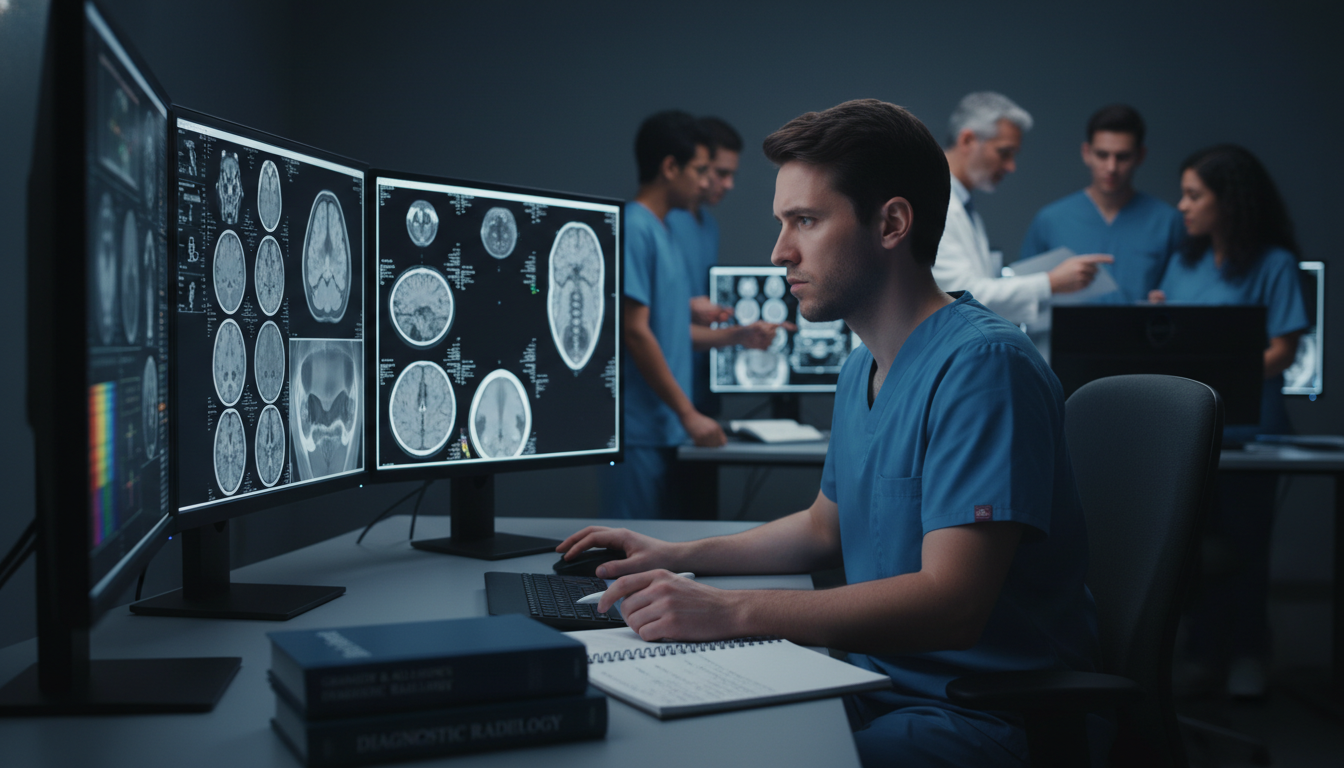
Diagnostic radiology skews heavily cognitive: interpretive, analytical, and consultative. There are procedures (more in interventional radiology, but also in general and subspecialty radiology), but most of your day in diagnostic radiology will be:
- Reviewing images and clinical histories
- Formulating structured reports
- Communicating key findings and recommendations
If your idea of a satisfying day involves several hours of focused, high-yield interpretive work at a workstation, you may thrive here.
Lifestyle and Work Preferences
1. Predictability and flexibility
Among residency specialties, many applicants see radiology as offering:
- More predictable daytime hours in many settings
- Opportunities for shift-based work (e.g., evenings, nights with differential)
- Flexibility for teleradiology and hybrid/remote work in some practice models
That said, radiology is not uniformly “9–5” or “easy”—emergency and trauma imaging, neuro and body imaging on call, and academic subspecialties can be intense, with real-time demands and high stakes.
2. Comfort with less direct patient contact
This is a major decision point. In diagnostic radiology:
- Most interactions are with images and referring providers, not directly with patients
- Patient contact is more limited to specific areas (e.g., fluoroscopy, ultrasound, breast imaging, procedures)
If daily, longitudinal patient relationships are central to your vision of being a physician, you may find radiology unsatisfying. However, if you still want meaningful clinical impact without traditional bedside care, radiology might fit you very well.
3. Tolerance for high-volume, high-stakes decision-making
Modern radiology is faster and more complex than ever:
- Large volumes: dozens of CTs, MRIs, and X-rays per shift
- High stakes: missing a subtle lung nodule or small intracranial bleed can be life-altering
- Ongoing time pressure: ED and inpatient teams often want results “yesterday”
You need to be comfortable making frequent, high-consequence decisions and continually refining your interpretive skills.
Skills and Interests That Support a Radiology Career
- Comfort with technology: PACS, voice dictation, AI tools, new imaging platforms
- Strong written communication: Clear, concise, actionable reports
- Verbal communication under pressure: Rapid phone consults with ED or surgeons
- Attention to detail: Finding the “incidental but important” findings (e.g., early cancers, aneurysms)
If this profile resonates with you, it’s worth exploring radiology more intensively before the diagnostic radiology match cycle.
Comparing Diagnostic Radiology to Other Specialties
When thinking through how to choose a specialty and asking “What specialty should I do?”, it helps to compare radiology against other fields across consistent dimensions: patient contact, procedures, cognitive vs. hands-on work, lifestyle, and personality fit.
Radiology vs. Internal Medicine and Subspecialties
Internal Medicine (IM):
- Patient contact: Extensive, longitudinal relationships
- Cognitive vs. procedural: Mostly cognitive, with some procedures (e.g., LPs, paracenteses)
- Scope: Deep focus on adult medical conditions, often in a clinic/ward setting
- Lifestyle: Variable; often busy, with documentation and complex care coordination
Diagnostic Radiology compared to IM:
- Less direct patient interaction, more interaction with images and providers
- Broader exposure to diseases across all systems but less direct management
- Faster encounter cycles (study-by-study rather than visit-by-visit)
- Different stressors: image interpretation and medicolegal risk vs. care coordination and diagnostic ambiguity at the bedside
Choose IM if you love building relationships, managing chronic disease over time, and being the primary decision-maker. Choose radiology if you prefer high-level diagnostic work with broad pathology exposure and less responsibility for day-to-day clinical management.
Radiology vs. Surgery and Procedural Specialties
Surgical specialties (general surgery, orthopedics, neurosurgery, etc.):
- High physical procedural content and OR time
- Intense training, early mornings, and long operative days
- Deeply hands-on with clear, tangible “before and after” outcomes
Diagnostic Radiology compared to surgery:
- Predominantly non-operative and non-procedural (except specific subspecialties and IR)
- Less physically demanding, more cognitive and screen-based
- Shorter daily hours in many practice models, but concentrated mental workload
If you thrive in the OR, love working with your hands, and enjoy direct procedural responsibility, surgery may be better. If you like being the person who finds and clarifies the problem (rather than physically fixing it), radiology may feel more natural.
Radiology vs. Emergency Medicine
Emergency Medicine (EM):
- Rapid patient turnover, intense multitasking
- Immediate procedures (intubations, central lines, reductions)
- Irregular hours, nights, and shift work
- High-acuity, high-uncertainty environment
Diagnostic Radiology compared to EM:
- Similar exposure to acute pathology, especially for ED radiologists
- Radiologist often works in parallel with EM, answering critical questions quickly
- More structured environment (reading room vs. ED chaos)
- Less patient-facing stress, but high responsibility for timely and accurate interpretation
If you enjoy the adrenaline of resuscitations and face-to-face patient care under pressure, EM may be a better choice. If you prefer a more controlled environment with high cognitive demands but fewer chaotic interruptions, radiology is worth exploring.
Radiology vs. Other “Cognitive” Specialties
Neurology, pathology, psychiatry, etc.:
- Heavy emphasis on interpretation and pattern recognition within a particular domain
Diagnostic Radiology compared to these:
- Radiology shares the cognitive, pattern-recognition appeal of specialties like neurology and pathology, but with more technological immersion and a broader cross-organ scope.
- Pathology and radiology overlap conceptually (interpreting representations of disease), but one works with tissues, the other with images.
If you like the idea of being a “behind-the-scenes” diagnostician but with more direct interaction with living patients and clinicians than pathology often offers, radiology may be an ideal hybrid.
The Path to a Radiology Residency and the Match
Once you feel radiology could be a fit, you’ll want to understand the radiology residency training path and how the diagnostic radiology match works so you can prepare strategically.
Training Structure
In the U.S., Diagnostic Radiology (DR) typically involves:
Preliminary/Transitional Year (PGY-1)
- Medicine, surgery, or transitional year (mixed rotations)
- Some programs are integrated, but many applicants match separately into a preliminary year and an advanced DR program
Advanced Diagnostic Radiology Residency (PGY-2 to PGY-5)
- Four years of core radiology training
- Rotations in:
- Chest imaging
- Abdominal/body imaging
- Neuroradiology
- Musculoskeletal imaging
- Pediatric radiology
- Nuclear medicine
- Breast imaging
- Emergency radiology
- Interventional exposure in some programs
Board Exams
- Core exam (after ~3 years of DR training)
- Certifying exam after completion of residency
Optional Fellowship (PGY-6+)
Most radiologists now complete at least one year of fellowship in areas like:- Neuroradiology
- Musculoskeletal radiology
- Abdominal/body imaging
- Cardiothoracic imaging
- Breast imaging
- Pediatric radiology
- Nuclear medicine
- Interventional radiology (integrated or independent tracks)
Competitiveness and Application Profile
Radiology has historically been considered moderately to highly competitive, though competitiveness can fluctuate with applicant interest and workforce trends. A strong applicant generally has:
- Solid USMLE/COMLEX scores (especially for more competitive programs)
- Strong third-year clerkship performance, particularly in medicine and surgery
- Demonstrated interest in radiology:
- Radiology elective(s)
- Radiology-related research or quality improvement projects
- Engagement with radiology interest groups
Other factors:
- Letters of recommendation from radiologists are very helpful
- Demonstrated professionalism and teamwork (residents work closely with each other under time pressure)
- Comfort with technology and evidence of critical thinking skills
Experiences to Pursue in Medical School
To explore and strengthen your candidacy for radiology residency:
Radiology Electives (Core and Subspecialty)
- Do at least one general diagnostic radiology elective
- If possible, rotate through subspecialties of interest (e.g., neuroradiology, body imaging)
- Use electives to clarify if the day-to-day environment aligns with your preferences
Shadowing and Reading Room Time
Spend time observing how radiologists:- Approach a CT scan from start to finish
- Communicate findings to surgeons, ED physicians, oncologists
- Teach residents and students
Research and Scholarly Activity
- Get involved early (MS1/MS2 if possible)
- Projects might include:
- Retrospective imaging studies
- AI/ML in imaging (in collaboration with data science/statistics)
- Quality improvement (e.g., contrast safety, report templates, dose reduction)
Mentorship and Networking
- Seek out a radiology mentor or advisor
- Attend radiology department meetings or conferences if possible
- Join societies (e.g., RSNA resident/student sections, ACR) as a student member
These experiences will confirm whether radiology really aligns with your interests and strengthen your application for the diagnostic radiology match.

Practical Framework for Choosing Diagnostic Radiology
Filtering all of this into a concrete answer to “What specialty should I do?” can be overwhelming. Use a structured approach to evaluate whether choosing medical specialty in diagnostic radiology makes sense for you.
Step 1: Clarify Your Core Priorities
Write down your top 5 priorities for your future career. Common themes include:
- Level and type of patient contact
- Amount of procedural vs. cognitive work
- Desired lifestyle (hours, call, flexibility)
- Interest in technology and imaging
- Desire for breadth vs. depth of medical knowledge
- Preference for visible patient gratitude vs. behind-the-scenes impact
Once you’ve listed your priorities, rate how well radiology fulfills each on a 1–5 scale. For example:
- Direct, longitudinal patient relationships: maybe 1–2 for most DR practices
- intellectually challenging diagnostic problem-solving: 5
- Technology-intensive environment: 5
- Flexibility for remote work later in career: often 4–5 (depending on practice and region)
If radiology scores high on multiple core priorities for you, keep it seriously on your radar.
Step 2: Map Your Experiences and Enjoyment
Reflect on your clinical rotations:
- When did you feel most engaged or “in flow”?
- Did you find yourself especially drawn to imaging on rounds (e.g., asking to scroll through CTs, examining X-rays yourself)?
- Did your attending or residents comment on your strengths in visual reasoning, pattern recognition, or synthesis of data?
If you consistently gravitated toward imaging and enjoyed integrating radiology into your clinical reasoning, that’s a strong positive signal.
Step 3: Sample the Radiology Environment
At least once, immerse yourself in a radiology rotation as if you were already a resident:
- Arrive when the residents do, stay for the full day
- Dictate “practice reports” (with supervision) to see if the pace and content feel right
- Ask the residents about:
- What they love and what’s hardest
- How they balance work, study, and life
- How they chose radiology over other specialties
Use these conversations not just for information, but to imagine yourself in their shoes.
Step 4: Reality-Check Common Myths
As you choose a specialty, be careful not to base your decision on inaccurate stereotypes. Some common myths about radiology:
“Radiologists don’t interact with patients.”
False. While interaction is less than in primary care, breast imaging, procedures, ultrasound, and pediatric imaging often involve direct patient communication, informed consent, and immediate feedback. Many radiologists also consult at the bedside for complex imaging decisions.“Radiology is becoming obsolete because of AI.”
Current evidence suggests AI will augment, not replace, radiologists—offloading repetitive tasks, flagging critical findings, improving efficiency. Radiologists who understand AI will likely be more in demand.“Radiologists just sit in a dark room all day.”
Reading rooms are indeed dim for optimal image viewing, but modern practice involves continuous communication with clinical teams, conferences, tumor boards, multidisciplinary rounds, and sometimes hybrid onsite/remote work.
Evaluate radiology based on current, real-world experiences rather than outdated or sensationalized narratives.
Step 5: Plan for Flexibility and Future Options
One advantage of Diagnostic Radiology:
- Numerous fellowship paths and practice models
- Jobs in academic centers, community hospitals, outpatient imaging centers, and teleradiology
- Ability to tailor your career over time (e.g., more ED radiology early, more subspecialty or daytime-only work later)
When you’re thinking about how to choose specialty, consider not just your first job but how adaptable the specialty is to new interests, family responsibilities, and health over a 30–40-year career. Radiology scores well here for many physicians.
FAQs: Choosing Diagnostic Radiology as a Medical Specialty
1. How do I know if diagnostic radiology is a better fit for me than interventional radiology (IR)?
Interventional radiology is far more procedural, with hands-on, catheter-based treatments and more direct patient interaction (pre- and post-procedure care). If you love procedures, longitudinal follow-up, and being the primary clinician for certain conditions, IR may appeal more. If you prefer the diagnostic, interpretive side and want broader exposure to all imaging modalities and pathologies, diagnostic radiology is a better core choice. Many programs now offer integrated IR/DR tracks, but you should be honest with yourself about your long-term procedural vs. cognitive preference.
2. Is radiology still a good choice given AI and changing healthcare economics?
Yes, for most applicants with a genuine interest in imaging and diagnostics. AI is more likely to reshape radiologist workflows than to eliminate the need for radiologists. Future radiologists may spend less time on routine tasks and more on complex interpretation, integrating imaging with genomics/clinical data, and guiding management. As for economics and workload, these are evolving in every specialty; radiology remains central to modern medicine and highly valued across healthcare systems.
3. I like radiology but I’m worried about missing direct patient contact. What are my options?
Within diagnostic radiology, you can choose practice patterns and subspecialties with more patient interaction, such as:
- Breast imaging (clinic visits, procedures, counseling)
- Ultrasound, including OB and procedural ultrasound
- Musculoskeletal injections and image-guided pain procedures
- Academic roles with multidisciplinary clinics and tumor boards
You can also build a career that emphasizes teaching, research, leadership, or administration, all of which increase human interaction even if day-to-day imaging is still central.
4. How early should I commit to radiology, and what if I change my mind?
Ideally, start exploring radiology by the end of MS2 or early MS3. This allows time for rotations, research, and mentorship before the diagnostic radiology match. However, many students pivot later in MS3 or even early MS4 and still successfully match. If you’re unsure, structure your third year to include electives in radiology and alternative specialties you’re considering. Be open with advisors: target experiences that either confirm or disconfirm your interest so you can make a confident decision well before ERAS submission.
Choosing a medical specialty in Diagnostic Radiology is ultimately about alignment—between who you are, how you like to think and work, and how you want to impact patients and the healthcare system. Use structured reflection, real-world exposure, and honest conversations with mentors to decide whether radiology should be your path in the radiology residency and beyond.