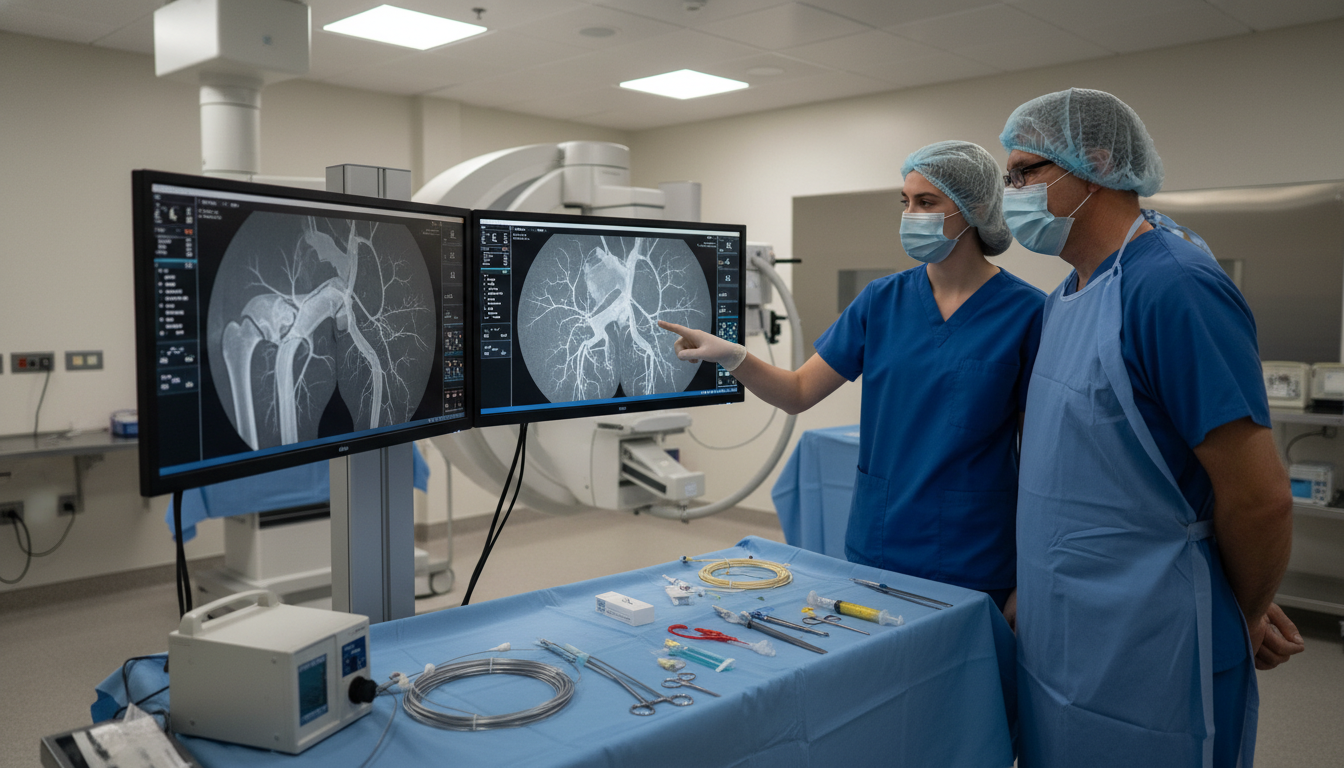
Understanding Interventional Radiology as a Specialty
Interventional Radiology (IR) is one of the most innovative and rapidly evolving fields in modern medicine. If you’re asking yourself “what specialty should I do?” and you’re drawn to image-guided procedures, cutting‑edge technology, and minimally invasive therapies, an interventional radiology residency may be an excellent fit.
What is Interventional Radiology?
Interventional Radiology uses imaging guidance—fluoroscopy, CT, ultrasound, and sometimes MRI—to perform minimally invasive procedures for diagnosis and treatment. Instead of traditional open surgery, IR uses needles, catheters, wires, and small devices inserted through tiny skin incisions, often via arteries or veins.
IR now functions as a full clinical specialty. Modern interventional radiologists:
- See patients in clinic
- Admit and round on inpatients
- Perform procedures
- Coordinate longitudinal care (e.g., oncology, PAD clinics)
- Work closely with referring services (surgery, oncology, medicine, OB/GYN, etc.)
Typical Procedures in Interventional Radiology
To understand whether an interventional radiology residency fits you, it’s helpful to see the breadth of what IR does. Representative procedures include:
Vascular Interventions
- Peripheral arterial disease (angioplasty, stenting, atherectomy)
- Endovascular aneurysm repair (EVAR, TEVAR in some settings)
- Venous interventions (DVT thrombectomy, IVC filter placement/removal)
- Dialysis access interventions (fistulograms, angioplasty, thrombectomy)
Oncology
- Transarterial chemoembolization (TACE)
- Y-90 radioembolization
- Tumor ablation (RFA, MWA, cryoablation)
- Biopsies and palliative procedures (biliary stents, nephrostomies)
Nonvascular Procedures
- Drainages (abscesses, pleural, peritoneal collections)
- Gastrostomy tubes, jejunostomy tubes
- Uterine fibroid embolization
- Prostate artery embolization (in some practices)
- Vertebroplasty/kyphoplasty
- Splanchnic nerve blocks, pain procedures
Many are done under moderate sedation, some under general anesthesia, and many patients go home same day.
The Nature of Work in IR
Day‑to‑day rhythm often includes:
- Morning rounding on inpatients and ICU consults
- Scheduled elective procedures
- Add‑on urgent/emergent procedures (active bleeding, stroke, PE, etc. in some centers)
- Outpatient clinic sessions
- Interdisciplinary tumor boards and vascular conferences
Clinical scope differs by institution. Large academic centers may have highly sub‑specialized IR practices (neuro, oncology, pediatrics), while smaller hospitals may have more “generalist” IRs doing a bit of everything.
How IR Training Is Structured Now
The pathway into IR has changed significantly in the last decade, which directly impacts how to choose specialty and plan for the IR match.
Integrated IR/DR Residency (5–6 years total including intern year)
- You match into IR straight from medical school through the IR match.
- Curriculum blends diagnostic radiology (DR) with substantial IR time.
- Leads to dual board eligibility in Interventional Radiology and Diagnostic Radiology.
Independent IR Residency (2 years after DR residency)
- You first complete a DR residency.
- Then match into an independent IR residency (essentially the old “fellowship” model but now ACGME-accredited).
- Still results in IR/DR certification, but is a two‑step pathway.
Early Specialization in IR (ESIR)
- A pathway within DR residencies that allows you to complete structured IR training during DR, shortening independent IR residency to one year.
- Useful if you choose IR during radiology but did not do an integrated program.
Knowing these structures is foundational before you dive into how to choose specialty, because timing, competitiveness, and application strategy differ.
Is Interventional Radiology Right For You? Core Traits and Daily Realities
When you’re choosing medical specialty, you’re really asking: “What kind of problems do I want to solve, and how do I want to spend my workday?” For interventional radiology, several traits and preferences tend to predict a good fit.
1. Do You Enjoy Procedural, Hands‑On Work?
IR is fundamentally a procedural specialty. You’ll:
- Spend much of your day scrubbed in, manipulating wires and catheters under imaging guidance.
- Need strong hand‑eye coordination and spatial reasoning.
- Appreciate immediate, tangible results (stop a bleed, open an occluded artery, drain a massive abscess).
If your favorite clerkships involved the OR, central line placements, lumbar punctures, or surgical skills labs—and you like imaging—IR might be ideal. If spending hours at a workstation reading imaging sounds more appealing than procedures, pure DR may be a better choice.
2. How Do You Feel About Anatomy, Imaging, and Technology?
Interventional radiologists are “anatomy power users.” You must:
- Visualize 3D vascular and organ anatomy from 2D images in real time
- Interpret complex CT, MRI, and ultrasound studies to plan procedures
- Stay comfortable with rapidly evolving devices (stents, embolic agents, ablation probes)
If you love puzzle‑solving through imaging, enjoy radiology electives, and like new technology and devices, IR aligns nicely with your interests.
3. What Kind of Patient Interaction Do You Want?
A common misconception is that IR has minimal direct patient care. In modern practice that’s increasingly untrue.
IR physicians:
- Run outpatient clinics for PAD, venous disease, interventional oncology, fibroids, BPH, and more
- Perform pre‑procedure evaluations and obtain consents
- Manage post‑procedure complications and follow‑up
If you want a hybrid role—hands‑on procedures plus clinic and longitudinal relationships—but not the continuity intensity of primary care, IR strikes a middle ground. If you want daily rounding on large inpatient panels, internal medicine or hospital medicine might better match that preference; if you want almost no clinical interaction, a purely diagnostic specialty might suit you more.
4. Tolerance for Acute, Unpredictable Cases
IR services often take urgent consults for:
- Active GI or postpartum bleeding
- Trauma bleeding control (solid organ embolization, pelvic embolization)
- Pulmonary embolism interventions (catheter‑directed thrombolysis) in some centers
- Limb‑threatening ischemia, mesenteric ischemia
- Sepsis from obstructed biliary or urinary systems
Depending on the hospital, IR call can be busy and unpredictable. You need comfort with:
- Being woken up overnight for emergent cases
- Making time‑sensitive decisions with incomplete information
- Collaborating quickly with ICU, surgery, and ED teams
If you prefer a more defined schedule and minimal acute care, outpatient‑oriented fields (e.g., dermatology, pathology) may better suit you. But if you thrive in the adrenaline and teamwork of emergencies—without wanting a full surgical residency—IR can be very satisfying.
5. Your Preferences for Teamwork and Leadership
Interventional radiologists work at the hub of multidisciplinary teams:
- Oncologists, surgeons, hepatologists, nephrologists
- Vascular surgery, cardiology, neurosurgery (depending on scope)
- ICU and hospital medicine teams
You often serve as a consultant who can offer alternatives when surgery is too risky or not preferred. If you enjoy explaining complex procedures, negotiating shared plans, and “selling” your service’s value, IR offers constant inter‑service collaboration.
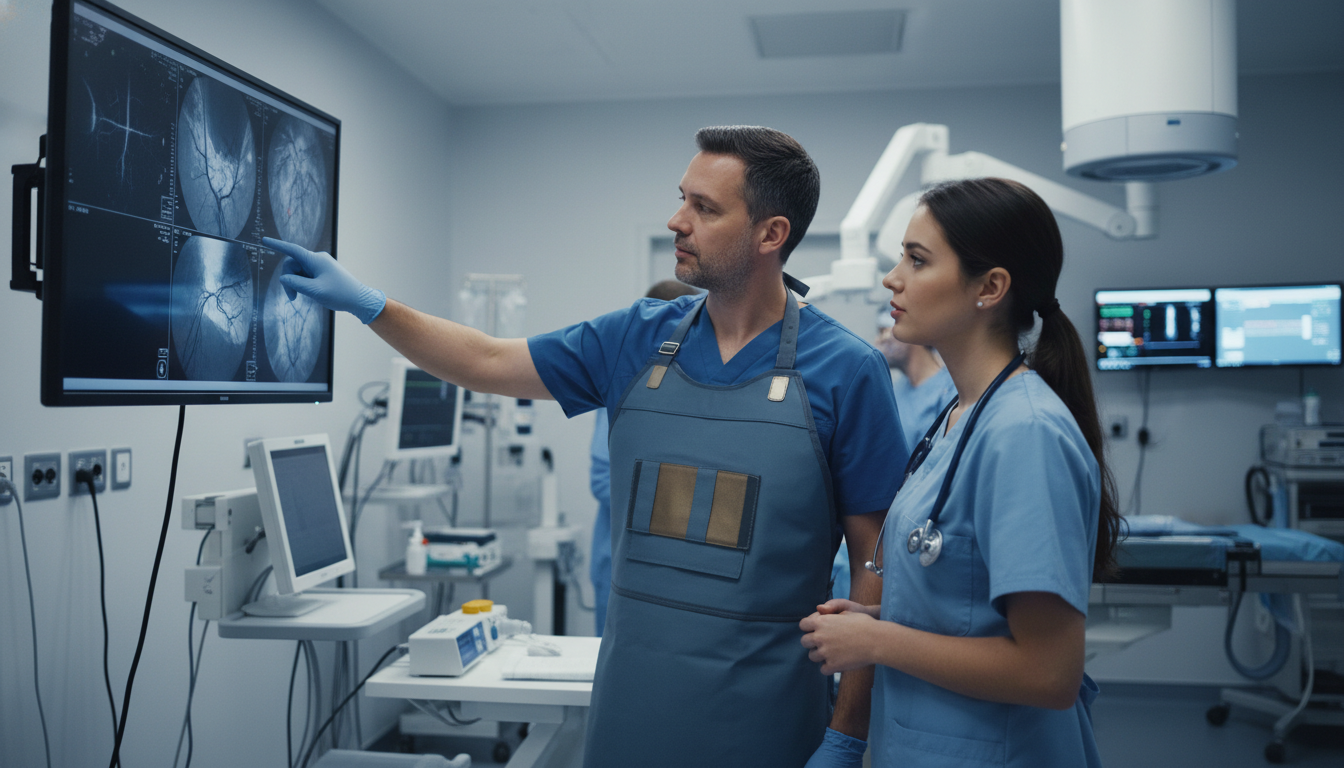
Comparing Interventional Radiology to Other Specialties When Choosing
When thinking about how to choose specialty, you’re likely comparing IR to several other options. Below is a practical comparison to help answer “what specialty should I do?” in a more structured way.
IR vs Diagnostic Radiology (DR)
Key overlap:
- Both use imaging heavily.
- IR/DR training includes the full diagnostic curriculum.
- Significant shared pre‑clinical and early residency skill sets.
Key differences:
Procedural vs interpretive
- IR: Majority of time doing procedures and direct patient care.
- DR: Majority of time at workstations reading imaging studies.
Lifestyle and call
- IR: More in‑house or call‑based procedural emergencies; can be intense at tertiary centers.
- DR: Often more predictable; overnight call commonly involves remote reading.
Clinic and patient ownership
- IR: Increasing emphasis on outpatient clinics and longitudinal follow‑up.
- DR: Limited direct patient contact, mostly consultative.
Ask yourself: During DR rotations, do you feel energized by the reading room or the angio suite?
IR vs Surgery (General or Vascular)
What they share:
- Procedural focus.
- Managing acute and chronic complex disease.
- OR time, often long cases.
What differs:
Invasiveness
- IR: Minimally invasive, percutaneous approaches.
- Surgery: Open and laparoscopic operations.
Training length and pathway
- Surgery: 5+ years, often plus fellowship.
- IR: Integrated IR/DR residency is usually 6 years including intern year, but you gain a full DR skill set and hybrid clinical role.
Clinic vs procedure balance
- Both can be heavy in procedures and clinic; however, IR often has shorter cases and quicker patient turnover.
Consider: Do you like the idea of performing open operations, or does image‑guided, catheter‑based work feel more aligned with your skills and interests?
IR vs Cardiology / Interventional Cardiology
IR and interventional cardiology share many technical similarities (catheters, wires, vascular access). Differences include:
Scope of disease
- IR: Whole‑body vascular and organ systems; interventional oncology; nonvascular procedures.
- Interventional Cardiology: Primarily coronary and structural heart disease.
Training path
- Cardiology: Internal medicine residency → cardiology fellowship → interventional fellowship.
- IR: IR/DR integrated pathway or DR → independent IR.
This choice often comes down to whether you’re more drawn to heart‑centered medicine and internal medicine culture vs multi‑organ interventions and radiology culture.
IR vs Non‑Procedural Cognitive Specialties
Comparisons to fields like internal medicine, psychiatry, or neurology highlight your preference for:
- Cognitive problem‑solving vs technical procedures
- Longitudinal and psychosocial care vs time‑limited procedural episodes
- Clinic‑based days vs procedure suite–based days
If you love the diagnostic reasoning, patient narratives, and long‑term therapeutic relationships of internal medicine or psychiatry, IR may feel too episodic. If you find yourself looking forward to procedures more than clinic notes, IR is worth serious consideration.
Preparing for an Interventional Radiology Residency and the IR Match
Once you’ve decided that interventional radiology aligns with your interests, the next step is strategically preparing for the IR match. Because IR is relatively competitive—with small class sizes and high interest—intentional planning matters.
Step 1: Get Early Exposure in Medical School
Early, authentic exposure helps you decide if IR is truly the right specialty and strengthens your application.
Actionable steps:
Phase 1 / Pre‑clinical:
- Join your school’s Interventional Radiology Interest Group (IRIG), or help start one.
- Attend IR lectures, lunch talks, and device demos.
- Shadow in the angio suite on half‑days or weekends.
Phase 2 / Clinical:
- Schedule an IR elective as early as your curriculum allows.
- Use elective time to observe a wide range of procedures—PAD, embolizations, drainages, oncologic interventions.
- Seek feedback; ask attendings and fellows what makes a strong IR applicant.
Keep a log of procedures you see and cases that resonate with you; this will help when crafting your personal statement.
Step 2: Build a Strong Radiology and IR‑Focused CV
Program directors look for evidence that you understand and are committed to IR.
Key components:
Academic performance
- Solid performance in core rotations, especially surgery, medicine, and radiology.
- Passing Step exams on the first attempt; competitive scores help but are less decisive than before in the pass/fail era.
Research
- Aim for at least one IR- or imaging‑related project (case series, QI, device outcomes, interventional oncology, etc.).
- Work with IR faculty on abstracts for SIR (Society of Interventional Radiology) or RSNA.
- Publish if possible, but posters and oral presentations also carry weight.
Leadership and advocacy
- Roles in IRIG or radiology organizations.
- Participation in outreach about IR to pre‑meds, medical students, or patients.
Step 3: Letters of Recommendation (LORs)
For an interventional radiology residency application, strong letters are critical.
Aim for:
- At least one letter from an IR attending who knows you well.
- One from a diagnostic radiologist (especially useful for integrated IR/DR).
- One additional letter from a core clinical field (e.g., internal medicine, surgery) showing strong clinical performance.
Ask early, provide your CV and personal statement draft, and gently highlight any particular strengths or cases you discussed with that faculty member.
Step 4: Decide Between Integrated IR/DR vs DR → IR Pathway
When choosing a medical specialty pathway within IR, think strategically:
Integrated IR/DR might be best if:
- You’re certain about IR early.
- Your school has robust IR mentorship and research options.
- You’re comfortable applying to a more competitive track as an MS4.
DR → ESIR → Independent IR might be better if:
- You are not entirely sure about IR vs DR.
- You want more time to decide during DR residency.
- You value the flexibility to pivot to DR only.
Many applicants hedge by applying to both IR/DR and DR programs. If you do this, be explicit and honest in interviews about why.
Step 5: Crafting a Compelling Personal Statement for IR
Your personal statement should reflect:
- Specific experiences that drew you to IR (e.g., a memorable PAD case, a life‑saving embolization you witnessed).
- Understanding of IR as a clinical specialty, not just “cool procedures.”
- Reflection on your traits that fit IR: teamwork, adaptability, technical interest, resilience in high‑stakes situations.
Avoid generic “I like imaging and procedures” language. Programs want to see insight about the realities of IR: clinic, call, longitudinal care, multi‑disciplinary work.

Evaluating IR Programs: How to Choose the Right Fit
Knowing how to choose specialty is only half the battle—you also need to choose the right program within that specialty. When assessing interventional radiology residency options, go beyond reputation and location.
Clinical Volume and Case Mix
Ask programs:
- How many procedures does each resident perform annually?
- What is the distribution of:
- Interventional oncology
- Peripheral arterial disease and venous work
- Trauma and emergent interventions
- Non‑vascular cases (drains, G‑tubes, etc.)
- Are there dedicated outpatient IR clinics? How much time do residents/spellows spend in clinic?
A program heavy in emergent trauma and PAD but light in oncologic procedures may train a different type of IR physician than one majoring in interventional oncology and complex hepatobiliary work.
Role of Residents in Clinical Care
Key questions:
- Do IR residents admit and follow their own patients?
- Is there an IR consult service?
- Are there IR‑run clinics, and do residents see their own patients and staff with attendings?
The more robust the clinical exposure, the better prepared you’ll be for independent practice in modern IR.
Integration with Diagnostic Radiology
Because you become board‑eligible in both IR and DR, the quality of the diagnostic radiology component matters.
Explore:
- Call structure for DR and IR
- Balance between IR time and DR rotations
- How DR faculty support IR trainees (flexibility for conferences, research, ESIR for DR track, etc.)
Culture, Mentorship, and Wellness
You will spend 5–6 intense years in this environment. Probe for:
- Approachability and diversity of faculty
- Resident camaraderie and support systems
- Attitudes toward work‑life balance and burnout prevention
- Faculty involvement in national organizations (SIR, RSNA) and how they support trainee development
During interviews and second looks, talk to residents without faculty present. Ask specific questions: “What’s something you wish you could change about this program?” and “Who are your go‑to mentors here and why?”
Step‑By‑Step Framework: How to Choose Specialty with IR in Mind
When you’re asking “choosing medical specialty” or “what specialty should I do?” and IR is on your list, use a systematic framework.
Step 1: Self‑Assessment
Reflect honestly on:
- Do you feel energized in procedural environments?
- Are you comfortable with moderate unpredictability and urgent situations?
- How much patient contact do you want day‑to‑day?
- How important are technology and imaging in your ideal practice?
Write down your non‑negotiables (e.g., “I want a procedural field,” “I want or don’t want overnight call,” “I want strong long‑term patient relationships”).
Step 2: Broad Exposure
Before you lock in:
- Rotate through:
- Interventional Radiology
- Diagnostic Radiology
- A surgical service (e.g., vascular, general)
- A medical specialty (e.g., cardiology, oncology)
- Notice where you feel most at home—not just what looks impressive.
Step 3: Talk to People in the Field
Schedule conversations with:
- IR residents and fellows (they’re closest to where you’ll be)
- Early‑career attendings (to learn about job market and day‑to‑day realities)
- Faculty in overlapping specialties (e.g., vascular surgery, interventional cardiology) to compare perspectives
Ask direct questions:
- “What do you like least about your specialty?”
- “If you were choosing a medical specialty again, would you still pick IR?”
- “How do you see IR evolving over the next 10–20 years?”
Step 4: Reflect and Decide on Your Pathway
Synthesize everything:
- If you’re strongly drawn to IR’s mix of procedures, imaging, and clinical care—and comfortable with competitiveness—pursue an integrated interventional radiology residency.
- If you love imaging and are “IR‑curious,” consider DR residency with ESIR options, giving you flexibility.
- If you realize you prefer either pure imaging (DR), open surgery, or cognitive specialties, it’s completely valid to pivot; early exploration is a success, not a failure.
Step 5: Execute Your Application Strategy
Once you’ve chosen:
- Align your electives, research, and letters of recommendation accordingly.
- Attend IR‑focused conferences if possible.
- Practice IR‑specific interview questions (e.g., about your understanding of IR’s clinical role, evolving technologies, and future of the field).
Frequently Asked Questions (FAQ)
1. Is interventional radiology more competitive than diagnostic radiology?
Generally, yes. Integrated interventional radiology residency positions are fewer in number, and there is high interest among students who like both imaging and procedures. Many programs receive significantly more applications per spot than DR. However, competitiveness varies year‑to‑year and by program.
If you are a strong DR applicant with clear IR interest, strong letters, and some research, you have a realistic chance. Applying to a mix of IR/DR and DR programs is a common strategy, especially if you’d be happy in DR and then pursuing IR through ESIR and independent IR.
2. Do I lose flexibility by choosing IR early?
Integrated IR/DR residents still train as full diagnostic radiologists and are eligible for DR boards. Many graduates practice a mix of IR and DR, especially in smaller or community settings. That said, integrated IR/DR pathways do emphasize IR more, and some DR‑only positions may favor applicants with more purely diagnostic focus.
If you’re very uncertain, starting in DR with an eye toward ESIR keeps options open. But choosing an integrated interventional radiology residency doesn’t put you in a narrow corner—you will still be broadly marketable as a radiologist.
3. What if my school doesn’t have an IR department or IR elective?
You can still pursue IR. Strategies include:
- Seeking away rotations (sub‑internships) in IR at academic centers.
- Connecting with IR mentors via national organizations like SIR.
- Doing imaging‑related research with DR faculty at your school.
- Using virtual shadowing or case‑based teaching sessions if in‑person exposure is limited.
Programs are generally understanding about structural limitations; they look at how proactive you were within your constraints.
4. What lifestyle can I expect as an interventional radiologist?
Lifestyle is variable and highly dependent on practice type:
- Academic IR: High case volume, frequent complex procedures, substantial call (including nights and weekends), but also academic time for research and teaching.
- Community IR/DR: Mixed IR and DR; call schedules vary but may be shared among multiple radiologists; fewer extremely complex cases, but often more independence.
- Outpatient‑focused IR: Growing sector with PAD, venous, and embolization clinics; more predictable hours and less overnight emergency work, but not universal.
In general, expect busier call and less predictability than most DR positions, but typically better lifestyle than many surgical subspecialties. As with any field, burnout is possible; choosing supportive practices and setting boundaries is important.
Choosing a medical specialty is one of the most consequential decisions of your career. If you’re drawn to image‑guided procedures, complex problem‑solving, and a hybrid clinical‑procedural role, interventional radiology offers a uniquely satisfying blend. With deliberate exploration, honest self‑assessment, and strategic preparation for the IR match, you can determine whether an interventional radiology residency is the right path—and, if it is, position yourself to thrive in one of medicine’s most dynamic specialties.