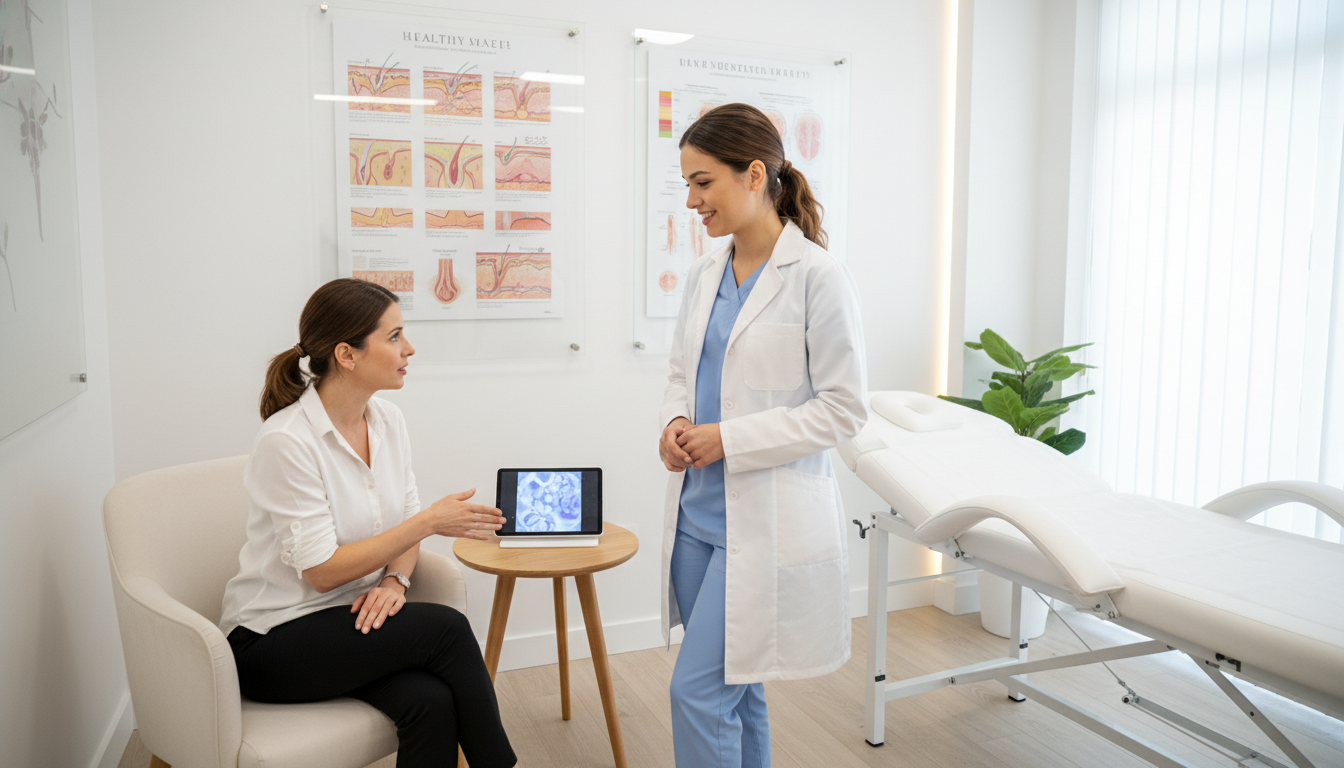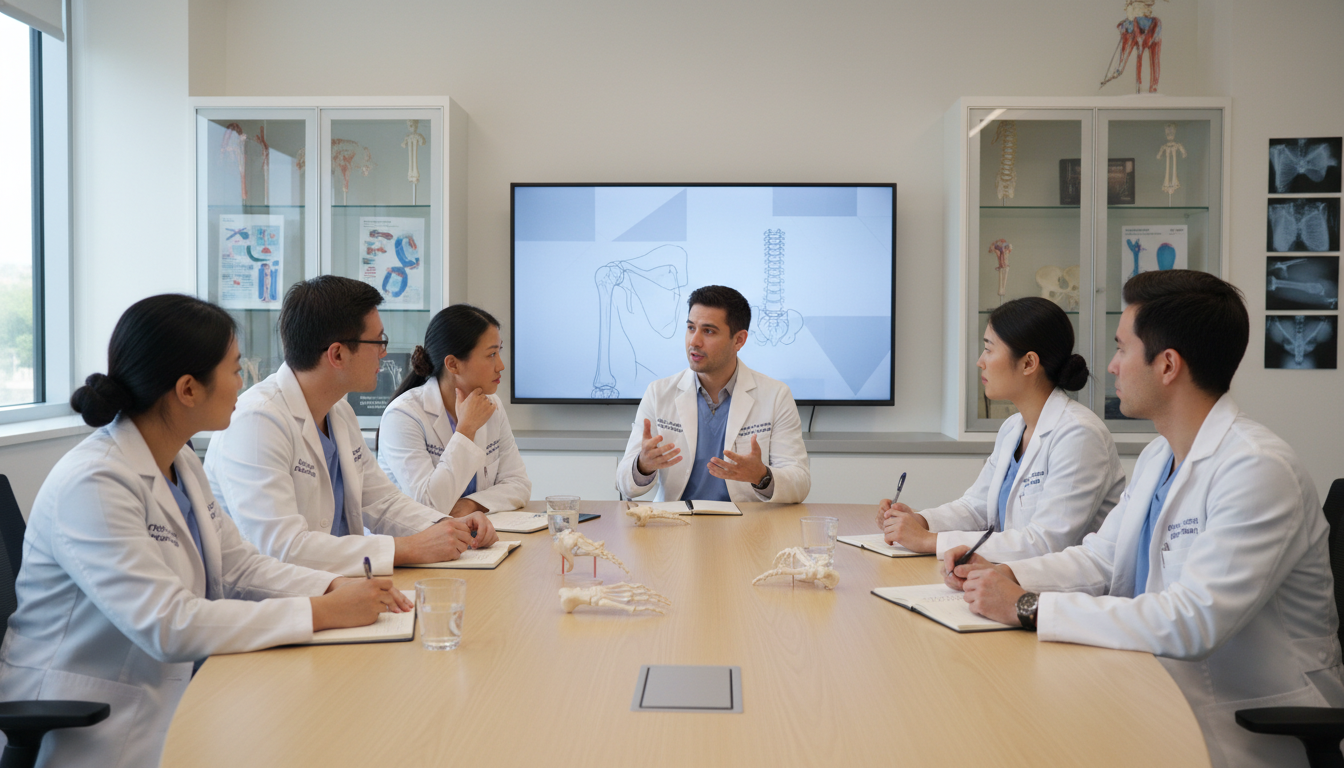
Physical Medicine & Rehabilitation (PM&R), also known as physiatry, is one of the most versatile and patient‑centered fields in medicine. Yet many students either discover it late or feel unsure about how it compares to other specialties. If you’re asking yourself “what specialty should I do?” or “how do I choose a specialty that actually fits me?”—and PM&R is on your radar—this guide is for you.
Below, we’ll walk through how to choose a medical specialty with a focus on PM&R residency and the physiatry match: what the day-to-day looks like, who tends to thrive, how to get exposure, and how to make a confident, informed decision.
Understanding PM&R: What Physiatrists Actually Do
Many students first hear of PM&R only in passing or during a short consult on a rotation. That makes it hard to evaluate the field fairly against more familiar options like internal medicine, neurology, or orthopedics. So start with a clear picture of what physiatrists do.
Core Mission of PM&R
Physiatrists specialize in function: helping people optimize their ability to move, communicate, think, work, and live as independently as possible—regardless of disease or injury. While other specialties may focus on curing disease or fixing anatomy, PM&R focuses on:
- Maximizing functional independence
- Enhancing quality of life
- Coordinating interdisciplinary rehabilitation care
- Managing impairments, disabilities, and participation restrictions
Common patient populations include:
- Stroke, spinal cord injury, and traumatic brain injury
- Amputees and patients with significant mobility limitations
- Patients with cerebral palsy, spina bifida, and other congenital conditions
- Athletes and active adults with sports or musculoskeletal injuries
- Patients with chronic pain, low back pain, and neuropathic pain
- Cancer survivors with functional or neurologic sequelae
Clinical Settings and Practice Types
PM&R isn’t just one environment. Physiatrists may work in:
Inpatient Rehabilitation (IRF)
Managing medically complex patients (e.g., post-stroke, spinal cord injury) in dedicated rehab units. You lead a team (PT, OT, SLP, nursing, social work, psychology) and round daily.Consult Services (Acute Care)
Consulting on functional needs and discharge planning for hospitalized patients on medicine, surgery, neurology, etc.Outpatient Musculoskeletal & Sports Medicine
Clinics focusing on back pain, joint pain, tendon injuries, and sports injuries. Includes diagnostics (EMG, ultrasound) and procedures (injections).Interventional Pain & Spine
Image-guided injections, spine procedures, and multidisciplinary pain management.Pediatric Rehabilitation
Working with children and families on long-term developmental and functional goals.Subspecialty Niches
Brain injury medicine, spinal cord injury medicine, neuromuscular medicine, cancer rehabilitation, amputee care, prosthetics/orthotics, and more.
PM&R’s breadth is one of its biggest strengths—but also a reason you need to think carefully about how you want to practice when choosing medical specialty options.
Is PM&R a Good Fit for You? Core Traits and Preferences
When thinking about how to choose a specialty, start with your own personality, values, and what you enjoy day to day. Below are key traits and preferences that often align well with a career in PM&R.
1. You Care Deeply About Function and Quality of Life
If you find yourself asking patients, “Can you get to the bathroom by yourself?” or “Can you still work or play with your kids?”—you’re already thinking like a physiatrist. Your focus naturally drifts toward:
- What the patient can and cannot do
- How illness/injury changes their daily life
- How to creatively adapt tasks, environment, or equipment
Contrast this with specialties focused on labs, imaging, or pathology. In PM&R, progress may be measured in:
- Distance walked
- Self-care tasks regained
- Communication or cognitive abilities
- Return to work or sports
If those outcomes excite you more than lab normalization or perfect imaging, PM&R may be a match.
2. You Enjoy Interdisciplinary Teamwork
PM&R is one of the most team-oriented specialties. A typical day in inpatient rehab involves:
- Rounding with therapists and nurses
- Family meetings
- Coordinating with social workers, psychologists, and case managers
You’re not the lone expert; you’re the team leader and integrator. You must respect and rely on other disciplines.
You may enjoy PM&R if you:
- Value others’ expertise and don’t need to be the only decision-maker
- Like collaborative problem-solving
- Enjoy leading family/team meetings
You may find PM&R challenging if you:
- Prefer working independently with minimal coordination
- Dislike frequent meetings and communication
3. You Appreciate Longitudinal Relationships
PM&R often involves long-term follow-up. Patients may see you for months to years—especially in pediatric rehab, spinal cord injury, or chronic pain.
This may fit you if:
- You like knowing patients’ stories and goals
- You enjoy tracking progress over time
- You’re satisfied with incremental gains rather than quick “cures”
If you thrive on rapid, high-stakes decision-making (e.g., resuscitations, acute surgeries) and want fast, dramatic outcomes, other specialties may fit better.
4. You’re Comfortable with Gray Areas and Slow Progress
Rehabilitation outcomes are sometimes uncertain. You may not know how much function a patient will regain or exactly when. Progress can be slow, nonlinear, and heavily influenced by mood, support systems, and resources.
PM&R may fit you if you:
- Accept uncertainty and partial recovery
- Can celebrate small victories (e.g., a stroke patient feeding themselves after weeks of therapy)
- Are patient and persistent
5. You Like Procedures but Don’t Need the OR
If you’re drawn to procedures but not necessarily to long surgeries, PM&R offers a wide range:
- Joint, tendon, and bursa injections
- Trigger point injections
- Ultrasound-guided procedures
- Botox injections for spasticity
- EMG and nerve conduction studies
- Spine and interventional pain procedures (depending on training)
The procedural intensity can vary widely by subspecialty, so PM&R can accommodate those who love hands-on work as well as those who prefer predominantly cognitive and coordination roles.

Comparing PM&R to Other Specialties You Might Be Considering
If you’re wondering “what specialty should I do?” you’re likely comparing PM&R to a few other fields. Here’s how PM&R often stacks up against common alternatives.
PM&R vs Neurology
Both care for patients with neurologic disease, but focus differs:
Neurology:
- Emphasis on diagnosis and medical management of neurologic disease
- Heavier focus on imaging, EEG, pharmacologic therapy
- Less built-in focus on function and therapy coordination
PM&R:
- Emphasis on functional outcomes and rehabilitation after neurologic injury
- Daily interaction with PT/OT/SLP, wheelchair and equipment prescriptions
- Greater focus on long-term adaptation and disability
Ask yourself: Do you get more excited about diagnosing the type of neuropathy—or about figuring out how that neuropathy will impact walking and hand function, and how to adapt?
PM&R vs Orthopedic Surgery / Sports Surgery
If you like musculoskeletal medicine and athletes, you may be considering ortho vs PM&R.
Orthopedic Surgery:
- Operative focus; time in the OR
- Acute fracture care, joint replacements, surgical repairs
- Longer training path; more physically demanding residency; higher early intensity
PM&R (Sports/MSK focus):
- Non-operative management of sports injuries and chronic MSK conditions
- Focus on rehab, injections, ultrasound diagnostics, return-to-play planning
- Often more controlled lifestyle, more clinic-based
Ask: Do you want to repair structures with surgery, or optimize function via rehab, bracing, and injections?
PM&R vs Internal Medicine & Family Medicine
If you enjoy breadth and complex medical management:
Internal/Family Medicine:
- Focus on disease diagnosis, prevention, and chronic condition management
- Less formal integration with PT/OT and functional outcomes (though it can be emphasized)
PM&R:
- Less focus on complex multi-organ medical management (compared with IM)
- More focus on function, disability, and rehabilitation plans
- Still requires solid internal medicine fundamentals, especially for inpatient rehab
Ask: Are you most drawn to blood pressure, A1c, and lipid panels, or to mobility, self-care, and workplace function?
PM&R vs Anesthesiology / Pain Medicine
For those considering interventional pain or procedures:
Anesthesiology (with pain fellowship):
- OR-based practice + pain clinic for some
- Acute perioperative care, hemodynamics, airways, plus chronic pain fellowship
PM&R (with pain or spine focus):
- More longitudinal outpatient focus, disability evaluations, rehab interventions
- Strong emphasis on physical function and non-opioid multimodal pain strategies
Ask: Do you want your core identity to be perioperative medicine and anesthesia, or rehabilitation and function?
Getting Exposure: How to Explore PM&R Before Applying
When thinking about a PM&R residency or trying to decide how to choose a specialty, exposure is essential. Many students change their views substantially after actually seeing rehab in action.
1. Do a Home or Away Elective in PM&R
If you have a home PM&R department:
- Schedule a 4-week PM&R elective (inpatient rehab, consults, or outpatient clinics)
- Ask to rotate through at least two settings (e.g., one inpatient, one outpatient)
If you don’t have a home program:
- Consider away rotations at institutions with robust PM&R departments
- Target programs with a variety of services: brain injury, spinal cord injury, sports, pediatrics, pain, etc.
During your elective:
- Observe how the physiatrist runs family/team meetings
- Follow patients over several weeks and track functional gains
- Sit in on therapy sessions (PT/OT/SLP) with permission
- Ask about different subspecialty career paths
2. Attend Interdisciplinary Team Meetings
Request to attend:
- Inpatient rehab team conferences
- Discharge planning meetings
- Family meetings for complex cases
These experiences show you how central coordination and communication are in physiatry—and whether that appeals to you.
3. Shadow in Different PM&R Subspecialty Clinics
Try to sample:
- A general MSK/sports clinic
- A spasticity or botulinum toxin clinic
- An EMG lab
- A neurorehab clinic (stroke, TBI, SCI)
Notice:
- Which patient populations you connect with most
- How much you enjoy the clinic pace and structure
- Your interest level in diagnostic tests/procedures used
4. Seek Mentorship Early
Find at least one physiatrist mentor and ideally:
- A resident in PM&R
- A faculty member in your area of interest (sports, neurorehab, pediatrics, etc.)
Ask them:
- Why did you choose PM&R over other fields?
- What would you miss if you weren’t a physiatrist?
- What are the downsides of PM&R that students don’t see?
Strong mentorship will help you clarify whether PM&R truly aligns with your values and long-term goals.
Planning for the Physiatry Match: Building a Competitive PM&R Application
Once you’ve decided PM&R might be the right path, the next step is navigating the physiatry match. The field is growing and has become more competitive, but it remains accessible with thoughtful planning.
1. Academic Metrics: Step Scores and Grades
PM&R programs vary, but in general:
- USMLE/COMLEX scores: Being at or above the national mean is helpful. Some programs are more selective; others are holistic.
- Clerkship performance: Solid performance in core rotations (IM, neurology, surgery, pediatrics, psychiatry) is important.
- Honors in neurology, medicine, or surgery can help, but are not mandatory everywhere.
Even if your scores are average, a strong overall profile—with commitment to PM&R—can make you a strong candidate.
2. PM&R-Specific Experiences
Programs want to see that you understand and are committed to the specialty.
Helpful experiences:
- One or more PM&R electives (home or away)
- Longitudinal volunteer work with individuals with disabilities (e.g., adaptive sports, Special Olympics, spinal cord injury support groups)
- Involvement in a PM&R interest group or student-run rehab initiatives
These demonstrate that you’re not discovering PM&R at the last minute as a “backup.”
3. Research and Scholarly Activity
PM&R is relatively research-friendly but less research-heavy than some other specialties.
Strong additions:
- Case reports or case series in neurorehab, musculoskeletal medicine, or pain
- Quality improvement projects in rehabilitation units
- Posters or presentations at national meetings (AAPM&R, AAP, AAPMR student/resident section)
Research isn’t mandatory to match in PM&R, but it helps you:
- Build mentorship relationships
- Understand emerging directions in the field
- Stand out at academically oriented programs
4. Letters of Recommendation
Aim for:
- At least one strong letter from a physiatrist who knows you well
- Additional letters from related fields: internal medicine, neurology, ortho, or primary care
Your best letters will:
- Describe your interaction with patients with disabilities
- Highlight your communication, teamwork, and reliability
- Comment on your fit for a rehabilitation-oriented field
5. Personal Statement: Telling a Cohesive Story
In a field like PM&R, your personal statement matters. Use it to explain:
- How you became interested in function, disability, or rehabilitation
- Specific patient stories that shaped your thinking about quality of life
- Why PM&R residency is the logical next step in your journey
Focus less on generic statements about “wanting to help people” and more on functional narratives:
- Your experience seeing a stroke patient regain speech over weeks
- Working with adaptive athletes to compete again
- Supporting a patient’s return to work after spinal cord injury
Lifestyle, Career Prospects, and Long-Term Satisfaction in PM&R
When choosing medical specialty options, lifestyle and long-term viability matter. PM&R has distinctive features that attract many applicants.
1. Work-Life Balance and Schedule
While experiences vary, many physiatrists report:
- More predictable hours than many surgical fields
- Less overnight call, especially in outpatient-focused practices
- More family-friendly schedules in many settings
Inpatient rehab attendings may have:
- Early morning rounding and day-time responsibilities
- Weekend call and coverage, but typically fewer overnight emergencies than ICU or ED
Outpatient PM&R physicians often have regular clinic hours with limited call.
2. Compensation and Job Market
Compensation ranges vary by:
- Practice setting (academic vs private)
- Subspecialty (pain and interventional procedures typically higher)
- Geographic region
Overall, PM&R tends to land in the mid-range of physician compensation. Interventional pain and high-volume sports practices can be on the higher end, while academic neurorehab might be more modest but stable.
The job market is generally favorable and growing due to:
- Aging populations
- Increased survival after serious illness/injury
- Recognition of the importance of rehabilitation in outcomes
3. Variety and Career Flexibility
One of PM&R’s greatest strengths is flexibility over time:
- Start in inpatient neurorehab and later transition into more outpatient MSK
- Develop an interventional pain practice after fellowship
- Focus on a niche (e.g., amputee care, cancer rehab) in academic centers
This flexibility is attractive for those who fear narrowing too early or who value the option to change focus mid-career.
4. Emotional Rewards and Challenges
Rewards:
- Witnessing tangible, meaningful changes in patients’ lives (e.g., someone walking again, returning to work, or living independently)
- Building deep relationships with patients and families
- Advocacy for individuals with disabilities
Challenges:
- Emotional weight of permanent disability and chronic pain
- Frustration with limits of health systems (insurance coverage for therapy, equipment)
- Slow or plateauing progress in some patients
If you derive meaning from helping patients adapt and thrive despite limitations, you’re likely to find PM&R deeply satisfying.
Putting It All Together: A Step-by-Step Approach to Choosing PM&R
If you’re still unsure about how to choose a specialty and whether PM&R is right for you, here’s a structured approach.
Self-Reflection
- List what you value most: procedures, cognition, continuity, acute care, lifestyle, income, research, teaching, advocacy, etc.
- Rank your top 5–7 values.
- Ask: Where does function and rehabilitation fall on that list?
Clinical Exploration
- Do at least one dedicated PM&R rotation.
- Compare how you feel at the end of a PM&R day vs IM, neurology, surgery, etc.:
- Which days leave you energized vs drained?
- When do you feel most “yourself” and effective?
Mentorship and Honest Conversations
- Meet with at least 2–3 physiatrists one-on-one.
- Ask them to describe:
- A typical week
- The hardest aspects of their job
- What would make someone unhappy in PM&R
Try to “Live the Life” Briefly
- On your electives, imagine:
- “If I repeated today 200 times per year for the next 20 years, how would I feel?”
- Do this comparison for at least two or three specialties.
- On your electives, imagine:
Revisit Your Values and Long-Term Vision
- Re-check your values list after your rotations.
- See which field matches your day-to-day preferences and core values most closely.
- Don’t over-weight prestige or other people’s opinions compared to your own lived experience.
If, after this process, you find that you:
- Care deeply about function and quality of life
- Enjoy team-based care and longitudinal relationships
- Like a mix of cognitive work and procedures
- Are okay with slow progress and gray areas
…then a PM&R residency may be an excellent fit—and a fulfilling way to answer, once and for all, “what specialty should I do?”
FAQs: Choosing PM&R as a Medical Specialty
1. How competitive is PM&R compared to other specialties?
PM&R has become more popular and moderately competitive, but it is still generally less competitive than fields like dermatology, orthopedic surgery, or ENT. Strong Step/COMLEX scores help, but programs focus heavily on:
- Genuine interest in rehabilitation and disability
- Relevant electives and experiences
- Good letters, especially from physiatrists
- Professionalism and communication skills observed during rotations
With a thoughtful strategy, most committed applicants can successfully match into a PM&R residency.
2. Do I need a lot of research to match into PM&R?
Extensive research is not mandatory for most PM&R programs, though it helps at academic institutions. A few posters, a case report, or participation in a small project related to neurorehab, MSK, or pain can strengthen your application and show engagement with the field. Focus first on clinical exposure and mentorship, then add research if time and interest allow.
3. What if my school doesn’t have a PM&R department or residency?
You can still pursue PM&R. Strategies include:
- Doing away rotations at institutions with strong PM&R programs
- Seeking out local physiatrists in private practice or nearby rehab facilities for shadowing
- Joining national PM&R student groups (e.g., through AAPM&R) and attending virtual events
- Asking your dean’s office or advisors to connect you with alumni who are physiatrists
Many successful applicants come from schools without home PM&R programs; you’ll just need to be more intentional about exposure.
4. Can I still subspecialize or do procedures if I choose PM&R?
Absolutely. PM&R offers multiple ACGME-accredited fellowships, including:
- Sports Medicine
- Pain Medicine
- Brain Injury Medicine
- Spinal Cord Injury Medicine
- Pediatric Rehabilitation Medicine
- Neuromuscular Medicine
- Hospice and Palliative Medicine
Within these, you can incorporate a wide range of procedures (e.g., ultrasound-guided injections, spine interventions, EMGs, Botox). If you enjoy hands-on work, you can build a practice with significant procedural time; if not, there are many predominantly cognitive or coordination-focused paths as well.
Choosing a medical specialty is one of the most consequential decisions of your training. By deeply understanding what PM&R offers—and honestly assessing your own interests, values, and preferred day-to-day—you can determine whether a career in physiatry aligns with the doctor you want to become.