



Understanding Nuclear Medicine as a Specialty
Nuclear medicine is a unique field that sits at the intersection of radiology, internal medicine, oncology, cardiology, and medical physics. If you’re asking yourself “what specialty should I do?” and you’re drawn to imaging, physiology, and cutting‑edge diagnostics and therapies, nuclear medicine deserves serious consideration.
Unlike many specialties that primarily assess structure (e.g., CT or MRI in diagnostic radiology), nuclear medicine focuses on function and physiology. By administering small amounts of radiopharmaceuticals and detecting their distribution in the body, nuclear medicine physicians can:
- Diagnose disease based on metabolic activity and organ function
- Stage and monitor cancers using PET-CT or PET-MRI
- Evaluate cardiac perfusion and viability
- Assess renal function, bone turnover, thyroid activity, and more
- Treat diseases (e.g., thyroid disease, neuroendocrine tumors, prostate cancer) with targeted radionuclide therapies
Choosing a medical specialty in nuclear medicine means committing to a career that is:
- Highly technology‑driven and rapidly evolving
- Heavily based on imaging interpretation and consultative work
- Increasingly involved in theranostics—the combination of targeted therapy and diagnostic imaging
This guide walks you through how to choose specialty training in nuclear medicine, what the training paths look like, what the career is really like day to day, and how to approach the nuclear medicine match strategically.
Is Nuclear Medicine Right for You? Key Traits and Interests
Before you narrow your specialty list, it helps to honestly examine your interests, strengths, and preferred work style. When thinking about choosing medical specialty options, ask yourself whether the following resonate with you.
1. You Enjoy Imaging and Pattern Recognition
Nuclear medicine physicians spend much of their day:
- Reviewing PET-CT, SPECT-CT, and planar images
- Integrating imaging findings with clinical data
- Recognizing subtle patterns in tracer uptake and distribution
If you enjoy:
- Interpreting radiology studies during rotations
- Thinking visually and spatially
- Using imaging to answer specific clinical questions
…then nuclear medicine may be aligned with your natural strengths.
2. You Like Physiology and Pathophysiology
Nuclear medicine is deeply rooted in physiology:
- Myocardial perfusion and viability
- Renal perfusion and function
- Bone metabolism
- Receptor expression in tumors
Your daily work will involve asking, “What is this organ doing?” rather than only “What does this organ look like?” If you liked physiology and pathophysiology in pre‑clinical years and enjoy connecting biochemical pathways with clinical manifestations, that’s a positive sign.
3. You Prefer Consultative, Indirect Patient Care (with Some Direct Contact)
Nuclear medicine involves a mix of:
- Indirect patient care: interpreting studies, writing reports, calling referring clinicians
- Direct patient care: history and physical for therapies, consent for procedures, supervising stress tests, and managing radionuclide therapies
Compared with many other fields, the patient contact is often more episodic and focused rather than longitudinal. You might be a good fit if you:
- Appreciate patient interaction but don’t need continuous, long‑term follow‑up
- Are comfortable explaining complex tests and therapies in understandable language
- Value teamwork with referring specialists (oncology, cardiology, surgery, endocrinology)
4. You Are Drawn to Technology and Innovation
Nuclear medicine is on the frontier of several fast‑growing domains:
- PET-CT and PET-MRI technology
- Novel radiotracers for oncology, neurology, cardiology, and infection/inflammation
- Targeted radionuclide therapy (e.g., Lu‑177 DOTATATE, Lu‑177 PSMA)
- AI‑assisted image reconstruction and interpretation
If you’re excited by new technologies, like to work with high‑end imaging equipment, and want your career to evolve with scientific advances, nuclear medicine offers that environment.
5. You Don’t Need Immediate Procedural Volume to Be Happy
Nuclear medicine includes procedures (e.g., thyroid uptake and scan, sentinel node localization, some image‑guided interventions in hybrid practices), but it is not a highly hands‑on, procedural specialty in the way that interventional radiology, surgery, or GI are.
Ask yourself:
- Do I derive satisfaction from thinking, interpreting, and consulting, even if I do fewer “hands‑on” procedures?
- Or do I need frequent procedures to feel fulfilled?
Your answer will heavily influence whether nuclear medicine is a good fit as your primary specialty.
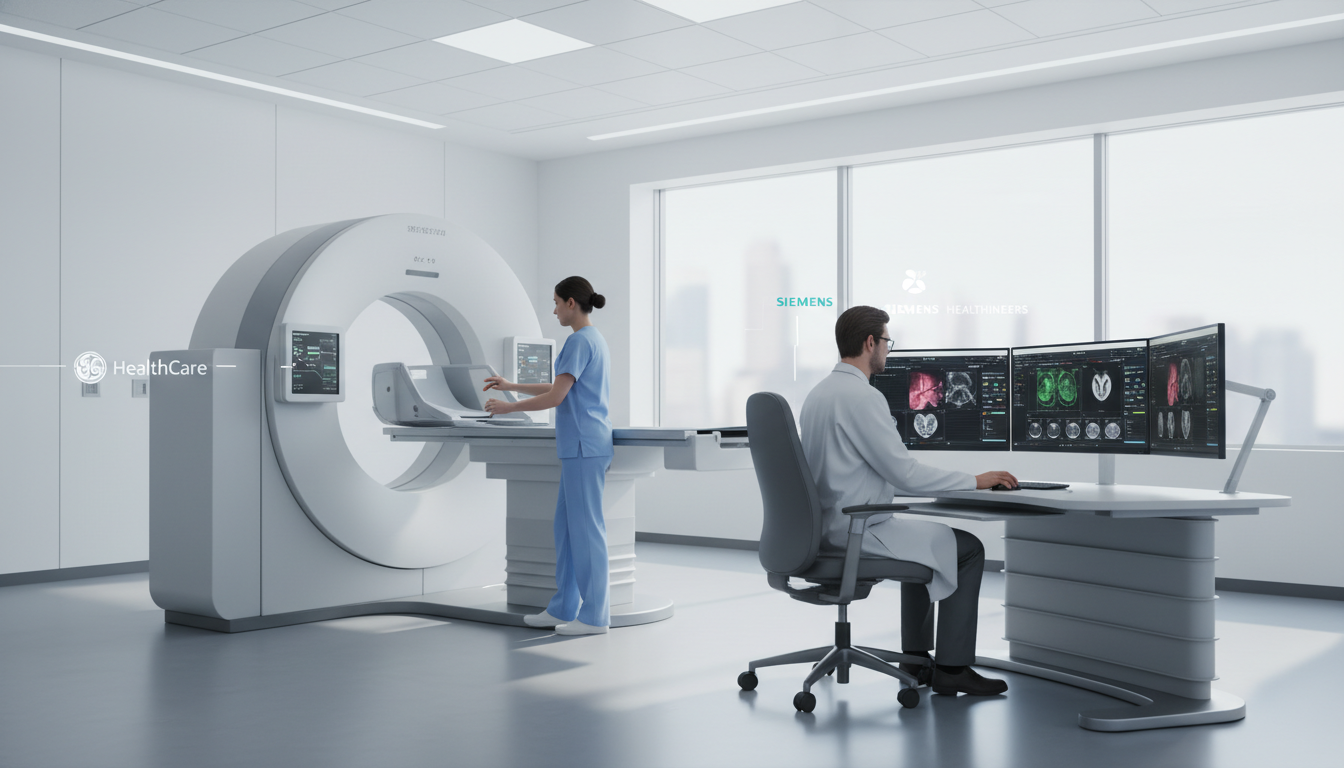
Training Pathways and the Nuclear Medicine Match
When thinking about how to choose specialty pathways in nuclear medicine, it’s essential to understand the different training routes and how they interface with the nuclear medicine residency and nuclear medicine match process in your country. The exact structure varies by region, but the most common frameworks are as follows (with a United States emphasis, and notes applicable internationally).
1. Primary Nuclear Medicine Residency
In some systems, you can match directly into a dedicated nuclear medicine residency after internship or early in your postgraduate training.
Typical features:
- Duration: Often 3 years of nuclear medicine training (after a preliminary year in medicine or surgery, depending on local rules)
- Curriculum:
- Physics and instrumentation
- Radiopharmacy and radiation safety
- General nuclear medicine (bone, renal, hepatobiliary, thyroid, pulmonary, infection imaging)
- PET-CT and SPECT-CT
- Cardiac nuclear imaging
- Theranostics and radionuclide therapy
- Outcome: Board eligibility in nuclear medicine (e.g., ABNM in the US or local equivalent)
Pros:
- Deep, focused training in nuclear medicine
- Earlier exposure to advanced PET/theranostics
- Potential to become a recognized expert in a rapidly evolving niche
Cons:
- May be narrower than a radiology or internal medicine background, especially if local practice patterns favor radiologists doing nuclear medicine
- Job markets can vary significantly by region
2. Radiology → Nuclear Medicine / Nuclear Radiology Pathway
A very common path is to complete a diagnostic radiology residency and then pursue additional training in nuclear medicine or nuclear radiology.
Typical structure:
- 4–5 years of diagnostic radiology residency
- 1 additional fellowship year in nuclear medicine or nuclear radiology (in some systems this can be integrated)
Advantages:
- You are fully trained in diagnostic radiology, with the flexibility to read general imaging as well as nuclear studies
- Many hospital systems prefer (or require) nuclear medicine physicians who can also contribute to general radiology coverage
- You gain broader imaging skills, which can be advantageous in mixed practices and academic centers
If you are still asking “what specialty should I do?” and you like both general imaging and nuclear medicine, this pathway offers maximal flexibility.
3. Internal Medicine or Other Primary Specialty → Nuclear Medicine
In some regions, physicians complete another primary specialty first (e.g., internal medicine, cardiology, endocrinology) and then obtain specialized training or certification in nuclear medicine.
Examples:
- A cardiologist obtains additional training to interpret nuclear cardiology studies and supervise stress testing
- An endocrinologist gains certification to manage radioiodine therapy and thyroid imaging
- An internist completes a formal nuclear medicine fellowship to work in hybrid clinical-imaging roles
This can be an excellent route if you want strong clinical grounding and plan to focus on a specific clinical application of nuclear medicine (e.g., cardiac or endocrine).
4. The Nuclear Medicine Match Process
The specifics of the nuclear medicine match vary by country, but key principles for applicants are similar to other specialties:
Know your entry point early. Decide whether you are aiming for:
- A primary nuclear medicine residency
- Diagnostic radiology first, then nuclear radiology/nuclear medicine
- Another specialty first (e.g., cardiology) with later nuclear training
Build a tailored CV. Strong nuclear medicine applicants typically demonstrate:
- Exposure to nuclear imaging during clinical or elective rotations
- Research or quality improvement in imaging, oncology, cardiology, or related fields
- Evidence of technical curiosity (physics, informatics, imaging AI, etc.)
Program selection strategy. For the nuclear medicine residency or fellowship match, consider:
- Availability of advanced PET radiotracers and theranostic therapies
- Strength of oncology and cardiology collaborations
- Access to cross‑sectional imaging training (if not from radiology background)
- Case volume and diversity
Letters and interviews. Programs often look for:
- Genuine enthusiasm for imaging and functional assessment
- Ability to communicate clearly with clinicians and patients
- Comfort with complex, high‑stakes decision making (e.g., staging cancer, selecting therapy)
If you’re early in medical school and still broadly choosing medical specialty options, keep the radiology‑first path open by doing well in core clinical rotations, maintaining strong test scores, and seeking imaging experiences.
Day-to-Day Life and Career Prospects in Nuclear Medicine
Understanding what daily practice looks like is crucial when asking yourself “what specialty should I do?” It’s not enough to like the subject matter—you also need to like how your time will actually be spent.
1. Typical Daily Workflow
In a hospital‑based nuclear medicine practice, your day may include:
- Morning:
- Review inpatients and overnight studies
- Protocol new PET/CT cases (e.g., oncology staging, infection imaging)
- Supervise stress tests and cardiac perfusion studies
- Midday:
- Read outpatient PET/CT and SPECT/CT studies
- Consult with oncologists or surgeons about staging and response assessment
- Evaluate candidates for radionuclide therapies (e.g., Lu‑177 DOTATATE, I‑131)
- Afternoon:
- Perform and supervise radionuclide therapies
- Complete reports and call critical results
- Participate in multidisciplinary tumor boards
There is substantial screen and workstation time, interspersed with patient visits (particularly around therapies) and multidisciplinary discussion.
2. Work‑Life Balance and Hours
Compared to some procedurally heavy or shift‑based specialties:
- Many nuclear medicine practices have relatively predictable daytime hours
- On‑call responsibilities may exist but are often lighter than, for example, emergency medicine or obstetrics
- Work can be highly compatible with academic careers, research, and family life
That said, high‑volume centers and hybrid radiology/nuclear medicine roles can still be demanding, with deadlines to complete reports and participate in urgent decision making for critical patients.
3. Academic vs. Community Practice
Academic centers often offer:
- Advanced PET tracers (e.g., PSMA, F-DOPA, novel research tracers)
- High‑level theranostics programs
- Opportunities for clinical trials, translational research, and teaching
- Subspecialized practice (oncologic PET, neuro‑PET, cardiac imaging, etc.)
Community practices may:
- Focus more on bread‑and‑butter imaging (bone scans, cardiac perfusion, standard FDG PET)
- Offer fewer investigational tracers but still provide substantial clinical impact
- In some systems, rely more heavily on radiologists with nuclear competency than on pure nuclear medicine specialists, which affects job structure
When choosing a medical specialty path, consider whether you see yourself thriving in a large academic center, a regional referral hospital, or a mixed community‑academic practice.
4. Job Market and Future Directions
The job market for nuclear medicine is highly region‑specific. Factors that influence opportunities:
- Whether local regulations require radiologists, nuclear medicine physicians, or either to interpret nuclear studies
- The growth of PET-CT and theranostics programs in your region
- Hospital and imaging center investment in new tracers and therapy infrastructure
Global trends are favorable for those with combined skill sets:
- Radiologists with strong nuclear medicine training
- Nuclear medicine physicians with cross‑sectional imaging competency and/or strong clinical collaboration in oncology, cardiology, or endocrinology
Emerging fields that will likely expand:
- PSMA‑based imaging and therapy for prostate cancer
- Neuro‑PET for dementia, epilepsy, and neuroinflammation
- Infection and inflammation imaging with targeted tracers
- Personalized dosimetry for radionuclide therapy
- AI‑driven image analysis and workflow optimization
For applicants planning now, this means that nuclear medicine is a good choice if you are:
- Comfortable continuously updating your skills
- Interested in being at the frontier of oncology and precision medicine
- Willing to integrate imaging, clinical medicine, and technology in one role
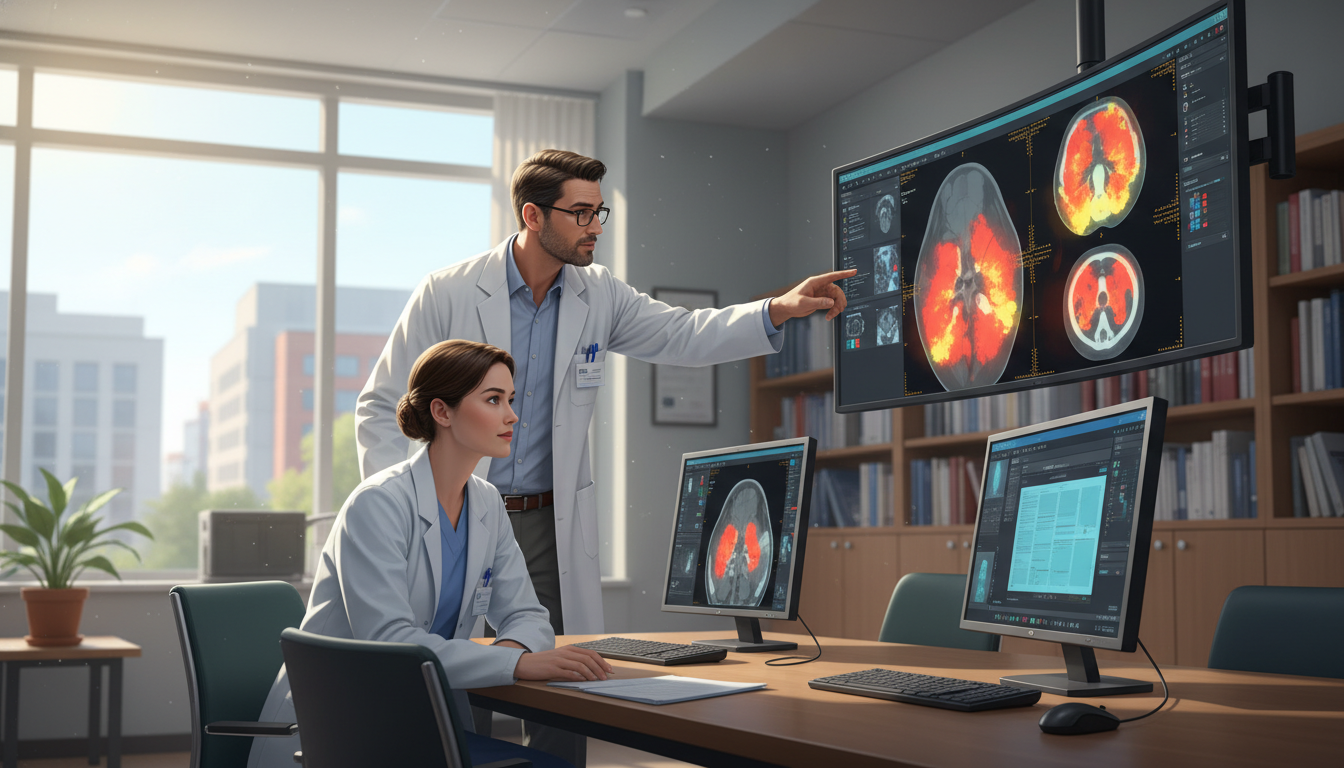
How to Explore Nuclear Medicine Before You Decide
If you’re still unsure how to choose specialty training in nuclear medicine—or between nuclear medicine and other fields—intentional exploration is essential.
1. Use Clinical Rotations Strategically
Seek out:
- Electives in nuclear medicine or nuclear radiology
- Spend time in the reading room, not just in the scanner suite
- Ask to attend tumor boards and PET protocol meetings
- Radiology electives
- Compare your enjoyment of general CT/MRI/US interpretation to nuclear studies
- Oncology and cardiology rotations
- Notice how nuclear imaging affects staging, treatment decisions, and follow‑up
Reflect after each rotation:
- Which type of clinical question excited you the most?
- Did you enjoy the pace and problem‑solving style in nuclear medicine?
- How did the balance of patient contact vs. imaging interpretation feel to you?
2. Engage in Research or Quality Improvement
Even small projects can clarify your interest and strengthen your application for a nuclear medicine residency or fellowship:
Examples:
- Retrospective review of PET-CT staging accuracy for a particular cancer
- QI project on reducing radiation dose in myocardial perfusion studies
- Evaluating the impact of a new tracer on clinical decision making
- Workflow optimization studies in PET-CT scheduling or reporting
Benefits:
- You experience the analytical and academic side of the field
- You build relationships with nuclear medicine mentors
- You demonstrate genuine interest during the nuclear medicine match process
3. Talk to People in Different Practice Settings
Make a point to speak with:
- Academic nuclear medicine attendings
- Radiologists who practice hybrid radiology/nuclear medicine
- Technologists and medical physicists
- Fellows currently in nuclear medicine or nuclear radiology programs
Targeted questions:
- “What do you enjoy most and least about your work?”
- “How is the job market in this region for nuclear medicine vs. radiology?”
- “If you were choosing a medical specialty now, would you make the same choice?”
- “How has your practice changed in the last 5–10 years, and what do you foresee next?”
Their answers will provide real‑world insight into your potential future.
4. Self‑Assessment: Fit and Priorities
As you gather experiences, revisit core questions of choosing medical specialty:
- Do I like spending hours at a workstation, synthesizing complex information?
- Do I feel energized by tumor boards, staging discussions, and therapy planning?
- Am I comfortable that my procedures will be more therapeutic and consultative than purely technical?
- How important is geographic flexibility to me, given regional variations in practice and job markets?
- Do I want the broad foundation (and flexibility) of radiology first, or am I ready to commit directly to nuclear medicine?
Writing down your thoughts after each rotation or elective can make patterns more visible and help you decide confidently.
Strategy for Applying: Building a Competitive Nuclear Medicine Profile
Once you’ve decided that nuclear medicine is in serious contention—or your clear top choice—you can tailor your application strategy.
1. Academic Metrics
Strong performance always helps, but nuclear medicine is often more niche and holistic than hyper‑competitive surgical subspecialties.
Still, aim to:
- Do well on key standardized exams (USMLE/COMLEX or local equivalents)
- Maintain solid performance in core clinical rotations, particularly:
- Internal medicine
- Radiology electives
- Oncology, cardiology, and endocrinology
If you’re considering the radiology‑first path, keep in mind that radiology residencies can be competitive; good test scores will preserve your options.
2. Letters of Recommendation
High‑impact letters typically come from:
- Nuclear medicine or nuclear radiology attendings who have supervised you closely
- Radiologists if you did significant work with them
- Oncologists or cardiologists who can speak to your analytical strengths and teamwork in multidisciplinary care
To get strong letters:
- Be present and engaged during rotations—ask good questions, volunteer for cases, and show initiative
- Share your CV and a brief personal statement or bullet points about your interest in nuclear medicine with letter writers
3. Personal Statement
Use your personal statement to clearly explain:
- How you became interested in nuclear medicine
- What aspects of the field excite you (e.g., precision oncology, theranostics, cardiac imaging)
- How your experiences (research, electives, clinical work) demonstrate your fit
- Why you chose this path over adjacent fields like pure radiology or pure oncology
Avoid generic language; be specific about your vision of your future role in the healthcare system.
4. Program Selection and Interviews
When researching programs for the nuclear medicine match or a radiology match with nuclear aspirations, look for:
- Volume and diversity of PET-CT and SPECT-CT
- Availability of radiotheranostics and novel tracers
- Integration with oncology, cardiology, surgery, and endocrinology
- Exposure to cross‑sectional imaging if you’re coming from non‑radiology background
- Institutional culture, mentorship, and support for fellow development
On interviews, be prepared to discuss:
- Your long‑term career goals (academic vs. community, clinical vs. research focus)
- How you see the future of nuclear medicine and theranostics
- Cases or projects that particularly influenced you
- Your understanding of the day‑to‑day realities of the specialty
Programs want to see that you didn’t choose nuclear medicine by default, but through thoughtful, informed decision‑making.
Frequently Asked Questions About Choosing Nuclear Medicine
1. Is it better to do a dedicated nuclear medicine residency or to go through diagnostic radiology first?
It depends on your goals and local job market.
- If you want broad imaging skills and maximum flexibility (reading CT/MRI/US plus nuclear) and if your region favors radiologists for nuclear imaging, then diagnostic radiology followed by nuclear training is often the safest choice.
- If your system supports standalone nuclear medicine practices and you’re confident you want to specialize deeply and early, a primary nuclear medicine residency can position you as a focused expert, especially in theranostics and PET.
Talk to mentors in your country/region to understand local hiring practices.
2. How competitive is the nuclear medicine residency or fellowship match?
Compared with top‑tier surgical subspecialties, nuclear medicine programs are generally less numerically competitive, but they are also smaller and more specialized. Strong applicants typically:
- Demonstrate genuine interest in imaging and physiology
- Have some research or QI exposure in nuclear medicine or related fields
- Obtain strong letters from imaging and oncology‑adjacent faculty
Don’t assume it’s “easy” because the field is niche; treat your application with the same seriousness as any other specialty.
3. How much direct patient contact will I have as a nuclear medicine physician?
You will have meaningful but focused patient interaction:
- Evaluating and consenting patients for radionuclide therapies
- Supervising stress tests or certain diagnostic procedures
- Explaining tests and side effects, discussing post‑therapy precautions
Your primary time, however, is spent:
- Interpreting images
- Communicating with referring clinicians
- Participating in multidisciplinary decision making
If you need continuous, long‑term follow‑up relationships to feel fulfilled, you may prefer another field, or consider a hybrid clinical specialty with nuclear imaging training (e.g., cardiology with nuclear cardiology).
4. What is the long‑term outlook for nuclear medicine as a specialty?
The long‑term outlook is strong, driven by:
- Growth of PET-CT and PET-MRI in oncology, neurology, and cardiology
- Rapid expansion of theranostics and targeted radionuclide therapies
- Increasing complexity of tracers and dosimetry that requires specialized expertise
However, the exact role of dedicated nuclear medicine physicians versus radiologists with nuclear training will continue to vary by region. To future‑proof your career:
- Aim for broad skills (cross‑sectional imaging or a strong clinical specialty base)
- Stay current with new tracers, therapy protocols, and AI‑related tools
- Cultivate expertise in a niche (e.g., neuro‑PET, PSMA theranostics, dosimetry) that adds clear value to your practice environment
Choosing a medical specialty in nuclear medicine is ultimately about aligning your curiosity for physiology and imaging with your preferred way of working in healthcare. By understanding the training options, day‑to‑day realities, and future directions of the field—and by deliberately exploring nuclear medicine during your clinical years—you can make a confident, informed decision about whether this innovative specialty is the right path for you.




















