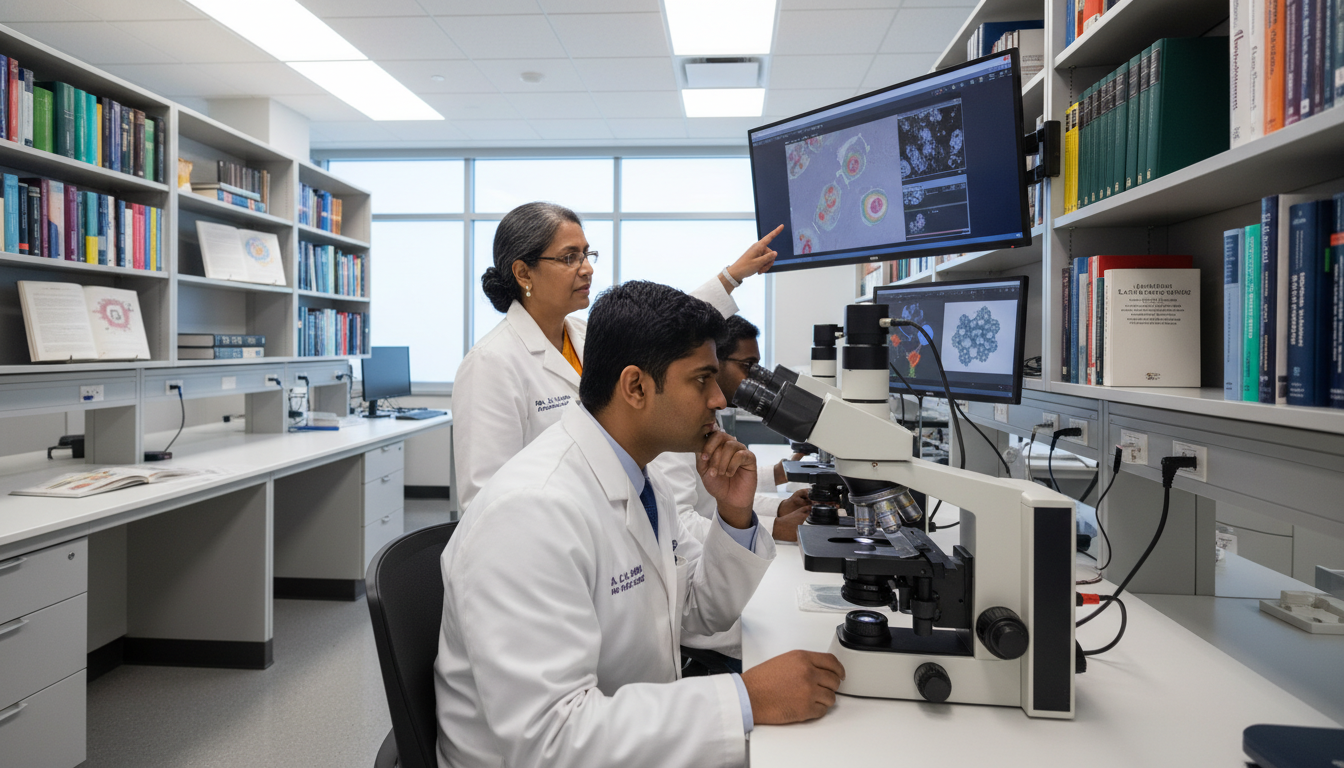
Choosing a medical specialty can feel overwhelming, and pathology often adds an extra layer of uncertainty because students see less of it during clinical rotations. Yet for many, pathology is the perfect fit—combining diagnostic reasoning, visual pattern recognition, and a central role in patient care that’s often behind the scenes. This guide walks you through how to choose pathology as a specialty (or not) in a structured, practical way.
Understanding What Pathologists Really Do
Before you decide on any specialty—especially pathology—you need a clear, realistic picture of the day‑to‑day work.
Core Mission: Diagnosing Disease from Tissues and Labs
At its heart, pathology residency trains you to be the physician who answers three key questions:
- What is this disease? (diagnosis)
- How bad is it? (grading/staging, prognosis)
- What does this mean for treatment? (predictive markers, therapy guidance)
Pathologists support nearly every specialty—surgery, oncology, internal medicine, OB/GYN, dermatology, and more—by interpreting:
- Tissue biopsies (e.g., cancer vs benign)
- Surgical specimens (e.g., margin status, tumor staging)
- Cytology samples (Pap smears, fine needle aspirations)
- Blood smears and bone marrows
- Laboratory results (coagulation, chemistry, microbiology, transfusion medicine)
The Two Big Branches: AP and CP
Modern pathology residency in the U.S. is usually:
Anatomic Pathology (AP): Tissues and cells
- Surgical pathology (biopsies, resections)
- Cytology (Pap smears, FNAs)
- Autopsy pathology
- Molecular pathology (increasingly integrated)
Clinical Pathology (CP): Laboratory medicine and diagnostics
- Hematology and coagulation
- Clinical chemistry
- Microbiology and virology
- Transfusion medicine/blood banking
- Molecular diagnostics and genomics
- Immunology and serology
Most residents complete a combined AP/CP 4-year program, though AP-only and CP-only tracks exist in certain settings.
A Typical Day in Pathology
While it varies by rotation, a common AP day during pathology residency might look like:
- 8:00–9:00 – Preview yesterday’s surgical cases or sign out small biopsies
- 9:00–12:00 – Sign-out with attending (review slides at the multi-head microscope)
- 12:00–1:00 – Noon conference or resident lecture
- 1:00–3:00 – Grossing (macroscopic examination of surgical specimens)
- 3:00–5:00 – Additional sign-out, frozen sections for OR cases, tumor board prep
A CP day might include:
- Reviewing peripheral blood smears or bone marrow cases
- Consulting with clinicians about abnormal lab values or test selection
- Overseeing quality control and lab management issues
- Participating in transfusion reactions or microbiology rounds
What Pathologists Don’t Typically Do
Clarifying what pathology is not can be just as helpful in deciding what specialty should I do:
- Pathologists usually do not have continuity clinics with longitudinal patient relationships.
- They rarely perform bedside procedures, except some fellows (e.g., hematopathology) or those doing FNAs.
- Most shifts are daytime, weekday-based, with call from home for many settings (this varies by practice).
If you’re choosing a medical specialty and imagine yourself primarily at the bedside or in the OR, pathology might not match that vision. If you enjoy solving complex diagnostic puzzles in a calmer, more analytical environment, pathology may align very well.
Personality, Strengths, and Values: Is Pathology a Good Fit?
When thinking about how to choose specialty, self-assessment is critical. For pathology, certain traits and preferences are especially relevant.
Traits That Often Predict Satisfaction in Pathology
While there’s no single “pathology personality,” satisfied pathologists often share:
Analytical & detail-oriented thinking
You enjoy:- Spotting subtle differences on a slide or image
- Piecing together clinical, radiologic, and microscopic data
- Working through differential diagnoses systematically
Comfort with indirect patient care
You absolutely impact patient outcomes, but usually without direct patient contact. Many pathologists love being the “doctor’s doctor.”Tolerance for ambiguity and patterns over time
- You’re okay making judgment calls based on incomplete information.
- You enjoy recognizing visual, morphologic, or data-based patterns.
Appreciation for structure and systems
CP especially attracts those who like:- Quality improvement
- Systems-based practice
- Informatics, AI, and lab management
Steady, predictable pace over adrenaline
There are urgent frozen sections and stat lab issues, but the specialty is generally less crisis-driven than emergency medicine or critical care.
Red Flags: When Pathology Might Not Be the Right Specialty
Pathology may not be ideal if:
- You crave daily face-to-face interactions with patients as a core part of your job.
- You derive most satisfaction from procedures and hands-on interventions.
- You dislike spending large blocks of time sitting, reading, or looking through microscopes/computer screens.
- You find monotony or repetition (e.g., high-volume biopsy sign-out) intolerable.
- You strongly prefer immediate feedback from patients regarding your care.
A Practical Self-Test
Ask yourself:
- Do I get a “rush” from finally making the correct diagnosis in a complex case—even if no patient ever knows my name?
- In pre-clinical years, did I enjoy pathology, histology, and diagnostic reasoning more than memorizing treatment protocols?
- When I shadowed or did rotations, did I find myself wondering: “How did they confirm this diagnosis? What did the biopsy show?”
If your honest answers are “yes” to most of these, pathology deserves serious consideration as you’re choosing medical specialty options.

Training Pathway, Fellowship Options, and Career Outlook
Once you’re leaning toward pathology, understanding the training structure and career landscape is crucial for the pathology match.
The Pathology Residency Pathway (U.S.-focused)
Medical School
- Usually 4 years, with relatively limited formal exposure to pathology compared with clinical specialties.
Residency (AP/CP or AP-only/CP-only)
- AP/CP combined: 4 years (most common in the U.S.)
- AP-only or CP-only: 3 years (less common; often followed by more specialized fellowship training).
Training includes: - Rotations in surgical pathology, cytology, autopsy
- Rotations in hematology, transfusion, micro, chem, molecular, informatics
- Didactics, conferences, tumor boards, and lab management education
Fellowship(s) – Often 1–2 years each
Most graduating residents pursue at least one fellowship to subspecialize and enhance job prospects. Common pathology fellowships include:- Surgical Pathology / Selective Surgical Pathology
- Cytopathology
- Hematopathology
- Dermatopathology
- Forensic Pathology
- Transfusion Medicine / Blood Bank
- Molecular Genetic Pathology
- Neuropathology
- Pediatric Pathology
- GI, GU, Breast, Gyn, or other organ-specific fellowships
- Informatics or Quality/Management (available in certain centers)
Most pathologists train for 5–6 total postgraduate years (residency + one or two fellowships).
Types of Pathology Jobs
Your choice of subspecialty (and programs during the pathology residency match) will influence your career options:
Academic Medical Centers
- Often subspecialized by organ system (e.g., GI pathologist, hematopathologist).
- Involved in teaching residents and medical students.
- Opportunities in research, clinical trials, and leadership.
- Call varies; often more complex cases, tumor boards.
Community Hospital Practice
- More generalist role; you may cover a broad range of specimens.
- Mix of AP and CP responsibilities.
- Often more focused on high-volume diagnostic work.
- Compensation can be higher than some academic roles.
Reference and Commercial Labs
- High-volume, sometimes specialized (e.g., molecular, hematopathology).
- Limited to consultative or diagnostic work without lab management duties in some settings.
- Less hospital-based interaction, more industry-style environment.
Forensic and Government Positions
- Medical examiner’s offices, VA, public health labs, regulatory agencies (CDC, FDA).
- Forensic pathologists work with death investigation systems and legal interfaces.
Non-traditional Careers
- Pathology informatics (AI, digital pathology, LIS).
- Industry roles (pharmaceutical, biotech, diagnostics).
- Consulting, public health, or administrative leadership.
Job Market and Lifestyle Considerations
The pathology job market is highly regional and subspecialty-dependent:
- Certain areas (rural, mid-size cities) consistently have openings.
- Competitive urban or coastal regions may be tighter, especially for new grads.
- Subspecialty expertise (e.g., hematopathology, molecular, dermpath) often improves job prospects.
Lifestyle-wise, many pathologists enjoy:
- Predictable hours (often 8–5, Monday–Friday)
- Home call in many settings
- Relatively few overnight emergencies compared to procedural specialties
Compensation is generally solidly in the mid-to-upper tier of physician incomes, though not at the very top like some procedural fields.
How to Explore Pathology During Medical School
If you’re still asking, “What specialty should I do?” and suspect pathology might be on your shortlist, you need structured exposure beyond your required curricula.
1. Formal Rotations and Electives
Core pathology rotation (if offered):
Engage actively—go beyond just sitting at the microscope. Ask to follow cases from grossing to final diagnosis.Fourth-year electives:
Consider:- General surgical pathology
- Autopsy pathology
- CP rotations (hematology, transfusion, micro, molecular)
- Subspecialty electives (e.g., hematopathology, dermpath) if available
Try to schedule at least one home institution rotation plus one away rotation (if you are strongly considering a region or specific program) before the pathology residency match.
2. Shadowing and Mentorship
- Ask your dean’s office or student affairs to connect you with:
- The pathology department chair or residency program director
- AP and CP attendings in different subspecialties
- Shadow both AP and CP:
- Sit in on sign-out for surgical pathology.
- Attend a transfusion medicine meeting or microbiology rounds.
- Join tumor boards to see how pathologists present and influence management.
Forming a longitudinal relationship with at least one pathology mentor is extremely valuable—for career advice, letters of recommendation, and research opportunities.
3. Research and Scholarly Projects
Pathology is particularly amenable to medical student research:
Chart/pathology review projects:
Correlating pathology findings with clinical outcomes.Case reports and series:
Unusual tumors, rare infections, or challenging diagnostic dilemmas.Quality improvement projects in the lab:
Reducing turnaround times, optimizing test ordering, integrating new biomarkers.
These projects help you:
- Understand what pathologists actually do.
- Build your CV for the pathology match.
- Demonstrate commitment to the specialty when choosing medical specialty statements and personal essays.
4. Conferences and Professional Organizations
Consider joining:
- College of American Pathologists (CAP)
- United States & Canadian Academy of Pathology (USCAP)
- American Society for Clinical Pathology (ASCP)
Many have medical student memberships, mentoring programs, and travel grants to attend national meetings where you can present research and network.
Navigating the Pathology Residency Match Strategically
Once you’re leaning toward pathology, the question becomes not just how to choose a specialty, but how to choose the right programs and optimize your pathology match outcome.
Building a Competitive Pathology Application
Pathology is not among the most competitive specialties, but the strongest programs still attract top applicants. To stand out:
Board Scores and Grades
- Aim for solid performance in basic sciences and clinical rotations.
- Strong performance in pathology- and internal medicine–related content is particularly relevant.
- With USMLE Step 1 now pass/fail, Step 2 and overall transcript carry more weight.
Pathology Exposure
- At least one dedicated pathology elective is strongly recommended.
- Away rotations at target institutions can help you:
- Show your interest
- Gauge program culture
- Secure strong letters
Letters of Recommendation
- At least two letters from pathologists who know your work well.
- An additional letter from a clinical specialty can highlight your communication and professionalism.
Research Experience
- Not required, but looked upon favorably—especially at academic programs.
- Pathology-oriented projects signal focused interest in the field.
Personal Statement
- Clearly answer:
- Why pathology (and not another specialty)?
- How do your traits, experiences, and goals align with pathology?
- Avoid generic “choosing medical specialty” language; show you understand what pathologists actually do.
- Clearly answer:
Choosing Pathology Residency Programs
When deciding among programs, consider:
Training Balance: AP vs CP
- Does the program provide robust exposure to both AP and CP?
- How is time allocated (e.g., 60/40, integrated rotations, senior responsibilities)?
Case Volume and Diversity
- High-volume centers expose you to a wide range of pathology, essential for strong training.
- Ask about:
- Number of surgical cases per year
- Variety of tumor board and specialty services
- Autopsy volume (even if you don’t love it, it’s part of training)
Subspecialty Strengths and Fellowships
- Does the program have in-house fellowships in areas that interest you (hematopathology, GI, dermpath, etc.)?
- Are graduates successful in obtaining competitive fellowships elsewhere?
Culture and Resident Support
- Are residents approachable and satisfied?
- How is workload structured?
- Are there mentorship programs and career guidance?
Career Outcomes
- Where do graduates go? (academia, community, fellowships?)
- What percentage secure their top-choice fellowship or job?
Interviewing for Pathology: What to Ask
On interviews (virtual or in-person), consider asking:
- “What distinguishes your AP and CP training from other programs?”
- “How often do residents participate in tumor boards and interdepartmental conferences?”
- “What level of responsibility do senior residents have in sign-out or lab management?”
- “What support is there for research and conference attendance?”
- “What have your recent graduates gone on to do?”
These targeted questions both demonstrate your understanding of pathology and help you gauge the fit of each program.
Putting It All Together: A Stepwise Approach to Choosing Pathology
When grappling with choosing medical specialty decisions, it helps to have a structured roadmap. Here’s a stepwise approach tailored to pathology:
Step 1: Clarify Your Career Priorities
List your top 5–7 priorities (e.g., type of patient contact, lifestyle, intellectual content, procedures, location flexibility, income). Rank them.
If your top priorities include:
- Complex diagnostic reasoning
- Indirect but high-impact patient care
- Visual pattern recognition
- Consistent schedule and relatively fewer emergencies
…pathology is worth serious exploration.
Step 2: Gain Real Exposure
- Complete at least one AP-focused pathology elective.
- Shadow in CP realms like hematology, micro, and transfusion.
- Talk honestly with residents and attendings about pros and cons.
Step 3: Compare Pathology to Your Other Top Choices
When asking “What specialty should I do?” put pathology side-by-side with your other contenders (e.g., internal medicine, radiology, oncology):
- Which day-to-day life can you see yourself living for decades?
- Which type of work gives you energy versus draining you?
- In which field are you most excited to go above and beyond?
Step 4: Seek Mentorship and Feedback
Discuss your thinking with:
- A trusted pathology mentor
- A faculty advisor in another specialty you’re considering
- Residents who recently went through the pathology match
Ask them to reflect back what they see as your strengths and fit for pathology.
Step 5: Commit and Optimize
Once you decide to apply for pathology residency:
- Strengthen your application profile (electives, letters, research).
- Apply to a balanced set of programs (reach, target, safety).
- Keep an open mind about geography if possible—this can significantly improve your options.
Frequently Asked Questions (FAQ)
1. Is pathology a good specialty choice if I enjoy internal medicine or oncology?
Yes, especially if you’re more drawn to diagnostic reasoning and disease mechanisms than to managing medications or direct patient encounters. Many pathologists considered internal medicine or oncology but ultimately preferred the behind-the-scenes diagnostic role and more predictable lifestyle.
If you like tumor boards, reading about mechanisms of disease, and correlating clinical data with lab findings, pathology can be an excellent fit.
2. Do pathologists really have no patient contact?
Pathologists have much less direct patient contact than most specialties, but not zero:
- Some perform fine needle aspirations and directly interact with patients.
- Transfusion medicine specialists may manage complicated transfusion reactions at the bedside.
- Forensic pathologists frequently communicate with families and legal teams.
However, if daily patient interaction is central to your identity as a physician, pathology may feel too removed. If you’re comfortable serving patients primarily through diagnostic expertise, this model can be deeply fulfilling.
3. Is the pathology job market stable?
Overall, the job market is stable but heterogeneous:
- Certain regions and community settings consistently need pathologists.
- Subspecialty training (e.g., hematopathology, dermpath, molecular) generally improves job prospects.
- Large academic centers in highly desirable cities can be more competitive.
When choosing a pathology specialty track and fellowship, talk to mentors about current and projected demand, and stay flexible about geography early in your career.
4. How much does AI threaten the future of pathology?
AI and digital pathology are transforming the field, but rather than replacing pathologists, they are most likely to:
- Offload repetitive tasks (e.g., screening slides for metastases)
- Enhance accuracy and consistency
- Enable new quantitative diagnostics (e.g., biomarker scoring)
Pathologists will still be needed to interpret complex cases, integrate clinical data, oversee laboratories, and guide clinical teams. If you are tech-inclined, pathology (especially with informatics and AI) may become even more exciting and central to the future of medicine.
Choosing a medical specialty is one of the most important decisions of your career. Pathology offers a unique blend of intellectual challenge, centrality to patient care, and lifestyle balance. By honestly assessing your strengths, exploring the field in depth, and understanding the training and career pathways, you can decide whether pathology residency is the right match for you—and, if it is, approach the pathology match with confidence and clarity.