Understanding Plastic Surgery as a Medical Specialty
Plastic surgery is far more than cosmetic procedures and aesthetic enhancements. For residency applicants asking “what specialty should I do?” and specifically considering plastic surgery, it’s essential to understand the true breadth of the field before committing to it.
Plastic surgery is a reconstructive and aesthetic surgical specialty that focuses on restoring or improving form, function, and appearance. Plastic surgeons work from head to toe, across all ages, and in both elective and emergent settings. The field encompasses:
Reconstructive surgery
- Post-traumatic reconstruction (e.g., after motor vehicle accidents)
- Post-oncologic reconstruction (e.g., breast reconstruction after mastectomy)
- Congenital anomaly repair (e.g., cleft lip and palate, craniofacial anomalies)
- Hand and peripheral nerve surgery
- Pressure sore and wound reconstruction
Aesthetic (cosmetic) surgery
- Facial rejuvenation (facelifts, blepharoplasty, rhinoplasty)
- Body contouring (liposuction, abdominoplasty, body lifts)
- Breast augmentation, reduction, and lifts
- Non-surgical procedures (injectables, lasers, skin treatments)
Microsurgery
- Free tissue transfer (e.g., DIEP flaps for breast reconstruction)
- Replantation of digits and limbs
- Complex reconstruction after trauma or cancer
Specialized subspecialties
- Craniofacial and pediatric plastic surgery
- Burn surgery and complex wound care
- Gender-affirming surgery
- Peripheral nerve and brachial plexus surgery
If you are trying to decide how to choose a specialty, you need a realistic picture of the day-to-day experience of a plastic surgeon. It combines high technical precision, long and complex operations, artistic judgment, and longitudinal patient relationships, often in highly emotionally charged contexts.
Common Misconceptions About Plastic Surgery
Clarifying misconceptions is a crucial step in choosing a medical specialty:
Myth: Plastic surgery is mostly cosmetic “lifestyle” surgery.
Reality: In many academic and safety-net hospitals, the bulk of plastic surgery work is reconstructive—trauma, cancer, congenital defects, wounds, and hand surgery. Aesthetic surgery is often a smaller but important part, more prominent in private practice.Myth: Plastic surgeons only operate on the face and breasts.
Reality: Plastic surgeons operate from scalp to toe, including hands, trunk, extremities, and genitalia. The field is “problem-based” rather than organ-specific.Myth: Plastic surgery is all glamour and big money.
Reality: Training is long and demanding, call can be intense (hand trauma, replantations, complex wounds), and lifestyle and income vary widely by practice type and region.
Understanding these realities is key when you ask yourself: Is plastic surgery the right specialty for me?
Is Plastic Surgery Right for You? Core Personality and Skill Fit
When deciding what specialty should I do, especially for something as competitive as a plastic surgery residency, it’s helpful to match your strengths, personality, and values to the specialty’s core demands.
Traits That Align Well with Plastic Surgery
Meticulous and detail-oriented
- Plastic surgery often involves operating with magnification, performing delicate dissection, and making fine sutures.
- Small technical differences can produce major changes in outcome or appearance.
- If you enjoy craftsmanship, precision, and finesse, this is a strong match.
Visually and spatially oriented
- Much of plastic surgery is solving 3D problems: planning flaps, aligning facial structures, designing incisions that will heal attractively.
- You may enjoy imaging, drawings, or 3D planning.
- If you like puzzles, anatomy, and visual design, you may find the field deeply satisfying.
Comfortable with subjectivity and aesthetics
- Outcomes are not only “did it heal?” but “does it look and function well?”
- Patients’ perceptions and aesthetic preferences vary, and satisfaction is partly subjective.
- Surgeons must balance safety, anatomy, and patient expectations.
High resilience and emotional intelligence
- Many patients have experienced trauma, cancer, disfigurement, or gender dysphoria.
- Discussions around body image and expectations require empathy and excellent communication.
- Complications or suboptimal aesthetic outcomes can be particularly distressing to patients.
Interest in innovation and technology
- Plastic surgery is at the forefront of surgical innovation: microsurgery, tissue engineering, 3D printing, regenerative medicine, and complex imaging.
- If you’re drawn to cutting-edge techniques and research, this specialty offers many paths.
Comfort with long, complex cases and variable hours
- Microsurgical free flaps and replantations can be multi-hour (or all-night) operations.
- Hand and facial trauma may require emergent intervention overnight.
- If the idea of a long, intense operative day excites you more than it drains you, that’s a promising sign.
Red Flags: Situations Where Plastic Surgery May Not Fit Well
Plastic surgery may not be ideal if:
- You strongly prefer short, protocolized procedures with minimal variation.
- You dislike aesthetic discussions or feel frustrated by subjective feedback about appearance.
- You want very predictable hours with minimal overnight or weekend work (some practice models allow this, but training is almost never like that).
- You prefer broad primary care or longitudinal inpatient medicine over procedure-based care.
- You find managing expectations around cosmetic outcomes to be particularly stressful.
Self-Reflection Questions
To refine your decision while choosing medical specialty options, ask yourself:
- Do I enjoy long OR days and find satisfaction in detailed manual work?
- Do I feel energized by before-and-after transformations, both functional and aesthetic?
- Am I comfortable with the idea that my work will often be judged visually by patients, colleagues, and sometimes the public?
- How do I handle complications or imperfect outcomes, especially when expectations are high?
- Do I want a career that allows for both reconstructive and cosmetic practice, or do I prefer something more narrowly defined?
If your honest answers align with the demands above, plastic surgery can be an outstanding specialty choice.
Pathways Into Plastic Surgery: Integrated vs. Independent Routes
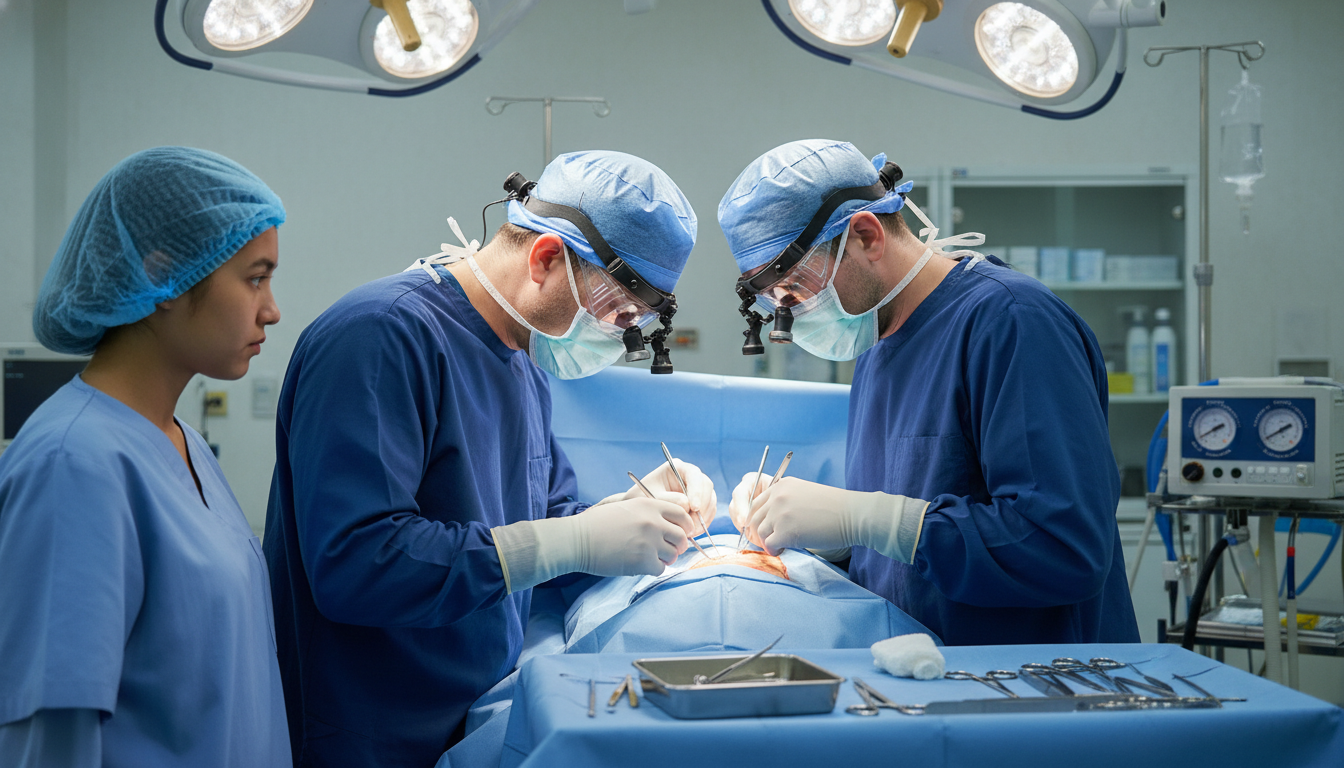
Understanding training structures is a crucial part of how to choose specialty options wisely, especially for a field as competitive as plastic surgery.
Integrated Plastic Surgery Residency
The integrated plastics match refers to the direct pathway from medical school into plastic surgery.
Structure:
- Duration: Typically 6 years (some programs 7 years)
- Format: ACGME-accredited integrated plastic surgery residency
- Early years: Foundational training in general surgery, ICU, trauma, ENT, ortho, neurosurgery, etc.
- Later years: Dedicated plastic surgery rotations, microsurgery, hand, craniofacial, and electives
Pros:
- Early and continuous exposure to plastic surgery
- Structured, progressive training within one program
- Efficient path to board eligibility (no separate general surgery residency)
- Strong mentorship and research continuity
Cons:
- Extremely competitive (often one of the most competitive residencies)
- Requires early commitment; if you’re unsure about your specialty, this can feel high-risk
- Limited flexibility if your interests change late in medical school
Who is a good fit?
- Students who are highly committed to plastic surgery by early MS3 or even MS2
- Strong academic record (high class rank, strong Step scores if applicable, substantial research)
- Evidence of dedication: plastic surgery electives, research, letters from plastic surgeons
Independent Plastic Surgery Residency
The independent track (sometimes called “fellowship” pathway) is pursued after completing another surgical residency, most commonly:
- General surgery
- Otolaryngology (ENT)
- Orthopedic surgery
- Occasionally neurosurgery or urology (depending on program)
Structure:
- Complete a full ACGME-accredited surgery residency (usually 5–7 years)
- Then apply for a 3-year independent plastic surgery residency
- Training is more plastic-surgery–focused, building on previous surgical experience
Pros:
- Time to explore other surgical fields before committing
- You enter plastic surgery training as a more experienced surgeon
- Some applicants find this more feasible if they decide on plastics later in training
Cons:
- Total training time is longer (often 8–10+ years post-med school)
- Independent positions are limited and also competitive
- Requires strong performance in both your initial residency and in plastics-related work
Who is a good fit?
- Students who aren’t fully certain about plastic surgery during medical school
- Residents who discover a passion for reconstructive or hand surgery later
- Those comfortable with a longer training journey for the sake of a better fit
Practical Advice: Deciding Between Integrated and Independent
When choosing medical specialty pathways with plastic surgery in mind:
If you are early in medical school and strongly drawn to plastics:
- Aim for the integrated plastics match.
- Build a competitive application through research, away rotations, and mentorship.
If you are late in medical school and still unsure:
- Consider a broader surgical field (like general surgery or ENT) that allows later transition.
- Keep connections with plastic surgery departments and consider electives and research to preserve the option.
Day-to-Day Life in Plastic Surgery: Clinical Realities and Lifestyle
Understanding the practical, daily realities can be more helpful than abstract descriptions when deciding how to choose a specialty.
Types of Clinical Practice
Academic Plastic Surgery
- Mix of reconstructive, complex microsurgery, hand, craniofacial, and some aesthetics
- Involves teaching residents, conducting research, and multidisciplinary collaboration
- Call schedules can be demanding, especially at high-volume trauma or cancer centers
- Suitable for those who enjoy academia, research, and complex cases
Private Practice Aesthetic Surgery
- Focus on cosmetic procedures—facelifts, breast surgery, liposuction, body contouring, non-surgical aesthetics
- Often more clinic-based, with elective OR days in surgery centers
- Income potential can be high; hours may be more controllable but come with business responsibilities
- Requires strong interpersonal and marketing skills, plus comfort discussing cosmetic goals
Mixed Practice (Community or Group Practice)
- Combination of reconstructive work (trauma, breast reconstruction, hand) and aesthetics
- Hospital-based plus outpatient surgery center work
- Offers variety and a balance of functional and aesthetic cases
Subspecialized Practice
- Focus on areas like hand surgery, craniofacial surgery, burn surgery, or gender-affirming surgery
- Often additional fellowship training required
- Niche expertise, often in academic or specialized centers
Typical Resident Schedule
During plastic surgery residency, your days may include:
- Early morning: Pre-round on inpatients, review wound vacs, flaps, and post-op patients.
- Morning: OR cases (reconstruction, microsurgery, hand trauma, aesthetic cases in some programs).
- Afternoon: Continuation of OR, plus possibly clinics (new consults, post-ops, preoperative counseling).
- Evening: Finish notes, follow-up on lab and imaging results, manage new consults.
- Call: Home or in-house depending on rotation. Consults for:
- Facial fractures and lacerations
- Hand and upper extremity injuries
- Soft tissue infections, wounds, pressure ulcers
- Flap monitoring and emergent re-explorations
Residency is intense regardless of specialty; plastic surgery is no exception. However, many trainees find the variety and creativity highly rewarding.
Lifestyle Considerations
When focusing on choosing medical specialty factors related to lifestyle:
Hours and call:
- Training: Typically long hours, frequent call, especially on trauma or microsurgery services.
- Practice: More flexible; some surgeons design schedules with few nights/weekends, especially in elective aesthetic practices.
Emotional load:
- You’ll work with patients dealing with trauma, cancer, congenital differences, or deep dissatisfaction with appearance.
- You must manage both medical complexity and emotional expectations.
Income and financial considerations:
- Plastic surgery has high income potential, particularly in aesthetic-focused practices.
- Academic reconstructive roles may have lower compensation relative to high-end cosmetic practices, but often offer stability, benefits, and academic satisfaction.
If you value technical complexity, creative problem solving, and a mix of art and science, plastic surgery can fit very well—even if training years are demanding.
How to Explore Plastic Surgery in Medical School
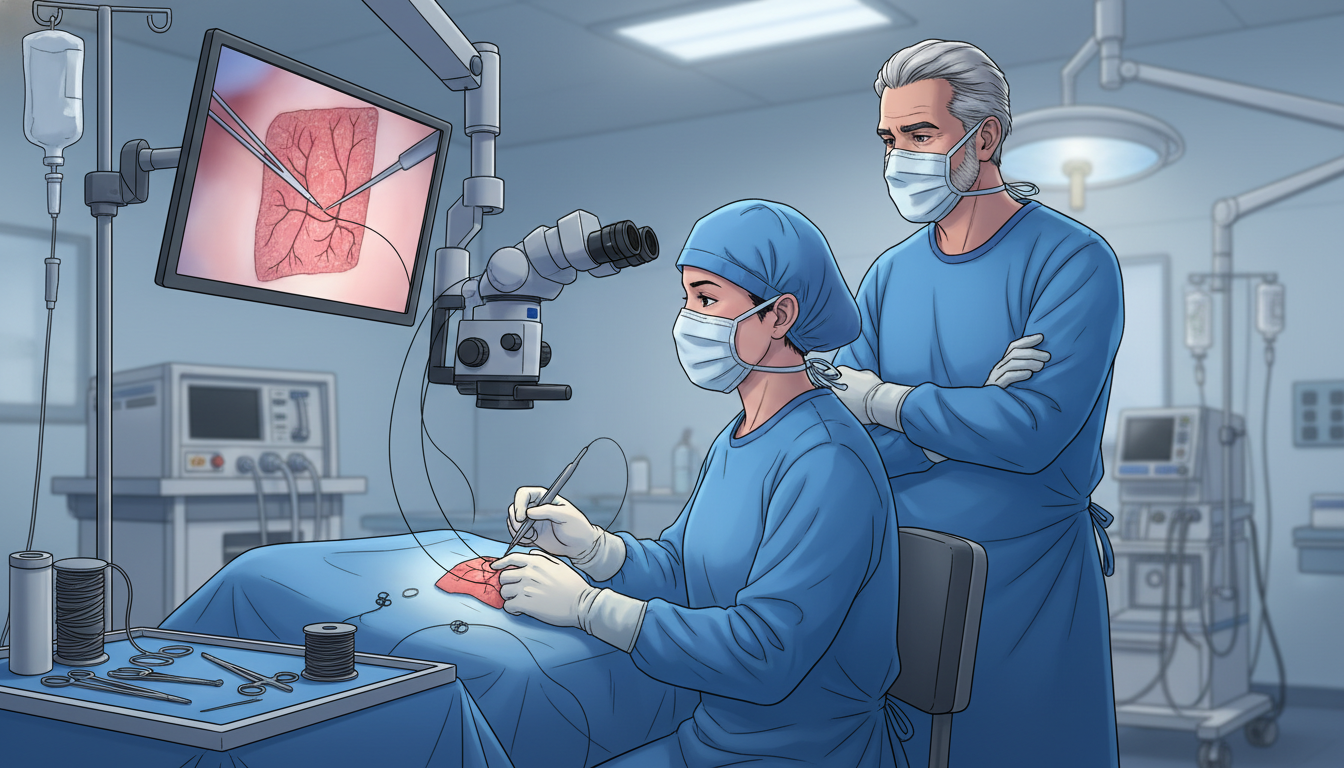
Exploration is the cornerstone of making a sound decision about what specialty should I do. For plastic surgery, early and deliberate exposure is especially important due to its competitiveness.
Step 1: Get Early Clinical Exposure
Shadow plastic surgeons
- Ask your school’s surgery department or plastic surgery division for shadowing opportunities in clinic and OR.
- Observe both reconstructive and cosmetic cases if possible to see the full spectrum.
Schedule an elective or sub-internship
- Aim for a dedicated plastic surgery rotation during MS3 or early MS4.
- Actively scrub into cases, see consults, and follow patients longitudinally.
Experience different practice models
- Academic center vs. private practice
- Reconstructive-heavy vs. aesthetics-heavy practices
Pay attention to:
- How you feel during long OR days.
- How comfortable you are with the subjectivity around aesthetic outcomes.
- Your reaction to trauma, wounds, and complex reconstructions.
Step 2: Engage in Plastic Surgery Research
For the integrated plastics match, research is often essential:
- Join a plastic surgery research group or lab early (MS1 or MS2 if possible).
- Start with retrospective reviews, case series, or project assistance.
- Aim for:
- Abstracts and posters at local or national meetings (ASPS, ASAPS, etc.).
- Manuscripts in peer-reviewed journals.
- Use research to:
- Deepen your understanding of subspecialties (e.g., hand, craniofacial, microsurgery).
- Build relationships with faculty who can later write strong letters.
Step 3: Find Mentors and Advisors
Mentorship is critical for both choosing the specialty and navigating the application:
- Seek multiple mentors:
- One or two senior faculty for big-picture career advice.
- One resident or fellow for day-to-day, honest insights.
- Ask targeted questions:
- “What do you wish you had known when choosing plastic surgery?”
- “What parts of the job are hardest to appreciate as a student?”
- “Which applicants succeed in this field, and which struggle?”
Meet with mentors regularly to reassess your interests and fit.
Step 4: Compare Plastic Surgery to Other Surgical Fields
To answer “how to choose specialty” effectively, you must compare plastic surgery with real alternatives, such as:
- General surgery
- Orthopedic surgery
- Otolaryngology (ENT)
- Neurosurgery
- Dermatology (especially for procedural dermatology)
- Ophthalmology (oculoplastics focus)
On rotations, consciously evaluate:
- What kinds of operations excite you most?
- Do you prefer organ-specific pathways (e.g., breast surgeon, colorectal) or problem-based versatility (e.g., any soft tissue)?
- How much do you care about aesthetics vs. pure function?
Write brief reflections after each rotation. Patterns in your notes can clarify your direction.
Building a Competitive Plastic Surgery Residency Application
Once you’ve decided that plastic surgery is the right specialty, the next challenge is the integrated plastics match or setting up for an independent pathway. Even if this article focuses on choosing a medical specialty, understanding competitiveness is part of a realistic decision.
Academic and Exam Performance
Programs look for candidates who have demonstrated:
- Strong preclinical and clinical grades
- Excellent performance on shelf exams and standardized tests (USMLE/COMLEX; Step 1 may be pass/fail, but Step 2 CK remains important)
- Honors in surgery rotation(s) and ideally in your plastic surgery elective
If your grades are not perfect, strong research, letters, and performance on sub-internships can help offset this, but plastic surgery remains highly competitive.
Clinical Performance and Sub-Internships (“Away Rotations”)
Sub-internships are essential for both choosing medical specialty fit and being evaluated by programs:
- Plan 1–3 away rotations at institutions where you might want to match.
- On these rotations:
- Be prepared, punctual, and proactive.
- Read before cases, understand indications and anatomy.
- Be a team player—help with notes, consults, and patient care.
- Show genuine interest without being overbearing.
These rotations often generate key letters of recommendation and significantly influence rank lists—both yours and theirs.
Letters of Recommendation
Aim for 3–4 strong letters, typically including:
- 2–3 letters from plastic surgeons who have worked closely with you (home and away institutions).
- 1 letter from another surgical field or a research mentor (optional but often helpful).
Ask letter writers who:
- Know you well clinically.
- Can comment on your work ethic, technical potential, professionalism, and teamwork.
- Are supportive of your plastics aspirations.
Personal Statement and Narrative
Your personal statement should go beyond “I like art and surgery.” Programs will see this many times. Instead:
- Clearly explain:
- Why plastic surgery (specific experiences, not clichés).
- How you understand the field’s realities and breadth.
- What you hope to contribute (e.g., innovation, global surgery, gender-affirming care, craniofacial reconstruction).
- Reflect on:
- Clinical moments that shaped your desire for this specialty.
- Challenges or setbacks and how you grew from them.
A thoughtful, grounded narrative reassures programs that you’ve made a mature, well-informed choice.
Backup Planning and Realism
Because the integrated plastics match is extremely competitive, you must balance:
- Authenticity: If plastics is clearly the right specialty for you, pursue it wholeheartedly.
- Pragmatism: Have a backup plan with your mentors, especially if your metrics or experiences are weaker than typical matched candidates.
Common alternatives include:
- General surgery with future independent plastics application
- ENT or orthopedics, depending on your interests
- Related fields like dermatology or oculoplastics via ophthalmology
Your mentors should help you weigh risks and backup strategies tailored to your specific profile.
Frequently Asked Questions (FAQ)
1. I’m not 100% sure about plastic surgery. Is it risky to commit to the integrated plastics match?
You don’t need absolute certainty, but you do need a well-informed, strongly positive inclination. Because integrated plastic surgery residency is competitive and narrow, changing course later can be difficult. If you’re significantly unsure, talk with mentors about:
- Applying more broadly in surgery or ENT while preserving a path to plastics later.
- Taking more time (e.g., a research year) to clarify your interests and strengthen your application.
2. What if I discover plastic surgery late in medical school?
It’s still possible, but you may have fewer research experiences and letters. Options include:
- Applying to integrated plastics with intense mentorship and realistic expectations.
- Starting in a broader surgical residency (e.g., general surgery, ENT, ortho) and later applying for the independent plastics route.
- Taking a dedicated research or preliminary year to build your portfolio and confirm fit.
3. Do I need to be “artistic” or good at drawing to succeed in plastic surgery?
Artistic skills can help with spatial visualization and aesthetic judgment, but they are not mandatory. More important are:
- Manual dexterity and attention to detail
- Strong understanding of anatomy
- Ability to think three-dimensionally and solve complex problems
Many excellent plastic surgeons do not have formal backgrounds in art; they develop aesthetic judgment through training and experience.
4. How can I know if I’ll actually like the aesthetic (cosmetic) side of plastic surgery?
Exposure is key:
- Spend time in aesthetic clinics and ORs, if possible, during medical school or early residency.
- Observe consultations, not just operations. Note how surgeons navigate expectations and body image concerns.
- Reflect on how you feel about marketing, patient satisfaction pressures, and elective procedures.
Even if you prefer reconstructive work, most plastic surgery residencies provide sufficient aesthetic training so you can decide later how heavily to incorporate it into your practice.
Choosing a medical specialty is one of the most meaningful decisions in your career. Plastic surgery offers a unique blend of technical precision, creative problem solving, reconstructive impact, and aesthetic artistry. By deeply exploring the field, seeking honest mentorship, and aligning your strengths and values with the realities of training and practice, you can make a confident, informed decision about whether plastic surgery is truly the right specialty for you.