
Choosing your preliminary year can shape not just your intern experience, but also your readiness, confidence, and competitiveness for advanced specialty training. Whether you’re aiming for radiology, anesthesiology, dermatology, ophthalmology, PM&R, neurology, or another advanced specialty, understanding how to evaluate and select a preliminary year is essential.
Below is a comprehensive guide to help you choose wisely, avoid common pitfalls, and align your prelim year with your long‑term goals.
Understanding the Preliminary Year: What It Is and Who Needs It
A preliminary year (often called “prelim”) is a 1‑year internship that precedes entry into an advanced residency. Unlike a categorical position, a preliminary year does not continue into PGY‑2 at the same program (unless you match separately into an advanced spot there).
Who Typically Needs a Preliminary Year?
You’ll usually need a preliminary year if you are applying to advanced specialties, such as:
- Diagnostic Radiology / Interventional Radiology
- Anesthesiology
- Neurology (depending on program structure)
- Dermatology
- Ophthalmology
- Radiation Oncology
- PM&R (Physical Medicine & Rehabilitation)
- Nuclear Medicine
- Some Pathology or specialties with optional transitional years
These specialties often begin at the PGY‑2 level, so you must complete an accredited PGY‑1 year first.
Types of PGY‑1 Options
You’ll encounter several types of PGY‑1 positions on ERAS and the NRMP:
Prelim Medicine
- 1‑year internal medicine track (ACGME‑accredited).
- Heavy focus on inpatient medicine, wards, night float, ICU.
- Commonly chosen by radiology, neurology, anesthesia, and derm applicants.
Prelim Surgery
- 1‑year general surgery internship.
- Includes OR time, surgical floors, procedural exposure, trauma, SICU.
- Commonly chosen by interventional radiology, anesthesia, and some radiology applicants wanting robust procedural experience.
Transitional Year (TY)
- Often considered the most “flexible” or “cush” (though they vary dramatically).
- Mix of internal medicine, outpatient, electives, sometimes surgery or ED.
- Very popular among radiology, ophthalmology, and dermatology applicants.
Categorical Internal Medicine with Advanced Specialty
- Some neurology, anesthesia, or PM&R programs provide an “integrated” or “categorical” track where PGY‑1 is built into the program.
- In this arrangement, you do not need a separate prelim year.
Your task is to match your PGY‑1 choice (prelim medicine, prelim surgery, or transitional year) with your long‑term specialty, your learning needs, and your personal resilience.
Prelim Medicine vs Prelim Surgery vs TY: Choosing the Right Path

The central decision most advanced applicants face is: Should I do prelim medicine, prelim surgery, or a transitional year? There is no universal right answer; it depends on your specialty and personal goals.
When a Prelim Medicine Year Makes Sense
Best for:
- Diagnostic Radiology
- Neurology (if not categorical)
- Anesthesiology
- Dermatology
- PM&R
- Radiation Oncology
Pros:
- Strong foundation in clinical reasoning, managing complex medical patients, and inpatient workflows.
- Excellent preparation for any specialty where you’ll manage comorbidities (HTN, DM, CHF, COPD, CKD, etc.).
- Often viewed favorably by advanced programs that want solid medicine skills.
Cons:
- Can be intense in terms of call, night float, and patient load.
- Less procedural exposure compared with surgery.
- Elective time may be limited at some prelim medicine programs.
Ideal if you:
- Want to feel comfortable managing sick patients independently.
- Expect to consult medicine frequently in your advanced specialty.
- Want strong letters from internists for your advanced career.
Example:
A future interventional radiologist chooses prelim medicine to become confident in managing anticoagulation, chronic diseases, and peri‑procedural risk. These skills translate directly into safer procedural planning and patient care.
When a Prelim Surgery Year Makes Sense
Best for:
- Interventional Radiology
- Anesthesiology
- Some Diagnostic Radiology applicants who want procedural strength
- Applicants interested in surgery‑adjacent fields or who are unsure between surgery and a procedural specialty
Pros:
- Intense exposure to procedures, sterile technique, and perioperative care.
- Experience managing surgical patients, trauma cases, and post‑op complications.
- Top‑tier opportunity to build resilience, time management, and operating room comfort.
Cons:
- Often one of the most physically and emotionally demanding intern years.
- Early mornings, long days, and frequent call.
- Educational focus may be more operative than internal medicine; less emphasis on chronic disease management.
Ideal if you:
- Are pursuing a highly procedural field and want to develop OR confidence.
- Enjoy fast‑paced, hands‑on patient care.
- Are prepared for a rigorous year that demands stamina.
Example:
A future anesthesiologist selects a prelim surgery position knowing they’ll spend plenty of time in the OR, learning the flow, understanding surgeons’ expectations, and managing post‑operative patients—skills that will be extremely relevant for anesthesiology practice.
When a Transitional Year (TY) Is a Good Fit
Best for:
- Radiology
- Ophthalmology
- Dermatology
- Radiation Oncology
- Fields where intense inpatient training is less central to day‑to‑day practice
Pros:
- Often more flexible, with significant elective time.
- Exposure to a mix of inpatient, outpatient, and subspecialty clinics.
- Can allow for research, additional away rotations, or board study.
Cons:
- Quality and rigor vary widely between programs. Some are demanding; others are more lifestyle‑friendly.
- May offer less depth in any one discipline (e.g., less inpatient medicine than a full prelim medicine year).
- Some advanced programs explicitly prefer their residents to have a strong medicine or surgery base.
Ideal if you:
- Want a more balanced or lifestyle‑friendly intern year.
- Are entering a specialty where intense inpatient call is less central.
- Have research or personal commitments that benefit from a more flexible schedule.
Example:
A matched ophthalmology resident chooses a transitional year with ample electives in neurology, rheumatology, and ophthalmology clinics to deepen understanding of diseases affecting the eyes without the burden of continuous heavy inpatient service.
How Your Chosen Advanced Specialty Influences the Best Prelim Option
Below is a general guide (always check individual program preferences):
- Radiology / IR: Prelim medicine, TY, or prelim surgery (especially IR)
- Anesthesiology: Prelim medicine or prelim surgery, TY possible depending on program
- Dermatology: TY or prelim medicine
- Ophthalmology: TY or prelim medicine
- Neurology: Prelim medicine (very common), sometimes TY if allowed
- PM&R: Prelim medicine (often preferred), sometimes TY
- Radiation Oncology: TY or prelim medicine
When in doubt, review program websites and ask residents: some departments explicitly prefer “strong medicine training,” while others are open to any ACGME‑accredited PGY‑1 year.
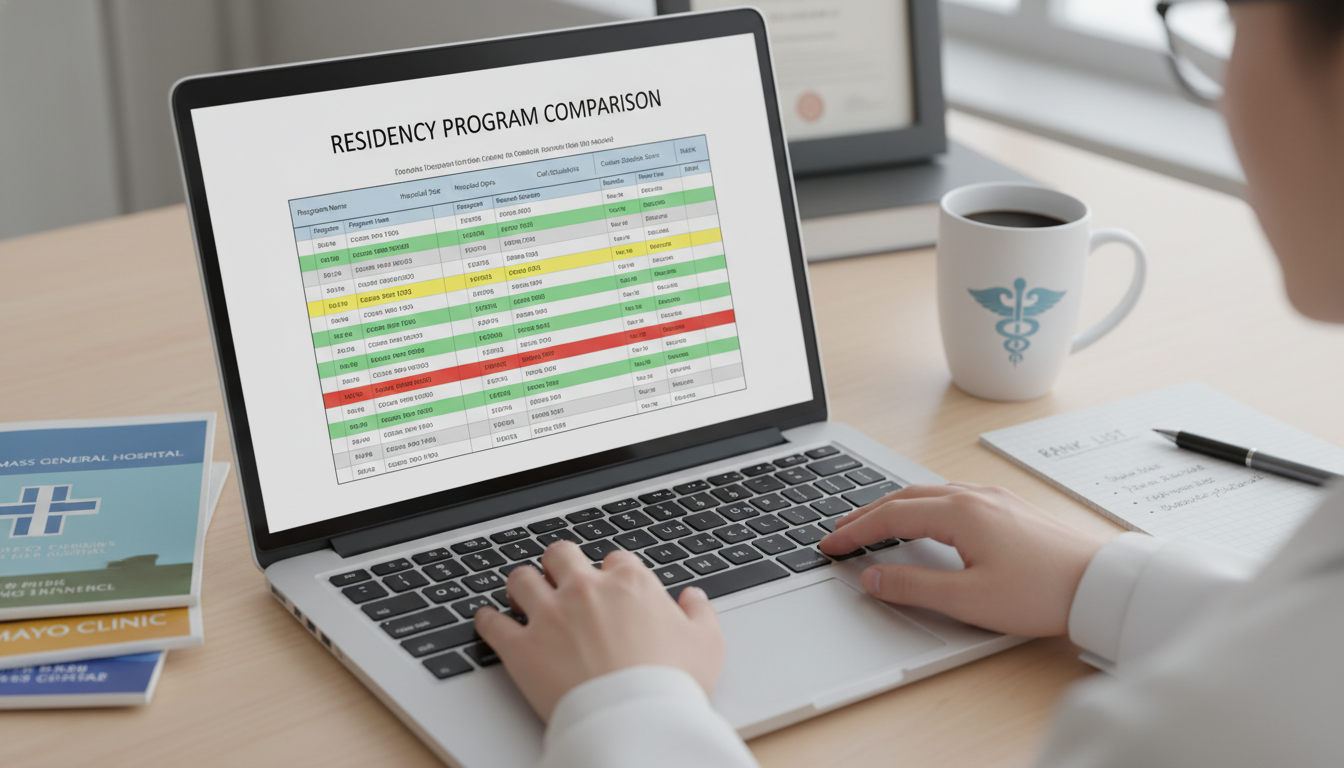
How to Evaluate Preliminary Year Programs
Not all preliminary year programs are created equal. Careful evaluation is crucial so you don’t end up with a year that is misaligned with your goals or tolerance for workload.
1. Workload, Call, and Schedule Structure
Key questions to ask or research:
How many months of wards/ICU?
- For prelim medicine: Is it 6–8 months of wards/ICU vs 3–4?
- For prelim surgery: How many months on floor vs ICU vs OR vs electives?
Call schedule:
- Night float vs 24‑hour calls?
- How many weeks of night float?
- Step‑down in duty hours toward the end of the year?
Average patient census:
- Typical patients per intern on wards?
- Support from advanced practice providers or senior residents?
Match your preferences:
- If you want more clinical intensity and skill-building: seek more wards/ICU and a busy service.
- If you want a manageable year before a demanding advanced residency: consider fewer heavy inpatient months and more electives.
2. Educational Environment and Culture
Do not underestimate program culture. Intern year can be difficult even in the best environments.
Consider:
- Resident wellness: Any evidence of burnout support, wellness initiatives, mental health access?
- Teaching quality: Daily didactics? Morning report? Noon conference? Simulation labs?
- Resident feedback:
- Ask: “How approachable are attendings?”
- “Do you feel safe asking questions?”
- “How are you treated when you make mistakes?”
Red flags:
- Residents consistently warn you about toxic behavior, yelling, or public shaming.
- Chronic violations of duty hours.
- High resident turnover or frequent transfers.
Green flags:
- Interns describe feeling supported, “not alone at night,” and “heard” by leadership.
- Formal mentorship or buddy systems.
3. Alignment With Your Future Specialty
Ask yourself:
- Does this program give you skills directly relevant to your future specialty?
- Are there electives that overlap (e.g., neuro for radiology, rheum for derm, ICU for anesthesia)?
- Do faculty understand and support the needs of advanced residents (e.g., allowing time for boards or orientation at the advanced program)?
Examples:
- A prelim medicine program that routinely hosts radiology‑bound interns might offer elective time in radiology, enabling early networking and comfort with imaging.
- A prelim surgery internship at a trauma center might be perfect if you’re headed into interventional radiology or anesthesia and want to sharpen resuscitation skills.
4. Geographic and Personal Factors
Location matters, especially in an intense year:
- Proximity to your advanced program
- Being in the same city or academic medical center as your PGY‑2 program can ease transition, housing, and social support.
- Cost of living
- A high‑COL city can add stress; balance lifestyle and finances.
- Personal support network
- Being near family, partner, or friends can significantly help during difficult rotations.
Don’t ignore non‑academic needs. A “better” academic program may not be better for you if it leaves you isolated, broke, or burned out.
5. Program Reputation and Outcomes
While prestige is less critical for prelim years than for full residencies, it’s still valuable to consider:
- Reputation with your advanced field
- Do your future colleagues and mentors speak positively about the prelim program?
- Where do prelim graduates go?
- Are they consistently matching into strong advanced programs?
- Are there advanced residents at the same institution who came through that prelim track?
Ask on interview day:
- “Where did your last few prelim medicine or prelim surgery cohorts go for their advanced training?”
Strategy: Applying to and Ranking Preliminary Year Programs
Once you know the type of preliminary year you want, the next step is navigating application strategy—how many programs, what mix, and how to build a logical rank list that minimizes risk.
1. Coupled vs Uncoupled Planning
You’ll typically be ranking:
- Advanced programs (your ultimate specialty)
- Preliminary or TY programs for PGY‑1
You can:
- Try to couple locations (same city or region for prelim + advanced).
- Spread risk with programs in different geographic areas.
Important: The NRMP allows you to create supplemental rank order lists for preliminary programs tied to specific advanced positions. Learn this system early so you can plan intelligently.
2. How Many Prelim Programs Should You Apply To?
This depends on:
- Competitiveness of your advanced specialty
- Your overall application strength
- How versatile your PGY‑1 plan is (e.g., can you do either prelim medicine or TY?)
General guidance (adjust by individual situation and advisor input):
- Competitive advanced field (e.g., derm, ophtho, IR/DR, rad onc):
- 10–20+ prelim/TY applications, often more if your Step scores, grades, or research are average or below for your specialty.
- Moderately competitive fields (anesthesia, radiology, PM&R, neurology):
- 8–15 prelim/TY applications, again tailored to your competitiveness and risk tolerance.
Your goal is to avoid scrambling for a PGY‑1. It’s far better to have several prelim offers than to end up unmatched for internship.
3. Balancing Program Types on Your List
You can apply to a mix of:
- Prelim medicine (solid, traditional clinical training)
- Prelim surgery (more procedural)
- Transitional year (potentially more flexibility)
Your mix should:
- Match your future specialty (e.g., mostly prelim medicine + TY for radiology; medicine + surgery for anesthesia).
- Reflect your personal preference for intensity vs balance.
Example mix for a radiology applicant:
- 6 prelim medicine programs
- 4 transitional year programs
Example mix for an anesthesia applicant leaning procedural:
- 5 prelim medicine programs
- 5 prelim surgery programs
- 2 transitional years
4. Building a Smart Rank List
When ranking, consider:
Geography:
- Place combinations where prelim + advanced are in the same city or system near the top, if all else is equal.
Workload and lifestyle:
- Put programs with a reasonable workload and supportive environment ahead of those with harsher reputations, unless you actively seek a very intense year.
Specialty alignment:
- Give preference to prelim programs that understand your specialty’s needs and support your transition (e.g., time off for early orientation).
Backup options:
- Include some prelim programs in less competitive or less popular locations as “safety” choices, as long as you would be willing to train there.
Remember: It’s better to spend a year somewhere less than ideal than to end up without any PGY‑1 position, which can delay or derail your career.
Thriving During Your Preliminary Year
Selecting a prelim year is only half the battle; surviving and thriving during that year matters just as much.
1. Mindset: This Year Is Foundational, Not Disposable
Avoid treating your preliminary year as a “throwaway.” You will:
- Build the clinical habits that follow you into your advanced specialty.
- Establish your reputation with faculty who may later serve as references.
- Learn to manage fatigue, uncertainty, and high‑stakes decisions.
Approach it with intention:
- Set clear goals (e.g., “I want to be able to confidently manage an inpatient CHF exacerbation by March”).
- Seek feedback early and often to correct weaknesses.
2. Time Management and Efficiency
Heavy workloads make efficiency crucial:
- Develop templates for notes and checklists for admissions/discharges.
- Pre‑round with a structured approach: vitals, I/O, labs, imaging, active problems.
- Prioritize tasks: stabilize sick patients, address urgent orders, then documentation.
Ask senior residents:
- “What tricks helped you survive your intern year?”
- “How do you structure your day on wards or in the ICU?”
3. Protecting Your Well‑Being
Your preliminary year can be emotionally and physically draining. Plan ahead:
- Sleep hygiene: Protect sleep before and after night shifts.
- Nutrition: Keep quick, healthy snacks at work; hydrate regularly.
- Exercise: Even short, consistent workouts (15–20 minutes) help mood and stamina.
- Support: Maintain contact with family, friends, mentors, or co‑residents.
Seek help early if you notice:
- Persistent low mood, anxiety, or loss of function
- Thoughts of self‑harm or hopelessness
Know your institution’s resources: Employee assistance programs, mental health services, peer support.
4. Keeping Your Advanced Specialty in View
While PGY‑1 may not be in your dream specialty, you can still:
- Attend conferences or grand rounds in your advanced field (if same institution).
- Use elective time to rotate with your future specialty department where possible.
- Network with faculty and residents in your ultimate field.
This helps:
- Smooth your transition into PGY‑2.
- Keep you motivated when the demands of prelim wards or call feel far removed from your long‑term goals.
FAQs About Preliminary Year Selection
1. Is a prelim medicine year better than a transitional year for all specialties?
No. Prelim medicine offers stronger inpatient medicine training, which some advanced programs explicitly prefer (e.g., neurology, PM&R, some anesthesiology and radiology programs). However, a transitional year can be an excellent choice if:
- Your future specialty is more outpatient or procedure‑focused.
- The TY program is high‑quality with robust clinical exposure.
- You value flexibility and elective time.
Check with your target specialty’s advisors and program directors before deciding.
2. Will a prelim surgery year disadvantage me if I’m going into a non‑surgical field?
Generally, no. A prelim surgery year can still provide excellent experience in:
- Managing acutely ill patients
- Working in the OR
- Handling procedures and emergencies
Advanced programs usually accept any accredited prelim year (medicine, surgery, or TY) that meets their requirements. Just ensure the advanced program you’re targeting does not require a specific type of PGY‑1 (e.g., many neurology programs require a medicine‑heavy internship).
3. How do I know if a prelim program is “too malignant” to rank highly?
Look for patterns:
- Multiple residents independently describe toxic behavior, frequent yelling, or humiliation.
- Duty hours are consistently violated or “fixed” on paper.
- Residents warn you that they wouldn’t choose the program again.
One or two negative comments may not be definitive, but consistent bad stories across several residents, online reviews, and your own interview day impressions are a serious red flag. When in doubt, favor programs where interns feel supported, heard, and safe asking questions.
4. Should I prioritize location (near my advanced program or family) over program prestige for my prelim year?
Often, yes. During a challenging first year of residency, being close to your support system—or in the same institution or city as your advanced program—can significantly improve your overall well‑being and transition. Unless your future field or mentors are strongly steering you toward a highly prestigious prelim program for a clear reason, fit, support, and location usually matter more than name recognition for a one‑year internship.
A well‑chosen preliminary year—whether prelim medicine, prelim surgery, or a transitional year—can give you the clinical foundation, confidence, and resilience you need to launch successfully into your advanced specialty. Approach your decision with clarity about your goals, honest assessment of your needs, and careful evaluation of programs, and you’ll set yourself up for a strong start to residency.