Evaluating fellowship programs in diagnostic radiology is one of the most consequential decisions you’ll make after residency. Your choice of fellowship will influence your early career opportunities, practice environment, subspecialty expertise, and even geographic trajectory. With many excellent options—and a wide range in quality and fit—having a structured way to assess programs is essential.
This guide walks through a systematic approach to evaluating diagnostic radiology fellowship programs, with a focus on subspecialty training, clinical experience, mentorship, academic opportunities, and long-term career value. While examples may lean on common subspecialties (e.g., neuroradiology, MSK, body imaging, IR, breast, cardiothoracic), the framework applies to any radiology residency graduate exploring advanced training.
Understanding the Role of Fellowship in Diagnostic Radiology
Before you dive into comparing programs, clarify why you’re pursuing a fellowship and what you want from it. This context will shape how you prioritize different program features.
Why Fellowship Matters in Modern Radiology
In contemporary practice, most diagnostic radiologists are fellowship-trained. Employers and groups increasingly expect subspecialty expertise, especially in:
- Neuroradiology
- Musculoskeletal (MSK) radiology
- Body imaging / Abdominal imaging
- Breast imaging
- Cardiothoracic imaging
- Nuclear medicine / Molecular imaging
- Pediatric radiology
- Interventional radiology (independent or ESIR pathway)
Key roles of a fellowship in your career:
- Skill differentiation: Moves you from a competent generalist to a recognized subspecialist.
- Credibility and branding: Fellowship pedigree often influences how colleagues, referrers, and employers perceive your expertise.
- Practice readiness: Many community and academic jobs expect you to “hit the ground running” with high-level subspecialty reads.
- Access to networks: Mentors and co-fellows often become your strongest advocates in the job market and academic collaborations.
Aligning Fellowship Choice With Career Goals
Start by defining your end goal as concretely as possible, even if it evolves later:
- Academic career: Focus on programs with research infrastructure, funded projects, strong publication culture, and recognized national leaders.
- High-volume community practice: Prioritize fellowships with broad case mix, independent call, and exposure to practice efficiency and productivity expectations.
- Hybrid or private-academic practice: Look for fellowships that combine high clinical volume with some research or teaching.
- Geographic targeting: If you’re aiming for a specific region, programs in that area may offer networking and local job pipelines.
Once you have this clarity, you can better evaluate whether a radiology residency fellowship program is training you for the job you want or simply offering a generic year of extra training.
Core Dimensions for Evaluating Radiology Fellowship Programs
Think of each fellowship program in terms of five major domains:
- Clinical Training and Case Mix
- Faculty, Mentorship, and Teaching Culture
- Research and Academic Opportunities
- Program Structure, Workflow, and Culture
- Career Outcomes and Reputation
Systematically assessing each domain helps you compare even very different programs more objectively.
1. Clinical Training and Case Mix
Clinical exposure is the backbone of any diagnostic radiology fellowship. The best fellowship programs offer both depth (complexity) and breadth (variety) in their case mix.
Case Volume and Complexity
Key questions to ask:
- How many studies will I interpret per day as the year progresses?
- Too low = not enough reps; too high = rushed learning, limited feedback.
- What proportion of cases are bread-and-butter vs. tertiary-level referrals?
- Example: A neuroradiology fellowship in a major academic center may have a high volume of brain tumors, epilepsy surgery workups, rare leukodystrophies, and complex spine; a community-based program may focus more on acute stroke, trauma, and degenerative spine disease.
- Is the pathology mix representative of what I’ll see in my intended practice?
- If you’re heading to academic subspecialty practice, deep exposure to highly specialized cases is crucial.
- If you’ll be in a mixed general/subspecialty role, you’ll want broad exposure and some general call responsibilities.
Procedural Experience (If Applicable)
For procedure-heavy subspecialties (IR, MSK, breast, some body imaging):
- Volume of hands-on procedures
- How many biopsies (e.g., breast, lung, liver, bone) are fellows performing?
- For IR or MSK, what is the range? (e.g., joint injections, nerve blocks, ablations, angiography, embolizations).
- Level of autonomy
- Are fellows primary operators with attending backup, or mostly observing?
- What is the progression of responsibility over the year?
- Procedural spectrum
- Are you exposed only to a narrow subset (e.g., predominantly ports and PICCs in IR) or a broad spectrum (e.g., Y90, TIPS, complex peripheral vascular work)?
Subspecialty Breadth Within the Fellowship
Within a given subspecialty, breadth matters. Example considerations:
- MSK Radiology: Do you see both sports medicine and oncology? Trauma and rheumatologic disease? Plenty of advanced MRI plus ultrasound and interventions?
- Body Imaging: Do you get strong training in CT (including multiphasic imaging), high-level MR protocols, and ultrasound? What about oncologic vs. general abdominal imaging balance?
- Breast Imaging: Balanced exposure to screening, diagnostic, ultrasound, MRI, and interventions (stereotactic, US-, and MRI-guided biopsies)? Is tomosynthesis standard?
Call Responsibilities and Independent Readout
Well-structured call can be one of the most valuable training experiences in radiology:
- Do fellows take call, and if so, what kind?
- In-house vs. at-home, primary vs. secondary reader.
- Do fellows have independent readout authority at any point in the year?
- Programs that gradually transition you to independent reads with attending overread can greatly build confidence.
- Is call well-supported?
- Clear backup, reasonable volume, and appropriate supervision during early months.
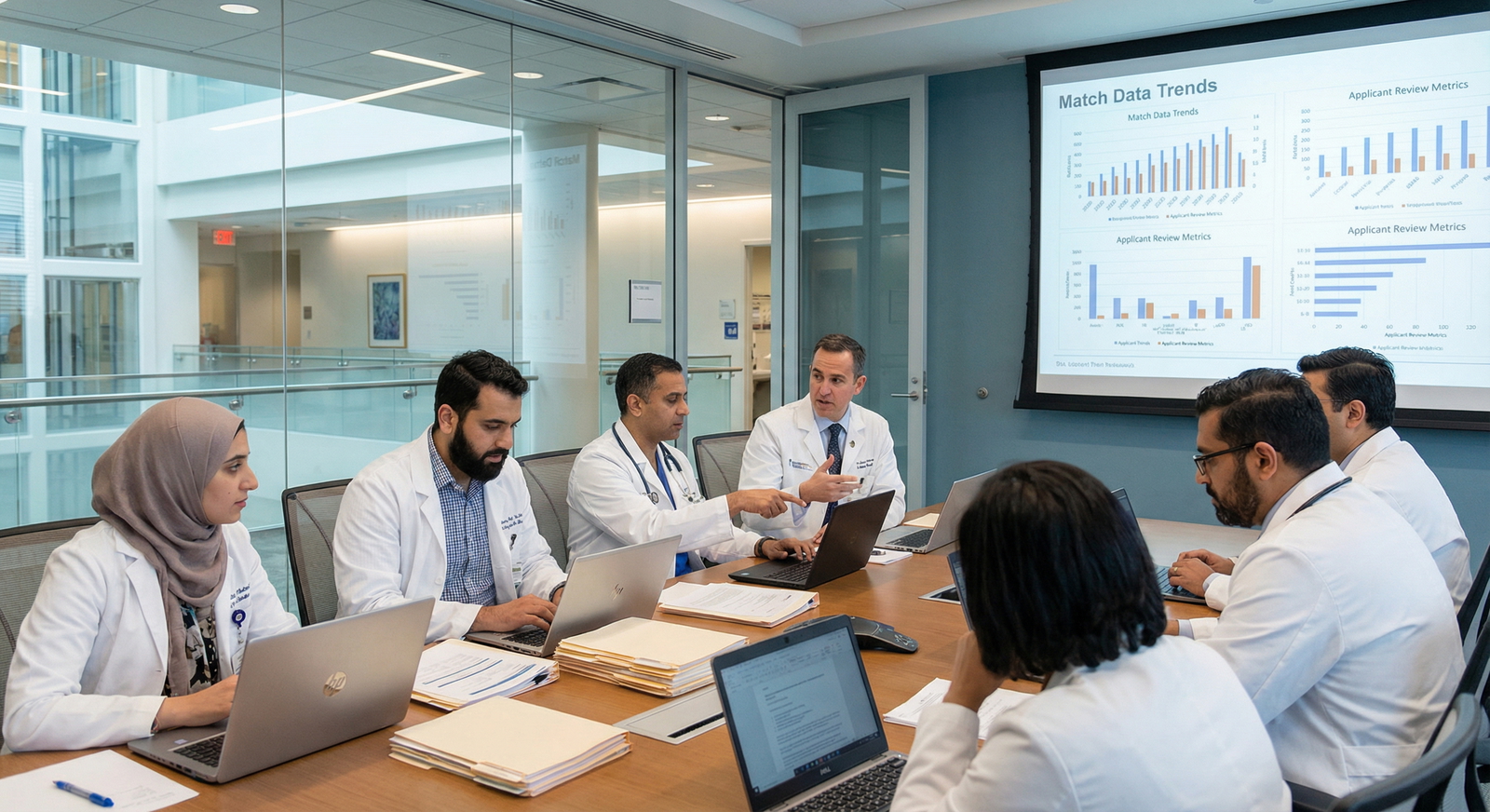
The diagnostic radiology match landscape increasingly favors programs that can credibly claim fellows leave confident and competent in their subspecialty. Your own evaluation should probe whether the clinical training truly supports that claim.
2. Faculty, Mentorship, and Teaching Culture
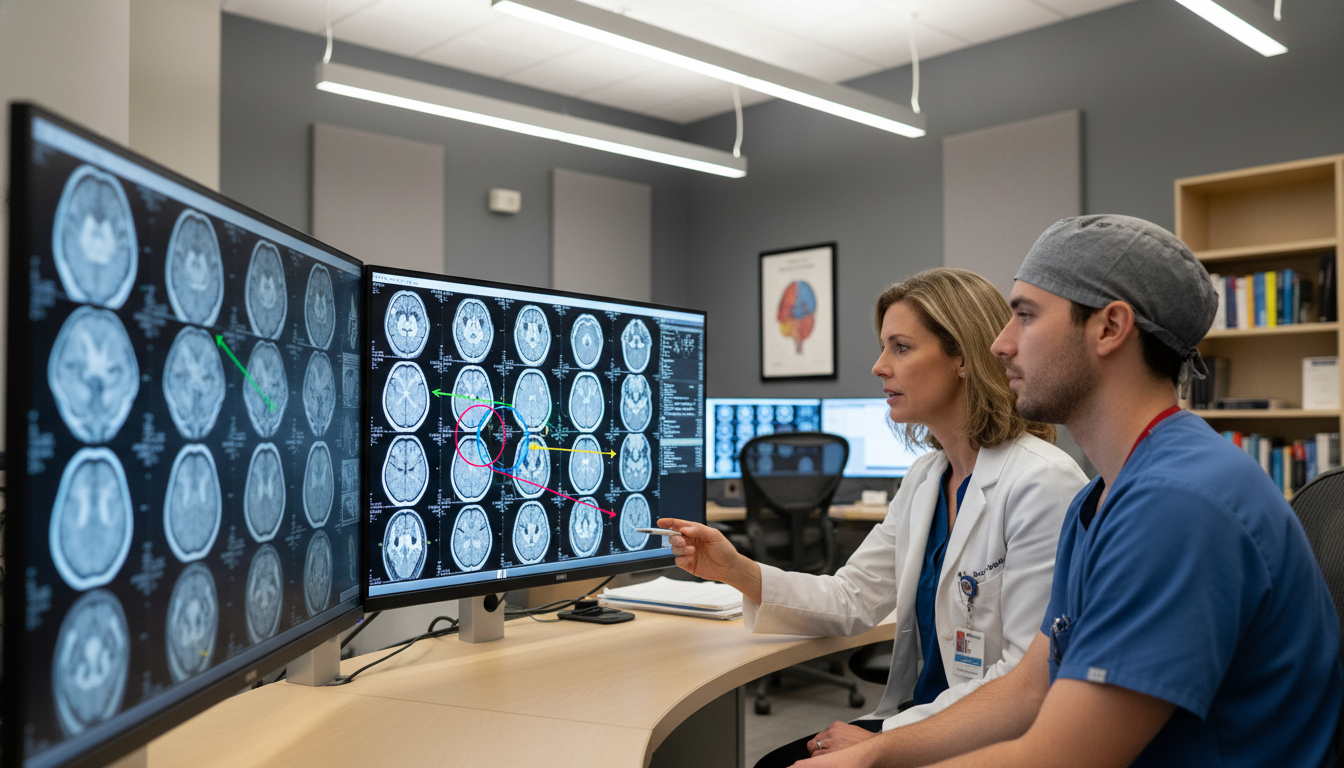
Clinical volume means little without high-quality teaching and mentorship. When comparing fellowship programs, the quality and accessibility of faculty is often the single most important—and most under-discussed—factor.
Faculty Depth and Subspecialty Expertise
Look beyond the number of faculty to their roles and reputations:
- How many full-time subspecialists are dedicated to your area?
- A neuroradiology fellowship with 8–10 full-time neuroradiologists is usually stronger than one with 2–3 part-timers splitting time with general.
- National visibility
- Are faculty involved in national societies (RSNA, ARRS, subspecialty societies)?
- Do they lecture at major conferences or lead multicenter studies?
- Mentors with national presence can open doors for you.
Teaching Commitment and Style
You are not just joining a hospital—you’re entering a learning environment. Key signs of a strong teaching culture:
- Structured teaching
- Daily or weekly didactic conferences, case conferences, journal clubs, multidisciplinary tumor boards.
- Dedicated fellow education series (not just reused residency content).
- Real-time readout style
- Are attendings reading side-by-side with fellows, offering active feedback?
- Or is most feedback just final report comparison after the fact?
- Availability
- Are faculty approachable? Do they encourage questions, second opinions, and in-depth discussions of complex cases?
Ask current fellows:
- How often do you get 1:1 teaching at the workstation?
- Do faculty prioritize teaching, or is it an afterthought?
Mentorship and Sponsorship
Mentorship quality can be a key differentiator between good and truly exceptional fellowship programs.
- Formal mentorship structure
- Do fellows get assigned a primary mentor or mentorship team?
- Is there a process for clinical, research, and career guidance?
- Sponsorship vs. mentorship
- Mentors give advice. Sponsors advocate for you—recommend you for talks, connect you to jobs, introduce you to collaborators.
- Support for job search
- How actively do faculty help fellows with the job search?
- Do they share leads, make calls, and write strong, personalized letters?
When you talk to current or former fellows, ask for concrete examples of how faculty helped them with:
- First-author publications
- Conference presentations
- Job placement
- Leadership roles in committees or societies
3. Research and Academic Opportunities
If you are even considering an academic radiology career, research and scholarly activity should be front and center in your evaluation. But even for future private practitioners, research opportunities can signal a program’s intellectual vibrancy and mentorship strength.
Research Infrastructure
Key elements of a strong academic environment:
- Access to data and tools
- Institutional review board (IRB) support, biostatisticians, imaging research cores, data warehouses, and image-analysis tools.
- Protected time
- Is there protected research time for fellows? A half-day weekly? A dedicated block?
- Or is research expected “on your own time” after 5 pm?
- Active project pipelines
- Are there ongoing projects fellows can plug into immediately?
- Is every fellow expected to complete at least one or more projects?
Publication and Presentation Track Record
Ask programs for:
- Number of fellow-authored publications per year
- Not just the top 1–2 star fellows; what’s typical for an average fellow?
- Conference presentations
- RSNA, ARRS, subspecialty meetings (e.g., ASNR, SSR, SAR, SBI, SCCT, SPR).
- Fellow-driven initiatives
- Has the program supported fellows leading multicenter studies, consensus statements, or educational exhibits?
This is where a fellowship program comparison becomes particularly valuable. When assessing what might be the best fellowship programs for your academic interests, compare:
- Number of ongoing clinical trials or large datasets
- Types of projects (clinical imaging, AI, outcomes, quality improvement)
- Opportunities for cross-disciplinary collaborations (e.g., neurology, oncology, orthopedics, cardiology)
Educational and Teaching Opportunities
Strong academic training is not just about research:
- Teaching residents and medical students
- Do fellows supervise junior residents at the workstation?
- Are fellows involved in giving didactic lectures or noon conferences?
- Curriculum development and educational innovation
- Opportunities to create teaching files, develop online modules, or participate in simulation-based training.
- Leadership roles
- Chief fellow roles, committee membership, involvement in QA/QI projects.
When you look at the “best fellowship programs” for academic radiology, they typically offer a clear path to building both a research portfolio and a teaching identity.

4. Program Structure, Workflow, and Culture
Beyond case mix and academics, the day-to-day environment will determine how happy and effective you are during the fellowship year.
Rotation Structure and Flexibility
Key considerations:
- Rotation design
- Are there clearly defined rotations (e.g., neuroradiology: brain MRI, spine, head and neck, stroke, pediatrics, procedures)?
- How often do fellows rotate through each area?
- Customizability
- Can you tailor rotations to career goals? For example:
- A future academic neuroradiologist focusing on epilepsy imaging might want extra time with functional MRI and advanced MRI techniques.
- A future community MSK radiologist may want more time in sports imaging and outpatient interventions.
- Can you tailor rotations to career goals? For example:
- Electives and cross-training
- Can you rotate in related subspecialties (e.g., a body fellow doing a cardiothoracic imaging elective, or a neuroradiology fellow spending time in neurointervention)?
Workflow, Efficiency, and Wellness
You will learn a lot from how a program manages workload and supports wellness:
- Daily schedule
- Typical start/end times? Weekend expectations?
- Are there “late stay” or “short call” models?
- Workload management
- Is volume overwhelming, reasonable, or light?
- Is there adequate staff support (e.g., technologists, nurses, coordinators) for procedures and conferences?
- Wellness and culture
- Are fellows generally satisfied and supported?
- Is there flexibility for personal needs, parental leave, conferences, and interviews?
Ask fellows direct, concrete questions:
- How many hours do you realistically work most days?
- Do you feel comfortable asking for time off for major life events?
- How does the program handle conflicts, errors, or difficult interactions?
Diversity, Inclusion, and Psychological Safety
Safe and inclusive environments foster learning:
- Representation
- Is there diversity among fellows and faculty (gender, race/ethnicity, backgrounds)?
- Inclusivity
- Are fellows treated as valued colleagues or just extra labor?
- How are mistakes handled—constructive teaching or punitive culture?
- Support systems
- Are there mentorship groups, wellness committees, or institutional support resources?
Programs that treat fellows as partners in patient care and education—not as replaceable work units—tend to produce more confident, well-rounded graduates.
5. Career Outcomes, Reputation, and Strategic Fit
Ultimately, your fellowship should position you well for the next step in your career. Evaluating programs through the lens of outcomes and reputation is critical.
Job Placement and Alumni Network
Ask programs and current fellows for concrete outcomes:
- Where do graduates go?
- Academic vs. private vs. hybrid practices.
- Geographic distribution—do many stay locally or spread nationally?
- Placement in competitive positions
- Are alumni in leadership roles (section chiefs, program directors, chairs)?
- Have graduates placed into highly sought-after academic institutions or top-tier private practices?
- Alumni engagement
- Do alumni stay connected? Do they recruit new fellows or offer job opportunities?
A strong alumni network can be a major asset when entering the job market, especially in competitive regions.
Program Reputation and Prestige
Reputation isn’t everything, but it matters—especially if you aim for academic practice or elite private groups:
- National and subspecialty reputation
- Does the program have name recognition among radiologists in that subspecialty?
- Are faculty often invited speakers or leadership figures in societies?
- Program age and track record
- Established programs with long histories tend to have more alumni, established pathways, and refined curricula.
- Newer programs may be more flexible and innovative but require extra scrutiny of outcomes.
When doing a fellowship program comparison, consider:
- You might choose a slightly less prestigious name if:
- It offers superior case mix and autonomy for your intended practice type.
- It is in your target geographic region and well-connected locally.
- You might prioritize a big-name academic program if:
- You’re strongly interested in research and academic promotion.
- You want broad national mobility and maximum brand recognition.
Strategic Fit With Your Long-Term Plan
Bring the evaluation back to your personal goals:
- Academic path: Prioritize research infrastructure, mentorship with national leaders, and strong publication track records.
- Community or private practice: Focus on clinical volume, procedural autonomy, and exposure to workflows similar to your target jobs.
- Hybrid careers (e.g., academics now, private later): Look for programs that offer both high-level academic opportunities and robust generalizable clinical skills.
Your goal is to leave the fellowship year not only better trained, but also strategically positioned for the diagnostic radiology career you want.
Practical Steps for Comparing and Choosing Programs
Putting all of this into action can feel overwhelming. A structured approach helps.
Step 1: Clarify Your Priorities
Rank these domains for yourself from most to least important:
- Clinical volume and case mix
- Procedural experience
- Academic research and teaching
- Mentorship and sponsorship
- Work-life balance and culture
- Geographic preferences
- Program prestige and name recognition
Different applicants will rank these very differently. There is no “one-size-fits-all” best fellowship program.
Step 2: Create a Comparison Spreadsheet
For each program you’re considering, track:
- Core stats: number of fellows, number of faculty, call structure, case volumes.
- Strengths/weaknesses: clinical, academic, mentorship, wellness.
- Subjective impressions: from interviews, virtual visits, and fellow conversations.
Include specific notes on:
- What current fellows say about day-to-day life.
- Any red flags (e.g., high turnover, recent major changes, recurrent fellowship vacancies).
- Unique advantages (e.g., specific niche expertise, dual-certification pathways).
Step 3: Ask Targeted Questions
During interviews or virtual open houses, ask:
- “Could you describe a typical day and a typical week for a fellow?”
- “How has the fellowship changed in the last 3–5 years?”
- “How do you support fellows who are interested in academic careers?”
- “What proportion of graduates go into academic vs. private practice?”
- “How much independence do fellows have by the end of the year?”
When possible, talk to at least two current fellows privately and, if you can, one recent graduate now in practice.
Step 4: Visit (In-Person or Virtually) With Intent
Whether in-person or virtual:
- Observe interactions: Do faculty seem collegial with each other and with trainees?
- Pay attention to reading rooms and procedural areas: Are they modern, well-staffed, and conducive to learning?
- Look for unstructured moments: Often you learn the most from informal conversations with fellows during breaks.
Step 5: Balance Rational Analysis With Gut Feel
Data and structure are essential, but your overall impression matters too:
- Could you see yourself thriving here for a year?
- Did you feel respected and welcomed during your interviews?
- Did conversations with fellows feel scripted or candid?
When ranking programs in the diagnostic radiology match for fellowship, combine your structured assessment with these intuitive impressions to create a final list that truly reflects your needs and goals.
Frequently Asked Questions (FAQ)
1. Do I really need a fellowship after diagnostic radiology residency?
In most current job markets, yes. While a small number of positions may hire straight from residency, the vast majority of practices—especially competitive or desirable ones—expect fellowship training. A fellowship enhances your expertise, credibility, and marketability, and can significantly influence your long-term career trajectory.
2. How important is it to do fellowship where I did my radiology residency?
Staying at your home institution can be advantageous—familiar environment, known mentors, and often a smoother transition to attending-level responsibilities. However, training elsewhere can broaden your network, expose you to different practice styles, and sometimes increase your visibility for academic or national opportunities. When evaluating, treat your home program like any other: assess its strengths and weaknesses honestly.
3. For academic careers, should I always choose the most prestigious fellowship program?
Prestige matters, but it isn’t everything. For an academic path, key factors include: strong research infrastructure, committed mentors who will actively sponsor you, protected research time, and clear evidence that fellows graduate with robust publication and presentation portfolios. A slightly less famous program with superb mentorship and real opportunities may serve you better than a “name-brand” program where you’re largely treated as extra labor.
4. How do I weigh call responsibilities when comparing programs?
Call can be a major growth opportunity, but excessive or poorly structured call can erode learning and wellness. When comparing programs, ask how often fellows take call, what kind of cases they handle, how autonomy is graduated, and what backup systems are in place. Ideally, call should:
- Expose you to high-yield urgent/emergent pathology,
- Allow progressive independence with appropriate supervision, and
- Be balanced enough that you can still engage in daytime learning, research, and healthy rest.
Choosing a diagnostic radiology fellowship is not about finding the universally “best” fellowship programs, but about finding the programs that best align with your skills, interests, and long-term vision. With a structured framework, candid conversations, and focused self-reflection, you can navigate the diagnostic radiology match with clarity and confidence—and enter fellowship positioned for a strong start to the rest of your career.