Why Operative Experience Matters in Cardiothoracic Surgery Residency
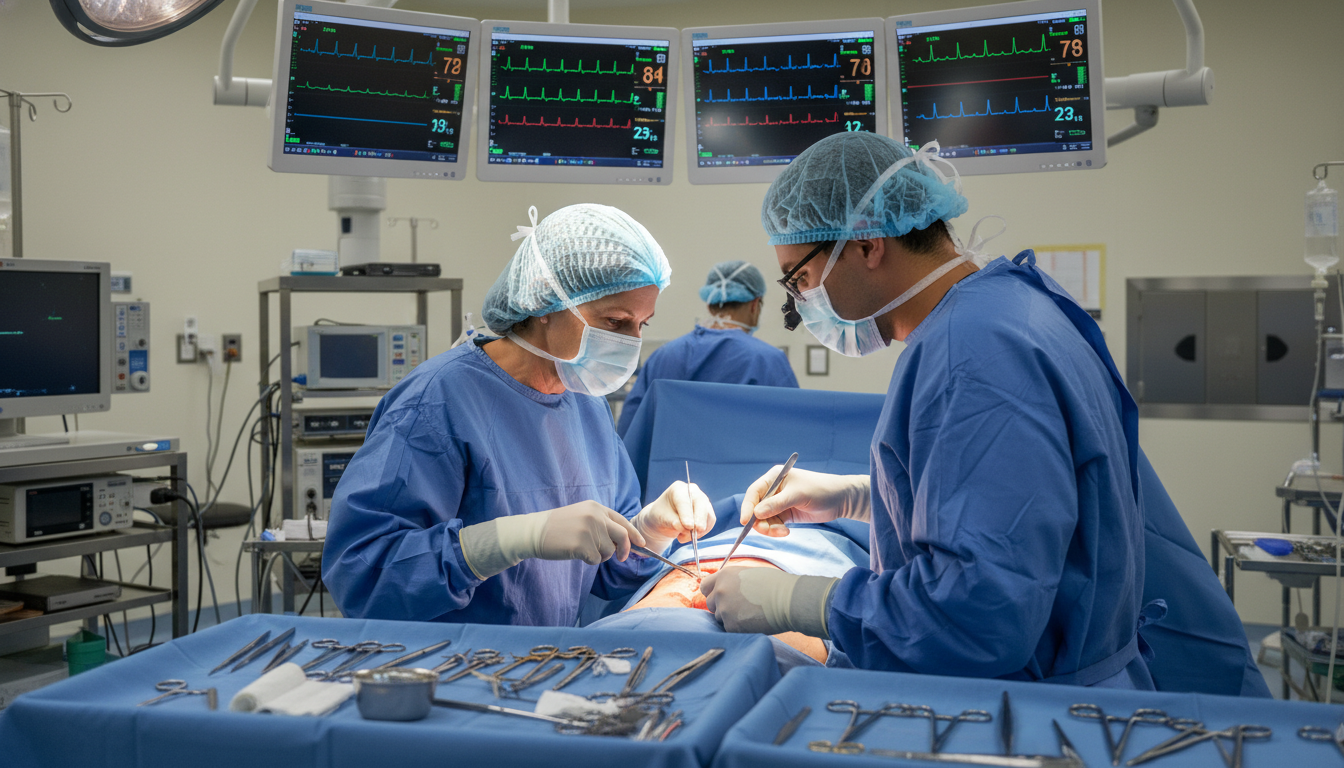
Operative experience is the core currency of any cardiothoracic surgery residency. While research, didactics, and simulations are important, your ability to graduate as a safe, independent surgeon depends largely on the breadth, depth, and quality of your hands-on training in the operating room.
For applicants comparing cardiothoracic surgery residency programs, understanding how to evaluate operative experience is essential. Not all high‑volume centers provide the same educational value, and “we do a lot of cases” does not automatically translate into you doing a lot of cases—or the right mix of cases at the right level of responsibility.
This guide will help you:
- Understand what “operative experience” really means in cardiothoracic surgery residency
- Identify key metrics and qualitative indicators of strong heart surgery training
- Ask targeted questions during interviews and away rotations
- Recognize red flags in surgical training quality
- Strategically choose programs that will prepare you for independent practice
The focus here is cardiothoracic surgery—both adult cardiac and general thoracic—within the context of integrated (I-6) and traditional (3-year) pathways.
Defining Operative Experience in Cardiothoracic Surgery
When programs talk about “great operative exposure,” they can be referring to very different things. As an applicant, you need a more precise framework.
Core Dimensions of Operative Experience
You can break operative experience down into four main dimensions:
Case Volume
- Total number of cases you participate in during residency
- Adult cardiac, general thoracic, and congenital (if applicable)
- Index cases (CABG, valve surgery, lung resections, esophagectomy, aortic surgery, etc.)
Case Variety
- Balance between:
- Coronary (CABG, off-pump where applicable)
- Valve (single and multi-valve procedures, repairs vs replacements)
- Aortic (ascending, arch, thoracoabdominal)
- Thoracic oncology (lobectomy, segmentectomy, pneumonectomy)
- Minimally invasive and robotic thoracic procedures
- Structural heart interventions (TAVR, MitraClip, etc., depending on program)
- Exposure to redo operations, complex pathology, and emergent cases
- Balance between:
Level of Participation
- Observer vs assistant vs primary operator
- How often you:
- Open and close the chest
- Perform critical portions of the operation (e.g., anastomoses, resections)
- Lead the case under supervision
Progression of Responsibility
- Stepwise increase in independence from junior to senior years
- Structured pathway from simple tasks to primary surgeon roles on complex operations
- Clear expectations by PGY level
Operative experience is not just “How many cases did I scrub?” but What did I actually do, how consistently, and how did my responsibilities grow over time?
Quantitative Metrics: What Numbers Actually Matter?
You will see a lot of numbers when exploring programs—annual case volumes, resident logs, ACGME minimums. Understanding them in context is key.
ACGME Minimums vs. Real-World Competency
Cardiothoracic surgery residents must meet specific case requirements to be board-eligible. These ACGME minimums (and ABTS expectations) are baseline thresholds, not targets for excellence.
Examples (conceptual, exact numbers change periodically):
- A minimum number of:
- Isolated CABG operations
- Valve procedures (repair and replacements)
- Thoracic resections (e.g., lobectomy)
- Esophageal operations (for programs with that focus)
- Congenital cases (for those on a congenital track)
When evaluating programs, ask:
- “Do your residents reach ACGME minimums comfortably, or just barely?”
- “What are the average case numbers for recent graduates in:
- CABG as primary operator
- Isolated valve cases (AVR, MVR, repairs)
- Lung resections (VATS/robotic and open)
- Aortic procedures?”
Programs where residents comfortably exceed minimums (often by 1.5–3×) typically provide more robust operative experience, assuming the resident is allowed to perform critical portions.
Interpreting Case Logs and Reported Volume
Programs may show you anonymized logs or summary stats. When they do, focus on:
Cases as Surgeon vs Assistant
- Ask what their logging conventions are:
- Does “surgeon junior” vs “surgeon chief” vs “assistant” have clear definitions?
- For a CABG you “surgeon junior,” did you perform all distal anastomoses? Did you do the proximal? The LIMA harvest?
- Ask what their logging conventions are:
Distribution Across Years
- Do seniors suddenly accumulate all primary cases in the final year?
- Do integrated residents (I-6) have meaningful cases in PGY3–4, not just 5–6?
Adult Cardiac vs Thoracic Balance
- Some programs are heavily cardiac; others are thoracic-dominant.
- Think about your long-term goals: CT generalist, cardiac-focused, thoracic-focused, academic vs private.
A 1,500–2,000+ case total is not rare in high-volume centers, but raw volume alone can be misleading if residents are consistently in secondary roles.
Using National Benchmarks and Case Mix
When numbers are available, compare program data to:
- National averages (often discussed in program presentations)
- The program’s stated strengths:
- A “cardiac powerhouse” should show high CABG/valve volumes per resident.
- A thoracic-leaning program should show strong lung resection and esophageal experience.
If a program brands itself as “high-volume,” yet resident case totals or primary surgeon counts are average or low, probe more deeply.

Qualitative Aspects: Beyond Numbers and Case Counts
The quality of your heart surgery training is shaped by culture, teaching style, and how a program assigns responsibility. These factors are harder to quantify, but crucial.
Resident Autonomy and Graduated Responsibility
Questions to consider and ask:
Who actually does the case?
- “For a routine elective CABG, who typically:
- Opens the chest?
- Harvests conduits?
- Performs the distal anastomoses?
- Performs the proximal anastomoses?
- Closes the chest?”
- Listen for phrases like:
- “Our seniors run the room under attending supervision.”
- “Juniors do the exposure and cannulation; seniors perform the distal work.”
- “For a routine elective CABG, who typically:
How is autonomy earned and protected?
- Are clear expectations set by PGY level?
- When a case gets challenging, does the attending take over immediately—every time—or do they coach the resident through difficulty?
What is the role of fellows and multiple trainees?
- In some programs, there are:
- Cardiac surgery fellows
- Thoracic oncology fellows
- Structural heart fellows
- Ask:
- “How do you ensure residents still get robust operative experience when fellows are present?”
- “Is there deliberate case assignment so residents are primary on some days and fellows on others?”
- In some programs, there are:
A “good” answer shows a deliberate educational structure rather than “we just figure it out day-to-day.”
Case Allocation: Who Gets Which Cases?
Programs vary widely:
Resident-Centered Allocation
- Clear rules for:
- Which level does which cases
- How often juniors get to do full cases
- Protecting senior residents’ access to complex cases before graduation
- Clear rules for:
Opportunistic Allocation
- Whoever shows up first to the OR
- Scrub tech decides, or weak oversight by leadership
- Risk of some residents being “unlucky” or less assertive and falling behind
Questions to ask residents:
- “How are cases assigned when there are multiple learners?”
- “Is there a system to ensure each resident meets and exceeds target numbers?”
- “Have you ever felt you had to compete with co-residents or fellows for meaningful operative experience?”
Attending Teaching Style
Even with strong case numbers, poor teaching can limit your development.
Ask about:
Intraoperative Teaching
- Do attendings:
- Verbally walk you through critical steps?
- Allow you to make decisions and then give feedback?
- Use a “see one, do one, teach one” or a more nuanced graduated model?
- Do attendings:
Consistency Across Faculty
- Some faculty are outstanding teachers; others are more service-oriented.
- Ask residents:
- “Are there attendings known for letting residents operate?”
- “Are there attendings from whom residents rarely get autonomy?”
Debriefs and Feedback
- Are there case debriefs?
- Do you receive structured feedback on your technical skills?
Patterns of real autonomy, clear progression, and supportive coaching are decisive for high-quality operative experience.
Evaluating Operative Experience During the Application Season
You’ll have three main windows to assess operative experience: program websites, interviews, and rotations (sub‑internships). Each offers different insights.
What to Look For on Program Websites and Brochures
Most programs will highlight:
- Annual institutional case volume (e.g., “1,800 adult cardiac cases per year”)
- Program selling points:
- “High-volume heart center”
- “Complex aortic program”
- “Thoracic oncology leader”
- Rotations across hospitals (VA, community affiliates, main academic center)
Use this information to form initial questions:
- If a program advertises 1,800 adult cardiac cases/year and has 6 residents spread across 3 years:
- “What is the average number of cardiac cases per graduating resident?”
- “Do all residents rotate at the high-volume campus, or only some?”
Be cautious with marketing language. Follow up with specific numbers and resident perspectives.
Key Questions to Ask During Interviews
When interviewers invite questions, focus at least some of them on operative experience and hands-on training. Here are targeted questions and what you’re looking for:
To Program Leadership
- “How do you ensure every resident leaves with the operative experience needed for independent practice?”
- “Can you share the typical case volume and mix for a graduating resident over the last few years?”
- “How do you balance case opportunities between integrated and traditional track residents (if both exist)?”
To Current Residents (Juniors and Seniors)
- “Do you feel you will be ready to operate independently when you graduate?”
- “When did you first start acting as primary surgeon on CABGs or lobectomies?”
- “Is anyone in your cohort struggling to meet operative numbers, and if so, how is that handled?”
- “Are there cases you wish you had more of? (e.g., aortic, esophageal, minimally invasive)”
To Fellows (If Present)
- “How are cases divided between fellows and residents?”
- “Are there protected ‘resident days’ or ‘fellow days’ in the OR?”
Look for consistency: if leadership claims robust autonomy but residents privately describe limited hands-on training, believe the residents.
Away Rotations: Your Best Data Source
A sub-internship at a cardiothoracic surgery residency you’re seriously considering can give you unmatched insight into surgical training quality.
During a rotation, observe:
Who is doing the cases?
- Are residents or fellows visibly primary operators on common procedures?
- Do attendings frequently step back to let residents run the room?
OR Culture
- Are questions encouraged?
- Is teaching explicit, or do residents operate largely in silence?
- How does the team respond when complications or challenging anatomy arise?
Resident Presence and Ownership
- Are residents routinely in pre-op, OR, and post-op phases, or primarily managing floor work while others operate?
- Do residents present their own cases and defend operative plans in conference?
Use your rotation to also ask direct but respectful questions:
- “How often do you get to close the chest?”
- “When did you first complete a full lobectomy or CABG as primary surgeon?”
- “Do you feel the case distribution is fair across residents?”
If you leave a rotation feeling that residents are consistently sidelined, consider that a major red flag for operative experience.
Supporting Elements That Enhance Operative Training
While the OR is central, several supporting structures significantly influence your operative growth and overall surgical training quality.
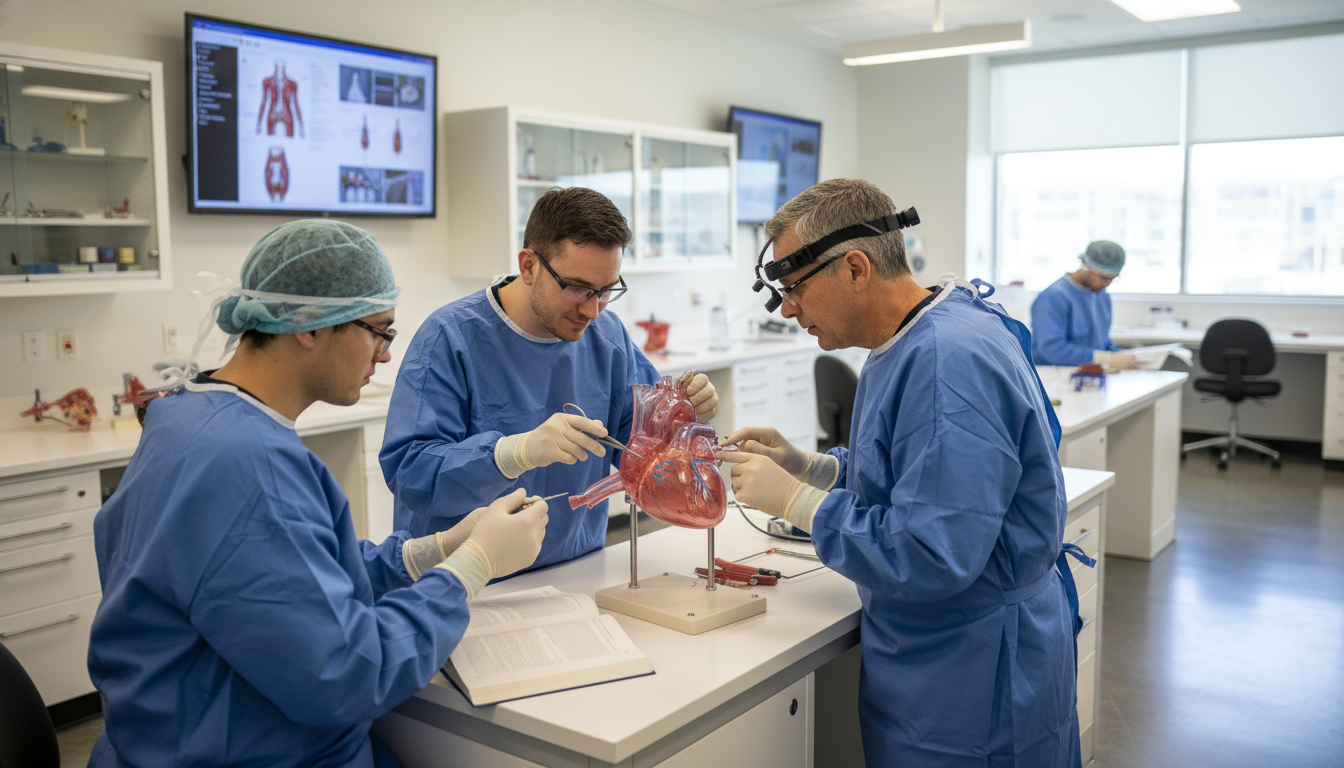
Simulation and Skills Labs
High-quality cardiothoracic surgery residency programs increasingly invest in:
- Wet labs and simulation
- Coronary anastomosis on synthetic or tissue models
- Aortic cannulation and cross-clamp simulations
- Bronchoscopy and thoracoscopic skills labs
- Robotic simulators for thoracic procedures
These labs:
- Allow you to make mistakes before you’re in front of a beating heart or a single lung.
- Accelerate your early technical growth so you can take on more in the OR sooner.
- Support integrated residents who reach the OR earlier in their training timeline.
Good questions:
- “Do you have a structured simulation curriculum for residents?”
- “How often do residents have protected time for simulation?”
- “Are simulation assessments linked to when residents can assume new roles in the OR?”
Educational Conferences Focused on Operative Decision-Making
Operative decision-making is as important as manual skill.
Strong heart surgery training includes:
Case-based conferences
- Residents present upcoming cases and discuss:
- Operative strategy
- Cannulation plans
- Approaches to redo sternotomy
- Valve repair vs replacement decisions
- Attending critique builds your mental framework for surgery.
- Residents present upcoming cases and discuss:
M&M (Morbidity & Mortality) conferences
- Honest, non-punitive review of complications and outcomes
- Emphasis on:
- What was done in the OR
- How to modify technique or plan in the future
These learning environments reinforce your operative experience by helping you understand why particular techniques and decisions are chosen.
Workload Balance and OR Time Protection
Residents cannot develop outstanding operative skills if:
- They are constantly pulled out of the OR for floor issues or ICU crises.
- There is inadequate midlevel or ancillary support.
Signs the program protects operative learning:
- Dedicated OR days where residents are not simultaneously covering multiple services.
- Physician assistants or nurse practitioners who manage routine tasks so residents can prioritize operative work and critical care learning.
- Reasonable call schedules that preserve post-call function and learning.
Ask:
- “On your OR days, are you commonly called away for floor/ICU issues?”
- “Is there robust APP support that allows you to maximize time in the OR and ICU?”
A well-supported service structure is a quiet but powerful determinant of your hands-on training.
Red Flags and Strategic Trade-offs When Choosing a Program
No program is perfect, and different paths can still lead to a strong career. But there are specific red flags and realistic trade-offs to consider.
Operative Experience Red Flags
Chronically Low Case Numbers
- Residents struggle to meet minimums, or just barely reach them.
- Seniors openly express concern about their readiness to operate independently.
Inconsistent Education Between Residents
- One or two “favored” residents do most major cases.
- Others are left with limited exposure or are heavily service-oriented.
Overcrowded Training Environment
- Multiple fellowships, many residents, and limited faculty/accountable cases.
- No clear structure for equitable case distribution.
Weak Autonomy Culture
- Attendings routinely perform the entire operation, with residents retracting.
- Residents describe the environment as one where “we watch a lot, but don’t do much.”
Frequent OR Cancellations or Limited Elective Volume
- Financial or operational issues that reduce case availability.
- Heavy reliance on emergent/night cases alone to meet numbers.
Trade-offs and Personal Priorities
You may have to balance:
High-Volume vs High-Complexity Centers
- A medium-volume program with excellent autonomy and hands-on training might prepare you better than a major quaternary center with limited resident involvement in the most complex cases.
Cardiac-Dominant vs Thoracic-Dominant Programs
- If you see your future primarily in thoracic oncology, a program with world-class lung resection experience but modest aortic volume might be ideal—and vice versa.
Academic vs Community-Focused Training
- Academic programs may offer more subspecialty exposure and research.
- Some community-based programs offer outstanding operative autonomy and case numbers with a very “hands-on” ethos.
Your goal is not to find the “perfect” program, but one whose operative profile aligns with your intended career and reliably produces competent, confident graduates.
FAQs: Operative Experience in Cardiothoracic Surgery Residency
How many cases should I aim to have by the end of cardiothoracic surgery residency?
There is no single “magic number,” but most graduates from strong programs log well above ACGME minimums and typically accumulate 1,000–2,000+ total cases across cardiac and thoracic, with a robust subset as primary operator. More important than the total is that you have:
- A solid foundation in CABG and valve procedures
- Adequate exposure to aortic surgery and thoracic oncology (lobectomy/segmentectomy at minimum)
- Demonstrable experience as primary surgeon on a range of index cases
When interviewing, ask specifically about the average case numbers and primary surgeon totals for recent graduates.
Is a higher-volume center always better for operative experience?
Not necessarily. Volume is a necessary but not sufficient condition for good operative training. You also need:
- A culture that prioritizes resident hands-on training
- Equitable case allocation between residents and fellows
- Attending surgeons who are committed to teaching and granting autonomy
A mid-volume program that emphasizes operative independence and structured teaching can outperform a mega-center where attendings, fellows, or outside surgeons do most of the cases.
How can I assess hands-on training if programs only show me aggregate statistics?
Use a combination of strategies:
- Ask residents privately:
- “How many full CABGs or lobectomies have you done as primary surgeon?”
- “Do you feel comfortable managing cases from incision to closure?”
- Ask for:
- Average case logs for recent graduates
- Examples of typical case assignments by PGY level
- Observe carefully on away rotations:
- Who is actually doing the key parts of the operation?
- How often are residents leading the case?
Consistent, candid resident responses and what you see in the OR are more telling than polished slide decks.
What if I’m more interested in research or structural heart and less in open surgery numbers?
Even if you are research-focused or aiming for a structural heart career, you still need a solid operative foundation in open cardiothoracic surgery. However, for you it may be reasonable to:
- Prioritize programs with:
- Strong research infrastructure
- Dedicated structural heart or advanced endovascular exposure
- Ensure that you still:
- Meet and exceed minimums in core index cases
- Feel confident managing open surgical complications and complex anatomy
Ask how research commitments are balanced with OR time, and whether research years dilute operative experience or are structured to preserve hands-on training.
Evaluating operative experience in cardiothoracic surgery residency is more than counting cases. It’s about whether a program consistently transforms residents into independent surgeons with the skills, judgment, and confidence to lead in the operating room. By looking carefully at both quantitative metrics and qualitative culture—and by asking focused, informed questions—you can identify the programs that will give you the heart surgery training and hands-on experience you need for a successful career.