Why Operative Experience Matters in ENT Residency
Operative experience is the backbone of otolaryngology (ENT) residency training. Unlike some cognitive specialties, your competence—and ultimately your appeal as a job or fellowship candidate—will be judged heavily on what you can actually do in the operating room.
For ENT, this is particularly critical because:
- The specialty is highly procedure-driven (microsurgery, endoscopy, open head and neck, otology, facial plastics).
- Skills are fine-motor and technical, requiring repetitive, structured practice.
- Technology evolves quickly (image guidance, robotic platforms, advanced endoscopy), so strong foundational skills are essential.
When you evaluate any ENT residency program, operative experience evaluation should be one of your top priorities—on par with fellowship placement, research opportunities, and lifestyle. You’re not just asking, “How many surgeries will I see?” but rather, “How effectively will this program train me to be an independent otolaryngologist?”
This guide walks you through exactly how to assess operative experience in ENT residency, which data points matter, what questions to ask, and how to interpret what you hear and see during the otolaryngology match process.
Core Components of Operative Experience in ENT
Operative experience is more than just case numbers. It includes volume, complexity, autonomy, supervision quality, and progression over time. Understanding these pieces will help you evaluate the quality of surgical training at any program.
1. Case Volume: Raw Numbers and Distribution
Most applicants immediately ask, “How many cases do residents get?” That’s a start, but you need to go deeper.
Key dimensions of case volume:
- Total case numbers by graduation
- Year-by-year growth in numbers (PGY-1 through PGY-5)
- Balance of subspecialties, such as:
- Otology / neurotology
- Rhinology / skull base
- Laryngology and airway
- Head and neck surgery / endocrine
- Pediatric otolaryngology
- Facial plastics and reconstructive surgery
- General ENT (tonsils, tubes, septoplasty, basic sinus, etc.)
For example, two programs might both report that chief residents graduate with ~2,000 cases. But:
- Program A: 60% of cases are basic tonsil/adenoid/tubes; fewer than 30 major head and neck resections; minimal endoscopic skull base.
- Program B: Broad distribution across all subspecialties, including significant exposure to complex airways, free flaps, cochlear implants, and advanced rhinology.
On paper, the numbers look similar; in practice, Program B offers far better surgical training quality.
2. Case Complexity and Graduated Responsibility
Not all cases are equal. A myringotomy with tubes is very different from an extended endoscopic sinus surgery or lateral skull base approach. Meaningful operative experience involves:
- Early exposure to simple cases (e.g., tubes, tonsils, simple nasal fracture reduction).
- Gradual progression to complex procedures under supervision:
- Advanced endoscopic sinus surgery with skull base involvement
- Total laryngectomy, neck dissections, thyroidectomy with central and lateral neck
- Cochlear implantation, tympanomastoidectomy, ossiculoplasty
- Open airway reconstructions (e.g., cricotracheal resection)
- Facial reanimation, rhinoplasty, or Mohs reconstruction
Ask specifically about:
- When do residents begin performing complete cases skin-to-skin?
- Which operations are typically resident-run by PGY-4 or PGY-5?
- Do residents perform key steps in complex cases (e.g., drilling the mastoid, skeletonizing the facial nerve, sphenoidotomy in sinus surgery, flap insetting and anastomoses in free flap cases)?
A strong program offers a clear ladder of responsibility rather than five years of assisting.
3. Autonomy vs. Supervision
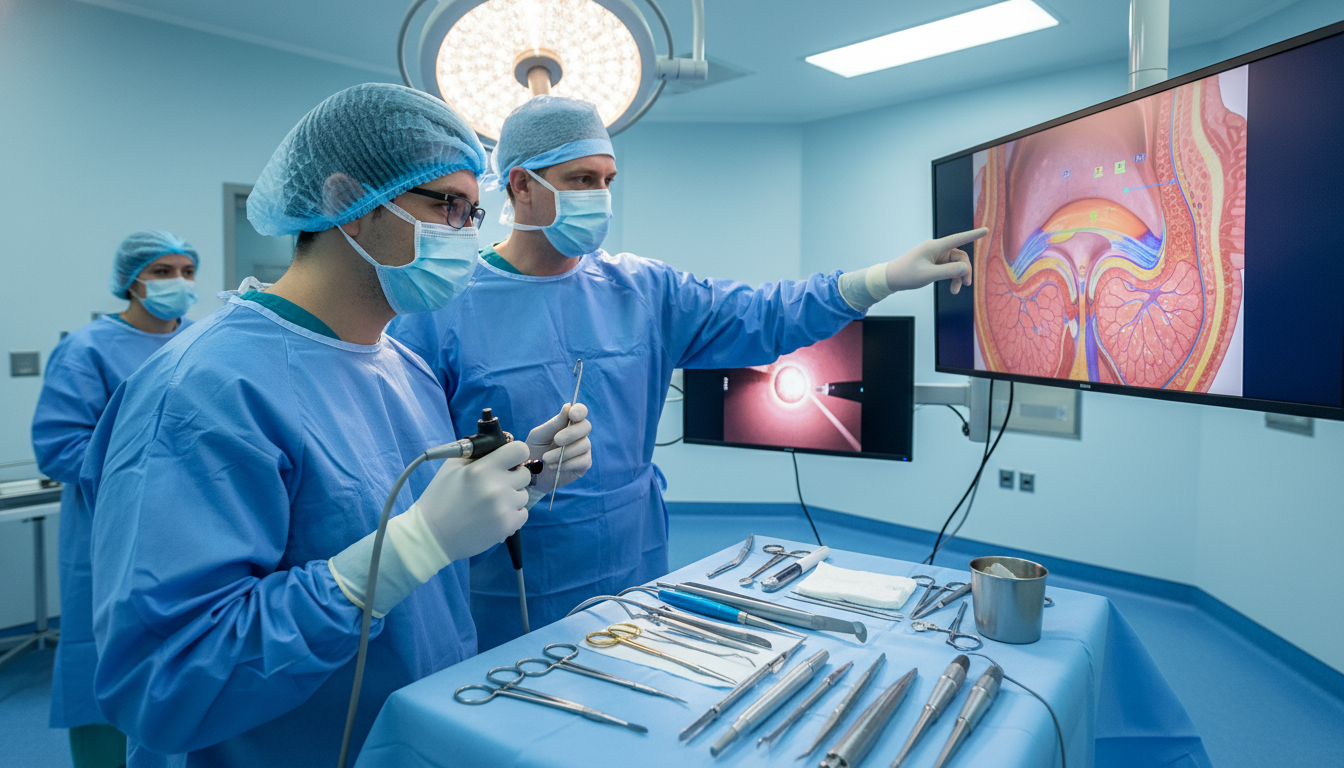
The best surgical training balances hands-on training and patient safety. You should leave residency confident in independent practice, but never put in unsafe positions.
Look for:
- Faculty who are comfortable granting autonomy as residents demonstrate competence.
- A culture where residents “drive” the operation when appropriate, not just retract.
- Clear expectations: who handles unexpected findings and intraoperative complications? Are residents guided in real time or sidelined?
Examples of healthy autonomy:
- A senior resident leading a thyroidectomy with the attending providing oversight and stepping in for the most critical steps as needed.
- A PGY-3 performing most of a septorhinoplasty under direct supervision, with the attending teaching nuanced technique rather than doing the whole case themselves.
- Chief residents running their own “chief clinics” that feed operative cases where they are primary surgeon.
Programs that overemphasize either extreme—total independence too early or perpetual observation with little hands-on work—are red flags.
4. Longitudinal Skill Development
Operative experience should feel like a curriculum, not random exposure. Effective ENT surgical training follows a longitudinal pattern:
- PGY-1: Foundational skills (airway management, basic head & neck anatomy, simple procedures, often on off-service rotations such as general surgery, ICU, anesthesia).
- PGY-2–3: Bread-and-butter ENT, basic endoscopic and microscopic skills, early exposure to more complex procedures under close supervision.
- PGY-4–5: Complex cases, advanced subspecialty work, higher levels of autonomy, teaching junior residents and medical students, preparing for unsupervised practice or fellowship.
When evaluating a program, ask residents whether their operative experience builds logically each year, or if they feel “front-loaded” or “back-loaded” in a way that compromises learning.
How to Evaluate Operative Experience Before You Match
You won’t truly understand a program’s OR culture until you’re there—but as an applicant, you can still get a remarkably good sense of its operative experience profile by asking the right questions and observing carefully.
1. Use Objective Data: Case Logs, ACGME, and Program-Provided Numbers
Most US otolaryngology programs track cases using ACGME or similar systems. During interviews and away rotations, look for:
- Average case numbers at graduation, and distribution (otology, head and neck, pediatric ENT, facial plastics, etc.).
- How each class compares to ACGME otolaryngology minimum requirements (programs should comfortably exceed them, not merely meet them).
- Trends over time: “Have your case numbers been relatively stable over the last 5–10 years?”
Specific questions to consider asking:
- “How many total cases do graduating chiefs typically log?”
- “Are there any areas where residents feel under-exposed or must seek additional experience during fellowship?”
- “How do your residents’ numbers compare with national averages?”
Some programs include these statistics in their recruitment materials or websites. If the information is hard to access or vague, note that; transparency is often a signal of confidence in training quality.
2. Ask Residents the Right Questions (Privately When Possible)
Current residents are the most valuable resource for understanding day-to-day operative experience. When you speak to them—especially without faculty present—consider asking:
- “How often do you function as the surgeon performing the majority of the case as a PGY-3? As a PGY-5?”
- “Do you ever feel you are competing with fellows for operative opportunities?”
- “Which subspecialty areas do you feel strongest in surgically? Are there any areas where you feel you need more operative exposure?”
- “When complications happen in the OR, how involved are residents in management and decision-making?”
- “Are there any rotations where you feel your role is mostly observational or assisting without much hands-on training?”
- “Is there a culture of teaching in the OR—do attendings narrate, explain decisions, and let you try first within reason?”
Pay attention to nonverbal cues. Hesitation, vague answers, or generic “we get good experience overall” without specifics can be revealing.
3. Evaluate the Role of Fellows
Fellowships in areas like neurotology, rhinology/skull base, facial plastics, and head & neck can be huge strengths for operative experience—or a barrier to resident autonomy if poorly structured.
Clarify:
- “How is operative time divided between fellows and residents?”
- “Are there ‘resident cases’ versus ‘fellow cases’?”
- “Do residents still get sufficient exposure to complex cases in fellow-heavy services?”
Healthy fellow-resident environments often:
- Use fellows as teachers and mentors, not primary competitors.
- Reserve certain cases specifically for residents, especially bread-and-butter procedures.
- Ensure senior residents still participate meaningfully in complex cases even when fellows are present.
Programs where residents openly complain that “fellows do all the good cases” deserve careful scrutiny if you prioritize hands-on surgical training.
4. Look at Call Structure and Emergency Operative Experience
Call can be a powerful source of independent and semi-independent operative experience, especially for:
- Tracheostomies
- Control of epistaxis
- Abscess drainage (peritonsillar, neck)
- Emergency airway procedures
- Facial trauma and nasal bone reductions
Ask:
- “When you’re on call, what percent of urgent cases do residents perform, and what percent are attendings-only?”
- “Are senior residents comfortable managing emergencies independently with attending backup?”
- “Do juniors get hands-on in urgent cases or mainly observe?”
A well-run call system trains you to make rapid, operative decisions that are crucial in ENT practice.
Assessing Surgical Training Quality: Beyond Just “Being Busy”
A busy service doesn’t automatically mean good training. A resident who retracts in 15 cases a day may learn less than one who performs 3–4 cases with high autonomy and strong teaching.
Here’s how to evaluate surgical training quality more deeply.
1. Structure and Intentionality of the Operative Curriculum
High-quality otolaryngology match programs usually have an explicit vision for operative training, often including:
- A written competency-based curriculum outlining expected skills by PGY year.
- Regular skills labs (e.g., temporal bone lab, sinus lab, airway simulation, microvascular anastomosis practice).
- Integration of simulation for early skill acquisition:
- VR sinus surgery simulators
- Temporal bone drilling labs with cadaveric or synthetic models
- Airway mannequins and crisis simulations
Ask:
- “Do you have dedicated temporal bone lab time? How often?”
- “Are sinus or airway simulation sessions built into the curriculum?”
- “Is there protected time for skills lab, or is it constantly interrupted by service demands?”
A program that invests in simulation and structured skills development is showing you they care about your growth, not just service coverage.
2. Faculty Teaching Style and Feedback Mechanisms
Effective surgical learning requires deliberate practice and feedback. Try to understand each program’s culture:
- Do faculty provide intraoperative teaching and stepwise feedback, or is it sink-or-swim?
- Are there formal assessments of operative performance using checklists or competency tools?
- Do residents get regular feedback sessions about their surgical progress?
Look for systems such as:
- Entrustable Professional Activities (EPAs) tied to specific procedures.
- Milestone-based evaluations aligned with ACGME core competencies.
- Regular discussions of operative strengths and areas for improvement in semiannual reviews.
During interviews, you might say:
“How does your program evaluate and give feedback on operative performance? Can residents track their progress toward autonomy in specific procedures?”
Programs with strong systems typically produce residents who can clearly articulate where they are strong and what they’re still working on.
3. Balance Between Service and Education
High-volume programs risk overwhelming residents with service demands—pre-rounding, discharge summaries, consults—leaving little energy for learning and reflection.
Ask residents:
- “Do you ever feel that the clinical workload prevents you from fully participating in the operative experience?”
- “Are there rotations that are especially heavy on floor work with limited OR time? How is that balanced across the five years?”
- “Does the program adjust OR assignments or add PAs/NPs to maintain resident time in the OR?”
A program genuinely focused on education will protect operative time and design workflows that keep residents in the OR as much as is safe and reasonable.
Practical Strategies to Maximize Your Operative Experience During Residency
Evaluating programs is only half the story. Once you match, how you approach residency will heavily influence your eventual surgical skill level—even in a strong program.
1. Be Proactive and Intentional About Your OR Learning
Don’t passively show up. Before each OR day:
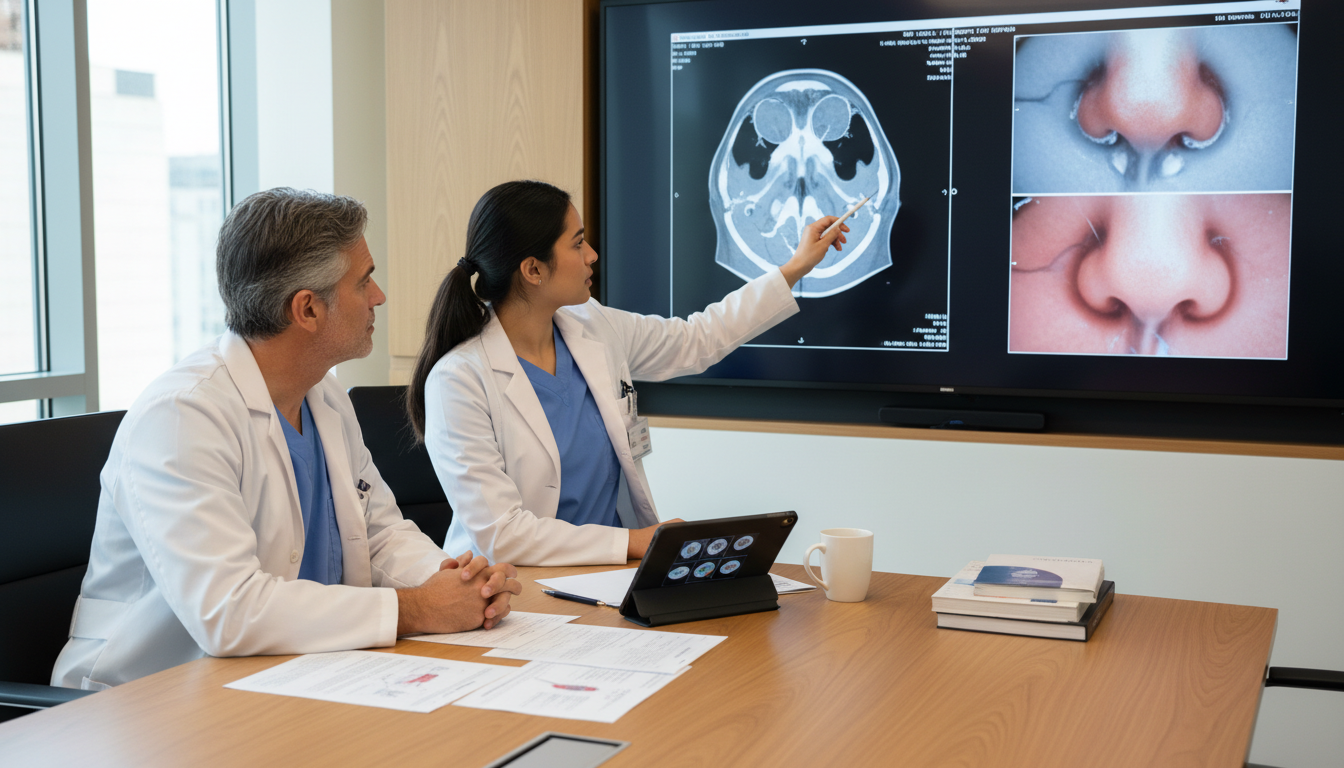
- Review relevant anatomy (e.g., temporal bone, paranasal sinus CTs, neck nodal levels).
- Study operative steps from textbooks, surgical atlases, or high-quality videos.
- Set personal goals for each case:
- “Today I want to perform the complete myringotomy myself.”
- “I will focus on improving my bimanual technique under the microscope.”
- “I will practice efficient packing and hemostasis in sinus surgery.”
After the case:
- Ask for specific feedback: “What is one thing I did well and one thing to improve for next time?”
- Log your cases promptly with notes about what steps you actually performed.
2. Build Technical Skills Outside the OR
Frequency matters. The more you practice, the more prepared you are to take advantage of real OR opportunities.
Examples:
- Temporal bone drilling: Use lab time religiously; ask for extra sessions if possible.
- Suture and knot-tying practice: Especially under magnification and in awkward positions, as in laryngology or microvascular work.
- Endoscopy skills: Practice scope handling and navigation in simulation labs or supervised clinics.
Residents who show early technical commitment often get more operative autonomy sooner because faculty trust them.
3. Seek Increasing Responsibility and Voice That Desire
As you progress:
- Tell your attendings, “I’d like to take more of the lead on this case if you’re comfortable.”
- Volunteer to handle challenging parts under supervision (e.g., raising a flap, drilling certain sections of mastoid, performing the neck dissection).
- Express your career goals (general ENT vs. fellowship track); faculty can tailor experiences to your intended practice.
Well-trained attendings appreciate residents eager to grow and will often grant more responsibility to those who are prepared and engaged.
4. Use Feedback and Self-Assessment to Target Gaps
By PGY-3 or PGY-4, you should have a clear sense of strengths and weaknesses:
- Maybe you’re confident in sinus surgery but less comfortable in otology.
- Maybe you’ve done many tracheostomies but fewer thyroidectomies or free flaps.
Work with your program leadership to:
- Adjust elective rotations or off-service experiences.
- Add focused mini-rotations or time on specific subspecialty services.
- Participate in visiting rotations or external courses (e.g., temporal bone or sinus courses).
You can significantly shape your own operative experience if you engage early and consistently.
Red Flags and Green Flags When Evaluating ENT Operative Experience
As you move through the otolaryngology match process, keep a simple mental checklist.
Green Flags (Positive Indicators)
- Clear, transparent case logs and statistics readily shared with applicants.
- Residents confidently say they feel surgically prepared for independent practice.
- Structured simulation and skills curriculum, including cadaver labs.
- A culture where:
- PGY-5 chiefs run cases with real autonomy.
- Juniors get meaningful hands-on time, not just retraction.
- Balanced relationship with fellows; residents still get complex cases.
- Regular, structured operative feedback and milestones.
Red Flags (Warning Signs)
- Vague answers about operative exposure: “You’ll get enough,” without specifics.
- Residents saying they “need fellowship to feel comfortable” in basic general ENT procedures.
- Frequent complaints about fellows taking all the big cases.
- Case numbers barely meeting ACGME minimums.
- Heavy service workload that consistently pulls residents away from OR time.
- Little or no simulation, skills training, or temporal bone lab experience.
These aren’t absolute deal-breakers by themselves, but a cluster of red flags should prompt deeper questioning and careful comparison with other programs.
FAQs: Operative Experience in Otolaryngology (ENT) Residency
1. How important is operative volume compared to research or fellowship opportunities when ranking ENT programs?
Operative experience should be one of your top two or three priorities. Research and fellowships matter, especially for academic careers, but if you graduate without confidence in the OR, your daily practice will be stressful and limited. Ideally, choose a program that offers strong research opportunities and robust hands-on training. If you must choose, most residents later report that surgical training quality had the greatest long-term impact on their careers.
2. Are programs with lots of fellows worse for resident operative experience?
Not automatically. Fellow-heavy programs can provide excellent teaching and exposure to very complex cases. The key question is how operative time is structured. If residents still perform a high volume of bread-and-butter surgeries and meaningfully participate in major cases, fellows can enhance training. If residents routinely lose key cases to fellows and express feeling under-trained, that’s a concern.
3. How can I tell if I’ll really get autonomy and not just assist for five years?
Look for concrete examples from senior residents: “I run most of my thyroidectomies now,” or “I perform the majority of the case in standard FESS.” Ask directly, “By PGY-5, what operations do chief residents commonly perform skin-to-skin?” Avoid relying solely on program director assurances; prioritize candid, specific descriptions from multiple residents across PGY levels.
4. What if my matched program has a known weakness in one surgical area (e.g., facial plastics)?
No program is perfect across every subspecialty. If your program is weaker in one area:
- Maximize available local exposure.
- Use electives, away rotations, or formal courses to supplement.
- Consider a fellowship if that area is central to your career goals. Strong, broad-based operative training in core ENT often matters more than perfect exposure in every niche, especially if you plan a general practice.
Evaluating operative experience in otolaryngology residency is both science and art. By understanding the components of effective surgical training, asking targeted questions, and observing program culture carefully, you can make informed choices in the ENT residency match—and position yourself for a confident, capable surgical career.