Why Operative Experience Matters in Urology Residency
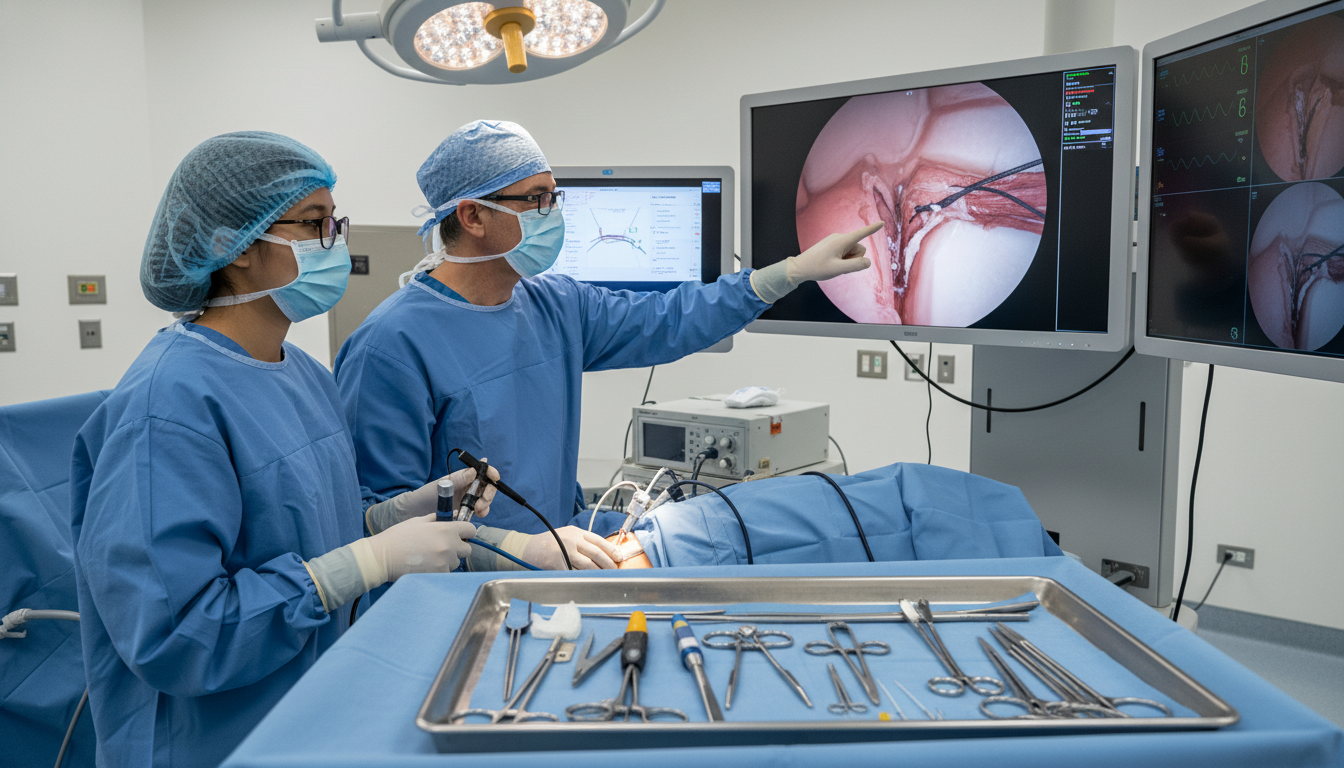
Operative experience is the backbone of urology residency training. Urology is a highly procedural specialty, with a daily practice that revolves around endoscopy, open and minimally invasive surgery, office-based procedures, and image-guided interventions. When you evaluate a urology residency program—whether for the urology match or considering a transfer—understanding how to assess operative experience is essential.
Unlike some cognitive specialties, the quality of your operative experience directly shapes your confidence, technical skills, and independence on graduation. Two residents can graduate from similarly “prestigious” programs with very different abilities in the OR because their exposure, supervision, and hands-on training differed dramatically.
This guide breaks down:
- What “good” operative experience in a urology residency actually looks like
- How to critically evaluate surgical training quality during interviews and away rotations
- How case numbers, autonomy, and complexity intersect
- Red flags and green flags in operative training
- Concrete questions you should ask programs
The goal is to help you move beyond vague impressions (“We get a lot of cases”) and toward a structured, data-informed evaluation of operative training.
Key Components of Operative Experience in Urology
Operative experience is more than case numbers. It includes volume, variety, progression, supervision, autonomy, and educational structure. Each of these has a direct impact on the quality of your hands-on training.
1. Case Volume: How Much Is Enough?
The ACGME sets minimum case requirements for urology residents in the US, but meeting the minimum is not the same as receiving robust training.
Key domains of case volume:
- Endourology
- Cystoscopy, ureteroscopy, laser lithotripsy
- TURP/TURBT and other transurethral resections
- PCNL (percutaneous nephrolithotomy)
- Oncology
- Radical/partial nephrectomy (open and minimally invasive)
- Radical prostatectomy (open, laparoscopic, robotic)
- Radical cystectomy and urinary diversion
- Reconstructive and Functional
- Urethroplasty
- Incontinence surgery (slings, artificial urinary sphincter)
- Pelvic organ prolapse repair
- Pediatrics
- Hypospadias, orchiopexy, ureteral reimplantation
- Andrology & Infertility
- Vasectomy/vasectomy reversal, varicocelectomy, penile prosthesis
- Trauma & Emergencies
- Testicular torsion, trauma exploration, emergent decompressions
How to evaluate:
- Ask for graduating chief residents’ case logs or de-identified aggregate data.
- Specifically inquire about:
- Average total operative cases per graduate
- Average number of cases in major domains (endourology, oncology, robotics, reconstruction, pediatrics)
- Distribution across PGY years
Numbers vary by program, but as you compare, look for programs where graduates comfortably exceed minimum thresholds, not just barely meet them.
2. Case Mix and Diversity: Breadth vs. Depth
Urology is broad. You need both high-volume common procedures and exposure to less frequent but essential operations.
Key questions:
- Does the program have balanced exposure across stone disease, oncology, functional/reconstructive, pediatrics, and andrology?
- Is there overreliance on one domain, such as stones and basic endoscopy, at the expense of oncology or reconstruction?
- Are complex cases (e.g., cystectomy, urethroplasty, complex stones, major reconstructions) common enough that residents play meaningful roles?
A program with phenomenal stone volume but very limited uro-oncology or reconstruction may leave you feeling underprepared for independent practice.
3. Progressive Responsibility and Autonomy
Operative experience should follow a stepped progression:
- Early years (PGY1-2)
- Foundational skills: cystoscopy, simple scrotal cases, straightforward endoscopy
- Assist roles on more complex cases, focusing on exposure and basic steps
- Middle years (PGY3-4)
- Primary surgeon on more complex endoscopic cases and basic laparoscopic/robotic tasks
- Perform more of the critical portions of larger operations under close supervision
- Senior year (PGY5/Chief)
- Primary surgeon for most index procedures with attending supervision
- Expected to complete key portions of major surgeries: nephrectomy, prostatectomy, cystectomy, complex stone surgery
Ask programs:
- “How does operative autonomy progress by year?”
- “What cases are chiefs typically doing as primary surgeon?”
- “Can you give examples of what a PGY-2, PGY-3, and PGY-5 might each do on the same case (e.g., robotic prostatectomy)?”
You’re looking for structured, deliberate progression, not chaotic “whoever’s free can scrub” patterns.
4. Supervision and Teaching Style in the OR
High-quality surgical training is a balance between safety, supervision, and independence.
Consider:
- Are attendings present and engaged as teachers rather than silent observers or “case snatchers”?
- Do they narrate their thought process, anatomy, and key decision points?
- Is there a culture of graduated entrustment (letting you do more as you demonstrate competence)?
- Are operative plans and techniques discussed before and after cases?
Ask residents:
- “How often does the attending let you complete the main parts of the case?”
- “Are there particular faculty known for teaching and allowing hands-on training?”
- “How does feedback work after cases?”

Objective vs. Subjective Measures of Surgical Training Quality
Residents often rely on subjective impressions (“We do a ton of cases”), but your evaluation should integrate objective data with on-the-ground perspectives.
Objective Indicators You Can Ask About
Case Logs and ACGME Data
- Average total operative cases per graduating resident
- Average case numbers in each major category (endoscopy, robotics, oncology, pediatrics, reconstruction, andrology)
- Trends over time (stable, improving, or declining volume?)
Robotics and Minimally Invasive Surgery
- Number of robotic consoles and robots relative to resident/fellow numbers
- Resident role in robotic cases (bedside vs console)
- Whether residents achieve independent console surgeon status and how many console cases they typically log
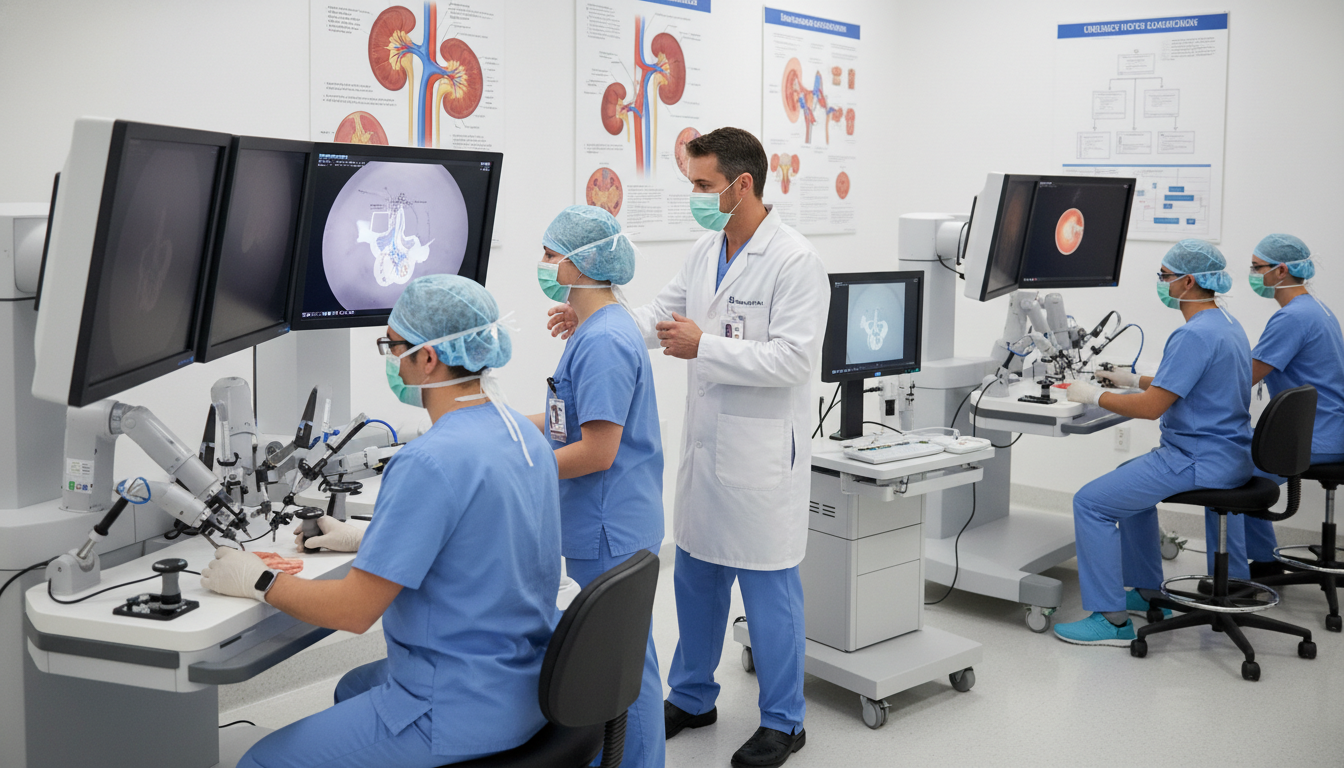
- Dedicated simulation time and robotic skills curricula
Fellowship Presence and Its Impact
- Fellowships can help (more complex pathology, exposure to advanced techniques) or hurt (competition for cases).
- Ask:
- “How do fellows impact resident operative experience?”
- “Are there resident-only services or cases to ensure hands-on training?”
Clinical Sites and Case Distribution
- Academic hospital, VA, county hospital, private affiliates—each has different case patterns.
- Programs with multiple sites often provide broader case mix:
- VA: strong oncology and prostates; often high autonomy
- County/public: trauma, emergent stones, late-presenting disease
- Private affiliate: high-volume bread-and-butter and some advanced robotic
Clarify how many months you spend at each site and what your operative role is at each.
Subjective Data: What Residents Really Experience
Numbers alone don’t tell you if the environment is supportive, educational, and conducive to learning.
Ask current residents:
- “Do you feel comfortable doing basic/complex cases independently if you had to graduate today?”
- “What cases do you feel strongest in? Weakest in?”
- “Have any graduates recently struggled in practice or fellowship due to gaps in operative experience?”
- “How often are you just retracting vs actually operating?”
Pay attention to consistency across responses. If one resident gushes and another quietly expresses concern about limited autonomy, probe further.
Evaluating Hands-on Training and Operative Autonomy
Programs often claim “tons of autonomy” or “excellent hands-on training.” You need to translate these phrases into practical realities.
Practical Signs of Strong Hands-on Training
Clear Graduated Responsibility
- PGY1s: routine cystoscopies, catheterizations, scrotal surgeries with supervision
- PGY3-4s: primary on ureteroscopy, PCNL, TURP/TURBT, straightforward robotic cases
- Chiefs: lead on major oncologic and reconstructive cases with attending guidance
Resident-Run or Resident-Heavy Services
- Dedicated resident services at the VA or county sites where residents are unequivocally the primary surgeons on many cases.
- Clinics where residents perform office procedures (biopsies, vasectomies, cystoscopies) directly.
Simulation and Skills Labs
- Access to:
- Robotic simulators
- Laparoscopic box trainers
- Endoscopy trainers
- Microscopic or microvascular labs (for andrology/infertility exposure)
- Protected time for simulation—ideally built into the schedule, not “you can come on your own time if you’re not exhausted.”
- Access to:
Structured Feedback After Cases
- Regular, formative feedback on:
- Technical skills (instrument handling, efficiency, tissue respect)
- Nontechnical skills (communication, situational awareness)
- Use of tools like OSATS (Objective Structured Assessment of Technical Skills) or milestone-based evaluations.
- Regular, formative feedback on:
Red Flags in Operative Training
Be cautious if you encounter:
- Residents stating, “I’ve assisted on tons of X but rarely been primary.”
- Chiefs who have never performed certain core procedures independently (e.g., PCNL, partial nephrectomy, any urethroplasty).
- Heavy reliance on fellows to perform index cases with residents primarily retracting.
- Speech like “Our numbers meet ACGME minimums, but…” without clear justification or a plan to improve.
- Chronic OR inefficiency leading to frequent case cancellations, meaning fewer opportunities to operate.
Program Structures That Shape Operative Experience
Beyond individual cases, the design of the program profoundly influences operative experience across the full five to six years of a urology residency.
1. Rotation Design and Call Structure
Balanced Rotations:
- Mix of inpatient operative blocks, endourology, oncology, pediatrics, reconstructive, and VA/county rotations.
- Avoids prolonged stretches where you rarely get to the OR.
Call Systems and Their Impact:
- Heavy in-house call can drain you and reduce energy to learn in the OR.
- A balanced schedule preserves learning capacity and makes operative days more productive.
- Ask: “Does call interfere with being in the OR the next day?”
2. Integration of Early Operative Exposure
Look for programs that get you into the OR early:
- PGY1s participating in basic urologic procedures, not just off-service rotations.
- Early exposure builds your understanding of anatomy and urologic disease management, even if you’re not yet doing the critical steps.
Ask directly:
- “How soon after starting will I be scrubbing urology cases?”
- “What types of cases do interns commonly perform or assist?”
3. Continuity with Attendings and Teams
Continuity allows:
- Longitudinal teaching relationships between residents and attendings
- Attending awareness of your skill level and targeted entrustment
- Follow-up of your own operative patients in clinic (critical for learning outcomes and complications)
Ask:
- “Do residents follow their own operative patients in clinic?”
- “How stable are team structures—do you rotate with the same faculty for a block or constantly mix?”
4. Subspecialty Exposure and Electives
High-quality programs ensure you’re not just a stone surgeon or just an oncologist.
Consider:
- Are there required rotations in:
- Pediatrics
- Reconstructive urology
- Female pelvic medicine and incontinence
- Andrology and infertility
- Are there elective blocks for:
- Focused research in operative techniques/outcomes
- Additional exposure to an undersampled area (e.g., international urology, high-volume reconstructive centers)
Programs with well-designed elective time show they’re invested in tailoring your operative experience to your career goals.
How to Evaluate Operative Experience During the Urology Match Process
During the urology match, you have limited time to gather information. Being intentional dramatically improves your ability to gauge operative training quality.
Before Interview Season: Do Your Homework
Use Program Websites and Public Data
- Look for:
- Case mix descriptions
- Robotics and technology available
- Clinical sites and their roles
- Note any emphasis on certain subspecialties (e.g., oncology-heavy vs endourology-heavy) and consider how that aligns with your interests.
- Look for:
Talk to Recent Graduates or Fellows
- If possible, reach out to alumni from your school or mentors who know the program.
- Ask how well-prepared they felt for fellowship or practice.
During Interviews: Targeted Questions to Ask
To residents:
- “On a busy OR day, what does your role look like at your current level?”
- “Do you ever feel like there are too many residents for the number of cases?”
- “How much console time do seniors actually get on the robot?”
- “What is one area of operative experience you wish were stronger here?”
To program leadership:
- “Can you share the average case numbers and types for your last few graduating classes?”
- “How do you ensure progressive autonomy while maintaining patient safety?”
- “What changes have you made in the past few years to enhance operative training?”
Listen not only to the content but also how confidently and transparently they answer.
On Away Rotations (Sub-I/Acting Internship)
Away rotations are the best way to directly evaluate hands-on training.
Observe:
- How often are students allowed to assist meaningfully?
- How do residents and attendings communicate in the OR?
- Are residents confident and technically capable, or anxious and tentative?
- Do attendings explain steps, or is it a “just get it done” culture?
Ask residents privately:
- “If you were deciding again, would you still choose this program for surgical training quality?”
- “Do you feel you’re getting enough hands-on training to be independent?”
Take notes daily. Your impressions may blur across different programs by the time you’re ranking.
Strategic Fit: Matching Your Goals to Program Operative Experience
Not every applicant has the same career goals, so ideal operative experience will vary.
If You’re Aiming for Community Practice
You’ll want:
- Strong volume of bread-and-butter cases:
- Stones, BPH surgery, basic oncology (nephrectomy, prostatectomy), scrotal and office procedures
- Broad exposure to managing complications without extensive subspecialty backup.
- Emphasis on independence by graduation, not just “observership of high-end academic cases.”
Ask:
- “Where do most of your graduates practice?”
- “Do your graduates feel comfortable doing full-scope general urology from day one?”
If You’re Aiming for Fellowship or Academic Practice
You’ll want:
- Depth and complexity in your area of interest (e.g., oncology, reconstruction, pediatrics).
- Access to complex tertiary/quaternary care cases.
- Mentors with strong national reputations and ongoing research in your subspecialty area.
- Good baseline training in all other areas so you can function as a well-rounded urologist.
Ask:
- “How have recent graduates matched into fellowships, and what feedback have they received about their operative preparation?”
- “Are there opportunities to cultivate a subspecialty focus while maintaining general operative competence?”
Balancing Name Recognition with Operative Reality
Prestige and name recognition can be helpful but are not substitutes for real operative experience. A mid-sized program with phenomenal hands-on training may prepare you better than a big-name institution where fellows dominate complex cases.
When ranking programs, seriously consider:
- Where will I actually become the most capable surgeon?
- Where did residents seem proud of their training—and credible in their confidence?
FAQs: Operative Experience Evaluation in Urology
1. How many cases should I aim for by the end of urology residency?
There is no single magic number, but most strong programs significantly exceed ACGME minimums. Many graduates from high-volume programs log well over a thousand operative cases, with robust numbers in endoscopy, robotics, and general oncology. Focus less on a single total and more on the distribution (adequate exposure in stones, oncology, reconstruction, pediatrics) and your comfort level with core procedures.
2. How important is robotic surgery experience for the urology match and future practice?
Robotics is central to modern urology, especially for prostatectomy, many nephrectomies, partial nephrectomies, and some reconstructive cases. For both the urology match and your long-term career, you should choose a program that offers substantial console time by senior years and a path to credentialing as an independent robotic surgeon. However, it’s also important not to neglect open, laparoscopic, and endoscopic skills; a balanced operative experience remains crucial.
3. Do fellowships at a program hurt or help resident operative experience?
They can do either, depending on structure and culture. Fellowships often bring in more complex cases and advanced techniques, which is beneficial. But if poorly structured, fellows may dominate the most interesting cases. Ask specifically how case allocation works and whether residents feel their operative opportunities are limited by fellows. Programs that emphasize resident-first case assignment with fellow involvement in truly advanced or niche aspects tend to provide the best balance.
4. What if a program seems strong clinically but doesn’t share detailed case numbers?
Lack of transparency is a concern. You can still gather information from resident discussions and your own observations on away rotations, but for something as central as operative experience in urology residency, programs should generally be able to share at least aggregate case data and outline how they meet and exceed requirements. If they cannot—or won’t—it’s reasonable to weigh that against other programs where data and expectations are clearer.
By systematically evaluating operative experience, case mix, autonomy, and program structure, you give yourself the best chance of choosing a urology residency where your surgical skills will flourish. The urology match is competitive, but with a structured approach, you can move beyond reputation and marketing to identify the programs that will genuinely prepare you for a confident, competent, and fulfilling surgical career.