Why Clinical Rotations in Interventional Radiology Matter
Clinical rotations in Interventional Radiology (IR) are often your first real window into the specialty—and the specialty’s first real look at you. For students eyeing an interventional radiology residency, these rotations can heavily influence letters of recommendation, your reputation in the department, and even how you’re remembered during the IR match process.
Unlike some other clerkships, IR sits at the intersection of procedural skill, imaging expertise, and clinical medicine. To stand out, you have to excel not only in the angio suite but also in the reading room, on consults, and during inpatient follow-up.
This guide focuses on how to excel in third year rotations and sub-internships in IR and related fields, with concrete, day-to-day strategies you can start using immediately. You’ll find:
- How IR rotations fit within your broader clerkship success strategy
- What attendings actually look for in students
- How to prepare before day one
- How to perform during cases, consults, and rounds
- How to leverage your rotation for letters, mentorship, and ultimately the residency match
Whether IR is your top choice or you’re still deciding, treat every IR rotation as an audition.
Understanding the IR Rotation: What Makes It Different
The Unique Culture and Workflow of IR
Interventional Radiology combines:
- Image-guided procedures
- Longitudinal patient care (clinic, inpatient, follow-up)
- Collaboration with almost every specialty
Your day may include:
- Pre-procedure H&Ps and consent
- Image review and procedure planning
- Procedures in the angio suite
- Post-procedure care and documentation
- Inpatient consults and rounding
- Occasional clinic sessions
Compared with other clerkships:
- Pace: IR days are often front-loaded (early starts, variable end times).
- Environment: You move between the control room, angio suite, pre-op, PACU, wards, and sometimes clinic.
- Team: IR is deeply team-based—attendings, fellows, residents, nurses, techs, APPs, and anesthesiology.
- Exposure: You’ll see sick patients, high-acuity emergencies (e.g., GI bleeds), and chronic disease management (e.g., oncologic interventions).
Understanding this ecosystem helps you anticipate needs and show value.
How IR Rotations Fit Into Your Application Strategy
For a strong IR application, rotations serve three main purposes:
Confirming your interest
- Do you enjoy procedures and image interpretation?
- Are you comfortable in high-stakes, time-sensitive scenarios?
Building your IR narrative
- Evidence of consistent interest in IR across your third year rotations and electives
- Experiences that shape your personal statement and interview stories
Securing strong support for the IR match
- Letters of recommendation from IR faculty
- Mentors who will advocate for you during rank meetings
- Concrete performance data (evaluations) that programs will see
Think of each IR-related experience—from your first IR elective to your sub-I—as part of one continuous audition.
Preparing for Your IR Rotation: Setting Yourself Up to Shine
Preparation before day one will separate you from the average student. This doesn’t mean you must know how to perform procedures; it means you should understand the clinical context and basic vocabulary.
Academic Prep: What to Learn Before You Start
Focus on high-yield, rotation-level knowledge. You don’t need fellowship-level detail, but you should understand what’s happening in the room.
1. Core IR Procedure Categories
At minimum, know the indications, basic steps, and common complications of:
Vascular access and interventions
- PICC lines, dialysis catheters, port placement
- Peripheral angiography and angioplasty/stenting
- Embolization (e.g., GI bleed, uterine fibroid embolization, trauma)
Oncology
- Biopsy (liver, lung, bone)
- Ablation (RFA, microwave, cryo)
- Transarterial therapies (TACE, Y-90; know at least what they are and when used)
Hepatobiliary and GI
- Paracentesis, thoracentesis
- Biliary drains and stents, cholecystostomy tubes
- Gastrostomy and gastrojejunostomy tubes
Venous and thrombotic interventions
- IVC filters (indications/controversy, retrieval)
- Thrombectomy and thrombolysis basics
You don’t need to quote trial data; you do need to understand why these procedures are being done for each patient you see.
2. Basic Imaging Concepts
You’re not expected to read CT angiograms independently, but you should:
Recognize:
- Arteries vs veins on angiography
- Major abdominal vessels (aorta, celiac, SMA, IMA, portal vein)
- Basic cross-sectional anatomy (liver segments, kidneys, lungs, spine landmarks)
Understand:
- How fluoroscopy works (very high level)
- Why radiation safety matters (inverse square law, ALARA concept)
Texts and resources to use briefly before and during rotation:
- A student-oriented IR handbook (e.g., CIRSE or SIR student resources)
- A concise atlas or pocket guide to IR procedures
- Short IR podcasts or YouTube overviews for visual learners
- Review of cross-sectional anatomy from your radiology or surgery resources
Logistical Prep: Making a Strong First Impression
Before your rotation starts:
Contact the coordinator or chief resident/fellow
- Ask for: start time, first day location, dress code, call expectations.
- Request: reading or orientation materials if available.
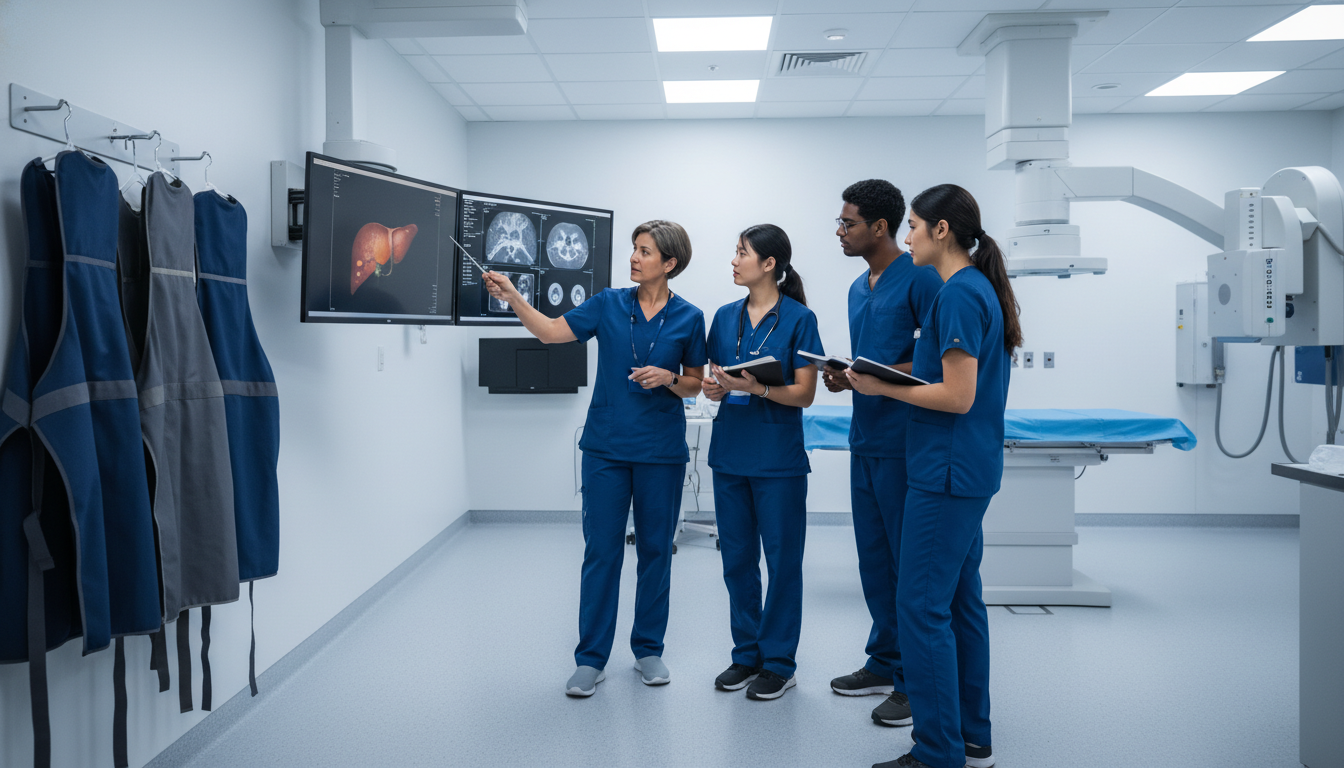
Clarify lead and PPE expectations
- Many departments have student lead aprons; some expect you to use shared departmental ones.
- Ask where you can store your belongings (locker, resident room).
Plan your schedule
- Confirm whether you’ll be rotating through:
- Angio suite
- Consult service/inpatient floor
- IR clinic
- Reading room
- Understand which areas matter most for evaluation.
- Confirm whether you’ll be rotating through:
Show up on day one having done this homework; it signals professionalism and initiative.

Day-to-Day Performance: How to Excel on Service
Professionalism and Work Ethic: The Non-Negotiables
Across all clinical rotations tips, the fundamentals matter most—and IR is no exception.
Key behaviors that impress IR attendings and fellows:
Punctuality and reliability
- Arrive before the residents; review the day’s case list if possible.
- Don’t disappear—tell someone where you’ll be if you step away.
Preparedness
- Always have: pen, small notebook, phone (on silent), hospital ID, stethoscope.
- Know your patients: indications, recent labs, key imaging.
Professional presence in the angio suite
- Maintain a calm, focused demeanor, especially during complex cases.
- Avoid casual chatting during critical moments; read the room.
Respect for the entire team
- Learn names of nurses, techs, and APPs; ask how you can help.
- Offer to assist with tasks within your scope (getting supplies, helping move patients, calling floors).
These behaviors matter as much as your fund of knowledge when faculty discuss you for letters or informal recommendations.
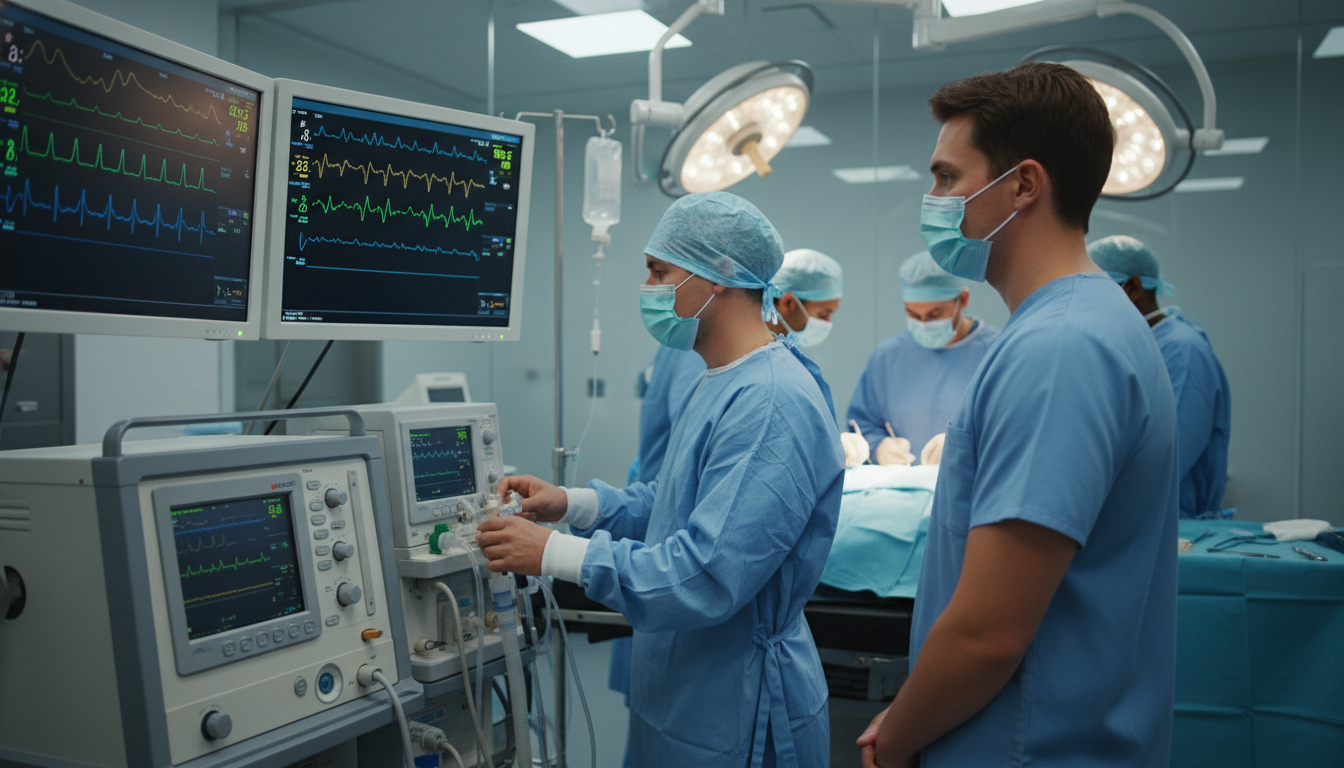
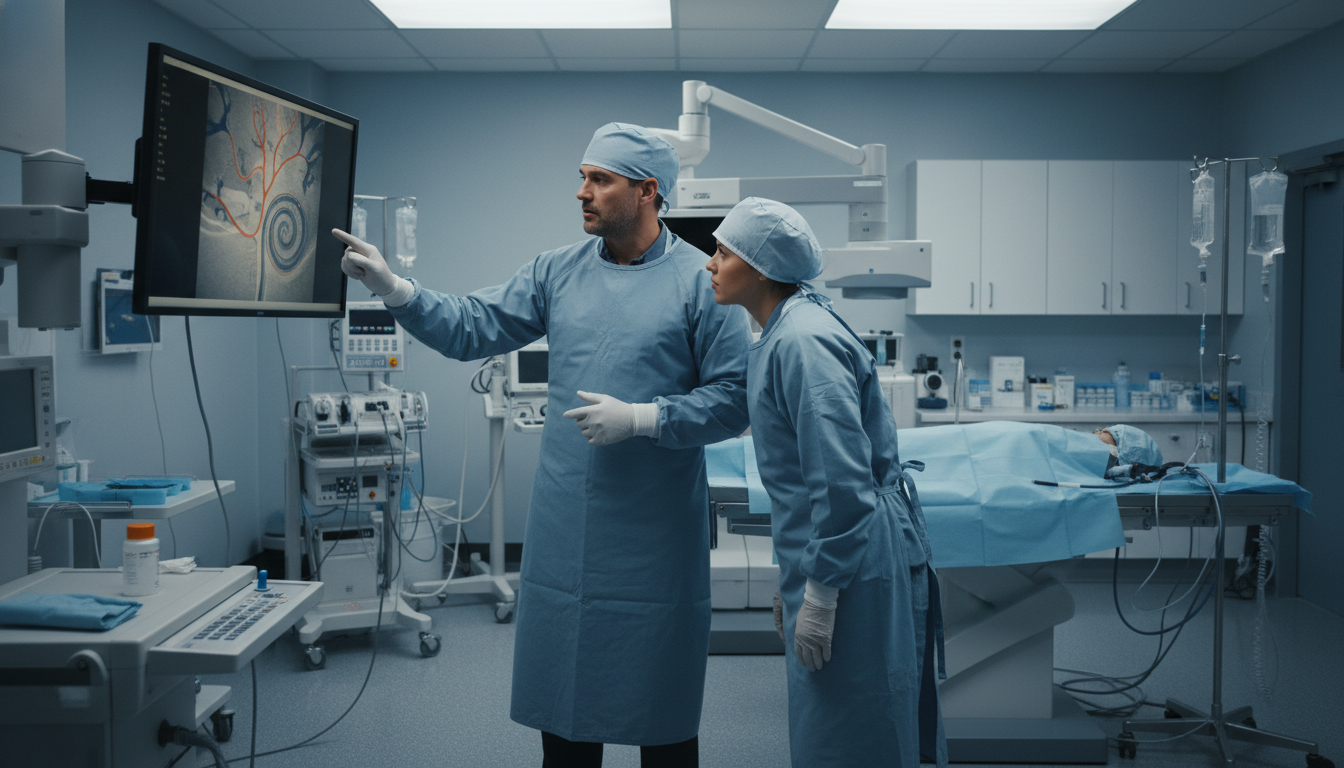
In the Angio Suite: Being an Asset, Not a Bystander
The IR procedure room is where many students feel unsure how to contribute. You can stand out by being engaged, helpful, and safe.
Before the Case
Review the chart:
- Why is this procedure being done?
- What imaging led to this decision?
- Any comorbidities relevant to sedation, bleeding, or access?
Ask the resident/fellow:
- “Is there anything specific I should look out for or read about before this case?”
With the team:
- Ask where you should stand for best visibility without contaminating sterile fields.
- Check if the patient is comfortable, if you’re allowed to interact pre-procedure.
During the Case
Focus on three things: situational awareness, learning, and safety.
Situational awareness
- Watch the monitors and patient simultaneously.
- Notice the sequence: consent → timeout → access → navigation → intervention → hemostasis.
Learning actively
- Ask questions at appropriate times:
- Better: “Could you walk me through how you chose this access site?”
- Avoid during moments of stress (acute bleed, complications).
- Use imaging pauses to clarify anatomy or device selection.
- Ask questions at appropriate times:
Safety and radiation awareness
- Wear your lead and badge properly.
- Stand behind shields when feasible.
- Don’t lean over the table unnecessarily.
After the Case
Offer help:
- “Can I help clean the room or move the patient?”
- Assist with patient transport if staff are busy and you’re allowed.
Quickly debrief:
- “Could you summarize what the key decision points were in this case so I can write a brief note for myself?”
Take 1–2 minutes to write down what you learned; these notes will be invaluable for later reflection, presentations, and interviews.
On Consults and Clinical Service: Show You’re a Future Clinician
Program directors want IR residents who can manage complex patients—not just perform procedures. Use every chance to demonstrate strong clinical thinking.
Handling IR Consults as a Student
When asked to see a consult:
Clarify the question
- What is the primary problem? (e.g., “GI bleed with possible embolization,” “Recurrent ascites for paracentesis”)
Gather a focused history and exam
- Key points depend on the consult:
- For drain placement: infection history, immunosuppression, anticoagulation, prior imaging
- For vascular access: prior lines, dialysis needs, coagulopathy, venous thrombosis
- For bleeding: hemodynamics, transfusions, anticoagulant use, prior endoscopies
- Key points depend on the consult:
Check labs and imaging
- Platelets, INR, hemoglobin, creatinine, liver function, relevant studies (CT, US, prior IR notes).
Present concisely
- Use a structured format:
- One-liner summary
- Key problems and why IR is being consulted
- Pertinent positives/negatives
- Imaging findings (at least the impression)
- Use a structured format:
Example:
“Mr. Smith is a 68-year-old male with cirrhosis (MELD 17) and recurrent tense ascites, admitted for dyspnea and abdominal pain. IR is consulted for therapeutic paracentesis. He’s hemodynamically stable, afebrile, with no signs of peritonitis. On exam, he has distended abdomen with shifting dullness, no focal tenderness, and trace LE edema. Labs show platelets 90K, INR 1.4, Cr 1.0. Most recent ultrasound 3 days ago shows large-volume ascites and no evidence of portal vein thrombosis. No history of SBP. We’re considering image-guided paracentesis with diagnostic fluid studies.”
The goal is not to dictate the plan but to show you’re thinking like a clinician.
Rounding and Follow-Up
When IR follows patients longitudinally (e.g., complicated drains, post-Y90, ischemic complications):
Take responsibility for 1–3 patients:
- Know their overnight events, vitals, labs.
- Check new imaging and major consultant notes.
Have a simple assessment/plan ready:
- “Post-embolization syndrome vs infection”
- “Drain output declining, consider sinogram or removal in X days”
Clerkship success in IR is largely about demonstrating that you treat each patient as your responsibility, not just “IR’s case.”
Standing Out Academically: Questions, Mini-Presentations, and Feedback
Beyond showing up and helping, you can distinguish yourself as a motivated, teachable future colleague.
Ask High-Yield, Thoughtful Questions
Good questions signal curiosity and effort. Aim for:
Clinical reasoning questions
- “When would you choose endovascular treatment for DVT versus anticoagulation alone?”
- “How do you decide between TACE and Y-90 for hepatocellular carcinoma?”
Procedure selection questions
- “What makes this patient a candidate for ablation versus surgical resection?”
- “What factors influence your choice of embolic agent in this case?”
Systems and career questions (asked outside the heat of cases)
- “How is inpatient IR service structured at your institution?”
- “What traits do you think predict success in an interventional radiology residency?”
Avoid questions that are easily answerable by a quick internet search unless you’ve already looked and want clarification.
Use Mini-Presentations to Showcase Effort
Offer to give brief, 3–5-minute presentations during downtime or teaching sessions. Possible topics:
- Approaches to non-occlusive vs occlusive mesenteric ischemia
- Basics of managing anticoagulation for common IR procedures
- Overview of uterine fibroid embolization (indications, outcomes, key risks)
- Management of malignant biliary obstruction: stents vs drains
Keep it focused and practical. You can say:
“I’ve been reading about portal vein embolization. Would it be okay if I gave a 3-minute overview at some point this week?”
This signals self-directed learning and is remembered favorably when evaluations and letters are written.
Seeking and Using Feedback
Halfway through the rotation:
Ask a resident/fellow:
- “I’m interested in IR and would really value feedback. Are there 1–2 things I could do better over the rest of the rotation?”
Ask one attending who has worked with you multiple days:
- “I want to be sure I’m improving—any suggestions on how I can be more helpful or what I should focus my studying on?”
Then, act on the feedback quickly. Attendings notice when you correct course.
Leveraging the Rotation for the IR Match: Letters, Mentorship, and Beyond
If you’re aiming for an interventional radiology residency, every strong IR rotation can materially improve your application.
Timing and Choice of Rotations
Strategically plan:
Third year rotations
- Maximize exposure to services that align with IR: surgery, medicine, emergency medicine, radiology.
- During these rotations, practice the same habits you’ll need in IR—procedural comfort, imaging awareness, consult management.
Fourth year rotations
- At least one dedicated IR sub-internship at your home institution.
- Consider an away rotation at a program where you might want to match, but only if you can perform strongly.
Your cumulative performance across third year rotations demonstrates reliability; your IR electives demonstrate specialty-specific excellence.
Securing Strong Letters of Recommendation
Choose letter writers who:
- Know you personally and have seen you work consistently
- Can speak to:
- Work ethic and professionalism
- Clinical reasoning
- Teamwork and communication
- Genuine interest and fit for IR
How to set this up:
Identify potential letter writers early
- Attendings who work closely with you (not just one half-day).
- Faculty with influence in the IR program or department.
Signal your interest
- “I’m very interested in IR and am hoping to apply for an interventional radiology residency. I’d love to keep working with you and get your guidance.”
Ask for a strong letter (near the end of rotation)
- “Based on our time working together, would you feel comfortable writing a strong letter of recommendation for my IR residency application?”
Provide supporting materials
- CV, personal statement draft (if ready), list of procedures/consults you took lead on, any relevant research or projects.
A letter that says you’re punctual and pleasant is average; a letter that describes specific, impressive behaviors during your IR rotation can move your application toward the top of the pile.
Cultivating Long-Term Mentorship
Beyond letters, you need mentors—ideally including at least one IR attending and one IR resident/fellow.
Ways to build these relationships:
Show sustained interest
- Stay in touch after the rotation: occasional brief updates, questions about electives, or IR-related research ideas.
Ask for career guidance
- “How many IR programs would you recommend I apply to, given my Step scores and CV?”
- “Would you mind looking over my personal statement for IR?”
Engage in projects
- Quality improvement initiatives in IR labs
- Case reports or small series
- Education materials for patients or students
Faculty are more likely to advocate for students they know well and have seen grow over time.
Putting It All Together: A Sample “Excellent” IR Student Profile
To make this concrete, here’s what an “excellent” IR student might look like during an IR rotation:
Daily behavior
- Arrives 10–15 minutes early, reviews the case list, and reads briefly about a couple of key procedures.
- Wears appropriate lead, introduces themselves to every patient, and explains their role.
- Helps with consults, gathers complete information, and presents clearly to the team.
- Never complains about case volume or staying late for a high-yield emergency case if schedule allows.
Clinical performance
- Can explain the indication for nearly every case they scrub into.
- Anticipates basic needs during procedures (e.g., prepping patient, confirming labs, understanding sedation plan at a basic level).
- Demonstrates growth in understanding of imaging findings over the rotation.
Academic engagement
- Asks thoughtful, targeted questions about decisions in real cases.
- Gives one brief, well-prepared mini-presentation by the end of the rotation.
- Takes notes on particularly interesting or complex cases for future reference.
Professional growth
- Seeks mid-rotation feedback and shows visible improvement afterward.
- Expresses clear interest in IR, but is humble and open to guidance.
Students like this are remembered and often discussed favorably when they apply for that institution’s interventional radiology residency—or when faculty are contacted by other program directors during the IR match.
FAQs: Excelling in IR Clinical Rotations and Preparing for the IR Match
1. Do I need multiple IR rotations to be competitive for the IR match?
Not necessarily, but you do need clear, documented interest in IR. Ideally:
- One substantial IR rotation at your home institution (4 weeks or more)
- Optionally, one away rotation at a program where you might want to match
- Strong performance in related rotations (surgery, medicine, EM, diagnostic radiology)
What matters more than quantity is quality—strong evaluations and letters from your IR experiences.
2. How can I stand out if I have minimal prior radiology exposure?
Focus on fundamentals:
- Develop strong clinical reasoning on consults and inpatient follow-up.
- Show rapid progression in your understanding of imaging by:
- Asking residents to walk through key CT or angiographic findings
- Reading about anatomy and pathology that you see each day
- Demonstrate professional reliability and enthusiasm.
Attendings don’t expect you to “read scans” on day one; they do expect you to learn quickly and show curiosity.
3. I’m nervous about not knowing how to scrub or behave in the angio suite. What should I do?
You’re not alone—this is common. To ease the transition:
- Ask on day one: “Could someone walk me through how students typically scrub and where I should stand?”
- Watch residents and staff carefully the first couple of cases.
- When in doubt, ask before touching anything that might be sterile.
No one expects procedural skill from students, but they do expect sterility awareness, attentiveness, and respect for the workflow.
4. When should I tell the team I’m interested in interventional radiology residency?
Early—but not before you’ve shown you’re serious about the rotation itself. Within the first few days:
- Mention your interest to residents and fellows first; they’ll often help you navigate opportunities.
- Let attendings know once you’ve established some rapport:
- “I’ve really enjoyed this week; I’m strongly considering IR as a career and would appreciate any advice.”
Stating your interest early allows the team to intentionally involve you, teach you more deeply, and potentially consider you for letters and mentorship.
By approaching your IR rotation with preparation, humility, and consistent effort, you can transform a few weeks of clinical experience into a powerful asset for your interventional radiology residency application—and, just as importantly, a deeper understanding of whether this dynamic, evolving field is the right fit for you.