Understanding Global Health Clinical Rotations
Global health clinical rotations are more than “medical tourism” or a passport stamp; they’re immersive, high-stakes learning experiences that can shape your clinical skills, ethical framework, and career trajectory. Whether you’re on a dedicated global health residency track, a fourth-year elective, or early third year rotations abroad, the expectations are high—both from your home institution and your host site.
In this context, excelling doesn’t just mean getting strong evaluations. It means:
- Delivering safe, respectful patient care in unfamiliar systems
- Demonstrating cultural humility and adaptability
- Learning from local expertise instead of trying to “fix” things
- Translating your experience into stronger clinical reasoning and advocacy
This guide walks through how to excel before, during, and after your international medicine or global health rotation—focusing on practical, actionable strategies you can implement immediately.
Preparing for a Global Health Rotation: Foundations of Success
Clarify Your Goals and Scope of Practice
Before you set foot on the airplane, get specific about:
Learning goals:
- Clinical (e.g., improve physical exam skills without advanced imaging)
- Systems (e.g., understand referral patterns and resource triage)
- Personal (e.g., develop resilience, comfort with ambiguity)
Scope of practice:
- What are you allowed to do as a student or resident?
- How does this differ from what local trainees are permitted to do?
Have a direct conversation with:
- Your home institution supervisor – clarify assessment criteria, required documentation, and how this rotation fits into your overall third year rotations or advanced electives.
- Your host preceptor – ask:
- Typical student responsibilities on the ward or clinic
- Level of supervision you can expect
- Common cases and procedures you might encounter
Document these expectations in an email so everyone is aligned.
Build Clinical and Contextual Knowledge Before Arrival
You’ll excel faster if you front-load both medical knowledge and local context.
Clinical preparation:
Review high-yield topics for international medicine and global health:
- Infectious diseases prevalent in the region (e.g., malaria, TB, HIV, dengue, Chagas, typhoid)
- Malnutrition, maternal-child health, and chronic disease management with limited resources
- Emergency stabilization using basic tools (ABC approach, when you don’t have CT, MRI, or unlimited lab tests)
Use focused resources:
- WHO and CDC country profiles for disease burden
- Open-access guidelines from local ministries of health
- Global health textbooks or online modules specific to your host region
Contextual preparation:
- Learn:
- Basic phrases in the local language (greetings, body parts, symptoms)
- Cultural norms around gender, eye contact, physical touch, decision-making, and disclosure of diagnoses
- Typical healthcare system structure: primary care vs. hospital care, insurance or payment systems, referral pathways
This combination of medical and cultural groundwork will dramatically shorten your adjustment curve and signal respect to local staff.
Ethical and Safety Preparation
Ethical challenges are common in global health rotations. Excelling means being prepared, not surprised.
Key ethical principles:
- Do no harm: Never perform beyond your competency or legal scope, even if asked.
- Respect local expertise: Avoid imposing home-country practices without understanding context.
- Equity: Ensure your learning does not come at the expense of patient safety or dignity.
Action steps before departure:
- Complete formal pre-departure training if available (many global health residency track programs offer this).
- Review guidelines from your school’s global health office or professional bodies (e.g., AAMC, Consortium of Universities for Global Health).
- Clarify:
- Malpractice or liability coverage
- Personal health precautions (vaccinations, prophylaxis, insurance)
- Emergency evacuation policies
Personal safety:
- Register with your embassy if recommended.
- Save local emergency numbers and hospital contacts.
- Have a clear plan for what you’ll do if you’re ill, harassed, or feel unsafe.
Proactive safety and ethical planning create the mental space you need to do your best clinical work.
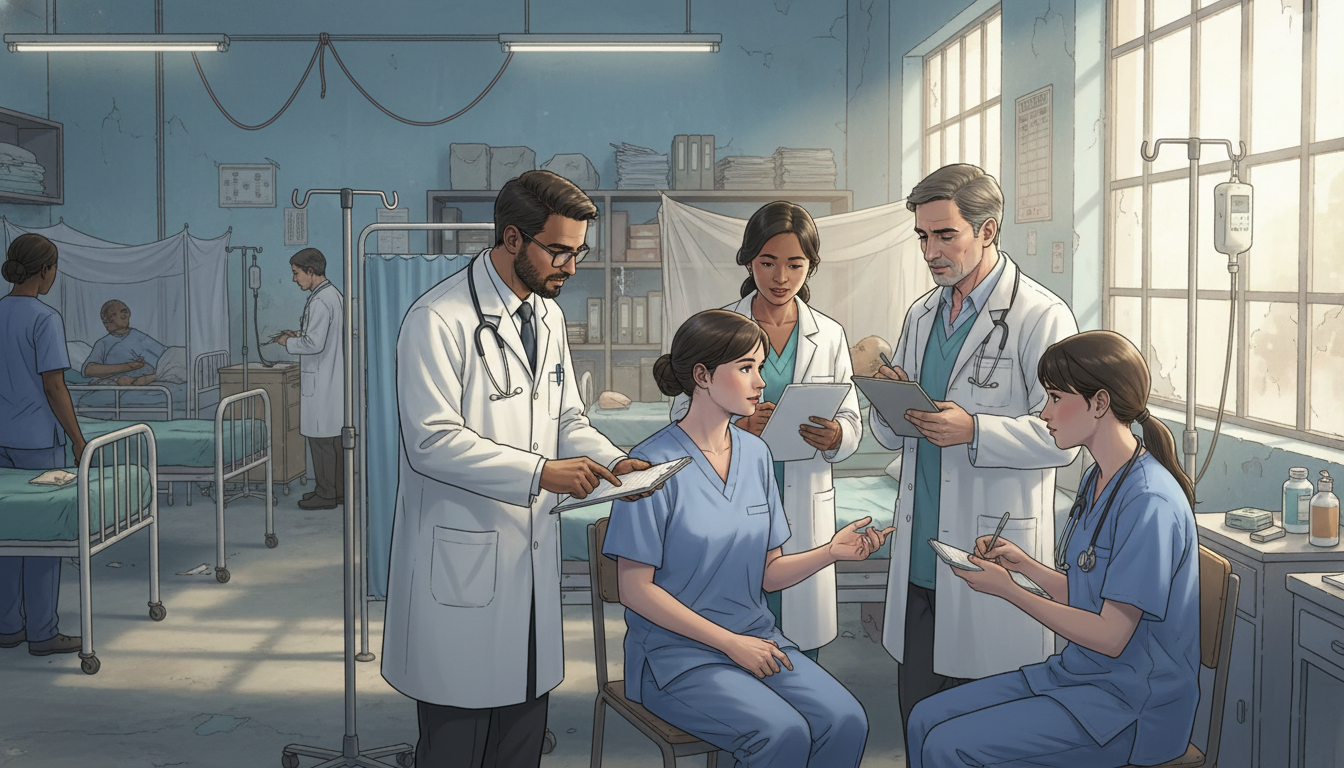
Excelling Clinically in Resource-Limited Settings
Mastering the “Back-to-Basics” Physical Exam
In many global health settings, you’ll have fewer diagnostics than in your home institution. This is a powerful opportunity to refine foundational skills.
Key strategies:
Slow down your physical exam.
- Take full, careful vitals yourself when possible.
- Use inspection, palpation, percussion, and auscultation deliberately.
Practice “pre-test probability” thinking:
- Given the local epidemiology, what’s most likely?
- How would this diagnosis present here, given available resources and typical delays in care?
Build differential diagnoses with resource constraints in mind:
- “What can I diagnose and treat today with what we have?”
- Example: For a child with fever and anemia in a malaria-endemic region, incorporate malaria, sepsis, and malnutrition into your top differential, and plan workup based on available tests and medications.
This skill set will serve you across all clerkships and residency, not just in global health.
Clinical Rotations Tips: Working Effectively on the Ward
To stand out in any clinical rotation—particularly in global health—focus on reliability, initiative, and teachability.
1. Be the most prepared person on the team for “your” patients
Know:
- Vital signs trends
- Intake/output (if tracked)
- Medication list and changes
- Key family or social issues (distance from clinic, ability to afford meds, caregiver support)
Prepare problem-based assessments:
- For each active problem, state:
- What you think is happening
- Your reasoning
- A practical, context-aware plan
- For each active problem, state:
2. Anticipate needs in low-resource environments
Ask yourself:
- “What complications are most likely for this condition in this setting?”
- “What simple interventions could have a big impact?”
Examples:
- Noticing that an anemic patient with heart failure isn’t being weighed regularly and suggesting daily weights and basic fluid balance charting.
- Spotting that a patient’s wound dressings are improvised and gently asking if there’s a more effective locally approved method/material that could reduce infection risk.
3. Communicate clearly and concisely
Language and hierarchy differences make clear communication essential:
- Present cases in an organized, predictable structure.
- Avoid jargon when speaking with local staff, patients, and families.
- Regularly check for understanding:
- “Did I understand correctly that…?”
- “Would this approach work in your clinic/hospital?”
Adapting to Limited Diagnostics and Therapies
Global health rotations demand flexibility when your first-choice tests or treatments aren’t available.
Clinical reasoning in scarcity:
Learn the local diagnostic algorithms and treatment protocols, which often prioritize:
- Syndromic management (e.g., “acute febrile illness in this age group”)
- Tiered decision-making based on what tests are available on-site versus at referral centers
Practice asking:
- “If we can’t get this lab or imaging, what clinical ‘red flags’ would change our management?”
- “What’s the safest ‘good enough’ approach right now?”
Example: Suspected pneumonia in a community hospital without chest X-ray
- Focus on:
- History: cough, fever, tachypnea, chest pain, sputum, TB exposure
- Physical: respiratory rate, work of breathing, crackles, wheezes, hypoxia (if pulse oximetry available)
- Use:
- WHO or local guidelines for pneumonia classification and antibiotic selection
- Monitor:
- Daily clinical response as a key “test” of therapy effectiveness
Excelling means shifting from “order everything” to “use clinical logic and local protocols to guide rational care.”
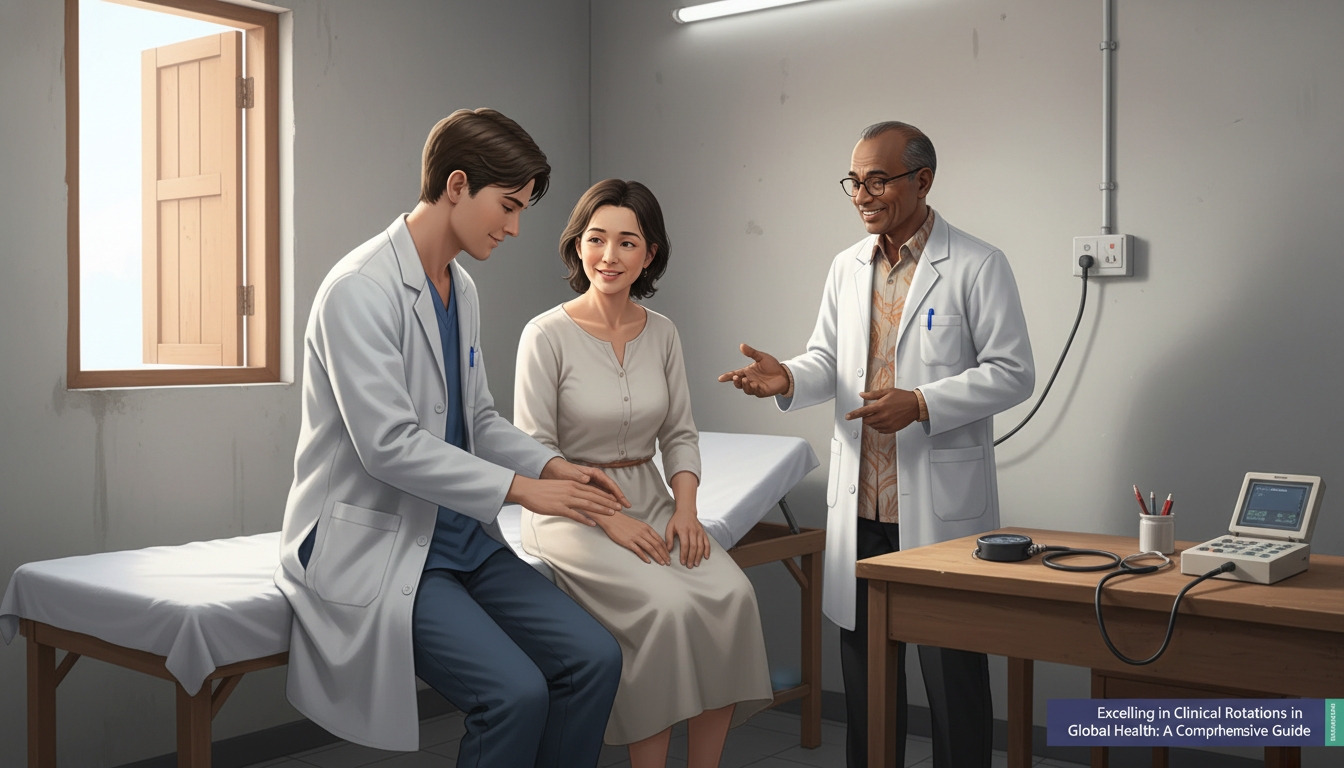
Cultural Humility and Teamwork: Core Competencies in Global Health
Practicing Cultural Humility, Not Cultural Competence
“Cultural competence” implies there’s a finite set of facts you can master. Global health demands cultural humility—an ongoing stance of curiosity, reflection, and respect.
Practical ways to demonstrate cultural humility:
Ask, don’t assume:
- “Can you tell me how your family usually makes decisions about medical care?”
- “What concerns you most about this illness or treatment?”
Acknowledge limits:
- “I’m still learning about how things work here—could you help me understand how this is usually handled?”
Avoid judgment when you see practices that differ from your training. Seek to understand the why: cost, availability, tradition, or system-level constraints.
Building Trust with Local Teams
Your relationship with local staff—nurses, trainees, pharmacists, community health workers—is often the single strongest predictor of your educational success.
Actionable habits:
Show up early, leave late enough.
- Arrive prepared for sign-out and stay until essential tasks are complete.
Do “unseen” work.
- Help with basic tasks: organizing charts, retrieving labs, transporting supplies, if appropriate.
- Offer to assist local trainees with English documentation or research in ways that respect their authorship and priorities.
Ask for feedback regularly.
- “I want to make sure I’m contributing well—how could I be more helpful to the team?”
- Accept criticism without defensiveness, and adjust your behavior.
Navigating Hierarchy and Different Teaching Styles
Teaching and supervision norms can differ substantially:
- Some systems are highly hierarchical; questioning senior clinicians may be viewed as disrespectful.
- Feedback might be less direct or delayed.
Adapt by:
Framing questions carefully:
- Instead of “Why don’t we do X?”
- Try “In my home institution we sometimes do X in similar cases—what do you think about that approach here?”
Reading non-verbal cues:
- If a supervisor seems rushed or uncomfortable, choose another time for detailed questions.
Identifying a local mentor or near-peer (e.g., resident or senior student) who can help you interpret unspoken norms.
Excelling means you’re not just clinically strong, but also easy to work with and sensitive to context.
Integrating Global Health Rotations with Your Overall Training
Aligning with Third Year Rotations and Clerkship Success
If your global health experience happens during or just after your core third year rotations, you can leverage skills you’ve already built—and strengthen areas still developing.
Transferable skills from home clerkships:
- Internal Medicine:
- Problem-based presentations, chronic disease management, longitudinal follow-up
- Surgery/OB-GYN:
- Pre- and post-operative assessment in resource-limited settings
- Recognizing when urgent transfer is needed
- Pediatrics:
- Growth and development assessment when high-tech tools are limited
- Vaccination and preventive care counseling
- Psychiatry:
- Recognizing mental health conditions that may be stigmatized or underdiagnosed
- Using basic counseling and de-escalation strategies
Clinical rotations tips for clerkship success abroad:
- Treat your global health site as you would any core clerkship:
- Understand the evaluation form and what “Honors” looks like.
- Volunteer for presentations (e.g., short teaching sessions on topics useful to the local team, cleared with your preceptor).
- Document key cases and procedures in a log; this will help with both assessment and residency applications.
Showcasing Your Experience in a Global Health Residency Track or Application
If you’re considering a global health residency track or a career in international medicine, your rotation can be a cornerstone of your CV and personal narrative.
During the rotation, intentionally collect:
Clinical stories that illustrate:
- Complex diagnostic reasoning in low-resource contexts
- Systems challenges (e.g., lack of access to care, medication shortages)
- Ethical dilemmas you navigated thoughtfully
Concrete outcomes:
- Quality improvement or small process changes you assisted with
- Educational sessions you delivered to local staff or students
- Projects you contributed to (e.g., chart reviews, guidelines adaptation)
After the rotation:
Write a brief reflection focusing on:
- Skills gained
- Perspective shifts
- How this experience shapes your future goals
Integrate this content into:
- Personal statements for global health residency track applications
- Interview answers: “Tell me about a time you worked in a resource-limited setting” or “Describe a challenging clinical situation you’ve faced.”
Residency programs look for depth, humility, and sustained commitment—your rotation can demonstrate all three if you frame it thoughtfully.
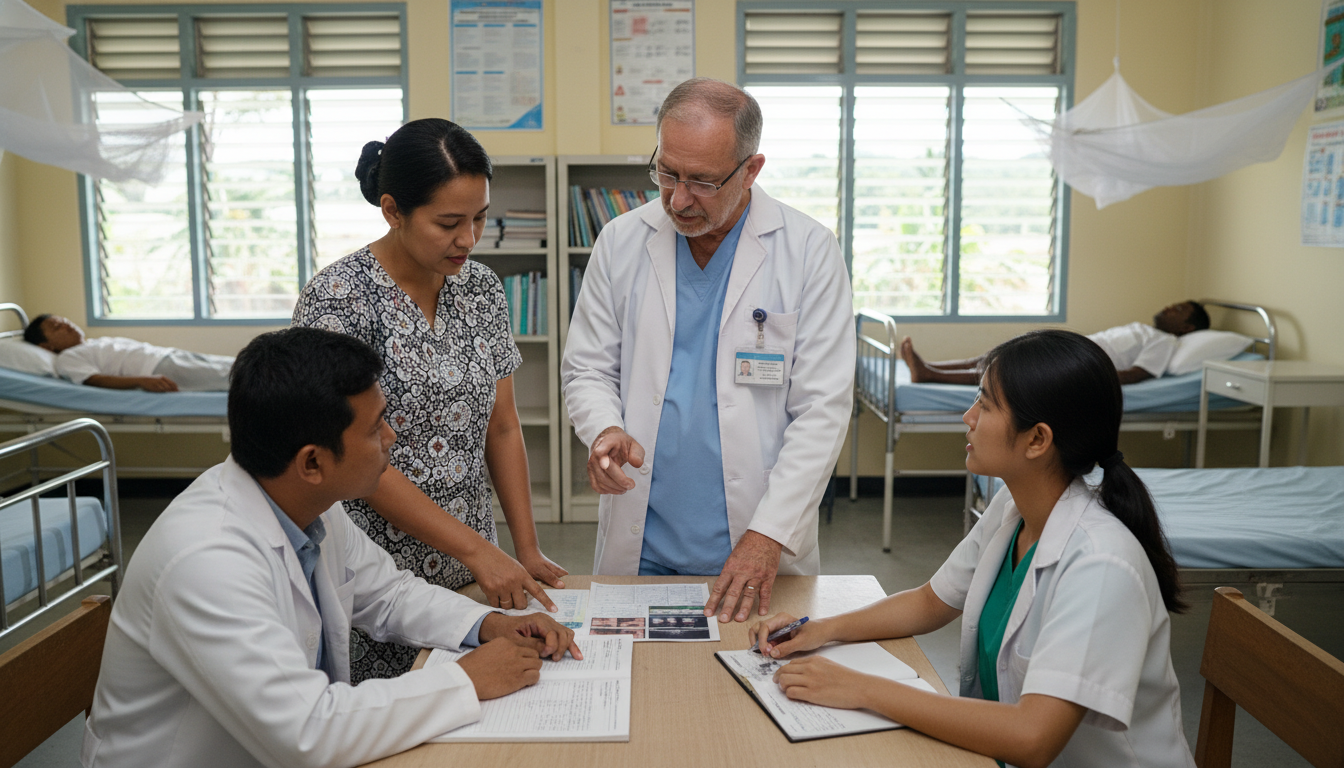
Reflecting, Learning, and Sustaining Impact After the Rotation
Structured Reflection and Debriefing
The learning doesn’t stop when you fly home. To truly excel, you need deliberate reflection.
Within two weeks of returning:
Schedule a debrief with:
- Your home mentor or global health faculty
- Peers who have had similar experiences
Use a structured reflection format:
- What surprised you most clinically?
- What ethical situations challenged you?
- What assumptions about health systems or patients were overturned?
- How did this affect your understanding of inequity, privilege, or power in medicine?
Journaling, small-group debriefs, or narrative medicine workshops can help you process complex emotions—guilt, anger, sadness, or inspiration—and channel them into meaningful growth.
Turning Experience into Action
To avoid the “one-off” feel of short-term global health work:
Stay engaged academically:
- Present a case or reflection at your school’s global health grand rounds.
- Collaborate with your host site on research or quality improvement, ensuring they drive the agenda.
Advocate locally and globally:
- Use your experience to highlight the impact of policy, funding, or structural inequity on patient care.
- Join global health interest groups, advocacy organizations, or policy initiatives.
Plan for continuity:
- If your institution sends learners regularly, contribute to:
- Improving pre-departure training
- Refining rotation objectives
- Creating handover documents for future students
- If your institution sends learners regularly, contribute to:
Excelling means you don’t treat the rotation as a standalone achievement but as part of a sustained, respectful partnership and career trajectory.
Frequently Asked Questions (FAQ)
1. How can I prepare clinically if I don’t know exactly what cases I’ll see?
Focus on high-yield syndromes that are common across many low- and middle-income settings:
- Acute febrile illness, respiratory distress, diarrhea and dehydration, anemia, sepsis, obstetric emergencies, trauma, and basic neonatal care.
Combine standard internal medicine, pediatrics, and OB-GYN review with region-specific disease patterns from WHO/CDC and local guidelines. Prioritize physical exam and clinical reasoning—these skills will translate regardless of the exact case mix.
2. What if I’m asked to do procedures beyond my training?
Your responsibility is to protect patient safety and respect local regulations:
- Be honest: “I haven’t been trained to do this independently in my home institution; could I observe or assist under supervision instead?”
- Offer alternatives: help with preparation, documentation, or follow-up care.
If you feel pressured, discuss the situation privately with your supervisor or your home institution’s global health office. Excelling does not mean saying “yes” to unsafe requests.
3. How can I overcome language barriers during my rotation?
Plan multilayered communication strategies:
- Learn key phrases and medical vocabulary in the local language, even if imperfect.
- Use trained interpreters whenever possible; when not available, work respectfully with bilingual staff or family members while being mindful of confidentiality and accuracy.
- Rely more heavily on non-verbal communication and visual aids (drawings, diagrams, photos of medications).
Confirm understanding by asking patients to teach back instructions in their own words.
4. How do I highlight my global health rotation in residency applications?
Be specific and reflective:
- Use concrete examples of clinical challenges you faced and how you adapted—especially around limited resources, teamwork, and ethical dilemmas.
- Emphasize what you learned from local clinicians and patients, rather than what you “brought” to them.
- Connect the experience to your future goals, such as pursuing a global health residency track, working in underserved communities, or focusing on health systems and policy.
This depth and humility will resonate strongly with program directors seeking applicants committed to thoughtful, equitable international medicine.
By approaching your global health clinical rotation with preparation, humility, and intentional reflection, you can transform it into one of the most formative experiences of your training—strengthening not only your competence in international medicine, but also your capacity to deliver compassionate, context-aware care in any setting.