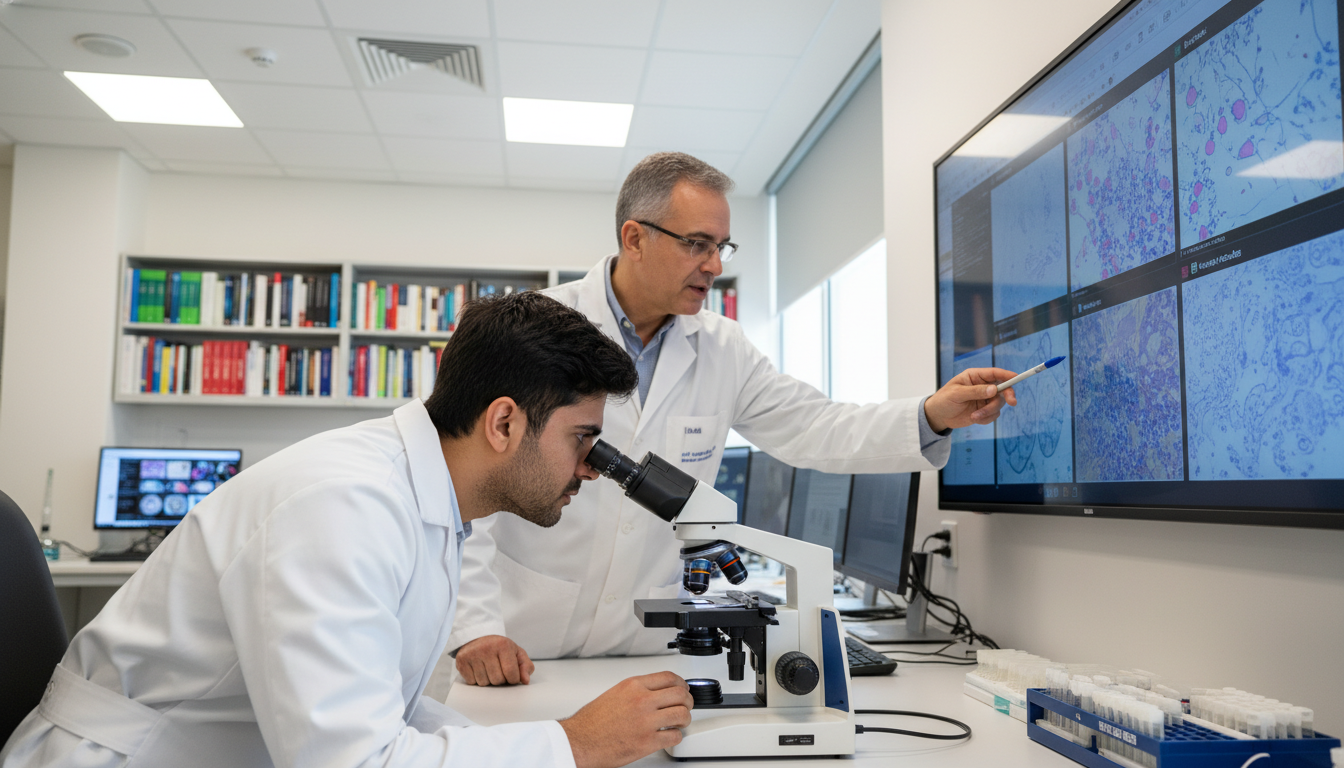
Understanding Pathology Clinical Rotations: What Makes Them Unique?
Pathology clinical rotations are unlike most other clerkships. You won’t be managing medication lists or writing daily notes on inpatients; instead, you’ll be learning to interpret the “language” of disease through tissue, cells, and lab data. For students considering a pathology residency, these rotations are critical for:
- Confirming your interest in pathology
- Earning strong letters for the pathology match
- Building foundational knowledge that will help you be a better clinician in any specialty
- Demonstrating professionalism and curiosity in a non‑traditional clinical environment
Pathology touches nearly every other specialty. A well-structured pathology rotation can improve your diagnostic reasoning on the wards, help you interpret lab results more critically, and make you a more thoughtful physician, whether or not you ultimately choose a pathology residency.
Types of Pathology Rotations You Might Encounter
You may see several formats during third year rotations and fourth year electives:
Core pathology exposure during other clerkships
Brief experiences within surgery, OB/GYN, or internal medicine where you attend tumor boards or visit the pathology lab.Dedicated 2–4 week anatomic pathology (AP) clerkship
Focused on surgical pathology and cytology: grossing, microscopy, sign‑out, frozen sections.Dedicated 2–4 week clinical pathology (CP) or laboratory medicine clerkship
Covers transfusion medicine, hematology, microbiology, chemistry, molecular diagnostics, and lab management.Sub‑internship or audition rotation in pathology
Typically a more advanced elective at a program where you may apply for residency; expectations and scrutiny are higher.
Understanding the structure and expectations for each type will help you prepare and excel.
Preparing Before Your Pathology Rotation Starts
Strong performance in pathology clinical rotations begins well before day one. A bit of focused preparation can dramatically improve your confidence and impact.
Clarify Goals and Expectations Early
Before the rotation:
Read the syllabus or course description
Look for:- Required sessions (sign‑out, conferences, autopsies, call)
- Assessment tools (written exam, presentation, OSCE, professionalism evaluation)
- Dress code (often business casual with a white coat; closed‑toe shoes are essential in the gross room)
Email the rotation coordinator or course director
Ask:- “What time and where should I report on the first day?”
- “Is there a specific dress code for the gross room or autopsy suite?”
- “Will I have access to digital slides or prep materials ahead of time?”
Define your own goals
Examples:- For future pathologists: “Understand the daily workflow of a pathology resident and faculty”
- For non‑pathology applicants: “Become more confident interpreting pathology reports and basic lab results relevant to my intended specialty”
Write these goals down and share them during your initial meeting with your preceptor; it signals maturity and motivation.
High-Yield Pre-Reading and Resources
You do not need to read a full pathology textbook. Focused, high-yield material is more helpful:
Review core pathology concepts from Step 1 or preclinical notes
- Inflammation, neoplasia, basic immunology
- Common malignancies: breast, colon, lung, prostate, hematologic
Use concise, clinically oriented resources:
- Robbins and Cotran Review of Pathology (case-based)
- Pathology flashcards for common entities
- Online modules from professional societies (e.g., CAP, USCAP, ASCP) where available
Brush up on relevant clinical knowledge
- For a surgical pathology-heavy rotation: staging systems (TNM basics), margins, common tumor markers
- For clinical pathology: indications for common tests (CBC, BMP, coagulation panels), interpretation of basic lab abnormalities
Even 3–4 hours of targeted review before starting can make early sign‑out sessions much more comprehensible.
Practical Logistics: Gear and Mindset
Prepare the basics:
- White coat, comfortable closed‑toe shoes (you’ll stand a lot in the gross room)
- A small notebook or pocket notebook app
- Pen and, ideally, a fine‑tip permanent marker (for quick sketches, notes)
- Hospital computer login and EMR/Digital pathology access activated in advance if possible
Mentally, come prepared to:
- Ask questions without fear of “looking dumb”
- Handle potentially graphic or emotionally charged content (e.g., autopsies)
- Work in an environment where your “patients” are often specimens rather than living individuals—yet every slide or lab value still represents a person and a clinical story
Succeeding Day-to-Day on Anatomic Pathology Rotations
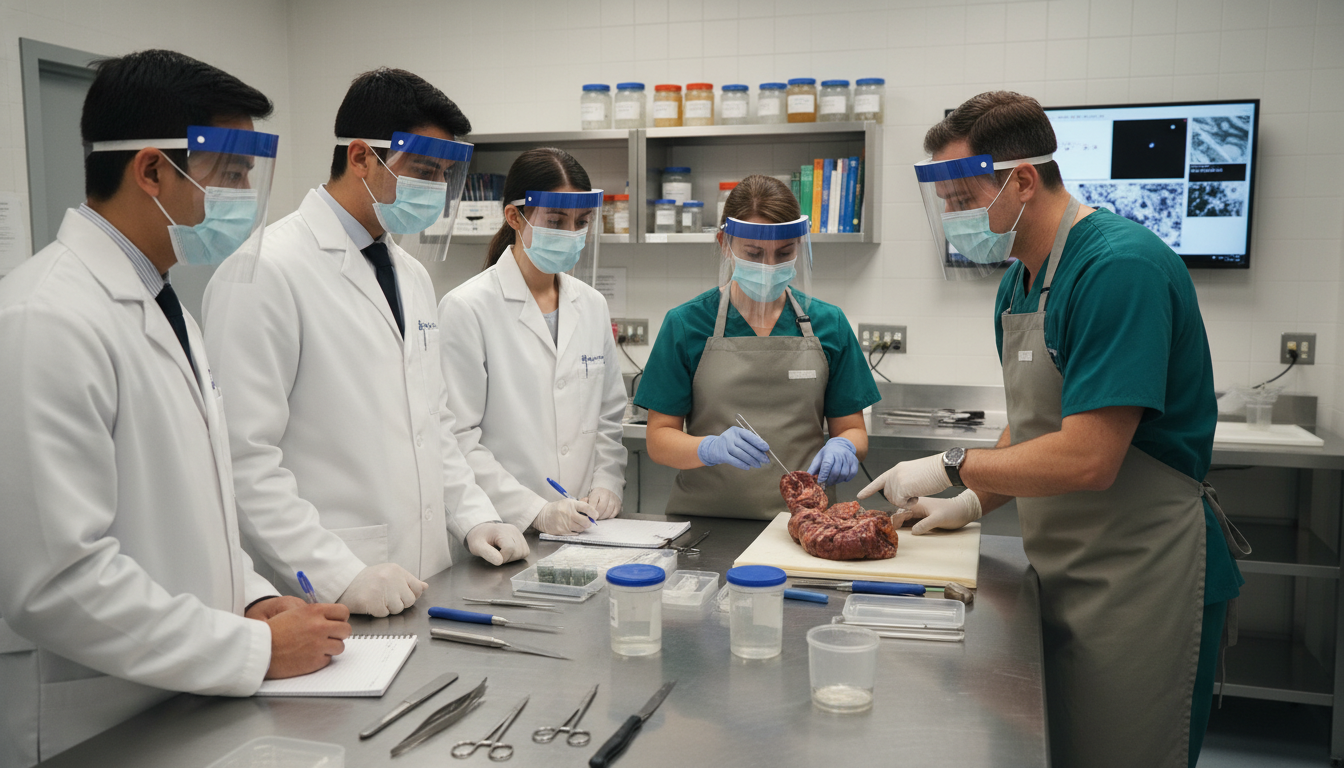
Anatomic pathology (AP) includes surgical pathology, cytology, and often autopsy. These areas are central to many pathology residency programs, and strong performance here can set you apart.
Understanding the Daily Workflow
Most AP days follow a rhythm:
Specimen receipt and grossing
Tissues from the OR or clinics arrive in the gross room. Pathology residents and PAs describe and dissect specimens, selecting representative sections for histology.Slide preparation
Tissues are processed overnight and embedded, cut, and stained by histotechnologists.Microscopic review (sign‑out)
Residents and attendings review slides, correlate with clinical and imaging findings, and finalize reports.Interdisciplinary communication
Pathologists communicate results to surgeons, oncologists, and other clinicians, and present at tumor boards or multidisciplinary conferences.
Your goal is to plug into this workflow in a way that is useful, professional, and educational.
How to Add Value as a Student in Surgical Pathology
Even limited experience can be valuable if you are intentional:
Arrive early and ask how you can help
- Check with the resident: “Is there a case list or schedule for today I can review?”
- Offer to look up the clinical histories for selected cases. Being the “clinical context expert” is an excellent niche for a student.
Own a few cases each day
After approval from your preceptor, you might:- Read the surgical or clinic note
- Look up the clinical question: “Is this lesion benign vs malignant?”, “Is this inflammatory bowel disease flare vs infection?”
- Examine the gross specimen with supervision—learn the key descriptive terms (size, color, texture, margins, relationship to surrounding structures)
- Preview the slides before sign‑out if allowed, making simple notes: “Lesion is well-circumscribed,” “Gland-forming tumor,” “Abundant necrosis,” etc.
Participate actively in sign‑out
During sign‑out:- Sit where you can see the scope and screen
- When appropriate, offer a concise summary:
“This is a 62-year-old man with a 2 cm colon mass in the sigmoid, found on screening colonoscopy. Surgeon is concerned about malignancy; margins and lymph nodes are key.” - Try naming general patterns rather than specific diagnoses at first: “This looks more like an adenocarcinoma pattern than a benign polyp.”
- Ask targeted questions:
- “What features help you distinguish dysplasia from reactive changes here?”
- “How do these histologic findings change the surgeon’s management?”
Learn the “language” of gross and histologic description
Build a personal glossary:- Gross: polypoid, sessile, nodular, ulcerated, indurated, firm, friable
- Microscopic: gland-forming, papillary, solid, infiltrative, atypia, pleomorphism, mitoses
Use these terms in your observations; it shows attention to detail and respect for the discipline.
Making the Most of the Gross Room
The gross room can be intimidating, but it’s a prime environment to impress:
- Always follow safety rules: PPE, sharps safety, specimen handling policies
- Be visibly engaged:
- Ask to see interesting specimens: colectomies, mastectomies, Whipple specimens, organ resections
- Ask the resident: “What are the key things you must document in this specimen for proper staging?”
Example:
You’re observing a colectomy for colon cancer. Ask:
- “How do you determine margin status?”
- “How are lymph nodes searched for and sampled?”
- “Which features impact prognosis beyond tumor size—lymphovascular invasion, perineural invasion, grade?”
Then reinforce the learning later by reading the final report and correlating it with what you saw grossly.
Autopsy: Professionalism and Learning Opportunities
If your rotation includes autopsy:
- Approach with respect and seriousness—this is still direct patient care, honoring both the patient and family.
- Beforehand, read the chart to understand the clinical course and suspected cause of death.
- During the procedure:
- Observe systemic review: heart, lungs, liver, spleen, kidneys, brain if included
- Ask how findings correlate with the patient’s symptoms, imaging, and labs
- Post-autopsy:
- Attend the gross and microscopic sign‑out
- Ask: “What did we learn that was not known clinically?” or “How will this case be communicated to the care team and family?”
A mature, thoughtful attitude during autopsy is often remembered and reflected in evaluations and letters.
Excelling in Clinical Pathology and Lab Medicine Rotations
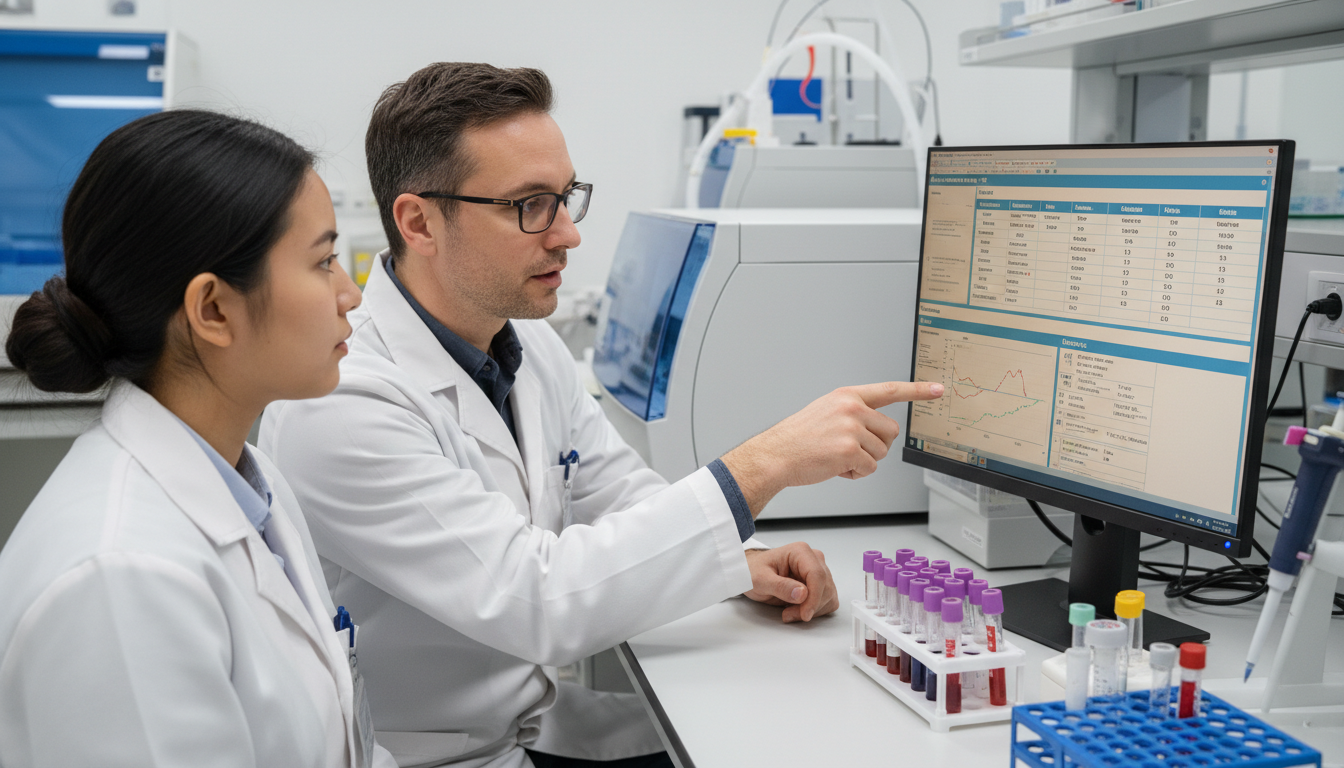
Clinical pathology (CP) or laboratory medicine rotations focus on the interpretation and management of laboratory tests and blood products. This is especially relevant for clerkship success across all third year rotations, as lab interpretation is central to nearly every specialty.
Core Areas of Clinical Pathology
Common CP components include:
- Hematology
- CBC interpretation, peripheral smears, anemia workup, leukemias, coagulopathies
- Transfusion medicine / Blood bank
- Blood typing, crossmatching, transfusion reactions, component therapy
- Clinical chemistry
- Electrolytes, renal and liver panels, cardiac markers, endocrine testing
- Microbiology
- Cultures, Gram stains, susceptibility testing, infection control
- Molecular diagnostics
- PCR, NGS panels, minimal residual disease testing, tumor profiling
How to Stand Out in the Lab
Be the bridge between lab and clinic
When reviewing lab cases:- Pull up the patient’s chart and understand why the test was ordered.
- Ask: “How do these results fit with the patient’s symptoms and medications?”
Ask higher-level questions about test utilization
- “When is D-dimer useful vs misleading?”
- “Which troponin assay do we use here, and how do we interpret small changes?”
- “What are the pitfalls of ordering too many blood cultures or unnecessary thrombophilia panels?”
Participate in consults
Many CP services act as consultants:- Example: Transfusion medicine consult for a patient with complex antibodies.
- Join the resident in calling the clinical team; listen to how they explain risks, options, and recommendations.
Follow a few patients longitudinally
For example, in hematology:- Track the lab values of a newly diagnosed leukemia patient
- Understand how flow cytometry, cytogenetics, and molecular tests refine the diagnosis and guide therapy
Document what you learned and be ready to present a brief “lab‑focused case” at the end of the rotation.
Building Strong Relationships, Professionalism, and Letters of Recommendation
Pathology is a relatively small specialty. Your clinical rotations tips should emphasize not just knowledge, but reputation and interpersonal skills. These are crucial for the pathology match, especially when obtaining letters of recommendation.
Professionalism Expectations in Pathology
Even though you may not be rounding on patients, standard clerkship professionalism applies:
- Punctuality: Arrive early; sign‑out often starts promptly.
- Reliability: If you commit to attending a tumor board or case conference, be there on time.
- Respect: For staff at every level: histotechnologists, PAs, residents, faculty, administrative staff.
- Confidentiality: Don’t discuss identifiable case details outside appropriate settings.
- Appropriate communication: Email faculty professionally; respond promptly to messages.
Because many pathology groups are tight-knit, unprofessional behavior will be noticed quickly—and conversely, consistently strong behavior builds a powerful reputation.
Working Effectively with Residents and Faculty
Residents are often your primary teachers and later your advocates for letters:
Make their job easier:
- Offer to help with chart reviews for complex cases.
- Ask for tasks that are genuinely useful: “Is there a case list I can prep for tomorrow’s sign‑outs?”
Signal your interest in pathology residency honestly:
- If you’re strongly considering pathology, tell your attending and chief resident early.
- If not, be transparent but engaged: “I’m planning on internal medicine, but I want to learn how pathology can make me a better diagnostician.”
Seek feedback:
- Mid-rotation: Ask, “Is there anything I can do differently to get more out of this rotation or contribute better to the team?”
- End of rotation: “What skills should I focus on if I pursue pathology further?”
Securing Strong Letters of Recommendation
If you’re planning to apply to pathology residency, your pathology clinical rotations are prime opportunities for letters:
Identify potential letter writers
- Faculty who have seen you consistently at sign‑out and conferences
- AP or CP attendings impressed by your initiative and curiosity
- The course or clerkship director who can comment on your overall performance
Demonstrate specific desirable traits
Pathology program directors value:- Curiosity about disease mechanisms and clinicopathologic correlation
- Attention to detail
- Professionalism and reliability
- Teamwork and communication skills
- Comfort with microscopic and lab-based work
Shape your behavior around these qualities and make them visible.
- Ask for a strong letter explicitly
Near the end of the rotation, say:- “I’m applying to pathology residency this year. Based on what you’ve seen of my work, would you feel comfortable writing a strong letter of recommendation for me?”
If they hesitate, thank them and consider another writer. Provide:
- Your CV
- A brief summary of your goals and why you’re choosing pathology
- Any specific experiences you shared with them (e.g., presentations, complex cases)
Well-chosen, detailed letters can significantly strengthen your pathology match application.
Turning Your Rotation Experience into Long-Term Success
Whether you ultimately pursue a pathology residency or another field, the habits and insights from your pathology rotation can elevate your performance across all third year rotations and into residency.
For Students Ultimately Choosing Pathology
Use the rotation to:
Clarify your interest in AP vs CP (or both)
Note which settings energize you:- Microscopy and grossing (AP)
- Lab management, test interpretation, transfusion consults (CP)
Identify target programs and mentors
- Ask faculty where they trained and what they valued in their programs.
- Seek advice on away rotations: “Would it help to do a sub‑I at programs I’m especially interested in?”
Build a scholarly profile
Pathology is research-friendly. Ask about:- Case reports from unusual specimens
- Quality improvement projects in the lab
- Retrospective chart reviews highlighting clinicopathologic correlations
These experiences can become posters, publications, and talking points during interviews.
For Students Entering Other Specialties
Pathology clinical rotations can dramatically improve your clerkship success elsewhere:
- Internal medicine/family medicine: Better lab interpretation (CBC trends, liver chemistries, hemolysis labs, inflammatory markers).
- Surgery and surgical subspecialties:
- Understanding margin status, staging, and tumor grading.
- Knowing which pathology questions to ask at tumor board.
- OB/GYN: Interpreting endometrial biopsies, cervical cytology, placental pathology.
- Pediatrics: Awareness of congenital malformations, pediatric malignancies, and key lab markers.
During other third year rotations, reference what you learned in pathology:
- Suggest appropriate tests and explain their limitations.
- Help your teams interpret pathology reports accurately.
- Identify when a result doesn’t “fit” the clinical picture and may need re‑evaluation or additional workup.
Demonstrating this level of diagnostic reasoning and lab literacy will set you apart, regardless of your chosen field.
Reflecting and Documenting Your Learning
Soon after the rotation:
- Write a brief reflection:
- Key lessons learned
- Memorable cases and how they influenced your thinking
- Skills you want to develop further
- Save anonymized teaching material:
- Diagrams or schemas you drew
- Disease algorithms
- Lists of high-yield histologic or lab findings for common conditions
This reflection will help you craft stronger personal statements, answer interview questions, and retain what you learned.
Frequently Asked Questions (FAQ)
1. Do I need a pathology rotation to match into pathology residency?
It is strongly recommended, though not always absolutely mandatory. Program directors want evidence that you understand what pathologists actually do day-to-day and that your interest is based on real exposure. At least one dedicated pathology clerkship (AP or combined AP/CP) plus, ideally, a more advanced elective or sub‑internship will substantially strengthen your pathology match application and give you opportunities for letters.
2. How can I impress attendings if I don’t know much histology yet?
Focus on what you can bring:
- Excellent clinical summaries and understanding of why the specimen or test was ordered
- Thoughtful questions that connect pathology findings to management
- Visible effort to learn the vocabulary of gross and microscopic description
- Reliability, punctuality, and professionalism
Faculty know you are a learner, not a mini-pathologist. They are more impressed by curiosity and growth than by perfect knowledge.
3. Will excelling in pathology help me if I’m going into another specialty?
Yes. Pathology underpins diagnostic reasoning across medicine. Understanding how tissue diagnoses are made, what lab tests can and cannot tell you, and how to critically interpret reports and panels will improve your patient care in internal medicine, surgery, OB/GYN, pediatrics, and beyond. Many students find that their pathology experience is one of the most versatile tools for clerkship success and later practice.
4. How many pathology letters of recommendation should I have if I’m applying to pathology residency?
Aim for 2–3 letters with at least 1–2 from pathologists who know you well from rotations or research. A balanced set might include:
- One letter from a pathology clerkship or elective director
- One from a pathology faculty member or mentor who supervised your research or projects
- One from a non‑pathology clinical supervisor who can vouch for your bedside manner, teamwork, and clinical reasoning
Together, they provide a complete picture of your suitability for a pathology residency and your broader clinical skills.
By approaching your pathology clinical rotations with preparation, curiosity, and professionalism, you not only position yourself for success in the pathology match, but also build diagnostic skills that will strengthen your performance in every other clerkship and throughout your career.