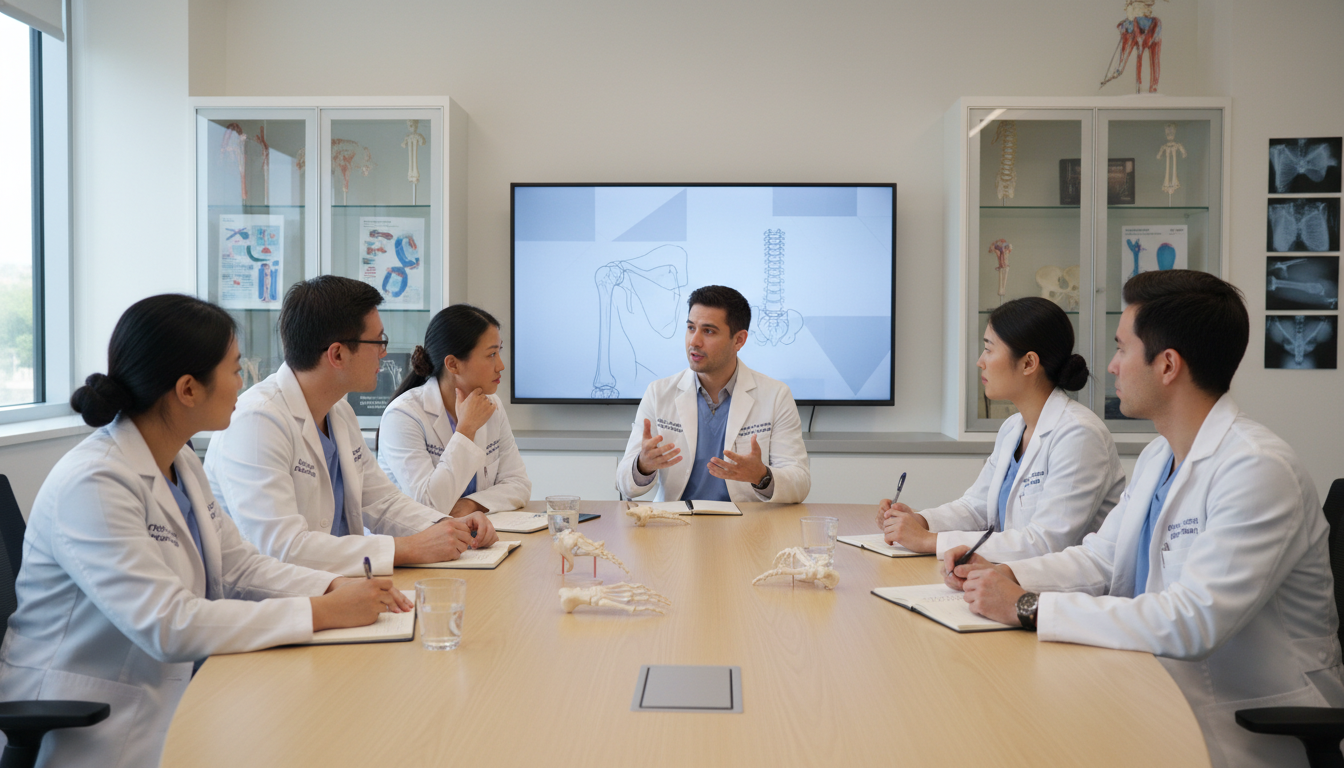
Understanding Medical Shadowing in Medical Genetics
Medical shadowing in medical genetics is one of the most effective ways to explore this increasingly important specialty and strengthen your residency application. Whether you are still confirming your interest in a medical genetics residency or strategically building your profile for the genetics match, a thoughtful, well-structured shadowing experience can be a powerful asset.
Unlike more procedure-heavy specialties, medical genetics is intellectually demanding, counseling-intensive, and often longitudinal. Shadowing lets you see how geneticists think, communicate complex risk information, and coordinate care across multiple specialties. It also offers a window into fast-evolving areas like genomic medicine, cancer genetics, and pharmacogenomics.
In this guide, you’ll learn:
- What medical genetics shadowing looks like in different settings
- How to find shadowing opportunities (even if your school doesn’t have a genetics department)
- How many shadowing hours you realistically need and how to document them
- How to turn shadowing into strong letters of recommendation and compelling residency application content
Throughout, the focus is on medical genetics specifically—not generic shadowing advice—so you can align your experiences with the expectations of the genetics match and future program directors.
What Makes Medical Genetics Shadowing Unique?
Medical genetics is unlike most core clerkships you encounter as a medical student. When you shadow a clinical geneticist, you are often stepping into an interdisciplinary, evidence-heavy, counseling-centered practice.
Core Activities You’ll Observe
During a typical medical genetics shadowing experience, you may see:
Comprehensive history taking:
- Three-generation family histories
- Detailed prenatal, perinatal, and developmental histories (in pediatrics)
- Personal history of malignancies, previous genetic tests, and reproductive history (in cancer and adult genetics)
Construction and interpretation of pedigrees:
- Translating a verbal family history into a graphic pedigree
- Identifying inheritance patterns (autosomal dominant, autosomal recessive, X-linked, mitochondrial, multifactorial)
Physical examination for dysmorphology:
- Head-to-toe assessment for subtle facial features, limb differences, or skin findings
- Precise anthropometrics and growth chart analysis
- Correlating exam findings with suspected syndromes
Genetic test selection and interpretation:
- Choosing between microarray, gene panels, whole exome/genome sequencing, or single-gene tests
- Understanding concepts like variants of uncertain significance (VUS), penetrance, and expressivity
- Reviewing test reports and integrating them into clinical decisions
Genetic counseling components:
- Risk communication (recurrence risk, carrier status, reproductive options)
- Informed consent for testing, including discussion of limitations, incidental findings, and psychosocial impact
- Supportive counseling, especially around serious or life-limiting diagnoses
Interdisciplinary collaboration:
- Working with neurologists, oncologists, cardiologists, obstetricians, neonatologists, and primary care
- Participating in tumor boards, fetal care conferences, or multidisciplinary genetics clinics
Clinical Settings You Might Shadow In
Shadowing in medical genetics can occur in several clinical environments:
Pediatric Genetics Clinic
- Common for students interested in combined Pediatrics–Medical Genetics pathways
- You’ll see children with congenital anomalies, developmental delays, metabolic conditions, and suspected syndromes
- Emphasis on developmental history, growth, and family planning for parents
Adult or General Genetics Clinic
- Focus on adult-onset disorders, neurogenetic conditions, cardiogenetics, and undiagnosed multisystem diseases
- You’ll see complex cases where genetics reshapes management and guides screening for family members
Cancer Genetics Clinic
- High-yield for understanding hereditary cancer syndromes (e.g., BRCA1/2, Lynch syndrome)
- Emphasis on risk assessment, cascade testing, and integration with oncology care
Prenatal/Fetal Genetics and Maternal-Fetal Medicine
- Exposure to genetic screening, diagnostic testing, and counseling in pregnancy
- Important for understanding how genetics integrates with obstetrics and reproductive decision-making
Inpatient Consults and NICU/PICU Settings
- You may follow consults for newborns or critically ill children with suspected genetic or metabolic conditions
- You’ll see how urgent genetic questions impact acute management and prognosis
Seeing multiple settings—even briefly—will give you a more complete, nuanced picture of the specialty and help you speak credibly about why you’re interested in a medical genetics residency.

How to Find Medical Genetics Shadowing Opportunities
A common concern among students is how to find shadowing in such a niche specialty. Many schools have limited formal rotations in medical genetics, and some have no dedicated department. With a strategic approach, you can still build meaningful medical genetics shadowing experience.
Step 1: Start with Your Own Institution
Even if you think your institution is “light” on genetics, begin here:
Search your institution’s website for:
- “Medical genetics”
- “Genomic medicine”
- “Cancer genetics” or “hereditary cancer clinic”
- “Prenatal diagnosis” or “fetal care center”
- “Metabolic genetics” or “inborn errors of metabolism”
Identify key people:
- Clinical geneticists (MD, DO, or MD/PhD)
- Genetic counselors (CGC credentialed)
- Molecular pathologists or lab directors with clinical roles
Contact them professionally:
- Use a concise email:
- Brief introduction (year in training, home institution, interests)
- Clear ask (“I’m seeking medical shadowing experience in medical genetics and would be grateful for the opportunity to observe clinic or participate in academic activities.”)
- Demonstrate preparation (“I’ve completed basic genetics coursework and am particularly interested in pediatric/cancer/adult genetics.”)
- Use a concise email:
Many genetics services are used to hosting residents and fellows but may not have an established process for medical student shadowing. A polite, clear request often opens doors.
Step 2: Leverage Your School’s Advising Infrastructure
Talk to your dean’s office or clinical education office:
- Ask explicitly about “how to find shadowing” in medical genetics
- Ask whether your school has formal affiliates with a nearby children’s hospital, cancer center, or academic center with a genetics program
Seek a genetics mentor:
- If your school has a physician who orders a lot of genetic tests (e.g., neurologist, oncologist, cardiologist), ask if they can connect you to their consulting geneticist or genetics team
Use specialty interest groups:
- Genetics/genomics, pediatrics, internal medicine, oncology, and OB/GYN interest groups often host genetics speakers
- Attend talks and approach speakers afterward about shadowing
Step 3: Explore External and Remote Opportunities
If local options are limited, expand your reach:
Regional academic medical centers:
- Look for institutions in your state or region with medical genetics fellowships or clinical genetics services
- Ask about short-term observerships or structured medical shadowing
Telehealth shadowing:
- Many genetics clinics conduct virtual visits. Some will allow trainees to observe via HIPAA-compliant platforms.
- These experiences can be highly educational—watching how risk is communicated and how virtual exams are adapted.
Summer or elective rotations:
- Use elective time in MS3/MS4 to do a visiting rotation in medical genetics at a program you might later rank in the genetics match
- Even 2–4 weeks can generate robust clinical exposure and strong letters
Professional organizations and networks:
- ACMG (American College of Medical Genetics and Genomics): Browse member directories or trainee resources for contact points
- NSGC (National Society of Genetic Counselors): May offer student outreach and occasionally shadowing coordination
- Look for “student day” or open house events at major genetics meetings
Step 4: Be Flexible about What Counts as “Genetics Exposure”
While your goal is clinical medical genetics shadowing, it’s wise to broaden your concept of “genetics exposure”:
- Shadow in oncology clinics with a strong hereditary cancer focus
- Observe MFM providers during counseling for abnormal prenatal screening
- Join a neurology or cardiology clinic that heavily uses genetic testing and consults genetics regularly
These experiences may not replace formal medical genetics shadowing, but they complement it and demonstrate authentic, longitudinal interest in genomics in medicine.
Shadowing Hours Needed and How to Structure Your Experience
There is no official rule on exact shadowing hours needed for a medical genetics residency application. However, thoughtful planning can help you achieve meaningful experience and present it convincingly.
How Many Shadowing Hours Are Enough?
Consider these general benchmarks (not rigid rules):
Absolute minimum exposure:
- 8–16 hours (1–2 full clinic days)
- Enough to confirm interest, gain a basic understanding, and speak about the specialty
More competitive, well-informed exposure:
- 20–40 hours of direct medical shadowing in medical genetics
- Ideally spread across different clinic types (e.g., half pediatric, half cancer or adult genetics)
Deep engagement / strong signal of commitment:
- 40+ hours, especially if combined with:
- A genetics-focused research or QI project
- Recurrent attendance at genetics case conferences or journal clubs
- Longitudinal mentorship with one or more geneticists
- 40+ hours, especially if combined with:
When discussing your experiences on your application or in interviews, emphasize quality and depth over raw numbers. Program directors care far more about what you learned and how the experience shaped your goals than the precise count of hours.
Structuring Your Shadowing for Maximum Value
To keep shadowing from becoming passive observation, plan it like a mini-rotation:
Clarify your goals before you start:
- Understand common conditions seen in that clinic
- Aim to learn specific skills: pedigree construction, test selection reasoning, communicating risk
Ask for a structured schedule:
- Example (over 3–5 days):
- Day 1: Pediatric genetics clinic, focus on history and physical exam
- Day 2: Cancer genetics, focus on risk assessment and counseling
- Day 3: Inpatient consults, focus on diagnostic reasoning and urgent genetics questions
- Optional: Genetics case conference, tumor board, or journal club
- Example (over 3–5 days):
Be proactive but respectful:
- Offer to help with:
- Drawing basic pedigrees
- Gathering preliminary history before the attending enters
- Looking up genetic conditions or testing options between patients
- Always defer to clinic workflow and patient comfort
- Offer to help with:
Debrief with your preceptor:
- Ask for 10–15 minutes at the end of a session to discuss:
- How they reasoned through a complex case
- Why they chose one test over another
- Ethical or psychosocial considerations that influenced decisions
- Ask for 10–15 minutes at the end of a session to discuss:
Take detailed notes (without PHI):
- Summarize each day:
- Case types seen
- New tools or resources learned
- Questions you still have
- These notes will be invaluable when writing your personal statement or preparing for interviews.
- Summarize each day:
Documenting Your Shadowing Hours
When it comes time to apply, you’ll want to clearly and accurately represent your shadowing:
Keep a personal log including:
- Dates, location, supervising physician
- Approximate hours per day
- Type of clinic or setting (pediatric, adult, cancer, prenatal, inpatient consults)
Translate your log into application entries:
- Combine related experiences into a single entry if appropriate (e.g., “Medical Genetics Shadowing and Clinical Exposure – 32 hours across pediatric, adult, and cancer genetics clinics”)
- Focus on impact:
- “Observed construction of three-generation pedigrees and interpretation of genomic panel testing…”
- “Gained experience in counseling principles, including communicating recurrence risk and test limitations…”
This level of detail reassures programs that your “experience in genetics” is substantial and clinically grounded, not just a general interest in science.

Turning Shadowing into a Strong Medical Genetics Application
Shadowing alone doesn’t guarantee a successful genetics match, but how you use the experience can significantly strengthen your application.
Building Relationships for Letters of Recommendation
One of the most valuable outcomes of shadowing is the opportunity to earn a strong, personalized letter of recommendation:
Show up consistently and prepared:
- Read about common syndromes or topics before each clinic
- Review notes from prior sessions and ask follow-up questions
Demonstrate genuine curiosity and professionalism:
- Ask thoughtful, case-based questions
- Respect patient time and privacy
- Arrive early and stay engaged between patients
Signal your long-term interest in medical genetics residency:
- Share your career goals and ask for advice on preparing for a genetics match
- Ask whether there are research projects, QI initiatives, or educational efforts you can join
Ask for a letter strategically:
- Once you have several meaningful days or weeks of shadowing and some concrete contributions:
- “I’ve really appreciated learning from you and observing your practice. I’m planning to apply to a medical genetics residency. Would you feel comfortable writing a strong letter of recommendation on my behalf?”
- Once you have several meaningful days or weeks of shadowing and some concrete contributions:
Program directors value letters from geneticists because they speak directly to your fit with the specialty’s cognitive and interpersonal demands.
Showcasing Your Experience in Personal Statements and Interviews
Use your shadowing experiences to tell a focused, compelling story:
In your personal statement:
Describe 1–2 illustrative encounters (de-identified) that:
- Highlight complex diagnostic reasoning or use of genomic testing
- Show your appreciation for patient-centered counseling around difficult diagnoses
- Demonstrate the interdisciplinary nature of genetics (e.g., collaboration between oncology and genetics)
Connect these experiences to:
- Why you chose a medical genetics residency over other specialties
- How you envision your future role (e.g., clinician-educator, physician-scientist, cancer geneticist, pediatric geneticist)
In interviews:
Be prepared to answer:
- “What did you learn from your medical shadowing experience in genetics?”
- “How has shadowing shaped your understanding of the field?”
- “Can you share a case that solidified your interest in medical genetics?”
Focus on:
- Concrete observations (communication style, ethical dilemmas, diagnostic challenges)
- Your reflections (how you processed what you saw, what excited or challenged you)
- Skills you hope to develop in residency (pedigree analysis, test selection, research in genomics)
Connecting Shadowing to Research and Scholarship
Medical genetics is deeply research-oriented. Use your shadowing contacts to:
Identify research questions:
- Unusual presentations of common conditions
- Implementation challenges in genomic testing
- Health disparities in access to genetic services
Seek project opportunities:
- Case reports or small case series from unusual or educational cases
- Quality improvement projects in genetic testing workflows
- Educational tools for patients (e.g., decision aids) or trainees
Present your work:
- Local or regional meetings
- Genetics conferences (e.g., ACMG)
- Poster sessions during residency interviews or student research days
Linking clinical shadowing with scholarly output signals that you understand both the practical and academic sides of a medical genetics residency.
Practical Tips for a Successful Medical Genetics Shadowing Experience
Here are concrete, actionable recommendations to optimize your shadowing:
Before You Start
Review core genetics concepts:
- Mendelian inheritance, penetrance, expressivity
- Types of genetic tests (microarray, targeted sequencing, exome/genome)
- Basic risk calculation and recurrence risk concepts
Prepare a short introduction for patients:
- “Hello, I’m [Name], a medical student working with Dr. [Geneticist]. I’m here to observe and learn today. Is it okay if I stay during your visit?”
- Always respect if patients prefer not to have trainees present.
Clarify expectations with your preceptor:
- Dress code, start/end times
- Policies on note-taking, chart access, and participation in the visit
During Shadowing
Observe communication style closely:
- How are complex genetic concepts explained in accessible terms?
- What language is used to discuss risk, uncertainty, and prognosis?
- How are cultural, religious, or psychosocial factors incorporated into counseling?
Study the non-verbal aspects:
- How does the geneticist respond to emotional reactions (shock, grief, guilt)?
- How is time allocated between data-gathering and counseling?
- How do they involve family members (parents, partners, siblings)?
Ask targeted questions between patients:
- “What were you thinking when you chose that test?”
- “If the result comes back as a VUS, how will that change your counseling?”
- “How do you handle disagreement between patients’ preferences and guideline-based recommendations?”
After Shadowing Sessions
Reflect in writing:
- One paragraph per day on:
- A case that stood out
- A specific communication challenge you noticed
- Something that surprised you about the role of the geneticist
- One paragraph per day on:
Consolidate learning:
- Look up conditions or tests mentioned in clinic
- Review guidelines (e.g., ACMG/NSGC statements on specific testing scenarios)
Stay in touch with mentors:
- Send a brief thank-you email summarizing what you learned
- Update them as your career plans evolve; these relationships often lead to future collaborations or letters.
FAQs: Medical Shadowing in Medical Genetics
1. How many shadowing hours are needed to be competitive for a medical genetics residency?
There is no fixed requirement, but aiming for 20–40 hours of direct medical shadowing in medical genetics is a good benchmark. Focus on variety (pediatric, adult, cancer, prenatal) and depth of reflection. More important than the exact number is your ability to articulate what you learned, how it confirmed your interest, and how it prepared you for a medical genetics residency.
2. What if my school doesn’t have a medical genetics department? How can I still get exposure?
You can still build meaningful exposure by:
- Reaching out to regional academic centers or children’s hospitals with genetics services
- Asking oncology, MFM, neurology, or cardiology attendings to connect you with their genetics colleagues
- Exploring telehealth shadowing options where you can observe virtual genetic counseling sessions
- Using elective time or summers for visiting rotations in medical genetics at institutions you might later rank in the genetics match
Document these experiences clearly and emphasize how they relate specifically to medical genetics.
3. Does research in genetics substitute for clinical shadowing?
Research and shadowing are complementary but not interchangeable. Genetics research (basic, translational, or clinical) strongly supports your application, but programs still want to know you understand the day-to-day clinical reality of the specialty. Ideally, pair research experience with at least several days of structured medical genetics shadowing so you can speak to both the science and the patient-care aspects.
4. How can I talk about my shadowing experience effectively in my application and interviews?
Be specific and reflective:
- Describe concrete cases or situations (de-identified) that illustrate what you observed
- Highlight skills and insights you gained: interpreting test reports, communicating uncertainty, working in multidisciplinary teams
- Connect your experiences to why you are pursuing a medical genetics residency and how you see yourself contributing to the field (e.g., clinical practice, education, research, policy)
Avoid generic statements; instead, use your notes and reflections to demonstrate nuanced understanding of the specialty.
Thoughtful, intentional medical shadowing in medical genetics can transform your interest into a clear, compelling residency application narrative. By approaching your experiences with curiosity, professionalism, and reflection, you’ll not only be better prepared for the genetics match—you’ll also be much more certain that this is the right path for you.