Understanding the COMLEX Exams as an IMG
For an international medical graduate (IMG), preparing for the COMLEX series—Level 1, Level 2-CE, and Level 3—requires a strategic, targeted approach. These DO board exams are not just another licensing hurdle; they test a uniquely osteopathic framework that may be entirely new if you trained in an allopathic or non‑US system.
The COMLEX (Comprehensive Osteopathic Medical Licensing Examination) is administered by the NBOME and is required for osteopathic (DO) licensure in the United States. If you are an IMG entering or planning to enter a DO residency, pursuing a DO–IMG pathway, or considering dual application strategies, you must understand these exams as thoroughly as US DO students do.
Key Differences from USMLE That Matter for IMGs
Even if you already know the USMLE system, there are important distinctions:
Osteopathic Emphasis
- COMLEX includes Osteopathic Principles and Practice (OPP) and osteopathic manipulative medicine (OMM/OMT).
- Questions often integrate osteopathic diagnosis and treatment options alongside standard medical care.
Question Style and Interface
- Traditionally more “wordy” items and sometimes less polished than USMLE-style questions.
- More frequent use of multi-step clinical reasoning in Level 2-CE and Level 3.
- No standalone OMM “section”—OPP is woven into multiple disciplines.
Blueprint and Content Balance
- Heavy emphasis on patient safety, health promotion, and clinical decision-making.
- Systems-based organization, but OPP overlays all domains.
Scoring and Passing
- Each level has its own passing standard (updated periodically by NBOME).
- For residency and licensure, what matters is:
- Passing all levels
- Competitive scores for your chosen specialty (if you’re early in training)
As an IMG, your primary challenge is adapting existing knowledge to a new framework:
- US-style MCQ exams
- Osteopathic philosophy and terminology
- US standards of care and communication
The rest of this IMG residency guide focuses on stepwise, practical COMLEX preparation strategies for each level, with special attention to challenges IMGs commonly face.
Foundations of a High-Yield COMLEX Study Strategy
Before breaking down Level 1, Level 2-CE, and Level 3, build a strong, unified preparation framework.
1. Clarify Your Timeline and Constraints
Common IMG scenarios:
- You are already in a DO program (e.g., transfer/advanced standing)
- You must align COMLEX study with school coursework and required OPP labs.
- You are an international DO or dual-degree student
- You may be balancing USMLE, COMLEX, and possibly home-country exams.
- You are an MD IMG working with a DO residency or license requirement
- Rare but growing scenarios where OPP familiarity is needed to work in DO-focused systems or to stand out in DO-leaning programs.
Create a 6–12 month roadmap:
- Level 1: 4–8 months of low- to moderate-intensity prep; 6–10 weeks dedicated.
- Level 2-CE: 3–6 months parallel with clinical rotations; 4–8 weeks consolidated review.
- Level 3: 1–3 months focused prep; usually later PGY-1 or early PGY-2.
Align each level with:
- Availability of US clinical exposure
- Other board exams (USMLE Steps)
- Residency application cycles
2. Understand the COMLEX Blueprint
NBOME publishes detailed blueprints—download and review them early. Note:
- Domains (e.g., Osteopathic Principles, Diagnosis, Management)
- Clinical presentations by body system
- Cognitive levels (Knowledge, Application, Higher-Order)
Use the blueprint as a checklist:
- Map your resources and question banks to each domain.
- Track which systems and OPP topics you’ve fully covered.
3. Build in OPP/OMM from Day One
For an IMG, OPP can feel like an extra subject. Treat it instead as a core overlay:
Learn basic osteopathic philosophy:
- The body is a unit: person is body, mind, and spirit.
- The body is capable of self-regulation, self-healing.
- Structure and function are interrelated.
- Rational treatment is based on these principles.
Learn core OMM techniques and naming conventions:
- Somatic dysfunction diagnosis (TART: tissue texture, asymmetry, restriction, tenderness)
- Naming of spinal segments (e.g., “T8 FRSR” – flexed, rotated and sidebent right)
- High-yield techniques (HVLA, ME, counterstrain, FPR, BLT, lymphatic techniques)
Integrate OPP with systems:
- Pulmonary: rib raising, lymphatic pump, thoracic inlet release
- Cardiovascular: rib dysfunctions in chest pain, autonomics (sympathetic vs parasympathetic)
- GI: thoracolumbar and sacral autonomics, mesenteric release
Make OPP a daily 10–15 minute habit, not a last-week crash topic.
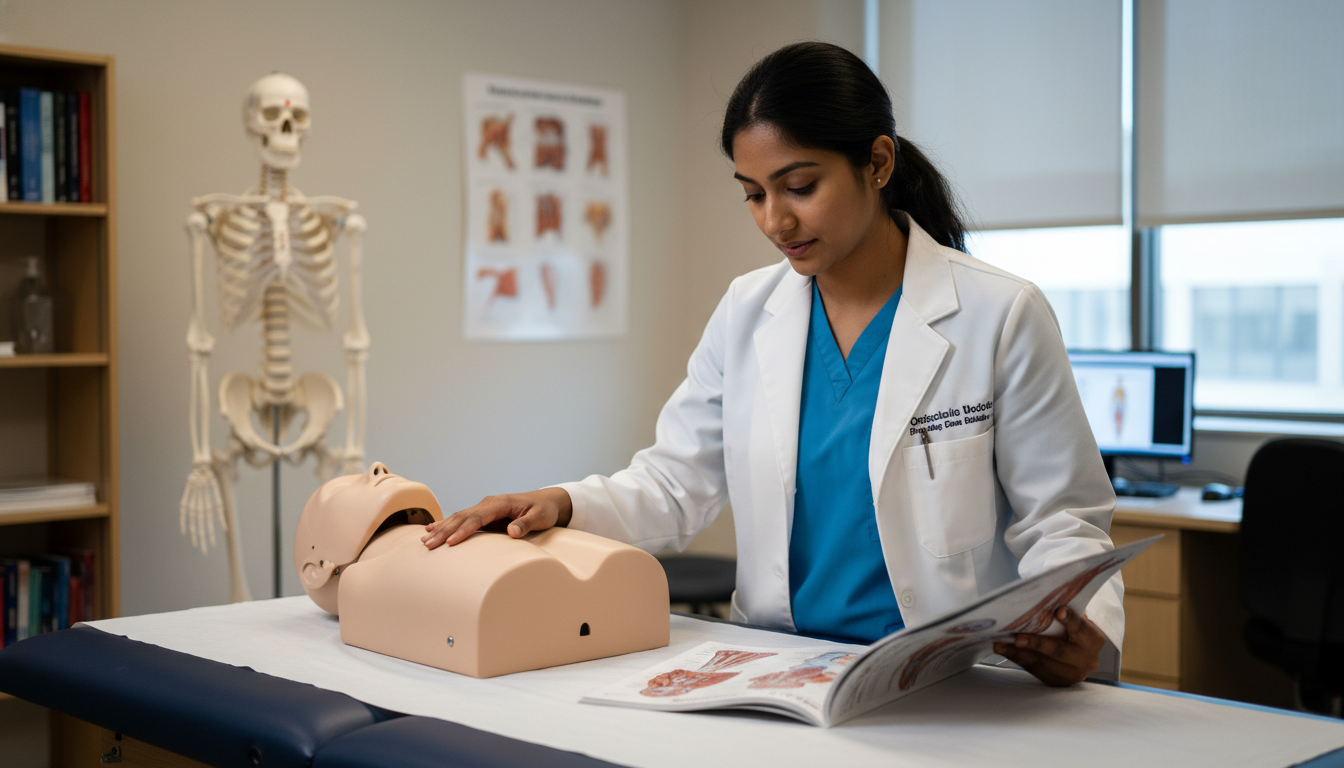
COMLEX Level 1 Preparation for IMGs: Building the Foundation
COMLEX Level 1 focuses on basic biomedical sciences, OPP, and their clinical application. As an IMG, your basic science knowledge may be strong, but the challenge is translation into US-style, integrated, and osteopathic-focused exam questions.
Core Content Areas for Level 1
- Anatomy, Embryology, Histology
- Physiology
- Biochemistry and Molecular Biology
- Microbiology and Immunology
- Pathology
- Pharmacology
- OPP (including autonomics, viscerosomatic reflexes, somatic dysfunction)
Step-by-Step Study Strategy
1. Start with a Baseline Assessment
- Take a COMSAE (official NBOME self-assessment) or a good-quality COMLEX-style diagnostic exam.
- Identify:
- Weak basic science disciplines
- OPP knowledge gaps
- Test-taking issues (timing, fatigue, misreading stems)
For IMGs, US-based pathophysiology and pharm may differ slightly from home curricula; your baseline will reveal where alignment is needed.
2. Choose Focused, COMLEX-Oriented Resources
Aim for depth over quantity. Suggested structure:
Core Text/Video
- Use your existing USMLE-style resource (e.g., Boards & Beyond, Pathoma, high-yield pharmacology videos) plus
- A COMLEX- or DO-specific supplement (e.g., dedicated OPP/OMM review book or DO-targeted integrated review).
Question Banks
- At least one COMLEX-specific QBANK for Level 1.
- Optionally supplement with USMLE-style questions for basic sciences, but ensure you still practice OPP questions consistently.
OPP Resource
- OMM review text focusing on:
- Autonomic innervations by organ/system
- Lymphatic techniques and indications
- Muscle energy, HVLA, counterstrain principles
- Sacral/pelvic/spinal dysfunction diagnosis patterns
- OMM review text focusing on:
3. Use a Systems-Based Study Schedule
Instead of studying by discipline (e.g., entire pharmacology), use organ systems:
Example 6–8 week organ-system loop:
- Week 1–2: Cardio + Respiratory + OPP for chest and upper thoracic
- Week 3–4: GI + Renal + OPP for abdomen and pelvis
- Week 5–6: Neuro + Musculoskeletal + OPP spinal and cranial
- Week 7–8: Endocrine + Reproductive + OPP sacrum/pelvis + Catch-up
Each system:
- 2–3 days content review (video or condensed notes)
- Daily 40–80 COMLEX-style questions with detailed review
- 10–15 minutes OPP integration related to that system
4. Master High-Yield OPP Essentials
For Level 1, prioritize:
Autonomics:
- Sympathetic and parasympathetic levels for major organs.
- Typical viscerosomatic reflex levels (e.g., T1–4 heart/lungs, T5–9 upper GI, T10–L2 lower GI/GU).
Somatic Dysfunction Naming:
- Fryette’s principles (Type I and II dysfunctions).
- How to interpret osteopathic exam findings into a named lesion.
Lymphatics and Chapman's Points:
- Basic lymphatic techniques (thoracic pump, pedal pump, effleurage).
- Recognize the most frequently tested Chapman’s reflex points (breast, colon, prostate, appendix).
As an IMG, these are usually completely new concepts—plan explicit study blocks for them.
5. Dedicated Period: Simulate the Real Exam
During your final 4–6 weeks:
Daily regimen
- 2 timed blocks (40–44 questions each) in COMLEX format.
- Focused review of each block, making flashcards or summary tables for weak points.
- 30–60 minutes OPP/OMM every day.
Weekly
- Full-length practice exam (COMSAE or similar).
- Review your errors in detail—why you missed them, not just what the right answer is.
6. Common IMG Pitfalls to Avoid on Level 1
- Ignoring OPP until the last minute.
- Over-focusing on memorizing minutiae instead of integrating physiology, pathology, and pharm.
- Not adapting to longer question stems and sometimes non-USMLE-like wording.
- Underestimating the mental fatigue of the exam day—practice full-length tests.
COMLEX Level 2-CE: Clinical Integration for IMGs
COMLEX Level 2-CE (Cognitive Evaluation) emphasizes clinical knowledge, patient care, and decision-making—often more aligned with what IMGs see in rotations or internship. However, it demands:
- US-style clinical judgment
- Patient safety and ethics
- Continued integration of OPP into patient management
Key Content Areas
- Diagnosis and management of common and emergent conditions
- Preventive care and health promotion
- Interpretation of labs, imaging, and clinical data
- OPP integrated into patient care (e.g., pain management, post-op care)
Strategic Approach for IMGs
1. Leverage Your Clinical Experience—but Recalibrate to US Standards
Many IMGs have robust hands-on experience. However:
- Guidelines may differ (e.g., US hypertension thresholds, breast cancer screening intervals).
- Documentation and communication styles vary.
- Patient autonomy and shared decision-making may be more heavily emphasized in US settings.
Use US-based resources (e.g., guidelines summaries, clinical case books) to translate your existing knowledge into US norms.
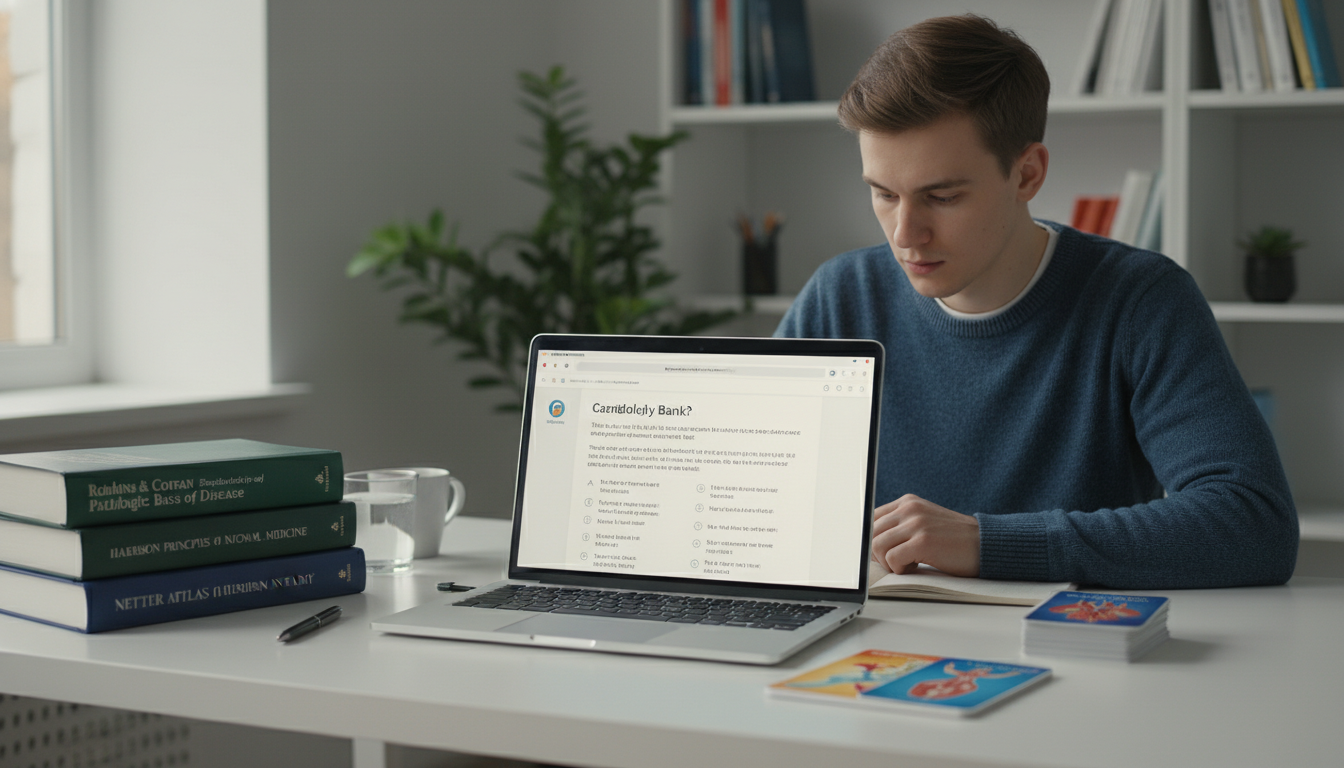
2. Build a Question-First Study Plan
For Level 2-CE, your main engine should be clinical question banks:
- Start early: 3–6 months prior to the exam.
- Aim for:
- 60–80 questions per day on average during dedicated study.
- Full timed blocks to simulate exam conditions.
Focus on:
- Reading the entire question stem carefully.
- Identifying the actual clinical question (diagnosis? next step? most appropriate test?).
- Linking OPP where applicable (e.g., which OMM technique is best in this scenario? when is OMT contraindicated?).
3. OPP in a Clinical Context
OPP questions at Level 2 are more applied:
- Post-operative ileus management with lymphatic techniques.
- Using rib raising or soft tissue techniques in ICU or respiratory distress contexts.
- Contraindications to certain OMT techniques (e.g., HVLA in osteoporosis, bone metastasis, severe RA of the cervical spine).
As an IMG, make a two-column chart for each major condition:
- Column 1: Standard allopathic management (tests, drugs, procedures).
- Column 2: Adjunctive osteopathic manipulative approaches (indications, techniques, contraindications).
This dual framework is central to DO board exams and will also help in DO residencies.
4. Organize Around Chief Complaints
Instead of only organ systems, prepare by common presentations:
- Chest pain
- Shortness of breath
- Abdominal pain
- Headache
- Back pain
- Altered mental status
- Fever
- Trauma
For each complaint:
- List urgent life-threatening causes and their key features.
- Outline initial workup and most important “next best step” decisions.
- Add relevant OPP considerations (e.g., thoracic or rib dysfunction in chest or back pain).
5. Timed Practice and Clinical Reasoning
To succeed on COMLEX Level 2-CE:
- Practice full 8–9 hour exam days at least twice.
- Train your brain to:
- Prioritize life-threatening diagnoses.
- Recognize “most appropriate next step” vs. “all possible correct steps.”
- Integrate ethics and communication (e.g., dealing with non-compliance, consent, cultural issues—particularly relevant as an IMG).
COMLEX Level 3: Transition to Independent Practice
COMLEX Level 3 is often taken during residency (PGY‑1 or early PGY‑2). For IMGs, this can coincide with:
- Adjusting to US residency culture.
- Night float, call schedules, and fatigue.
- New responsibilities and time pressures.
The exam tests whether you can manage patients longitudinally and independently, including complex multi-problem cases and OPP integration.
Content Focus
- Bread-and-butter primary care and inpatient medicine.
- Obstetrics, pediatrics, emergency medicine, psychiatry, and surgery.
- Chronic disease management and follow-up.
- Public health, ethics, systems-based practice, and safety.
- OPP in complex and hospitalized patients.
Key Strategies for IMGs
1. Time the Exam Wisely
As an IMG:
- Give yourself at least 6–9 months in US residency before taking COMLEX Level 3, if possible.
- Use this time to:
- Understand US workflows and documentation.
- Get comfortable managing patients semi-independently.
- Identify knowledge gaps during real clinical work.
2. Use Residency Cases as Study Material
Every day in residency, you see Level 3-type scenarios:
- A patient with diabetes, hypertension, and CKD needing medication adjustment.
- A pregnant patient with preeclampsia.
- A pediatric fever workup.
- Post-op patient with complications and pain control needs.
Turn these into board prep:
- Ask yourself: “What would COMLEX expect as the next best step?”
- Reflect on:
- Appropriate tests and consultations.
- Patient education and follow-up planning.
- Where OPP might augment standard care (e.g., OMT for post-op ileus or low-back pain).
3. Question Banks and Longitudinal Thinking
Use a COMLEX Level 3–specific QBANK:
- Focus on multi-step clinical vignettes that require:
- Initial stabilization.
- Diagnostic workup.
- Treatment selection.
- Long-term follow-up and complications.
As an IMG, emphasize:
- US preventive care guidelines (vaccinations, cancer screening).
- Outpatient chronic disease management (lipids, diabetes targets, BP control).
- Obstetric and pediatric immunization schedules.
4. OPP in Hospital and Outpatient Settings
For Level 3, you must be able to:
- Recognize when OMT adds value (e.g., pneumonia with impaired lymphatic drainage).
- Identify when OMT is contraindicated (e.g., unstable spinal fracture, acute DVT, severe neurologic compromise).
- Choose techniques aligned with the patient’s stability and setting:
- Gentle indirect techniques for acute or fragile patients.
- Articulatory or HVLA in appropriate, non-acute, low-risk scenarios.
5. Balancing Preparation with Residency Duties
Study efficiency is critical:
- 1–2 hours per day on workdays; 3–4 hours on lighter days or weekends.
- Combine:
- 40–60 questions per day.
- Targeted reading for missed topics.
- Short OPP/OMT review sessions.
Use your real patient load as a continuous clinical reasoning exercise for the exam.
IMG-Specific Challenges and Solutions in COMLEX Preparation
1. OPP is Completely New
Challenge: No OMM exposure in your prior training.
Solutions:
- Use visual learning: videos of OMT techniques, OMM lab demonstrations.
- Pair with a DO peer or mentor to walk through:
- Palpation concepts.
- Naming somatic dysfunctions.
- Indications/contraindications of techniques.
- Create flashcards for:
- Autonomics.
- Chapman’s points.
- High-yield spinal and sacral mechanics.
2. Language and Cultural Nuances
Challenge: Nuanced English phrases in long question stems, patient communication details.
Solutions:
- Regularly read US-based clinical cases and patient-education materials.
- Practice summarizing stems in your own words before choosing an answer.
- Pay attention to subtle cues:
- “Most appropriate first step” vs “best long-term management”.
- “Most cost-effective test” vs “most sensitive test.”
3. Balancing Multiple Exams (USMLE + COMLEX)
Many IMGs preparing for DO residency must also consider USMLE.
Integrated Strategy:
- Use overlapping content (path, pharm, physio, clinical medicine) across both.
- Maintain a separate OPP track dedicated to COMLEX.
- Slightly adjust question-bank emphasis:
- Use USMLE-style Qs to sharpen pathophysiology and evidence-based reasoning.
- Use COMLEX-specific Qs to internalize OPP, osteopathic reasoning, and NBOME style.
4. Limited Access to Formal OMM Labs
Challenge: If you are outside the US or not in a DO school environment, hands-on OMM time is limited.
Solutions:
- Use high-quality online OMM demonstration courses (videos, webinars).
- Practice hand placements and motions with peers or friends, even if they aren’t medical students.
- Focus on conceptual understanding and exam-oriented recognition of:
- Diagnoses based on given findings.
- Technique choice based on scenario descriptions.
Putting It All Together: A Unified COMLEX Roadmap for IMGs
Start Early:
Begin COMLEX awareness as soon as you commit to a DO track or DO-friendly residency path.Anchor Everything to the Blueprint:
Use NBOME’s blueprints as your master checklist for content and skills.Integrate OPP Daily:
Don’t treat OPP as separate. For each system or disease, ask: “What is the osteopathic perspective here?”Rely on Practice Questions:
For Level 1–3, questions drive recognition of NBOME style, integration, and timing.Simulate the Full Exam Experience:
Practice long testing days, particularly if you’re not accustomed to computer-based MCQ marathons.Seek DO Mentorship:
A DO resident, faculty member, or senior student can demystify OPP and DO culture, improving both exam performance and residency integration.
By approaching COMLEX Level 1–3 with a structured, osteopathic-aware plan, you can transition from “international medical graduate” to a confident DO-competent physician, fully prepared for the unique demands of the COMLEX series and DO board exams.
FAQs: COMLEX Preparation for International Medical Graduates
1. As an IMG, do I really need to take the COMLEX exams?
If you are entering a DO program, pursuing US DO licensure, or planning to match into a residency that expects DO board completion, then yes—you must take and pass COMLEX Level 1, Level 2-CE, and Level 3. Some programs may accept USMLE alone, but many DO-focused paths and licensing boards still require COMLEX. Always check the specific requirements of your residency, state licensing board, and institution.
2. Can I use only USMLE resources to prepare for COMLEX?
You can cover much of the basic and clinical content using USMLE resources, but they are not sufficient alone. You must add:
- A dedicated OPP/OMM resource (book + videos).
- COMLEX-style question banks to learn osteopathic and NBOME-specific patterns. Think of USMLE materials as your core science and medicine base, and COMLEX-specific OPP/OMM materials as the “osteopathic layer” on top.
3. How much time should I devote specifically to OPP/OMM as an IMG?
Plan to allocate:
- Level 1: 15–25% of your total study time to OPP/OMM.
- Level 2-CE: 10–20%, focusing on clinical application and contraindications.
- Level 3: 10–15%, especially hospital-based and chronic care integrations. As an international medical graduate, starting OPP early and revisiting it frequently is critical because it’s fundamentally different from non-osteopathic training.
4. What COMLEX score do I need as an IMG to be competitive for residency?
There is no single “magic number,” and passing standards may change. In general:
- Some less-competitive specialties may prioritize simply passing COMLEX and strong clinical performance.
- More competitive specialties (e.g., some surgical fields, certain competitive internal medicine programs) may look for above-average COMLEX scores, especially on Level 2-CE. As an IMG, a strong COMLEX performance can help offset unfamiliarity with your school or system and demonstrate that you can excel on DO board exams. Always research the expectations in your target specialty and programs and combine good scores with strong letters, US clinical experience, and a persuasive personal statement.