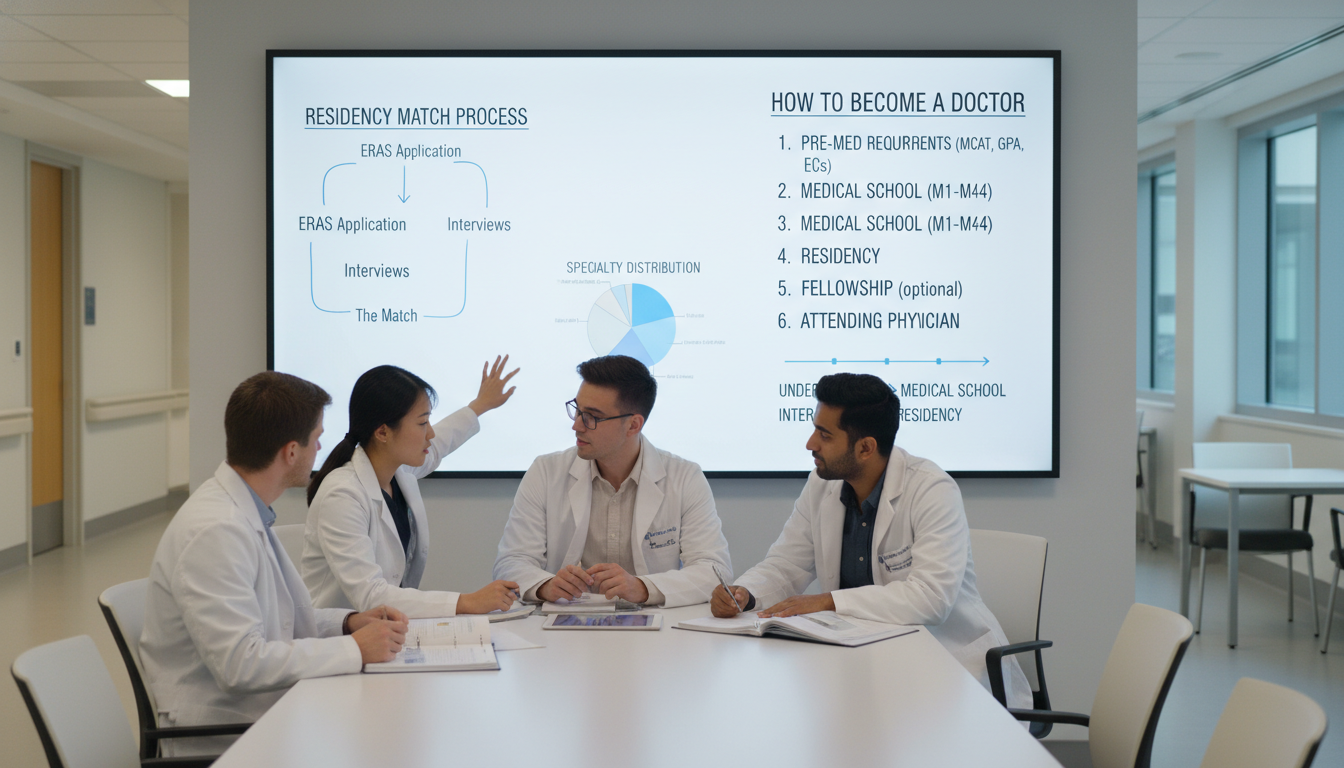
Understanding Step 2 CK in the Context of Anesthesiology for IMGs
USMLE Step 2 CK is more than a licensing exam for an international medical graduate; it is a core component of your competitiveness in the anesthesia match. For many anesthesiology programs, Step 2 CK is now a primary academic metric, especially when Step 1 is pass/fail or taken outside the U.S. system.
Why Step 2 CK matters especially for IMG anesthesiology applicants:
- Objective benchmark: Programs often use Step 2 CK to compare IMGs with U.S. graduates using the same scoring system.
- Clinical readiness: Anesthesiology is procedure-heavy but also intensely cognitive—perioperative medicine, ICU-level thinking, and acute care decisions. Step 2 CK tests the clinical reasoning skills that anesthesiologists need every day.
- Screening cutoff: Many programs have explicit Step 2 CK score thresholds for IMGs to receive interview invitations, often higher than for U.S. grads.
- Compensating for weaker areas: A strong Step 2 CK score can partially offset:
- Non-U.S. medical schools
- Older year of graduation
- Limited U.S. clinical experience
In this IMG residency guide, you’ll find a detailed, practical roadmap to USMLE Step 2 study with a specific eye toward an anesthesiology residency application.
How Anesthesiology Programs View Step 2 CK
While each program is unique, several consistent patterns emerge:
- Competitive programs (large academic centers, top anesthesia departments) often expect Step 2 CK ≥ 240, and many of their IMG matches will have higher.
- Mid-range academic/community programs will often seriously consider IMGs with Step 2 CK in the 230–240+ range, provided the rest of the application is strong.
- Lower thresholds may exist for community programs, but even these are tightening as competition increases.
Remember: a good Step 2 CK score alone does not guarantee an anesthesia residency, but a low score can close doors early. For the international medical graduate, this exam is both a challenge and a powerful opportunity.
Setting Goals and Building an IMG-Friendly Step 2 CK Study Plan
A strong outcome begins with a realistic, structured plan that accounts for your clinical workload, language demands, and match timing.
Step 1: Define Your Step 2 CK Score Target
Target ranges for an IMG aiming at anesthesiology:
- Baseline competitive target: 235–245
- Strong for most anesthesiology programs: 245–255
- Highly competitive / academic-heavy programs: 255+
These ranges are general guidelines, not fixed rules. Factors that may push you toward a higher target:
- Step 1 barely passed or low relative performance
- Older graduation year (>3–5 years since graduation)
- Limited U.S. clinical experience or no anesthesia-specific exposure
- Lower class rank or weaker transcript
Document your target score in writing and reference it whenever you adjust your schedule or question your motivation.
Step 2: Assess Your Starting Point
Before you design your full USMLE Step 2 study plan:
- Review your Step 1 performance
- Weak on pathophysiology, pharmacology, or mechanisms of disease? Expect to work harder on internal medicine and critical care questions that assume this foundation.
- Identify language and reading speed barriers
- Many IMGs need explicit work on:
- Rapid reading of long vignettes
- Understanding colloquial and clinical English
- Extracting key data from dense text under time pressure
- Many IMGs need explicit work on:
- Schedule a baseline self-assessment
- If you are ≥ 3–4 months from exam:
- Take an NBME or UWorld self-assessment early (even if you haven’t studied much) to:
- Expose your knowledge gaps
- Experience the timing and format
- Establish a starting point
- Take an NBME or UWorld self-assessment early (even if you haven’t studied much) to:
- If you are ≥ 3–4 months from exam:
Do not panic if the first self-assessment is low (even < 210). The purpose is diagnostic, not predictive.
Step 3: Decide on a Study Timeline
Common timelines for IMGs preparing for anesthesiology residency:
- Full-time dedicated (no clinical/job):
8–12 weeks of intensive study (40–50 hours/week) - Part-time while working/doing rotations:
4–6 months study (20–25 hours/week)
Often more realistic for international medical graduates balancing obligations.
Key timing considerations for the anesthesia match:
- Try to have Step 2 CK done and reported before:
- ERAS application opens (typically September)
- Or at minimum, by early October to be reviewed with your application.
- Remember reporting lag: allow 3–4 weeks from exam date to score release.
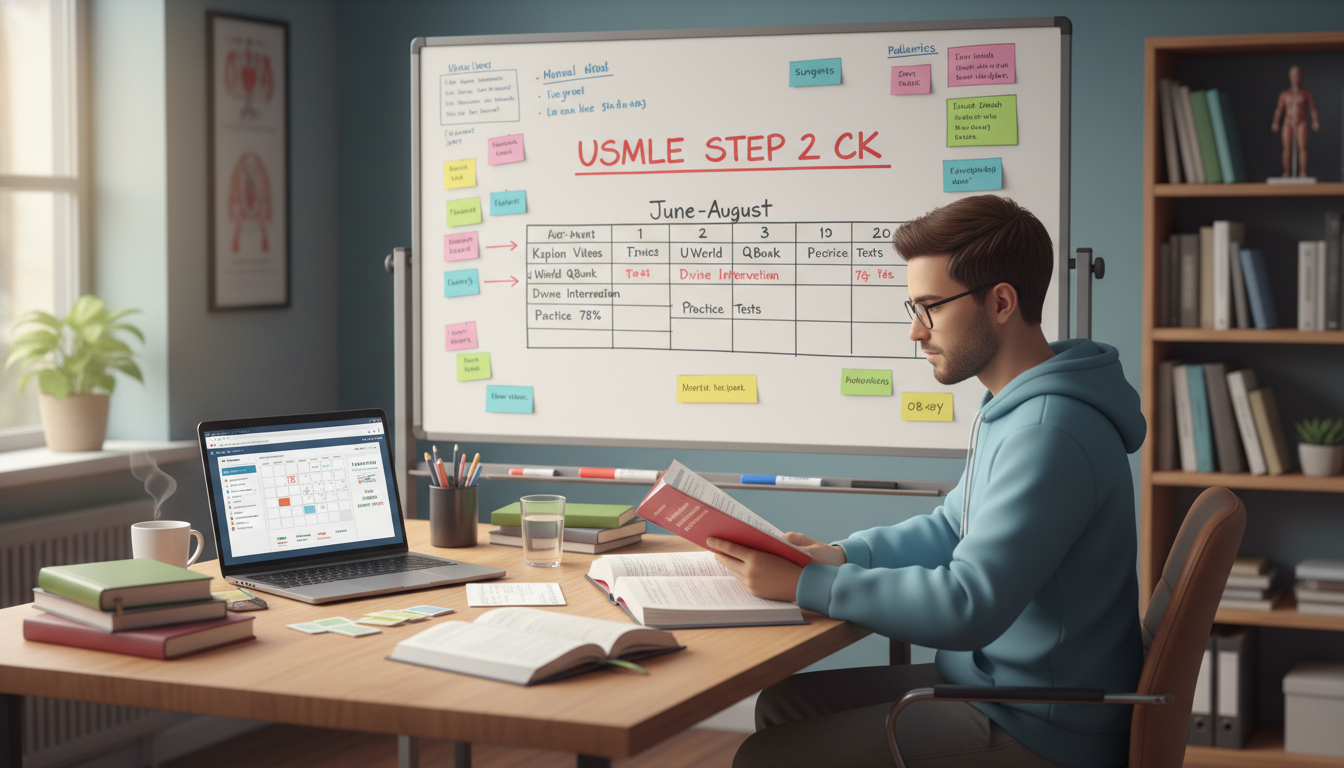
Core Step 2 CK Preparation Strategy: Resources and Daily Structure
There are many commercial resources, but a focused approach beats a scattered one. Below is a recommended primary resource set for an IMG aiming at anesthesiology.
Essential Study Resources
Question Bank (QBank) – UWorld (Primary)
- Non-negotiable for modern Step 2 CK preparation.
- Aim to complete 1 full pass (at least 2,000+ questions).
- If time allows, target 1.5–2 passes, focusing on weak areas in the second pass.
- Use tutor mode initially, then switch to timed, random blocks closer to the exam.
Clinical Knowledge Text / Reference
- Options:
- OnlineMedEd videos + notes
- Board-style clinical texts (e.g., Master the Boards Step 2 CK)
- Use as a supplement and for concept clarification, not as the main driver of study.
- Options:
Anki or Other Spaced Repetition Flashcards
- Particularly useful for:
- Antibiotics, side effects, and contraindications
- Cardiovascular and pulmonary medications
- Diagnostic criteria and scoring systems (e.g., Wells, CHA₂DS₂-VASc)
- Spaced repetition is crucial if English is not your first language, to consolidate details.
- Particularly useful for:
NBME and Official Practice Exams
- Take at least 2–3 NBMEs:
- One early (diagnostic)
- One mid-way (adjust study plan)
- One 2–3 weeks before the real exam (readiness check)
- Take at least 2–3 NBMEs:
Recommended Secondary Resources (Use Only If Time Allows)
- Dedicated Step 2 CK lecture series (e.g., Boards & Beyond-type resources) for topics you consistently miss.
- Specialized review texts in internal medicine, surgery, or OB/GYN if your school training was weak in those areas.
Avoid resource overload. For an IMG anesthesiology applicant, depth and mastery of core clinical content matter more than breadth across too many tools.
Example Daily Structure During Dedicated Study
Total: ~8–10 hours/day (adjust based on your stamina and obligations)
Morning (4–5 hours)
- 2 timed blocks of 40 questions each (UWorld), random mixed
- Immediate review of explanations, with:
- Notes on key mechanisms or algorithms
- Flashcards made for recurring difficult points
Afternoon (3–4 hours)
- Review key topics (from notes, videos, or text) related to morning mistakes.
- 1 additional shorter QBank block (20–30 questions) focusing on weak subjects (e.g., cardiology, pulmonary, OB, pediatrics).
Evening (1–2 hours)
- Anki or flashcard reviews
- Quick review of high-yield tables/algorithms (e.g., sepsis guidelines, chest pain workup)
If you are working or on rotations, shorten each block but preserve the structure:
- 1 block of 40 questions per day (reviewed carefully)
- 1–2 hours of reading/notes
- 30–60 minutes of spaced repetition
Consistency over months can produce a Step 2 CK score that stands out in the anesthesia match.
Clinical Reasoning Skills for Anesthesiology: What to Prioritize on Step 2 CK
While Step 2 CK is not specialty-specific, many tested domains overlap heavily with anesthesiology practice. Strengthening these will help both your exam performance and residency readiness.
High-Yield Systems and Concepts for Future Anesthesiologists
Cardiovascular Medicine
- Management of:
- Acute coronary syndrome
- Arrhythmias (AFib, SVT, VT)
- Heart failure and valvular disease
- Perioperative relevance:
- Risk stratification before surgery
- Optimization of beta-blockers, anticoagulants, ACE inhibitors
- Hemodynamic consequences of common diseases under anesthesia
- Management of:
Pulmonology and Critical Care
- Asthma and COPD exacerbations
- Pulmonary embolism diagnosis and management
- Pneumonia and ARDS
- Ventilator basics:
- Indications for intubation
- Adjusting settings based on blood gases
- Recognizing ventilator-associated complications
Renal and Fluid/Electrolyte Management
- Acute kidney injury, chronic kidney disease, and diuretics
- Fluid choices (NS vs LR vs colloids) and their consequences
- Sodium, potassium, calcium, and magnesium disorders:
- How to correct them
- ECG changes with electrolyte abnormalities
Endocrine and Metabolic Disorders
- Diabetes (DKA, HHS, perioperative insulin management)
- Thyroid disease (thyroid storm vs myxedema coma)
- Adrenal insufficiency and steroid management
Emergency Medicine and Shock
- Types of shock:
- Hypovolemic, cardiogenic, distributive, obstructive
- First 5–10 minutes of crisis management:
- Airway, breathing, circulation
- Choice of vasopressors, fluids, antibiotics
- Types of shock:
Pharmacology and Drug Interactions
- Sedatives, analgesics, and cardiovascular drugs
- Anticoagulants and reversal agents
- Drug-induced side effects that alter hemodynamics or consciousness
While Step 2 CK does not explicitly label questions as “anesthesia,” these content areas are central to perioperative and ICU care—the intellectual core of anesthesiology.
Example: Applying Step 2 CK Reasoning to an Anesthesia-Relevant Question
Scenario:
A 70-year-old man with known coronary artery disease and chronic kidney disease is scheduled for an elective abdominal surgery. He is on beta-blockers, aspirin, and an ACE inhibitor. Step 2 CK might ask:
- What additional pre-operative testing is needed?
- Which medications should be continued or held?
- How would you risk-stratify this patient?
Concepts you must know:
- ACC/AHA perioperative risk guidelines
- When stress testing is indicated vs when it is not
- Which medications are typically continued (beta-blockers) or held (ACE inhibitors, some diuretics) on the day of surgery
Mastering these details boosts your Step 2 CK score and directly prepares you for anesthesiology interview questions and clinical rotations.

Test-Taking Techniques, Common IMG Pitfalls, and Time Management
Even with excellent knowledge, many international medical graduates lose points due to exam strategy, language issues, or poor pacing.
Time Management Strategies
Step 2 CK includes a long exam day (up to 8 blocks of 40 questions, 60 minutes each). For IMGs, fatigue and reading speed can be especially challenging.
Techniques to control timing:
Reading Vignettes Actively
- First read the last line of the question:
- “What is the next best step in management?”
- “What is the most likely diagnosis?”
- Then read the stem focusing on:
- Age, vital signs, key symptoms
- Time course (acute vs chronic)
- Critical data (lab trends, imaging findings)
- First read the last line of the question:
Use a Hard Cutoff per Question
- Aim for ~80–85 seconds per question:
- If you reach 75–80 seconds and are still unsure:
- Eliminate clearly wrong answers
- Choose the most reasonable remaining option
- Mark for review if time allows
- If you reach 75–80 seconds and are still unsure:
- Do not allow one question to destroy your block timing.
- Aim for ~80–85 seconds per question:
Practice Full-Length Simulations
- At least twice before the exam:
- Simulate 6–8 blocks in one day, with timing and breaks similar to the real test.
- This trains your mental endurance and reveals when your concentration drops.
- At least twice before the exam:
Common IMG Pitfalls and How to Avoid Them
Overemphasizing Memorization Over Clinical Reasoning
- Step 2 CK is not a recall exam. For each topic, ask:
- Can I explain why one management choice is better than another?
- Do I know stepwise algorithms (first-line vs second-line, etc.)?
- Step 2 CK is not a recall exam. For each topic, ask:
Weak Familiarity with U.S. Guidelines and Practices
- IMGs may come from systems with different protocols.
- Focus on:
- U.S.-specific screening guidelines (e.g., colon, breast, cervical cancer)
- Vaccination schedules
- Perioperative and critical care guidance aligned with U.S. standards
Language and Interpretation Errors
- Misreading “most appropriate next step” vs “best initial test” vs “most definitive management.”
- Strategy:
- Underline or mentally highlight key question phrases.
- Practice reading aloud during some study sessions to slow down and reinforce comprehension.
Skipping Review of Wrong Answers
- The learning happens primarily when you deeply analyze mistakes.
- For each wrong answer:
- Why was my choice wrong?
- Why is the correct answer better?
- What did the stem emphasize that I overlooked?
- Create quick notes or flashcards from your repeated mistakes.
Balancing Speed and Accuracy
As an aspiring anesthesiologist, you will often work under time pressure while making critical decisions. Step 2 CK is a simulation of this cognitive environment. Aim for:
- Early in preparation:
- Focus on accuracy in tutor mode (slower, detailed review).
- Middle to late preparation:
- Switch to timed blocks, then random + timed to simulate test conditions.
- Final weeks:
- Fine-tune pacing, manage stress, and practice full-length days.
Integrating Step 2 CK into Your Anesthesiology Residency Timeline
Your exam strategy must fit within your larger anesthesia match plan.
Ideal Timeline for an IMG Anesthesiology Applicant
12–18 Months Before Match Cycle
- Clarify your specialty interest in anesthesiology.
- Gain exposure: operating room observerships, ICU rotations, or anesthesia-related research.
- Plan USMLE sequence: Step 1 → Step 2 CK (and possibly Step 3 later).
6–9 Months Before ERAS Submission
- Begin dedicated Step 2 CK preparation if not already started.
- Take baseline NBME.
- Ramp up UWorld use.
- Aim to sit for Step 2 CK by early summer before application season if possible.
3–4 Months Before ERAS Submission
- Take final practice exams.
- Confirm you’re consistently near or above your target Step 2 CK score.
- Sit for the actual exam with enough time for the score to be reported before ERAS.
During Application Season
- Use your Step 2 CK score in your personal statement and during interviews to:
- Demonstrate clinical strength.
- Emphasize how your preparation enhanced your understanding of critical care, perioperative medicine, and acute care.
- Use your Step 2 CK score in your personal statement and during interviews to:
What if Your Practice Scores Are Low Near Your Target Exam Date?
For an international medical graduate aiming for anesthesiology, an underwhelming Step 2 CK score can significantly harm your application.
Consider postponing your exam if:
- Your NBME scores are consistently >10–15 points below your desired realistic target.
- You do not see improvement despite sustained study.
In your situation, it may be better to:
- Delay the exam by 4–8 weeks.
- Intensively work on your weakest systems.
- Focus on U.S.-guideline alignment and question-solving technique.
A single, strong Step 2 CK score is usually better than a rushed, mediocre one for an IMG in a moderately competitive field like anesthesiology.
Frequently Asked Questions (FAQ)
1. What Step 2 CK score should an IMG target for anesthesiology residency?
While there is no universal cutoff, a common rule of thumb:
- 230–240: May be competitive at some community and mid-tier programs, especially with strong clinical experience and letters.
- 245–255: Competitive across a broad range of anesthesiology programs, including many academic centers.
- >255: Strong for highly competitive programs, provided other aspects of your application (research, USCE, letters) are also robust.
Your personal target should depend on your Step 1 performance, graduation year, and strength of the rest of your CV.
2. How long should an international medical graduate study for Step 2 CK?
Most IMGs require 3–6 months of consistent study, depending on:
- Whether they are working or on rotations
- Their baseline knowledge
- English language proficiency
A typical full-time dedicated period is 8–12 weeks with 40–50 hours/week, but IMGs balancing work may spread preparation over several months. The key is structured daily work and completion of a full QBank with thorough review.
3. Is it necessary to focus on anesthesia-specific topics while studying for Step 2 CK?
Step 2 CK is not anesthesia-specific, but many high-yield subjects overlap with anesthesiology:
- Cardiovascular and pulmonary disease
- Perioperative risk assessment
- ICU-level care and shock management
- Fluid, electrolyte, and renal physiology
- Pharmacology of commonly used agents
You do not need separate anesthesiology textbooks for Step 2 CK preparation. Instead, focus deeply on these clinically relevant areas within standard Step 2 CK resources. This will both raise your Step 2 CK score and prepare you for anesthesia rotations and interviews.
4. Should I delay my ERAS application if my Step 2 CK score is pending?
For anesthesiology and for IMGs in particular, having a reported Step 2 CK score at the time of application is strongly preferred. Programs often screen IMGs using Step 2 CK. If your exam is scheduled very close to ERAS opening, you may:
- Submit your application on time.
- Update programs as soon as your Step 2 CK score is available.
- But understand that not having a score at application release can delay or reduce interview offers.
Ideally, schedule Step 2 CK early enough that your score is available before or shortly after ERAS opens.
By approaching USMLE Step 2 CK preparation with a clear strategy, IMG-specific awareness, and a focus on clinically relevant content for anesthesiology, you not only maximize your Step 2 CK score but also demonstrate the clinical maturity and decision-making skills that anesthesia program directors value highly.