


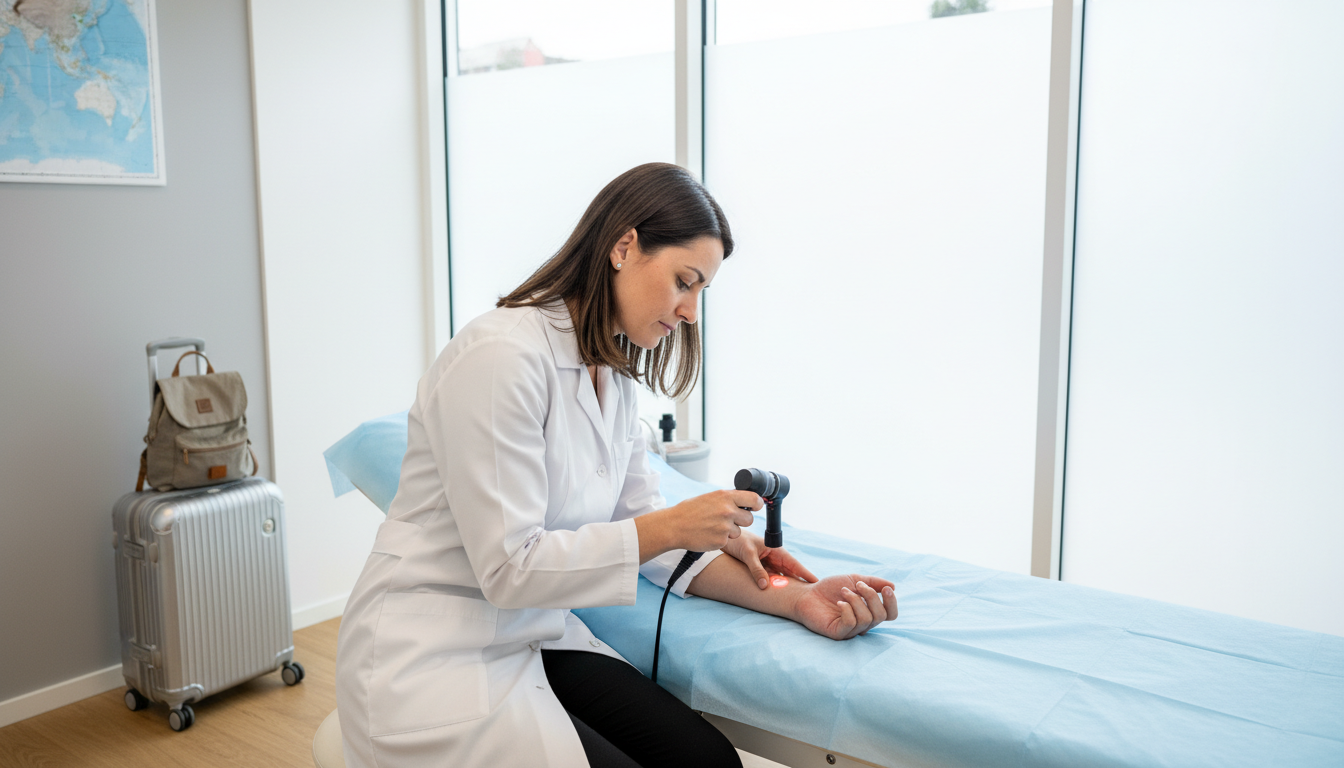
Dermatology is one of the most competitive and lifestyle-friendly specialties in medicine—and it’s also one of the fastest-growing areas for flexible work. Locum tenens opportunities in dermatology have expanded significantly in the last decade, creating new options for residents, recent graduates, and seasoned attendings alike.
This guide walks you through what dermatology locums actually look like, how to get started, how it relates to the dermatology residency and derm match process, and how to decide whether locum work or travel physician jobs fit into your long-term career plans.
Understanding Locum Tenens in Dermatology
Locum tenens (Latin for “to hold the place of”) refers to temporary physician assignments where you fill in for another dermatologist or cover a clinic’s staffing gap. These gaps might be due to:
- Maternity or parental leave
- Medical leave
- Retirement transitions
- Seasonal demand (e.g., high-volume cosmetic clinics)
- Difficulty recruiting permanent dermatologists in certain regions
Common Practice Settings
Dermatology locum work spans many practice environments:
- Community dermatology clinics (high medical derm volume; rashes, acne, skin cancers)
- Academic centers (resident teaching, complex derm, specialty clinics)
- Private cosmetic practices (lasers, injectables, cosmetic consults)
- Hospital-based dermatology (inpatient consult services, derm-path collaboration)
- Rural or underserved areas (bread-and-butter derm, telehealth hybrids)
- Military or VA facilities (structured systems, steady medical derm)
Assignments can range from very short stints (a few days a month) to long-term contracts (3–12 months or more).
Typical Scope of Work
Depending on your training and comfort level, your locum tenens dermatologist role might include:
- Full-skin exams and lesion checks
- Biopsies and minor procedures (shave, punch, excisions)
- Cryotherapy, electrodessication & curettage (ED&C)
- Management of inflammatory dermatoses (psoriasis, eczema, acne, rosacea)
- Skin cancer diagnosis and treatment
- Patch testing or phototherapy (depending on site resources)
- Cosmetic procedures (if you’re trained and the practice offers them)
- Inpatient consults (especially in academic or hospital-based roles)
The hiring site generally tailors the schedule and procedural scope to your documented training and your preferences.
Why Dermatologists and Future Dermatologists Choose Locum Work
Locum tenens opportunities in dermatology appeal to different people for different reasons. Understanding the “why” helps you decide if this path is a good fit.
For Residents and New Graduates
If you’re in medical school or dermatology residency focusing on the derm match, it might feel early to think about locum tenens. But locum options can quietly shape your future:
Post-residency gap year
Some residents choose a year of locum work before committing to a permanent job. This can help you:- Explore different regions before settling down
- Compare practice models (solo vs. group, private vs. academic)
- Pay down loans quickly with high-earning, flexible assignments
Flexibility before fellowship
If you’re considering a dermatology fellowship (e.g., Mohs, pediatrics, cosmetic, derm-path), a short period of locum tenens work can bridge the gap between residency and fellowship, ensuring continued clinical practice and income.Informing long-term career preferences
Experiencing multiple practice environments early can clarify:- How much cosmetic vs. medical derm you really want
- Whether you enjoy teaching
- How much call, if any, you tolerate
- Your ideal patient mix and schedule intensity
For Established Attendings
Board-certified dermatologists often turn to locum tenens for:
Lifestyle flexibility
- Control over when and how much you work
- Time for family, travel, or personal projects
- Semi-retirement transitions: taper your schedule instead of stopping abruptly
Income diversification
- Supplement income from a permanent position
- Short, high-yield assignments in underserved areas
- Opportunities to negotiate favorable rates based on subspecialty skills (e.g., Mohs, pediatric derm)
Preventing burnout
Changing locations, teams, and patient populations can be energizing—especially if your permanent role has become monotonous or administratively heavy. Many locum tenens physicians report renewed satisfaction from focusing on clinical work with fewer meetings and long-term politics.Exploring relocation options
Testing out different cities or regions via locum assignments allows you to “try before you buy” if you’re unsure where to settle permanently.
How Locum Tenens Dermatology Assignments Actually Work
Understanding the logistics is critical before you say yes to your first assignment.

Role of Locum Tenens Agencies
Most locum tenens positions are brokered by agencies that:
- Match your skills and preferences with open assignments
- Help manage licensure, credentialing, and privileging
- Coordinate travel, housing, and rental cars
- Negotiate pay rates and schedule details on your behalf
- Assist with malpractice coverage (often provided by the agency)
You can also find locum arrangements directly with groups or hospitals, but agencies handle a lot of administrative load and can open more doors, especially early in your locum career.
Typical Assignment Structure
A dermatology locum assignment usually includes:
Length: 1 week to 6+ months
Schedule:
- Commonly 4–5 days per week
- Some roles are 1–2 weeks per month as ongoing coverage
- Rare overnight call; some weekend cosmetic clinics or community events
Volume:
- 20–35 patients per day in general derm
- Cosmetic practices may focus more on procedures with longer visit times
Support staff:
- MAs or nurses for rooming and basic procedures
- Dermatology-trained nurses, PAs, or NPs in larger practices
- Scribes in some high-volume or academic settings
Systems & tools:
- EMR training provided (Epic, Cerner, eClinicalWorks, etc.)
- Access to dermatoscopes, cryotherapy units, biopsy tools, and standard dermatology equipment
Compensation, Benefits, and Taxes
Compensation for locum tenens dermatologists is usually structured as:
- Hourly or daily rates (often higher than typical employed hourly breakdown, to offset lack of benefits and stability)
- Additional compensation for:
- Overtime or extra clinics
- Performing certain high-revenue procedures (depending on contract structure)
- Weekend or after-hours work
Most locum tenens assignments classify you as an independent contractor (1099) rather than a W-2 employee. This means:
- No built-in benefits (health insurance, retirement contributions, paid vacation)
- Greater tax responsibility, including:
- Quarterly estimated tax payments
- Self-employment tax considerations
- Potential deductions for travel, business expenses, CME, and equipment
Many locum tenens physicians work with an accountant familiar with physician 1099 income to optimize tax strategy.
Malpractice Coverage
Malpractice coverage is typically:
- Provided by the locum tenens agency or the facility
- Usually claims-made with a defined tail coverage policy
- Confirmed in writing before you begin (always request clear documentation on limits, claims handling, and tail)
Never assume you’re covered—verify the policy type and responsibility for tail coverage, especially for longer assignments.
Locum Tenens and the Dermatology Residency Path
You might be wondering how all of this fits if you’re earlier in the pipeline—thinking about USMLE scores, research, and letters to strengthen your derm match chances.
Can Pre-Residency or In-Training Physicians Do Locums?
In almost all cases, locum tenens dermatologist positions require:
- Completion of an ACGME-accredited dermatology residency
- An unrestricted medical license
- Board-eligible or board-certified status in dermatology (depending on facility)
That means medical students and residents normally cannot work independently as dermatology locum tenens physicians. However, you can still strategically plan for a future in locum tenens while navigating residency.
How Residency Applicants Can Prepare for a Future Locum Career
If you know you may want flexible work or travel physician jobs in dermatology later, build that option into your dermatology residency plans:
Maximize Breadth of Training
- Seek rotations in different practice settings (VA, community, academic, pediatric, inpatient consults).
- Locum work often requires comfort with a wide variety of bread-and-butter dermatology; strong generalist skills are a major asset.
Develop Procedural Competence
- Get comfortable with biopsies, excisions, ED&C, cryotherapy, and basic cosmetic procedures (if available).
- The more independently you can practice, the more attractive you are as a locum tenens physician.
Strengthen Efficiency and EMR Skills
- Locum assignments rarely give you weeks of onboarding.
- Learning to rapidly adapt to different EMRs and clinic workflows will reduce stress and make you more competitive for high-volume roles.
Cultivate Professional References
- Future locum credentialing will require solid references from residency (PD, division chiefs, key attendings).
- Keep relationships strong and maintain up-to-date CV and case logs.
Learn Basic Contract and Practice Management Concepts
- While residency focuses on clinical skills, taking time to learn about compensation models, RVUs, and contract negotiation will pay off later when considering locum vs. permanent positions.
Pros and Cons of Locum Tenens Opportunities in Dermatology
Locum tenens isn’t for everyone. A clear-eyed look at advantages and disadvantages will help you decide if this path aligns with your personal and professional goals.

Key Advantages
High Flexibility and Autonomy
- You choose when and where you work.
- You can take extended breaks between assignments or cluster work periods.
Potentially Strong Compensation
- Daily or hourly rates can be attractive, especially in areas with high need.
- High-need regions may offer generous packages with paid travel, housing, and bonuses.
Reduced Administrative Burden
- Less involvement in long-term admin tasks (committees, ongoing meetings, clinic politics).
- Ability to focus more on direct patient care.
Geographic Variety and Travel
- Live in different cities for months at a time.
- Experience both urban and rural dermatology practice.
- Travel physician jobs can align nicely with a love of exploration.
Career Exploration Before Committing
- Try out different practice models: private, academic, large multispecialty group, hospital-employed.
- Gather real data on what truly fits you rather than guessing during the job search.
Potential Drawbacks
Lack of Stability and Predictability
- Assignments may not always align perfectly with your preferred schedule.
- Income can fluctuate month to month depending on how much you work.
No Traditional Employment Benefits
- You manage your own health insurance, retirement savings, and disability coverage.
- Requires more hands-on financial planning.
Frequent Credentialing and Onboarding
- Each assignment often comes with a new round of paperwork, privileging, and background checks.
- You must adapt quickly to new teams, EMRs, and workflows.
Less Long-Term Patient Continuity
- Many dermatologists value long-term relationships with patients and the satisfaction of seeing chronic conditions over time.
- Locum roles often emphasize short-term coverage rather than building a steady panel.
Educational and Institutional Limitations
- If you love teaching residents and medical students, not all locum opportunities offer this.
- You might miss certain academic benefits like protected research time or niche multidisciplinary clinics.
Getting Started as a Dermatology Locum Tenens Physician
If you’re approaching the end of dermatology residency or already practicing and considering a transition, here’s a step-by-step roadmap.
1. Clarify Your Goals
Decide what you want from locum work:
- Bridge to a permanent job?
- Long-term primary career?
- Supplemental work alongside a part-time permanent position?
- Vehicle to explore travel physician jobs domestically or internationally?
Your answers will guide which assignments and agencies fit you best.
2. Optimize Your CV and Credentialing Packet
Prepare a professional packet that includes:
Updated CV with:
- Education and training
- Board status (BE/BC in dermatology, subspecialty certification)
- Licensure and DEA info
- Clinical interests and procedural competencies
Copies of:
- Medical license(s)
- Board certification documents
- DEA certificate
- CME records
- Immunization and TB testing records
- Malpractice history and claims status
Having this organized upfront speeds up credentialing significantly.
3. Connect with Reputable Locum Tenens Agencies
Research and contact 2–4 agencies with strong dermatology presence. When you speak with recruiters, ask:
- What percentage of your current openings are in dermatology?
- In which regions do you have the most opportunities?
- Do you mostly staff outpatient clinics, academic centers, or mixed?
- What does your malpractice coverage look like (limits, tail)?
- How do you support housing and travel logistics?
Compare their answers and responsiveness to choose who to work with more closely.
4. Understand Market Rates and Negotiate Thoughtfully
Before accepting any offer:
- Ask multiple agencies what typical pay ranges are for similar dermatology assignments in the area.
- Consider:
- Location cost of living
- Workload (patients/day, complexity)
- Procedures required
- Call or weekends
- Duration and stability of the assignment
Remember: rates are often negotiable, but relationship-building matters. Being flexible on some details (e.g., timing) may help you secure stronger long-term opportunities.
5. Prepare for the Transition
Before your first locum role, plan for:
Financial logistics
- Open a dedicated business or professional bank account (if advised by your accountant).
- Set up a system for tracking income, expenses, and tax payments.
Professional readiness
- Keep CME and licenses up to date.
- Maintain a dynamic log of procedures and clinical skills.
Lifestyle adjustments
- If assignments are away from home, think about housing preferences: hotel, extended-stay, rental apartment, or agency-arranged housing.
- Plan for family implications (partner’s work, children’s schooling, pets, etc.).
Balancing Locum Tenens with Long-Term Career Planning
Locum tenens opportunities in dermatology don’t have to be “all or nothing.” Many dermatologists craft hybrid careers that incorporate:
- Part-time permanent positions in one city
- Occasional locum shifts regionally or nationally
- Teaching roles (adjunct faculty appointments)
- Teledermatology consult work
- Short-term travel physician jobs in underserved or rural areas
When deciding your long-term strategy, consider:
- Your risk tolerance and need for financial predictability
- Your family or relationship priorities (e.g., geographic stability vs. mobility)
- Your interest in leadership, research, or teaching (which usually require at least some permanent institutional ties)
- Where you want to be in 5–10 years—owning a practice, in academic leadership, fully independent locum tenens physician, or something in between
In many cases, dermatologists start with more locum work early in their careers (to explore and pay down debt) and then gradually shift to a more settled arrangement once they have a clearer sense of their ideal setting.
FAQs About Locum Tenens Opportunities in Dermatology
1. Can I pursue locum tenens work right after dermatology residency?
Yes. Many newly graduated dermatologists start locum work within months of completing training. You’ll need to finish residency, obtain an unrestricted license in at least one state, and typically be board-eligible. Locum agencies will help with credentialing and sometimes additional state licenses. For some academic or high-profile centers, board certification within a set timeframe may be required.
2. How does locum work compare financially to a permanent dermatology position?
Hourly or daily rates for locum tenens dermatologists can appear higher than traditional employed salaries when converted to an hourly figure. However, you must factor in:
- Lack of employer-provided benefits (health insurance, retirement match, paid time off)
- Gaps between assignments
- Self-employment taxes and accounting costs
Over a full year, earnings can be competitive or higher—especially with steady assignments—but income can be more variable.
3. Will doing a lot of locum work hurt my chances of securing a permanent job later?
Generally, no—if your CV reflects consistent clinical engagement, strong references, and clear reasons for your locum choices. Many groups value the breadth of experience locum tenens physicians bring. Potential employers may ask why you did locums instead of a permanent role; be prepared with thoughtful, professional explanations (e.g., geographic exploration, family needs, desire to experience different practice models).
4. Are there international locum tenens or travel physician jobs in dermatology?
Yes, but they are more limited and highly variable. Some agencies arrange international work (often in English-speaking countries), and global health organizations may need dermatology expertise for short-term missions or academic collaborations. Each country has its own licensing requirements, visa rules, and compensation models. If you’re interested, start by clarifying whether you want volunteer work, paid international roles, or a mix, then work with organizations experienced in international placements.
Locum tenens opportunities in dermatology offer a powerful combination of flexibility, clinical focus, and geographic freedom. Whether you’re still eyeing the derm match, finishing residency, or reimagining your mid-career path, understanding how locum work fits into the wider dermatology landscape allows you to design a career that aligns with your professional goals and personal life—on your own terms.




















