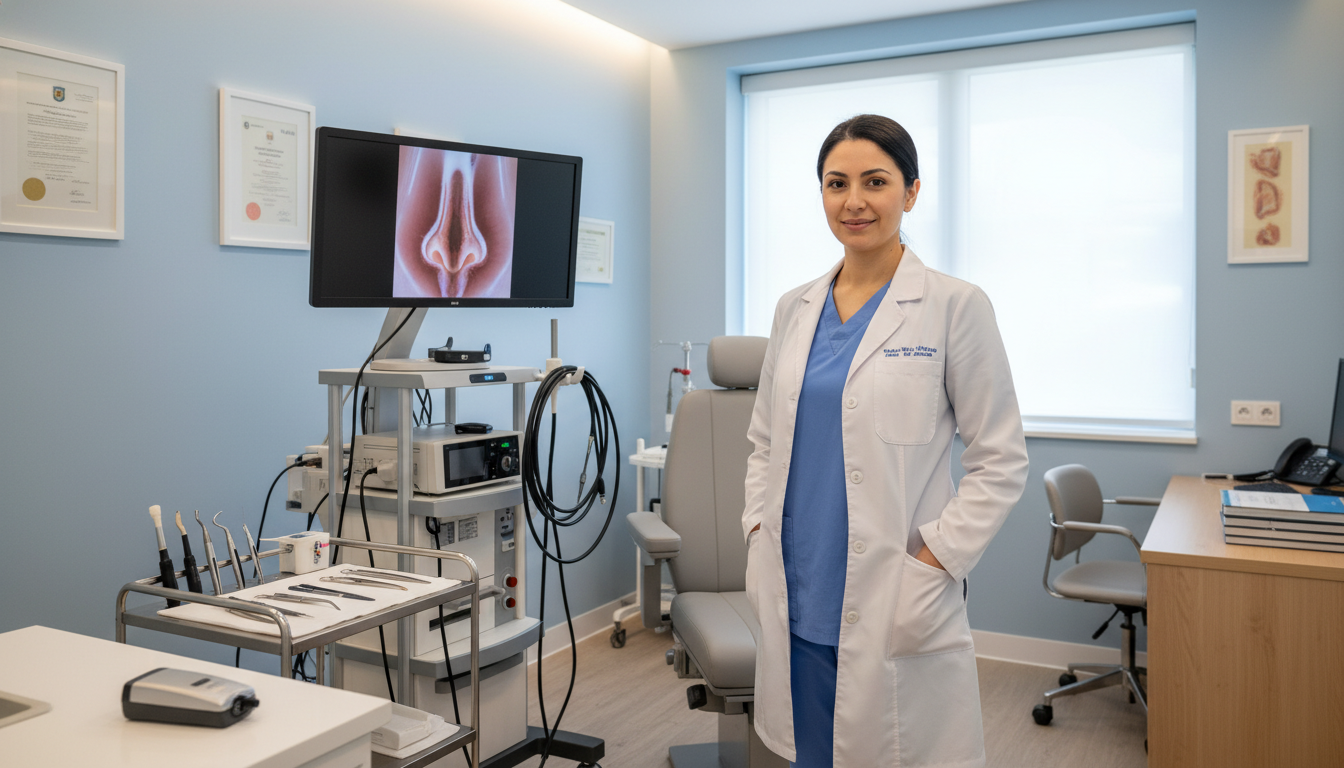
Why Malpractice Insurance Matters So Much in Plastic Surgery
Plastic surgery sits at a unique intersection of high patient expectations, elective procedures, and visible outcomes. That combination makes malpractice insurance more than just a box to check—it’s an essential part of practicing safely and sustainably.
Whether you’re preparing for an integrated plastics match, starting residency, or planning your first job as an attending, you need a working understanding of:
- How malpractice insurance is structured
- What’s covered (and what’s not)
- The difference between claims made vs occurrence coverage
- How coverage changes from residency to fellowship to practice
- How to evaluate offers and protect your future
This guide is designed for plastic surgery residents, fellows, and early-career surgeons who want practical, residency- and early-practice–focused advice.
Core Concepts: What Exactly Is Malpractice Insurance?
Malpractice insurance (a type of medical liability insurance) protects you if a patient alleges harm due to your professional services. For plastic surgeons, this can include:
- Poor cosmetic results (e.g., asymmetry after breast augmentation)
- Functional complications (e.g., breathing difficulty after rhinoplasty)
- Delayed diagnosis of skin cancer
- Nerve injury after hand surgery
- Infection, scarring, or wound-healing issues
What a Typical Policy Covers
Most professional liability policies cover:
Defense costs
- Attorney fees
- Expert witnesses
- Court fees and legal expenses
Indemnity payments
- Settlement amounts
- Judgments (up to policy limits)
Licensing board actions (sometimes)
- Representation if you’re investigated by a state medical board
“Good Samaritan” coverage (sometimes)
- Care rendered in emergencies outside your typical practice, subject to state law
Common Exclusions You Should Know
Coverage is not unlimited. Typical exclusions:
- Criminal acts, fraud, or intentional harm
- Practicing outside the scope of your training or privileges
- Certain cosmetic procedures done outside an approved facility
- Services provided in another state or country without proper licensure
- Non-clinical roles (e.g., certain consulting or business ventures) unless specifically endorsed
As a resident, your program usually negotiates most of this. As an attending, you (and possibly your group) must actively manage these details.

Claims Made vs Occurrence: The Most Important Distinction
For plastic surgeons, one of the highest-stakes decisions in malpractice coverage is claims made vs occurrence. It affects your premiums, portability, and what happens when you change jobs or retire.
Occurrence Policies
Definition: Covers events that occurred during the policy period, regardless of when the claim is filed.
- If an incident happened in 2025, and you had occurrence coverage in 2025, you’re covered—even if the patient sues in 2030.
Key features:
- Coverage tied to date of incident, not date of claim
- No need to buy tail coverage when you leave
- Premiums often higher up front
- Simpler when switching jobs
Example (Plastic Surgery):
You perform an abdominoplasty in 2026. The patient alleges negligence and sues in 2031. If you had an occurrence policy in 2026, that policy responds—even if you’ve changed employers and insurers multiple times since.
Claims-Made Policies
Definition: Covers claims filed while the policy is active, for incidents that occurred after the policy’s “retroactive date.”
- Both the incident and the claim must fall within the covered period (retro date → end of policy) unless tail coverage is in place.
Key features:
- Initially cheaper but increases over several years
- Requires tail coverage when you leave a job, retire, or change insurers
- Very common in hospital-employed and group practice settings
Retroactive date:
The date after which incidents are covered. Example: If your policy’s retro date is July 1, 2027, any incident before that date is not covered by this policy.
Example (Plastic Surgery):
- You start your first job in July 2028 with claims-made coverage; retro date is 7/1/2028.
- You perform a facelift in 2029; patient sues in 2032.
- If you kept the same claims-made policy to 2032, you’re covered.
- If you left that employer in 2031 and didn’t secure tail coverage or nose coverage, you might have no coverage for that 2029 case.
Tail and Nose Coverage: Bridging the Gaps
Because claims-made coverage ends when the policy ends, you need a bridge for “old” work.
Tail Coverage (“Extended Reporting Endorsement”)
- Allows you to report claims after your policy ends
- Applies to incidents that occurred while the policy was active
- Often costs 150–250% of your annual premium (sometimes more)
- Typically a one-time cost
- Critical when:
- Leaving a group practice
- Changing insurers
- Retiring
Nose Coverage (“Prior Acts Coverage”)
Instead of buying tail from your old carrier, your new insurer can cover your prior acts back to your retroactive date.
- Your new policy picks up past exposure
- May be more cost-effective
- Must be carefully negotiated at job change
Which Is Better for Plastic Surgeons?
There’s no universal answer, but consider:
Occurrence
- Pros: Simpler, no tail headaches, easier when moving practices
- Cons: Higher annual premiums; fewer carriers in some markets
Claims-Made
- Pros: More common; lower initial cost; widely available
- Cons: Tail cost can be substantial; complex when you change jobs
Action item:
When comparing job offers, do not just ask “Do you provide malpractice?” Ask:
- Is it claims made vs occurrence?
- If claims-made, who pays for tail coverage if I leave?
- What are the policy limits?
- Are there any procedure-specific exclusions relevant to plastics?
Malpractice Insurance Through Training: MS4 to Fellowship
Your relationship with malpractice insurance starts before you’re fully independent. Understanding how you’re covered at each step helps you recognize your risk and advocate for yourself.
As a Medical Student
During medical school rotations, including your plastic surgery sub-internships:
- You’re typically covered under the medical school’s or hospital’s policy
- Coverage usually applies only to activities within your educational program
- Independent “moonlighting” is often not permitted—or not covered
For integrated plastics match applicants doing away rotations:
- Confirm that your home institution’s policy covers outside electives
- Many visiting-student programs include malpractice coverage, but not all
- If you’re doing procedures, make sure you’re operating under a clearly defined supervision structure
During Plastic Surgery Residency
In an ACGME-accredited plastic surgery residency:
- Your program or hospital almost always provides malpractice insurance
- Coverage type is most often claims-made with institutional management
- Limits are set at a state or system standard, commonly something like:
- $1M per claim / $3M aggregate per year (varies by state)
Key considerations as a resident:
Know whether you’re covered for moonlighting:
- Internal moonlighting (within the same institution) may be covered
- External moonlighting (at another hospital or clinic) may require separate individual coverage
Understand geographic limits:
- Your policy is often limited to your training state and affiliated sites
Clarify coverage for:
- International missions or global surgery trips
- Research activities involving patient interaction
- Telemedicine encounters (increasingly relevant)
Even though your risk is often shared with attendings, some states and systems name residents individually in lawsuits. Documentation and communication still matter.
During Fellowship
If you pursue a microsurgery, craniofacial, hand, or aesthetic fellowship:
- The fellowship program typically provides your primary coverage
- Many aesthetic fellowships operate in private-practice settings where policies are structured like attending coverage
- Moonlighting rules can differ significantly from residency
If your fellowship is in a cosmetically heavy practice, ask specifically:
- Am I covered for elective aesthetic cases?
- Are there limits on procedure types or settings (office OR vs ASC vs hospital)?
- Who is responsible if a cosmetic case complication leads to a lawsuit?

Transition to Practice: Evaluating Malpractice in Job Offers
When you move from training into your first attending job, malpractice insurance becomes a major part of your contract negotiation and long-term security.
Typical Coverage Limits for Plastic Surgeons
Common policy limits in the U.S. (varies by region):
- $1M / $3M
- $1M / $5M
- $2M / $4M
Plastic surgery—especially aesthetic and high-risk reconstructive work—can involve:
- High damages claims when cosmetic or functional outcomes are severely compromised
- Large economic and non-economic damages (e.g., for permanent disfigurement)
You want limits that match local standards for surgeons in comparable risk categories (orthopedics, ENT, plastics). Joining a large group or hospital often means limits are standardized at the system level.
Coverage Types by Practice Setting
Hospital-Employed Plastic Surgeon
- Usually covered under a large hospital system policy
- Typically claims-made with system-paid tail if you leave for non-cause reasons
- Aesthetic work performed under hospital auspices is usually included
Private Group Practice (Partnership Track)
- Policy may be:
- Group policy with each partner/shareholder named
- Individual policies with shared carriers
- Tail costs may be shared or placed on the departing physician
- More flexibility, but more negotiation required
- Policy may be:
Solo Aesthetic Practice
- You purchase your own individual policy
- Full responsibility for:
- Choosing claims-made vs occurrence
- Paying premiums and tail
- Ensuring all procedures and locations are covered
Contract Language to Scrutinize
When reviewing an employment contract, look closely at:
Who pays the premium?
- Employer-paid vs cost-shared vs physician-paid
Responsibility for tail coverage:
- If termination is:
- Without cause by employer
- With cause by employer
- Without cause by physician
- These distinctions matter a lot financially
- If termination is:
Scope of practice described in the contract
- Are cosmetic procedures explicitly included?
- Are off-site surgery centers or med-spas covered?
Coverage for leadership and extra roles:
- Medical director responsibilities
- Research, lectures, media appearances
Red flag: A contract that is completely silent on tail coverage when the policy is claims-made. If that’s the case, get clarification in writing before signing.
Risk, Documentation, and Practical Protection for Plastic Surgeons
Insurance is the safety net. Day-to-day risk reduction is the first line of defense. Plastic surgery is especially prone to expectation-related litigation.
Common Allegations in Plastic Surgery Claims
- “Unsatisfactory cosmetic result”
- Failure to obtain informed consent or misrepresentation of likely outcomes
- Delay in recognizing and managing complications
- Nerve injury (e.g., facial nerve in parotid/face-lift, digital nerve in hand)
- Scarring beyond what patient expected (keloids, hypertrophic scars)
- Wrong-site surgery or implant errors
Informed Consent: Your Most Powerful Tool
Effective informed consent is more than a signed form. It includes:
Clear explanation of:
- Realistic outcomes (with before/after photos when appropriate)
- Common, uncommon, and serious complications
- Alternative treatments, including no treatment
Documentation that you:
- Addressed patient questions
- Discussed specific patient risk factors (e.g., smoking, diabetes, prior radiation)
- Clarified that results vary and perfection is not guaranteed
Practical tips:
- Use plain language, avoid jargon
- Provide written handouts or digital resources
- Document the discussion, not just “consent obtained”
Communication and Expectations Management
Many lawsuits arise from broken trust, not just bad outcomes.
- Be honest immediately if complications occur
- Maintain follow-up and accessibility (or clear coverage while you’re away)
- Don’t dismiss or minimize patient concerns about appearance or function
Documentation Pearls for Residents and Early Attendings
Operative notes:
- Describe challenging anatomy, intraoperative decisions, and any complications
- Avoid judgmental language about the patient
Clinic notes:
- Document preoperative appearance, asymmetries, and risk discussions
- For cosmetic cases, note specific goals discussed and limitations
Phone calls and portals:
- Brief notes on triage advice and handoffs
- When in doubt, “if it’s not documented, it didn’t happen” in the eyes of litigation
Coverage Beyond Traditional Clinical Work
Plastic surgeons increasingly participate in:
- Social media and marketing
- Medical directorship of med-spas or non-surgical aesthetic clinics
- Global surgery outreach
- Product development or device consulting
Some of these activities may fall outside your standard malpractice policy.
Action steps:
Ask your insurer about:
- Coverage for social media–driven consultations
- Out-of-state telehealth or second opinions
- Medical director roles at non-hospital facilities
Consider separate policies (e.g., Directors & Officers, cyber liability, or errors & omissions) if you’re involved in business leadership or tech start-ups.
FAQs: Malpractice Insurance in Plastic Surgery
1. Do I need my own malpractice policy during plastic surgery residency?
Usually no. Your residency program or hospital typically provides coverage for all training-related activities. However, you might need your own policy if:
- You do external moonlighting not covered by the residency
- You work at a non-affiliated clinic or surgery center
Always confirm in writing whether moonlighting is covered, and if not, purchase separate coverage if allowed.
2. Is occurrence coverage always better than claims-made?
Not always. Occurrence is simpler (no tail) but often has higher annual premiums and may be less available in some markets. Claims-made is common, especially in hospital and group settings, and initially cheaper—but requires planning for tail or nose coverage when you move.
For plastic surgeons with multiple anticipated job changes early in their career, the tail obligation can become a significant cost, so the key is not “which is better” but “who pays for what, and when.”
3. What policy limits should I look for as a new plastic surgeon?
You generally want limits comparable to other surgeons in your geographic area and risk category. Many plastic surgeons carry at least $1M per claim / $3M aggregate or higher. In regions with higher litigation risk or in cosmetics-heavy practices, larger limits may be prudent. Check with your employer, local colleagues, or state medical society to understand norms.
4. How early should I start learning about malpractice insurance during the integrated plastics match process?
Start during MS3–MS4, especially if you’re planning away rotations or early clinical exposure. At minimum, understand:
- That your school or host institution should provide coverage
- What’s allowed in terms of procedures and supervision
- Basic differences between claims made vs occurrence (you’ll see this again during job negotiations)
By late residency (PGY-5 or PGY-6 in integrated programs, or early years in independent tracks), you should be actively learning about malpractice contracts, tail coverage, and how they fit into your long-term career plans.
A solid grasp of medical liability insurance is as essential to your plastic surgery career as your technical skills and aesthetic judgment. From integrated plastics match applicants to graduating chiefs negotiating first contracts, understanding malpractice structure—especially claims made vs occurrence and tail coverage—will help you protect your practice, your patients, and your future.