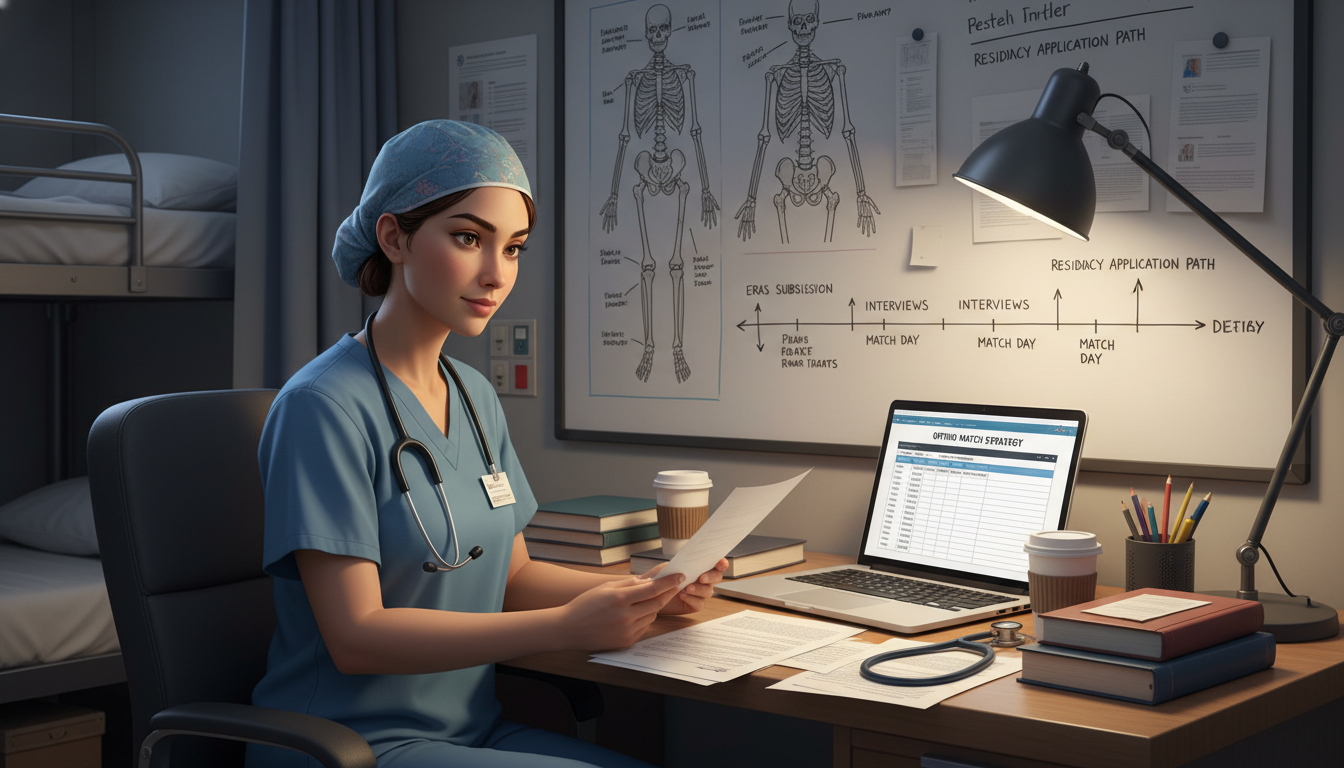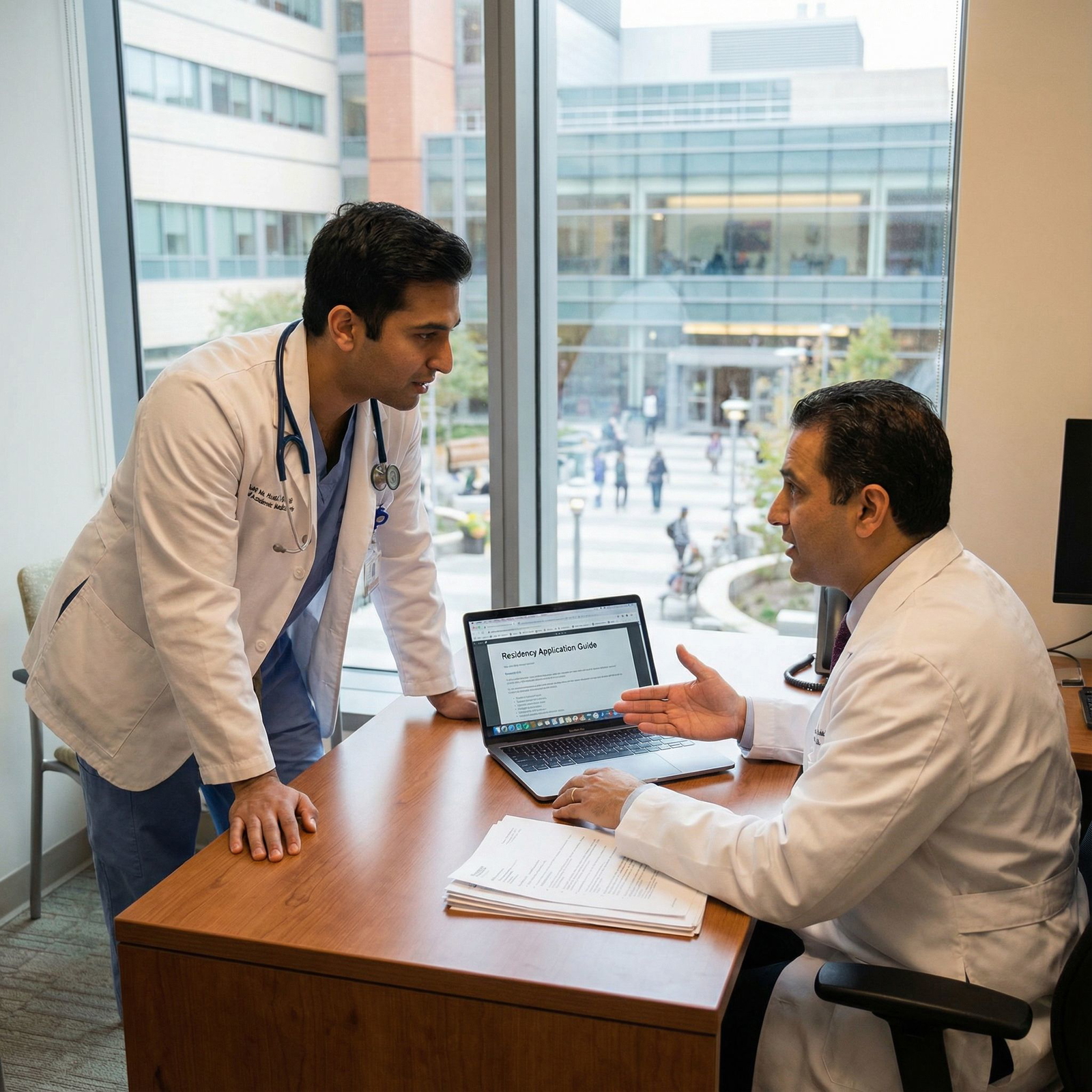
Why Medical Shadowing in Plastic Surgery Matters
Medical shadowing in plastic surgery is one of the most powerful early experiences you can pursue if you’re even remotely considering this field. It’s more than “checking a box” for your CV; it gives you:
- A realistic picture of the specialty’s day-to-day life
- Early mentorship connections for letters of recommendation
- Insight into whether an integrated plastics match is truly the right path for you
- Concrete stories and examples for your personal statement and interviews
Because plastic surgery is competitive and relatively small, meaningful shadowing can strongly influence your trajectory—both in terms of competitiveness and personal fit.
In this guide, we’ll walk through:
- What plastic surgery shadowing actually looks like
- How to find shadowing opportunities (and what to do if your school has no plastics program)
- How many shadowing hours are useful and how to structure them
- How to behave professionally and make a positive impression
- How to leverage your shadowing for a future plastic surgery residency application
Understanding Plastic Surgery Shadowing: What You’ll Actually See
Plastic surgery is often misunderstood as “just cosmetics,” but shadowing quickly reveals its breadth. A well-structured shadowing experience should expose you to three major domains:
1. Reconstructive Plastic Surgery
These cases demonstrate plastic surgery’s role in restoring form and function. Common examples you might observe:
- Breast reconstruction after mastectomy
- Hand surgery (nerve repairs, tendon repairs, fracture fixation)
- Trauma reconstruction (soft tissue coverage, complex laceration repairs)
- Pressure sore coverage and flap surgery
- Skin cancer excisions with local flaps or grafts
Pay attention to:
- How the surgeon plans incisions to minimize deformity
- Preoperative discussions about risks, expectations, and functional outcomes
- Coordination with other services (ENT, ortho, general surgery, oncology)
This component of shadowing helps you understand plastic surgery’s collaborative nature and its role in comprehensive patient care.
2. Aesthetic (Cosmetic) Surgery
If your shadowing includes a private practice or cosmetic center, you may observe:
- Rhinoplasty
- Facelifts and blepharoplasty
- Breast augmentation or reduction
- Body contouring (liposuction, abdominoplasty)
Here, watch for:
- Detailed discussions about expectations and body image
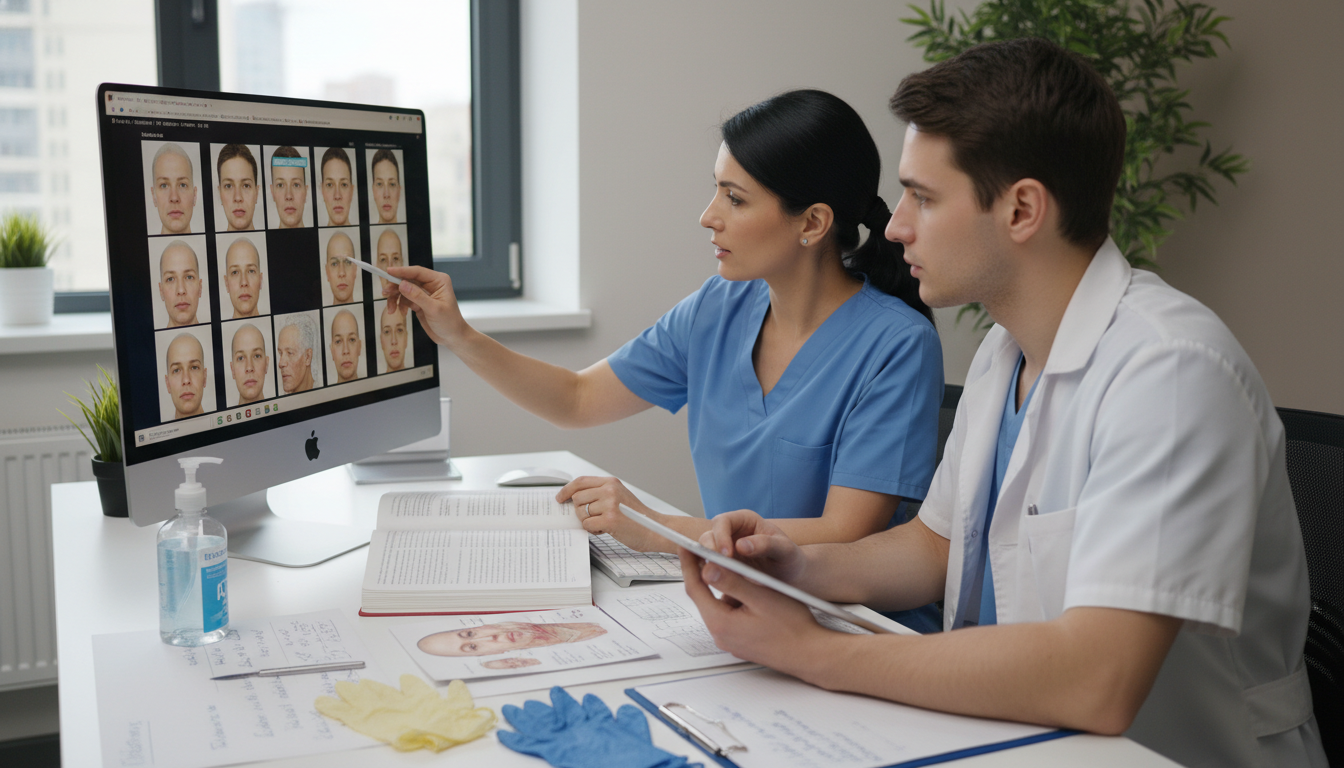
- Pre-op photography and morphing software
- Focus on symmetry, proportion, and subtlety
Seeing cosmetic work is valuable not only for artistic aspects, but also for understanding practice management, marketing, and patient selection—critical if you eventually want a mixed or purely aesthetic practice.
3. Outpatient Clinics and Longitudinal Care
OR time is exciting, but clinic is where you really see the specialty’s breadth and continuity:
- New consults for trauma, congenital anomalies, or elective procedures
- Post-op follow-ups and complication management
- Scar management, wound care, and staged reconstructions
In clinic, focus on:
- How the surgeon explains options and sets realistic expectations
- Use of drawings, models, or photos to educate patients
- How they document with high-quality clinical photography
This is your best chance to observe communication skills, counseling, and longitudinal patient relationships—key themes for future interview talking points.
How to Find Plastic Surgery Shadowing: Step-by-Step Strategy
One of the most common questions is how to find shadowing in such a competitive specialty. “How to find shadowing” in plastic surgery is less about luck and more about persistence and strategy.
Step 1: Start With Your Home Institution
If your medical school or undergraduate institution is affiliated with a hospital that has a plastic surgery department, begin there.
Actions to take:
- Search your institution’s website for “Department of Plastic and Reconstructive Surgery”
- Identify key people: program director, clerkship director, medical student director, residency coordinator
- Ask your student affairs office or Dean’s office if there is a formal process for medical shadowing
Sample email to a departmental contact:
Subject: Medical Student Interested in Plastic Surgery Shadowing
Dear Dr. [Name],
My name is [Your Name], a [MS1/MS2/pre-med] student at [Institution]. I’m very interested in learning more about plastic surgery and was hoping to arrange a brief shadowing experience (clinic and/or OR) to better understand the field.
I’m flexible with timing and would be grateful for any opportunities or guidance on how to get involved.
Thank you for your time and consideration.
Sincerely,
[Your Name]
[School] | [Contact Info]
Keep it short, respectful, and easy to say yes to.
Step 2: Use Student Organizations and Interest Groups
If there’s a Plastic Surgery Interest Group (PSIG) or Surgery Interest Group, they often maintain:
- Lists of faculty willing to have students shadow
- Ongoing “shadowing programs” with assigned dates
- Peer mentors (M3/M4s) who can connect you with residents and attendings
If one doesn’t exist, consider starting a PSIG—this itself can become a leadership talking point on your residency application.
Step 3: Contact Residents Strategically
Residents are often more approachable than attendings and can help you navigate the system.
How to proceed:
- Look up plastic surgery residents on your institution’s website
- See if any share your background, school, or research interests
- Send a brief, professional email introducing yourself and asking if they can suggest attendings to contact or times you might sit in on a clinic or call shift
Many residents remember being in your position and are willing to help—if you’re polite and respectful of their time.
Step 4: Community and Private Practice Surgeons
If you don’t have a home plastic surgery program—or want extra exposure—local community or private practice surgeons can be invaluable.
How to locate them:
- Search “plastic surgeon + [your city]” and filter by board-certified surgeons
- Check practice websites for mention of teaching or affiliations with training programs
- Look for surgeons involved in local hospitals, trauma centers, or teaching institutions
Template points to include:
- That you are a student genuinely interested in understanding the specialty
- That you understand privacy and professionalism requirements
- That you’re happy to complete any required hospital/clinic paperwork for medical shadowing
Be aware that some private practices, especially those focused on cosmetics, may have stricter privacy policies or limitations on observers. Others are very open and enjoy teaching—persistence matters.
Step 5: National/Regional Conferences and Professional Societies
Professional organizations such as ASPS (American Society of Plastic Surgeons) or ASPRES (American Society of Plastic Surgeons Resident and Fellows Forum) sometimes have student-focused events or mentorship programs.
Look for:
- Student/resident events at regional or national meetings
- Formal mentorship pairings with faculty in your region
- Virtual lecture series where you can engage and later request shadowing
This is particularly helpful if your home institution lacks a plastic surgery department.
Shadowing Hours Needed: Quality vs. Quantity
There’s no official rule for shadowing hours needed for a plastic surgery residency, but there are practical benchmarks.
For Pre-meds or Early Medical Students
- Target: 20–40 hours of plastic surgery-specific shadowing initially
- Goal: Get basic exposure, confirm interest, and build one or two mentor relationships
Spread these hours across:
- At least 1–2 clinic days
- 1–2 OR days
- If possible, one “call shift” or trauma day
For Serious Integrated Plastics Match Applicants
If you are strongly committed to an integrated plastics match, your experience should go beyond minimal shadowing:
- Total exposure target (not just shadowing):
- 50–100+ hours of active exposure across M1–M3 (shadowing, observing, helping with research, clinic follow-ups)
- More important than raw hours:
- Depth of your relationships with faculty
- Involvement in research, QI projects, or ongoing clinical efforts
- Demonstrated commitment in your application and interviews
Residency programs don’t rank applicants based on shadowing hours alone. They look for:
- An informed, realistic understanding of the specialty
- Sustained interest over time
- Strong letters from plastic surgeons who know you well
So while having a number in mind is helpful, focus on consistent, longitudinal engagement more than a single dense month of observing.
How to Be an Excellent Shadower: Professionalism, Etiquette, and Impact
Once you’ve secured medical shadowing, your behavior will determine whether this turns into a meaningful mentorship—or just another student passing through.
Before You Start: Logistics and Preparation
Paperwork and requirements:
- Confirm any hospital onboarding requirements (HIPAA, proof of vaccination, ID badge)
- Clarify dress code (scrubs vs. business attire, white coat, closed-toe shoes)
- Ask where and when to meet, and whether you should bring anything (e.g., lock, notepad)
Content preparation:
- Review basic anatomy relevant to the day (e.g., for hand cases, review bones, tendons, nerves)
- Read 1–2 introductory review articles on plastic surgery or specific topics you might see
- Prepare 2–3 thoughtful questions (e.g., “How did you decide between academic and private practice?”)
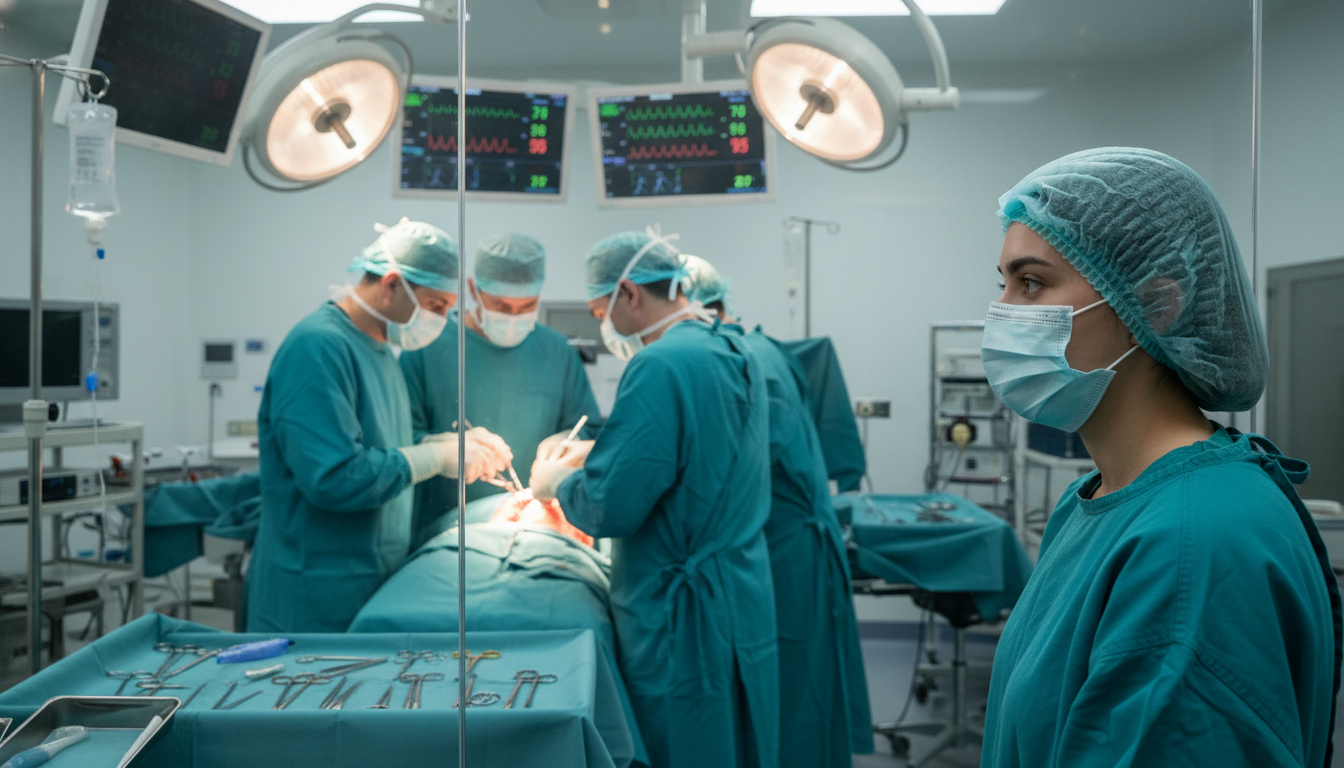
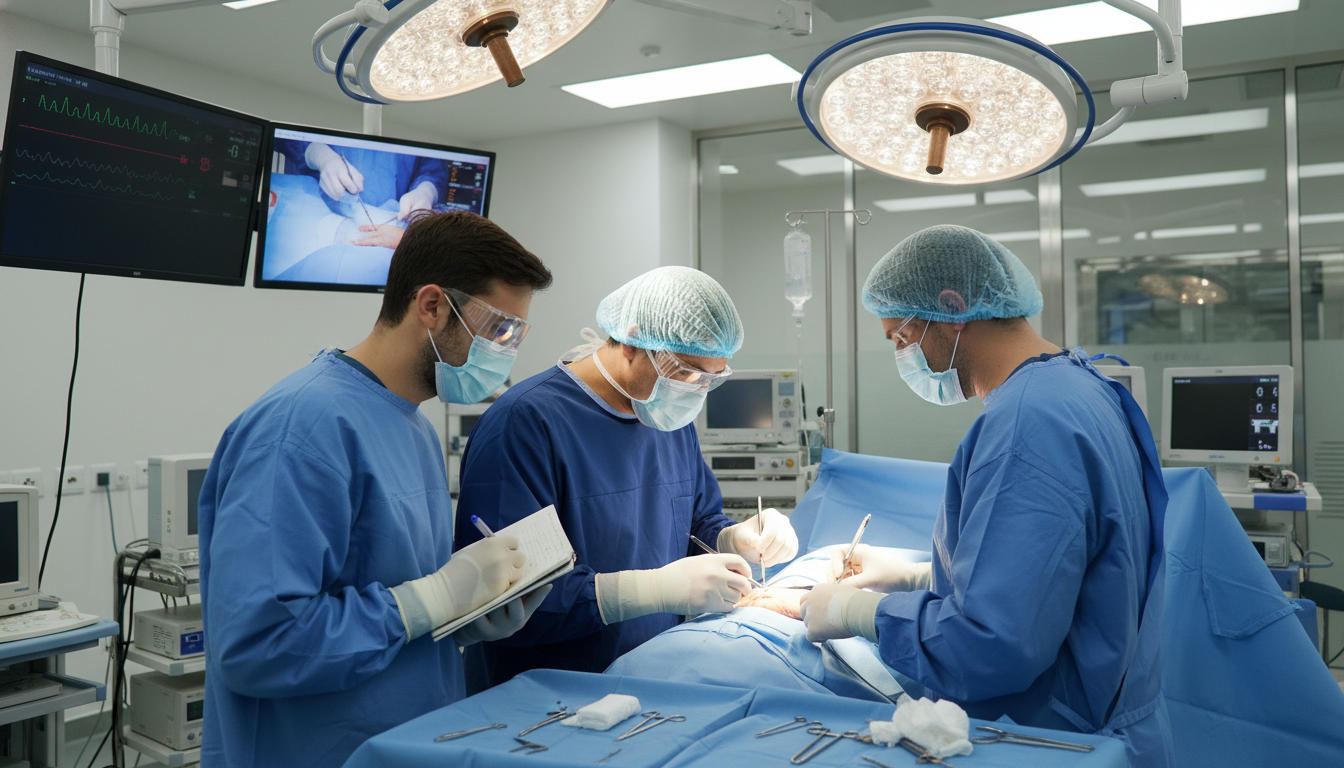
In the OR: Observing Without Getting in the Way
Key principles:
- Arrive early: be there before the attending; 30 minutes before OR start time is ideal
- Introduce yourself clearly to everyone: nurses, anesthesiologists, residents, scrub techs
- Ask where to stand—never assume it’s obvious
Concrete do’s and don’ts:
Do:
- Keep your hands off the sterile field unless explicitly instructed
- Watch the monitor if visible; try to follow along with the steps
- Write down questions to ask later rather than interrupting during critical portions
- Offer to help with non-sterile tasks (e.g., moving the bed, getting blankets) if the staff invite you to do so
Don’t:
- Touch anything on the blue drapes, instrument tables, or Mayo stand
- Take out your phone in the OR
- Speak during critical times (induction, emergence, key surgical maneuvers)
- Ask to scrub in during your first visit unless invited
Over time, as the team grows comfortable with you, residents or attendings may invite you to scrub in, retract, or cut sutures—this is a sign of trust.
In Clinic: Active Observation and Patient Interaction
Clinic is where you can show interest and growth without violating boundaries.
How to excel in clinic:
- Ask beforehand: “Would it be appropriate for me to introduce myself to patients as a medical student observer?”
- Knock before entering and maintain eye contact when introduced
- Observe how the surgeon explains complex procedures in lay language
If the attending allows, you might:
- Take brief observational notes about patient presentations (no identifiers)
- Sketch anatomical diagrams to help solidify your understanding
- Ask if you can look at imaging or photos after the visit ends
Your goal is to learn how a plastic surgeon balances medical details with aesthetic goals and patient expectations.
Professionalism and Follow-through
Mandatory behaviors:
- Absolute respect for confidentiality—never discuss patient cases with identifying details outside the clinical environment
- Punctuality: always be early or exactly on time
- Proper grooming and attire; your appearance reflects on the team
After your shadowing:
- Send a brief thank-you email within 24 hours
- Mention one or two specific things you learned or appreciated
- If you’re interested in ongoing involvement, you might say:
“If you ever have research projects or additional clinical days where a motivated student could be helpful, I’d be eager to stay involved.”
This is often the pivot from “shadower” to early mentee.
Turning Shadowing Into a Competitive Edge for Plastic Surgery Residency
Shadowing itself doesn’t get you matched, but what you do with those relationships and insights can significantly impact your plastic surgery residency prospects, especially for the integrated plastics match.
1. Building Mentors and Letter Writers
From your shadowing experiences, identify:
- 1–2 attendings who seem interested in teaching
- Residents who are responsive and supportive
Over time, convert casual contact into a more structured mentorship by:
- Asking for a specific meeting to discuss career planning
- Getting involved in small research, case reports, or QI projects
- Consistently showing up (clinic, OR, conferences)
When it’s time to ask for letters:
- Do it early (2–3 months before needed)
- Provide your CV, personal statement draft, and a summary of your work with them
- Ask if they can write a strong letter of support for your plastic surgery residency application
Strong letters from plastic surgeons who truly know you matter enormously in this specialty.
2. Informing Your Personal Statement and Interviews
Your shadowing should give you:
- Specific patient stories (de-identified) that illustrate why plastic surgery resonates with you
- Real understanding of the balance between art and science, function and form, aesthetics and reconstruction
For example, you might describe:
- Following a breast cancer patient through consultation, reconstruction, and follow-up, and how it shaped your understanding of body image and identity
- Observing how subtle technical decisions in hand surgery profoundly affected long-term function
These narratives help distinguish your application from generic statements about “liking surgery and creativity.”
3. Clarifying Your Own Career Goals
As you shadow more broadly, genuinely ask yourself:
- Do I enjoy long, meticulous operations?
- How do I feel about high-stakes aesthetics and expectation management?
- Do I prefer complex reconstructions in an academic center or a more elective, cosmetic-focused private practice setting?
Honest self-assessment, based on real exposure, will guide whether you fully commit to an integrated plastics match or consider adjacent fields (e.g., general surgery with burn focus, ENT with facial plastics, ortho hand).
4. Complementing Shadowing With Research and Scholarly Work
For integrated plastics, research productivity often distinguishes applicants.
Use shadowing to:
- Identify topics the department cares about (outcomes, educational projects, quality improvement)
- Ask if you can help with chart reviews, database projects, or case reports arising from interesting patients you’ve observed
Even one or two well-executed projects with your shadowing mentors can:
- Deepen the relationship
- Give you talking points for interviews
- Strengthen your CV beyond hours of passive observation
Frequently Asked Questions (FAQ)
1. How many shadowing hours do I need for a competitive plastic surgery residency application?
There is no fixed requirement for shadowing hours needed, but for a serious integrated plastics match applicant, aim for consistent, longitudinal exposure rather than a single number. Many successful applicants will have:
- 50–100+ hours of plastic surgery-related exposure over several years (shadowing, research involvement, clinics)
However, depth of relationships and meaningful engagement with faculty matter far more than a specific hour total.
2. Can I match into plastic surgery without a home plastic surgery program?
Yes, but it’s more challenging and requires strategic planning. If you don’t have a home program:
- Seek shadowing with local community or private practice plastic surgeons
- Use national organizations (ASPS, student/resident sections) to find mentors
- Plan away rotations (sub-internships) at programs you’re interested in during M4
Your shadowing and early mentorship will be particularly important for building connections and securing strong external letters.
3. What if I’m a pre-med student—does plastic surgery shadowing still matter?
Absolutely. For pre-meds, plastic surgery shadowing:
- Confirms your interest in medicine and surgery in general
- Gives you compelling stories for medical school applications
- Starts your network early if you eventually pursue plastic surgery residency
Adcoms for medical school will value plastic surgery shadowing as long as you can clearly articulate what you learned about patient care, teamwork, and the realities of surgical life.
4. How should I list plastic surgery shadowing on my CV or ERAS application?
Include it under Clinical Experiences, Exploratory Shadowing, or Extracurricular Activities, depending on format. Note:
- Surgeon’s name and title (e.g., “Shadowed Dr. X, Attending Plastic Surgeon”)
- Institution and dates
- Approximate total hours
- 1–2 bullets describing the type of exposure (e.g., “Observed reconstructive and aesthetic procedures, including breast reconstruction and rhinoplasty; attended outpatient clinics and multidisciplinary tumor board.”)
If you developed longitudinal involvement (e.g., research, weekly clinics), emphasize that sustained commitment rather than just a single short-term shadowing block.
Medical shadowing in plastic surgery is your entry point into a small, demanding, and incredibly rewarding specialty. If you approach it strategically—finding opportunities, showing up prepared, behaving professionally, and nurturing mentorship—it can evolve from a passive observation into the foundation of a strong, well-informed application for plastic surgery residency and an integrated plastics match.