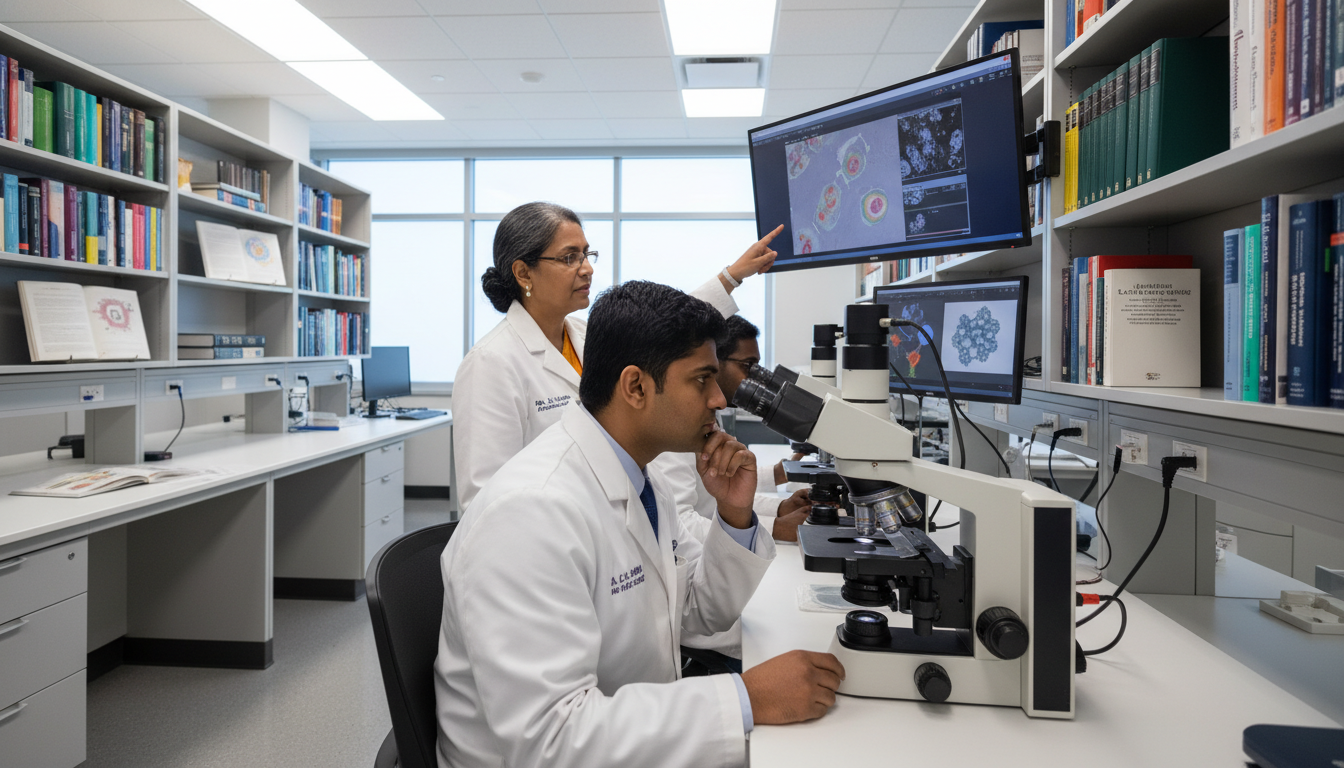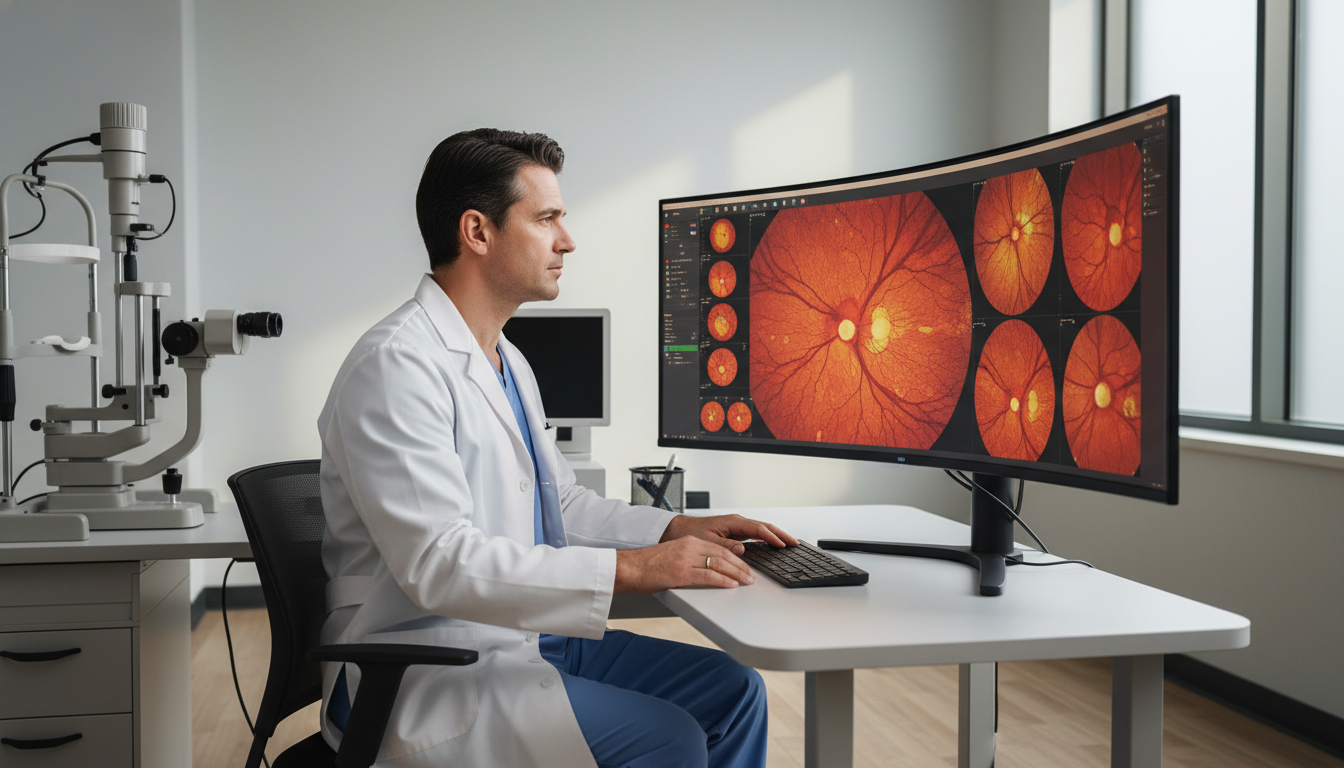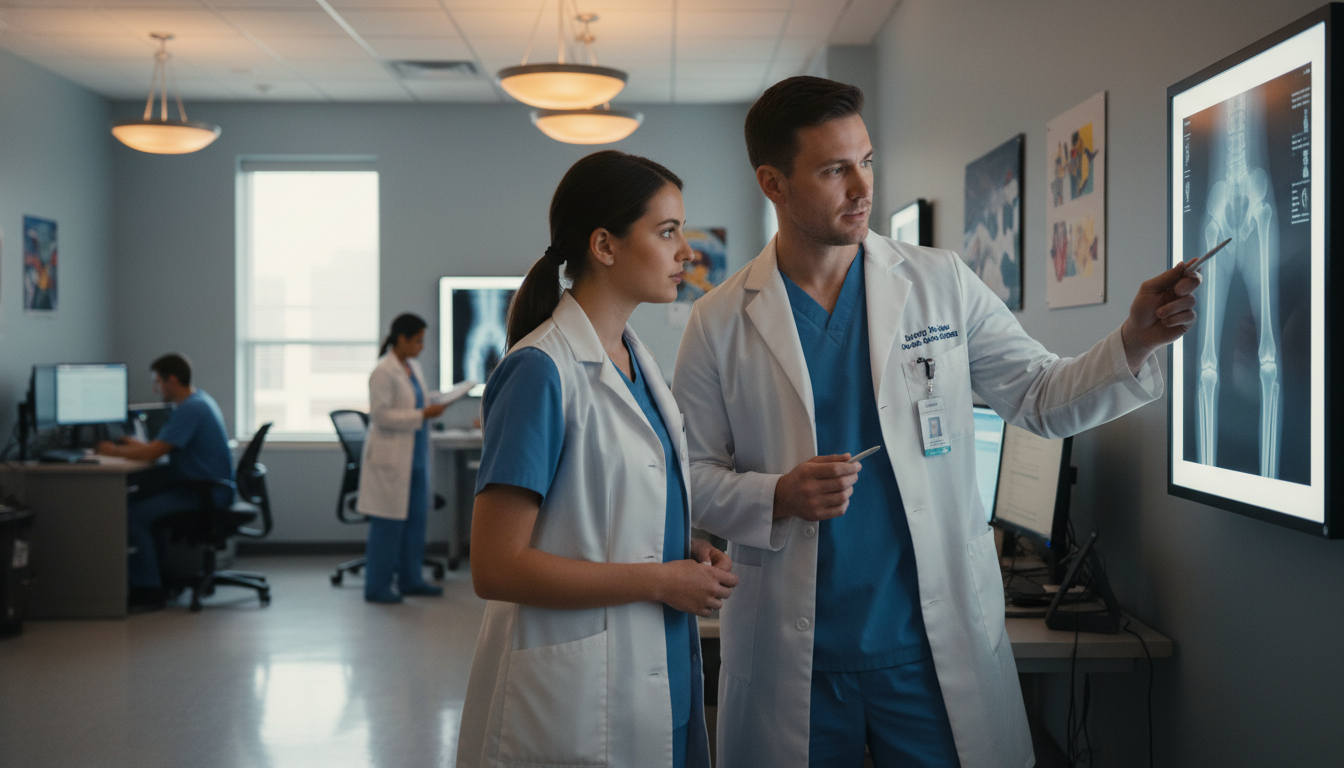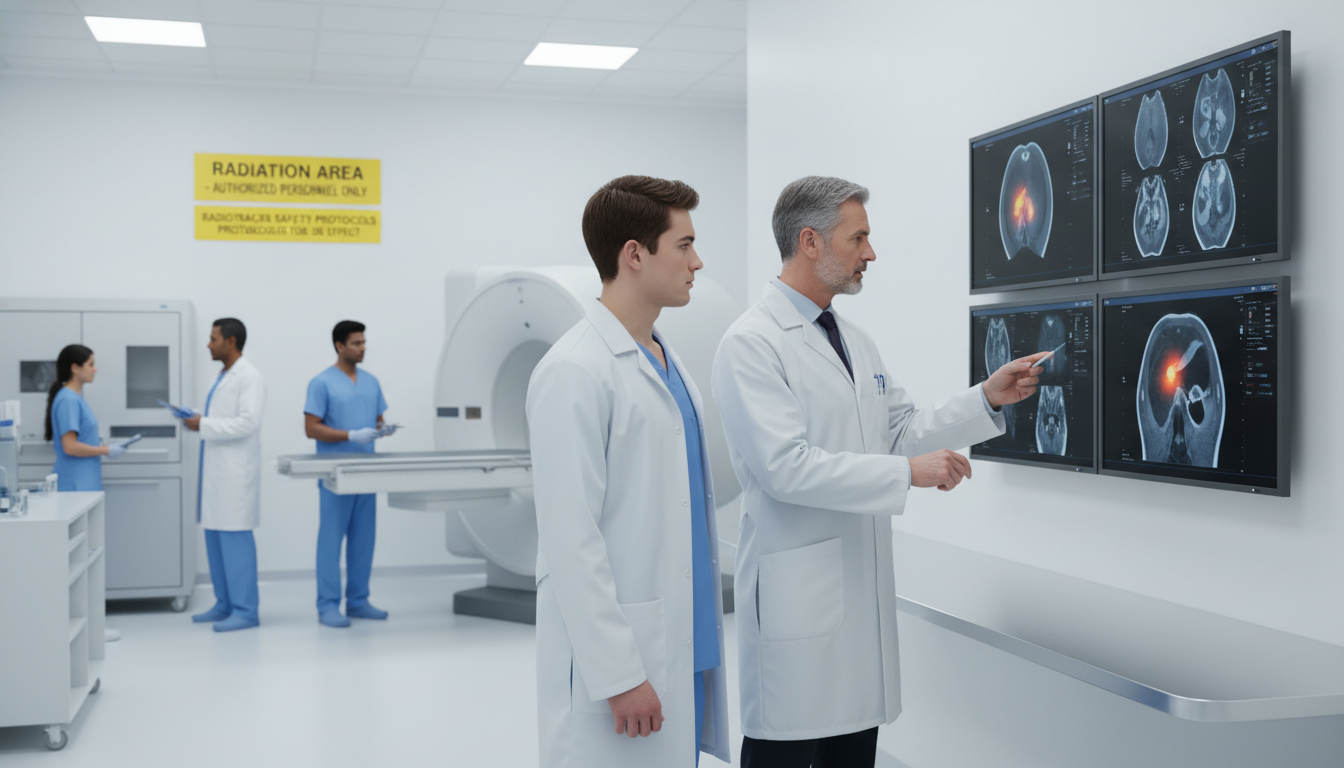
Medical shadowing in nuclear medicine can be a game-changer for your residency trajectory, especially if you’re considering a nuclear medicine residency or a diagnostic radiology path with strong imaging research interests. This guide walks you through what shadowing in nuclear medicine actually looks like, how to find and structure these opportunities, how many shadowing hours you really need, and how to leverage the experience for the nuclear medicine match.
Understanding Nuclear Medicine and Why Shadowing Matters
Nuclear medicine is a subspecialty that uses small amounts of radioactive materials (radiotracers) to diagnose and treat disease. It’s central to PET/CT imaging, SPECT, cardiac perfusion scans, bone scans, thyroid imaging and therapy, and emerging theranostics (such as Lu-177-PSMA therapy for prostate cancer).
Unlike many other fields, nuclear medicine blends:
- Imaging and interpretation (like radiology)
- Physiology and molecular pathways (like internal medicine and pathology)
- Procedures and therapies (injections, radioactive iodine therapy, theranostics)
- Radiation safety and physics (dosimetry, shielding, regulatory compliance)
Because it’s less visible than surgery or internal medicine on core clerkships, medical shadowing is one of the best ways to explore:
- Whether nuclear medicine fits your interests and personality
- How the workflow compares to radiology or oncology
- How patient-facing vs “behind-the-scenes” the work truly is
- Whether you want to target a nuclear medicine residency specifically, or a different path with a strong imaging focus
Shadowing also supports your nuclear medicine residency application because it:
- Demonstrates genuine, informed interest in the field
- Allows you to meet mentors who may write letters of recommendation
- Generates specific stories for your personal statement and interviews
- Helps you decide if you’ll pursue electives, research, or a combined path (e.g., radiology followed by nuclear medicine fellowship)
What to Expect During a Nuclear Medicine Shadowing Experience
Shadowing in nuclear medicine is typically more structured and predictable than in many acute-care specialties. A typical day may consist of scheduled imaging studies, multidisciplinary collaboration, and occasional therapies.
Common Clinical Settings You’ll See
You’ll usually shadow in one or more of the following:
- Hospital-based nuclear medicine department
- PET/CT center
- Outpatient imaging center
- Academic nuclear medicine division within radiology
Each setting offers a different emphasis:
- Academic centers: Teaching, research discussions, advanced PET tracers, theranostics
- Community hospitals: Bread-and-butter imaging, high patient volume, practical workflow
- Specialty centers (oncology/cardiology): Focused applications like oncologic PET or cardiac perfusion
Typical Imaging and Procedures You May Observe
During a good shadowing block, you might see:
- PET/CT scans
- FDG-PET/CT for oncology staging/restaging
- Cardiac PET
- Brain PET for neurodegenerative disease (depending on site)
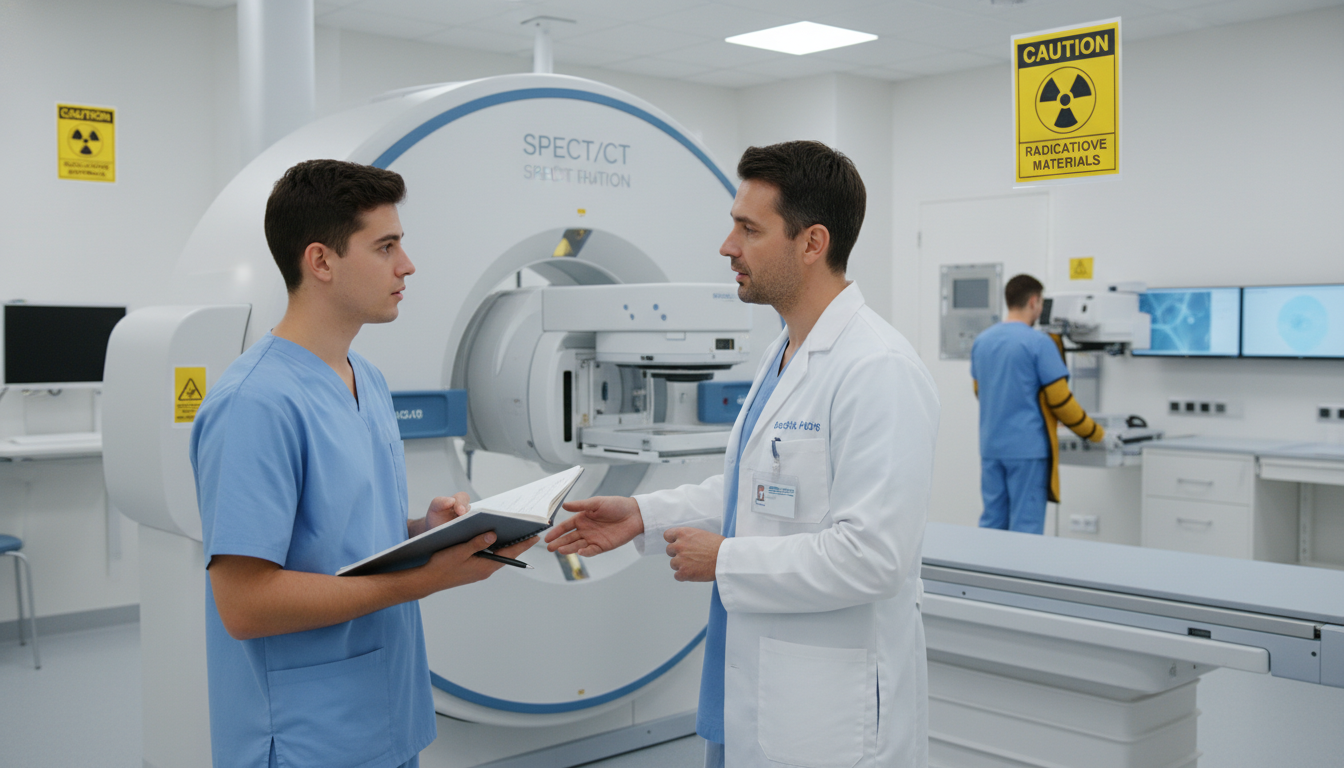
- SPECT and SPECT/CT
- Myocardial perfusion imaging for coronary disease
- Bone scans for metastases, fractures, or pain localization
- V/Q scans for pulmonary embolism
- Planar nuclear medicine
- Thyroid uptake and scans
- Renal scans (MAG3, DMSA)
- Hepatobiliary (HIDA) scans
- Therapeutic procedures
- Radioactive iodine (I-131) for hyperthyroidism or thyroid cancer
- Lutetium-based therapies (e.g., Lu-177 DOTATATE, PSMA)
- Selective internal radiation therapy (SIRT/Y-90) in some centers (often in collaboration with IR)
You will not be performing procedures as a shadowing student, but you can:
- Observe how radiotracers are handled and administered
- Watch image acquisition in the scanner rooms
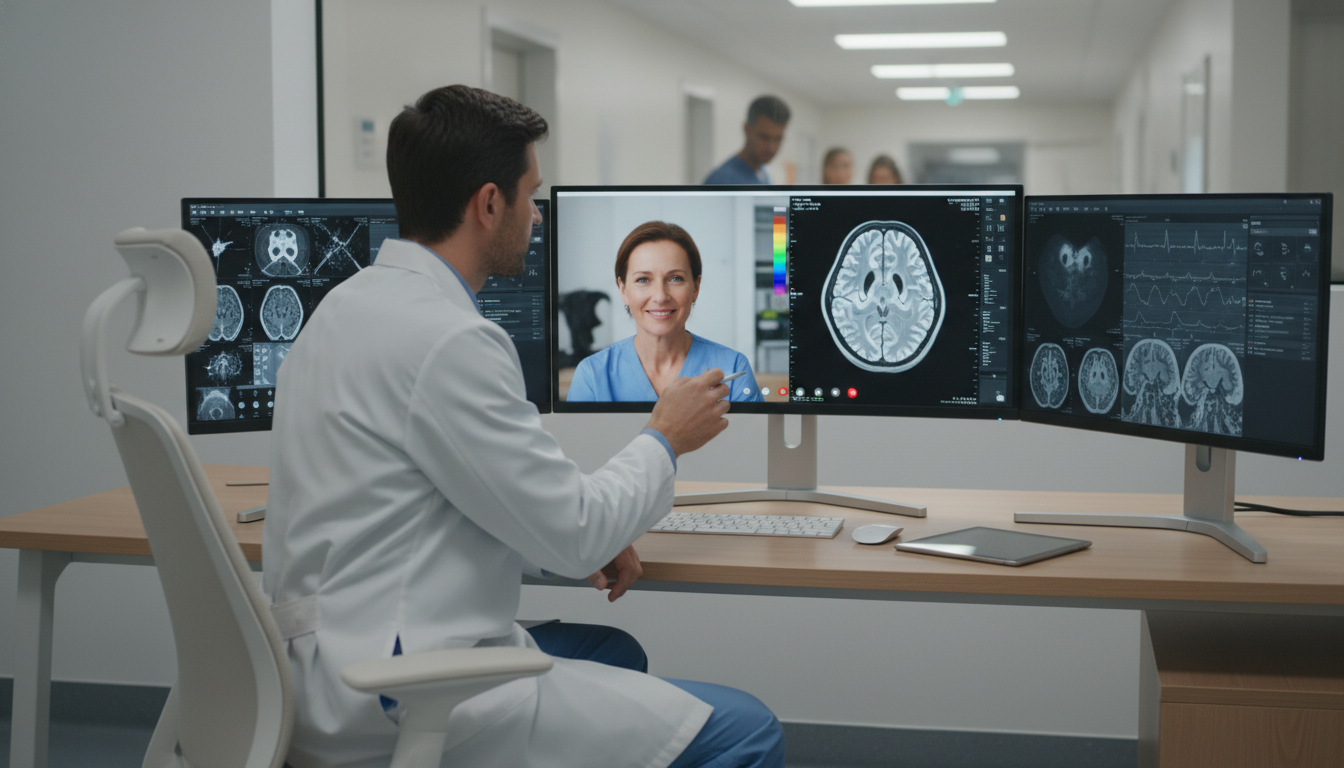
- Sit with the nuclear medicine physician during image interpretation
- Listen to discussions with referring clinicians about results or management
A Sample Shadowing Day in Nuclear Medicine
To make this concrete, here’s what a sample day of medical shadowing might look like:
8:00–8:30 AM: Daily Briefing
- Meet the attending and residents/fellows
- Review the day’s schedule: oncology PET/CTs, V/Q scans, bone scans, and a cardiology consult
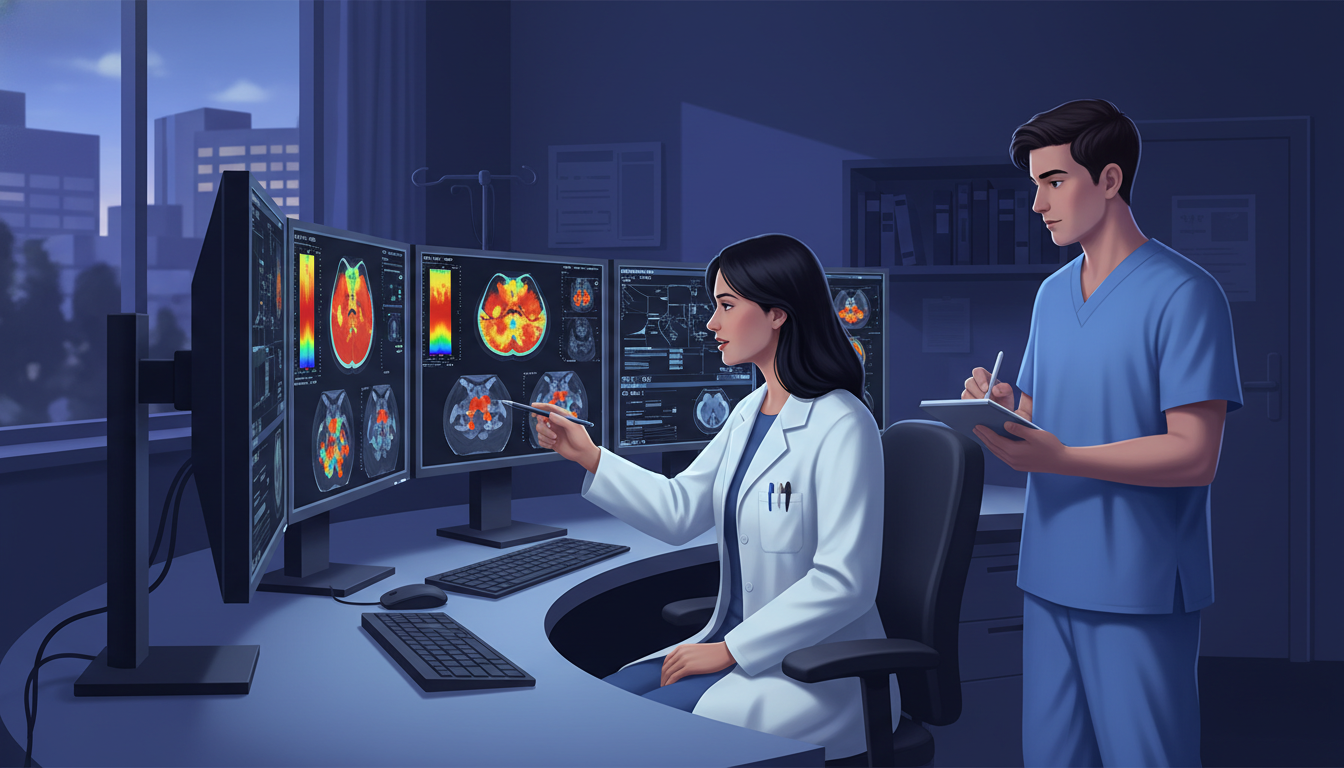
8:30–10:30 AM: PET/CT Reading Room
- Observe interpretation of FDG-PET/CT cases
- Hear staging/restaging discussions for lymphoma and lung cancer
- Learn how standardized uptake value (SUV) is used and misused
- Notice how prior imaging and clinical history influence interpretation
10:30–11:30 AM: Radiopharmacy and Injection Workflow
- Tour the hot lab with technologists (if allowed)
- Watch how doses are measured and labeled
- Learn about time-sensitive logistics of PET tracers
11:30 AM–1:00 PM: Nuclear Cardiology
- Observe a myocardial perfusion study
- Discuss stress vs rest images and ischemia versus infarct
- Sit in on brief interactions with referring cardiologists
1:00–2:00 PM: Thyroid or Theranostic Clinic
- Observe patient counseling for I-131 therapy or Lu-177 therapy
- Learn about radiation precautions, consent, and side effect counseling
- See how nuclear medicine physicians interact longitudinally with some patients
2:00–4:30 PM: SPECT/CT and Miscellaneous Studies
- Observe bone scans, infection imaging, or GI bleed scans
- Join the attending in dictating and finalizing reports
- Ask structured questions between cases
Throughout the day, you’ll hear radiologists, nuclear medicine physicians, and technologists repeatedly emphasize:
- Radiation safety
- Image quality and artifact recognition
- Clinical context and appropriateness of studies
This exposure helps you understand whether the analytic, pattern-recognition-heavy style of nuclear medicine matches your interests.
How to Find Shadowing in Nuclear Medicine (Even if Your School Is Small)
Many students struggle with how to find shadowing in less visible specialties. Nuclear medicine can be particularly challenging because:
- Some hospitals have combined radiology/nuclear departments where nuclear is less clearly labeled.
- Not all medical schools have a standalone nuclear medicine residency program or division.
Still, there are reliable strategies to find opportunities.
1. Start with Your Home Institution
Begin with the simplest path:
- Search your hospital directory or website for:
- “Nuclear Medicine”
- “Molecular Imaging”
- “PET/CT”
- “Nuclear Radiology”
- Email or message:
- Nuclear medicine attendings
- Chief residents or fellows
- Department education coordinators or program coordinators
Sample email to request shadowing:
Subject: Medical Student Request for Nuclear Medicine Shadowing Opportunity
Dear Dr. [Last Name],
My name is [Your Name], and I am a [MS2/MS3/MS4] at [Your School]. I am exploring imaging-based specialties and am particularly interested in learning more about nuclear medicine.
I was hoping to arrange a short-term shadowing experience in the nuclear medicine division to better understand the clinical workflow, types of studies performed, and the role nuclear medicine plays in patient care and residency training.
I am available on [provide 3–4 possible dates/times or a date range], but I’m very flexible and happy to work around your schedule. I have completed [HIPAA/radiation safety/any relevant training], and I will follow all departmental policies.
Would it be possible to shadow you or a member of your team for a half-day or full day?
Thank you very much for your time and consideration.
Sincerely,
[Your Name], [Year]
[Medical School]
[Contact info]
2. Leverage Course Directors and Advisors
Ask:
- Radiology clerkship director or imaging course director
- Dean’s office / student affairs
- Career advisors and specialty mentors
Questions to ask:
- “Who does most of the PET/CT work here?”
- “Is there a nuclear medicine attending who enjoys teaching students?”
- “Are there any student electives or observerships in nuclear medicine?”
They may know of unofficial or underadvertised shadowing opportunities.
3. Contact Nearby Institutions and Academic Centers
If your home institution has minimal nuclear medicine exposure:
- Identify nearby academic centers with:
- Nuclear medicine residency or fellowship
- Dedicated PET centers
- Theranostics or molecular imaging programs
- Search for:
- “Nuclear medicine residency [city/state]”
- “Molecular imaging center [region]”
- Look for:
- Education or student sections on department websites
- Contact info for “Education Coordinator,” “Clerkship Director,” or “Student Programs”
You can request:
- A single-day observership
- A short structured shadowing block (e.g., 1–2 weeks)
- A formal elective that includes significant shadowing
Be prepared that off-site shadowing may require:
- Additional paperwork
- Proof of vaccinations
- HIPAA training
- Liability or affiliation documentation
4. Use Professional Organizations and Conferences
Professional societies can connect you:
- SNMMI (Society of Nuclear Medicine and Molecular Imaging)
- ACR (American College of Radiology) nuclear medicine sections
Actionable steps:
- Check SNMMI’s student resources for mentorship programs
- Attend local or virtual SNMMI chapter meetings
- Ask about “student shadowing” or “resident for a day” events
5. Virtual Shadowing and Case-Based Learning
If in-person access is limited (geography, institutional policy, or public health restrictions), seek:
- Virtual case conferences with nuclear medicine divisions
- Online tumor boards where PET/CT is reviewed
- Recorded teaching sessions from SNMMI or academic centers
While virtual experiences don’t fully replace in-person medical shadowing, they:
- Deepen your understanding of case interpretation
- Provide talking points for your CV and personal statement
- Show initiative and commitment to the field
Shadowing Hours Needed and How to Structure Your Experience
Applicants often ask how many shadowing hours are needed for nuclear medicine. There is no universal requirement, but patterns are helpful.
How Many Shadowing Hours Are Reasonable?
For a serious interest in nuclear medicine:
- Baseline exposure:
- ~8–16 hours (1–2 full days)
- Enough to understand workflow and generate basic insight for your application
- Moderate commitment:
- ~20–40 hours (1–2 weeks, or multiple scattered days)
- Allows you to see a range of studies and develop relationships with faculty
- Strong focused interest:
- 40+ hours or a formal elective
- Ideal if you plan to apply to nuclear medicine residency or want a letter
What matters more than a specific number is:
- Quality and depth of your engagement
- Ability to articulate what you learned
- Concrete examples of how the experience informed your career decisions
Making the Most of Your Shadowing Time
To transform shadowing from passive observation into active learning:
Before you start:
- Review basics of:
- Common radiotracers (FDG, Tc-99m agents, I-131)
- Fundamental nuclear medicine physics and radiation safety
- Prepare a short “elevator pitch” about:
- Who you are (year, school)
- Why you’re interested in nuclear medicine
During shadowing:
- Arrive early and dress professionally (white coat if appropriate)
- Bring:
- Small notebook or digital note app
- Short list of focused questions
- Ask targeted, not constant questions, such as:
- “How do you decide which PET tracer to use for this patient?”
- “What are the most common errors you see non-imagers make when interpreting nuclear reports?”
- “How has theranostics changed your practice?”
After each day:
- Write down:
- 2–3 interesting cases you saw (de-identified)
- 1–2 things you learned about the specialty
- 1 thing that reinforced or changed your interest
These notes become gold for your personal statement, ERAS application, and interviews.
Turning Shadowing into a Strong Nuclear Medicine Residency Application
Shadowing alone does not match you into a nuclear medicine residency, but it’s a crucial foundation. The key is to transform what you observe into clear, documented interest and relationships.
Building Relationships and Finding Mentors
Your goal should be to identify at least one:
- Attending or faculty mentor in nuclear medicine
- Resident or fellow contact who can advise you about the field
Ways to build those relationships:
- Show up consistently and on time
- Ask for feedback on your questions and engagement
- Express interest in:
- Attending case conferences
- Joining tumor boards
- Helping with small research or quality improvement projects
Near the end of your shadowing block, you might say:
“This experience has really solidified my interest in nuclear medicine. I plan to apply to [nuclear medicine residency / radiology with nuclear focus]. Would you be open to giving me advice on my application, and possibly writing a letter of recommendation if you feel you know me well enough?”
Be courteous and give them an easy “out” while opening the door to mentorship.
Reflecting Experience in Your Application Materials
To leverage shadowing for the nuclear medicine match, incorporate it into:
1. Personal Statement
Use your notes to write specific, vivid paragraphs:
- Describe a case where nuclear imaging critically changed management
- Explain what fascinated you about the physiology-based imaging
- Address how the specialty’s balance of analytical thinking, technology, and patient care suits you
Avoid generic lines like “I enjoyed seeing patients helped by imaging”; instead, give focused, concrete examples.
2. ERAS Activities Section
List shadowing under:
- “Extracurricular” or “Work/Volunteer Experience” (depending on your school’s norms)
Include:
- Facility name and department (e.g., “Nuclear Medicine, [Hospital Name]”)
- Approximate hours and dates
- 2–3 bullet points describing what you observed and what you learned:
- “Observed interpretation of 50+ PET/CT and SPECT/CT studies in oncology and cardiology.”
- “Participated in daily case-readouts and multidisciplinary tumor boards.”
- “Gained exposure to radioactive iodine therapy and patient safety counseling.”
3. Interview Conversations
During interviews, programs may ask:
- “How did you become interested in nuclear medicine?”
- “What experiences confirmed your interest in this specialty?”
Your shadowing gives you:
- Specific patient scenarios to discuss (de-identified)
- Insights into day-to-day workflow and challenges
- Evidence that your interest is informed, not impulsive
Complementing Shadowing with Electives and Research
To strengthen your application beyond shadowing:
- Nuclear medicine or imaging electives:
- Provide graded performance and structured teaching
- Show your ability to function more independently
- Research in molecular imaging, PET, or radiopharmaceuticals:
- Shows scholarly engagement
- Can lead to abstracts or publications
- Interdisciplinary experiences:
- Oncology, cardiology, neurology electives where nuclear imaging is heavily used
- Strengthens your understanding of clinical impact
Shadowing is the entry point; electives, research, and mentorship are what consolidate your candidacy.
Practical Tips, Pitfalls, and Professionalism During Shadowing
Nuclear medicine has unique professional and safety considerations compared to other clinical settings.
Professional and Safety Expectations
- Follow radiation safety instructions carefully
- Avoid crossing into restricted areas without permission
- Respect ALARA principles (As Low As Reasonably Achievable)
- Maintain strict patient confidentiality
- Do not write down identifying information
- Avoid discussing cases in public spaces
- Dress code and PPE
- White coat or professional attire as instructed
- Dosimeter badge if provided (treat it like vital equipment)
- Gloves and PPE when entering certain therapy or injection areas (if allowed)
Common Pitfalls to Avoid
- Being too passive: Never asking questions or engaging suggests disinterest
- Being too intrusive: Asking constant questions during tense moments or while the physician is dictating urgent cases
- Ignoring non-physician staff: Technologists, nurses, and physicists are crucial members of the team—learn from them as well
- Failing to prepare: Not knowing basic terms like “PET,” “SPECT,” or “radiotracer” makes a poor impression
Maximizing Each Shadowing Session
Before each new session, set one or two specific learning goals, such as:
- “Understand how PET/CT is used for lymphoma staging.”
- “Learn the main indications for bone scans vs MRI.”
- “Observe how nuclear medicine consults are handled.”
After the session, quickly jot down:
- What you achieved
- New questions that arose
- Ideas for further reading
Over time, this builds a structured learning trajectory you can share with mentors or mention in your application.
FAQs: Medical Shadowing in Nuclear Medicine
1. How many shadowing hours are needed to be competitive for nuclear medicine residency?
There is no strict national requirement for shadowing hours needed. However, for a seriously interested applicant:
- Aim for at least 1–2 full days (8–16 hours) to gain basic familiarity
- Target 20–40 hours or more, ideally via an elective or repeated shadowing sessions, to show sustained interest
Programs focus more on the quality of your reflection and engagement—how well you understand the field and can articulate why it’s right for you—than a specific hour count.
2. Can shadowing in nuclear medicine help if I plan to apply to diagnostic radiology instead?
Yes. Shadowing in nuclear medicine:
- Deepens your understanding of physiology-based imaging
- Exposes you to PET/CT and SPECT/CT, which are integral to modern imaging
- Demonstrates an interest in advanced imaging and oncology, which is valuable for radiology
You can frame it as part of your broader imaging exploration, and it may even guide you toward a future nuclear radiology fellowship or combined diagnostic radiology–nuclear medicine training.
3. What if my school doesn’t have a nuclear medicine department? How can I still get exposure?
If your institution lacks a robust nuclear medicine presence:
- Reach out to nearby academic medical centers with nuclear medicine programs
- Ask your radiology or oncology faculty to connect you to colleagues who interpret PET/CT
- Use virtual case conferences, online lectures, and SNMMI resources to supplement limited in-person access
You can still build a compelling narrative by combining small in-person experiences with robust virtual learning and reading.
4. Is medical shadowing enough, or do I need research to match into nuclear medicine?
Shadowing alone is rarely enough for a standout application. For a strong nuclear medicine residency or nuclear-focused radiology application:
- Start with shadowing to confirm interest
- Then pursue:
- Electives in nuclear medicine or advanced imaging
- Research in imaging, radiotracers, outcomes, or theranostics
- Longitudinal mentorship with a nuclear medicine attending
Shadowing is the foundation that guides these next steps and helps you form the relationships necessary for strong letters and targeted career planning.
By approaching medical shadowing in nuclear medicine strategically—knowing how to find shadowing, how to structure your experience, and how to translate it into a compelling narrative—you position yourself strongly for the nuclear medicine match or a radiology career enriched by advanced molecular imaging. Use your time in the department not just to watch, but to ask, reflect, and connect; that’s how a few days of observation can shape the trajectory of your residency and beyond.