Understanding Ophthalmology Clinical Rotations and Why They Matter
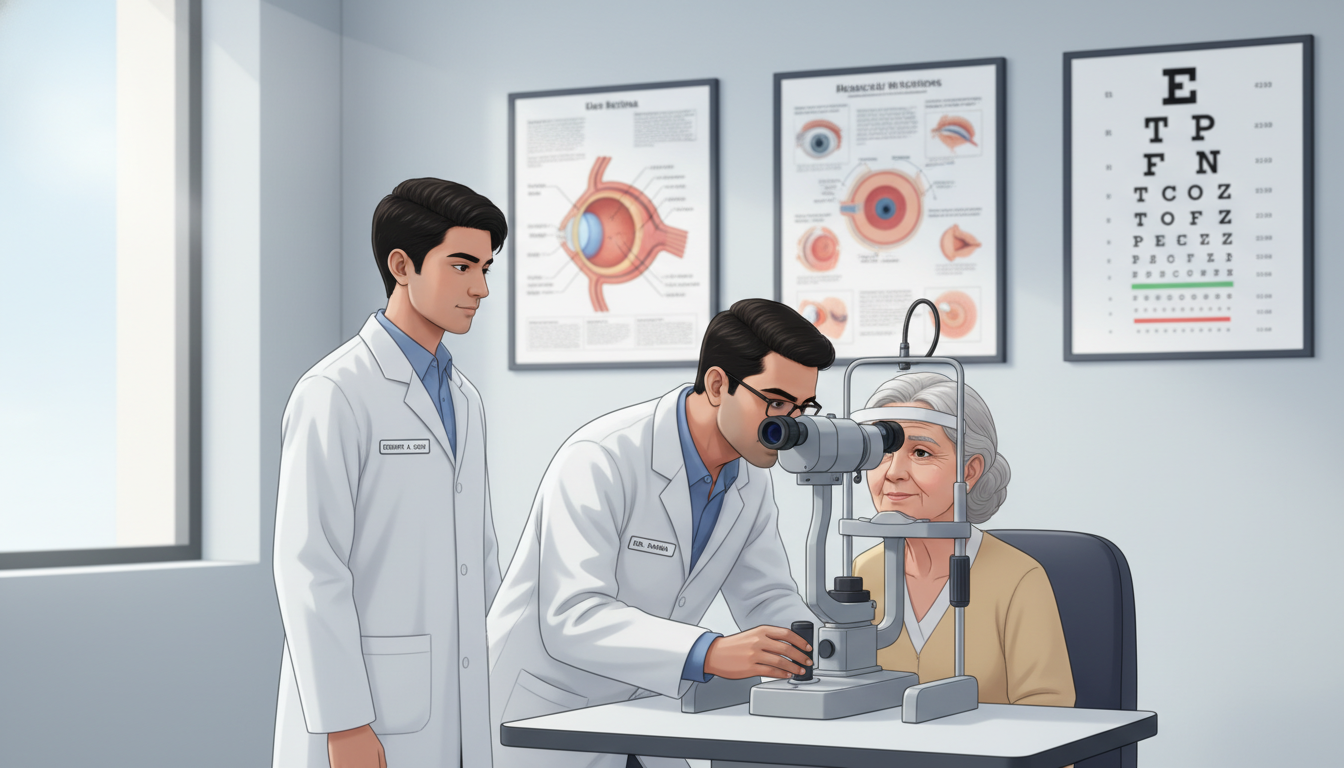
Ophthalmology rotations—whether as third year rotations, fourth-year electives, or away sub-internships—are pivotal for your ophtho match prospects. This is where faculty and residents actually see you in action: your work ethic, clinical reasoning, technical skills, and how you interact with patients and staff.
Unlike some other clerkships, ophthalmology is often short (2–4 weeks) and highly specialized, so your learning curve must be steep and your impression immediate. The goal isn’t to become a fully formed eye doctor in a month; it’s to demonstrate that you:
- Are curious, reliable, and teachable
- Understand the basics of eye disease and examination
- Can function as part of a busy clinical team
- Would be a safe, collegial, and hardworking resident
This guide will walk you through how to excel before, during, and after your ophthalmology rotation—whether it’s your home elective or an away rotation important for your residency application.
Laying the Groundwork: Preparing Before Your Ophthalmology Rotation
Your performance on day one is strongly influenced by what you do in the weeks before the rotation begins.
1. Clarify the Rotation Type and Expectations
Not all ophthalmology rotations are the same. Figure out:
Type of rotation:
- Required third year rotations component vs. fourth-year elective
- Home rotation vs. away audition rotation
- General clinic vs. subspecialty-heavy (e.g., retina, cornea, glaucoma, pediatrics)
Setting:
- VA, county hospital, academic tertiary center, private practice affiliate
Email the rotation coordinator or chief resident 1–2 weeks prior and ask:
- What clinics/OR days will I attend?
- What time and where should I report on day one?
- What is the dress code (scrubs vs. business casual + white coat)?
- Do students have access to the EMR?
- Are there recommended pre-rotation readings?
This shows professionalism and helps you avoid awkward first-day confusion.
2. Build Basic Ophthalmology Knowledge
You don’t need to know every surgical nuance, but you should know enough to be safe and effective. Focus on:
Core anatomy and exam concepts
- Ocular anatomy: lids, conjunctiva, cornea, anterior chamber, iris, lens, vitreous, retina, macula, optic nerve, extraocular muscles, orbit
- Visual pathway: retina → optic nerve → chiasm → tracts → LGN → radiations → visual cortex
- Basic examination steps:
- Visual acuity and pinhole test
- Pupillary exam (direct, consensual, RAPD)
- Extraocular movements and alignment
- Confrontation visual fields
- External and slit-lamp exam basics
- Direct ophthalmoscopy or fundus exam concepts
High-yield disease categories
- Acute red eye (conjunctivitis, keratitis, iritis, angle-closure glaucoma)
- Vision loss (retinal detachment, central retinal artery/vein occlusion, vitreous hemorrhage, macular degeneration, optic neuritis, diabetic retinopathy)
- Trauma (globe rupture, orbital fractures, hyphema, chemical injury)
- Chronic diseases (cataract, open-angle glaucoma, diabetic retinopathy)
Recommended quick resources
- Ophthalmology chapters in your main clinical review book (e.g., Step-Up to Medicine, Blueprints)
- University-produced ophthalmology clerkship guides (many are free online)
- YouTube for slit lamp exam and basic fundoscopy techniques
- AAO’s "EyeWiki" for concise disease overviews
Aim for familiarity, not mastery. Being able to follow attending discussions and ask informed questions will set you apart.
3. Prepare Essential Clinical Skills
For clerkship success in ophthalmology, you should be comfortable with:
Taking a focused ophthalmic history:
- Onset, duration, and progression of vision changes
- Pain, photophobia, discharge, floaters, flashes
- Trauma history, contact lens use, systemic diseases (diabetes, hypertension, autoimmune)
- Previous ocular surgeries, medications (including drops)
Performing and documenting:
- Visual acuity (distance and near, with correction if available)
- Basic pupil exam and extraocular movements
- Confrontation visual fields
- External inspection of lids and conjunctiva
- Tonometry if taught and permitted
Practice on friends or classmates before the rotation if possible. The more automatic your technique, the more bandwidth you have to observe and learn.

Thriving in Clinic: Daily Habits That Impress
Most of your ophthalmology residency application impression will be built in clinic. You might have only a few OR days, but you’ll have many hours seeing patients. This is where you demonstrate clinical maturity and work ethic.
1. Show Up Early and Ready
- Arrive 15–20 minutes before the first patient.
- Log into the EMR (if allowed) and pre-chart the first few patients:
- Quick summary of why they’re here
- Pertinent past ocular and systemic history
- Previous surgeries and treatments
Have your tools with you:
- White coat with pockets not overstuffed
- Penlight, small notebook, and pen
- Pocket Snellen chart or phone app (if permitted)
- Your own indirect ophthalmoscope or 20D lens if you have it (optional but impressive)
2. Learn the Clinic Flow and Respect Efficiency
Busy eye clinics can see 30–60+ patients per day per provider. Learn quickly:
- Who rooms patients and what they expect you to do
- What pre-tests are done by technicians (e.g., visual fields, OCT, IOP)
- How to avoid slowing down the attending:
- Ask what exam components they want you to perform unsupervised
- Present concisely; save full discussion for natural breaks between patients
A simple start-of-rotation question to your attending:
“To be most helpful, would you prefer that I see patients independently and then present, or observe first and gradually take more responsibility?”
3. Master the Focused Ophthalmic History and Presentation
Your goal is a concise, relevant story. For a new patient with acute vision loss:
History (1–2 minutes):
- Chief complaint and onset: “Sudden painless loss of vision in the right eye 3 hours ago.”
- Quality: central vs. peripheral, partial vs. complete
- Associated symptoms: flashes, floaters, curtain-like effect, diplopia, pain, headache
- Systemic context: cardiovascular risk factors, giant cell arteritis symptoms in older patients (jaw claudication, scalp tenderness, temporal headache, polymyalgia)
- Medications (especially anticoagulants, steroids), prior ocular history
Presentation structure:
- “This is Mr. X, a 64-year-old man with a history of diabetes and hypertension presenting with [main symptom] for [duration]. Symptoms are [painless/painful, sudden/gradual]. He denies [list key negatives]. On exam, visual acuity is [value], pupils are [description including RAPD], IOP is [if measured], and preliminarily I see [any major abnormal external findings]. I’m concerned about [short differential] and would like to [next steps].”
Avoid long, unfocused presentations. You’re aiming for clarity and prioritization.
4. Engage Actively but Thoughtfully
Active participation is crucial, but it must be balanced with respect for clinical flow.
Do:
Ask focused questions after the encounter:
- “In a patient like this with diabetic retinopathy, how often do you typically follow them?”
- “What features on the exam pushed you toward [diagnosis A] rather than [diagnosis B]?”
Anticipate needs:
- Pull up OCT images, previous visual fields, or older notes when relevant
- Offer to obtain visual acuity or IOP on patients who haven’t been fully worked up
Take ownership of a few cases per day:
- Follow them through the visit; review imaging and letters; ask how they’ll be followed long term
Avoid:
- Asking multiple off-topic questions while the team is running behind
- Dominating time in the room with the patient
- Touching the slit lamp or patient without explicit permission and instruction
5. Become Proficient in Documentation Basics
If allowed to document, ask for a template or example note so you can mirror the structure. Learn:
- Common abbreviations and ophthalmic shorthand (e.g., OD/OS/OU, VA, IOP, C:D ratio, PVD, RPE, etc.)
- Proper documentation of visual acuity, pupils, EOMs, and anterior segment findings
- How to describe fundus findings (e.g., drusen, dot-blot hemorrhages, neovascularization, cup-to-disc ratio)
Well-structured notes make your attending’s life easier and signal that you can function as an intern.
Making the Most of the Operating Room: Observation to Participation
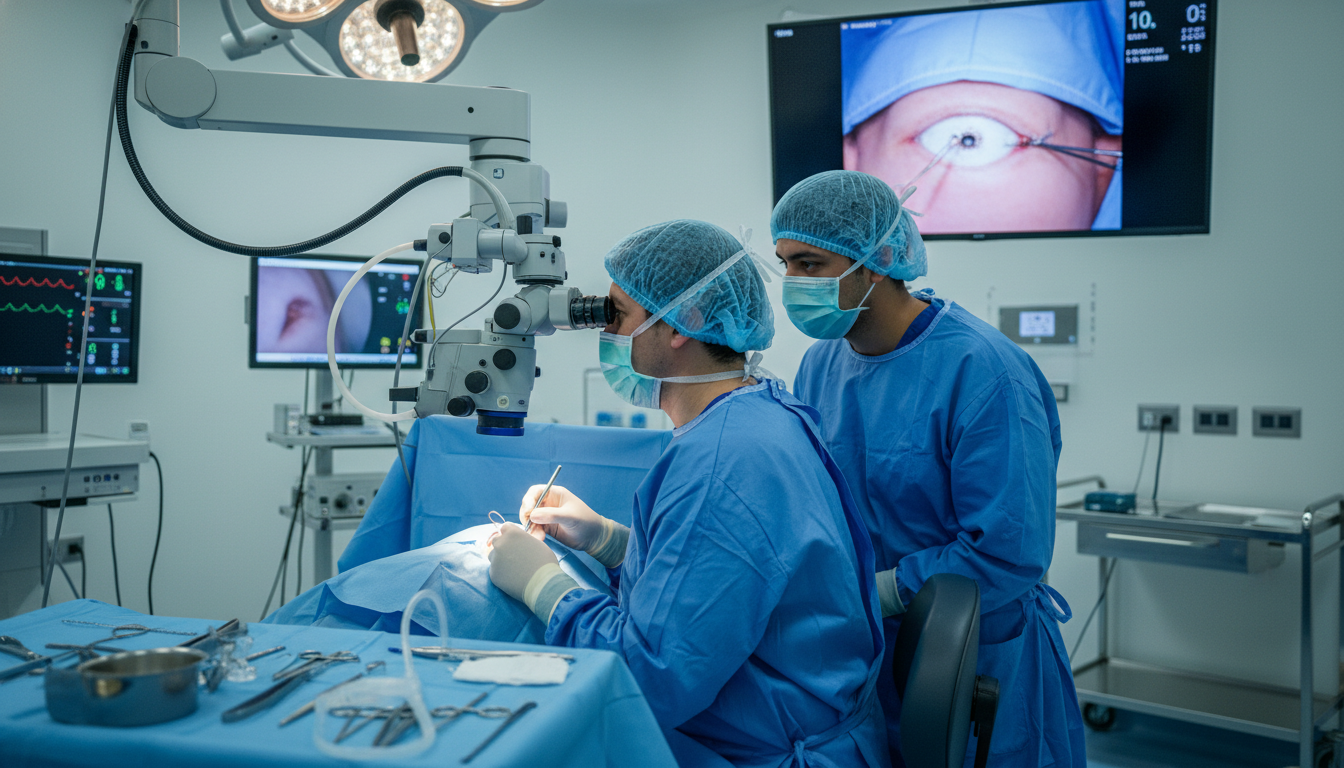
The OR is often what draws students to ophthalmology, and it’s a unique environment. Even if you don’t operate, the OR days can significantly shape how surgeons remember you.
1. Prepare for OR Days in Advance
If you know the schedule:
- Look up the day’s cases the night before: cataracts, vitrectomies, glaucoma procedures, corneal transplants, strabismus surgery, etc.
- Read a short overview of each procedure:
- Indications
- Basic steps (e.g., capsulorhexis, phacoemulsification, IOL placement for cataract surgery)
- Key risks and expected outcomes
A good rule of thumb: be able to describe the surgery in 4–5 steps in plain language.
2. Etiquette and Practicalities in the OR
Arrive early enough to:
- Help transport or position the first patient (if appropriate)
- Introduce yourself to the OR nurse, scrub tech, and anesthesiology team
- Ask where you should stand and what you’re permitted to do
Dress and behavior:
- Proper OR attire; no dangling jewelry or uncovered long sleeves
- Keep your hands away from the sterile field unless directed
- If you’re uncertain about sterility, ask quietly: “Is this considered sterile?”
- Silence or airplane mode for your phone; never pull it out in the OR
You are evaluated as much on your professionalism and situational awareness as on your knowledge.
3. Learn From the Microscope and Cases
You may not always get a perfect view, but:
- Ask if there is a teaching scope; many OR microscopes have a secondary viewer
- When appropriate, ask for explanation:
- “Could you walk me through what you’re doing now?” during slower parts of the case
- “What’s the most critical step of this procedure, from your perspective?”
You can also add value by:
- Remembering patient details and indications for surgery when the attending asks
- Helping with simple tasks like adjusting the monitor, positioning equipment, or writing brief operative summaries if allowed
4. When You Get Hands-On Opportunities
Some attendings may offer minor participation:
- Placing a speculum, suturing conjunctiva, placing a bandage contact lens, injecting subconjunctival medication, or tying sutures
If offered:
Be honest about your skill level:
“I’ve sutured skin and fascia in general surgery, but I haven’t sutured ocular tissue. I’d love to try under your guidance if you think it’s appropriate.”
Move slowly, follow instructions precisely, and prioritize safety over speed.
A confident but humble approach makes attendings more likely to trust you with tasks.
Building Strong Relationships: Professionalism, Feedback, and Letters
Ophthalmology is a small field. Your behavior on a single ophtho rotation can influence your entire ophtho match story—via letters, phone calls, and reputation.
1. Demonstrate Professionalism Consistently
Reliability
- Never be late. If an emergency comes up, notify the team as early as possible.
- Complete assigned readings or tasks by the time you said you would.
Respect for all team members
- Treat technicians, coordinators, and nurses with the same respect as attendings.
- Learn names, thank people who teach you, and offer help when clinic is busy.
Adaptability
- Accept that schedules will change (emergent add-ons, OR delays).
- Take changes in stride and ask, “Where can I be most helpful now?”
2. Communicate Your Career Goals Transparently
If you are strongly considering ophthalmology:
- Tell your attendings early in the rotation:
“I’m very interested in pursuing ophthalmology and would love any advice or feedback on how to strengthen my application.”
This signals that:
- You’re serious about the field
- They should pay closer attention to your performance (helpful for writing letters)
- You welcome constructive feedback
If you’re undecided, it’s still fine to say:
“I’m exploring ophthalmology as a potential career and want to get a realistic view of the field.”
3. Actively Seek and Use Feedback
Mid-rotation feedback is crucial for course correction:
- Ask directly:
“We’re about halfway through my rotation. Are there specific things I could improve to be more helpful to the team or to develop as a future resident?”
When you receive feedback:
- Avoid defensiveness; listen fully and clarify:
- “Just to make sure I understand: you’d like me to be more concise in presentations and prioritize key findings. Is that right?”
- Implement changes visibly. People notice when you respond to feedback.
4. Position Yourself for Strong Letters of Recommendation
For the ophtho match, letters from ophthalmology faculty are extremely valuable. To set yourself up:
- Identify 1–2 attendings who:
- Have seen you in both clinic and OR
- Know your work ethic, personality, and interest in the field
- Have interacted with you over several days at least
Toward the end of the rotation, ask in person if possible:
“I’m applying for ophthalmology residency and have really valued your teaching. Based on your experience working with me, would you feel comfortable writing a strong letter of recommendation on my behalf?”
This phrasing gives them an “out” if they can’t write a strong letter, which is better for you in the long run.
Help them write a detailed letter by providing:
- Your CV and brief personal statement
- A short summary of what you did on the rotation (clinics covered, procedures observed, any projects)
- Reminders of specific patient encounters or cases where you contributed meaningfully
Turning a Good Rotation Into a Great Match Asset
Excelling in clinical rotations in ophthalmology isn’t just about evaluations—it’s about building a portfolio of experiences and skills that make your application stand out.
1. Document Your Learning and Cases
Keep a simple log during and after the rotation:
- Conditions you saw (e.g., “Proliferative diabetic retinopathy with TRD,” “CRAO,” “uveitis,” “traumatic hyphema”)
- Procedures observed or assisted (e.g., cataract surgeries, intravitreal injections, LASIK, trabeculectomy)
- Key pearls and mistakes to avoid that you learned
Later, this log helps you:
- Prepare for residency interviews (you can discuss specific cases)
- Write more authentic personal statements
- Connect themes across your third year rotations and sub-internships
2. Engage in a Small Project if Feasible
On a longer elective or away rotation, it may be possible to:
- Join a case report or small retrospective study
- Help with a quality improvement or patient education project
- Develop clinic handouts or teaching materials for patients
If interested, ask an attending or resident:
“If there are any small projects or case reports I could help with during or after this rotation, I’d love to get involved.”
Even a modest project can:
- Strengthen your connection to mentors
- Add to your CV for the ophtho match
- Deepen your understanding of a particular disease or procedure
3. Reflect Honestly on Fit and Lifestyle
Use your time in clinic and the OR to gauge:
- Do you enjoy the blend of clinic and microsurgery?
- How do you feel about repetitive fine-motor tasks and long OR days?
- Do you like the types of long-term patient relationships common in ophthalmology?
Talk to residents at different levels:
- Ask about typical work hours, call burden, and clinic volume
- Discuss fellowship paths (retina, cornea, glaucoma, oculoplastics, pediatrics, neuro-ophthalmology, uveitis, etc.)
- Learn what they wish they had known as med students
Honest reflection ensures that if you pursue ophtho, it’s for the right reasons—and you’ll be more convincing in interviews and personal statements.
4. Maintain Relationships After the Rotation
After your rotation ends:
Send a concise thank-you email to faculty who taught you:
- Mention a specific case or lesson that was meaningful
- Express interest in staying in touch about future opportunities
Update key mentors:
- When you decide to apply in ophthalmology
- When you submit your ERAS application
- When you match (and where)
Ophthalmology is a tight-knit specialty; these relationships can lead to mentorship for years and help you navigate everything from fellowship choices to early career decisions.
FAQs About Succeeding in Ophthalmology Clinical Rotations
1. How early in medical school should I do an ophthalmology rotation if I’m considering the ophtho match?
If possible, try one exposure in late second year or early in your third year rotations—even a brief observership or elective week. Then schedule a full ophthalmology elective or sub-internship in late third year or early fourth year, especially before ERAS submission. This timing lets you confirm your interest, obtain letters, and plan any away rotations strategically.
2. Do I need away rotations to match into ophthalmology?
Away rotations are common but not absolutely mandatory. They can be very helpful if:
- Your home program is small or you lack strong ophthalmology mentors
- You want to demonstrate interest in a specific geographic region or program
- You’re looking to strengthen your application through additional letters and visibility
If you do an away, treat it as an extended interview—professionalism and consistent effort are paramount.
3. What if my ophthalmology rotation is very short, and I feel like I can’t learn enough?
Short clerkships are common. Focus on what’s realistic:
- Master the basics of eye history and exam
- Learn to recognize common emergencies and red flags
- Make a strong impression through punctuality, enthusiasm, and teachability
Even in 1–2 weeks, faculty can form clear impressions about your potential and write meaningful comments and letters.
4. How can I stand out among other strong students on an ophtho rotation?
You don’t need to be the most knowledgeable person in the room. What sets you apart is:
- Being consistently prepared, early, and eager to help
- Asking thoughtful, concise questions at appropriate times
- Responding visibly to feedback and improving during the rotation
- Showing genuine empathy with patients and respect for all staff
Residency programs look for colleagues they’d want to work with at 2 AM during a consult—you can demonstrate that through your daily behavior far more than through reciting obscure facts.
By preparing thoughtfully, engaging actively in clinic and the OR, and cultivating strong professional relationships, you can turn your ophthalmology rotation into a powerful asset for clerkship success and your future ophtho match.