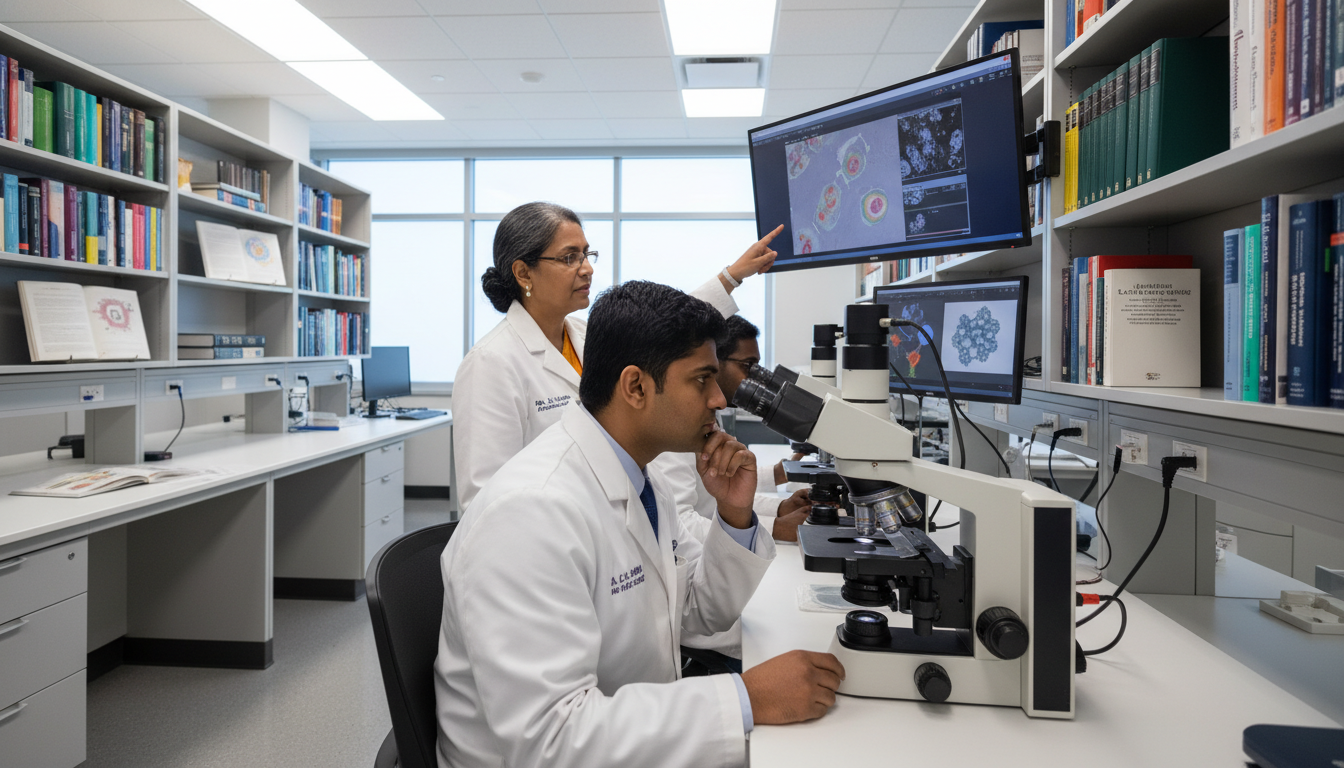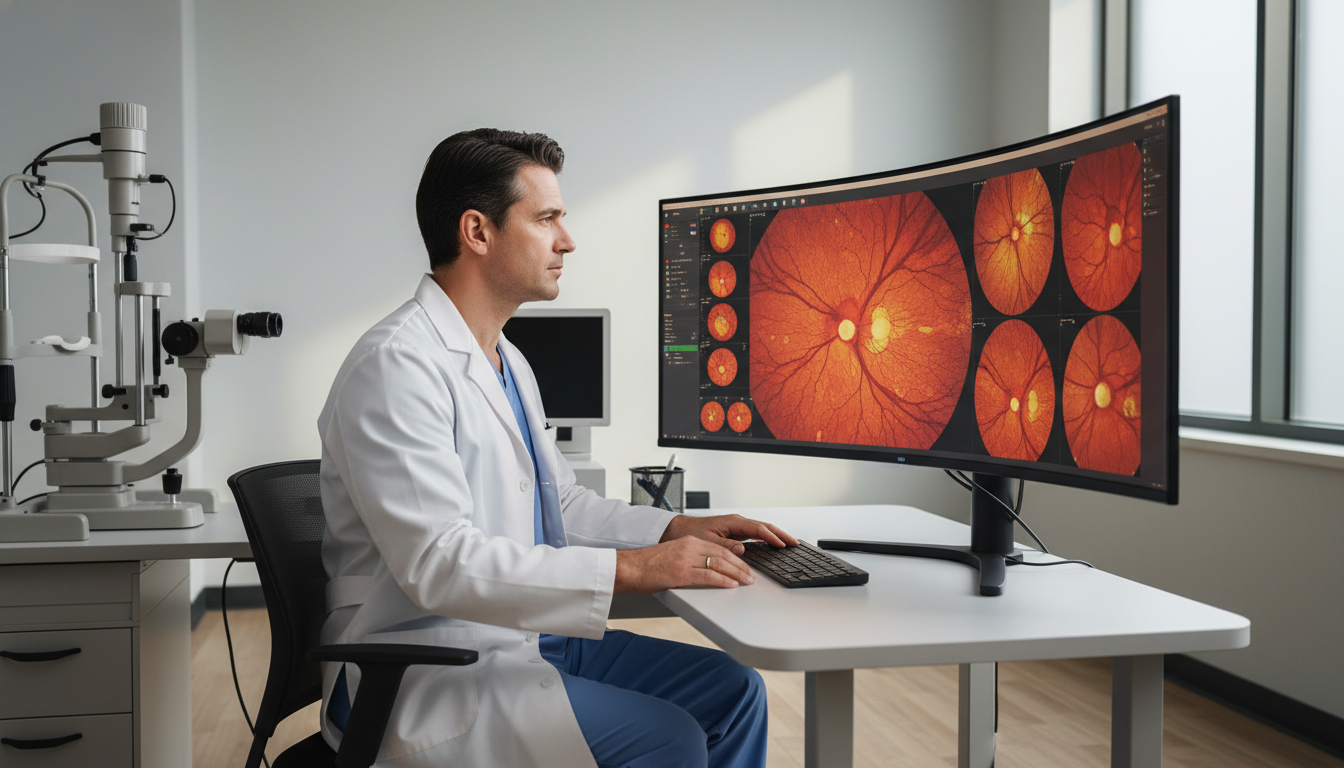
USMLE Step 3 can feel oddly distant from day-to-day pathology residency—yet it is critical for full licensure, future mobility, and sometimes even for competing pathology fellowship applications. For pathology residents, the unique challenge is that Step 3 heavily emphasizes direct patient care, primary management decisions, and longitudinal care—areas many pathology trainees are now several years removed from.
This guide is designed specifically for pathology residents (and future residents) to bridge that gap. It will help you understand the exam, time your test strategically, and create a focused, high‑yield Step 3 preparation plan that works with a pathology residency schedule.
Understanding Step 3 in the Context of Pathology
USMLE Step 3 is a two‑day exam that assesses whether you can apply medical knowledge and understanding of biomedical and clinical science essential for unsupervised practice of medicine, with emphasis on patient management in outpatient and inpatient settings.
For pathology residents, several realities shape Step 3 preparation:
- Clinical skills may be rusty. You’ve spent the last several months (or years) signing out cases, not adjusting insulin regimens.
- Study time is fragmented. Autopsy, frozen sections, sign‑out, and call disrupt consistent daily study blocks.
- Motivation may be mixed. You’re on a pathology track, so it’s easy to underestimate the exam’s importance.
Yet Step 3 matters for pathology residents because:
- It’s required for full, unrestricted medical licensure in nearly all US states.
- Some fellowships and academic positions prefer or require completion of Step 3 before start or early in training.
- A passing score allows credentialing flexibility if you ever shift into roles requiring clinical licensure (e.g., transfusion medicine with clinical oversight, administrative roles, or international work).
Exam Format: What Pathology Residents Need to Know
Day 1 – Foundations of Independent Practice (FIP):
- 6 blocks of multiple-choice questions (MCQs)
- Emphasis on: basic sciences as applied to clinical medicine, epidemiology/biostatistics, ethics, population health, foundational diagnosis and initial management
- No CCS (Clinical Case Simulations) on Day 1
Day 2 – Advanced Clinical Medicine (ACM):
- 4 blocks of MCQs
- 13 CCS cases (computer‑based clinical simulations)
- Emphasis on: management over time, follow-up care, in- and outpatient decision making, complications, and prevention
Key difference for pathology trainees:
- The exam assumes you are the front‑line clinician, not the pathologist. You will be making management decisions that your future clinical consultants may ask you about—but that are not your daily focus in pathology.
When to Take Step 3: Timing for Pathology Residents
Choosing when to take Step 3 during residency is one of the highest‑yield decisions you can make.
General Timing Recommendations
For most pathology residents:
- Ideal window: PGY‑1 or early PGY‑2
- Your clinical knowledge from medical school is still relatively fresh.
- You have fewer independent projects and may not yet be on heavy senior‑level responsibilities.
- Acceptable but higher effort: Late PGY‑2 to PGY‑3
- Requires more remediation of core clinical medicine.
- Better planning needed around elective time or lighter rotation months.
Some programs and states may have specific timing expectations, so always check:
- Your residency program’s policies: Some insist Step 3 be completed by end of PGY‑2.
- State medical board requirements: Some states have time limits between Step 1 and Step 3.
Factors to Consider for Pathology Residents
Recency of clinical experience
- If you did a preliminary year in medicine or surgery immediately before pathology, taking Step 3 in the first half of PGY‑1 pathology is ideal.
- If you went straight into pathology after medical school with minimal clinical internship, aim for Step 3 within the first 12–18 months of residency, before knowledge decays further.
Rotation schedule
- Target light or predictable rotations:
- Autopsy months with structured schedules
- Cytology or hematopathology rotations with more daytime hours and fewer emergencies
- Elective or research months
- Avoid:
- Heavily front‑loaded surgical pathology rotations with long sign‑out days
- Months with excessive call or frozen coverage
- Periods preceding major presentations, in‑service exam prep, or key conferences
- Target light or predictable rotations:
Fellowship application timeline
- Some competitive pathology fellowships (e.g., dermatopathology, hematopathology) may look favorably on applicants who:
- Already have full licensure, or
- Demonstrate reliable exam performance including Step 3.
- Plan to have Step 3 completed before the core fellowship application season if possible (often during PGY‑2).
- Some competitive pathology fellowships (e.g., dermatopathology, hematopathology) may look favorably on applicants who:
Personal bandwidth
- Avoid family‑heavy or life‑transition periods (moving, major travel, personal health issues).
- Step 3 may not be as intense as Step 1/2 for everyone, but it still requires dedicated, structured preparation.
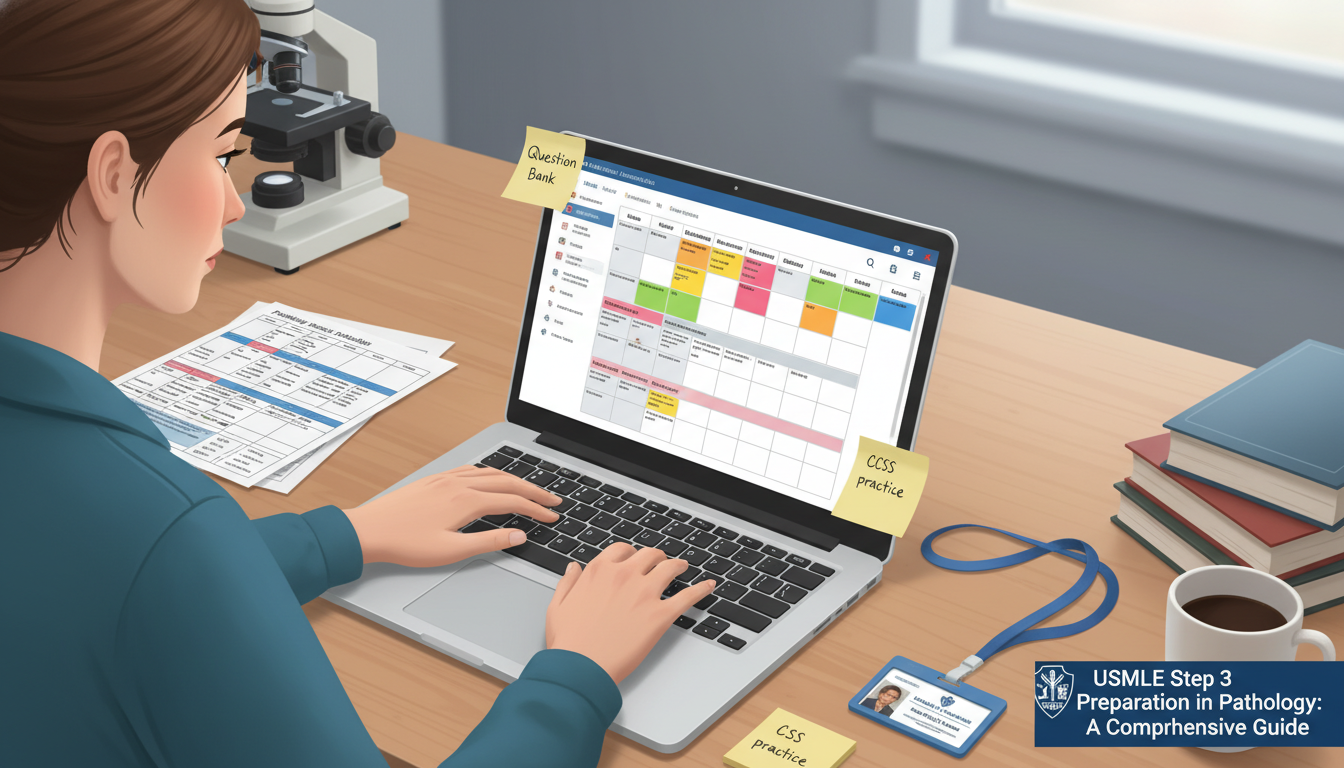
Building a Step 3 Study Plan That Works for Pathology
Most pathology residents can realistically prepare for USMLE Step 3 in 4–8 weeks of focused study, depending on baseline clinical knowledge and schedule intensity.
Step 1: Assess Your Starting Point
Before you design your Step 3 preparation:
Reflect on your clinical background:
- Did you complete a prelim year in IM, surgery, or transitional year?
- You may need less time for foundational medicine review—focus more on question practice and CCS.
- Did you go straight into pathology from medical school, especially with a long gap since core clinical rotations?
- Plan more intensive review of internal medicine, OB/GYN, pediatrics, and emergency care.
- Did you complete a prelim year in IM, surgery, or transitional year?
Do a short diagnostic self‑test:
- Complete a timed block (40 questions) from a Step 3‑relevant question bank under exam‑like conditions.
- Use performance categories (e.g., cardiology, endocrine, OB/GYN) to identify:
- Weak systems (e.g., OB, peds)
- Weak concepts (e.g., diabetes management, chest pain algorithms)
This will guide where to invest your limited study energy.
Step 2: Choose Your Core Resources
You do not need a large library. For pathology residents, simplicity and repetition win.
1. Question Bank (non‑negotiable)
Use at least one up‑to‑date Step 3‑specific QBank, such as:
- UWorld Step 3
- Amboss Step 3 (as a supplement or alternative)
Target:
- All questions completed once, with detailed review of explanations.
- Aim for 50–80 questions per day on full study days, fewer on heavy rotation days.
2. CCS (Clinical Case Simulations)
CCS is a distinctive and high‑yield part of Step 3. Pathology residents may find this especially foreign because:
- You must think like the managing internist or hospitalist, not a consultant.
- You must order tests, imaging, and treatments, not just interpret them.
Use:
- Official USMLE Step 3 CCS practice software (free from NBME).
- A CCS‑specific guide or video series (many QBank platforms or online educators provide structured CCS tutorials).
Goal:
- Complete all official sample CCS cases, plus as many practice cases from your QBank as possible.
- Develop a structured, repeatable approach to each case type.
3. Concise Review Text or Online Summaries (Optional but Helpful)
Given time constraints in pathology residency, avoid heavy textbooks. Consider:
- A short, high‑yield Step 3 review book or digital outline.
- Specialty‑targeted notes (e.g., IM, OB/GYN, peds, emergency) focusing on:
- First‑line management
- Best next step in management
- Stable vs unstable algorithms
- Outpatient follow‑up and prevention
Use these mainly to fill gaps identified by your questions.
Step 3: Weekly Study Structure for Pathology Schedules
Here is an example 6‑week study plan tailored for a pathology resident on mostly moderate‑intensity rotations.
Weeks 1–2: Re‑activate Clinical Medicine
- Questions:
- 40–60 QBank questions/day (timed, mixed or by system based on weaknesses).
- Review all explanations; track errors in a notebook or digital doc.
- Content Review:
- Brief daily review of core topics:
- Cardiology, pulmonary, endocrine/diabetes, infectious diseases
- OB/GYN and pediatrics fundamentals
- Brief daily review of core topics:
- CCS:
- Watch or read an intro CCS tutorial.
- Do 2–3 practice CCS cases total to learn the interface; don’t worry about perfection yet.
Weeks 3–4: Deepen Management Skills
- Questions:
- 60–80 questions/day on lighter rotation days; 30–40 on days with heavy sign‑out or call.
- Focus on mixed blocks to simulate exam variability.
- Content Review:
- Fill remaining gaps: neurology, rheumatology, psychiatry, emergency medicine, geriatrics.
- Emphasize common ambulatory issues and chronic disease management.
- CCS:
- Aim for 1–2 CCS cases/day, focusing on:
- Acute emergencies (MI, stroke, sepsis, trauma)
- Common inpatient problems (pneumonia, CHF, DKA, GI bleed)
- Aim for 1–2 CCS cases/day, focusing on:
Weeks 5–6: Exam Simulation and Refinement
- Full‑Length Practice:
- Do at least one full exam‑length simulation day:
- 6 blocks of 38–40 questions (to mimic Day 1) or 4 blocks to mimic Day 2.
- This can be on a weekend or day off.
- Do at least one full exam‑length simulation day:
- Targeted Review:
- Revisit your error log and systematically review recurring themes.
- Use short review notes rather than new resources.
- CCS Intensive:
- Complete remaining practice cases.
- By now, CCS should feel more algorithmic and less chaotic.
High‑Yield Clinical Focus Areas for Pathology Residents
Because your daily pathology duties de‑emphasize direct patient care, certain Step 3 domains deserve extra attention.
1. Common Outpatient Management
You should be comfortable managing:
Diabetes mellitus
- Initiation and titration of metformin, insulin, and other agents
- Hypoglycemia management
- Outpatient monitoring (A1C targets, complications screening)
Hypertension and lipids
- First‑line agents by comorbidity (e.g., ACEi in diabetes, beta‑blockers in CAD)
- Target BP by age and condition
- Statin indications and intensity
Preventive care and screening
- Cancer screenings (mammography, colonoscopy, Pap/HPV intervals)
- Vaccination schedules (adult, pregnancy, immunocompromised)
2. Acute Care and Emergency Scenarios
Focus on recognition of instability and first‑line actions:
- Chest pain: differentiate STEMI, NSTEMI, unstable angina, and non‑cardiac causes; order appropriate tests and initiate therapy.
- Shortness of breath: CHF, PE, asthma/COPD exacerbations, pneumonia.
- Sepsis: fluid resuscitation, empiric antibiotics, source control.
- Neurologic emergencies: stroke (tPA criteria), status epilepticus, meningitis.
You do not need advanced ICU subspecialty depth, but you must know:
- When to call for help (ICU/consults)
- Which interventions come first in the time sequence
3. OB/GYN and Pediatrics
For many pathology residents, OB and peds are the rustiest domains.
OB/GYN:
- Prenatal care basics and screening
- Pregnancy complications: preeclampsia, gestational diabetes, ectopic pregnancy
- Labor management and fetal monitoring basics
- Common GYN infections and abnormal uterine bleeding algorithms
Pediatrics:
- Developmental milestones and well‑child visits
- Pediatric infectious diseases and vaccine‑preventable conditions
- Common pediatric emergencies: bronchiolitis, croup, dehydration
These topics appear with regularity on Step 3 and demand targeted review if you haven’t seen them recently.
4. Ethics, Communication, and Biostatistics
Step 3 is heavy on:
- Ethical scenarios (capacity, surrogate decision-making, end‑of‑life care, confidentiality)
- Biostatistics and epidemiology (sensitivity, specificity, predictive values, study design, bias)
As a pathology resident, you may already have strong comfort with statistics concepts; leverage that strength. Make sure you can:
- Interpret clinical trials, relative risk, hazard ratios, and confidence intervals
- Answer questions about screening test performance and number needed to treat/harm (NNT/NNH)
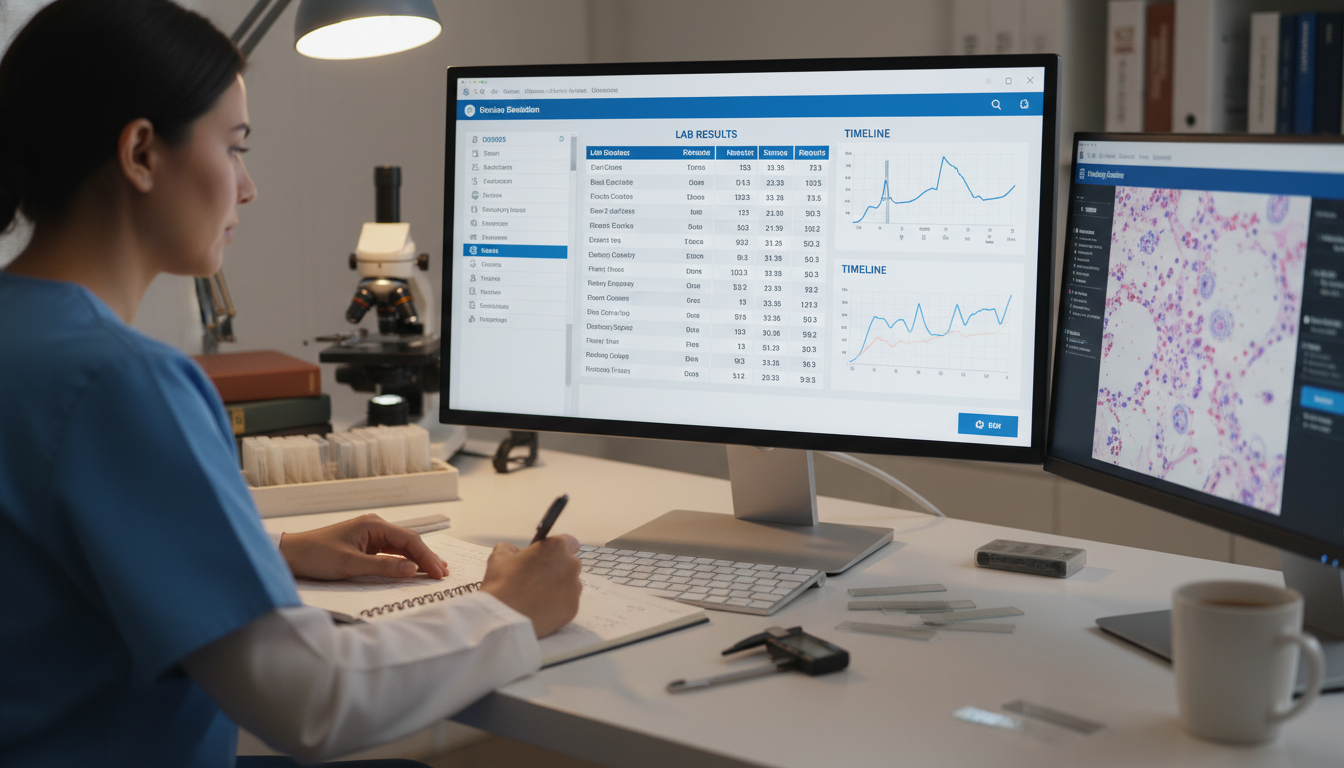
Mastering CCS: A Step 3 Challenge for Pathology Residents
CCS (Clinical Case Simulations) can be intimidating, especially if you haven’t practiced outpatient or inpatient workflows recently. The good news: CCs is highly pattern‑based, and a structured approach dramatically reduces anxiety.
CCS Mindset Shift for Pathology Residents
You are no longer:
- Asking, “What’s the diagnosis based on this biopsy?”
Instead, you’re:
- Making sequential clinical decisions over time:
- What do I do right now?
- What tests and imaging do I order?
- When do I check back on results?
- When do I admit, discharge, or transfer?
A Practical Framework for CCS Cases
Use a systematic checklist for each CCS case:
Stabilize the patient
- ABCs: airway, breathing, circulation
- Vital signs and physical exam
- Immediate supportive orders:
- Oxygen (if indicated)
- IV access
- Cardiac monitoring
- Pain control and antiemetics as appropriate
Initial diagnostic work‑up
- Focused labs and imaging based on presentation:
- E.g., chest pain: EKG, troponins, CXR, basic labs
- E.g., abdominal pain: CBC, BMP, LFTs, lipase, pregnancy test (if appropriate), imaging
- Focused labs and imaging based on presentation:
Empiric management when justified
- Start empiric therapy (e.g., antibiotics in suspected sepsis, aspirin in suspected ACS) when the benefit clearly outweighs the risk.
Reassessment and time advancement
- Use the “Go to Next Step” or advance time appropriately to obtain results.
- Re‑evaluate the patient after key interventions and tests.
Definitive diagnosis and treatment
- Narrow antibiotics, refine therapy, or adjust according to results.
- Arrange appropriate consults and level of care (ICU vs ward vs outpatient).
Disposition and follow‑up
- Clearly document when to discharge and what follow‑up care is needed.
- Address preventive care and counseling when time allows.
High-Yield CCS Case Types to Practice
- Acute coronary syndrome
- Stroke/TIA
- Diabetic ketoacidosis (DKA)
- Sepsis from pneumonia or UTI
- GI bleed
- Pregnancy with bleeding or pain (e.g., ectopic, placental abruption)
- Pediatric fever in different age groups
- Trauma and shock
As a pathology resident, prioritize practice in scenarios where pathology interacts with clinical care (e.g., suspected malignancy, hematologic abnormalities) but remember: the test wants global clinical competence, not subspecialty expertise.
Test Day Strategy and Residency Logistics
Balancing Step 3 with Pathology Residency Duties
In the weeks leading up to your exam date:
Block your test days early.
- Request two consecutive days off (or light call) from your program once you schedule the exam.
- Confirm coverage for frozen sections, autopsy signouts, or on‑call responsibilities.
Taper study intensity 1–2 days before exam.
- Shift from new learning to light review and mental rest.
- Ensure adequate sleep—chronic pathology fatigue plus exam stress is a poor combination.
Day 1 and Day 2 Tactics
Day 1:
- Maintain a steady pace through MCQ blocks; don’t get stuck.
- Use breaks strategically (snacks, hydration, brief stretching).
- Remember: Day 1 is long but straightforward—no CCS.
Day 2:
- Approach MCQs similarly to Day 1, but with more complex management scenarios.
- For CCS:
- Start each case with your standard checklist (vitals, exam, initial labs).
- Don’t panic if time ends; scoring emphasizes key actions, not perfection.
- Avoid over‑ordering tests—think cost‑effectively but not at the expense of safety.
FAQs: USMLE Step 3 Preparation for Pathology Residents
1. Is Step 3 during residency really necessary for a pathology career?
For most US‑based pathology careers, yes:
- Step 3 is usually required for full medical licensure, which:
- Facilitates credentialing at hospitals and laboratories.
- Expands administrative and leadership opportunities.
- Some fellowships may prefer or require completion of USMLE Step 3 before starting.
Even if your immediate job may not demand it, having Step 3 completed broadens long‑term options and eliminates a major future hurdle.
2. When is the best time to take Step 3 during pathology residency?
The optimal timing is usually:
- First half of PGY‑1 or early PGY‑2, especially if:
- You just completed a clinical prelim year or transitional year.
- Your medical school clinical rotations are still fresh.
If you delay until late PGY‑2 or PGY‑3, you can still pass, but you should anticipate more time re‑learning clinical medicine fundamentals.
3. How much time do I realistically need to prepare?
Most pathology residents can prepare effectively in 4–8 weeks of focused effort, depending on:
- Baseline clinical knowledge
- Rotation intensity
- Weekend and post‑call availability
A common workable pattern is 1–2 hours on busy weekdays and 4–6 hours on weekends, with more intensive review in the final two weeks.
4. Should I focus more on pathology topics for Step 3?
No. While your pathology background is useful to understand disease mechanisms and test interpretation, Step 3 is not a pathology exam. It primarily tests:
- Initial clinical assessment
- Management decisions
- Longitudinal care and follow‑up
- Ethics, communication, and biostatistics
Your Step 3 preparation should be management‑oriented, using QBank questions and CCS practice, with targeted review of weak clinical systems (OB/GYN, pediatrics, primary care, and emergencies).
By aligning your Step 3 preparation with the realities of pathology residency—limited time, faded clinical exposure, and a heavy focus on diagnostics—you can create a focused, high‑yield study plan. With strategic timing, a strong question bank, deliberate CCS practice, and structured review of core management topics, you can pass USMLE Step 3 confidently and clear the licensure hurdle early in your pathology career.