
Clinical rotations in plastic surgery are some of the most formative—and high‑stakes—experiences for students interested in an eventual plastic surgery residency. Whether you’re on a brief elective or a dedicated sub‑internship, these weeks can dramatically influence your chances in the integrated plastics match, as well as your letters of recommendation and program reputation.
This guide focuses on how to excel in clinical rotations in plastic surgery—from third year rotations and early electives to intensive sub‑Is—so you can stand out for the right reasons.
Understanding the Role of Plastic Surgery Rotations in Your Career Path
Before diving into day‑to‑day tactics, it helps to understand why your performance on plastic surgery rotations matters so much.
Why Plastic Surgery Rotations Are High Impact
For students targeting a plastic surgery residency, your clinical rotations serve several critical functions:
Signal of commitment to the specialty
Electives and sub‑internships in plastics demonstrate sustained interest, which programs value in such a competitive field.Direct observation for letters and ranking
Faculty and residents often write your most important letters of recommendation based on performance during these rotations. Your behavior on the wards and in the OR will be discussed when programs create their rank lists.Fit and culture assessment
Rotations let programs assess whether you would integrate well with their team—vital in a small, tight‑knit specialty.Skill and potential evaluation
Attendings look for clinical reasoning, technical aptitude, teachability, and reliability—far more than just raw knowledge.
Even if you’re in your third year rotations and not ready to commit fully to plastics yet, excelling on a plastic surgery service helps build a strong foundation for any surgical field and sends a positive signal about your work ethic and professionalism.
Types of Plastic Surgery Rotations
You may encounter several forms of plastic surgery rotations:
Core surgery rotation with plastics exposure
A general surgery clerkship where you spend 1–2 weeks on plastics. The goal: demonstrate fast learning, teamwork, and curiosity.Fourth‑year elective in plastic surgery
Often your first in‑depth experience. Good for confirming interest, building basic skills, and previewing the field.Sub‑internships (“sub‑I” or away rotations) in plastic surgery
These are often critical for the integrated plastics match. You function at a near‑intern level and are evaluated closely by faculty who may later interview you.Specialized electives
Hand surgery, craniofacial, microsurgery, or burn surgery rotations can expand your exposure and show depth in a particular area.
Your strategy should adapt to the type of rotation, but the core principles of professional excellence remain the same.
Preparing Before the Rotation: Setting Yourself Up to Excel
What you do before your plastics rotation often determines how quickly you can contribute once it begins.
Build a Focused Knowledge Base
You don’t need to be an expert, but you should arrive with a solid foundation in:
Core plastic surgery concepts:
- Wound healing and basic flap physiology
- Grafts vs flaps (split thickness, full thickness, local, regional, free flaps)
- Basic hand anatomy and common injuries
- Principles of burn management
- Breast reconstruction options (implant vs autologous; timing)
- Skin cancer reconstruction basics (MOHS defects, local flap design)
General surgical knowledge:
- Pre‑operative assessment
- Fluid and electrolyte management
- DVT prophylaxis
- Basic surgical site infection prevention
- Post‑operative pain control and nausea management
Actionable prep (1–2 weeks before start):
- Skim a student‑level plastic surgery handbook (e.g., Grabb & Smith review chapters, or a clerkship‑oriented plastics text).
- Review high‑yield topics via:
- Online modules or reputable FOAMed resources
- Short operative videos to visualize key procedures (e.g., Z‑plasties, local flaps, carpal tunnel release).
Pick 5–10 essential topics and commit them to memory; you can add depth once you’re on service and see real patients.
Learn the Logistics Early
Contact the rotation coordinator or chief resident 1–2 weeks prior and ask:
- What time and where is morning rounds?
- What is the typical OR day vs clinic day?
- Expected dress code for clinic, OR, and rounds.
- Access logistics:
- EMR training or login details
- How to obtain scrub access
- Parking or call room information
- Any required orientation modules
Showing up on day one knowing exactly where to go signals professionalism and reduces stress.
Set Clear Personal Goals
Before the rotation, write down 3–5 specific goals:
- “By the end of this rotation I want to confidently perform and present a focused H&P for common plastics consults (hand injuries, facial lacerations, soft tissue infections).”
- “I want to understand the stepwise reconstruction of a breast cancer patient and be able to explain options to a layperson.”
- “I want to get comfortable with basic suturing, knot tying, and skin closure techniques.”
Share some of these goals with a resident or faculty member early in the rotation; it helps them tailor teaching and gives you accountability.

Excelling on the Floor and in Clinic
While much of plastic surgery feels OR‑centric, attendings and residents watch you closely on the wards and in clinic. This is where your clinical rotations tips and clerkship success habits truly shine.
Owning Your Patients on the Inpatient Service
Even as a student, you can “own” patients in a structured, supervised way.
Key behaviors:
Know every detail of your assigned patients.
- Indication for their surgery or consultation
- Past medical and surgical history relevant to wound healing and anesthesia
- Current medications (especially anticoagulants, immunosuppressants, steroids)
- Latest labs, imaging, wound assessments
Pre‑round effectively:
- Arrive early enough to see your patients before the team.
- Check vital signs, overnight events, pain control, drains, and dressings.
- Personally assess wounds or surgical sites when appropriate.
Give concise, organized presentations focused on:
- Overnight events and key changes
- Pain and functional status
- Input/output, drains, wound status
- Specific plans for the day (e.g., dressing change, PT, imaging, OR).
Aim for a structured SOAP format with plastics‑specific details (e.g., flap color, temperature, capillary refill when appropriate).
Clinic: Where Communication Skills Matter
Plastic surgery clinic is different from some other third year rotations because it heavily emphasizes patient‑centered communication and aesthetics, expectations, and quality of life.
Ways to shine:
Master the focused H&P:
- For hand complaints: mechanism of injury, hand dominance, occupation, pain, numbness/tingling, function, prior injuries.
- For breast or body contouring: oncologic history, weight changes, pregnancies, expectations, comorbidities (diabetes, smoking).
- For skin lesions: duration, change over time, associated symptoms, risk factors.
Observe and emulate how attendings counsel patients about:
- Realistic outcomes vs ideal outcomes
- Scars and long‑term healing
- Potential complications
- Need for staged procedures
- Risks/benefits of reconstruction vs no reconstruction
Add value without overstepping:
- Offer to start the note while the attending sees the next patient.
- Draft orders or prescriptions for the resident to review.
- Prepare consent forms or pre‑op instructions as appropriate.
Practice professionalism in aesthetics‑focused contexts:
Plastic surgery often addresses body image and appearance. Use non‑judgmental language and always maintain patient dignity, especially in cosmetic or gender‑affirming settings.
Being an Effective Team Member
Programs want residents who make the team function smoothly. Demonstrate this as a student:
Anticipate needs:
Have dressing supplies ready for rounds, pull up imaging before the team arrives, or print the OR schedule for the day.Communicate clearly and concisely:
“I checked labs for all our inpatients; Mr. Smith’s hemoglobin dropped from 9.8 to 8.2 overnight. No documentation of bleeding; should we repeat in 4 hours and watch closely or order additional workup?”Follow through relentlessly:
If you say you’ll call radiology or check on a dressing, do it and report back promptly.
These behaviors are often commented on in evaluations and letters and are highly valued for clerkship success in any specialty.
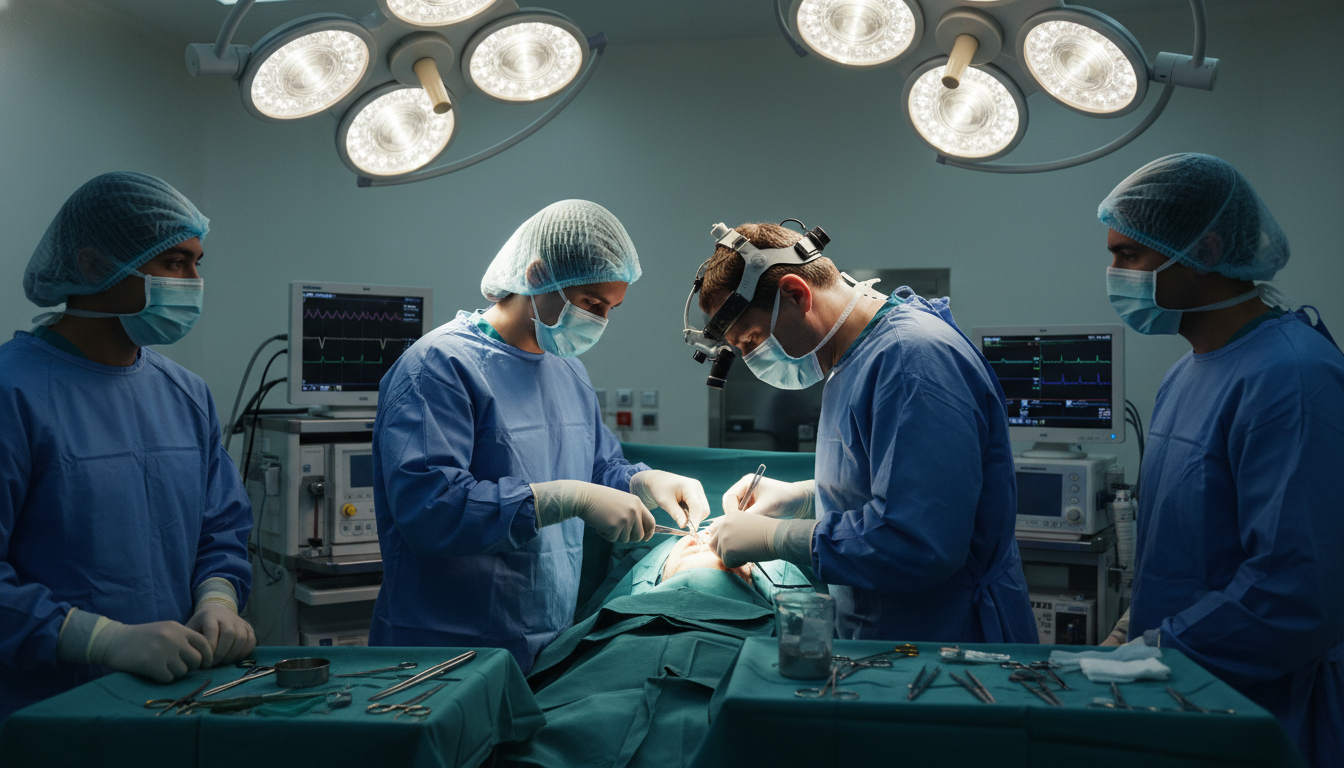
Maximizing Your Impact in the Operating Room
For students eyeing an integrated plastics match, the OR is often where you feel most scrutinized—and where you can most visibly demonstrate your potential. But excelling in the OR is less about heroics and more about preparation, attention, and humility.
Pre‑Operative Preparation
Before any case in which you might scrub:
Know the patient and indication:
- Review the H&P, imaging, and operative plan in the chart.
- Understand the specific defect or deformity being addressed.
Study the procedure:
- Read a student‑level summary the night before.
- Watch a short operative video if available.
- Focus on:
- Positioning
- Incisions and key landmarks
- Critical steps and potential pitfalls
- Main complications
Come with 2–3 thoughtful questions, such as:
- “For this DIEP flap, how do you decide between perforators and when to convert to a muscle‑sparing TRAM?”
- “For this facial reconstruction after MOHS, what factors steer you toward a local flap versus a full‑thickness skin graft?”
Ask at appropriate, non‑disruptive times: before incision, during positioning, or during closure—not during microsurgery.
Intraoperative Behavior That Stands Out
Basic expectations:
- Arrive in the OR before the patient.
- Confirm with residents whether you should scrub in or observe.
- Help with room setup when allowed: open gloves, tape EKG leads, position the patient under supervision.
While scrubbed in:
Maintain excellent sterile technique; this is non‑negotiable.
Position your hands where they’re helpful but unobtrusive:
- Hold retractors steadily.
- Keep the field visible for the surgeon.
- Avoid leaning on the patient or equipment.
Be present and engaged without being intrusive:
- Track the steps of the operation mentally.
- If appropriate, quietly ask for feedback: “Is this the right amount of tension on the retractor?”
- Volunteer to close if you feel ready: “If there’s an opportunity, I’d love to practice skin closure later in the case.”
Common pitfalls to avoid:
- Overly aggressive questioning or commentary.
- Appearing distracted or looking at the clock constantly.
- Using your phone in the OR without explicit permission (and usually, you should not).
Developing Technical Skills Appropriately
Plastic surgery is a technically demanding field. You won’t become a microsurgeon during a rotation, but you can:
Refine basic skills outside the OR:
- Suture and knot‑tying practice on simulation pads or foam.
- Practice one‑handed ties, instrument ties, and proper needle handling.
Ask for feedback:
- “Could you watch my instrument tie technique and let me know one thing to improve?”
- “Is my spacing/tension appropriate for this skin closure?”
Set progressive technical goals:
- Week 1: Comfortable with simple interrupted and running sutures on skin.
- Week 2: Try deep dermal closure or subcuticular closure under close supervision.
- Week 3–4: Assist more with flap inset or basic dissection if appropriate.
Demonstrate that you are coachable—respond to feedback, adjust techniques immediately, and avoid being defensive.
Professionalism, Communication, and Building Relationships
Technical and clinical skills matter, but in such a small specialty, your professional behavior and interpersonal skills often carry equal weight.
Professionalism: Non‑Negotiable Habits
Plastic surgery attendings expect:
Punctuality and reliability:
- Always be early for rounds, clinic, and the OR.
- If you’re running late due to another obligation, notify the team proactively.
Appropriate appearance and demeanor:
- Clean, well‑fitting scrubs or business attire with white coat for clinic, per local norms.
- Calm, respectful tone with staff, patients, and peers.
- Zero tolerance for gossip, disparaging remarks, or unprofessional humor.
Respect for all team members:
- Treat nurses, scrub techs, and physician assistants as critical collaborators.
- Ask them for tips on the flow of the service—they often know the unspoken rules.
Communicating as a Future Colleague
You are auditioning not just as a trainee, but as a potential future colleague.
Best practices:
Be transparent about your level of comfort:
- “I’ve practiced simple interrupted and running sutures in simulation, but I haven’t closed live skin yet.”
- This honesty builds trust and helps attendings tailor your involvement.
Express your interest without overselling:
- “I’m very interested in plastic surgery and considering applying for an integrated plastics residency, and I’d appreciate any feedback on how I can improve.”
- Avoid “This is the only thing I can ever imagine doing” if you’re early in your training and not fully committed.
Seek feedback early and often:
- Ask a senior resident or attending at the end of week 1:
- “Is there anything I can do differently to be more helpful on the team?”
- “Am I meeting expectations for my level, and what can I work on next week?”
- Ask a senior resident or attending at the end of week 1:
Then act on that feedback and let them see the improvement.
Navigating Sub‑Internships and Away Rotations
If you’re on a dedicated sub‑I in plastics—especially at a program where you hope to match—the stakes are higher.
Key strategies:
Behave like a reliable, teachable intern:
- Volunteer for consults, floor tasks, and follow‑up calls.
- Take careful notes; avoid losing track of patient issues or tasks.
Be visible but not needy:
- Show up consistently and be helpful in multiple arenas (rounds, clinic, OR).
- Avoid constantly asking for reassurance about your performance.
Network thoughtfully:
- Schedule brief meetings with faculty whose work interests you; ask about their practice, research, and what they look for in residents.
- Express genuine curiosity about the program’s culture, call schedule, and training strengths.
Your behavior on these rotations often becomes a major factor in whether that program will rank you—and how high.
Leveraging Your Rotation for Letters, Research, and the Match
Your time on service is not just about the rotation grade; it’s a springboard for the rest of your application to a plastic surgery residency.
Securing Strong Letters of Recommendation
The most impactful letters come from faculty who:
- Saw you repeatedly across settings (OR, clinic, wards).
- Observed your growth over time.
- Believe you are a good fit for the specialty and can speak to your work ethic and character.
How to set this up:
Identify potential letter writers early.
Look for attendings with whom you have good rapport and significant interaction.Perform consistently when you’re with them.
Be prepared, engaged, and reliable.Ask for a strong letter, explicitly.
Near the end of the rotation, ask:- “Based on what you’ve seen of my performance, would you feel comfortable writing a strong letter of recommendation for my plastic surgery residency applications?”
Make it easy for them:
- Provide your CV, personal statement draft, and ERAS photo.
- Remind them of specific cases or projects you worked on together.
Engaging in Research and Scholarly Activity
Many plastic surgery residency programs expect strong research involvement, particularly for integrated plastics match applicants.
During your rotation:
Ask about ongoing projects:
“Are there any clinical projects, case series, or quality improvement initiatives I could help with, even after this rotation ends?”Look for low‑barrier opportunities:
- Case reports or case series
- Retrospective chart reviews
- Outcomes analyses
- Educational projects (e.g., developing patient information materials)
Demonstrate follow‑through:
If you join a project, stick with it, hit deadlines, and maintain communication—even after leaving the rotation. This builds a reputation for reliability.
Reflecting and Building Your Narrative
After the rotation:
Write down impactful cases or moments:
- A challenging reconstruction that changed your view of surgical creativity.
- A patient encounter that taught you about body image and recovery.
- A mistake or near‑miss you witnessed (or made, under supervision) that shaped your sense of responsibility.
Integrate these experiences into your personal statement and interviews, demonstrating insight and maturity.
Seek ongoing mentorship:
- Ask one or two faculty members if they’d be willing to provide long‑term career guidance.
- Maintain contact with periodic updates and questions, especially as you prepare for interviews and rank lists.
These steps turn a single rotation into a long‑term professional relationship and a stronger, more coherent application.
Frequently Asked Questions (FAQ)
1. How many plastic surgery rotations should I do if I want to match into integrated plastics?
Most competitive applicants complete:
- A home institution plastic surgery rotation or sub‑I (if available), plus
- 1–3 away rotations in plastic surgery at outside programs.
Quality matters more than quantity. Strong performance with excellent letters on 2–3 rotations generally carries more weight than a larger number of superficial experiences. Tailor the number based on your school’s policies, your overall application strength, and mentorship from plastics faculty.
2. What if my school doesn’t have a plastic surgery department?
If your institution lacks a dedicated plastics service:
- Use general surgery, ENT, orthopedics, or dermatology rotations to build strong surgical fundamentals.
- Seek electives or away rotations at hospitals with robust plastic surgery programs, ideally during late third year or early fourth year.
- Network early with external mentors via conferences, research, or student interest groups.
Discuss your situation candidly in applications; programs understand variability in institutional resources, and they’ll focus on how you maximized what you had.
3. How can I stand out if I’m not the most technically skilled student?
Programs do not expect advanced technical skills from students. You can stand out by:
- Being consistently prepared and reliable.
- Demonstrating clear, logical clinical reasoning in presentations.
- Showing humility, curiosity, and responsiveness to feedback.
- Building strong rapport with patients and the care team.
- Making the team’s day easier through anticipation and follow‑through.
Attendings frequently cite these traits in strong evaluations and letters, often above raw technical ability.
4. When should I tell the team I’m interested in plastic surgery residency?
If you’re fairly serious about plastics, share your interest early in the rotation, ideally within the first few days:
- With residents: “I’m very interested in plastic surgery and thinking of applying; I’d love any advice you have on how to make the most of this rotation.”
- With attendings: Mention your interest once you’ve worked together a bit, then follow up later for more in‑depth career discussions.
Early transparency helps them understand your goals, offer targeted teaching, and consider you for letters and mentorship. Just be honest about your level of commitment if you’re still exploring.
By approaching your plastic surgery rotations with deliberate preparation, consistent professionalism, and a learner’s mindset, you not only improve your chances in the integrated plastics match, but also develop habits that will serve you throughout residency and beyond. Clinical rotations are your opportunity to show who you are as a future surgeon—make every day on service count.