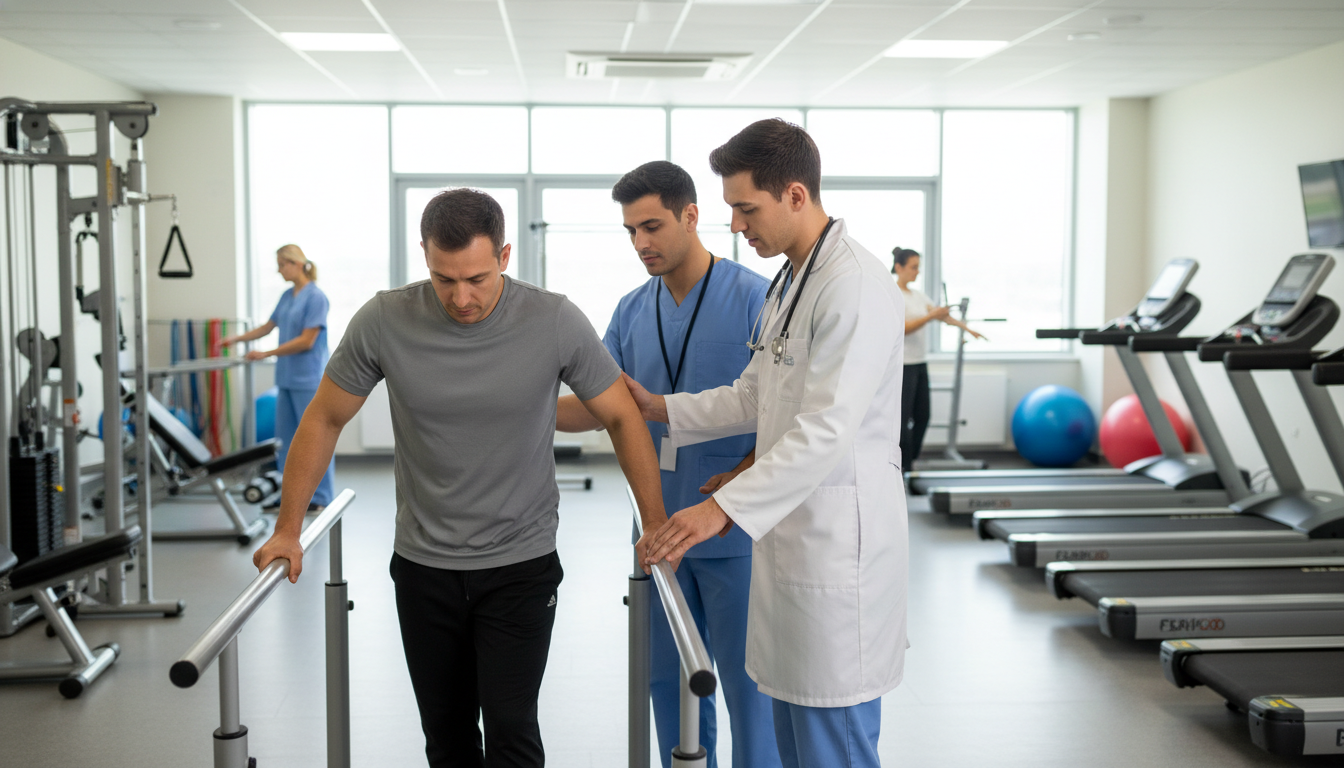
Understanding PM&R Clinical Rotations: What Makes Them Unique
Physical Medicine & Rehabilitation (PM&R), or physiatry, is fundamentally different from many other specialties students encounter during third year rotations. To excel on a PM&R residency rotation—and ultimately in the physiatry match—you need to understand how the field thinks, works, and defines success.
The Core Identity of PM&R
PM&R focuses on:
- Function rather than disease alone
- Quality of life and participation in meaningful activities
- Longitudinal recovery, not just acute episodes of care
- Team-based, interdisciplinary management
- Patient-centered goal setting
Where other services might ask, “What diagnosis explains this symptom?” physiatrists also ask, “What can this person do now, what is limiting them, and how can we maximize their independence and participation?”
In practice, this means that during PM&R residency and clinical rotations, you’ll spend significant time:
- Assessing mobility, strength, tone, coordination, and balance
- Evaluating ADLs (activities of daily living) and IADLs (instrumental activities of daily living)
- Working with PT, OT, SLP, neuropsychology, social work, nursing, and case management
- Discussing discharge planning from day one, especially on inpatient rehab units
- Managing complex chronic conditions (e.g., spinal cord injury, TBI, stroke, amputations, chronic pain, MS, neuromuscular disease)
Common PM&R Rotation Settings
Your clinical rotations in PM&R may involve:
- Inpatient Rehabilitation Units (IRF or acute rehab)
- Consult services (e.g., stroke unit, trauma, neurosurgery, ortho, transplant)
- Outpatient clinics:
- General PM&R
- MSK and sports medicine
- Spine and interventional pain
- Neurorehabilitation (stroke, TBI)
- Pediatric rehab
- Spinal cord injury or amputee clinics
Each setting emphasizes different skills. Inpatient rehab highlights team-based care and discharge planning; consults demand efficiency; outpatient clinics prioritize focused histories, MSK exams, and procedure literacy.
Understanding this landscape early helps you tailor how you study and how you show up each day.
Preparing Before Your PM&R Rotation Starts
You don’t need to know everything about physiatry before day one, but some targeted preparation can dramatically improve your performance and confidence.
Solidify Your Foundational Knowledge
Before starting, review:
1. Neurologic Basics
- Neuroanatomy relevant to:
- Stroke syndromes (MCA, ACA, PCA, brainstem)
- Spinal cord anatomy (cervical vs thoracic vs lumbar lesions)
- Upper vs lower motor neuron signs
- Basic localization: where is the lesion and why?
2. Musculoskeletal & Functional Anatomy
- Major joints: shoulder, elbow, wrist/hand, hip, knee, ankle/foot
- Muscle groups, innervation, and key functional roles
- Common MSK pathologies:
- Rotator cuff tendinopathy/tear
- Lumbar radiculopathy
- Knee osteoarthritis
- Lateral epicondylitis, carpal tunnel, plantar fasciitis
3. Rehab-Specific Concepts
- Definitions:
- Impairment vs activity limitation vs participation restriction
- ADLs vs IADLs
- Levels of care: IRF, SNF, LTACH, home health, outpatient
- Functional outcome scales:
- Modified Rankin Scale (mRS)
- FIM/IRF-PAI concepts
- ASIA exam basics for spinal cord injury
You don’t need deep expertise, but basic familiarity allows you to participate meaningfully in discussions.
High-Yield Resources for Pre-Rotation Prep
- Intro texts (skim selected chapters):
- Braddom’s Physical Medicine and Rehabilitation (especially stroke, SCI, TBI, MSK)
- Physical Medicine and Rehabilitation Secrets (concise, Q&A format)
- Quick references:
- PM&R pocket guides or musculoskeletal exam handbooks
- Short videos on neuro exam, gait exam, and joint-specific MSK exams
Set a realistic goal: 3–5 hours of focused prep in the week before your rotation can significantly boost your clerkship success.
Clarify Expectations Up Front
If you can, email the rotation coordinator or chief resident a few days before you start:
- Ask where/when to report on day one
- Ask what patient-care responsibilities students typically have
- Ask if there are recommended reading materials or clinics to prioritize if you’re interested in PM&R residency
This signals motivation and helps you hit the ground running.
Day-to-Day Success: How to Excel on PM&R Rotations
Clinically strong performance on your PM&R clerkship requires both medical knowledge and an understanding of the rehab culture and workflow.
Learn the Rhythm of the Service
On inpatient rehab or consults, pay attention to:
- When and how sign-out occurs
- The flow of morning rounds:
- Who presents?
- Are rounds bedside, sit-down, or a hybrid “board round”?
- Timing of therapies (PT/OT/SLP sessions) so you avoid pulling patients from therapy unless necessary
- How interdisciplinary team meetings are structured
Observe for a day; then adapt swiftly to how your team functions.
Presenting Patients in a PM&R-Friendly Way
Your typical med/surg SOAP presentation needs a rehab lens. A strong PM&R inpatient presentation includes:
ID & Context
- “Mr. X is a 63-year-old man with right MCA stroke on acute inpatient rehab, day 7 of stay.”
Brief Hospital Course/Reason for Rehab
- “Initial NIHSS 12, received tPA, now with left-sided hemiparesis and mild neglect.”
Functional Status (Before and Now)
- Prior: independent with all ADLs, driving, working.
- Current:
- Bed mobility: moderate assist
- Transfers: max assist
- Ambulation: unable / x feet with device
- ADLs: dependent for dressing/bathing, min assist for feeding
- Cognition/communication: mild expressive aphasia.
Overnight Events & Medical Issues
- Pain, bowel/bladder, spasticity, sleep, mood, blood pressure, glucose, etc.
Physical Exam Highlights
- Focus on strength, tone, range of motion, coordination, sensation.
- Pertinent MSK or neuro findings.
Assessment & Plan with Rehab Focus
- Clearly frame goals and barriers:
- “Main barriers to discharge home: impaired transfers, poor safety awareness, spasticity of LUE.”
- Brief plan:
- Medical optimization (e.g., blood pressure, DVT prophylaxis, mood)
- Spasticity and pain management
- Therapy intensity and goals
- Discharge planning considerations (home vs facility, equipment needs)
- Clearly frame goals and barriers:
During outpatient, tailor your case presentations to:
- Chief complaint in functional terms:
- “Difficulty walking more than 1 block due to knee pain” vs “knee pain”
- Focused MSK or neuro exam
- Key functional limitations and patient goals
Embrace the Interdisciplinary Team
One of the highest-yield clinical rotations tips for PM&R is to actively engage with therapists and other team members:
- Ask PT/OT/SLP if you can observe therapy sessions for your patients
- Ask them how they assess progress and what they see as discharge barriers
- Learn basic therapy and equipment terminology (rolling walker vs rollator, AFO vs KAFO, etc.)
This not only improves your notes and plans but also shows you understand the core of PM&R: team-based functional restoration.
Actionable habit: Each day, pick one patient and:
- Read the latest PT and OT notes
- Watch part of a therapy session
- Incorporate what you’ve learned into your presentation and plan
Ownership and Initiative (Without Overstepping)
You’ll stand out by:
- Following 1–3 patients closely
- Writing thorough daily progress notes (if allowed)
- Pre-rounding and knowing overnight events, labs, vitals, and therapy progress
- Offering initial thoughts on the plan—especially regarding function and discharge
Check your understanding with residents or attendings: “Given his limited caregiver support, I’m thinking we may need to lean toward SNF rather than home with services. Do you agree, or is there more we should be considering?”
That level of thinking is exactly what PM&R residency programs want in future colleagues.

Clinical Skills That Impress on PM&R Rotations
To stand out on your PM&R clerkship and strengthen your physiatry match application, prioritize several core skill sets.
1. Functional History-Taking
PM&R attendings value how you ask about function as much as how you ask about symptoms.
In addition to the standard HPI, always include:
Pre-morbid function:
- “Before your stroke, were you walking without an assistive device?”
- “Were you able to dress, bathe, cook, and manage medications by yourself?”
Current function:
- “What can you do by yourself now?”
- “What do you need help with?”
- “What’s hardest for you day-to-day?”
Home and social context:
- House layout (stairs, bathroom access, railings)
- Who lives at home, caregiver availability, work responsibilities
- Transportation and finances, if relevant
Personal goals:
- “If you could improve just one thing during rehab, what would that be?”
- “Is there an activity you’re most eager to get back to?”
Using this approach shows that you “think like a physiatrist.”
2. Focused, High-Quality Exams
You’re not expected to be a fellowship-trained proceduralist, but you should demonstrate evolving competency in:
Neurologic Exam:
- Mental status and language
- Cranial nerves (as needed)
- Motor strength (with MRC grading)
- Tone and spasticity (Ashworth scale basics)
- Sensation (light touch, pinprick, vibration, proprioception)
- Coordination and gait (when safe)
- Reflexes and pathologic signs (e.g., Babinski)
Musculoskeletal Exam:
- Inspection, palpation, ROM, strength, special tests
- At minimum, be comfortable with:
- Shoulder exam (rotator cuff maneuvers)
- Knee exam (effusion, joint line tenderness, ligament tests)
- Lumbar exam (SLR, neurologic screening)
Ask residents or attendings for real-time feedback: “Could you watch my shoulder exam on this patient and let me know what to improve?” This is memorable and shows teachability—very attractive in PM&R residency candidates.
3. Documentation with a Rehab Focus
If your institution allows students to write notes that contribute to the chart:
Include a functional assessment section in your SOAP:
- “Functional: PT reports patient ambulated 40 ft with FWW and min assist, improved from 20 ft yesterday; OT notes increased independence with grooming (min assist).”
Be specific about assist levels and devices:
- Avoid: “Walked with PT”
- Use: “Ambulated 40 ft with rolling walker, contact guard assist of one.”
Reflect therapy goals and barriers in your assessment:
- “Primary barriers remain left neglect and poor safety awareness, limiting independent transfers and ambulation.”
Good rehab documentation reflects not only medical stability but also progress toward discharge-readiness.
4. Understanding and Explaining the “Why” of Rehab
You’ll impress attendings by connecting the dots between impairments, activity limitations, and participation:
Example:
- Impairment: Left-sided weakness and spasticity after stroke
- Activity limitation: Requires max assist for transfers and cannot walk
- Participation restriction: Unable to return to work or care for grandchildren
- Rehab plan: Intensive PT/OT, spasticity management (positioning, oral meds, possibly botulinum toxin), assistive devices, caregiver training
If you can explain this chain clearly, you’re already thinking like a resident.

Maximizing Learning, Evaluations, and Your Future PM&R Application
Excelling in third year rotations and senior PM&R electives isn’t just about “being liked”; it directly shapes your letters of recommendation, narrative evaluations, and confidence entering the physiatry match.
Strategies for Strong Evaluations
1. Be Reliable and Prepared
- Show up on time (or early) and ready to see patients
- Pre-round when possible; know your patients well
- Read briefly about your patients’ main conditions each evening
Attendings often mention reliability and initiative in letters—traits that PM&R residency programs heavily value.
2. Communicate Clearly and Respectfully
Present concisely, emphasizing function and goals
Use respectful, person-first language:
- “Person with a spinal cord injury” vs “a paraplegic”
- “Person with a stroke” vs “a stroke patient”
Collaborate professionally with therapists and nurses; they often give informal feedback to attendings about students.
3. Ask Thoughtful Questions
Aim for 1–3 high-yield questions per day, such as:
- “For this patient with spasticity, how do you decide between oral meds and botulinum toxin?”
- “What makes a patient appropriate for acute inpatient rehab vs SNF vs home with services?”
- “Could you walk me through your approach to a new consult with back pain in the hospital?”
Questions that show you’re connecting clinical details with systems-level thinking stand out in evaluation comments.
Turning Rotations into Mentorship and Letters
If you’re considering PM&R residency:
Identify potential mentors early in the rotation (attendings, fellows, chief residents).
Express your interest:
- “I’m strongly considering PM&R for residency. I’d love your advice about building a strong application.”
Ask about opportunities:
- Shadowing additional clinics (e.g., procedures, sports, peds rehab)
- Getting involved in a small research or QI project
- Attending departmental conferences or grand rounds
For letters of recommendation:
- Ask attendings who have seen you work for at least 2–4 weeks
- Ask early, while your performance is fresh in their mind
- Provide:
- Your CV
- Draft of your personal statement
- A short paragraph reminding them of specific patients or cases you worked on together
These proactive steps transform a solid rotation into a powerful asset for the physiatry match.
Handling Common Challenges on PM&R Rotations
1. Feeling “Slower” Than on Other Services
Rehab days can feel less rushed than ED or surgery. Use the extra time to:
- Deepen your notes and differential
- Read about your patients’ conditions and therapies
- Spend extra time talking with patients about goals and coping
This is not wasted time—it’s exactly how physiatrists practice.
2. Uncertainty About Your Role
If you’re not sure what’s expected:
- Ask the resident or attending directly:
- “I’d like to be as helpful as possible. Which patients should I follow, and what tasks would you like me to take ownership of?”
Clarity here leads to better performance and better evaluations.
3. Balancing Other Third Year Rotations with PM&R Interests
If PM&R rotations come late in the year, use earlier third year rotations to build transferrable skills:
- From neurology: localization, stroke/TBI/SCI fundamentals
- From ortho and family medicine: MSK exam skills, joint pathology
- From internal medicine: chronic disease management, polypharmacy
- From psychiatry: mood, anxiety, and adjustment disorders common in rehab
Highlight these connections during interviews to show coherent preparation for PM&R residency.
FAQs: Excelling in PM&R Clinical Rotations and the Physiatry Match
How can I show genuine interest in PM&R during my rotation?
- Verbally share your interest with your team early
- Ask to attend additional clinics (e.g., spasticity, SCI, sports, EMG)
- Read about your patients and discuss what you learned
- Engage therapists and learn basic rehab equipment and outcome measures
- Ask mentors about PM&R residency programs and the physiatry match timeline
Interest is demonstrated by consistent behavior, not just by saying “I want to go into PM&R.”
Do I need a PM&R rotation to match into PM&R residency?
While not always strictly required, having at least one PM&R rotation (ideally at a site with a residency) is strongly recommended because:
- It confirms your interest in the field
- It provides specialty-specific letters of recommendation
- It shows commitment to physiatry on your application
Sub-internships (“aways”) can be especially helpful if your home institution doesn’t have a PM&R program.
What are the most important qualities attendings look for in PM&R students?
Commonly cited traits include:
- Reliability and professionalism
- Empathy and strong communication skills
- Team-orientation and respect for therapists, nurses, and staff
- Curiosity and willingness to learn
- A functional, patient-centered mindset
Advanced procedural or EMG knowledge is not expected from students; foundational clinical skills and attitude matter more.
How can I use my PM&R rotation to prepare for other clerkships or Step exams?
Your PM&R rotation can actually support broader clerkship success:
- Stroke/TBI/SCI knowledge helps for neurology and internal medicine
- MSK exam practice is invaluable for family medicine, EM, and ortho rotations
- Chronic pain and spasticity management overlap with internal medicine and primary care
- Communication skills from goal-setting and counseling help in psychiatry and primary care
If you approach PM&R as a chance to deepen core clinical skills—history-taking, exam, documentation, interprofessional teamwork—it will pay off across your third year rotations and beyond.
Excelling in clinical rotations in Physical Medicine & Rehabilitation requires curiosity, consistency, and a functional mindset. If you approach your PM&R experiences with intentional preparation, active engagement, and a genuine interest in patients’ lives beyond the hospital room, you’ll not only perform well—you’ll also develop the core habits and perspectives that define an outstanding physiatrist.