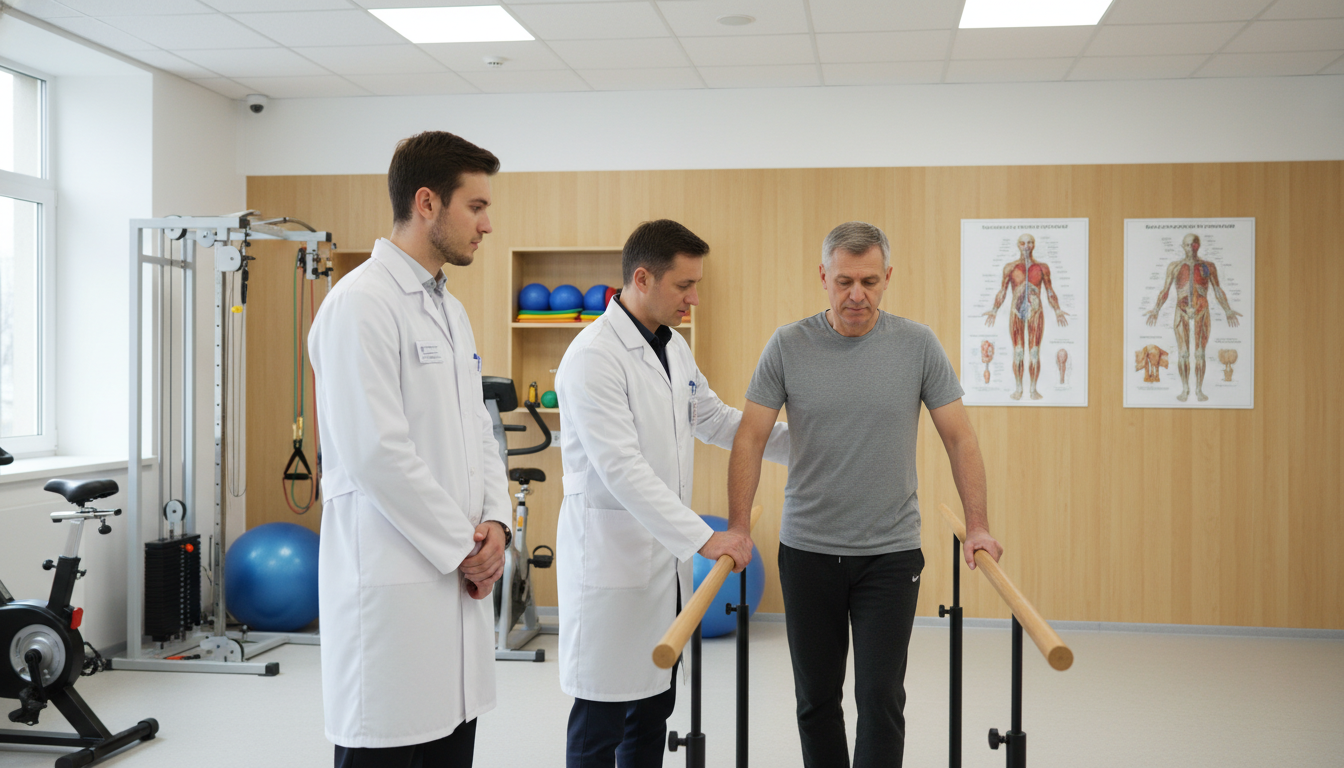
Understanding the Role of a Preliminary Year in Surgery
For many residency applicants, the terms preliminary surgery year, prelim surgery residency, and prelim medicine are confusing and anxiety‑provoking. Yet for applicants targeting categorical general surgery, surgical subspecialties, or simply trying to secure a foothold in graduate medical education, the preliminary year can be an important bridge.
In surgical education, a preliminary surgery year is a one‑year, non‑categorical internship in surgery or an internal medicine‑based year (often called prelim medicine) that satisfies PGY‑1 training requirements but does not guarantee continuation to PGY‑2 in that same program. Selecting where and how to complete that year is a strategic decision that can significantly affect your trajectory.
This guide breaks down how to think about preliminary year selection in preliminary surgery, how to compare prelim surgery versus prelim medicine options, how program structures differ, and how to align your choice with your long‑term goals.
What Is a Preliminary Year in Surgery?
A preliminary year is a one‑year internship that:
- Counts as PGY‑1 (intern) training
- May fulfill prerequisites for many advanced specialties (e.g., radiology, anesthesia, PM&R, neurology in some institutions, sometimes urology or neurosurgery depending on program requirements)
- Does not come with guaranteed progression into PGY‑2 at that institution (unlike a categorical position)
Within surgery, prelim positions come in two main flavors:
Preliminary Surgery Residency (Surgical Prelim)
- Fully immersed in general surgery rotations
- Functions similarly to categorical interns in day‑to‑day work
- Heavy exposure to OR, trauma, acute care surgery, and surgical subspecialties
Prelim Medicine (Medical Prelim)
- Intern year in internal medicine (or transitional year with an internal medicine core)
- Emphasizes inpatient medicine, consults, and outpatient continuity in some programs
- Less OR time, more exposure to managing complex medical issues
Both can be used as “preliminary years” but offer very different experiences, networks, and skill sets.
Who Typically Pursues a Preliminary Year?
Common applicant profiles include:
- Applicants who did not match categorical surgery but still want a surgical career and another chance to apply
- Applicants aiming for an advanced specialty (e.g., radiology, anesthesia, ophthalmology) who need an intern year but are flexible on whether it is surgical or medical
- International medical graduates (IMGs) using the year to gain U.S. clinical experience, letters, and networking
- Applicants with a red flag or weaker application who want a year to strengthen their record
- Those changing specialty direction who need time, exposure, and additional mentorship to clarify goals
Understanding your specific reason for pursuing a prelim year is the foundation for making a good selection.
Prelim Surgery vs Prelim Medicine: Which Is Right for You?
Choosing between prelim surgery residency and prelim medicine is one of the most important decisions in preliminary year selection. The best choice depends on your end goal, learning style, and tolerance for workload intensity.

If Your Goal Is a Surgical Career
If you ultimately want:
- Categorical general surgery
- A surgical subspecialty (e.g., vascular, trauma/critical care, cardiothoracic, surgical oncology)
- Occasionally fields like urology or neurosurgery (depending on program preferences)
…a preliminary surgery year is usually more advantageous.
Advantages of a Preliminary Surgery Residency for Surgical Aspirants:
Direct surgical exposure
- OR time, procedures, trauma resuscitations
- Surgical floor management, pre‑op and post‑op care
Relevant letters of recommendation
- From surgeons who can speak directly to your operative skills, work ethic, and technical potential
- Credible advocates when you re‑apply to surgery
Integrated into the surgical team
- You’re seen as “one of the surgery interns” rather than a visiting non‑surgical resident
- More opportunities to prove yourself to the department
Demonstrated commitment to the field
- Programs reviewing your future application see that you persisted in seeking surgical exposure
Potential Downsides:
- Intense workload (often heavier than prelim medicine)
- Less built‑in study time for dedicated exam preparation (e.g., Step 3)
- Fewer opportunities to rotate in non‑surgical specialties you might be considering as a backup
If Your Goal Is a Non‑Surgical Advanced Specialty
If you’re entering:
- Diagnostic radiology
- Radiation oncology
- Anesthesiology
- Neurology, PM&R, dermatology, or others (depending on institutional PGY‑1 requirements)
…your choice between prelim medicine and prelim surgery will depend on program prerequisites and your skill development priorities.
Reasons to Choose Prelim Medicine for Advanced Specialties:
- Many boards and specialty societies prefer or require an internal medicine‑focused PGY‑1
- Strong base in:
- Inpatient medicine
- Complex comorbidities
- Chronic disease and outpatient follow‑up
- Often more structured didactics and sometimes more predictable hours than a busy prelim surgery residency
Reasons Some Still Choose Prelim Surgery:
- You enjoy procedural work and a fast‑paced environment
- You want a very strong acute care skill set (airway management, basic surgical procedures, trauma experience)
- You already have solid medicine exposure and want to diversify your clinical toolkit
If You Are Unsure of Your Final Specialty
If you are still deciding between a surgical and non‑surgical path:
- Preliminary Surgery Year Pros
- Quickly clarifies if you truly want a life in surgery
- Gives strong procedural and acute care foundations applicable to many fields (EM, anesthesia, ICU, interventional specialties)
- Prelim Medicine Pros
- Broader exposure, potentially more “reversible” if you pivot to many non‑surgical specialties
- May be viewed as more directly relevant if you end up in a purely medical specialty
In this case, talk to advisors in both surgery and medicine departments at your medical school. Ask explicitly: “Given my record and goals, would a prelim surgery year or prelim medicine year better position me for success?”
Key Factors in Selecting a Preliminary Surgery Program
Once you’ve decided a prelim surgery residency is the right path, the next step is choosing among available programs. Not all prelim surgery years are built the same; their structure, support, and outcomes vary widely.

1. Categorical vs Prelim Culture and Integration
Ask: How are prelims treated compared to categorical interns?
Indicators of a healthy environment:
- Prelims and categoricals:
- Share most rotations
- Attend the same conferences and didactics
- Are scheduled similarly on wards and call
- Program leadership:
- Explicitly involves prelims in mentorship and evaluation processes
- Tracks prelim outcomes and takes pride in their success
Red flags:
- Prelims are used primarily to:
- Fill service coverage with less attention to education
- Take more night float or ICU months than categoricals
- Prelims report being isolated from academic opportunities or lacking access to conferences and teaching
Action step: When interviewing or researching, ask current prelims:
“How integrated do you feel in the program compared to categorical interns?”
2. Educational Structure and Operative Experience
A strong prelim surgery year should still be an educational year, not just a service year.
Look for:
- A structured curriculum:
- Weekly M&M and grand rounds
- Intern‑level skills lab or simulation
- Regular didactics tailored to surgical interns
- Opportunities for:
- OR cases (even as first assist)
- Basic procedures (central lines, chest tubes, bedside I&Ds)
- Trauma and emergency general surgery exposure
Ask specific questions:
- “On a typical general surgery month, how many OR days do prelims get?”
- “Do prelims scrub into major cases or mostly manage floor work?”
- “What approximate number of cases do your prelims log in a year?”
3. Program Outcomes for Prelims
Outcomes are critical if you intend to re‑apply to categorical surgery or a related field.
Important metrics:
- Match outcomes: Of the last 3–5 years of prelims:
- How many matched into categorical surgery?
- How many matched other desired specialties (e.g., anesthesia, radiology, EM)?
- In‑house conversion:
- Does the program ever convert prelims to categorical positions when spots open (e.g., attrition, expansion)?
- How often has this occurred historically?
A program with a track record of prelims obtaining strong positions has:
- Faculty who advocate for prelims
- A reputation for fair evaluation
- A culture of helping prelims move forward, not just using them for service
4. Workload, Support, and Wellness
Prelim surgery years can be intense; you must balance workload with sustainable performance and time to prepare for your next application cycle.
Consider:
- Typical weekly duty hours (near 80 every week or variable?)
- Frequency of:
- 24‑hour calls
- Night float rotations for prelims compared to categoricals
- Availability of:
- Formal mentoring (assigned faculty mentor, regular check‑ins)
- Resident wellness initiatives
- Access to counseling or employee assistance services
Programs truly invested in education will:
- Monitor duty hours seriously
- Adjust rotations if an intern is struggling
- Encourage Step 3 preparation if needed for your career goals
5. Research and Scholarly Opportunities
If your long‑term trajectory requires a strong academic CV, look for:
- Opportunities to work with surgical faculty on:
- Case reports
- Retrospective chart reviews
- Quality improvement projects
- Support for attending or presenting at conferences
- Research‑heavy departments (e.g., academic medical centers) where prelims can be integrated into:
- Lab meetings
- Clinical trials
- Ongoing registries (trauma, hepatobiliary, transplant, etc.)
During interviews, ask:
- “Do prelims regularly get involved in research?”
- “Can you share examples of recent prelim publications or presentations?”
Strategy: How to Use Your Preliminary Surgery Year Effectively
Selecting the right prelim program is only half of the equation. The other half is how you use the year to maximize your odds of success in the next application cycle.
1. Clarify Your Goal Before Day 1
At the outset, be explicit (with yourself and with mentors) about your primary goal. For example:
- “I want to match categorical general surgery next cycle.”
- “I’m aiming for anesthesia; I need strong clinical evaluations and letters.”
- “I’m undecided between surgery and radiology; I need exposure and advice.”
Once this is clear, share it with:
- Your program director
- Assigned faculty mentor
- A few trusted senior residents
This transparency:
- Signals seriousness and motivation
- Helps them tailor opportunities and letters to your goals
- Encourages them to consider you if a categorical spot opens
2. Perform at a High Level Clinically
Your clinical performance during your preliminary surgery year is often the single strongest signal to future programs.
Key behaviors:
- Be reliably early and prepared for rounds
- Learn your patients thoroughly:
- Labs, imaging, peri‑operative plan, anticipated complications
- Communicate clearly with:
- Nurses, residents, and attendings
- Families when appropriate, with supervision
- Volunteer for work others avoid:
- Late admissions
- Challenging consults
- Difficult discharges
Your goal is to be the intern that residents and faculty say, “We’d happily have them as a categorical colleague.”
3. Be Strategic About Letters of Recommendation
For surgical pathways:
- Identify 2–3 surgeons early (within the first few months) whose teams you will work closely with and who:
- Enjoy teaching
- Have a reputation for writing strong letters
- Are respected within the department
Ask them explicitly:
- “I plan to re‑apply to categorical surgery (or X specialty). If I work hard and perform well this rotation, would you feel comfortable considering a strong letter of recommendation for me later this year?”
For non‑surgical pathways:
- Make sure at least one letter comes from:
- A surgeon who can vouch for your work ethic and teamwork
- And others from:
- Specialists in your target field (e.g., anesthesiology, radiology) if you rotate with them
- Medicine attendings if you spend time on medicine or ICU services
4. Manage the Application Timeline During Your Prelim Year
Balancing a busy prelim surgery residency with the residency match timeline requires careful planning.
Typical timeline:
Spring–early summer:
- Update CV with medical school and early prelim experiences
- Identify letter writers and give them your updated CV and personal statement draft
Late summer–early fall:
- Finalize ERAS application
- Ensure letters are uploaded early
- Discuss your application list and strategy with your program leadership
Fall–winter:
- Interview while continuing full rotations (coordinate days off well in advance)
- Keep your program director informed of interview invitations that may affect your schedule
Pro tip: Keep your Step 3 timing in mind. Some specialties or programs favor applicants who have passed Step 3 by interview season, especially IMGs or those with previous failures. If feasible, schedule Step 3 during lighter rotations.
5. Maintain Backup Plans and Flexibility
Even with a strong prelim year, the match can be unpredictable—especially in competitive surgical environments. Have a realistic backup strategy:
- Consider secondary specialties genuinely acceptable to you (e.g., anesthesia, EM, radiology, IM with focus on critical care)
- Seek honest feedback mid‑year:
- Ask your program director: “Based on my current evaluations, what do you see as my realistic options?”
- Remain open to:
- Re‑applying to prelim or transitional year again if necessary
- Exploring fellowships or research years if it aligns with your long‑term plans
Special Considerations: IMGs and Re‑Applicants
Applicants who are international medical graduates or prior non‑matches often consider prelim surgery as a bridge. The preliminary year selection process has extra nuances for you.
For International Medical Graduates (IMGs)
Key priorities:
Visa support:
- Confirm whether the program sponsors J‑1 and/or H‑1B
- Understand if they historically have supported IMG prelims in securing visas for next positions
Track record with IMGs:
- Ask specifically how many IMGs they take as prelims and where those residents end up
- Alumni networks can be particularly helpful for IMGs
Perception and advocacy:
- Choose programs where leadership explicitly values IMGs and is willing to make calls or send direct emails on your behalf during match season
For Prior Non‑Matches or Red‑Flag Applications
If you are doing a prelim to “rehabilitate” your application:
- A strong performance in a demanding prelim surgery residency can significantly change how programs view you
- Be prepared to address past issues:
- Poor Step scores
- Extended time in medical school
- Leaves of absence
- Work with your prelim program director on a unified narrative:
- What has changed?
- How did you grow?
- Why should a program take a chance on you now?
In these cases, the quality of mentorship, honesty of feedback, and willingness of the program to advocate for you matter as much as the name recognition of the institution.
Frequently Asked Questions (FAQ)
1. Is a preliminary surgery year “worth it” if I don’t secure a categorical spot right away?
It can be, depending on your goals and the quality of the program you choose. A well‑structured preliminary surgery year can:
- Strengthen your clinical skills
- Provide powerful letters
- Offer clarity about whether surgery is truly the right path
However, if you repeatedly complete prelim or non‑categorical years without progressing, you risk training fatigue and financial strain. Before committing, ensure there is a plausible pathway forward (surgery or another acceptable specialty) and identify programs with strong prelim outcomes.
2. How do programs view applicants coming from prelim surgery versus prelim medicine?
For categorical general surgery and most surgical subspecialties, a preliminary surgery residency is typically seen as more directly relevant and may be preferred, especially if your letters and evaluations are strong. For non‑surgical specialties, it depends:
- Some (e.g., IM‑based fellowships) may favor prelim medicine
- Others (e.g., anesthesia, EM) appreciate the acute care skills and resilience built in a prelim surgery year
Ultimately, programs look at your overall performance, letters, and narrative more than the label on your preliminary year.
3. Can I switch from prelim surgery to another specialty during or after my prelim year?
Yes, but it requires:
- Early and honest conversations with your mentors and program director
- A revised application strategy targeting the new specialty
- Letters from faculty in, or relevant to, the new field when possible
Many residents pivot from a prelim surgery year to specialties like anesthesia, emergency medicine, radiology, or even internal medicine—especially if they discover their interests or life priorities have changed.
4. Should I prioritize reputation or quality of life when ranking prelim surgery programs?
Aim for a balanced approach:
- Reputation and case volume help with:
- Name recognition on your CV
- Strong surgical experiences and letters
- Quality of life and support matter because:
- Burnout can derail performance and future applications
- You need bandwidth for ERAS, interviews, and possibly Step 3
When choosing, prioritize programs that:
- Have solid educational structures and good outcomes for prelims
- Offer a sustainable environment where you can both work hard and remain functional enough to re‑apply effectively
By approaching preliminary year selection in preliminary surgery with clarity of purpose, honest self‑assessment, and targeted program evaluation, you can turn a one‑year, non‑categorical position into a powerful stepping stone toward your long‑term medical career.