Understanding Family Medicine and Why It Matters for Premeds
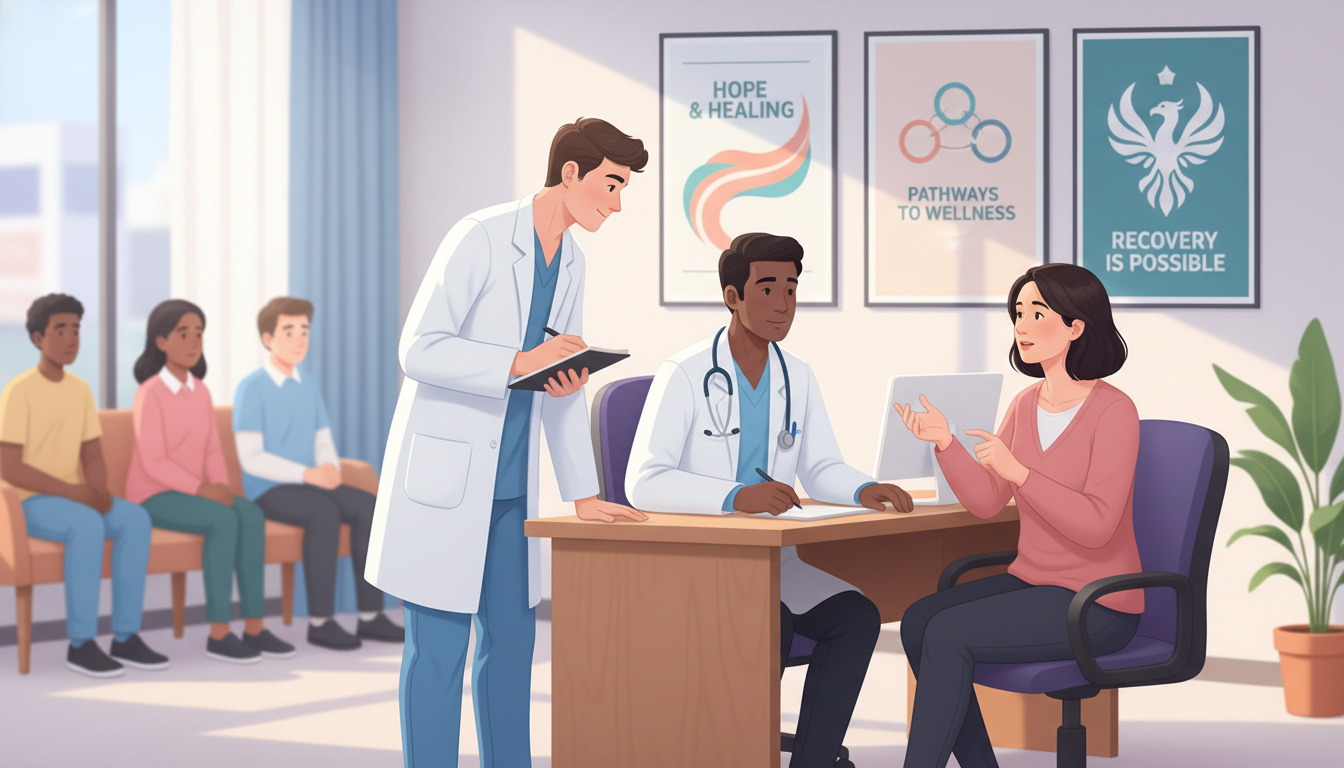
Family medicine is often misunderstood by premeds who primarily see it as a “backup” specialty. In reality, family medicine is one of the most intellectually broad and relationally rich fields in medicine. If you’re thinking about how to become a doctor who knows patients across their lifespan—from newborns to grandparents—family medicine may be an ideal path.
Family physicians:
- Provide comprehensive, continuous care for individuals and families
- Manage acute and chronic illnesses across multiple organ systems
- Focus on preventive care, wellness, and lifestyle counseling
- Coordinate care among specialists and community resources
- Often serve in underserved or rural settings, improving access and equity
Understanding this early in your journey will shape the premed advice you follow, the experiences you seek, and how you prepare for a future family medicine residency and ultimately the FM match.
How Early Should You Start Preparing?
The “pre-med” phase can start as early as high school and extends through college (and sometimes post-baccalaureate programs). Wherever you are, you can tailor your preparation to support a future in family medicine:
- High school / early college (exploration phase): learn about healthcare, volunteer, build study skills, and explore science.
- Mid-college (commitment phase): complete core premed requirements, gain clinical exposure, shadow family physicians, and explore primary care research or community projects.
- Late college / post-bacc (positioning phase): finalize your academic record, prepare for the MCAT, deepen your primary care experiences and leadership roles.
Your goal during the pre-med years is not only to “check boxes” but to build a foundation that will make you a competitive and authentic future applicant for family medicine residency programs.
Academic Foundations: Courses, Majors, and MCAT Strategy
Core Premed Requirements (and How They Relate to Family Medicine)
Medical schools have similar core premed requirements, regardless of specialty interest. These courses give you the science background needed for medical school and for the MCAT. Typical requirements (exact details vary by school):
- Biology with lab (2 semesters)
- General chemistry with lab (2 semesters)
- Organic chemistry with lab (2 semesters, some schools accept 1 + biochemistry)
- Physics with lab (2 semesters)
- Biochemistry (1 semester, increasingly required or strongly recommended)
- English / writing-intensive courses (1–2 semesters)
- Math / statistics (1–2 semesters, often including statistics)
- Social/behavioral sciences (e.g., psychology, sociology)
For future family physicians, pay special attention to:
- Biology and physiology: foundation for understanding common conditions like hypertension, diabetes, asthma.
- Biochemistry: central to metabolic disorders, pharmacology, and chronic disease management.
- Psychology and sociology: crucial for understanding patient behavior, health disparities, and social determinants of health—core themes in family medicine.
Choosing a Major: Does It Matter?
There is no “family medicine major,” and medical schools don’t require a specific major. Common options:
- Biology, Chemistry, or Biochemistry: Align well with premed requirements; familiar to admissions committees.
- Public Health, Psychology, Sociology: Excellent for students interested in community health, prevention, and health systems—highly relevant to family medicine.
- Humanities (e.g., Philosophy, English, History): Valuable for communication, ethical reasoning, and empathy; you’ll just need to ensure all science premed requirements are completed.
For a future family physician, any major is fine as long as:
- You excel academically (strong GPA matters).
- You complete all premed requirements on time.
- You can articulate how your major supports your interest in comprehensive, person-centered care.
GPA and Academic Performance: What To Aim For
Most U.S. medical schools look for:
- Cumulative GPA: Ideally ≥ 3.6 for MD schools, ≥ 3.4 for DO schools (higher is always better).
- Science GPA (BCPM): Similarly high; many admissions committees focus heavily on this.
If you’re passionate about family medicine but your GPA is lower:
- Demonstrate an upward trend: improved performance in later semesters or tougher courses.
- Consider post-bacc or SMP (Special Master’s Program) if needed to demonstrate academic readiness.
- Strengthen clinical, service, and leadership experiences to support your story.
Remember: many outstanding family physicians did not have perfect GPAs but showed resilience, growth, and a clear, sustained commitment to primary care.
MCAT Strategy with Family Medicine in Mind
The MCAT is not specialty-specific, but your preparation approach can be influenced by your goals and timeline.
Target scores:
- Competitive for many MD programs: 510+
- Competitive for many DO programs: 503–507+
Higher scores broaden your options but do not define your specialty choice.
Sections:
- Chemical and Physical Foundations (CP)
- Critical Analysis and Reasoning Skills (CARS)
- Biological and Biochemical Foundations (BB)
- Psychological, Social, and Biological Foundations (PS)
For a future family doctor, the CARS and PS sections are especially aligned with everyday practice, as they emphasize:
- Interpreting complex information
- Understanding cultural and social factors
- Applying psychological and sociological theories to real-world scenarios
MCAT preparation tips for premeds interested in family medicine:
- Plan early: Build your MCAT study schedule around your toughest semesters. Consider taking a lighter course load when you study intensely.
- Use active learning: Practice questions, full-length exams, and reviewing missed questions in depth.
- Integrate social sciences: Pay special attention to psychology and sociology content, as it aligns closely with patient-centered care.
- Balance commitments: Avoid overcommitting to activities during the 3–4 months before your test date; your score can significantly influence where you ultimately train, including where you match for family medicine residency.

Building Clinical and Service Experience with a Family Medicine Lens
One of the most important parts of pre-med preparation is experience beyond the classroom. For family medicine, this means prioritizing settings where you see continuity of care, diverse patient populations, and primary care in action.
Clinical Exposure: Start Broad, Then Focus
Medical schools do not require that you commit to a specialty before applying, but genuine exposure to primary care can help you discover whether family medicine is right for you.
Recommended experiences:
- Shadowing a family medicine physician
- Outpatient clinics (urban, suburban, or rural)
- Community health centers, FQHCs
- Academic family medicine practices linked to teaching hospitals
- Working as a medical scribe in a primary care or family medicine clinic
- Clinical jobs:
- Medical assistant (if trained or certified)
- EMT or paramedic (valuable for acute care skills)
- Certified nursing assistant (CNA)
- Phlebotomist
- Hospice or palliative care exposure
- Shows your comfort with end-of-life discussions, common in family practice.
When shadowing a family physician, observe:
- How they build rapport quickly with patients.
- How they manage a visit with multiple concerns in limited time.
- How they integrate social context (finances, family situation, work) into medical decisions.
- How they coordinate care with specialists, physical therapists, mental health providers, and community resources.
Non-Clinical Service: Demonstrating Commitment to Community
Family medicine is deeply tied to community engagement and longitudinal relationships. Non-clinical volunteering can be just as important as clinical hours:
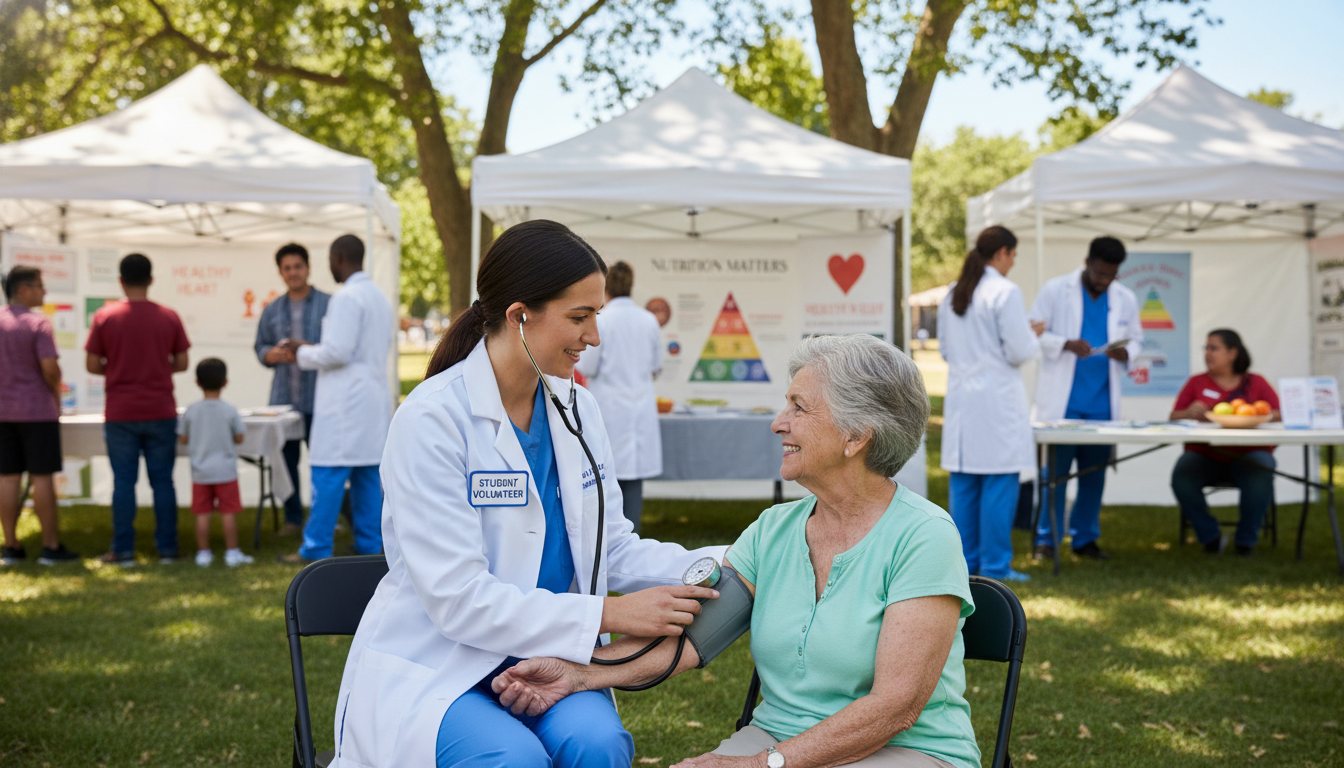
- Community health outreach: health fairs, blood pressure screenings, vaccination drives.
- Work with underserved populations:
- Free clinics or low-cost community clinics
- Homeless shelters, food pantries, immigrant support centers
- Programs serving rural communities
- Youth mentorship or education: tutoring, mentoring first-generation students, teaching health literacy programs.
These experiences let you:
- Show empathy and cultural humility
- Understand barriers to care (transportation, cost, language, mistrust)
- Gain insight into why many patients rely on their family doctor as a first contact and advocate
This is central to your narrative of how to become a doctor who is not only clinically competent, but also grounded in the realities of your patients’ lives.
Research: Is It Necessary for Future Family Physicians?
Unlike some highly research-intensive specialties, family medicine is often more flexible regarding research. However, research can still strengthen your application and help you stand out.
Types of research valuable to future family doctors:
- Primary care or public health research:
- Chronic disease management (e.g., diabetes, hypertension)
- Preventive care interventions (e.g., cancer screening uptake)
- Health disparities and access to care
- Behavioral health integration in primary care
- Quality improvement (QI) projects:
- Improving clinic workflows
- Reducing no-show rates
- Enhancing vaccination rates or screening completion
- Medical education research:
- Curriculum improvements
- Training in communication or cultural competence
You don’t need to publish in major journals as a premed. Focus on:
- Learning basic research methods
- Contributing meaningfully to a project
- Being able to explain your role and findings clearly
- Prioritizing research that aligns with your interest in primary care and community health
Developing the Skills and Mindset of a Future Family Physician
Family medicine is as much about communication and mindset as it is about medical knowledge. As a premed, you can begin cultivating the traits that family medicine residency programs and, later, the FM match committees look for.
Communication and Relationship-Building
Family physicians are expert communicators. Start practicing now:
- Take communication-focused coursework:
- Psychology, sociology, communication, ethics, medical humanities.
- Engage in roles requiring interpersonal skills:
- Peer mentorship
- Resident assistant (RA) positions
- Teaching assistant or tutor roles
- Student government or club leadership
- Practice active listening:
- In shadowing and volunteering, focus on what patients say and how physicians respond.
- Reflect on how communication styles change by age, culture, or health literacy.
Being able to describe examples of difficult conversations, conflict resolution, or supporting someone in crisis will be valuable in essays and interviews.
Cultural Humility and Working with Diverse Populations
Because family medicine cares for patients across the lifespan and from all backgrounds, cultural humility is non-negotiable.
Ways to build this skill:
- Volunteer with diverse communities: immigrants, refugees, LGBTQ+ groups, rural populations.
- Learn another language relevant to your region (e.g., Spanish in much of the U.S.).
- Take classes or attend workshops on health disparities, structural racism, and social determinants of health.
- Reflect regularly: Keep a journal about what you learn from your patients and communities—this often translates into powerful personal statement material later.
Leadership and Teamwork
Family doctors lead and collaborate within multidisciplinary teams. You can prepare by:
- Holding leadership roles in:
- Premed clubs
- Cultural or service organizations
- Campus health initiatives
- Participating in interdisciplinary projects, such as:
- Public health campaigns with nursing or public health students
- Community-based initiatives involving social workers, educators, and local organizations
You’ll be expected in medical school and residency to work closely with nurses, social workers, pharmacists, and others—building those skills early is an advantage.
Strategically Planning Your Path: From Premed to Family Medicine Residency
You’re ultimately aiming for a successful FM match, but that process begins long before you submit a residency application. Think of your trajectory in three stages: premed, medical school, and residency selection.
Premed Stage: Laying the Groundwork
During college or post-bacc, aim to:
- Meet academic requirements with a strong GPA and MCAT score.
- Gain clinical experiences heavily featuring primary care and continuity.
- Volunteer consistently in community settings, not just one-off events.
- Develop relationships with mentors—especially family physicians and primary care faculty you may later ask for letters of recommendation.
- Clarify your “why family medicine?” through reflection and journaling.
Medical School Stage: Maintaining and Deepening Your Interest
Even though you’re still at the premed stage, it’s helpful to understand what comes next so you can prepare thoughtfully:
- Choose a medical school that:
- Has a strong primary care or family medicine reputation
- Offers family medicine interest groups (FMIGs)
- Provides access to rural or underserved rotations
- Has longitudinal primary care experiences
- Seek out:
- Family medicine mentors and advisors
- Summer primary care programs or scholarships
- Research or QI projects in primary care settings
By the time you apply for residency, you’ll want a track record that clearly reflects sustained interest and experience in family medicine.
Early Steps for a Strong Future FM Match
While the FM match itself happens at the end of medical school, decisions you make as a premed can help:
- Choose schools where family medicine is valued. Look at match lists: do many students match into family medicine or other primary care fields?
- Express interest in primary care early. Some schools have special primary care tracks or scholarships—these can increase your exposure and commitment.
- Prioritize well-being and resilience. Burnout is real in medicine; learning early how to set boundaries, manage stress, and maintain balance will help you thrive in any specialty, especially a relationship-intensive field like family medicine.
Practical Roadmaps and Premed Advice for Different Starting Points
If You’re a High School Student
Focus on:
- Taking challenging but manageable science and math courses
- Building strong study habits and time-management skills
- Volunteering in:
- Hospitals or clinics (if possible)
- Community organizations, youth programs, or health fairs
- Exploring:
- Health careers clubs
- Shadowing opportunities via family doctors or local clinics
Don’t worry yet about the FM match or specific residency details. Concentrate on building curiosity, empathy, and foundational skills.
If You’re an Early College Student (Freshman/Sophomore)
Your priorities:
- Complete premed requirements methodically:
- Avoid overloading with too many heavy science courses at once.
- Seek tutoring or office hours early if struggling.
- Experiment with clinical experiences:
- Start shadowing, including family physicians if possible.
- Consider entry-level healthcare jobs or internships.
- Join relevant student organizations:
- Premed club
- Public health or global health clubs
- Community service groups
Start reflecting on how your experiences align with questions like how to become a doctor who serves families and communities, not just individual diseases.
If You’re a Late College Student (Junior/Senior)
Key tasks:
- Finalize premed requirements and plan MCAT timing.
- Deepen your involvement in:
- One or two clinical settings (rather than many shallow experiences).
- One or two non-clinical commitments you genuinely care about.
- Seek formal mentoring:
- Talk with a family physician about career paths.
- Ask current family medicine residents or medical students about their journeys.
- Begin drafting your narrative:
- Why medicine?
- Why family medicine?
- What experiences have shaped your understanding of primary care?
Even if you change specialties later, this clarity will help you apply to medical school with a strong, coherent application.
If You’re a Nontraditional or Post-Bacc Student
Leverage your background:
- Highlight transferable skills:
- Communication, leadership, project management
- Service or teaching
- Choose a post-bacc program that:
- Offers strong advising and linkage to medical schools if possible
- Provides access to clinical and volunteering opportunities
- Consider targeting medical schools that emphasize:
- Primary care
- Service to underserved populations
- Support for nontraditional students
Many nontraditional students end up in family medicine because of its relationship-centered, community-oriented nature—your life experience can be a major asset.
FAQs: Pre-Med Preparation for a Future in Family Medicine
1. Do I need to decide on family medicine before I apply to medical school?
No. You are not required to choose a specialty before entering medical school. However, if you are already leaning toward family medicine, you can intentionally select experiences—both academic and extracurricular—that align with primary care, prevention, and community health. These experiences will strengthen your medical school application and may later support a strong FM match.
2. How many shadowing hours in family medicine do I need?
There is no official minimum, but 40–60 hours of shadowing overall (across specialties) is common. If you’re serious about family medicine, try to spend a substantial portion of this (e.g., 20–40 hours) with family physicians in different settings (urban, rural, community clinics). Focus more on depth and reflection than simple hour-counting.
3. Is research mandatory if I want to be a family physician?
Research is not mandatory for a career in family medicine, but it can be helpful, especially if it’s related to primary care, population health, or health disparities. Many family medicine residency programs value community engagement, quality improvement, and leadership at least as much as lab-based research. Choose projects that align with your interests and help you grow.
4. What premed requirements are most important for someone interested in family medicine?
All standard premed requirements are important, but for family medicine, pay particular attention to:
- Biology, physiology, and biochemistry for understanding common chronic diseases.
- Psychology and sociology for insight into behavior, culture, and social determinants of health.
- Writing and communication-heavy courses to build skills essential for patient interactions and team communication.
Combined with rich clinical and service experiences, these courses will prepare you well for both medical school and a future family medicine residency.
Preparing for a possible future in family medicine begins long before you submit residency applications. By aligning your academic choices, clinical exposure, and community engagement with the values of comprehensive, patient-centered care, you set yourself up not only for a successful medical school application, but also for a meaningful, sustainable career serving individuals and families across their lifespan.