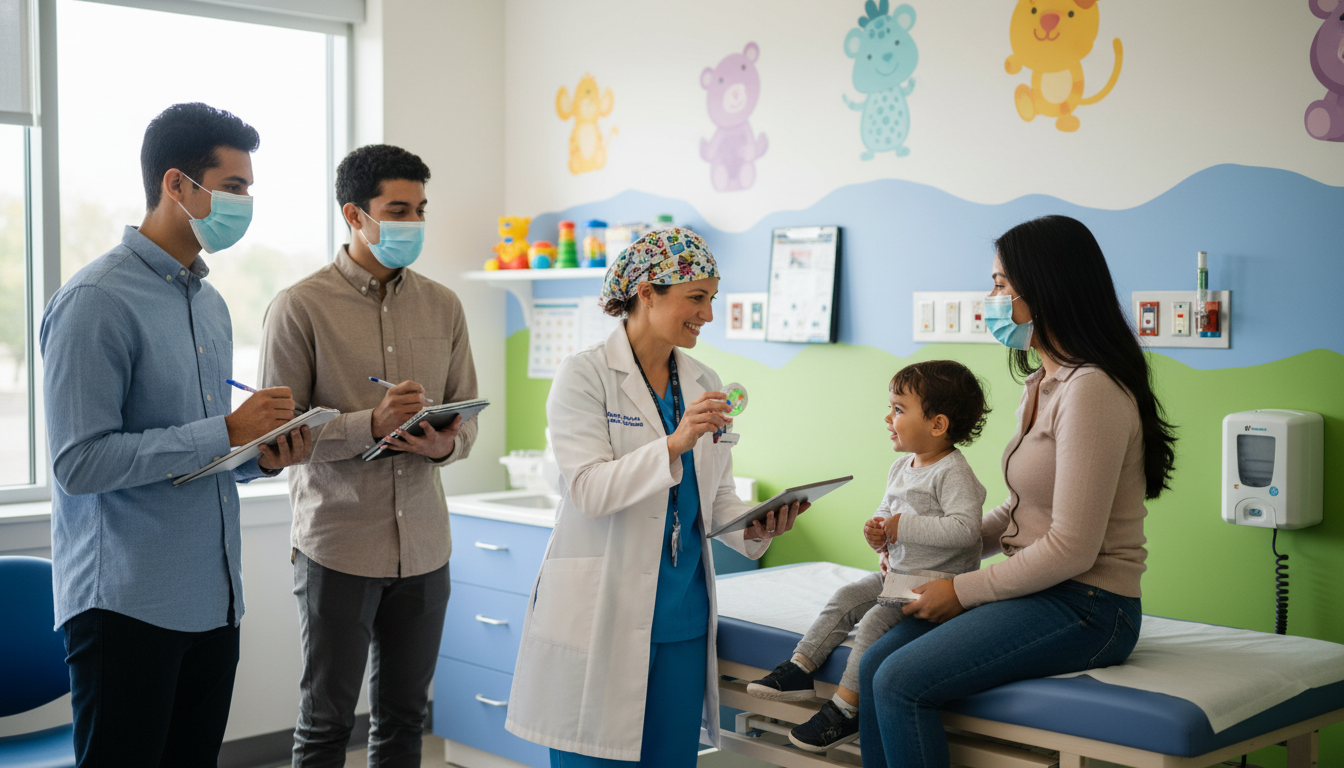
Preparing for a future in pediatrics starts long before residency applications and the peds match. Your undergraduate years—and even high school—can strategically position you for success if you understand what matters, when it matters, and how to build a coherent story around your interest in caring for children.
This guide walks you through premed requirements, experiences, and decisions specifically tailored for students who think they might want to become pediatricians one day. It’s relevant whether you’re in high school, early college, or already deep into your pre-med coursework.
Understanding the Path: How to Become a Pediatrician
Before diving into specific pre-med preparation, it helps to see the full roadmap so you can plan backward.
Typical training timeline in pediatrics (US-based)
Undergraduate (4 years)
- Complete premed requirements
- Earn a bachelor’s degree (any major)
- Build clinical, research, and service experiences
- Take the MCAT
- Apply to medical school
Medical School (4 years)
- M1–M2: Foundational sciences, early exposure to patients
- M3: Core clinical clerkships (including pediatrics)
- M4: Sub-internships and away rotations, residency applications
Pediatrics Residency (3 years)
- General pediatrics training in inpatient, outpatient, newborn, and subspecialty care
- Apply through the peds match (NRMP Pediatrics)
Optional Fellowship (3+ years)
- Subspecialize (e.g., pediatric cardiology, pediatric oncology, neonatology, pediatric emergency medicine)
Practice as an Attending Pediatrician
- Community practice, academic medicine, hospitalist roles, public health, etc.
From a premed perspective, your job is to build the strongest possible foundation for steps 1 and 2—so that when it’s time to apply for pediatrics residency, you have the clinical skills, academic record, and narrative that programs want.
Building a Strong Academic Foundation
Academic strength is non-negotiable if you want to be competitive for medical school and, later, pediatrics residency.
Choosing a Major with Pediatrics in Mind
You can major in anything and still become a pediatrician—as long as you complete premed requirements. That said, some majors naturally support your interest in pediatrics:
Common majors for future pediatricians
- Biology, Human Biology, or Health Sciences
- Neuroscience or Psychology (particularly if you’re interested in child development or child psychiatry)
- Public Health (especially if you’re drawn to community pediatrics and advocacy)
- Child Development, Early Childhood Education, or Human Development (paired with strong science coursework)
What matters more than the label on your major:
- You can sustain a strong GPA (target 3.6+ overall and in science courses).
- You complete all premed requirements in time to take the MCAT.
- Your coursework aligns with your narrative (e.g., classes in child development or family studies for someone passionate about pediatrics).
Actionable advice
- If you love working with kids but feel weaker in the sciences, consider double majoring or minoring (e.g., Major: Child Development, Minor: Biology) rather than avoiding science-heavy programs.
- Talk to both a premed advisor and a department advisor early to map out all requirements.
Premed Requirements: The Core Science and Beyond
Every medical school is slightly different, but most US schools expect the following:
Science & quantitative core
- 1 year of General Biology with lab
- 1 year of General Chemistry with lab
- 1 year of Organic Chemistry with lab (some schools accept or prefer Biochemistry instead of 2nd semester orgo)
- 1 semester–1 year of Biochemistry
- 1 year of Physics with lab
- 1–2 semesters of Math (often including Statistics; Calculus is required or recommended by some schools)
Humanities & social sciences
- 1–2 semesters of English / Writing-intensive courses
- Courses in psychology and sociology (helpful for MCAT and understanding child/family behavior)
Pediatrics-focused enhancements (not required but highly valuable)
- Developmental Psychology or Child Psychology
- Human Development or Lifespan Development
- Courses on Families, Parenting, or Education
- Public Health or Epidemiology (particularly child health or maternal-child health topics)
These classes not only strengthen your MCAT preparation but also help you understand the context of children’s health—family dynamics, community factors, and development stages, all critical in pediatrics residency and beyond.
Balancing GPA and Rigor
Medical schools (and later, pediatrics residency programs) care about:
- Your overall GPA
- Your science GPA (BCPM: Biology, Chemistry, Physics, Math)
- Trends over time (upward trend > perfect consistency if you started off weaker)
Strategies to maintain competitiveness
- Avoid overloading with multiple heavy lab sciences in one semester (e.g., Organic Chemistry, Physics, and Biochemistry all at once).
- Aim for 12–15 credits of challenging but manageable courses, especially in semesters with major commitments like MCAT prep.
- Use office hours, tutoring centers, and study groups early—do not wait for a midterm wake-up call.
If pediatrics is your long-term goal, remember:
Pediatrics residency itself is moderately competitive, but your medical school admissions process is the bigger hurdle. Strong academic performance now gives you more flexibility later.

Experiences that Matter for Future Pediatricians
Your story as a future pediatrician is built through hands-on experiences. Medical schools look for evidence that you:
- Understand what working with children and families is actually like
- Have seen doctors in action
- Can handle emotionally complex situations
- Possess resilience, empathy, and communication skills
Clinical Experiences with Children
Clinical exposure is essential for any premed, but if you’re leaning toward pediatrics, you should aim for meaningful time in child-focused environments.
High-yield clinical experiences for future pediatricians
- Hospital volunteering in:
- Pediatric inpatient units
- Pediatric emergency departments
- NICUs or PICUs (often more limited and require more training)
- Clinic-based experiences:
- Shadowing pediatricians in primary care offices
- Volunteering at free clinics serving children and families
- Hospice or palliative care:
- Pediatric palliative programs (where available)
- Family-centered support programs
Example pathway (sophomore to senior year)
- Sophomore: Start as a general hospital volunteer, request pediatric rotations once you demonstrate reliability.
- Junior: Shadow a community pediatrician regularly (e.g., one half-day per week for a semester).
- Senior: Work as a medical assistant or scribe in a pediatric practice if possible.
When you later apply for pediatrics residency, these experiences help reinforce that your interest in kids wasn’t a last-minute decision—it was a consistent theme from premed onward.
Non-Clinical Work with Children
Pediatrics is about families, development, and communication as much as it is about medicine. Non-clinical roles working directly with kids are extremely valuable, both for medical school applications and future peds match applications.
Examples of non-clinical child-focused experience
- Tutoring or mentoring K–12 students
- Working as a camp counselor (especially at camps for children with chronic illnesses or disabilities)
- Volunteering with:
- Big Brothers Big Sisters
- Boys and Girls Clubs
- After-school programs
- Youth sports coaching
- Teaching assistant roles in child development or education courses
- Volunteer work at children’s museums, libraries, or literacy programs
Why this matters:
- You learn to communicate at different developmental levels.
- You experience family dynamics and behavioral challenges.
- You build stories that show genuine passion for child and adolescent well-being.
These are the kinds of experiences that shape the “fit” question in the minds of residency programs: Will this applicant thrive in pediatrics long-term?
Shadowing Pediatricians vs. Other Specialties
Shadowing is a standard premed requirement, but if you’re leaning toward pediatrics, be intentional:
Aim for a mix of:
- General pediatrics (outpatient clinics, well-child visits, acute care)
- Subspecialty pediatrics, like:
- Pediatric cardiology
- Pediatric endocrinology
- Pediatric emergency medicine
- Neonatology (NICU)
- Other specialties across the lifespan:
- Family medicine
- Internal medicine
- OB/GYN
Why shadow outside pediatrics?
Medical schools want you to demonstrate that you’ve compared pediatrics to other fields and still feel drawn to caring for children. This supports a thoughtful, informed career choice.
Actionable tip: Keep a reflective journal after each shadowing session. Briefly write:
- What you observed
- What surprised you
- What you admired or found difficult
These reflections will later help you write personal statements and answer interview questions about why pediatrics—or why medicine at all.
Research Experience: Is It Necessary for Pediatrics?
You do not need to be a research superstar to become a pediatrician, but some research exposure is extremely helpful, particularly if:
- You’re considering academic pediatrics or a research-oriented pediatrics residency.
- You’re applying to more competitive medical schools.
For premeds interested in pediatrics, consider research in:
- Child development or developmental neuroscience
- Pediatric diseases (e.g., asthma, diabetes, congenital heart disease)
- Public health projects on childhood obesity, vaccination, nutrition, or health disparities
- Education, literacy, or school-based health programs
Even if your research is in a non-pediatric area, you can still link it to pediatrics if you:
- Study fundamental biology that applies to all ages
- Are investigating social determinants of health
- Work on health policy or health systems questions that impact children and families
Bottom line: Some research is an advantage but not mandatory for all future pediatricians. Focus first on strong academics and sustained clinical/child-focused experiences.
Crafting Your Narrative: From Premed to Pediatrics Residency
Everything you do as a premed is raw material for the story you’ll later tell in your medical school applications, and eventually in your pediatrics residency applications and peds match interviews.
Linking Premed Experiences to Pediatrics
A strong pediatrics-oriented narrative includes:
- Early exposure to working with children (tutoring, camps, mentoring)
- Progressive responsibility (moving from general volunteering to more complex roles)
- Clinical encounters with children and families
- Moments of insight that clearly shaped your commitment
Example narrative arc:
- High school: Volunteering as a tutor for elementary students.
- Early college: Hospital volunteer on a pediatric floor; noticed stress and resilience in families.
- Junior year: Shadowing a community pediatrician; saw the continuity of care from infancy to adolescence.
- Senior year: Research on childhood asthma in underserved communities; recognized systemic inequities affecting kids.
Later, when you apply for pediatrics residency, this consistent pattern will resonate strongly with program directors.
Premed Advice for Building a Competitive Profile
Think of your premed preparation as building three overlapping pillars:
Academic excellence
- Strong GPA and MCAT
- Solid foundation in sciences and child-related coursework
Clinical and child-centered engagement
- Repeated, longitudinal experiences
- Increasing responsibility with time
Professionalism and leadership
- Leadership roles in relevant clubs (e.g., premed clubs with pediatric outreach, child health advocacy groups)
- Reliable, mature behavior in all clinical and volunteer settings
- Strong letters of recommendation from supervisors and professors
If your goal is pediatrics residency, keep checking:
“Does my current activity help show I’m committed to children, development, or family-centered care?”
If the answer is no, look for strategic opportunities to shift your involvement in that direction.
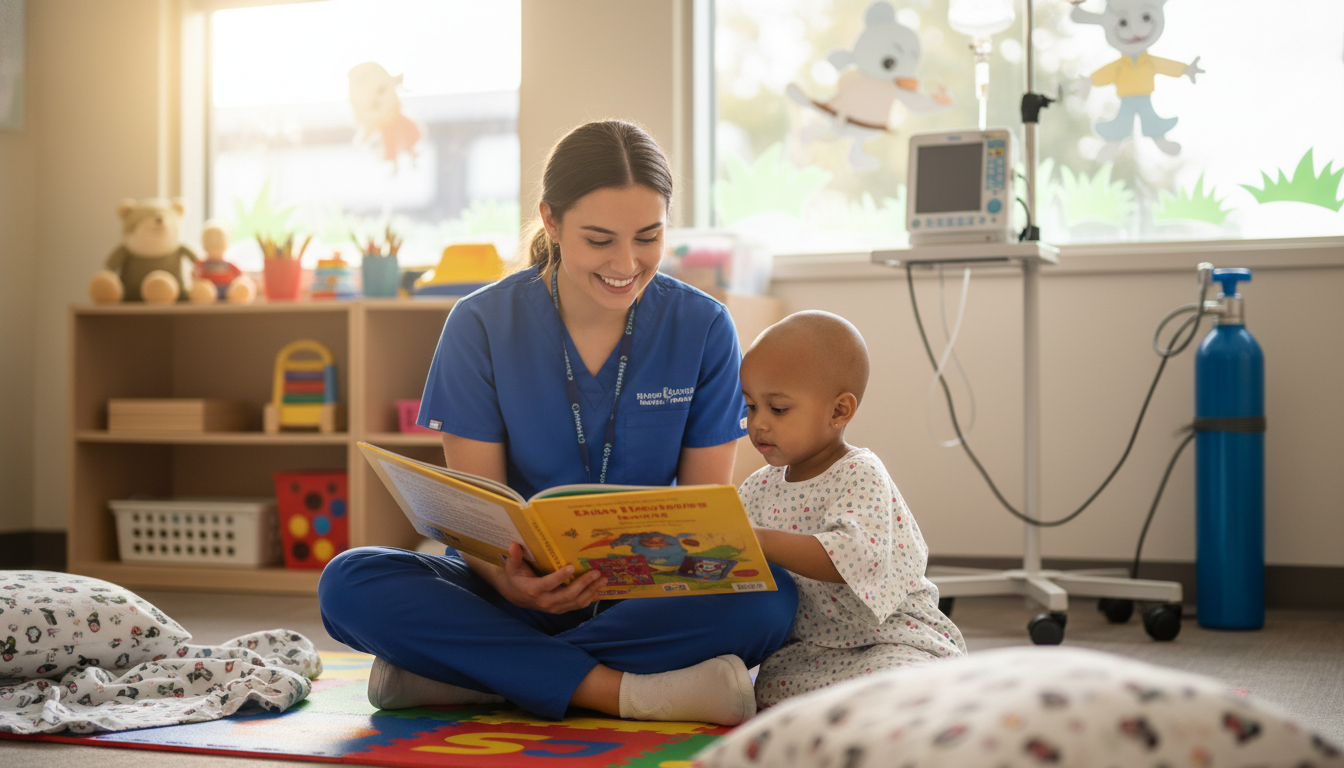
Planning Ahead: From Premed to Peds Match
You don’t need to obsess about pediatrics residency as a freshman in college, but understanding where you’re ultimately headed can help you make smarter choices now.
How Premed Choices Affect Your Future Peds Match
Residency programs in pediatrics care about:
- Your performance in medical school: grades, clinical evaluations, especially on the pediatrics clerkship
- Letters of recommendation from pediatricians
- Commitment to children’s health through extracurriculars, research, advocacy
- USMLE/COMLEX scores (depending on school and timeline)
Your premed years can help you arrive in medical school with:
- Strong study habits (boosts your Step scores and clerkship performance)
- Comfort working with children and families (helps you excel in pediatric rotations)
- Confidence and emotional resilience (important for difficult pediatric encounters)
So everything you’re doing now—learning how to study effectively, manage stress, build relationships, and reflect on your experiences—directly impacts how you’ll eventually perform when the peds match becomes your immediate focus.
Recommended Timeline for Premed Students Interested in Pediatrics
High School
- Take advanced science and math courses if possible (AP/IB)
- Volunteer with children (tutoring, camps, coaching)
- Explore healthcare careers (talk to pediatricians, read about the field)
College: Year 1 (Freshman)
- Meet with a premed advisor to understand premed requirements
- Start prerequisite science courses
- Volunteer in general settings, including some with children
- Join premed clubs or health-related organizations
College: Year 2 (Sophomore)
- Continue core sciences; start psychology/sociology
- Begin or continue hospital volunteering; aim for pediatrics if available
- Do initial shadowing of pediatricians and at least one non-pediatric specialty
- Explore research opportunities (pediatric-focused if possible)
College: Year 3 (Junior)
- Finish most premed requirements
- Study for and take the MCAT (often spring or summer)
- Deepen involvement in pediatric/child-focused roles (e.g., leadership in related organizations)
- Continue shadowing and possibly work in a pediatric clinic or as a scribe
College: Year 4 (Senior)
- Apply to medical school (if going directly)
- Maintain strong grades in remaining courses
- Engage in higher-responsibility roles with children or in clinical settings
- Reflect on your journey—start articulating your “why pediatrics” story
Staying aware of the ultimate goal—caring for children in a pediatrics residency and beyond—helps prioritize experiences that will matter down the line.
Frequently Asked Questions (FAQ)
1. Do I need to know I want pediatrics before I start medical school?
No. Many students discover or confirm their interest in pediatrics during their third-year clerkships. However, early pediatric exposure as a premed is very helpful:
- It strengthens your medical school application.
- It helps you confirm whether you really enjoy working with children.
- It gives you a head start if you do ultimately apply for pediatrics residency.
It’s completely fine to explore broadly during premed and medical school while keeping pediatrics as a strong possibility.
2. Are there special premed requirements for pediatrics compared to other specialties?
No. The premed requirements for pediatrics are the same as for any other medical specialty because all specialties go through the same medical school pathway. You still need:
- Core sciences (biology, chemistry, physics)
- Biochemistry, math, English, etc.
The difference is in how you shape your experiences:
- More child- and family-focused activities
- Courses in child development, psychology, education, or public health
These choices don’t change your eligibility, but they make your application and future pediatrics focus more coherent and compelling.
3. How important is research for someone who wants to be a pediatrician?
Helpful but not mandatory. You can match into a pediatrics residency without research, especially in community-focused programs. Research becomes more important if:
- You’re aiming for academic pediatrics or highly competitive programs.
- You want a subspecialty fellowship in a research-heavy area.
If you’re not drawn to research, focus on:
- Strong clinical experiences with children
- Sustained volunteer work
- Leadership and advocacy related to child health
If you’re open to research, choose projects that:
- Relate to child health, development, or public health; or
- Build analytical skills and scientific literacy you can use later.
4. What’s the best premed advice if I’m sure I want to become a pediatrician?
Focus on three things:
- Master the basics: Strong GPA, solid MCAT, completion of all premed requirements.
- Immerse yourself in child-focused roles: Clinical and non-clinical, with increasing responsibility over time.
- Reflect and connect: Regularly ask yourself what you’re learning from each experience and how it reinforces—or reshapes—your desire to care for children.
If you do these consistently, you’ll be well-positioned to:
- Get into medical school
- Thrive there academically and clinically
- Present a powerful, authentic application when it’s time to pursue a pediatrics residency and successfully navigate the peds match.
By treating your premed years as the foundation of a pediatric career—not just a hurdle to clear—you’ll not only strengthen your application but also confirm, with experience and reflection, that pediatrics is truly the right path for you.