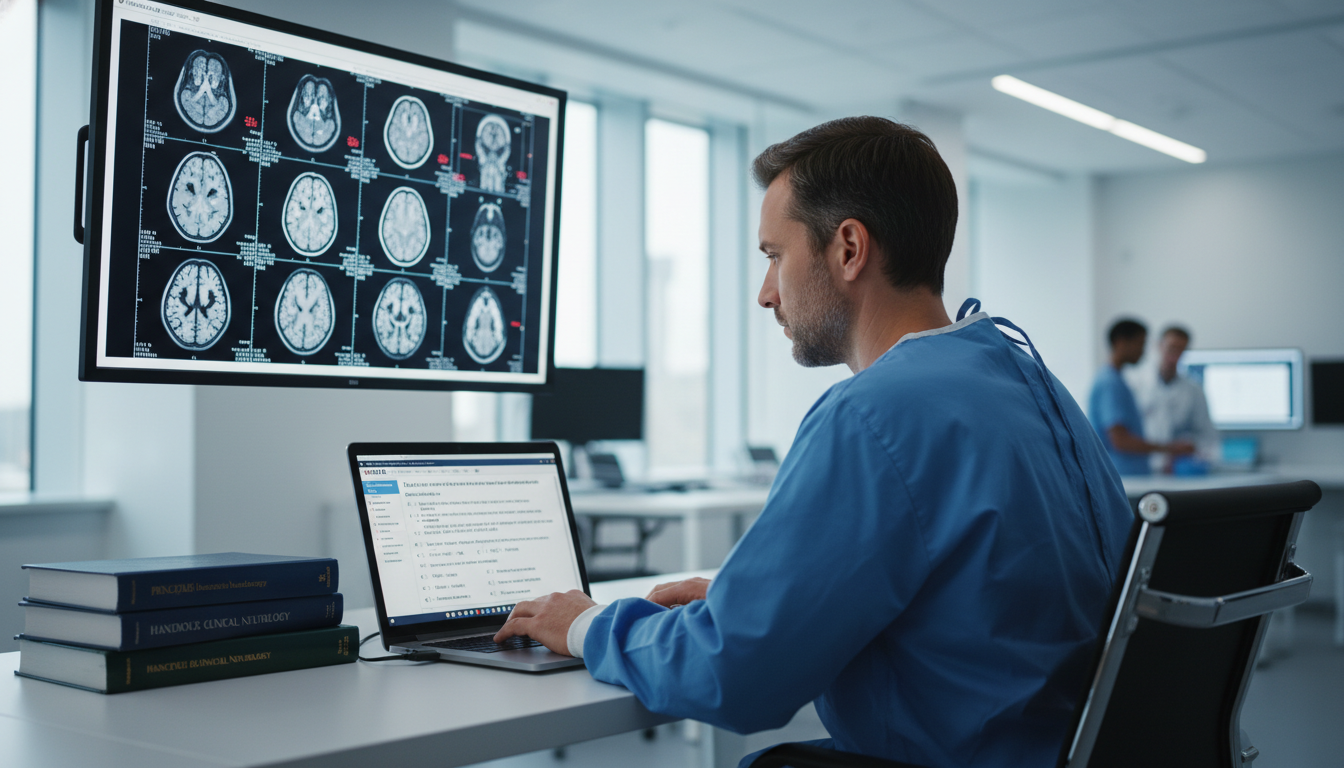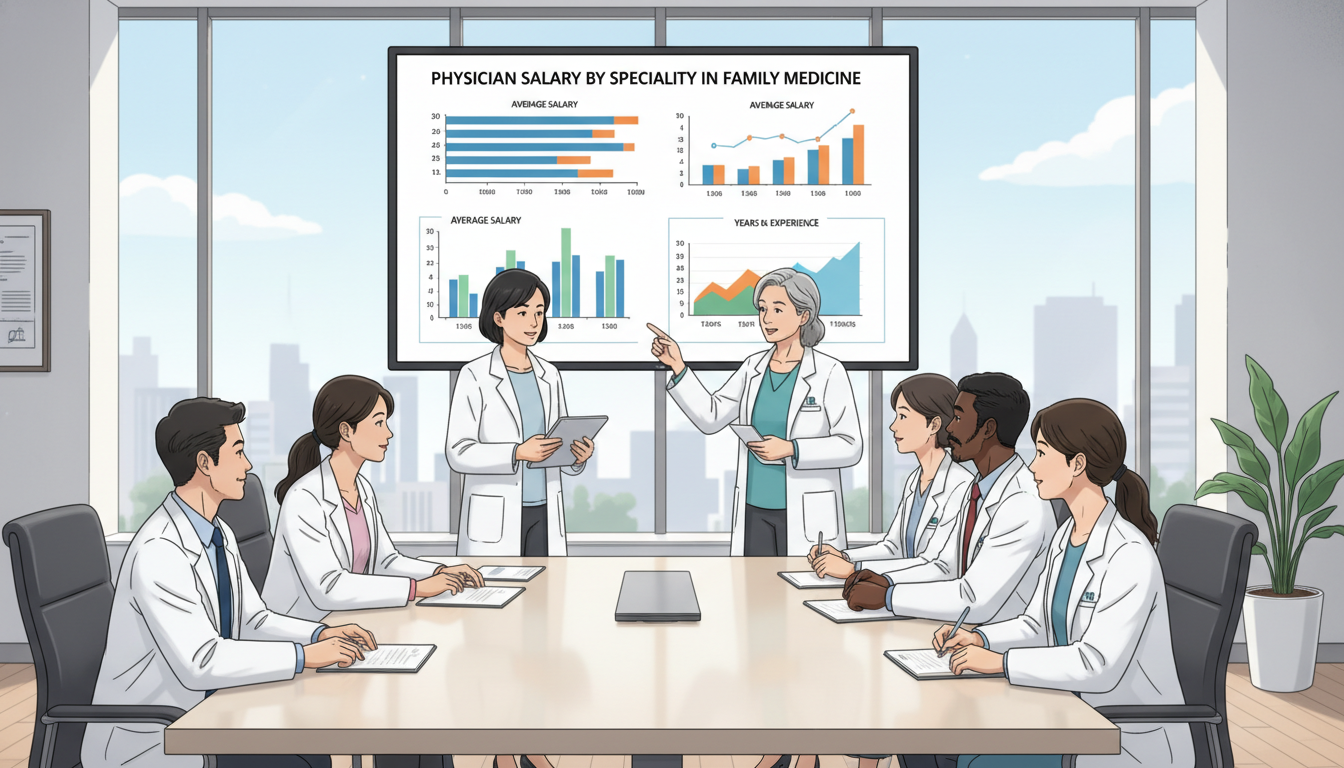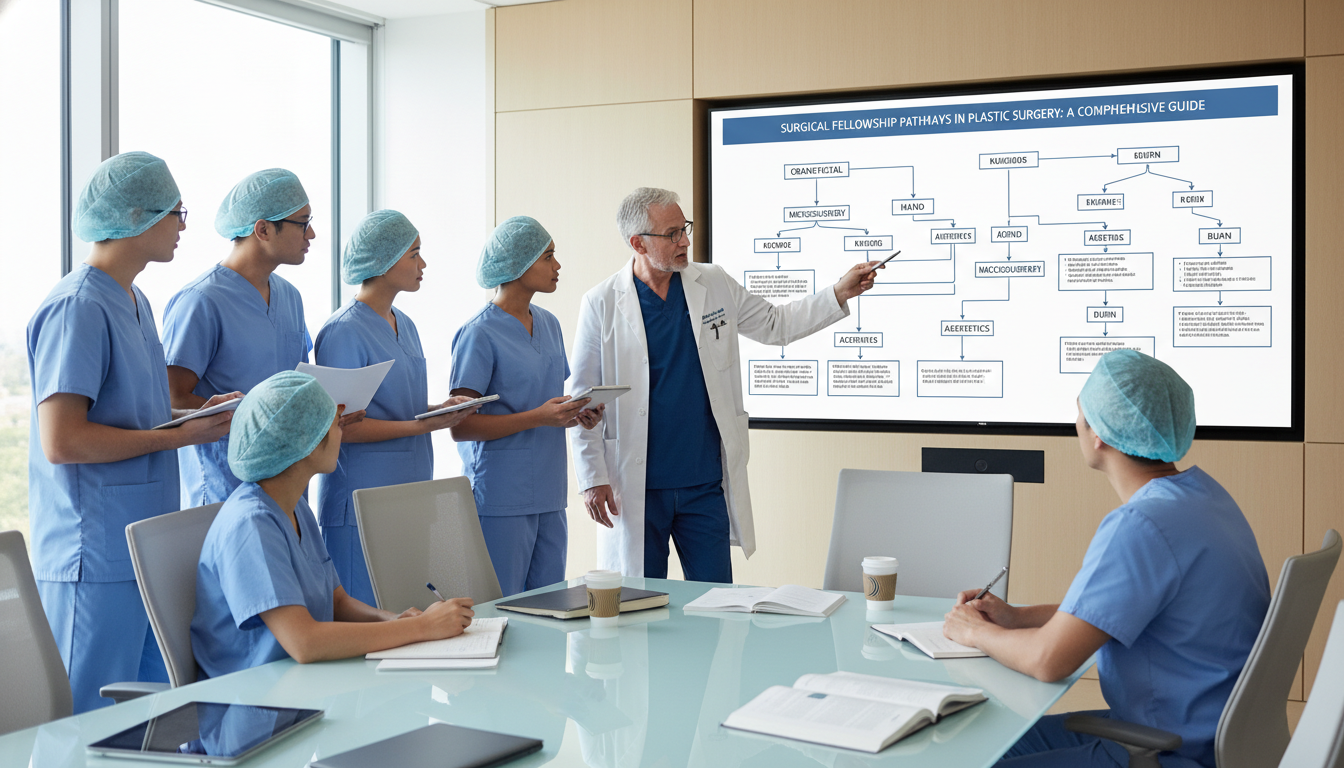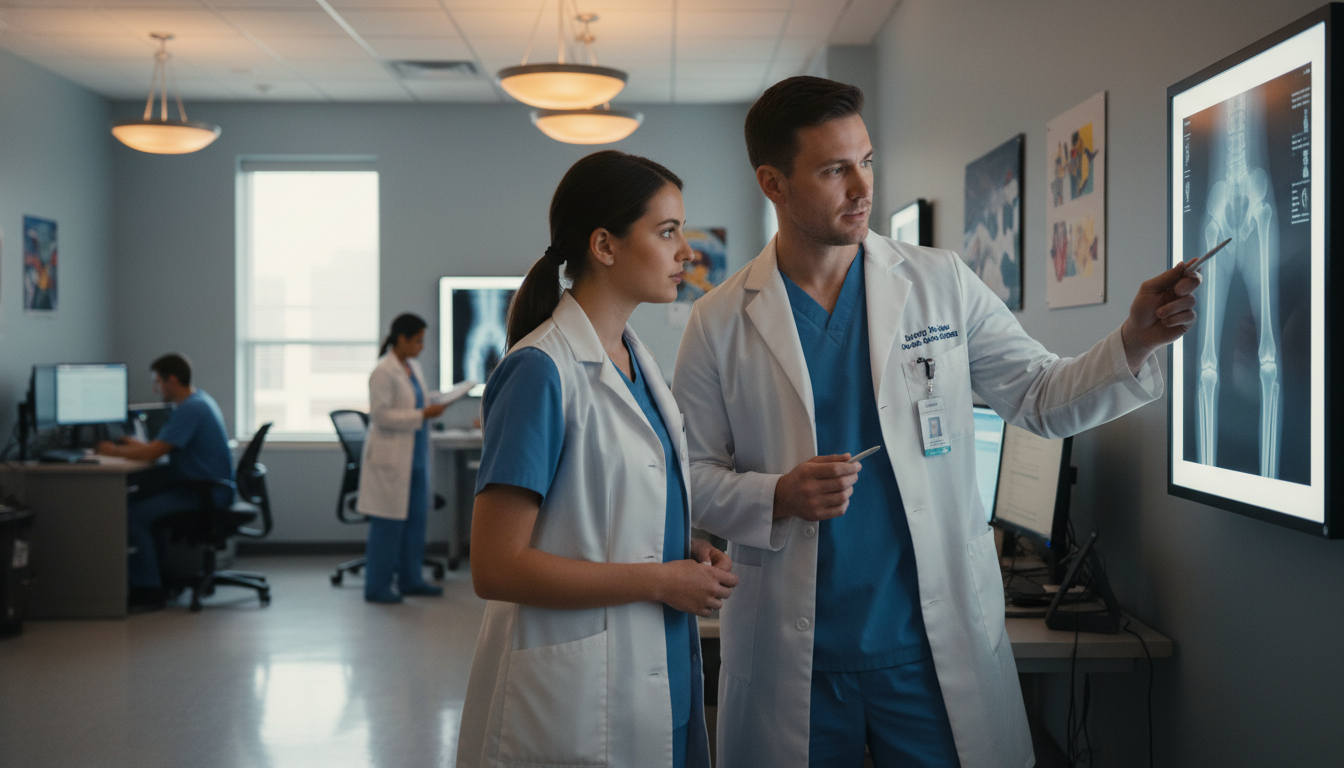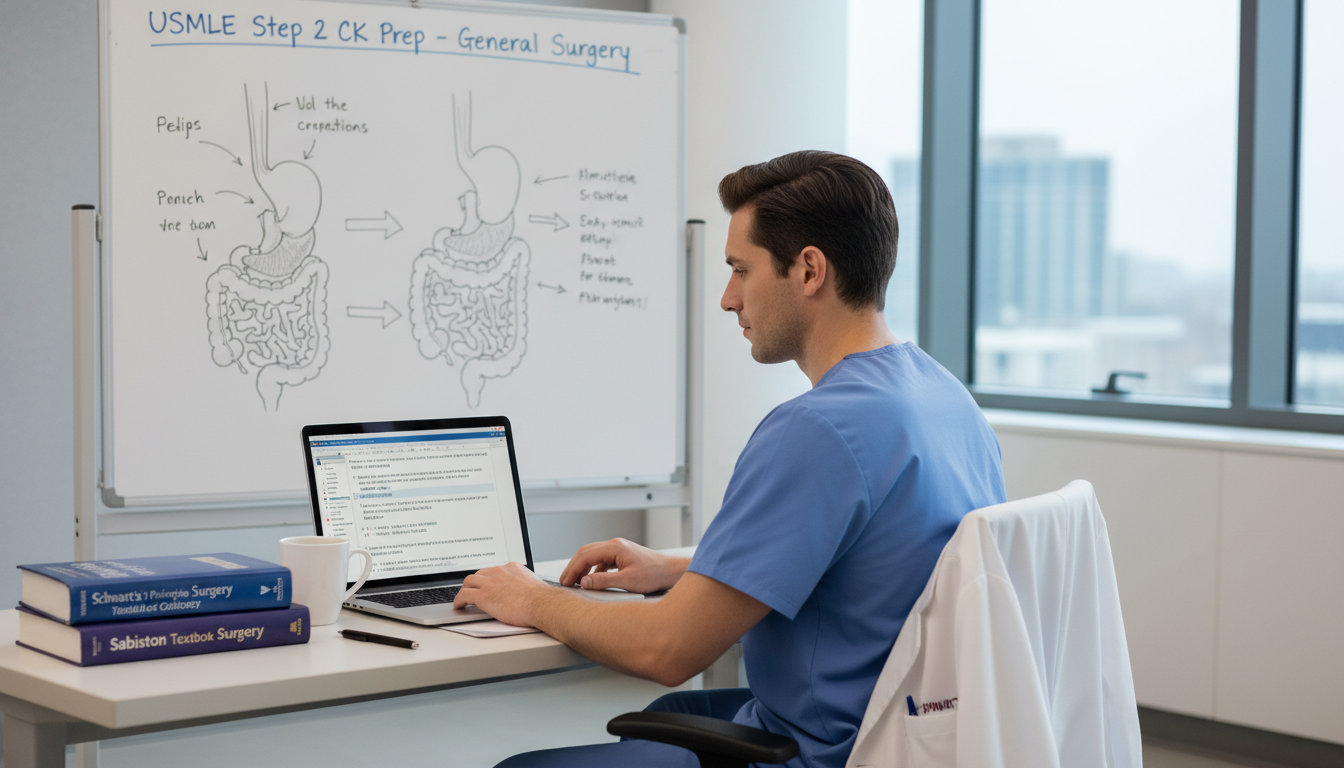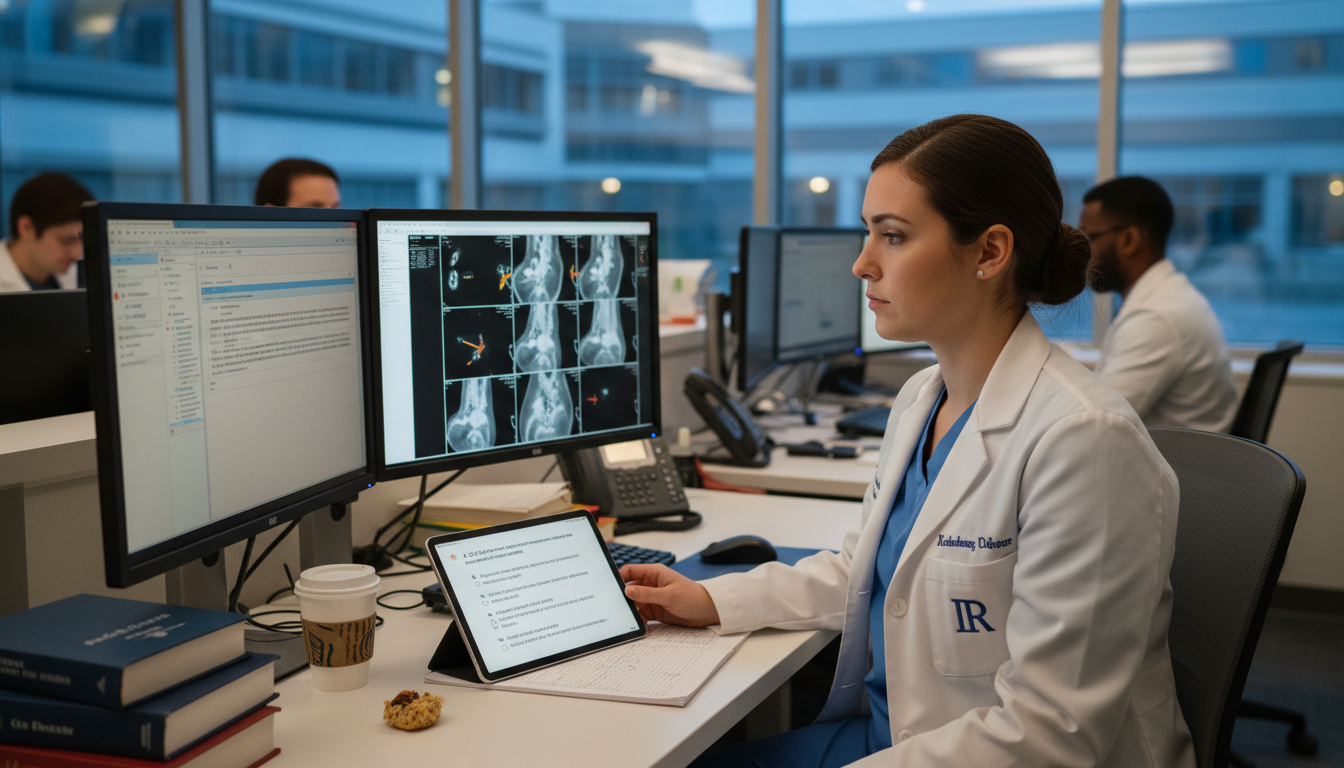
Clinical informatics is transforming how medicine is practiced—shaping everything from electronic health records (EHRs) to AI decision support and population health analytics. If you’re a pre‑med student wondering how to become a doctor while also engaging deeply with technology and data, clinical informatics is an exciting pathway to explore early.
This guide walks you through pre-med preparation in clinical informatics—what it is, how to build the right foundation, and how these choices position you for medical school, residency, and even a future clinical informatics fellowship.
Understanding Clinical Informatics as a Future Physician
Before you can prepare effectively, you need a clear picture of what clinical informatics actually is and how it fits into your long‑term training.
What is Clinical Informatics?
Clinical informatics is the application of information science, data, and technology to improve patient care, health systems, and clinical decision‑making. Clinician-informaticians work at the intersection of:
- Medicine – direct understanding of patient care, clinical workflows, and health systems
- Data & Information Science – coding, databases, analytics, interoperability
- Technology & Design – EHR optimization, digital tools, clinical decision support, user experience
Common roles for physicians in clinical informatics include:
- Leading EHR implementation and optimization in hospitals
- Designing decision support tools and order sets
- Working with teams on quality improvement and patient safety
- Collaborating with data scientists on predictive models or AI tools
- Serving as Chief Medical Information Officer (CMIO) or in similar leadership roles
Most formally trained physician-informaticians complete a clinical informatics fellowship after residency, often followed by board certification in Clinical Informatics.
Why Think About Clinical Informatics as a Pre‑Med?
You don’t need to be a computer science major or a programmer to become an informatics physician. However, if you already know that data, technology, and systems thinking excite you, there are major advantages to integrating informatics into your premed requirements and experiences:
- You’ll stand out in medical school applications. Admissions committees value applicants who understand emerging health IT and can talk about it thoughtfully.
- You gain skills that are immediately relevant. Every medical student and resident uses EHRs and digital tools daily.
- You build a runway toward a niche career. Early exposure informs your choices of med school, electives, research, and residency programs with strong health IT training.
- You’ll be better equipped to lead change. Informatics-minded clinicians are crucial in bridging technology and patient care safely and ethically.
Mapping Pre‑Med Requirements to Clinical Informatics Interests
To build an informatics‑focused pre‑med path, you must still fully satisfy all premed requirements for medical school while layering on informatics‑relevant skills.
Core Premed Requirements (You Cannot Skip These)
Most U.S. medical schools expect:
- Biology (with lab) – 2 semesters
- General Chemistry (with lab) – 2 semesters
- Organic Chemistry (with lab) – 2 semesters
- Physics (with lab) – 2 semesters
- Biochemistry – 1 semester (often strongly recommended if not required)
- Mathematics – at least 1 semester (often calculus and/or statistics)
- English / Writing‑Intensive Courses – 2 semesters
- Additional humanities/social sciences per school policy
These courses anchor your understanding of physiology, pathophysiology, and the foundations of clinical science—essential even if your ultimate focus is on systems and data.
Strategic Add-Ons for Future Clinical Informaticians
Within or beyond your major, consider adding:
Statistics and Data Science
- Introductory statistics (if not already required)
- Biostatistics
- Data analytics or “data science for health” type courses
Why it helps: Most informatics projects rely on basic data analysis, understanding distributions, regression, and interpreting quantitative results.
Computer Science and Programming
- Intro to computer science
- Intro to programming (Python, R, or Java)
- Databases or SQL basics, if available
Why it helps: You won’t necessarily code full-time as an informatics physician, but understanding how systems are built enables better communication with IT and data teams.
Health Policy, Public Health, or Health Systems
- Health policy and management
- Health economics
- Introduction to public health
Why it helps: Informatics is heavily embedded in health systems design, payment models, and quality metrics.
Ethics, Law, and Technology in Healthcare
- Bioethics
- Technology ethics
- Courses on privacy, law, or data governance
Why it helps: Informatics raises complex questions around data use, bias in algorithms, privacy, and consent.
Human Factors and Design
- Human-computer interaction (HCI)
- Usability and user experience (UX)
- Cognitive psychology or behavioral science
Why it helps: Many real-world informatics problems are about workflow, user burden, and human error—understanding human factors is a competitive advantage.
Majors That Pair Well with Clinical Informatics
You can pursue informatics from many starting points. Consider:
- Biology, Biochemistry, or Neuroscience
- Traditional pre‑med majors; add CS, statistics, and informatics-related electives.
- Computer Science or Data Science
- Strong technical foundation; ensure you still complete all required pre‑med science and lab courses.
- Biomedical Engineering
- Naturally integrates systems thinking and technology with biology.
- Public Health or Health Informatics (if available at the undergraduate level)
- Builds early health systems and population health perspective.
No single major is required or “best.” The key is balance: your transcript should show both scientific depth and informatics‑relevant skills.

Building an Informatics‑Focused Premed Portfolio
Your coursework is only part of the story. Admissions committees will evaluate your experiences, motivations, and potential to contribute to the future of medicine.
Clinical Experience with a Digital Lens
You still need traditional clinical experiences:
- Volunteering in hospitals or clinics
- Medical scribing
- EMT work or clinical assistant roles
- Shadowing physicians
But you can approach these with an informatics focus:
- As a scribe, pay attention to how the EHR shapes documentation and workflow.
- While volunteering, notice where technology supports care—or creates frustration.
- During shadowing, ask physicians (briefly, at appropriate times) how digital tools affect their practice, burnout, and patient interactions.
Specific roles to look for:
- Scribe positions at organizations using advanced EHRs with clinical decision support
- Internships in telehealth clinics or digital health practices
- Quality improvement assistant roles where data tracking and dashboards are used
Research and Projects in Clinical Informatics
Participating in research is one of the strongest ways to show genuine interest in clinical informatics.
Possible avenues:
Health IT or EHR Optimization Projects
- Working with a faculty mentor involved in EHR configuration or quality improvement
- Evaluating the impact of a new order set, clinical reminder, or dashboard
Digital Health and Telemedicine
- Studying patient adherence to remote monitoring tools
- Assessing usability of telehealth platforms for certain populations
Health Data Analysis
- Using de‑identified clinical datasets to explore patterns in outcomes or utilization
- Collaborating with a data science or informatics lab
Public Health Informatics
- Contributions to projects tracking disease outbreaks
- Working with state or local health departments on data-oriented initiatives
Tips to get involved:
- Look for faculty with titles like “Chief Medical Information Officer,” “Director of Clinical Informatics,” or “Health Informatics” in their profile.
- Search your university’s website for “informatics,” “EHR,” “digital health,” “data science”, or “implementation science” research groups.
- Be direct in your outreach: describe your pre‑med background, your interest in clinical informatics, and your willingness to learn.
Leadership and Extracurriculars
Demonstrate that you can think about systems and lead change:
- Join or start a “Healthcare Technology,” “Digital Health,” or “Informatics in Medicine” student organization.
- Serve as a liaison between a pre‑med club and your university’s IT or data science initiatives.
- Organize events on:
- EHR usability and physician burnout
- AI in medicine and clinical decision support
- Data privacy and ethics in healthcare
Examples of impactful projects:
- Student-led survey about how EHR use affects clinical shadowing experiences, with results shared to your pre-med advising office.
- A small quality improvement project at a clinic (e.g., improving the accuracy of medication reconciliation using EHR tools).
- Coordinating a panel of physicians working in informatics or digital health.
These experiences show that your interest in informatics is not superficial; you are actively engaged in thinking about how medicine is practiced and improved.
Integrating Informatics into Your Premed Application Narrative
Your application materials—personal statement, activity descriptions, and interviews—are where you connect your experiences to your goals in clinical informatics.
Framing Informatics within “How to Become a Doctor”
Medical schools want physicians first, informaticians second. Your narrative should make it clear that:
- Your primary motivation is to care for patients and improve health.
- Informatics is your chosen toolkit to make care safer, more effective, and more equitable.
- You understand that clinical context (and clinical training) is non‑negotiable for meaningful informatics work.
In other words, when you talk about how to become a doctor, emphasize:
- Deep interest in patients’ stories and outcomes
- Recognition that modern medicine is embedded in complex systems
- Desire to help redesign those systems using data and technology
Writing About Informatics in Your Personal Statement
Consider:
Origin Story (Specific, Not Generic)
Instead of:“I have always loved technology and medicine, so clinical informatics is a perfect fit.”
Try:
“As a medical scribe, I watched a physician spend more time clicking through EHR menus than looking at her patient. When a new decision support tool reduced those clicks and standardized dosing, I realized that thoughtful design of clinical systems could quietly save time and prevent errors. I want to be the kind of physician who not only treats patients, but also shapes the tools that guide our decisions.”
Concrete Experiences
- Mention a particular project (e.g., analyzing de‑identified ED visit data to identify high‑utilization patterns).
- Highlight what you learned (e.g., the tension between alert fatigue and patient safety).
Connection to Future Training
- Note your interest in medical schools and residencies with robust health IT training.
- Briefly reference your long‑term interest in a clinical informatics fellowship, without sounding locked rigidly into a single path.
Highlighting Activities on AMCAS/AACOMAS
When describing your activities:
- Emphasize impact: What problem were you trying to solve? What changed?
- Clarify your role: Did you design a data collection tool, perform analyses, interview users, or present findings?
- Reflect on lessons learned:
- Tradeoffs between efficiency and thorough documentation
- Limitations of data (missing values, bias)
- Ethical issues (privacy, consent, algorithmic bias)
Example activity description snippet (abbreviated):
Investigated the effect of a new EHR best practice advisory on antibiotic prescribing for uncomplicated UTIs. Extracted and analyzed 2 years of de‑identified prescribing data using R. Found a 23% reduction in broad‑spectrum antibiotic use without an increase in return visits. Presented findings to the hospital’s antimicrobial stewardship committee, which adopted the advisory system‑wide.
Such experiences are gold for an informatics‑oriented application.
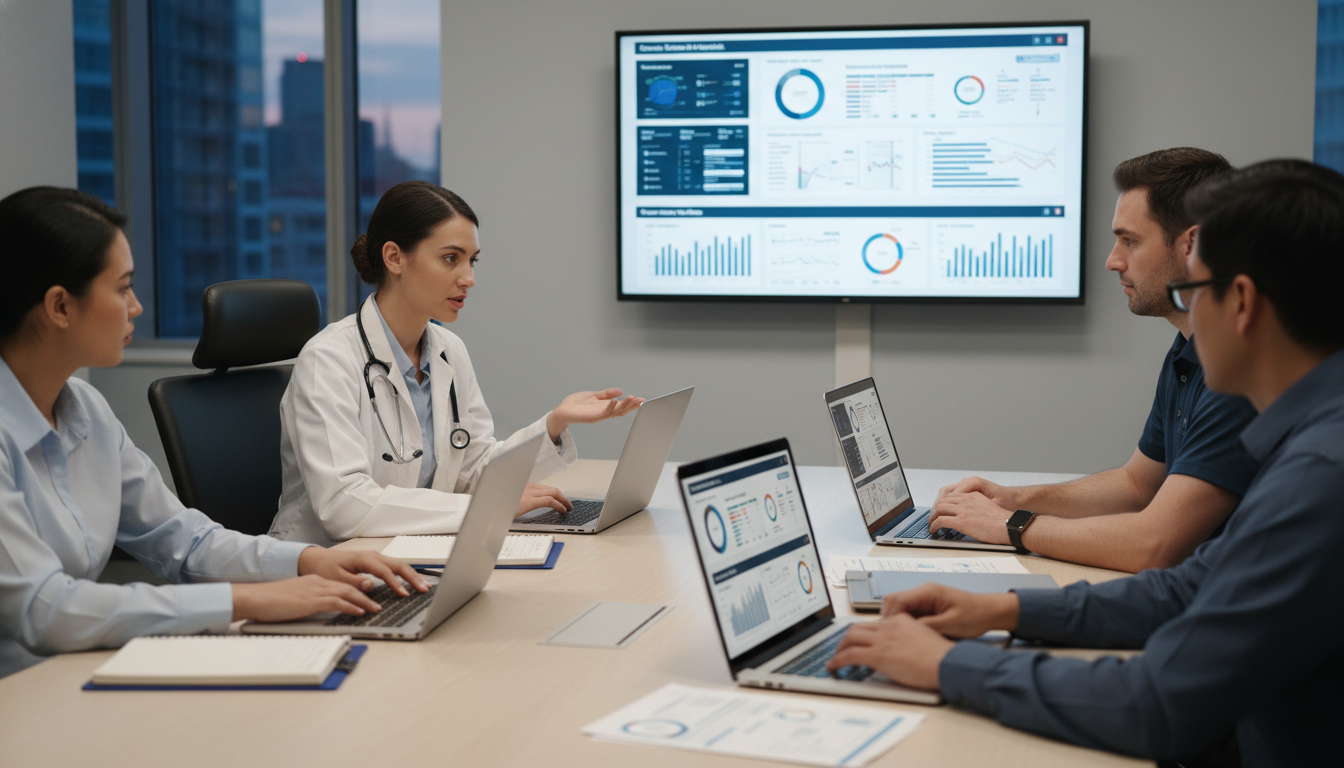
Looking Ahead: Medical School, Residency, and Clinical Informatics Fellowship
Pre‑med is only the first step. Understanding the path from here can help you choose opportunities strategically.
Medical School with an Informatics Lens
During medical school, you can:
- Seek informatics or digital health electives (EHR optimization, quality improvement, AI in medicine).
- Participate in research or QI projects that leverage clinical data.
- Get involved in committees overseeing student or institutional EHR initiatives.
- Learn the realities of documentation, order entry, and workflow from the clinician’s side.
When comparing medical schools, ask:
- Do they have a Department of Biomedical Informatics or similar program?
- Are there dual degrees (MD/MS in Biomedical Informatics, MD/MPH with informatics focus)?
- Are there faculty who are board‑certified in Clinical Informatics?
Residency and Early Informatics Involvement
Clinical informatics is a subspecialty; you enter it after completing a primary residency. Common pathways include:
- Internal Medicine
- Pediatrics
- Family Medicine
- Emergency Medicine
- Pathology
- Anesthesiology, Radiology, and others
During residency, you can:
- Join or lead quality improvement and EHR optimization projects.
- Serve on committees dealing with clinical decision support, order sets, or data reporting.
- Continue informatics‑related research, often in collaboration with academic informatics departments.
Clinical Informatics Fellowship
After residency, a clinical informatics fellowship (usually 2 years) provides formal training in:
- Health information systems and architectures
- Clinical decision support design and evaluation
- Data governance, privacy, and security
- Implementation science and change management
- Analytics and outcomes evaluation
- Leadership in health IT
Fellowship graduates often become:
- CMIOs or associate/institutional informatics leaders
- Academic physician‑informaticians
- Leaders in health tech companies or digital health startups
- Experts who balance clinical practice with systems design
As a pre‑med, you don’t need to have every detail planned, but being aware of this trajectory helps you justify why you are putting in the effort now to develop these skills and perspectives.
Practical Step‑by‑Step Roadmap for Premeds Interested in Clinical Informatics
To pull everything together, here is a practical roadmap you can adapt:
First and Second Year (or Early Post‑Bacc)
- Lock Down Core Premed Coursework
- Prioritize biology, chemistry, physics, and math.
- Add at Least One Informatics‑Relevant Course
- Intro to CS or statistics if you haven’t taken them.
- Explore Clinical Settings
- Volunteer or observe in clinics/hospitals; start noticing how technology is used.
- Start Reading
- Follow news on digital health, AI in medicine, EHR usability, and healthcare policy.
Second and Third Year
- Deepen Technical or Systems Skills
- Take more advanced statistics, data science, or programming.
- Consider a minor or concentration (e.g., data science, informatics, public health).
- Join Research or QI Projects
- Aim for at least one substantive project involving health data, EHRs, or digital tools.
- Engage in Leadership
- Take a role in a pre‑med group, tech in medicine club, or quality‑focused organization.
- Shadow an Informatics‑Mindful Clinician
- If possible, find a physician involved in EHR committees or informatics roles.
Third and Fourth Year (Application Period)
- Prepare for the MCAT
- Ensure that your informatics extras do not compromise core MCAT preparation.
- Craft Your Application Narrative
- Personal statement: connect your informatics work to patient care goals.
- Activity descriptions: highlight outcomes, systems thinking, and reflection.
- Target Schools Strategically
- Look for medical schools with strong informatics, digital health, or health systems science offerings.
- Prepare for Interviews
- Be ready to discuss:
- Why you want to be a physician first
- How informatics complements your vision of practice
- Ethical issues in data use, AI, and EHR design
- Be ready to discuss:
FAQs: Pre‑Med Preparation in Clinical Informatics
1. Do I have to major in computer science to pursue clinical informatics as a physician?
No. Many successful clinical informaticians majored in biology, chemistry, or other traditional pre‑med fields. A CS or data science major can be helpful, but it is not required and should not come at the expense of strong performance in core premed sciences. What matters more is that you:
- Fulfill all premed requirements
- Develop at least a basic literacy in programming and data analysis
- Gain experience in projects that connect technology to patient care
2. How much programming do I need to know as a pre‑med?
You do not need to be a professional software engineer. However, you should aim to:
- Be comfortable with at least one language commonly used in data/health contexts (e.g., Python or R).
- Understand core concepts like variables, loops, functions, and basic data structures.
- Be able to manipulate simple datasets and generate basic analyses/visualizations.
This level of familiarity allows you to collaborate effectively with technical teams and understand what’s feasible in informatics projects.
3. Will focusing on clinical informatics hurt my chances of getting into medical school?
It can help your chances, provided you:
- Maintain strong grades and MCAT scores.
- Accumulate solid clinical experiences and patient exposure.
- Clearly communicate that your primary goal is to become a physician, and that informatics is your way to improve care, not a distraction.
Admissions committees increasingly recognize that future physicians must be comfortable with digital tools and health IT. A thoughtful and authentic engagement with clinical informatics can make you a distinctive applicant.
4. How do I find mentors in clinical informatics as a pre‑med?
Try the following:
- Search your university’s medical center or affiliated hospital websites for terms like “clinical informatics,” “biomedical informatics,” “health information technology,” or “CMIO.”
- Ask pre‑med advisors or science faculty if they know of clinicians working on EHR, digital health, or data-driven quality improvement projects.
- Attend local medical school seminars, grand rounds, or conferences that touch on digital health or informatics topics and introduce yourself to speakers.
- Use professional platforms (e.g., LinkedIn) to find physicians labeled as clinical informatics specialists and politely inquire about brief informational interviews or advice.
Aim for mentors at different levels (residents, fellows, faculty) to get a realistic picture of training and career paths.
Pre-med preparation in clinical informatics is about building dual fluency: understanding both the biology of disease and the systems that deliver care. By deliberately choosing courses, experiences, and projects that expose you to health IT, data, and systems thinking—while still meeting all traditional premed requirements—you set yourself up not just to enter medical school, but to eventually shape the future of medicine itself.