



Understanding Medicine-Pediatrics and Why Pre-Med Preparation Matters
If you are starting early and thinking strategically about how to become a doctor, Medicine-Pediatrics (Med-Peds) is an outstanding option to consider. A Med-Peds residency trains physicians in both Internal Medicine and Pediatrics, producing highly versatile clinicians who can care for patients “from cradle to grave.”
Because Med-Peds is a dual residency completed in four years (not longer than a categorical medicine or pediatrics program), it tends to attract strong, motivated applicants who have used their undergraduate and premed years well. That means your pre-med preparation can do a lot of the heavy lifting, long before you open ERAS or think about the medicine pediatrics match.
This guide will walk you through:
- Core premed requirements with a Med-Peds mindset
- Strategic coursework and academic planning
- Clinical exposure and extracurricular choices that fit Med-Peds
- Building a compelling narrative for future Med-Peds applications
- Practical premed advice and timelines
Throughout, the focus is how to design your college years so that Med-Peds is a realistic, competitive option when you apply for residency.
Core Premed Requirements With a Med-Peds Lens
Before you specialize, you must first meet the basic premed requirements that will get you into medical school. These are generally similar whether you eventually pursue surgery, psychiatry, or Med-Peds—but how you approach them can be tailored to your long-term interests.
Standard Premed Coursework
Most U.S. medical schools expect:
- Biology with lab (2 semesters)
- General Chemistry with lab (2 semesters)
- Organic Chemistry with lab (2 semesters)
- Physics with lab (2 semesters)
- Biochemistry (1 semester, sometimes 2)
- English / Writing-intensive courses (1–2 semesters)
- Math (often Statistics; sometimes Calculus)
- Social/Behavioral Sciences (Psychology, Sociology, sometimes Anthropology)
Check each school’s website; details vary. The key is to complete these with strong grades while leaving room for Med-Peds–relevant electives like child development, chronic disease epidemiology, or public health.
Med-Peds-Oriented Course Suggestions
If you are already intrigued by a med peds residency, consider courses that emphasize:
Life-span development
- Developmental Psychology
- Human Growth and Development
- Infant/Child Psychology plus Adult Development and Aging
Chronic disease and population health
- Epidemiology and Biostatistics
- Public Health or Global Health
- Health Policy or Health Systems
Social determinants of health
- Sociology of Health and Illness
- Medical Anthropology
- Community Health
These classes give you language and concepts that will later resonate deeply when you learn about chronic pediatric conditions (like cystic fibrosis or sickle cell disease) that persist into adulthood, or adult diseases with childhood roots (like obesity, hypertension, or type 2 diabetes).
GPA Strategy: Consistency Over Perfection
Competitive Med-Peds applicants are usually strong across the board. While residency metrics come later, the foundation is built during premed years:
- Aim for ≥3.6 overall and science GPA if possible;
- Prioritize upward trends—if you start rough, demonstrate clear improvement;
- Avoid chronic withdrawals and incomplete coursework.
Example:
A student starts with a 3.3 GPA first year, recalibrates study habits, uses office hours, and ends with three semesters of 3.8+. This upward trajectory is something medical schools notice positively, and it signals resilience—an important trait in a demanding dual residency like Med-Peds.

Strategic Academic Planning for Future Med-Peds Physicians
Once you know the basic premed requirements, the next step in how to become a doctor—especially one considering Med-Peds—is to plan your academic path deliberately.
Selecting a Major: There Is No “Med-Peds Major”
You do not need to major in Biology or a “pre-med” program. Admissions committees care far more about your performance, rigor, and interests than the label on your degree.
Good major options for a future Med-Peds applicant include:
Biology, Chemistry, or Biochemistry
- Efficient for covering prerequisites
- Strong science foundation for medical school
Public Health or Health Sciences
- Exposes you to epidemiology, health policy, prevention
- Aligns well with Med-Peds interest in population health
Psychology, Sociology, or Anthropology
- Deepens understanding of behavior, culture, and health
- Highly relevant to pediatrics, adolescent medicine, and adult chronic care
Non-science majors (e.g., Economics, History, Philosophy)
- Show breadth and intellectual curiosity
- Still competitive if you complete premed requirements with strong grades
Actionable advice:
Pick a major you genuinely like, then map the premed requirements on top. You are more likely to excel when motivated by interest, and Med-Peds programs are full of people with diverse academic backgrounds.
Building a Med-Peds-Ready Transcript
Think about your courses as building blocks toward competencies needed in a med peds residency:
Strong foundational sciences
- Challenge yourself but avoid overload.
- Example: Instead of taking Organic Chemistry, Physics, and Biochemistry in one semester, spread them over two or three terms.
Health systems and policy knowledge
- Med-Peds physicians often work in complex systems (academic centers, community clinics, transitions-of-care roles).
- Courses in health policy, health economics, or quality improvement provide perspective that later helps you navigate residency systems-based practice milestones.
Exposure to childhood and adolescent development
- Courses in education, child development, or psychology help you understand how children think, learn, and behave—useful for pediatrics rotations and beyond.
Timing the MCAT With Med-Peds in Mind
The MCAT has no “Med-Peds section,” but your approach should be strategic:
Take the MCAT after completing core prerequisites:
Biology, General Chemistry, Organic Chemistry, Physics, Biochemistry, Psychology, and Sociology.Plan to test by spring or early summer of the year before you want to start medical school.
- Example: To start medical school in August 2028, target MCAT in March–June 2027.
Aim for a balanced score. Med-Peds draws from students who often have wide-ranging academic strengths. A strong MCAT (e.g., 511+) strengthens your options for medical schools that tend to send graduates into competitive or specialized fields, including Med-Peds.
Clinical Exposure and Extracurriculars Tailored to Med-Peds
Many premeds ask what activities they “need” for a future med peds residency. There’s no rigid formula, but there are patterns that fit the specialty’s identity.
See Both Worlds: Adults and Children
Med-Peds physicians treat both adults and children. Your experiences should reflect comfort and familiarity with each population.
Valuable clinical experiences include:
Hospital volunteering
- Rotate between adult medicine floors and pediatric units if possible.
- Observe differences in communication, family involvement, and care goals.
Shadowing physicians
Aim for:- At least one internal medicine physician (hospitalist, primary care, or subspecialist)
- At least one pediatrician (general peds, NICU, or subspecialist)
- If you can, shadow a Med-Peds physician directly—many academic centers have Med-Peds residency programs.
Primary care or continuity clinics
- Work as a medical assistant, scribe, or clinic volunteer.
- Pay attention to chronic disease management, transitions from pediatric to adult services, and family dynamics.
Example:
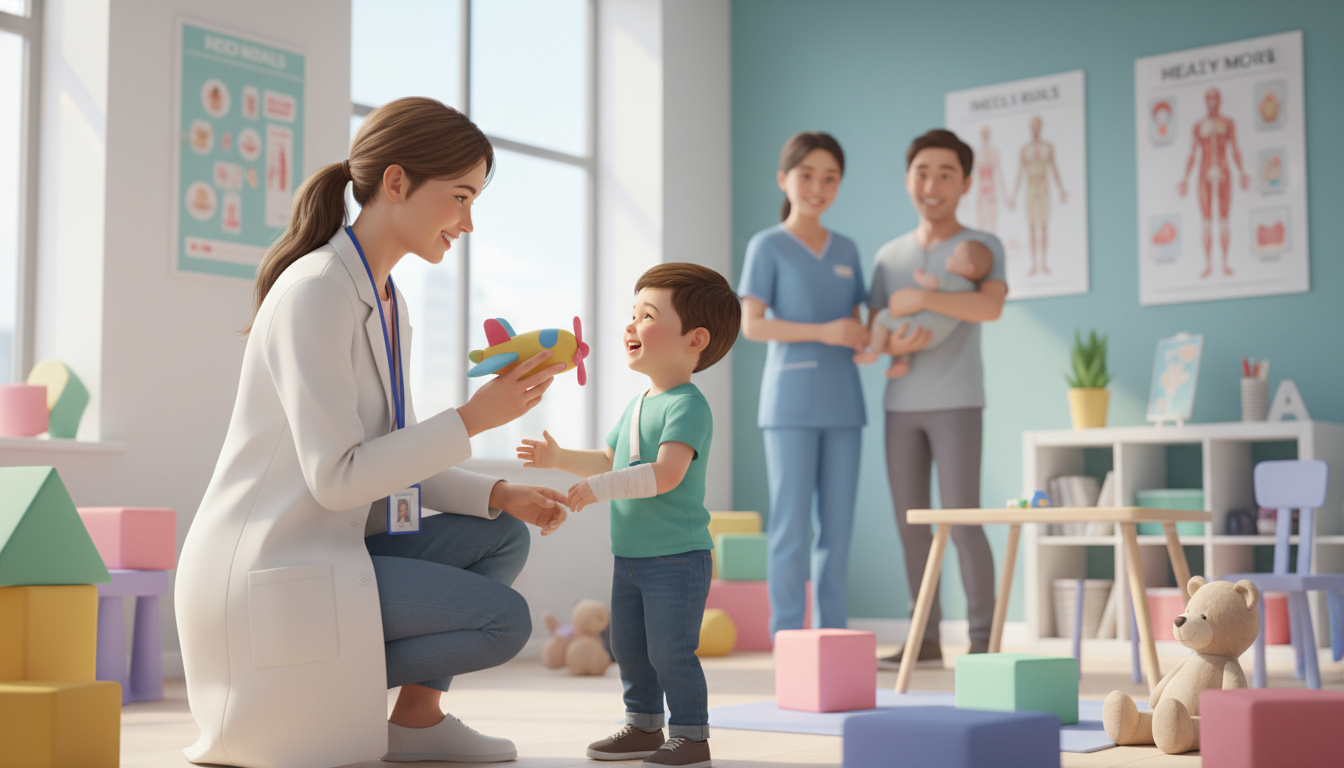
A student spends one summer scribing in an adult internal medicine clinic, then during the academic year volunteers at a children’s hospital reading to kids and helping with playroom activities. These combined experiences naturally strengthen a later interest in Med-Peds and give rich material for essays and interviews.
Community Service: Think Longitudinal, Not One-Off
Med-Peds physicians often serve vulnerable populations with complex needs. Community service is not just a box to check; it is a way to experience the social realities your patients face.
Consider:
- Tutoring or mentoring youth (e.g., middle or high school)
- Working with organizations that support refugees, foster youth, or low-income families
- Volunteering at free clinics or mobile health units that serve families across generations
Focus on long-term engagement rather than scattered one-day events. Multiyear involvement in a youth mentorship program, for instance, shows commitment and aligns with the continuity-of-care mindset essential in Med-Peds.
Research and Scholarly Work
Research is not mandatory to match in Med-Peds, but it can strengthen your application to medical school and later to residency.
For Med-Peds–relevant research, look at:
Pediatrics research
- Childhood obesity, asthma, developmental disorders, NICU outcomes
Adult internal medicine research
- Diabetes, hypertension, heart failure, chronic kidney disease
Population health and transitions of care
- Studies on how adolescents with chronic diseases transition from pediatric to adult care
- Quality improvement projects in outpatient clinics or hospital systems
Actionable step:
Ask faculty mentors if there are opportunities to work on projects that examine life-course health, chronic conditions across age groups, or health disparities among children and adults. Even a small role (data collection, chart review, basic analysis) provides exposure and talking points for future applications.
Leadership and Teamwork
Med-Peds physicians work across disciplines: social work, nursing, subspecialty services, schools, community agencies. Show early that you can function within and lead teams.
Potential leadership roles:
- Officer in a premed, public health, or global health organization
- Coordinator for a service project (e.g., organizing health fairs)
- Resident assistant (RA) or peer mentor
- Lead tutor or teaching assistant in science courses
Reflect on what you learned about communication, conflict resolution, and accountability—those skills transfer directly to residency.
Building a Compelling Med-Peds Narrative Early
You do not need to commit to Med-Peds on day one of college. However, you can start shaping experiences and reflections that later cohere into a Med-Peds story if that’s where you land.
Understand What Makes Med-Peds Distinct
As you pursue experiences, pay attention to themes that match the identity of Med-Peds:
- Breadth and depth: Comfort with both complex adults and medically fragile children.
- Transitions of care: Helping teens with chronic illnesses move into adult systems.
- Continuity: Following patients and families over years, sometimes from childhood into middle age.
- Complex, multi-system disease: Cystic fibrosis, sickle cell disease, congenital heart disease survivors, childhood cancer survivors, etc.
- Systems thinking: Coordinating with multiple providers, schools, and community agencies.
When you shadow or volunteer, ask questions that illuminate these aspects:
- How does this clinic manage care as patients grow older?
- What happens when a teenager with a chronic illness turns 18?
- Who is responsible for coordinating care between specialists?
Reflective Practice: Keep a Med-Peds-Oriented Journal
Maintain a simple reflection document where you:
- Record meaningful patient encounters (without identifying details)
- Note differences you see between adult and pediatric care
- Reflect on which settings feel most fulfilling for you
- Capture questions that arise about transitions, family dynamics, or chronic disease
Example journal entry themes:
- “Teen with type 1 diabetes frustrated about switching providers at 18.”
- “Adult with congenital heart disease still seeing pediatric cardiologist—why?”
- “Family struggling to navigate multiple appointments for a child with special needs.”
Later, when you write medical school personal statements or secondaries—and eventually residency applications in the medicine pediatrics match—you will have a rich repository of authentic experiences and insights.
Networking With Med-Peds Role Models
During college (and especially once you’re in medical school), actively seek out Med-Peds mentors:
- Contact your university’s affiliated teaching hospital or nearby academic centers to ask if any Med-Peds physicians are willing to meet with premed students.
- Attend virtual talks or panels hosted by Med-Peds residency programs or student interest groups.
- Ask thoughtful questions about:
- Why they chose Med-Peds
- What they enjoy and find challenging
- How their training lets them serve unique patient populations
You don’t need to “sell” yourself as a future Med-Peds applicant at this stage. Just listen, learn, and see whether their stories resonate with your emerging interests.
Practical Roadmap: Year-by-Year Premed Advice
To make all this concrete, here is a sample four-year roadmap for students interested in Med-Peds. Adjust based on AP credits, transfer status, or nontraditional paths.
First Year: Explore and Build Foundations
Goals:
- Confirm your interest in medicine generally.
- Start premed requirements without overloading yourself.
- Begin light exposure to both adult and pediatric settings.
Suggested actions:
- Take introductory Biology and Chemistry, plus a writing course and 1–2 non-science classes.
- Join a premed club or health-related student organization.
- Start volunteering in a hospital or clinic (even 2–3 hours/week).
- Shadow at least one physician (any specialty) to understand clinical life.
- Experiment with time management and study strategies to set a strong GPA trajectory.
Second Year: Solidify Academics and Explore Med-Peds Themes
Goals:
- Complete most core science prerequisites.
- Start targeted experiences that include both adult and pediatric patient populations.
- Confirm that clinical care is something you can see yourself doing long term.
Suggested actions:
- Finish General Chemistry/Organic Chemistry, Biology, and begin or complete Physics.
- Take at least one course related to child development, public health, psychology, or sociology.
- Shadow an internist and a pediatrician; if possible, shadow a Med-Peds physician.
- Begin more structured community engagement (e.g., mentor programs, free clinics).
- If interested in research, join a project (ideally related to pediatrics, adult chronic disease, or population health).
Third Year: Prepare for the MCAT and Applications
Goals:
- Demonstrate academic maturity and depth.
- Take and do well on the MCAT.
- Clarify your overall path toward medicine (whether or not you’re committed to Med-Peds yet).
Suggested actions:
- Take Biochemistry, Statistics, and higher-level science electives as appropriate.
- Take or complete Psychology and Sociology to strengthen MCAT preparation.
- Study intensively for the MCAT and take it by spring/early summer.
- Deepen roles in existing organizations rather than starting new ones just to pad your CV.
- Start drafting your medical school personal statement and request letters of recommendation.
As you write your essays, you might notice Med-Peds themes emerging—interest in continuity, love of both adult and pediatric care, concern for transitions, or fascination with chronic, complex illness. Capture those ideas; they may guide your later residency choices.
Fourth Year (or “Gap” Years): Strengthen and Focus
Goals:
- Finish remaining coursework with strong performance.
- Maintain or grow your clinical and community roles.
- Prepare to start medical school with confidence and clarity.
Suggested actions:
- Finish any remaining prerequisites or degree requirements.
- Continue consistent involvement in a few key activities (clinical, research, or service).
- If taking a gap year, consider roles that allow you to interact with both adult and pediatric populations (e.g., clinic coordinator, research assistant in a Med-Peds or general internal medicine/pediatrics lab, full-time scribe in multiple clinics).
- Reflect on your experiences and update your understanding of whether Med-Peds aligns with your evolving goals.
FAQs: Pre-Med Preparation for Medicine-Pediatrics
1. Do I need to decide on Med-Peds before medical school?
No. You are not expected to commit to Med-Peds as a premed. Many future Med-Peds residents discover the specialty during clinical clerkships in medical school. As a premed, simply aim to build broad experience with both adults and children, strong academic habits, and an interest in chronic and complex care—these will give you flexibility later.
2. Is Med-Peds more competitive than internal medicine or pediatrics?
In many years, Med-Peds fills nearly all of its residency spots and often has a higher percentage of U.S. MD seniors among matched applicants than categorical internal medicine or pediatrics. That said, it is not as numerically competitive as some surgical subspecialties or dermatology. Strong performance in medical school, solid USMLE scores, and clear interest in both adult and pediatric populations generally lead to success in the medicine pediatrics match.
3. Will choosing a non-science major hurt my chances for Med-Peds?
No. Residency programs will never see your undergraduate major directly; they focus on your medical school performance and experiences. For medical school admissions, any major is acceptable as long as you complete the premed requirements and demonstrate academic excellence. A non-science major can even highlight unique perspectives that later enrich your practice as a Med-Peds physician.
4. What is the single most important premed step if I’m interested in a med peds residency?
There is no single magic step, but the best foundation is strong, consistent academic performance in your premed curriculum, paired with meaningful exposure to both adult and pediatric care. If you maintain a competitive GPA, prepare thoroughly for the MCAT, and pursue authentic clinical and community experiences, you will be well positioned for medical school—and later, for choosing Med-Peds if it turns out to be the right path for you.




















