Understanding Ophthalmology Early in Your Journey
Ophthalmology is one of the most competitive and rewarding specialties in medicine. Many students don’t seriously consider it until late in medical school, but the foundation for a strong ophthalmology residency application is often laid well before the ophtho match—during your premed years.
If you’re thinking about how to become a doctor and even might be interested in eyes, vision, or microsurgery, you’re already ahead of the curve. Thoughtful pre-med preparation in ophthalmology can:
- Clarify whether the field is truly right for you
- Strengthen your profile for medical school admissions
- Position you early for a strong ophthalmology residency application later
This guide walks you step-by-step through what to do in high school, college, and the pre-med phase to align your experiences with future goals in ophthalmology—while still keeping your options open for other specialties.
1. Foundations: Premed Requirements and Academic Strategy
Before focusing on a specific specialty, you must first satisfy general premed requirements and become a highly competitive medical school applicant.
1.1 Core Premed Coursework
Most U.S. medical schools require or strongly recommend:
- Biology: 2 semesters with lab
- General Chemistry: 2 semesters with lab
- Organic Chemistry: 2 semesters with lab
- Physics: 2 semesters with lab
- Biochemistry: 1 semester (sometimes part of chem/biology sequences)
- Math: often 1–2 semesters (statistics is particularly useful)
- English/Writing: 1–2 semesters
- Social/Behavioral Sciences: psychology, sociology, or related fields
How this ties to ophthalmology:
- Optics & Physics: A solid grasp of physics (especially optics) will help you understand refraction, lenses, and imaging—core concepts in ophthalmology.
- Cell Biology & Neurobiology: The retina is neural tissue; neuro-ophthalmology blends neurology and eye care. Courses in neurobiology, sensory systems, and physiology pay off later.
Actionable tip:
When you have flexibility, choose upper-level electives that relate to vision or the nervous system:
- Neurobiology of Vision
- Sensory Systems
- Human Physiology
- Anatomy / Neuroanatomy
- Imaging or Biomedical Engineering courses focused on optics
These courses show intellectual curiosity and give you a head start once you hit ophthalmology content in med school.
1.2 GPA, MCAT, and Long-Term Strategy
Competitive ophthalmology applicants tend to come from the top tier of medical school classes, which often correlates with strong premed performance.
- Target GPA: Aim for 3.7+ overall and science GPA, knowing that a single tough semester won’t ruin you if the trend is upward.
- MCAT: While there’s no “ophthalmology MCAT,” a high MCAT improves your chance of admission to more competitive schools that may offer stronger ophthalmology departments and research opportunities.
Strategy:
- Plan your timeline: Build a 4‑year schedule for coursework, MCAT prep, clinical exposure, and research.
- Avoid overload: Tough premed requirements + advanced vision-related courses + extracurriculars can be intense. Spread challenging classes across semesters.
- Demonstrate resilience: If you struggle early, prioritize an upward trend; ophthalmology residency directors consistently value growth and improvement.
2. Early Exposure: Exploring Ophthalmology Before Med School
You do not need to commit to ophthalmology as a premed, but meaningful exploration lets you make informed decisions later and can differentiate you in medical school admissions essays and interviews.
2.1 Shadowing Ophthalmologists
Shadowing is your best starting point for understanding the daily work of an ophthalmologist.
Where to look:
- Local academic medical centers with an ophthalmology department
- Community ophthalmology practices
- Subspecialty clinics: retina, glaucoma, cornea, pediatric ophthalmology, oculoplastics, neuro-ophthalmology
When you shadow, pay attention to:
- Clinic flow: rapid patient visits, lots of imaging and testing
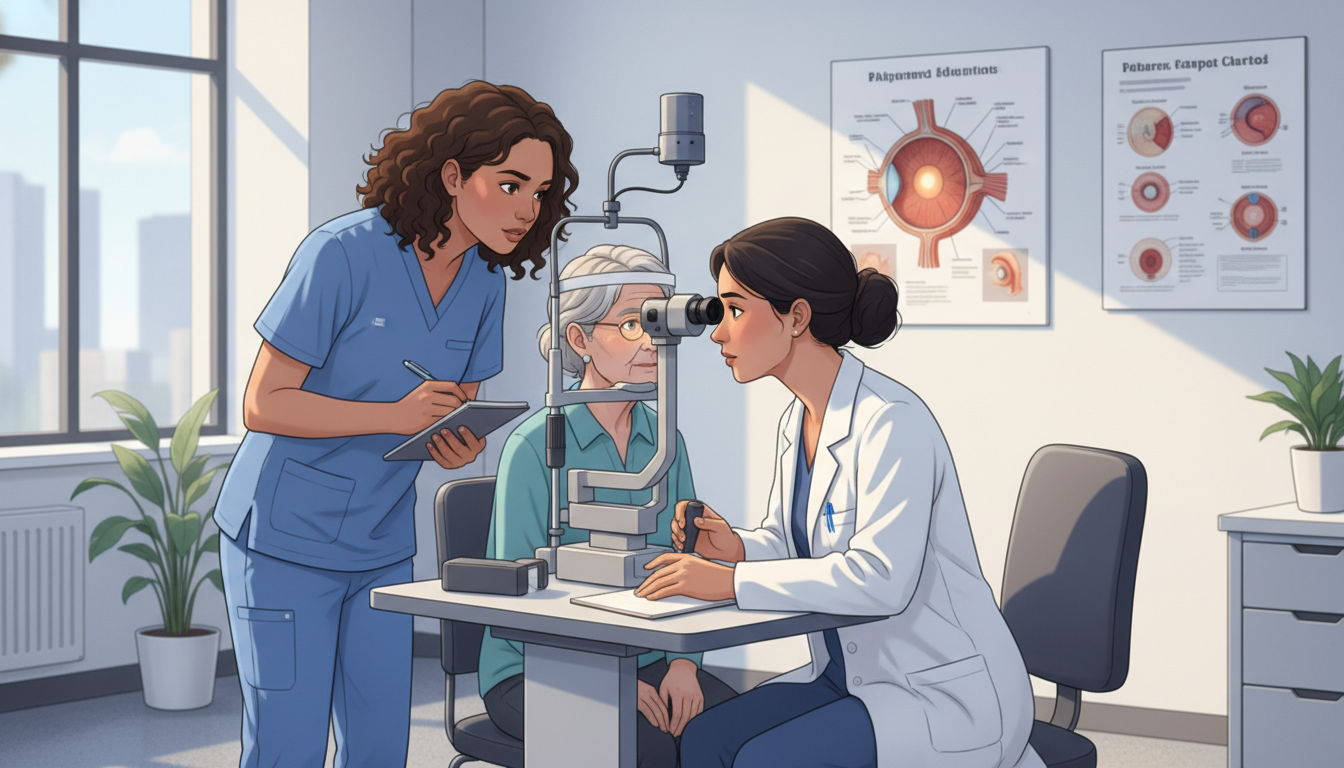
- Procedures: in-office lasers, intravitreal injections
- Surgery: cataract surgery, corneal transplants, retinal procedures, eyelid surgeries
- Patient population: elderly patients, diabetic retinopathy, glaucoma, pediatric strabismus, trauma
How to turn shadowing into a strong experience:
- Keep a brief reflection journal after each session (no identifiable information).
- Note when you felt particularly engaged or disinterested—this helps later in personal statements.
- Ask the ophthalmologist about:
- Their path to ophthalmology
- Pros and cons of the specialty
- Advice for premeds interested in the field
Use these insights in medical school interviews when asked why you’re drawn to medicine or potentially to ophthalmology.
2.2 Clinical Volunteering in Eye-Related Settings
General clinical volunteering is essential for premeds, but you can tailor some of it toward eye care:
- Hospital ophthalmology clinics: Help with patient check-in, translation, or transport (if allowed).
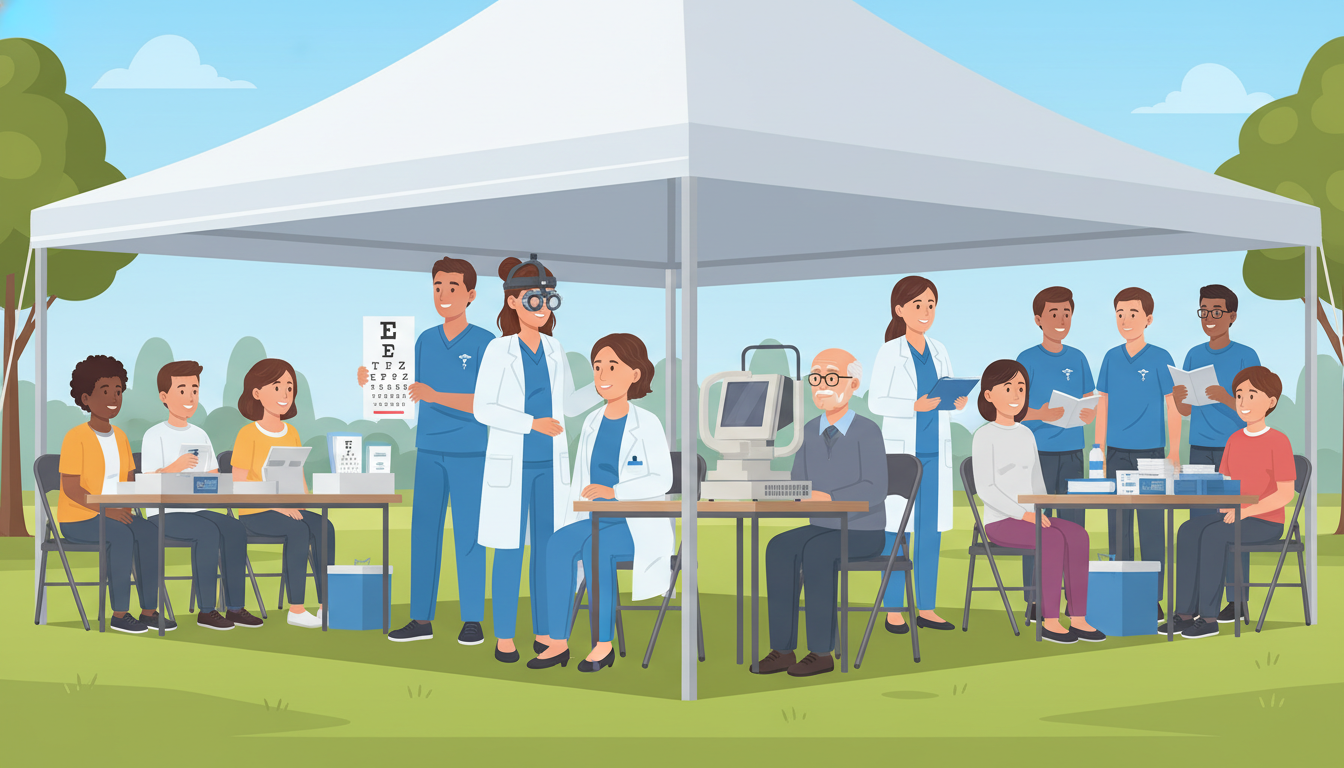
- Community vision screenings: Many public health and nonprofit organizations host screening events for glaucoma, diabetic retinopathy, or visual acuity.
- Free clinics with eye services: Assist with logistics or patient education.
- Schools for the visually impaired: Volunteer in tutoring, mobility assistance, or enrichment programs.
These experiences show a genuine commitment to visual health and patient-centered care.
Example:
A premed student volunteers quarterly at community glaucoma screenings in underserved neighborhoods. Over time, they learn to measure visual acuity and help educate patients about risk factors and the importance of follow-up. This becomes a compelling story about health equity and advocacy in both med school and later ophtho match applications.
2.3 Understanding the Ophthalmology Ecosystem
To write convincingly and speak confidently about ophthalmology, you should know:
- The difference between:
- Ophthalmologist (MD/DO, performs surgery)
- Optometrist (OD, eye exams, vision correction, some medical management)
- Optician (fits glasses/contacts)
- Major ophthalmic diseases:
- Cataract
- Glaucoma
- Age-related macular degeneration
- Diabetic retinopathy
- Refractive errors (myopia, hyperopia, astigmatism)
- Corneal disease (keratoconus, infections)
- Common tools you see in clinic:
- Slit lamp
- Direct and indirect ophthalmoscopes
- Visual field machines
- OCT (optical coherence tomography)
You don’t need deep expertise—just enough to hold a thoughtful, informed conversation during interviews and to know whether this field genuinely interests you.
3. Building a Competitive Profile with an Ophthalmology Angle
You must still check every standard premed advice box—academics, clinical exposure, service, and research. What you can do, however, is subtly align some of these with ophthalmology.
3.1 Service and Leadership with a Vision-Health Focus
Medical schools value service and leadership. Ophthalmology residency programs later will also look for evidence of commitment, empathy, and initiative.
Ideas for vision-focused service:
- Campus vision health initiative:
- Partner with local optometrists or ophthalmologists to host free vision screenings on campus.
- Educate fellow students about blue light, screen time, and eye strain.
- Public health outreach:
- Develop brochures on diabetes and eye disease risk for community clinics.
- Create a social media campaign on eye injury prevention for sports teams or DIY home projects.
- Advocacy:
- Work with disability services offices to improve accessibility for students with visual impairment.
- Volunteer with non-profits focused on preventable blindness or global eye care.
Entry-level leadership roles:
- Found or co-lead a Vision and Eye Health student group.
- Take a coordinator role in recurring vision screening days.
- Act as liaison between a local ophthalmology practice and your university’s premed club.
These activities demonstrate the same qualities that make people successful in top ophthalmology residency programs: organization, advocacy, and patient-centered thinking.
3.2 Research: Is Ophthalmology Research Necessary as a Premed?
You do not need ophthalmology research in college to eventually match into ophthalmology. Many students discover the specialty in medical school and succeed without early subspecialty research.
However, if you already have a strong interest, ophthalmology-related research can:
- Clarify your commitment
- Provide strong material for essays and interviews
- Build relationships with ophthalmologists and vision scientists who may mentor you into med school and beyond
Options for premed ophthalmology research:
- Vision science labs: work on retinal physiology, optic nerve injury, visual pathways, or ocular pharmacology
- Biomedical engineering: imaging, optics, intraocular devices, or surgical robotics
- Public health: epidemiology of visual impairment, access to eye care, disparities in glaucoma screening
How to get started:
- Search your university’s website for “ophthalmology,” “vision science,” “retina research,” or “eye” in the faculty directory.
- Email potential mentors with:
- A concise introduction
- Your interest in medicine and possibly ophthalmology
- A brief resume/CV
- A clear ask: “Can I volunteer or work as a student researcher in your lab?”
Practical expectation setting:
- As a premed, you may start with data entry, image labeling, or basic bench tasks.
- Publications are not guaranteed, but posters or small roles on manuscripts are realistic over 1–2 years.
- Focus on learning the research process, asking good questions, and developing persistence.
3.3 Non-Medical Experiences That Still Help Ophthalmology
Ophthalmology is heavily procedural and visual. Nonmedical activities that build hand–eye coordination, attention to detail, and visual-spatial skills can be surprisingly relevant.
Examples:
- Fine arts: drawing, painting, sculpture
- Music: especially instruments requiring fine motor control
- Crafts: jewelry making, model building, woodworking
- Activities demanding precision: photography, design, coding visual interfaces
In interviews for med school or future ophthalmology residency, you can describe how these experiences:
- Improved your dexterity and patience
- Taught you to notice subtle visual details
- Reinforced your enjoyment of meticulous work
4. Positioning Yourself for Medical School—and Eventually the Ophtho Match
Your primary target as a premed is medical school acceptance, not a specific residency. Still, understanding the long game helps you make smarter choices now.
4.1 How Pre-Med Preparation Connects to a Future Ophthalmology Residency
The ophtho match is highly competitive. Successful applicants typically have:
- Strong medical school grades, especially in core rotations
- High board scores (where applicable)
- Research, often ophthalmology-specific
- Ophthalmology rotations and away electives
- Strong letters from ophthalmologists
How your premed years help:
- A disciplined, successful approach to premed courses → better performance in med school basic sciences.
- Early ophthalmology exposure → compelling personal narrative and more confidence exploring ophtho early in med school.
- Research training (even if not in eyes) → easier transition into ophthalmology research projects later.
- Leadership and service → proven track record of initiative for both med school and residency applications.
In other words, you’re not “matching into ophtho” as a premed—but you’re building the foundation that will make that path realistic.
4.2 Choosing a College and Premed Environment with Ophthalmology in Mind
You don’t need a specific “ophthalmology major,” but some environments make premed and specialty exploration easier.
Consider:
- Affiliation with a medical school:
- Easier access to physician mentors, including ophthalmologists.
- Possible research opportunities at nearby academic hospitals.
- Presence of vision science or neuroscience programs:
- More potential for ophthalmology-related research and courses.
- Pre-health advising strength:
- Informed advisors who understand competitiveness and can help you plan long term.
If you’re already in college, maximize your environment:
- Seek out the nearest ophthalmology department (university, regional hospital, or academic center).
- Ask your pre-health office if alumni in ophthalmology are available for informational interviews.
- Use summers to connect with research or shadowing at larger institutions if your campus is small.

4.3 Crafting Your Application Narrative
Even though you’re in the RESIDENCY_MATCH_AND_APPLICATIONS mindset, at the premed stage your formal application is to medical school. You can still subtly signal your emerging interest in ophthalmology without overcommitting.
In your application materials:
Personal statement:
- Focus on why you want to become a doctor.
- A short but vivid anecdote about shadowing in ophthalmology or volunteering in vision screenings can illustrate your motivation for patient care, technology, or surgery.
- Avoid locking yourself into “I will be an ophthalmologist”; instead say: “I am particularly drawn to fields like ophthalmology that combine precision surgery with long-term patient relationships.”
Work/activities section:
- Highlight ophthalmology-related experiences under clinical work, research, or service.
- Emphasize what skills and insights you gained that apply broadly to medicine.
Secondary essays:
- When asked about future goals, you can mention an early interest in ophthalmology while remaining open-minded:
- “I’m currently drawn to ophthalmology for its mix of microsurgery and chronic disease management, but I plan to explore broadly in medical school.”
- When asked about future goals, you can mention an early interest in ophthalmology while remaining open-minded:
This balanced approach shows clarity and initiative without appearing rigid or naive about how interests evolve in medical training.
5. Practical Timelines and Stepwise Pre-Med Preparation
To make all this concrete, here’s how you might structure your journey from early college through med school matriculation.
5.1 First Year of College
Focus:
- Adjusting academically
- Exploring medicine at a broad level
- Starting gentle ophthalmology exposure
Actions:
- Complete introductory biology/chemistry courses.
- Join premed clubs and attend health-related talks, including any events involving ophthalmology.
- Shadow a primary care physician or hospitalist to understand general medicine.
- Begin reaching out to a local ophthalmologist for short shadowing sessions (even 1–2 half-days is a good start).
5.2 Second Year
Focus:
- Solidifying premed requirements
- Starting research and more structured clinical exposure
Actions:
- Continue core science requirements and consider early neurobiology/physiology electives.
- Seek a research position—ophthalmology-related if available, but any rigorous lab or clinical research is valuable.
- Volunteer regularly (hospital, free clinic, or vision screening programs).
- Deepen shadowing in ophthalmology (clinic days, one OR day if possible).
5.3 Third Year
Focus:
- MCAT preparation
- Leadership and depth in activities
Actions:
- Take biochemistry and any remaining premed courses.
- Study for and take the MCAT (ideally by spring or early summer).
- Step into leadership roles: organize a vision screening event, lead a service project, or coordinate a volunteer team.
- If you enjoy your research lab (ophthalmology or not), stay and work toward presenting a poster or contributing to a paper.
5.4 Fourth Year (or Gap Year)
Focus:
- Application process
- Continued experiences and reflection
Actions:
- Submit primary and secondary medical school applications.
- Continue with research and service; don’t let activities drop once you hit “submit.”
- Maintain shadowing or occasional ophthalmology exposure; use experiences for interviews.
- During interviews, talk about ophthalmology as an example of what attracts you to medicine—precision, technology, visual problem-solving—but emphasize your openness to exploring other specialties.
By the time you enter medical school, you’ll have:
- A strong premed academic record
- Robust clinical and service experiences
- Early ophthalmology exposure and/or research
- A clear, flexible, and authentic narrative about why you want to practice medicine
All of that will position you very well when it’s time—years later—to build a competitive application for the ophtho match.
6. Common Pitfalls and How to Avoid Them
6.1 Over-Specializing Too Early
Pitfall:
Making your entire identity “future ophthalmologist” as a freshman or sophomore.
Why it’s a problem:
- Interests often change once you experience other specialties.
- Medical schools want applicants open to the full breadth of medicine.
- Overly narrow focus can ring as naive in interviews.
Solution:
- Frame ophthalmology as a current interest, not a final destination.
- Continue exploring other fields—surgery, internal medicine, pediatrics, neurology.
- Emphasize the transferable skills you’re building, not only those tied to eyes.
6.2 Ignoring General Premed Advice
Pitfall:
Neglecting core premed requirements, GPA, or MCAT because you’re fixated on eye-specific experiences.
Solution:
- Prioritize strong academics and MCAT performance above all. You must get into medical school before you can worry about any residency match.
- Treat ophthalmology exposure as a bonus layer, not a replacement for general preparation.
6.3 Doing Ophthalmology Activities Only for the Resume
Pitfall:
Pursuing shadowing or research in ophthalmology solely because it’s “impressive,” even if you’re not that interested.
Solution:
- Choose experiences you are genuinely curious about; passion shows.
- If you don’t enjoy ophthalmology, that’s a success—you’ve learned something important before committing years of training to it.
- It’s acceptable (and honest) to say later: “I explored ophthalmology as a premed but discovered I was more drawn to another field.”
FAQs: Pre-Med Preparation in Ophthalmology
1. Do I need ophthalmology experience to get into medical school?
No. Medical schools do not require specialty-specific experience. General clinical exposure, community service, and strong academics are far more important. Ophthalmology experiences can enrich your story but are optional.
2. Will ophthalmology research in college significantly improve my chances in the ophtho match later?
It can help, but it’s not mandatory. What matters most is that you learn research skills, show persistence, and contribute meaningfully. Many successful ophthalmology residents didn’t do eye-related research until medical school.
3. I’m a high school student interested in ophthalmology. What should I do now?
Focus on building a strong academic foundation in biology, chemistry, physics, and math. Seek occasional shadowing if available and explore extracurriculars that develop fine motor skills and service to others. Your main goal at this stage is to prepare for a competitive college and eventually meet premed requirements.
4. Should I say I “want to be an ophthalmologist” in my medical school personal statement?
It’s fine to mention ophthalmology as an area you’re currently interested in, especially if supported by experiences. However, emphasize that you’re open to exploring many fields in medical school. Admissions committees value curiosity and flexibility.
Thoughtful pre-med preparation won’t “lock in” your future specialty, but it can open doors. By combining solid premed advice—strong academics, meaningful service, and well-planned experiences—with strategic early exposure to ophthalmology, you’ll be well positioned both for medical school and for a potential future in this fascinating, visually oriented field.