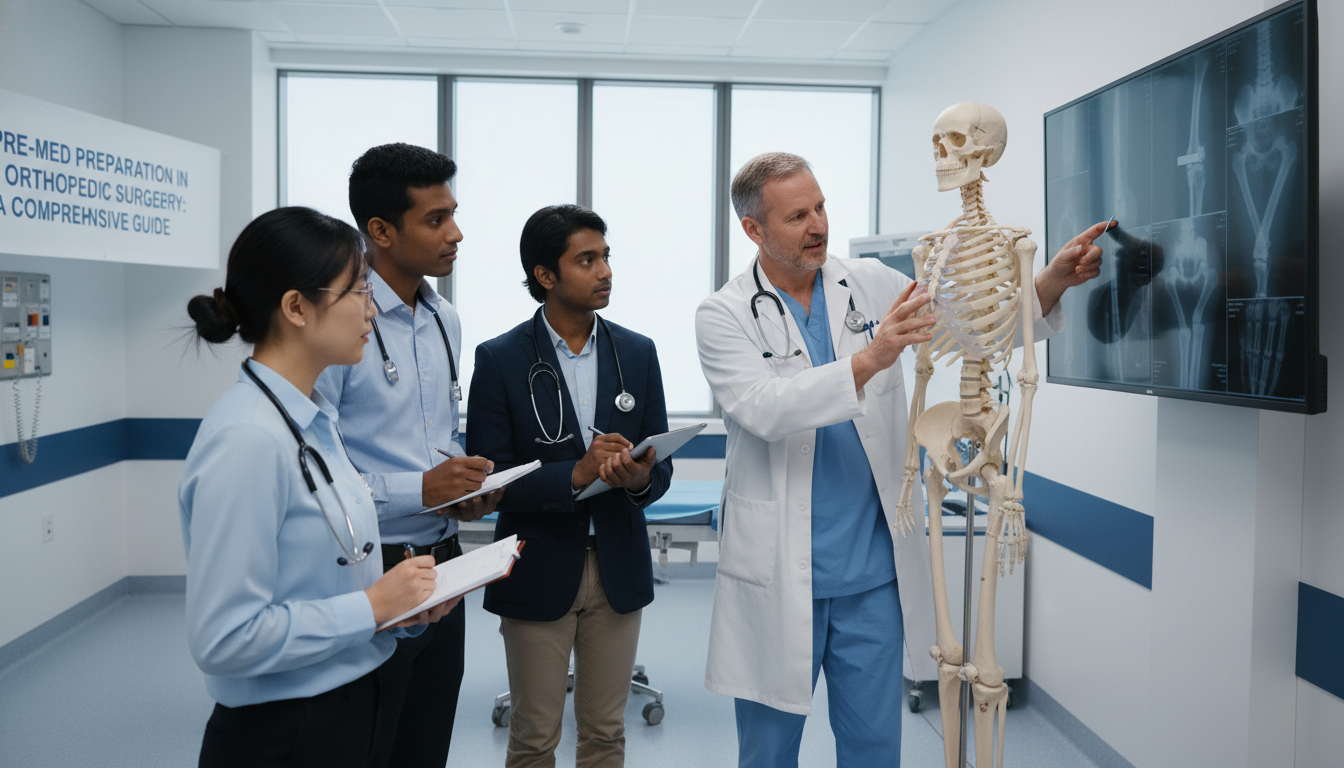
Preparing for a career in orthopedic surgery starts long before you submit your orthopedic surgery residency applications—or even your medical school application. The foundation is built in your pre-med years. Whether you’re a freshman in college wondering how to become a doctor or a senior finalizing your AMCAS, deliberate planning now can significantly influence your future ortho match prospects.
This guide walks you step-by-step through premed requirements, strategic coursework, extracurriculars, and early orthopedic exposure to set you up for a competitive path toward orthopedic surgery residency.
Understanding the Path: From Premed to Orthopedic Surgery
Orthopedic surgery is one of the most competitive specialties. To reach an orthopedic surgery residency, you’ll move through several major stages:
Undergraduate (Premed)
- Complete prerequisite coursework (premed requirements)
- Build strong GPA (especially science GPA)
- Gain clinical, research, and leadership experiences
- Take the MCAT and apply to medical school
Medical School
- Excel in pre-clinical coursework and clinical rotations
- Score well on USMLE/COMLEX exams
- Build an orthopedic-focused CV (research, electives, letters)
Residency Application (Ortho Match)
- Apply through ERAS
- Interview widely
- Match into orthopedic surgery residency
This article focuses on Phase 1: the premed years—what you should do now to keep orthopedic surgery realistically on the table later.
Core Premed Requirements: Building a Strong Academic Foundation
Medical schools don’t require you to choose a specific “pre-med major,” but they do have premed requirements that must be completed. If you’re targeting a surgical career, especially orthopedics, treat these as the minimum and plan to go beyond them strategically.
Required and Recommended Coursework
Most U.S. medical schools require:
- Biology with lab (2 semesters)
- General Chemistry with lab (2 semesters)
- Organic Chemistry with lab (2 semesters)
- Physics with lab (2 semesters)
- English / Writing (1–2 semesters)
- Biochemistry (increasingly required or strongly recommended)
- Statistics or Mathematics (1–2 semesters, often including Calculus or Stats)
For an aspiring orthopedic surgeon, consider adding:
Anatomy & Physiology
- Offers a head start in understanding musculoskeletal systems
- Makes early med school anatomy blocks easier
Biomechanics / Kinesiology
- Particularly relevant to orthopedics and sports medicine
- Shows focused interest in musculoskeletal science
Advanced Biology
- Cell biology, physiology, genetics, or developmental biology
Engineering Courses (If Available)
- Biomedical or mechanical engineering courses help you understand implants, fixation methods, and orthopedic device design
Actionable tip:
Meet with a premed advisor your first year and openly discuss that you’re considering orthopedic surgery. Ask:
- Which courses best align with ortho-related interests?
- How can you structure your schedule to handle challenging sequences (orgo, physics, biochem) without sacrificing GPA?
GPA Goals for Orthopedic-Minded Premeds
Competitive orthopedic surgery applicants typically come from the upper tier of their medical school classes, which means you should aim high from day one.
- Target overall GPA: 3.7+
- Target science GPA: 3.7+
While a single B won’t end your career, a consistent pattern of lower grades in core sciences can make both medical school admissions and eventual ortho match more difficult.
Practical strategies to protect your GPA:
- Avoid overloading on difficult courses in the same semester (e.g., Organic Chemistry II + Physics II + Biochem + 2 labs).
- Use office hours and TA review sessions regularly; don’t wait until you’re struggling.
- Form small study groups focused on problem-solving, not just sharing notes.
- If you must work significant hours, discuss reduced course loads or a 5-year plan with your advisor.
Orthopedic surgery demands stamina, discipline, and long hours. Demonstrating you can manage a heavy academic load while maintaining excellence is an early sign that you can handle surgical training.
Early Exposure to Orthopedics: Seeing the Field Up Close
You do not need extensive orthopedic experience to get into medical school, but intentional exposure can:
- Confirm that you genuinely like the field
- Give you compelling experiences to discuss in personal statements and interviews
- Help you learn orthopedic terminology and workflows early
- Provide mentors who may support you later

Shadowing Orthopedic Surgeons
Shadowing is one of the most straightforward ways to explore the specialty.
How to find shadowing opportunities:
- Ask your premed advising office if they have physician shadowing programs.
- Reach out to orthopedic departments at local teaching hospitals.
- Use family or community connections to identify orthopedic surgeons willing to host a premed.
- Consider sports medicine clinics or orthopedic urgent care centers.
When shadowing:
- Observe both clinic and operating room (OR) if possible.
- Pay attention to:
- Types of patients: athletes, elderly, trauma, children
- Common conditions: fractures, ligament tears, arthritis, spine disorders
- Surgeon’s lifestyle: clinic hours, OR days, call schedule
- Teamwork: interaction with anesthesiologists, nurses, PAs, PTs
Keep a reflection journal to record:
- Cases that impacted you
- Ethical dilemmas you noticed
- Communication strategies that impressed you
- Your feelings about the intensity and physical demands
These reflections later become rich material for medical school essays and interviews.
Clinical Experience with Orthopedic Relevance
Medical schools want proof that you understand patient care, regardless of specialty. Aim for 100–200+ hours of clinical exposure during college, with at least some connection to musculoskeletal health.
Potential roles:
- Orthopedic clinic volunteer
- Rooming patients, stocking supplies, assisting with paperwork
- Physical therapy or rehabilitation aide/volunteer
- Exposure to post-op rehab, sports injuries, and functional recovery
- Emergency department volunteer or scribe
- Frequent orthopedic injuries: fractures, dislocations, sprains
- Medical assistant in primary care or sports medicine
- Hands-on patient contact under supervision
Your goal isn’t to become an expert yet; it’s to show sustained interest in patient care and begin understanding the human side of orthopedic disease—pain, disability, recovery, and long-term outcomes.
Research in Orthopedics and Related Fields
You do not need orthopedic research to get into medical school, but if you’re already thinking ahead to a competitive orthopedic surgery residency, research experience—especially clinical or outcomes research—can be a major asset.
Think of pre-med research as “Phase 1” in building a research narrative that can continue through medical school:
Orthopedic research topics:
- Outcomes after joint replacement or ACL reconstruction
- Sports injury epidemiology
- Fracture healing and bone biology
- Orthopedic device innovations
Related fields if ortho isn’t available:
- Biomechanics, biomedical engineering
- Musculoskeletal imaging (radiology)
- Rehabilitation medicine, physical therapy outcomes
How to get started:
- Email faculty in orthopedic surgery, sports medicine, PT, or bioengineering with a concise message:
- 3–4 sentences about who you are
- Why you are interested in their work
- Your willingness to help with data collection, chart review, or basic lab tasks
- Start with small, manageable roles and prove reliability.
- Aim for poster presentations, abstracts, or publications over time—but understand these often take years.
Being able to say, “I first became involved in musculoskeletal research as a pre-med and continued through medical school” is powerful for your eventual ortho match application.
Strategic Extracurriculars: Building Skills Orthopedic Surgeons Need
Beyond GPA and MCAT, medical schools—and later residency programs—look for evidence of character, resilience, teamwork, and leadership. Orthopedic surgery is physically and mentally demanding; your extracurriculars can begin developing the qualities needed to thrive.
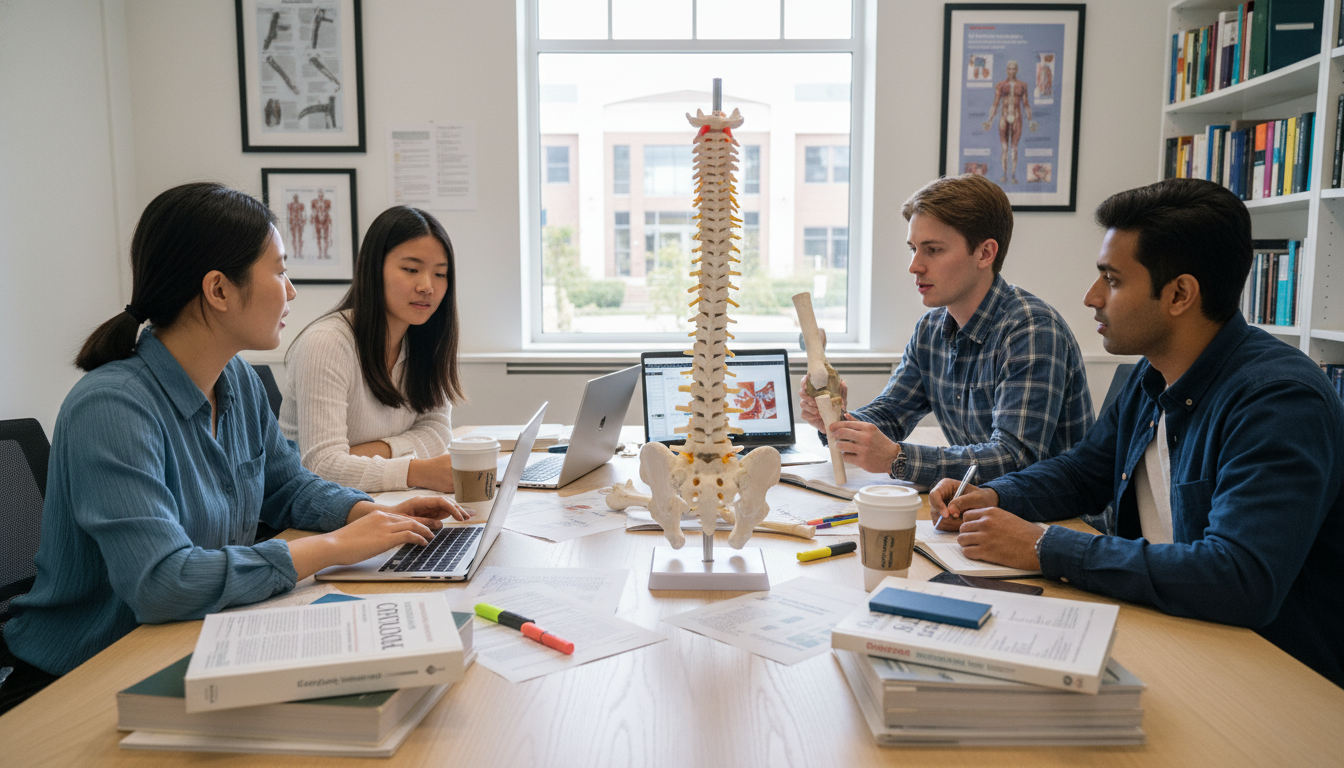
Leadership and Teamwork
Orthopedic surgeons work in high-stakes, team-based environments. Start building those skills now.
Examples of strong leadership experiences:
- Serving as an officer in a premed or science club
- Founding or revitalizing a sports medicine, anatomy, or health outreach organization
- Leading a service project related to injury prevention, adaptive sports, or community health
- Captain or leadership role on a sports team, showing discipline and teamwork under pressure
When describing these roles on applications:
- Emphasize how you coordinated teams, solved problems, and handled conflict.
- Highlight times you demonstrated responsibility, integrity, and communication—key qualities for surgeons.
Community Service and Non-Clinical Volunteering
While your eventual career might revolve around musculoskeletal health, you are training to become a physician first, surgeon second. Medical schools expect to see service to diverse populations.
Effective service experiences:
- Working with underserved or disabled populations
- Volunteering in adaptive sports programs (wheelchair basketball, Special Olympics)
- Participation in disaster relief or public health initiatives
- Long-term commitment to mentoring, tutoring, or community education
What matters most:
- Consistency over years, not a one-time event
- Evidence that you understand social determinants of health, empathy, and cultural humility
Technical and Manual Dexterity
Orthopedic surgery involves power tools, fine suturing, reduction of fractures, and handling heavy instruments. While you won’t be judged on your hammering skills as a premed, developing manual dexterity and spatial awareness can be helpful.
Activities that indirectly sharpen these skills:
- Musical instruments (e.g., piano, guitar, violin)
- Artistic pursuits (sculpting, woodworking, drawing)
- Hands-on hobbies (mechanical work, model building, crafts)
- Sports that develop hand-eye coordination
These experiences also help you stand out as a well-rounded applicant and can serve as memorable talking points in interviews.
MCAT and Medical School Applications: Keeping the Ortho Door Open
Even though orthopedic surgery decisions come much later, your MCAT and medical school choices can shape your ability to pursue this path.
MCAT Strategy for Aspiring Orthopedic Surgeons
The MCAT is not specialty-specific, but competitive specialties tend to attract applicants with higher standardized test performance. This pattern often begins with a stronger MCAT.
- Target MCAT score: aim for at least 510+, but 515+ will be more competitive, especially for top-tier schools.
- Balance strength across sections; large disparities can raise questions about foundations in certain domains.
Study advice:
- Start at least 3–6 months before your test date.
- Use AAMC official materials plus a major test prep resource.
- Treat full-length practice exams as non-negotiable and simulate testing conditions.
- If you’re balancing research, athletics, or work, create a written weekly study schedule and stick to it.
Choosing Medical Schools with Orthopedic Opportunities
When exploring where to apply, consider how each school might support your long-term goal of an orthopedic surgery residency.
Look for:
- A home orthopedic surgery department
- Affiliated teaching hospitals with active orthopedic services
- Availability of orthopedic interest groups, research, and mentors
- A track record of graduates matching into ortho (many schools share match lists)
That said, it is absolutely possible to match into orthopedics from a wide range of schools, including mid-tier and newer ones. The key is what you do once you get there: board scores, grades, research, and professional reputation.
Long-Term Perspective: How Premed Choices Impact Your Ortho Match
As a premed, the ortho match may feel distant, but your current decisions are already shaping your trajectory.
Habits You Should Build Now
The same behaviors that produce a strong premed application will help you:
- Excel in medical school coursework and clerkships
- Score competitively on USMLE/COMLEX
- Build sustained research and mentorship relationships
- Handle the physical and mental demands of surgery
Focus on developing:
- Discipline: Regular study habits, time management, and consistency.
- Resilience: Ability to recover from setbacks (a bad exam, a rejected research email) and learn from them.
- Curiosity: Asking “why?” and diving deeper into mechanisms, not just memorizing facts.
- Professionalism: Reliability, respect, honesty, and accountability in every role—from volunteer to research assistant.
A Sample Pre-Med Roadmap for Future Orthopedic Surgeons
Freshman Year:
- Clarify interest in medicine and start exploring how to become a doctor.
- Take general chemistry, introductory biology, and a writing course.
- Join a premed or science club; attend a meeting or two from an athletic training or sports medicine group.
- Start light clinical exposure or volunteer work.
Sophomore Year:
- Begin organic chemistry and physics.
- Seek out shadowing with an orthopedic surgeon or sports medicine physician.
- Join a research lab (ideally related to musculoskeletal health, but any quality research is beneficial).
- Take anatomy, physiology, or biomechanics if offered.
Junior Year:
- Complete biochemistry and additional recommended sciences.
- Intensify research involvement; aim for a poster or abstract.
- Prepare for and take the MCAT.
- Take on a more significant leadership role in a club or organization.
- Continue clinical work, perhaps with stronger orthopedic exposure (e.g., PT clinic, rehab).
Senior Year:
- Finalize medical school applications.
- Maintain strong academic performance; avoid “senioritis.”
- Deepen relationships with mentors who can later advocate for you.
- Reflect on your experiences and how they shaped your interest in orthopedic surgery—this narrative will carry into medical school.
By the time you start medical school, you should have:
- Solid study habits
- Experience balancing heavy workloads
- Exposure to orthopedic environments
- A realistic, grounded sense of the orthopedic lifestyle
- Broad-based clinical and service experience
From there, you’ll move into the RESIDENCY_MATCH_AND_APPLICATIONS phase in medical school with a powerful foundation already in place.
FAQs: Pre-Med Preparation for Orthopedic Surgery
1. Do I need to decide on orthopedic surgery before starting medical school?
No. Many students discover orthopedics during clinical rotations. However, if you already suspect you might want ortho, you can align your premed choices (courses, shadowing, research) to keep that door as open as possible. Think of it as preparing for a competitive option, not locking yourself in.
2. Is orthopedic-specific experience required to get into medical school?
Not at all. Medical schools don’t expect you to commit to a specialty. They mainly want clinical exposure showing you understand what physicians do. That said, having some orthopedic or musculoskeletal experience (shadowing, PT, sports medicine) can strengthen your narrative and confirm your interests.
3. How important is research for an eventual orthopedic surgery residency, and should I start in college?
For orthopedic surgery residency, research is very important, especially at academic programs. Starting in college helps you build familiarity with the research process and may lead to early publications or presentations. You don’t need orthopedic-specific projects at the premed level, but musculoskeletal or biomechanics-related work is a plus if available.
4. Can I still match into orthopedic surgery if I don’t have a perfect GPA as a premed?
Yes. Residency programs will focus much more on your medical school performance, board scores, clinical evaluations, and orthopedic-specific achievements. However, your premed GPA affects where you get into medical school—and some schools offer stronger orthopedic pathways than others. Aim for excellence now, but understand that you can still build a strong ortho application later if you grow and perform at a high level in medical school.
By approaching your premed years with intention—meeting core premed requirements, seeking early orthopedic exposure, developing leadership and research skills, and maintaining excellent academics—you lay the groundwork not only for medical school admission, but also for a future where a competitive orthopedic surgery residency and a successful ortho match are genuinely within reach.