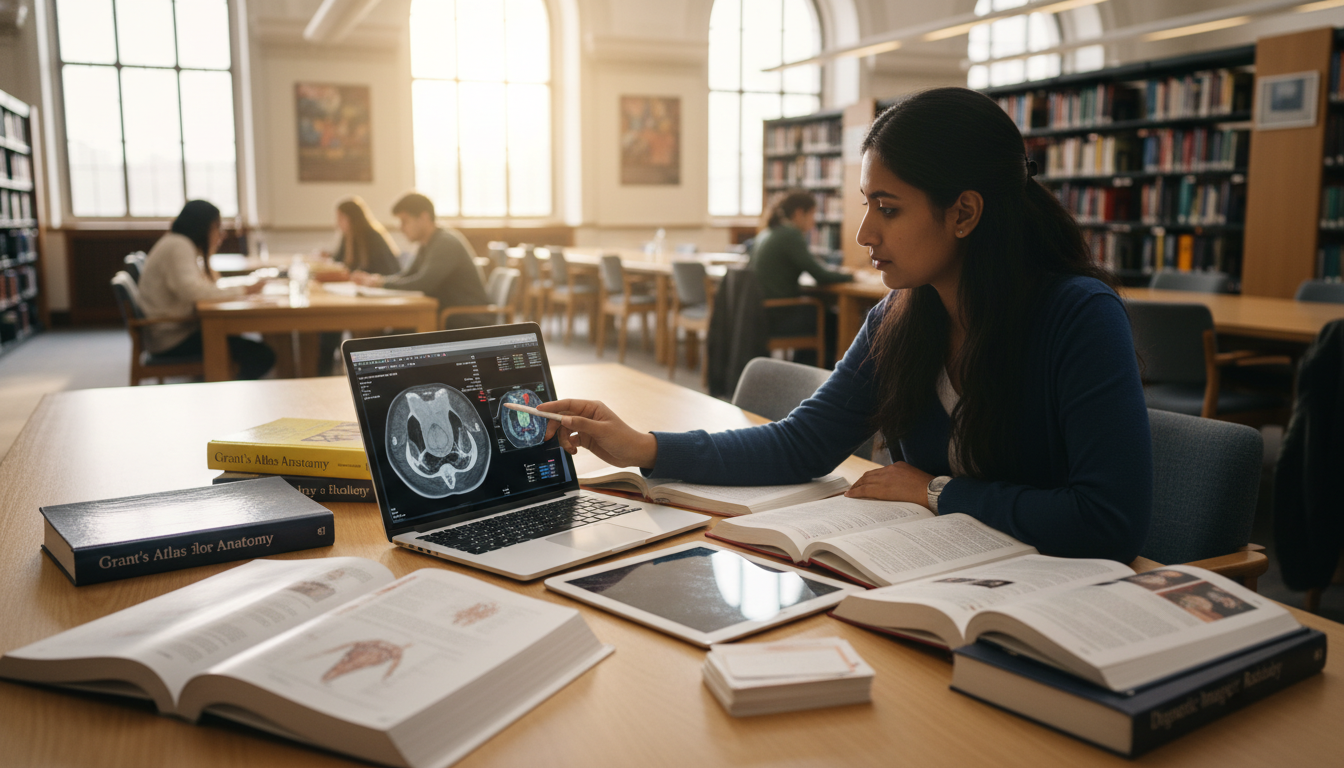
Understanding Diagnostic Radiology as a Premed
Diagnostic radiology is the specialty that uses imaging—X‑rays, CT, MRI, ultrasound, nuclear medicine—to diagnose and help manage disease. If you’re thinking about radiology residency while still in the premed phase, you’re already ahead of many peers. Planning early lets you align your coursework, experiences, and skills with what will later make you a strong applicant for the diagnostic radiology match.
Before diving into premed requirements and step‑by‑step planning, it’s worth clarifying what diagnostic radiologists actually do:
- Interpret imaging studies (e.g., CT scans, MRIs, X‑rays, ultrasounds)
- Consult with referring physicians about imaging choices and findings
- Perform image‑guided procedures (e.g., biopsies, drainages)
- Participate in multidisciplinary conferences (tumor boards, stroke teams)
- Lead imaging quality initiatives and adopt new technologies like AI
Key attributes of successful diagnostic radiologists:
- Strong visual‑spatial reasoning
- Comfort with uncertainty and probabilistic thinking
- Attention to detail and pattern recognition
- Tolerance for high volumes of information
- Communication skills (both written reports and verbal consults)
- Interest in technology, physics, and image interpretation
As a premed, you don’t need to be “locked in” to radiology, but if you’re intrigued by imaging, tech, and problem‑solving, you can start strategically shaping your path now.
Core Premed Requirements and Academic Strategy
Most U.S. medical schools share a common set of premed requirements. Meeting these is the non‑negotiable foundation of how to become a doctor, regardless of specialty. For a future in radiology, you’ll want to go beyond the minimum and thoughtfully choose courses that build the skills you’ll later use every day.
Essential Premed Coursework
At most institutions, these are the standard required or strongly recommended courses:
- Biology with lab (usually 2 semesters)
- General chemistry with lab (2 semesters)
- Organic chemistry with lab (2 semesters)
- Physics with lab (2 semesters)
- Mathematics (often at least 1 semester of calculus or statistics)
- English / writing‑intensive courses (1–2 semesters)
- Biochemistry (commonly required now)
- Social and behavioral sciences (psychology, sociology)
For diagnostic radiology in particular, pay close attention to:
- Physics – Central to understanding imaging modalities, radiation, and safety.
- Math and statistics – Helpful for evidence‑based medicine and interpreting research.
- Computer science or data science (if available) – Increasingly relevant given AI and informatics in radiology.
Strategic Course Suggestions for Aspiring Radiologists
Beyond the baseline premed requirements, consider these:
Advanced physics
- Modern physics or medical physics (if offered): builds intuition for MRI, CT, nuclear medicine.
Imaging‑relevant electives
- Anatomy (especially with cadaver lab)
- Physiology
- Neuroscience (great for neuroradiology interests)
Quantitative and computing skills
- Intro to programming (Python, R, or MATLAB)
- Data science, bioinformatics, or statistics
These will position you well for imaging research and future AI‑related work.
Communication and writing
- Scientific writing, technical writing, or communication classes
Radiologists write detailed reports and need clear documentation skills.
- Scientific writing, technical writing, or communication classes
GPA Strategy for a Future Radiologist
Diagnostic radiology traditionally has been a moderately competitive to highly competitive specialty. Your premed GPA matters because:
- It impacts your chances of getting into a strong medical school.
- Medical school performance (Step exams, clerkship grades) influences your radiology residency prospects, and strong academic habits now carry over later.
Aim for:
- Overall GPA: 3.6+
- Science GPA: 3.6+
These aren’t strict cutoffs, but they’re realistic targets for aiming at more competitive specialties.
Practical tips:
- Front‑load fundamentals: Get rock‑solid in general chemistry, biology, and physics; they’re building blocks for MCAT and medical school.
- Don’t chase only “hardest” courses: It’s better to take a rigorous but manageable course load and earn A’s than overload and burn out.
- Use office hours strategically: Clarify complex physics and chemistry topics—these also build comfort with concepts critical in radiology (e.g., attenuation, magnetism, waves).
Building Radiology‑Relevant Experiences as a Premed
You don’t need formal radiology experience to get into medical school—but if you’re already drawn to imaging, targeted experiences can:
- Confirm your interest early
- Give you unique stories for personal statements and interviews
- Set a foundation for later radiology‑related research and mentorship
Shadowing and Clinical Exposure
General clinical exposure comes first. Admission committees want evidence that you understand what physicians do day‑to‑day.
Core clinical experiences to prioritize:
- Hospital volunteering (ED, inpatient floors, patient transport)
- Primary care shadowing
- Specialty shadowing (internal medicine, surgery, pediatrics, etc.)
Once you have some broad exposure, look for radiology‑specific shadowing:
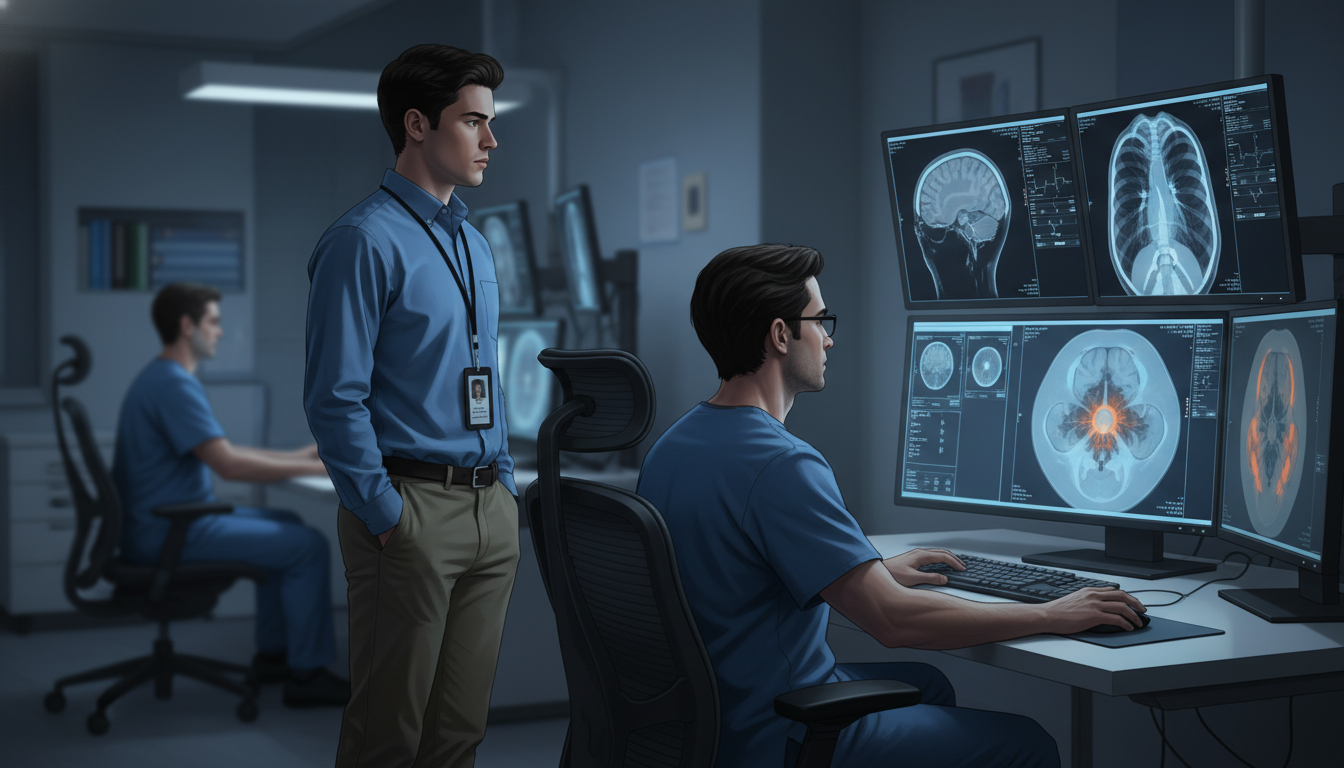
Shadow a diagnostic radiologist in the reading room:
- Observe how they communicate with clinicians by phone or electronic messages
- Watch body CT, chest X‑rays, MRI, ultrasound interpretation
- See workflow and use of PACS (image viewing systems)
Shadow in procedural radiology:
- Interventional radiology (angiography, embolizations, drain placements)
- Breast imaging (mammography, stereotactic biopsies)
- Ultrasound‑guided procedures
How to find radiology shadowing:
- Ask your pre‑health office if they have radiology contacts
- Reach out to hospital volunteer services to connect with imaging departments
- Email radiology faculty at affiliated medical centers:
- Introduce yourself as a premed student interested in radiology
- Briefly describe your background and what you hope to learn
- Be flexible about times and settings (in‑person or virtual)
Research and Academic Projects
Research is not mandatory for medical school, but it’s increasingly common for radiology residency applicants and can be a huge asset if you start early.
Relevant research pathways for premeds:
Radiology or imaging research
- Radiology departments often have projects suitable for undergraduates:
- Retrospective chart/imaging reviews
- AI/machine‑learning projects on medical images
- Image quality improvement or radiation‑dose reduction studies
- Roles may include data collection, imaging annotation, literature review, basic analysis.
- Radiology departments often have projects suitable for undergraduates:
Non‑radiology clinical research
- Outcomes research, quality improvement, or clinical trials in any specialty
- Builds core skills: study design, IRB processes, statistics, writing.
Basic science related to imaging
- Physics labs working on optics, signal processing, or imaging
- Biomedical engineering projects on image reconstruction or instrumentation
Actionable steps to get involved in imaging research:
- Search your university and affiliated hospitals’ websites for:
- “Radiology research,” “imaging lab,” “medical physics,” “AI in medicine”
- Prepare a brief academic CV and a concise email:
- State your major, year, skills (Excel, statistics, coding), and time commitment
- Express genuine interest in learning research methods, not just “building my CV”
- Be reliable and proactive:
- Meet deadlines, show up to meetings prepared
- Ask to be involved in abstracts, posters, or manuscripts once you’ve contributed meaningfully
Having your name on posters or papers—even as a co‑author—can later strengthen both your medical school and diagnostic radiology match applications.
Technology, AI, and Informatics Exposure
Radiology is at the center of the AI revolution in medicine. As a premed, you don’t need to be an engineer, but some exposure will future‑proof you:
Learn basic coding:
- Take an intro course in Python or R
- Complete online tutorials (e.g., data analysis, visualization)
Explore AI in imaging:
- Read accessible reviews or podcasts about AI in radiology
- Follow radiology societies and journals on social media for trending topics
Participate in tech‑related clubs or hackathons:
- Pre‑health + coding clubs
- Data science clubs with healthcare projects
These experiences can later translate into compelling narratives about why you’re drawn to radiology’s blend of medicine and technology.
Non‑Academic Skills and Experiences that Matter
Medical schools don’t admit test‑taking machines; they look for future physicians who can communicate, lead, and empathize. Premed advice often focuses on grades and MCAT, but for radiology—often misperceived as “behind the scenes”—strong interpersonal skills are especially powerful differentiators.
Communication and Teamwork
Radiologists frequently:
- Discuss urgent findings with emergency and ICU teams
- Lead multidisciplinary conferences (e.g., tumor boards)
- Explain procedures and risks to patients
- Collaborate with technologists, nurses, and administrators
Premed experiences to build these skills:
Teaching / tutoring
- Organic chemistry, physics, or MCAT tutoring
- Teaching assistant roles in lab courses
Develops your ability to explain complex information clearly—exactly what radiologists do with imaging results.
Leadership in organizations
- Pre‑med clubs, science clubs, cultural or service organizations
- Take on roles that require organizing events, managing conflict, and public speaking.
Debate, public speaking, or communication clubs
- Toastmasters, Model UN, speech and debate
Strengthens your confidence and clarity in high‑pressure conversations.
- Toastmasters, Model UN, speech and debate
Service and Humanism
Even though radiologists may have less continuous bedside contact than some specialties, they still care for patients—often during emotionally difficult times (e.g., cancer diagnosis, stroke, trauma).
Valuable service experiences:
Working with underserved communities:
- Free clinics
- Mobile health units
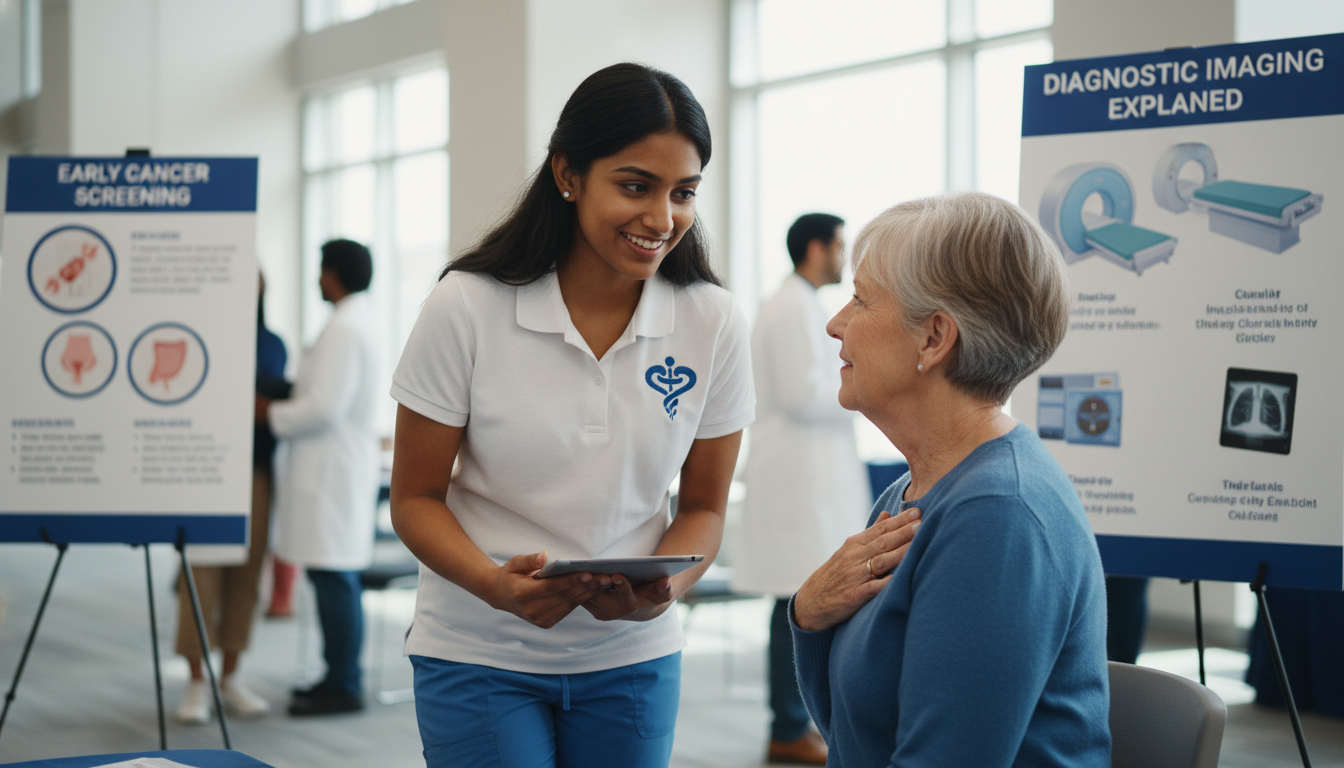
- Community health fairs (particularly around cancer screening, imaging, or prevention)
Long‑term volunteering:
- Rather than a long list of short activities, aim for at least 1–2 multi‑year commitments.
- Depth of involvement often matters more than sheer number of hours.
Service teaches:
- Empathy and cultural humility
- How social determinants of health affect access to imaging
- Communication with patients of diverse backgrounds and health literacy levels
Developing Visual and Analytical Skills
While there is no requirement to “train your eyes” before radiology, some experiences naturally cultivate skills helpful for image interpretation:
Art or design
- Drawing, photography, graphic design
- Train attention to patterns, contrast, and subtle differences in images.
Pattern‑based hobbies
- Chess, puzzles, strategy games
- Develop systematic thinking and recognizing patterns under time pressure.
Data analysis projects
- Work with large datasets in research or coursework
- Builds comfort with complexity and uncertainty—similar to interpreting multiple imaging sequences and clinical notes.
You don’t need to justify all hobbies as “for radiology,” but reflecting on how they sharpen your observational and analytical skills can enrich future essays and interviews.
Planning Timeline: From Premed to Diagnostic Radiology Residency
Understanding the long game—from premed through the diagnostic radiology match—can help you make strategic decisions now without feeling overwhelmed.
College Years (Premed Phase)
Freshman–Sophomore Years:
- Complete introductory biology, chemistry, and math
- Begin physics (especially if you’re interested in imaging early)
- Explore:
- General clinical shadowing
- Volunteering
- Joining 1–2 clubs (including any pre‑health and maybe a tech or research‑oriented one)
- Start looking for research opportunities by late freshman or sophomore year
Junior Year:
- Take biochemistry and upper‑level sciences
- Prepare and sit for the MCAT (usually spring or summer)
- Deepen involvement in:
- Research (possibly imaging‑related)
- Leadership roles
- Clinical and service activities
- If possible, add radiology shadowing to confirm/expand your interests
Senior Year (and/or Gap Years):
- Finish remaining premed requirements
- Continue research, possibly culminating in presentations or publications
- If you take a gap year:
- Consider full‑time research assistant roles (including in radiology)
- Clinical jobs (scribe, medical assistant, etc.)
- Strengthen your application profile and confirm your trajectory toward medicine
Medical School Years (Brief Overview)
You don’t need to plan all details now, but a quick overview helps:
Pre‑clinical years (M1–M2):
- Master basic sciences and clinical foundations
- Take USMLE Step 1 / COMLEX Level 1
- Join radiology interest groups
- Seek radiology or imaging research mentors
Clinical years (M3–M4):
- Excel in core clerkships (medicine, surgery, etc.)—radiology programs care about your overall clinical performance
- Take elective rotations in diagnostic radiology (and possibly interventional radiology, neuroradiology, etc.)
- Build relationships with radiology faculty who can write strong recommendation letters
- Finalize your specialty decision and apply to radiology residency
Knowing this path helps you see your premed years as the foundational layer rather than an isolated phase.
How Premed Choices Influence Your Future Radiology Match
Your specific major or every single undergraduate activity won’t make or break your ability to match into diagnostic radiology. However, your premed years can:
- Determine which medical schools you’re competitive for
- Shape your academic habits and resilience
- Spark radiology‑specific interests that lead to research, mentors, and opportunities later
Ways premed preparation positively impacts your future radiology residency application:
Strong science fundamentals → Better Step/COMLEX scores
Physics, chemistry, and quantitative skills support understanding imaging principles and test questions.Early research skills → Productivity in medical school
If you already understand IRB, study design, data analysis, you’ll ramp up faster in radiology research during med school.Tech and AI exposure → Niche expertise
Familiarity with coding, AI, or data science can set you apart, especially as radiology embraces these tools.Communication and leadership → Standout applicant
Radiology PDs value applicants who can lead, teach, and collaborate—even in a specialty stereotyped as “behind a screen.”Clarity of motivation → Stronger narrative
Early experiences with imaging or related skills give you a coherent story about why radiology, not just why medicine.
Frequently Asked Questions (FAQ)
1. Do I need to know I want radiology while I’m still a premed?
No. Many radiologists decide during clinical years of medical school. However, being curious about radiology now is an advantage. You can:
- Choose physics and quantitative courses thoughtfully
- Explore imaging‑related research
- Shadow radiologists to see if the field fits your interests
If you change your mind later, none of this preparation is wasted—physics, research, and communication skills help in almost any specialty.
2. Is there a “best major” for future diagnostic radiologists?
There’s no single “best major” for radiology residency. Medical schools care more about:
- Strong GPA (science and overall)
- Completion of premed requirements
- Intellectual curiosity and rigor
Common majors for future radiologists include biology, chemistry, biomedical engineering, physics, neuroscience, and computer science. If you’re drawn to physics or engineering, that background can be particularly helpful for imaging, but humanities majors can also succeed with the right science coursework.
3. How important is radiology‑specific experience before medical school?
It’s helpful but not essential. Admissions committees don’t expect premeds to have deeply specialized experience. What they do expect is:
- Genuine exploration of medicine (shadowing, clinical exposure)
- Service and leadership
- Academic excellence
Radiology‑related shadowing or research can strengthen your story if you’re already highly interested, but you won’t be penalized for discovering radiology later in your training.
4. I’m not strong in physics—can I still become a radiologist?
Yes, but you’ll need to build a functional comfort with physics concepts. Diagnostic radiology relies on understanding:
- Radiation basics and safety
- Magnetic fields and resonance (MRI)
- Ultrasound physics
- Image formation and artifacts
If physics has been challenging:
- Start with the appropriate level course and use tutoring or office hours early.
- Focus on conceptual understanding, not just equations.
- Use applied or medical physics resources (videos, textbooks) to link concepts to real imaging.
With deliberate practice, many students improve substantially and do well enough to thrive in radiology.
By approaching your premed years with intentionality—meeting core requirements, building radiology‑relevant skills and experiences, and keeping your options open—you set a strong foundation not only for how to become a doctor, but also for a future in diagnostic radiology if that ultimately proves to be the right fit.