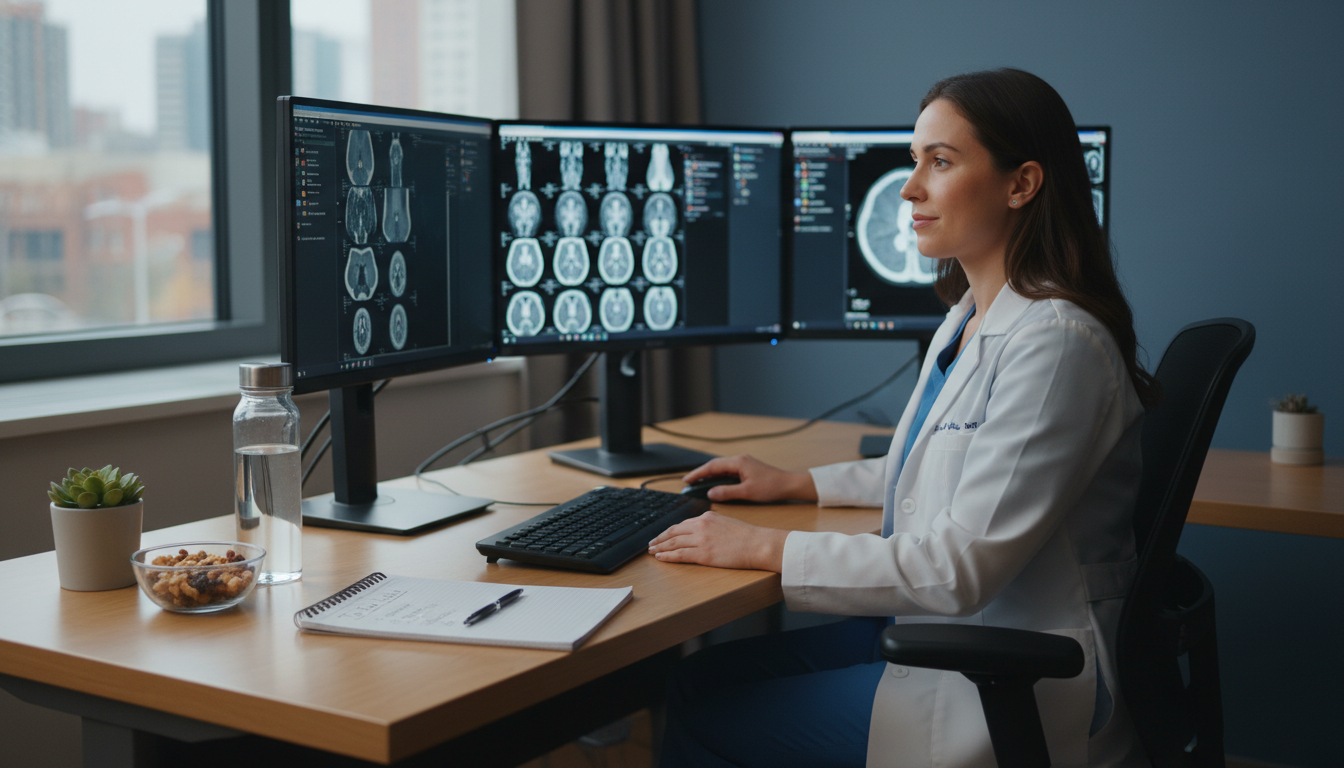
Understanding Residency Burnout in Diagnostic Radiology
Diagnostic radiology is a highly sought-after specialty, and the radiology residency match continues to be competitive. Applicants are attracted by the blend of technology, problem-solving, and lifestyle. Yet beneath this appeal lies a serious challenge: residency burnout.
Residency burnout is more than feeling tired after a call shift. It is a chronic, work-related state of emotional, physical, and mental exhaustion—often accompanied by depersonalization (cynicism, detachment from patients or colleagues) and a reduced sense of personal accomplishment. Radiology residents are not exempt; in fact, several features of this specialty can increase vulnerability to burnout if they are not addressed proactively.
Common contributors to residency burnout in diagnostic radiology include:
- Long hours of high-focus, solitary work at the workstation
- Relentless imaging volume and productivity expectations
- Frequent interruptions and pressure for rapid turnaround
- Limited direct patient contact, leading to reduced sense of meaning
- Overnight and home call (especially during early PGY years in DR/IR tracks)
- Fear of missing a critical finding and medico-legal anxiety
- Subtle culture of perfectionism and self-comparison in competitive programs
The stakes are high. Burnout in residency is strongly associated with:
- Decreased learning and academic performance
- Increased risk of clinical errors
- Depression, anxiety, and even suicidal ideation
- Early career dissatisfaction and attrition
- Higher risk of physician burnout later in attending life
This guide is designed to help you understand, anticipate, and actively prevent residency burnout—starting as an applicant preparing for the diagnostic radiology match, and continuing throughout your years in training.
Why Diagnostic Radiology Residents Are at Unique Risk
Radiology has some protective features: often fewer overnight in-house calls than some surgical or medicine specialties, fewer physically grueling demands, and generally more predictable schedules as training progresses. However, there are specialty-specific factors that can increase medical burnout risk if not counterbalanced.
1. The Cognitive Load of Constant Image Interpretation
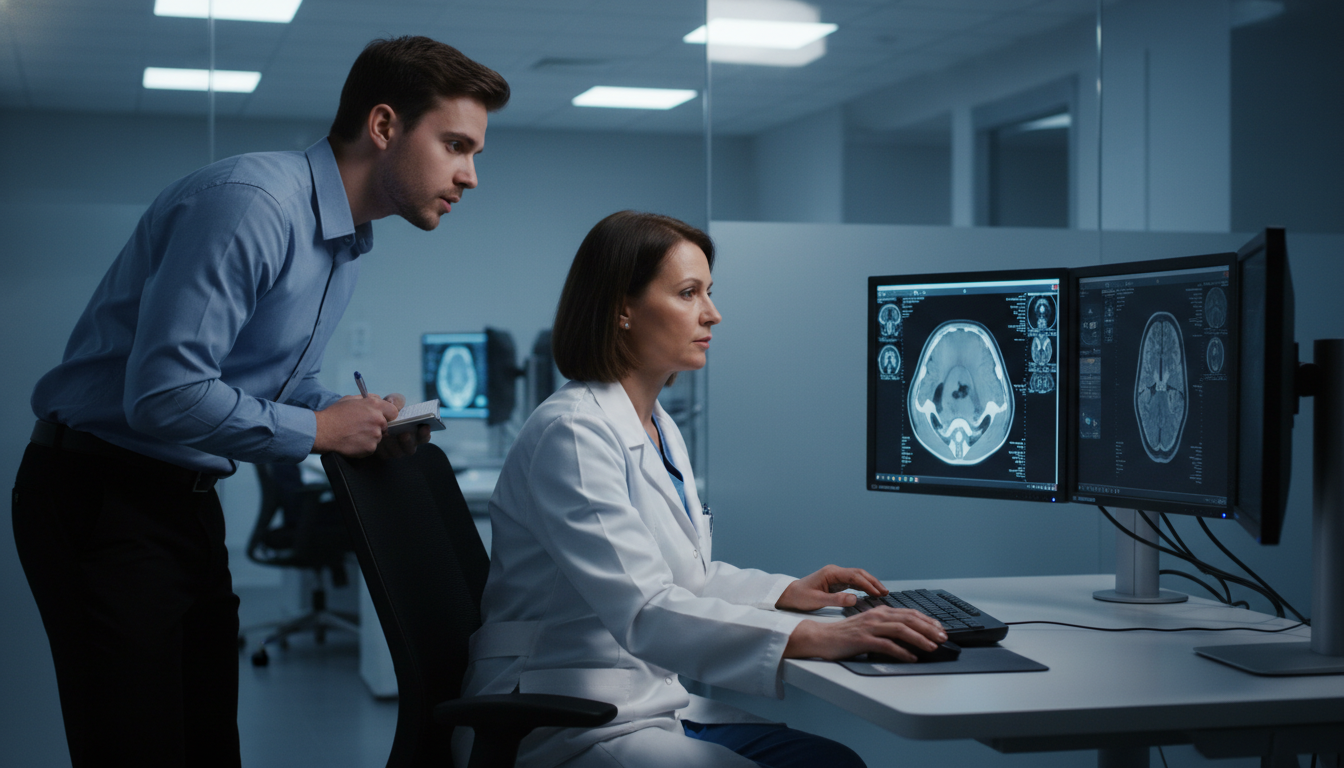
Radiology requires intense, sustained concentration. A full day’s work might mean:
- Rapidly interpreting CTs, MRIs, ultrasounds, and radiographs
- Integrating clinical histories and previous imaging
- Dictating clear, actionable reports with minimal errors
- Addressing frequent phone calls from clinicians
Over time, this uninterrupted cognitive load can lead to decision fatigue, decreased attention, and emotional exhaustion. Unlike some “task-based” specialties, radiology’s work is almost entirely cognitive—and the margin for error feels small.
Burnout risk example:
A PGY-3 resident on a busy night float reads trauma CTs continuously from 7 p.m. to 7 a.m. Between emergent scans and stroke codes, they barely have time for a snack. By 3 a.m., fatigue sets in, but cases keep coming. The next day, they feel guilty about missing subtle findings or dictating slower than expected. This pattern repeats several nights a week.
2. Isolation and Limited Patient Contact
While many residents appreciate not being constantly paged by the bedside, the relative isolation of the reading room can have downsides:
- Fewer face-to-face interactions with patients
- Limited informal social contact during the day
- Risk of feeling like a “service” rather than a member of the care team
Meaningful patient interaction is a strong buffer against burnout; without it, radiologists must be more intentional in finding meaning and connection in their work.
3. Perfectionism and “Invisible” Contributions
Radiology residents often carry a strong internal drive for perfection. That, combined with:
- Fear of misses and diagnostic errors
- Public or semi-public case reviews at conferences
- Little direct feedback or gratitude from patients
…can create a sense that no matter how hard they work, it’s never enough.
4. Workflow and Systems Pressures
Beyond personal traits, system-level issues drive physician burnout:
- Understaffed reading rooms with high RVU expectations
- Outdated or slow PACS systems
- Poorly designed worklists mixing STAT, urgent, and routine cases
- Limited autonomy over schedule or study assignments
These are not “weaknesses” of residents; they are structural problems that require structural solutions. However, recognizing them allows you to advocate more effectively and build personal strategies that reduce their impact.
Building a Burnout-Resistant Foundation Before and During the Radiology Residency Match
Preventing residency burnout starts before you ever step into the reading room. The mindset and habits you develop as a medical student applying to the diagnostic radiology match will either support or undermine your well-being in training.
Be Honest About Your Motivations
Ask yourself:
- Why am I choosing diagnostic radiology?
- What types of daily activities energize me?
- How do I feel about a highly visual, computer-based, largely seated career?
If your primary draws are only “lifestyle” or “high pay,” you may be poorly prepared for the realities of residency and attending life. Instead, identify deeper motivations:
- Intellectual satisfaction from pattern recognition and problem-solving
- Enjoyment of synthesizing data and guiding clinical decisions
- Satisfaction from being a consultant and collaborator
Residents who align their values with their specialty’s core activities tend to have lower burnout rates.
Assess Program Culture Carefully During Interviews
Program culture is a major determinant of residency burnout. During the application and interview season:
Ask residents direct, specific questions:
- “On your busiest day, what does your workload look like?”
- “How do attendings respond to misses or learning gaps?”
- “What wellness resources are actually used by residents?”
- “What happens if someone is struggling with mental health?”
- “Are residents able to attend personal appointments during the weekday?”
Look for red flags:
- Residents describe frequent ‘just push through’ attitudes
- Laughing off excessive hours or unrealistic read volumes
- No mention of structured mentorship or wellness initiatives
- High rate of residents transferring or not finishing
Look for green flags:
- Transparent case volume expectations and graduated autonomy
- Protected didactic time truly respected
- Supportive response to illness, pregnancy, or family emergencies
- Faculty openly discussing work-life integration and mistakes as learning opportunities
When building your rank list for the diagnostic radiology match, consider well-being and culture as heavily as prestige and fellowship match outcomes.
Set Realistic Expectations
Residency is demanding—no matter the specialty. To reduce the risk of residency burnout, avoid:
- Assuming DR residency will be “easy” compared to your peers in surgery or internal medicine
- Believing that life “gets good” only after residency, rather than striving for sustainable habits now
- Underestimating the emotional load of missed findings, tough call shifts, or exam pressure
Instead, adopt a realistic but hopeful perspective:
- There will be tiring rotations—but they are time-limited.
- You will miss findings—it’s part of learning; you can respond constructively.
- You can structure your life to maintain relationships, hobbies, and health even during training.
Daily and Weekly Strategies for Preventing Radiology Residency Burnout
Once you are in residency, prevention becomes active and ongoing. It’s less about a single “wellness” activity and more about designing a sustainable routine.
1. Protect Your Basic Physiology: Sleep, Nutrition, Movement
These are non-negotiables for medical burnout prevention.
Sleep
- Aim for 7–8 hours whenever not on call.
- On night float, anchor sleep and wake times as consistently as possible.
- Use strategies to improve sleep quality: dark room, white noise, avoid screens 30–60 minutes before bed.
Tip: If your call schedule repeatedly makes safe sleep impossible, bring this to your chief residents or program director with specific examples. Programs are increasingly attuned to duty hour and fatigue risks.
Nutrition
Working in a dark reading room, it’s easy to snack mindlessly or skip meals.
- Keep healthy, quick options in your bag: nuts, fruit, yogurt, protein bars, pre-made salads.
- Hydrate; dehydration worsens fatigue and headaches.
- Plan ahead for long call shifts so you’re not dependent on vending machines.
Movement
Even short, regular movement significantly reduces burnout and improves focus.
- Use micro-breaks: stand up every 45–60 minutes, stretch, walk around the reading room.
- Consider 10–20 minute workouts on busy days instead of waiting for a full hour that never comes.
- If possible, use stairs instead of elevators a few times a day.
2. Manage the Cognitive Load at the Workstation
Efficient study management reduces stress dramatically.
Structured Reading Patterns
- Develop consistent search patterns for common studies (e.g., chest CT, abdominal CT, head CT). Consistency reduces fear of missing findings and mental strain.
- Use checklists early on; many residents outgrow them later but they are invaluable during early training.
Prioritization and Timeboxing
- Use the worklist intelligently: start with STAT and urgent cases, then high-yield studies.
- Set soft time goals (e.g., 10–15 minutes for a straightforward CT) while balancing accuracy and efficiency.
- If you’re stuck on a case, ask for attending help rather than staring at the scan for 30 minutes in growing anxiety.
Minimizing Distractions
- When possible, limit personal phone use during peak reading periods.
- If your workstation is particularly noisy, politely negotiate norms with colleagues (“Let’s keep phone calls to one side of the room,” etc.).
3. Build Supportive Relationships in the Reading Room
Isolation is a major contributor to residency burnout. Combat this deliberately.
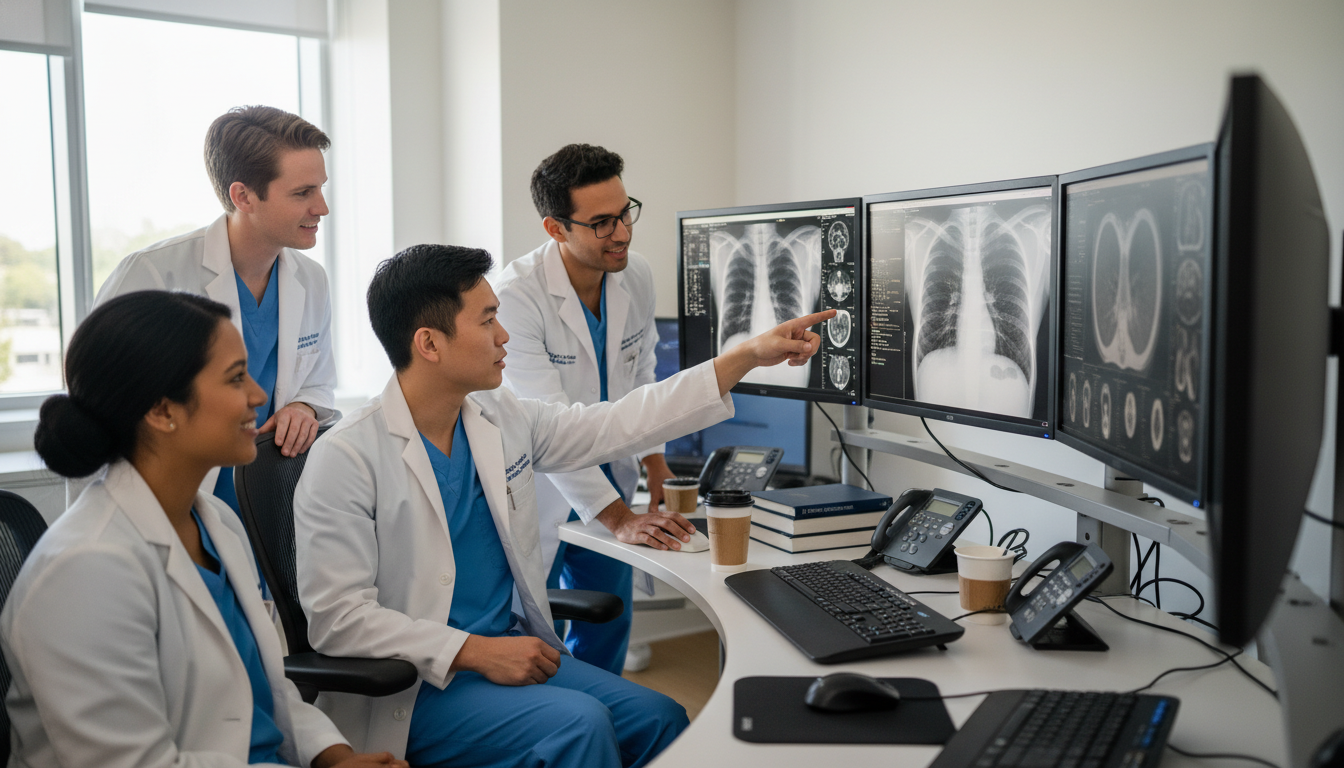
- Introduce yourself to technologists, nurses, and clerks; knowing names builds a sense of team.
- Ask co-residents for tips on tricky cases or workflow; this normalizes help-seeking.
- Attend social events—even brief coffee chats—when possible; informal bonds often matter most during tough rotations.
Example: A PGY-2 struggling on night float joins a group text with other residents on similar rotations. They share difficult cases, check in before and after shifts, and occasionally meet for a weekend brunch after night blocks. This informal peer network cuts feelings of isolation significantly.
4. Maintain an Identity Outside of Medicine
To prevent physician burnout, you need a life beyond RVUs and PACS.
- Keep at least one non-medical activity you genuinely enjoy (music, running, cooking, gaming, art).
- Schedule recurring time for it (e.g., “Tuesday evenings are my choir rehearsals” or “Saturday mornings: trail run with friends”).
- Protect key personal commitments when you can: anniversaries, important family events. When you can’t, communicate openly and plan alternate celebrations.
Residents who maintain outside interests consistently show lower burnout risk and better resilience.
Mental Health, Coping Skills, and When to Ask for Help
Even with excellent habits, residency is stressful. Effective residency burnout prevention also requires emotional skills and knowing when to seek support.
Recognizing Early Warning Signs of Burnout
Watch for:
- Persistent exhaustion despite adequate sleep
- Growing cynicism (“I don’t care about these cases anymore”)
- Irritability with colleagues, technologists, or referring clinicians
- Feeling detached from your work or patients
- Declining academic or clinical performance
- Loss of interest in activities you used to enjoy
- Using alcohol, drugs, or food for emotional numbing
These aren’t moral failures; they are signals that you need adjustment or support.
Practical Cognitive and Emotional Strategies
Reframe the Fear of Mistakes
Radiology residents often tie their self-worth to reading accuracy. To protect yourself:
- Normalize that everyone misses findings at some point, including excellent attendings.
- Treat misses as data: “What was my pattern? What clue did I overlook? How can I adjust next time?”
- Avoid all-or-nothing thinking (“If I missed this, I’m a terrible radiologist.”).
Many programs have non-punitive discrepancy conferences precisely for this learning.
Practice Brief Mindfulness or Grounding
You don’t need hour-long mediation sessions. Try:
- 1–2 minutes of slow breathing after a stressful case or phone call.
- A simple practice like “5-4-3-2-1” (five things you see, four you feel, three you hear, etc.) to reset during intense shifts.
- Pausing before dictating challenging cases to gather your thoughts calmly.
These micro-practices can prevent stress from snowballing over the course of a day.
When and How to Ask for Help
Seeking help is a professional skill, not a weakness.
Who to approach:
- Trusted senior residents or chief residents
- Program director or associate program director
- Faculty mentor or advisor
- Hospital employee assistance program (EAP) counselors
- External therapist or psychiatrist (ideally with experience in physician mental health)
What to say (examples):
- “I’m finding it increasingly hard to focus and I feel exhausted most of the time. Can we talk about my workload and coping strategies?”
- “I’ve been feeling down for several weeks and it’s affecting my performance. I want to get help before it gets worse.”
Most accrediting bodies and programs now emphasize resident well-being and have confidential resources in place. Early intervention can prevent transient stress from evolving into full medical burnout or major depression.
Advocating for System-Level Change in Your Radiology Program
Individual self-care is necessary but not sufficient. Sustainable burnout prevention in diagnostic radiology also requires structural change.
Engage in Program Quality Improvement
Look for opportunities to join or start initiatives focused on:
- Improving reading room workflow or layout
- Streamlining communication between radiology and referring services
- Clarifying expectations for case volume and autonomy at each PGY level
- Implementing structured handoffs at shift changes to reduce stress
Concrete examples:
- A resident-led project that reorganizes the worklist (separating true STATs, inpatients, and outpatients) can reduce decision fatigue and constant reprioritization.
- Creating a protocol for non-urgent calls (e.g., designated times to consult) may cut down on disruptive interruptions.
Promote a Healthy Educational Culture
Residents can influence culture more than they realize:
- Model asking questions and admitting uncertainty; this reduces shame for others.
- Support peers when they disclose struggles; avoid gossip or judgment.
- Encourage attendings and leaders who openly discuss wellness, and give feedback that these efforts matter.
Over time, such behaviors help create a learning environment where it’s normal to talk about residency burnout, not hide it.
Protect Educational Time and Realistic Expectations
If duty hours, call schedules, or expectations are consistently unsafe or unsustainable:
- Collect data: specific dates, hours worked, patient and study volumes.
- Bring concerns forward as a group where possible; collective voices often carry more weight.
- Frame feedback around patient safety, learning quality, and long-term program reputation (not just personal comfort).
Programs that adapt to protect residents’ well-being tend to produce stronger, more confident radiologists—benefiting everyone involved.
Frequently Asked Questions (FAQ)
1. Is diagnostic radiology really a “low burnout” specialty?
Compared to some frontline specialties, diagnostic radiology may have somewhat lower average burnout rates, particularly regarding physical exhaustion and overnight call frequency. However, many radiologists still experience significant physician burnout related to high-volume cognitive work, isolation, and system pressures. The key is not to assume radiology is automatically “easy,” but to proactively build protective habits and choose a supportive program.
2. How can I talk about wellness or burnout concerns during residency interviews without hurting my chances?
Ask about wellness in a way that shows maturity and professionalism. For example:
- “How does your program support residents during particularly stressful rotations?”
- “What changes have you made in recent years to address resident wellness or burnout?”
You are not required to share personal mental health history. Focus on learning about the program’s culture, responsiveness to feedback, and concrete policies that affect well-being.
3. I’m already a resident and feel burned out. Is it too late to fix this?
No. Burnout is a state, not a permanent trait. Start with honest self-assessment and small, manageable changes in sleep, nutrition, exercise, and social connection. Simultaneously, reach out to trusted colleagues or a mental health professional. Sometimes, schedule adjustments, counseling, or temporary accommodations are possible. Addressing burnout early can restore meaning and enjoyment in your work.
4. How does burnout during residency affect my long-term career as an attending radiologist?
Unaddressed residency burnout can shape your attitudes and habits well into attending life, making you more vulnerable to chronic physician burnout and dissatisfaction. Conversely, learning to set boundaries, seek help, manage workload, and advocate for healthier systems during residency gives you tools to build a sustainable attending career. What you practice in training tends to become your default as an attending—so investing in wellness now is an investment in decades of professional longevity.
Preventing residency burnout in diagnostic radiology is an ongoing, active process—not a one-time checklist item. By choosing your program thoughtfully during the diagnostic radiology match, building resilient daily habits, nurturing real relationships inside and outside the reading room, and engaging in system-level improvements, you can shape a training experience that is demanding yet deeply rewarding—and lay the foundation for a long, sustainable career in radiology.