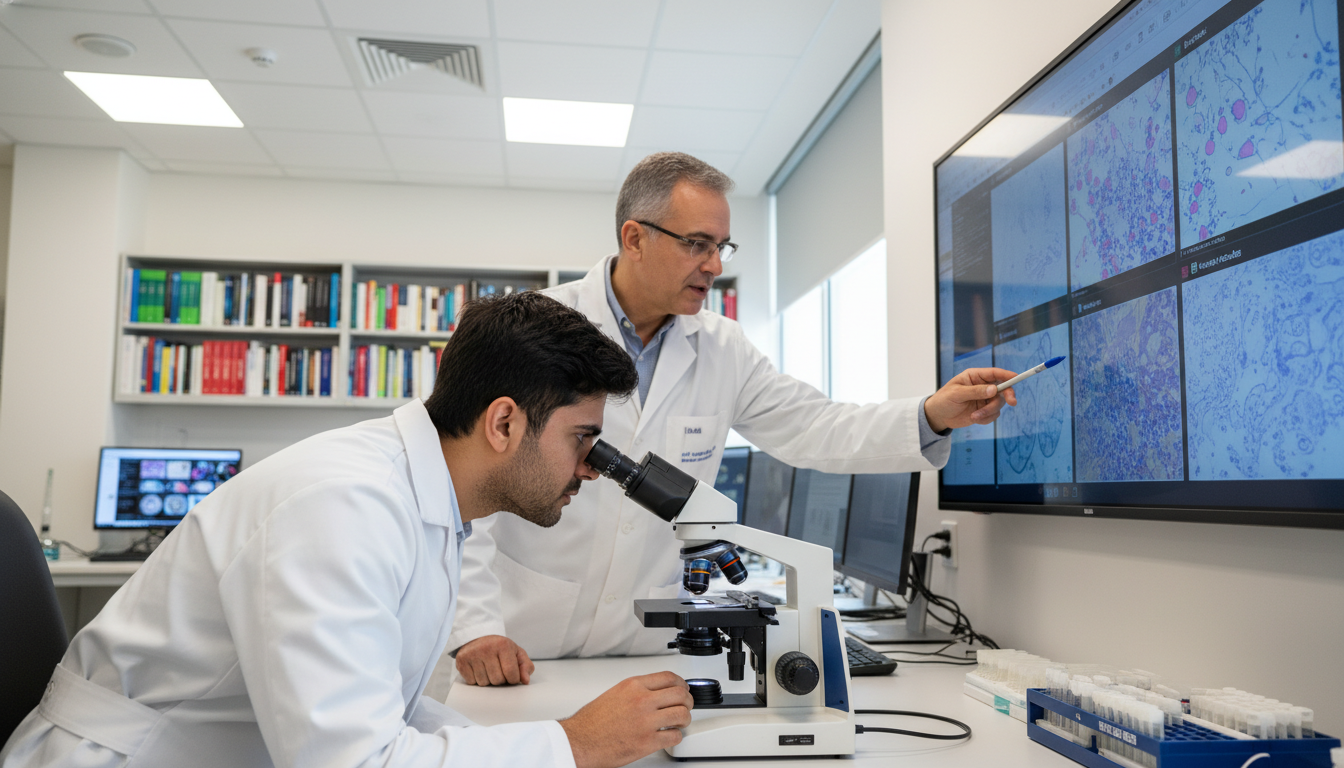
Choosing a specialty in medicine is one of the most high‑stakes decisions you’ll make as a future physician. For those considering a career in radiation oncology, questions around physician salary by specialty, long‑term earning potential, and how the rad onc match fits into your broader life goals are particularly salient. This guide walks through how radiation oncology fits into the U.S. doctor salary by specialty landscape, how compensation evolves over a career, and what factors practically affect what you’ll earn.
While salary should never be the sole driver of a specialty choice, it is a legitimate piece of the puzzle. Understanding where radiation oncology sits among the highest paid specialties—and why—can help you make a more informed, strategic decision as you approach residency applications and the match.
Understanding Physician Salary by Specialty: Where Radiation Oncology Fits
When applicants ask about “physician salary by specialty,” they’re usually trying to locate a given field on a spectrum that runs from lower-compensated cognitive specialties to higher-compensated procedural subspecialties. Radiation oncology (rad onc) sits toward the higher end of that spectrum, though below some of the ultra‑procedural or surgical subspecialties.
Big‑picture salary tiers
While exact numbers change year to year, most surveys (e.g., Medscape, MGMA, Doximity) tend to cluster specialties into approximate tiers:
- Highest paid specialties (often topping physician salary lists):
- Orthopedic surgery
- Plastic surgery
- Neurosurgery
- Cardiology (invasive)
- Gastroenterology
- Dermatology
- Upper‑middle tier (highly compensated):
- Radiation oncology
- Radiology (diagnostic and interventional)
- Anesthesiology
- Emergency medicine
- Urology
- Oncology (medical, heme/onc)
- Middle tier:
- General surgery
- Hospitalist medicine
- Pulmonology/critical care
- OB/Gyn
- Lower tier (still well‑compensated, but lower relative to most others):
- Pediatrics
- Family medicine
- General internal medicine
- Psychiatry
Radiation oncology consistently appears in the upper‑middle compensation tier, often higher than many non‑procedural specialties and some surgical fields, but somewhat below the most lucrative procedural subspecialties.
Why radiation oncology is relatively well‑compensated
Radiation oncology’s place among the higher paid specialties reflects several structural factors:
- High‑cost technology: Linear accelerators and advanced imaging infrastructure drive substantial billing associated with treatments.
- Complex planning and procedures: From contouring and treatment planning to on‑treatment management, the work justifies higher reimbursement relative to purely cognitive visits.
- Cancer care acuity: Oncology services are reimbursed on the higher end due to the complexity and seriousness of disease.
- Moderate supply of specialists: Radiation oncology is not saturated in every region, and recruitment can be challenging in non‑urban markets.
At the same time, shifts in reimbursement policy, changing practice models, and evolving treatment paradigms mean that rad onc compensation is dynamic, not guaranteed.
Radiation Oncology Compensation Across the Career Timeline
To understand physician salary by specialty specifically for radiation oncology, you need to look at the entire career arc—from residency through early practice and mid‑career.
Resident and fellow compensation in radiation oncology
Radiation oncology is a four‑year residency after an intern year (typically a transitional year or prelim medicine/surgery). During residency:
- PGY‑1 to PGY‑4 salaries follow institutional GME scales, not specialty‑specific pay.
- Typical radiation oncology resident compensation:
- PGY‑1: Approximately $60,000–$68,000 base salary in many U.S. academic centers.
- PGY‑2–PGY‑4: Rises incrementally (often $2,000–$3,000 per year).
- Benefits: Health insurance, some retirement contributions, CME funds, and sometimes housing stipends in high‑cost cities.
Important: Residency salary is essentially the same regardless of specialty, so you won’t see a salary advantage as a rad onc resident compared with an internal medicine or pediatrics resident at the same institution.
Early‑career radiation oncologist salary (first 1–5 years)
Your first attending job is where specialty differences really start to show up. For radiation oncology:
- Starting salaries (approximate, varying widely by region and practice type):
- Academic: Often in the $250,000–$350,000 range, sometimes with incentives.
- Community/private: More commonly in the $350,000–$500,000+ range, especially in less desirable or non‑urban locations.
- Signing bonuses and loan repayment:
- May include $20,000–$100,000+ as a signing bonus in high‑need areas.
- Some employers offer loan repayment packages over several years.
- Compensation structure often mixes:
- Base salary
- RVU‑based productivity incentives
- Quality or value‑based bonuses
- Occasionally partnership tracks with profit sharing in private groups
Compared with other specialties, a radiation oncology attending tends to out‑earn most primary care physicians and many hospital‑based specialists in the first few years, though they might still trail the very top earners like orthopedic or neurosurgeons.
Mid‑career and senior rad onc compensation
As you accumulate experience, build referral networks, and potentially move into leadership or partnership roles, your earning potential generally increases:
- Mid‑career community practice:
- Total compensation can reach $500,000–$800,000+, depending on:
- Case volume
- Partnership status
- Ownership stake in equipment or real estate
- Regional payer mix
- Total compensation can reach $500,000–$800,000+, depending on:
- Academic mid‑career:
- Usually $300,000–$500,000, with variation based on:
- Rank (Associate vs. Full Professor)
- Administrative roles (e.g., residency program director, department chair)
- Research grants (which sometimes come with protected time but not large salary boosts)
- Usually $300,000–$500,000, with variation based on:
- Senior partners in successful private groups may exceed $800,000–$1 million+, though this is not the norm and is heavily dependent on business factors and geography.
Relative to doctor salary by specialty overall, a successful radiation oncologist in a high‑performing group often falls comfortably among the higher compensated physicians, though not always at the very top.

Key Factors That Influence Radiation Oncology Salary
Even within one specialty, physician salary can vary dramatically. Understanding what drives those differences will help you navigate offers intelligently as you transition from the rad onc match to your first attending role.
1. Practice setting: Academic vs. community vs. hybrid
Academic centers
- Typically offer:
- Lower base salary compared with private practice
- More predictable hours, robust support staff
- Opportunities for teaching, research, and subspecialization (e.g., CNS, pediatrics, brachytherapy)
- Strong institutional benefits and job security
- Financially, academic radiation oncology often pays:
- Less than community/private radiation oncology
- Roughly comparable to many other academic oncologic specialties
Community/private practice
- Emphasis on clinical volume and efficiency.
- Compensation often tied to productivity:
- Higher income potential, particularly in regions with strong referral streams
- Partnership tracks can significantly increase long‑term earning power
- May involve:
- More call or coverage responsibilities across multiple sites
- Greater involvement in practice management or business decisions
Hybrid models and employed positions
- Some physicians work for large hospital systems or national oncology networks:
- Salaries may be competitive with private practice, but less entrepreneurial upside.
- More standardization of contracts, benefits, and RVU thresholds.
2. Geographic region and cost of living
Location is one of the most powerful determinants of doctor salary by specialty, and radiation oncology is no exception.
- Urban, coastal, or highly desirable areas:
- Often offer lower salaries due to high physician supply and attractive lifestyle factors.
- Higher cost of living can further diminish effective take‑home pay.
- Rural or underserved areas:
- More likely to offer:
- Higher base salaries
- Larger signing bonuses
- Loan repayment
- Rapid path to partnership
- More likely to offer:
- Regional payer mix matters:
- Markets with more commercial insurance generally support higher reimbursement.
- Areas with high Medicaid/uninsured populations may see lower net collections.
3. Subspecialization and clinical focus within radiation oncology
Although most practicing radiation oncologists are broadly trained, clinical focus and procedural depth can impact your compensation:
- High‑complexity techniques:
- Stereotactic radiosurgery (SRS), stereotactic body radiation therapy (SBRT), and advanced IMRT/VMAT planning can generate higher RVUs per patient than simple treatments.
- Brachytherapy expertise (e.g., gynecologic, prostate):
- Often in higher demand; programs may pay a premium for physicians who can expand or maintain these services.
- Leadership roles:
- Medical director, department chair, or service line leader roles usually come with stipends or salary adjustments.
The more you can position yourself as indispensable for high‑value services, the more leverage you typically have in compensation negotiations.
4. Productivity expectations and work hours
Your effective hourly wage depends not just on your annual salary, but also on how many hours you work and how intense those hours are.
- Typical clinical schedule:
- Many rad onc attendings work roughly “standard” clinic hours: Monday–Friday, with limited overnight emergencies.
- On‑call responsibilities exist (e.g., spinal cord compression, urgent palliative RT), but are typically less burdensome than in surgical or hospitalist roles.
- Volume and throughput:
- Practices with high patient volumes may compensate physicians more, but can also lead to more stress and less time per patient.
- RVU‑based systems can incentivize efficiency but also risk burnout if not balanced with adequate support resources.
Compared with some other highest paid specialties (e.g., trauma surgery or interventional cardiology), radiation oncology often offers higher lifestyle flexibility relative to income, which is a key attraction for many applicants.
5. Academic productivity and grants (for academic rad onc)
In academic centers, you can supplement clinical income through:
- Research grants (sometimes with salary support)
- Leadership roles in clinical trials groups or departmental administration
- Consulting, speaking, or industry advisory boards
These are less likely to catapult you into the very highest physician salary brackets, but they can add meaningful increments while aligning with academic career goals.
Comparing Radiation Oncology to Other Specialties in the Match
Compensation shouldn’t be the only factor in your residency ranking strategy, but it’s useful to contextualize radiation oncology alongside other fields you may be considering.
Radiation oncology vs. diagnostic radiology and anesthesiology
Diagnostic radiology
- Similar overall compensation spectrum to radiation oncology, sometimes slightly higher in high‑demand interventional roles.
- Often more call and off‑hours work, especially in teleradiology or overnight reading.
- Less direct, longitudinal patient contact compared with rad onc.
Anesthesiology
- Comparable or slightly higher average compensation in some markets.
- More intense intraoperative workflow, often early mornings and frequent call.
- Variable lifestyle depending on case mix (e.g., cardiac vs. outpatient surgery centers).
If you value a mix of oncology, longitudinal patient relationships, and advanced imaging/technology with relatively predictable hours, rad onc is highly competitive with these fields.
Radiation oncology vs. medical oncology (heme/onc)
Medical oncology
- Salary:
- Often somewhat lower on average than radiation oncology in strictly academic settings.
- Community heme/onc can approach or exceed rad onc earnings, particularly in infusion‑heavy practices.
- Lifestyle:
- More call and inpatient responsibilities.
- Longitudinal relationships across many lines of therapy, often over years.
- Workload:
- Ongoing management of systemic therapy, toxicity, admissions, and complex decision‑making.
If you’re passionate about oncology and considering both fields, radiation oncology typically offers:
- More procedural and imaging‑based work
- Less ongoing call burden
- Strong but more time‑bounded patient relationships (often during specific treatment courses)
Radiation oncology vs. primary care and hospital medicine
Compared with internal medicine, family medicine, or pediatrics:
- Radiation oncology usually offers:
- Substantially higher compensation
- More specialized, technology‑focused work
- Narrower scope of disease (cancer care) but deeper expertise
- Primary care fields may provide:
- More geographic flexibility
- Shorter training (no dedicated oncology subspecialty training for general primary care)
- Greater breadth of patient populations and conditions
From a pure physician salary by specialty standpoint, radiation oncology significantly outpaces primary care, but at the cost of more years of training and a narrower focus.

Practical Advice for Applicants: Balancing the Rad Onc Match and Financial Realities
As you prepare for the radiation oncology residency application cycle, it’s helpful to connect the dots between long‑term compensation and short‑term decisions.
1. Don’t over‑optimize the match list for salary
It’s tempting to rank programs purely by perceived prestige or future earning potential, but this can be shortsighted. Instead:
- Prioritize:
- Quality of clinical training (e.g., case mix, technology, faculty mentorship)
- Program culture and resident well‑being
- Geographic fit and support systems
- Remember:
- A strong training foundation allows you to adapt to changes in reimbursement and practice models over decades.
- The difference between programs in long‑run earnings is usually far less than the difference between specialties.
2. Understand the financial trade‑offs of extended training
Radiation oncology requires:
- 1 year of internship (often prelim/transition year)
- 4 years of dedicated rad onc residency
Compared with internal medicine (3 years), you’re adding at least 2 extra years of resident‑level salary before attending‑level earnings. But:
- The resulting delta in attending salary over a 30+ year career can easily make up for this, especially given rad onc’s relative position among the highest paid specialties.
- Consider your debt load, interest rates, and whether early loan repayment vs. eventual higher income best suits your risk tolerance.
3. Build non‑clinical financial literacy early
Regardless of the specialty you enter, maximizing your eventual doctor salary by specialty requires basic financial literacy:
- During residency:
- Live below your means where possible.
- Avoid lifestyle creep tied to student debt rationalization.
- Learn the basics of:
- Retirement accounts (401(k), 403(b), Roth IRA, backdoor Roth)
- Disability and life insurance
- Public Service Loan Forgiveness (PSLF), if applicable
- Early attending years:
- Maintain a “resident plus” lifestyle while your salary jumps.
- Pay down high‑interest loans aggressively if PSLF or other forgiveness paths don’t apply.
- Consider working with a fee‑only financial planner familiar with physician finances.
The income ceiling that radiation oncology offers can be powerful if combined with disciplined financial habits early in your career.
4. Negotiate your first contract thoughtfully
Your first attending job in radiation oncology sets a baseline not only for salary, but also for expectations and career trajectory. Key steps:
- Get multiple offers if possible:
- Even if you’re set on a geographic region, exploring several systems or groups gives you leverage.
- Understand compensation structure:
- Base salary vs. RVU thresholds
- Bonuses (signing, quality, retention)
- Partnership track details (timing, buy‑in, realistic income projections)
- Don’t fixate solely on headline salary:
- Look at:
- Noncompete clauses
- Call schedule and number of sites covered
- Time to partnership and transparency around practice finances
- Benefits and retirement match
- Look at:
- Consider legal review:
- A healthcare contract attorney can flag problematic terms that might lock you into lower compensation or unfavorable conditions.
Thoughtful contract negotiation can easily shift your effective annual compensation by tens of thousands of dollars.
Frequently Asked Questions (FAQ)
1. Is radiation oncology still considered one of the highest paid specialties?
Radiation oncology is consistently in the upper‑middle to high tier of physician salary by specialty, but it is not typically at the very top compared with fields like orthopedic surgery, neurosurgery, or invasive cardiology. That said, especially in community or private practice settings with partnership opportunities, a radiation oncologist can earn income comparable to many of the highest paid specialties, particularly when adjusted for lifestyle and call burden.
2. How does radiation oncology salary compare to radiology or anesthesiology?
On average, radiation oncology compensation is broadly similar to diagnostic radiology and anesthesiology, though the exact ordering varies by survey and region. In general:
- All three are well‑compensated relative to many other specialties.
- Subspecialty choices (e.g., interventional radiology, cardiac anesthesia) can push salaries above typical rad onc ranges.
- Radiation oncology tends to offer somewhat more predictable hours and fewer nights/weekends than many anesthesia or imaging practices, though there are exceptions.
3. Are academic radiation oncologists paid significantly less than community practitioners?
In many cases, yes. Academic rad onc positions often come with:
- Lower base salaries than community or private practice jobs
- Greater job security, institutional support, and opportunities for teaching and research
- Better access to complex cases, clinical trials, and cutting‑edge technology
Whether this trade‑off is “worth it” depends on your priorities. If maximizing income is your primary goal, community or private practice settings usually offer higher doctor salary by specialty for radiation oncology. If you value academic pursuits, the non‑financial rewards may be more important.
4. Will changes in healthcare policy threaten radiation oncology compensation?
Radiation oncology is sensitive to reimbursement changes, particularly from Medicare and large insurers. There have been periods of concern about payment cuts, alternative payment models, and shifts away from fee‑for‑service. However:
- Demand for cancer care remains high due to an aging population.
- Advances in technology and treatment techniques maintain a need for highly trained specialists.
- Practices adapt by optimizing workflows, pursuing value‑based contracts, and expanding service offerings.
While no specialty’s income is guaranteed, radiation oncology remains a financially strong and clinically important field. Applicants should monitor policy trends but avoid letting fear of future reimbursement changes be the deciding factor in career choice.
Radiation oncology offers an appealing combination of competitive salary, intellectually rich oncology practice, advanced technology, and relatively balanced lifestyle compared with many other high‑earning specialties. As you prepare for the rad onc match and beyond, understanding these compensation dynamics can help you align your specialty choice with both your professional passions and long‑term financial goals.