Radiation oncology is one of the most misunderstood—and most rewarding—specialties in medicine. For many students, the first real exposure comes not from the pre-clinical curriculum, but through medical shadowing. A well-planned shadowing experience in radiation oncology can clarify whether this is the right field for you, strengthen your application, and give you concrete talking points for the rad onc match.
This guide walks you through exactly how to plan, find, and maximize a radiation oncology shadowing experience, from first email to thank-you note—and how to translate your time into a stronger residency application.
Understanding Radiation Oncology and Why Shadowing Matters
Radiation oncology blends cutting-edge technology, longitudinal patient care, and close collaboration with multidisciplinary cancer teams. Yet many students have only a vague sense that “they give radiation for cancer” without understanding what the specialty’s day-to-day life actually looks like.
What Radiation Oncologists Actually Do
During shadowing, you’ll quickly realize that radiation oncology is much more than “pushing a button on a machine.” Common activities you may observe include:
New patient consults:
- Taking a focused cancer history and reviewing prior imaging/pathology
- Explaining diagnosis, prognosis, and management options
- Discussing risks/benefits of radiation versus surgery/systemic therapy
Simulation (CT simulation) and planning:
- Positioning patients and using immobilization devices
- Acquiring planning CT images
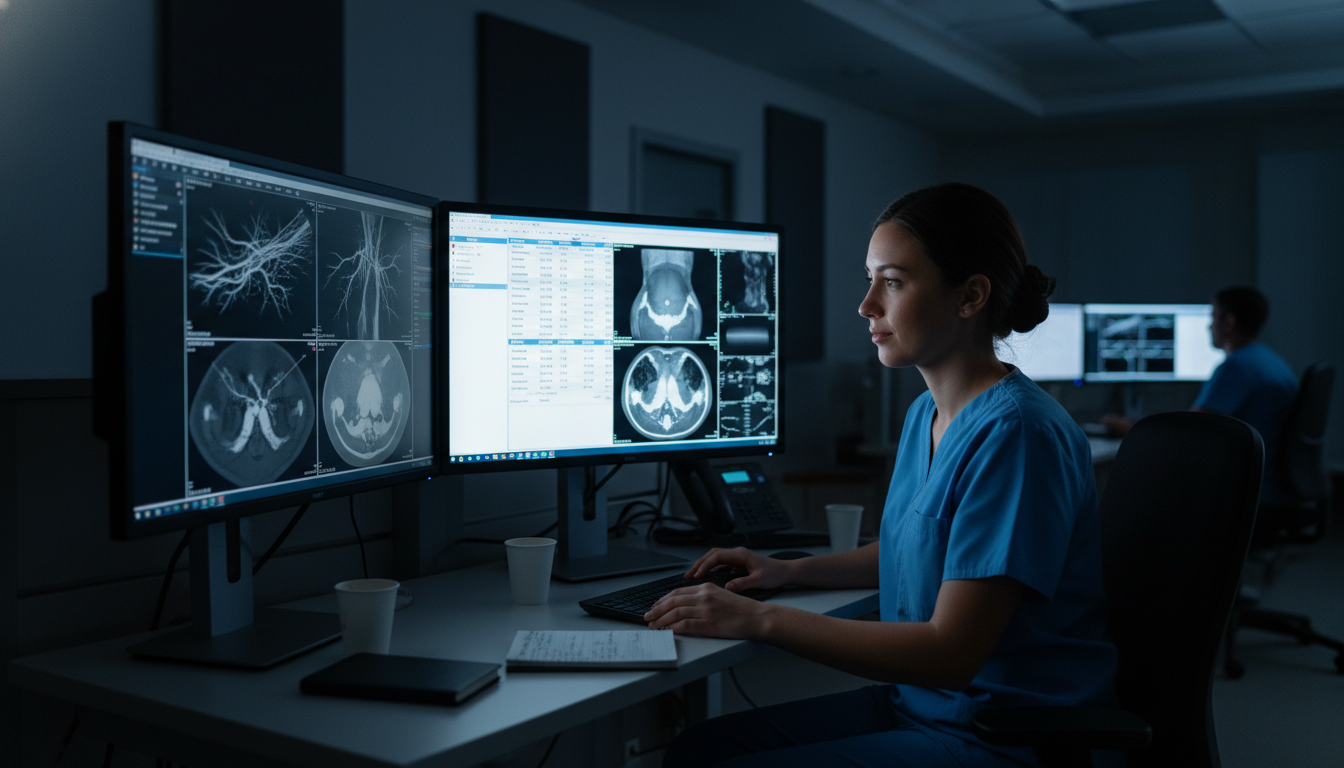
- Observing contouring of tumors and normal tissues on imaging
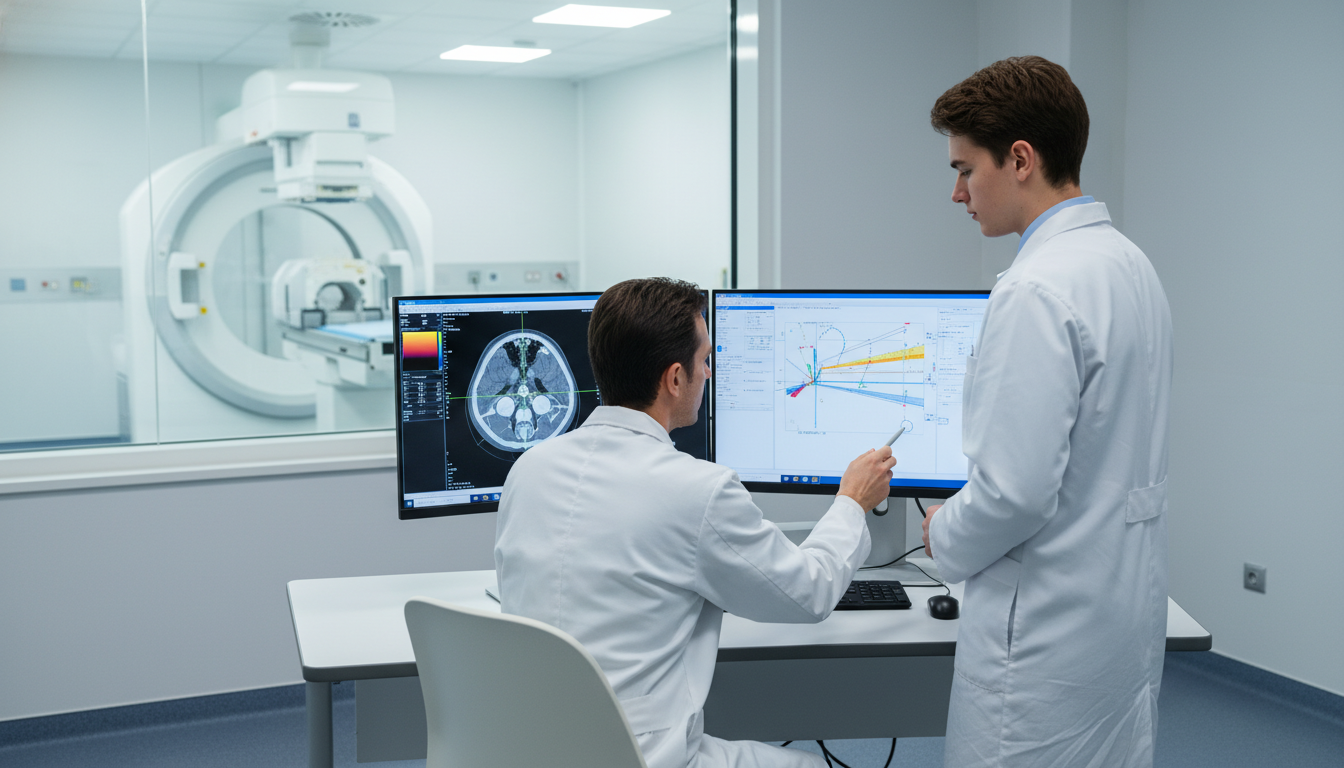
- Participating in treatment planning sessions with physicists and dosimetrists
On-treatment visits (OTVs):
- Weekly or more frequent check-ins during radiation
- Assessing side effects and adjusting supportive care
- Addressing patient concerns and monitoring treatment tolerance
Follow-up clinics:
- Surveillance for recurrence
- Managing late effects of treatment
- Coordinating survivorship care
Multidisciplinary tumor boards:
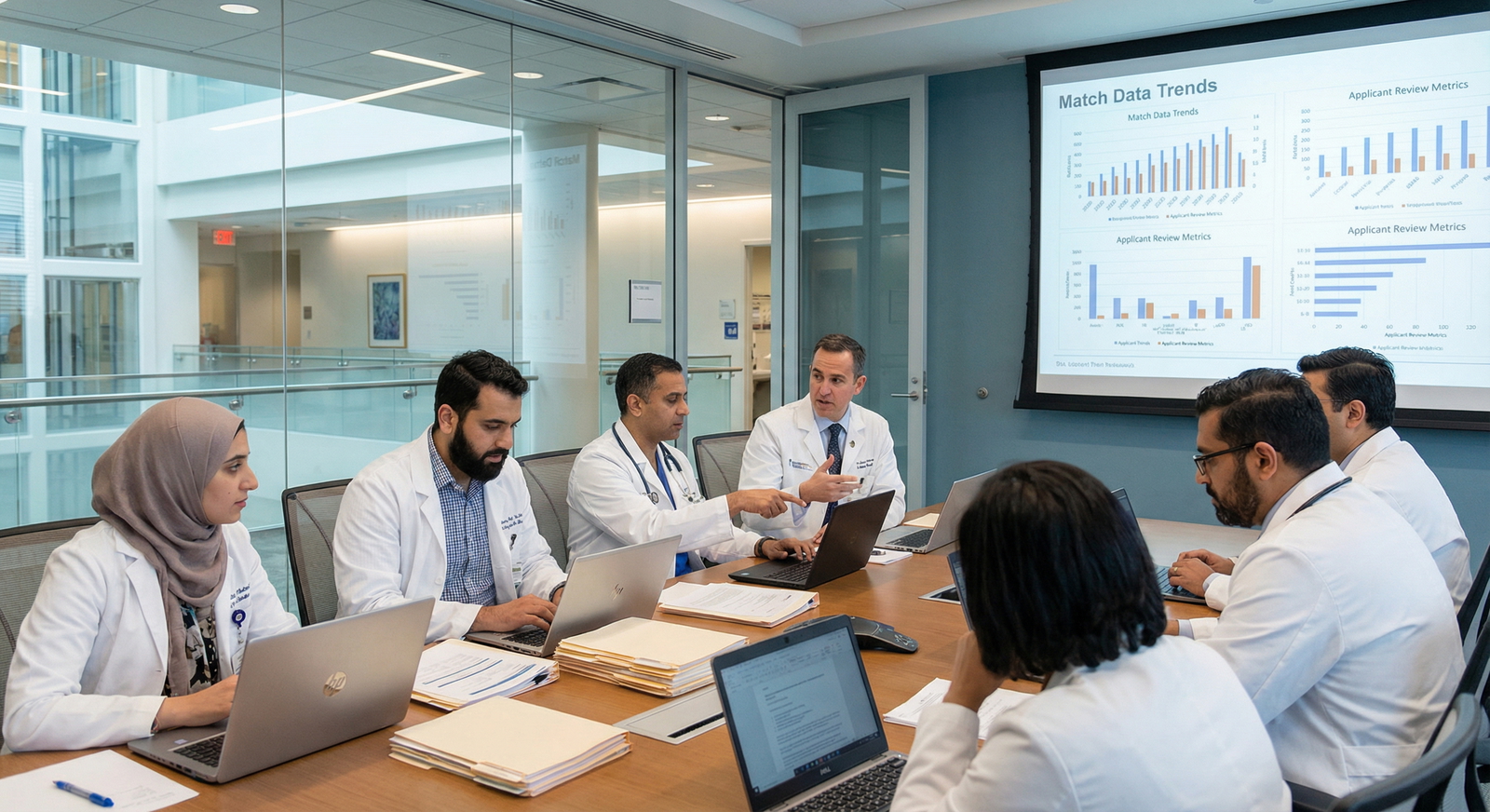
- Discussing complex cases with medical oncologists, surgeons, radiologists, pathologists, and others
- Observing how treatment recommendations are debated and refined
Shadowing lets you see this full spectrum and decide whether radiation oncology aligns with your interests: patient relationships, imaging, physics/technology, and cancer care.
Why Shadowing Is Especially Important for Radiation Oncology
Radiation oncology is a relatively small field, and not all medical schools offer robust rotations, especially early in training. That’s where medical shadowing becomes crucial:
Clarifies genuine interest:
Programs increasingly want evidence that applicants understand the specialty. Shadowing shows you’ve done your homework beyond reading a textbook.Strengthens your rad onc match narrative:
You can point to concrete experiences—patients you met, clinics you attended, tumor boards you observed—when explaining “Why radiation oncology?” in personal statements and interviews.Provides mentors and advocates:
Early shadowing can lead to research, letters of recommendation, or formal electives later on.Helps you differentiate similar fields:
If you’re also considering medical oncology, surgical oncology, interventional radiology, or diagnostic radiology, shadowing in rad onc helps you compare patient contact, procedural work, and lifestyle.
How to Find Shadowing in Radiation Oncology
Many students struggle with the very basic question: how to find shadowing opportunities in such a specialized field? Fortunately, there are several reliable pathways.
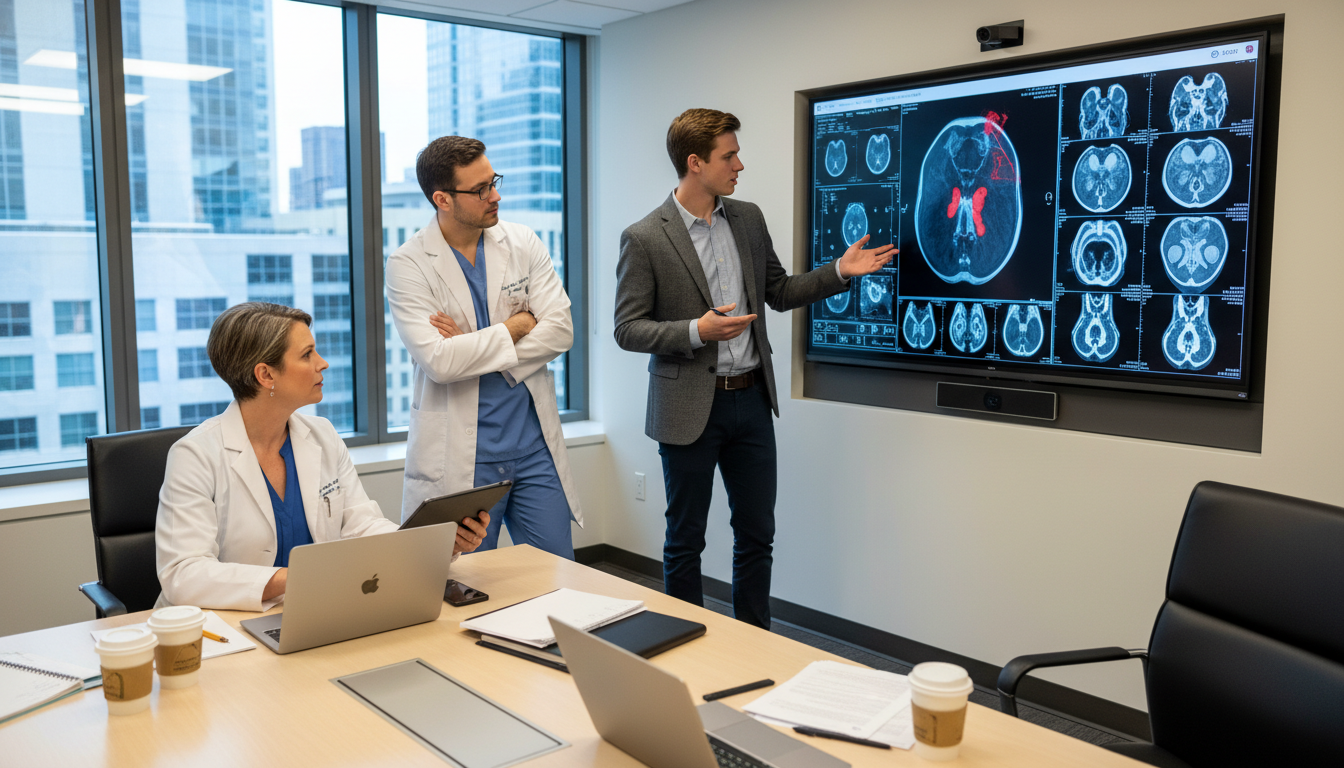
Start Within Your Own Institution
If your school has an affiliated cancer center or radiation oncology department, start there.
1. Check your school’s resources
- Look for:
- A radiation oncology interest group
- A cancer center education office
- A clinical rotations coordinator
- A student affairs dean with specialty contacts
They often know exactly who is open to student shadowing.
2. Identify faculty and residents
Browse your institution’s radiation oncology department website. Note:
- Faculty whose interests match yours (e.g., breast, CNS, peds, GU, thoracic, palliative)
- Program director and associate PDs
- Chief residents or education chief
These people are usually invested in medical education and more likely to respond.
3. Craft a concise introductory email
When you reach out, keep it short, specific, and professional. Include:
- Who you are (school, year)
- Your interest in exploring radiation oncology
- A brief reason (e.g., cancer interest, imaging, patient relationships)
- A clear ask for shadowing during a rough timeframe
Avoid asking directly about letters or research in your very first message—focus on learning and exposure.
Options If Your School Has Limited or No Rad Onc
If your institution lacks a radiation oncology department, you still have options.
1. Regional academic centers
Search “[Your city/region] radiation oncology program” or “[State] NCI-designated cancer center.” Many academic centers accept outside students for informal shadowing, even before formal visiting rotations.
When emailing, acknowledge you’re from another institution and emphasize that you’re only seeking informal observation initially, not credit.
2. Community and private practice centers
Private practices and community cancer centers often welcome motivated students, especially for brief observational shadowing. Strategies:
- Use Google Maps to search “radiation oncology near me”
- Check hospital websites and independent cancer center websites
- Call the front desk and ask to be connected with the practice manager or physician who handles student observers
Be prepared to complete HIPAA training and sign confidentiality forms.
3. National organizations and mentorship programs
Professional societies sometimes maintain mentorship or shadowing directories:
- American Society for Radiation Oncology (ASTRO)
- Specialty interest groups, diversity initiatives, or pipeline programs
Check their student sections for guidance on how to find shadowing and mentors.
Using Networking to Unlock Shadowing Opportunities
Many shadowing opportunities come through simple networking:
- Ask internal medicine or oncology faculty if they know any radiation oncologists.
- Talk to residents in related fields (e.g., diagnostic radiology, heme/onc) who may have contacts.
- Use alumni networks from your medical school or undergraduate institution.
- Attend tumor boards or oncology grand rounds and introduce yourself afterward.
Preparedness and professionalism go a long way—if you show genuine interest and reliability, faculty will often make space for you.
Logistics, Preparation, and Shadowing Hours: What You Need to Know
Understanding the practical side of medical shadowing in radiation oncology will help you get started efficiently and avoid missteps—especially with questions around shadowing hours needed and documentation.
How Many Shadowing Hours Do You Need?
There’s no universal “magic number” of shadowing hours needed for a strong rad onc match, but some rough benchmarks are useful:
- Exploration stage (early preclinical):
- 8–20 hours is usually enough to understand daily workflow and gauge fit.
- Building a rad onc application:
- 20–40+ hours total, often spread over multiple days or weeks, shows sustained interest.
- Highly committed applicants (especially without a home program):
- Multiple shadowing experiences (e.g., 2–3 different sites) plus formal electives or away rotations matter more than raw hour count.
Residency programs rarely ask for precise shadowing hours in radiation oncology. What matters more is:
- Can you articulate what the specialty involves?
- Do your experiences and narrative demonstrate real understanding and commitment?
- Do you have relationships with mentors who know you well?
Scheduling and Structuring Your Time
Most radiation oncology clinics run during standard daytime hours, usually Monday–Friday. Typical options:
Single-day immersion (6–8 hours):
A good introduction—see consults, OTVs, and possibly planning or simulation.Multiple half-days over several weeks:
Allows you to see the same patients longitudinally as they progress through treatment.Block experience (1–2 weeks):
More like a mini-rotation; best if you’re strongly considering the specialty.
Be upfront with the physician about your availability and goals so they can tailor your time:
- One day heavy on new consults and tumor board
- Another focusing on simulation and planning sessions
- Another centered on OTVs and follow-ups
Institutional Requirements and Paperwork
Before your first day, be prepared for:
- HIPAA/confidentiality agreements
- Immunization and TB documentation
- Student ID or temporary badge
- Possible OSHA/infection control training modules
If you’re from another institution, this may be coordinated through:
- The department’s education coordinator
- The hospital’s volunteer office or medical education office
Build in at least 2–4 weeks between your initial inquiry and desired start date to allow for paperwork.
How to Prepare Before You Start Shadowing
A bit of preparation dramatically improves what you’ll get out of shadowing.
Core topics to review (at a high level):
- Basic principles of radiation therapy:
- Ionizing radiation, dose (Gy), fractions
- External beam vs. brachytherapy
- Common disease sites managed by radiation oncology:
- Breast, prostate, lung, head & neck, brain, cervix, rectum, palliative bone mets
- Treatment intent:
- Curative vs. adjuvant vs. neoadjuvant vs. palliative
Resources:
- Intro chapters in an oncology or radiation oncology textbook
- ASTRO resources for medical students
- Short review articles on “What is radiation oncology?”
You don’t need to be an expert, but knowing basic vocabulary (simulation, contouring, planning, dose, fractions, OTV) helps you follow what’s happening and ask better questions.
What to Expect During a Radiation Oncology Shadowing Day
Many students arrive unsure what they’re “allowed” to do. Understanding the typical flow of a day helps you feel more comfortable and professional.

Clinic Activities You Might Observe
Depending on the site and your preceptor’s schedule, you may see:
New patient consultations
- Introduction to the patient as “a medical student who is shadowing today”
- Detailed history and physical
- Review of imaging and pathology on the computer
- Discussion of:
- Treatment options (surgery, chemo, radiation)
- Radiation techniques (IMRT, SBRT, 3D-CRT, brachytherapy)
- Potential side effects and expected outcomes
Simulation and treatment planning
- Patient positioned on the CT sim table
- Use of immobilization devices (masks, vacuum cushions, breast boards)
- Marking or tattooing for reproducible positioning
- Afterward:
- Observing contouring on a workstation
- Seeing how dosimetrists and physicists shape dose to tumor while sparing organs at risk
On-treatment visits (OTVs)
- Weekly follow-ups during radiation
- Focus on acute toxicities (skin reaction, fatigue, mucositis, nausea, diarrhea, etc.)
- Adjusting medications and supportive care
- Opportunity to observe how physicians balance empathy, reassurance, and pragmatism
Follow-up visits
- Discussion of imaging surveillance
- Late side effects and survivorship issues
- Coordination with other oncology providers
Tumor boards and multidisciplinary meetings
- Presentation of patient cases with imaging and pathology
- Discussion among surgeons, medical oncologists, radiation oncologists, radiologists, and others
- Excellent venue to see how treatment decisions are made in complex cases
Your Role as a Shadowing Student
The scope of what you can do varies by institution and supervision level. In most shadowing experiences, you can:
- Observe all clinical encounters (with patient permission)
- Ask questions between patients or at designated times
- Review imaging briefly with the physician
- Attend tumor boards and teaching conferences
You typically cannot:
- Independently examine patients
- Provide medical advice
- Enter notes into the chart (unless it’s a formal clinical elective with appropriate permissions)
If offered, you might:
- Pre-read charts or imaging
- Ask to practice formulating an assessment and plan verbally for your own learning, clearly labeled as educational only
Professional Etiquette and Best Practices
To make a strong impression:
Arrive early (10–15 minutes)
Dress appropriately:
- Business casual with white coat (if this is standard at your institution)
- Closed-toe shoes; minimal accessories
Introduce yourself to staff:
- Receptionists, nurses, radiation therapists, physicists, dosimetrists—they are crucial to the department and often excellent teachers.
Respect patient autonomy:
- Always allow the physician to introduce you
- If a patient declines your presence, step out without protest
Stay engaged but not intrusive:
- Take brief notes
- Maintain eye contact, avoid phone use
- Ask questions at appropriate times (e.g., after the encounter, walking between rooms)
Maintain strict confidentiality:
- Don’t discuss patient details outside the clinical context
- Don’t take photos or record anything on personal devices
Turning Shadowing Into a Stronger Rad Onc Application
Shadowing alone will not secure a radiation oncology residency position—but it can be a powerful foundation for the rest of your preparation if you use it strategically.
Clarifying Your “Why Radiation Oncology?” Story
After your experience, reflect on:
- What aspects of radiation oncology resonated with you most?
- Patient relationships? Imaging? Longitudinal cancer care? Technology and physics?
- Were there any patient interactions that deeply affected you?
- How does rad onc align with your values and strengths?
Summarize 2–3 specific moments you can later use in:
- Personal statement
- ERAS experiences descriptions
- Interview answers
Example:
“During shadowing, I saw a patient with metastatic bone disease whose pain dramatically improved after palliative radiation. Observing how the radiation oncologist addressed both the patient’s symptoms and emotional distress crystallized my interest in using technology to directly improve quality of life.”
Building Longitudinal Relationships and Mentorship
Shadowing is often the first step toward deeper involvement. Concrete next steps:
At the end of your shadowing period, ask:
- “Are there any research or quality improvement projects that students can get involved with?”
- “Would you recommend any additional reading or experiences to learn more about radiation oncology?”
Maintain contact:
- Send a thank-you email within 24–48 hours
- Periodically update mentors on:
- Your progress in medical school
- Related research or projects
- Your decision to pursue (or not pursue) radiation oncology
These relationships can lead to:
- Research opportunities
- Letters of recommendation from people who know you well
- Guidance on electives, away rotations, and the rad onc match process
Documenting and Describing Your Shadowing
Even though ERAS doesn’t have a specific “shadowing hours” field, documenting your experiences helps when you complete applications and prepare for interviews.
Track:
- Location and supervising physician
- Dates and approximate hours
- Types of activities observed (clinic, tumor board, simulation, brachytherapy, etc.)
- Memorable cases or learning points
Later, you can craft a concise ERAS experience entry, framed more as “Clinical Observation in Radiation Oncology” or “Introductory Observership in Radiation Oncology” describing:
- What you saw
- How it shaped your understanding of the field
- Any follow-up research or projects that emerged
Shadowing vs. Formal Rotations vs. Research
For the rad onc match, a well-rounded profile typically includes:
- Shadowing: Early, exploratory; builds initial understanding and interest.
- Formal clinical electives or away rotations: Later, more intensive, where you’re evaluated and can earn strong letters.
- Research: Ideally in oncology or radiation oncology, but general scholarly activity also helps.
Shadowing is most valuable:
- Early in training—to decide whether to commit further.
- For students at schools without a home radiation oncology program—to gain any exposure.
It’s less important as an isolated metric of competitiveness and more as a springboard to more substantive involvement.
Common Pitfalls and How to Avoid Them
Even well-intentioned students can make missteps that limit what they gain from shadowing. Being aware of common errors will help you stand out positively.
Being Passive or Unprepared
Pitfall: Standing silently in the corner, never asking questions, and leaving with little insight beyond “it was interesting.”
Avoid it by:
Reviewing basics before your first day
Coming with 3–5 thoughtful questions, such as:
- “How do you explain the difference between curative and palliative radiation to patients?”
- “What factors go into deciding whether a patient is a candidate for SBRT?”
- “How do you balance clinic time with contouring and planning responsibilities?”
After each patient, asking (when appropriate):
- “Could you walk me through how you decided on this dose and fractionation?”
- “What were the main considerations in recommending radiation vs. other options here?”
Overstepping Boundaries
Pitfall: Trying to do too much (e.g., offering opinions in front of patients, touching equipment without permission, discussing sensitive topics).
Avoid it by:
- Letting the physician lead the encounter
- Saving clinical questions for outside the exam room
- Never stating an opinion about a patient’s treatment unless explicitly asked in an educational context, and only when the patient is not present
Ignoring the Broader Team
Pitfall: Focusing only on attendings and ignoring other professionals.
Avoid it by:
Spending time with:
- Radiation therapists at the machines
- Medical physicists in the planning area
- Dosimetrists shaping treatment plans
- Nurses and nurse practitioners managing patient symptoms
Asking respectful questions about their roles—for example:
- “How do you coordinate with the physician when setting up treatments?”
- “What does your typical day look like in treatment planning?”
You’ll gain a much more complete understanding of how the department operates and how radiation oncologists rely on the whole team.
Frequently Asked Questions (FAQ)
1. How many shadowing hours do I need in radiation oncology to be competitive for residency?
There is no fixed number of shadowing hours needed for the rad onc match. Programs focus more on:
- Demonstrated understanding of the specialty
- Consistent interest over time
- Substance of your clinical, research, and elective experiences
Roughly 20–40 hours of meaningful exposure—combined with later electives and/or research—is generally sufficient to support a convincing narrative. More important than raw hours is your ability to articulate what you learned and how it shaped your decision.
2. When is the best time in medical school to do radiation oncology shadowing?
Ideal windows include:
- Preclinical years (M1–M2):
- Short shadowing experiences (a few days) to decide whether to explore further.
- Early clinical years (M3):
- More focused shadowing or short electives to confirm interest and prepare for formal rad onc rotations in M4.
If your school doesn’t have a home program, earlier is better so you can plan away rotations, research, or visiting electives later on.
3. How do I ask a radiation oncologist for research or letters of recommendation after shadowing?
First, focus on building genuine rapport. After you’ve spent some time shadowing and demonstrated reliability:
- Ask near the end of your shadowing or in a follow-up email:
- “I’ve really enjoyed learning from you and am strongly considering radiation oncology. If there are any projects or research efforts where a motivated student could help, I’d love to be involved.”
For letters of recommendation, it’s generally better to:
- Complete a formal elective or research experience with them so they can assess your work directly.
- Once they know you well, ask explicitly:
- “Do you feel you know me well enough to write a strong letter of recommendation for my residency application in radiation oncology?”
4. Can I shadow in radiation oncology if my school doesn’t have a rad onc department?
Yes. You may need to be more proactive, but it’s very possible:
- Reach out to regional academic centers and nearby community radiation oncology practices.
- Explain that your institution lacks a home program and you’re seeking observational exposure.
- Be flexible with timing and willing to complete any necessary paperwork or training.
Many departments are sympathetic to students in this position and will accommodate motivated applicants, especially if you demonstrate professionalism and clear interest.
A thoughtful, well-planned medical shadowing experience in radiation oncology can do far more than check a box. It can clarify whether this technology-rich, patient-centered specialty matches your interests, introduce you to mentors, and give you authentic stories and insights that strengthen your path to the rad onc match. By approaching shadowing with preparation, curiosity, and professionalism, you’ll get a far richer understanding of both the science and the humanity that define radiation oncology.