Understanding Residency Burnout in Nuclear Medicine
Residency burnout prevention in nuclear medicine is both a personal and a systems-level challenge. As a resident, your days are filled with image interpretation, protocol optimization, radiation safety consideration, and interdisciplinary communication. While nuclear medicine may be perceived as “lifestyle friendly” compared with some procedural or shift-based specialties, physician burnout is still common—and often under-recognized.
Burnout is typically described through three core dimensions:
- Emotional exhaustion – feeling drained, overwhelmed, or depleted by work.
- Depersonalization – growing cynicism, irritability, or detachment from patients and colleagues.
- Reduced sense of personal accomplishment – feeling ineffective, inadequate, or questioning your choice of specialty.
In the context of a nuclear medicine residency, burnout may present differently from other fields:
- Long periods in dark reading rooms with minimal movement
- Cognitive fatigue from high-stakes interpretation and reporting
- Pressure to keep up with evolving imaging technology and theranostics
- Responsibility for radiation safety, dosing, and quality control
- Juggling call, board preparation, and research or quality improvement projects
As the nuclear medicine match becomes more competitive and the field continues to evolve (e.g., theranostics, hybrid imaging like PET/MR), expectations of productivity and expertise can escalate. Without intentional medical burnout prevention strategies, that pressure can easily evolve into chronic residency burnout.
The goal of this guide is to equip you with practical, specialty-specific tools to maintain performance, well-being, and a sustainable career in nuclear medicine.
Unique Stressors in Nuclear Medicine Residency
While some burnout factors are universal across specialties, nuclear medicine has distinct features worth naming explicitly. Recognizing these helps you design targeted preventive strategies.
1. Cognitive Load and “Invisible” Pressure
Nuclear medicine residents are responsible for:
- Interpreting complex hybrid studies (e.g., PET/CT, SPECT/CT) with both anatomic and functional data
- Integrating oncology, cardiology, endocrinology, and neurology knowledge into reports
- Understanding nuanced radiopharmaceutical behavior, biodistribution, and artifacts
- Making decisions that directly influence staging, therapy response assessment, and treatment planning
Most of this work happens behind the scenes—few patients see you, and other clinicians sometimes underestimate the complexity of your role. This invisible pressure can create a sense that you must be perfect yet may not be fully appreciated when things go well.
2. High-Responsibility, Low-Visibility Environment
A nuclear medicine resident’s work product—accurate, timely reports—carries significant medicolegal and clinical responsibility. Yet:
- Your interaction with patients may be brief (e.g., consenting for a procedure, explaining a scan, or for therapy administration).
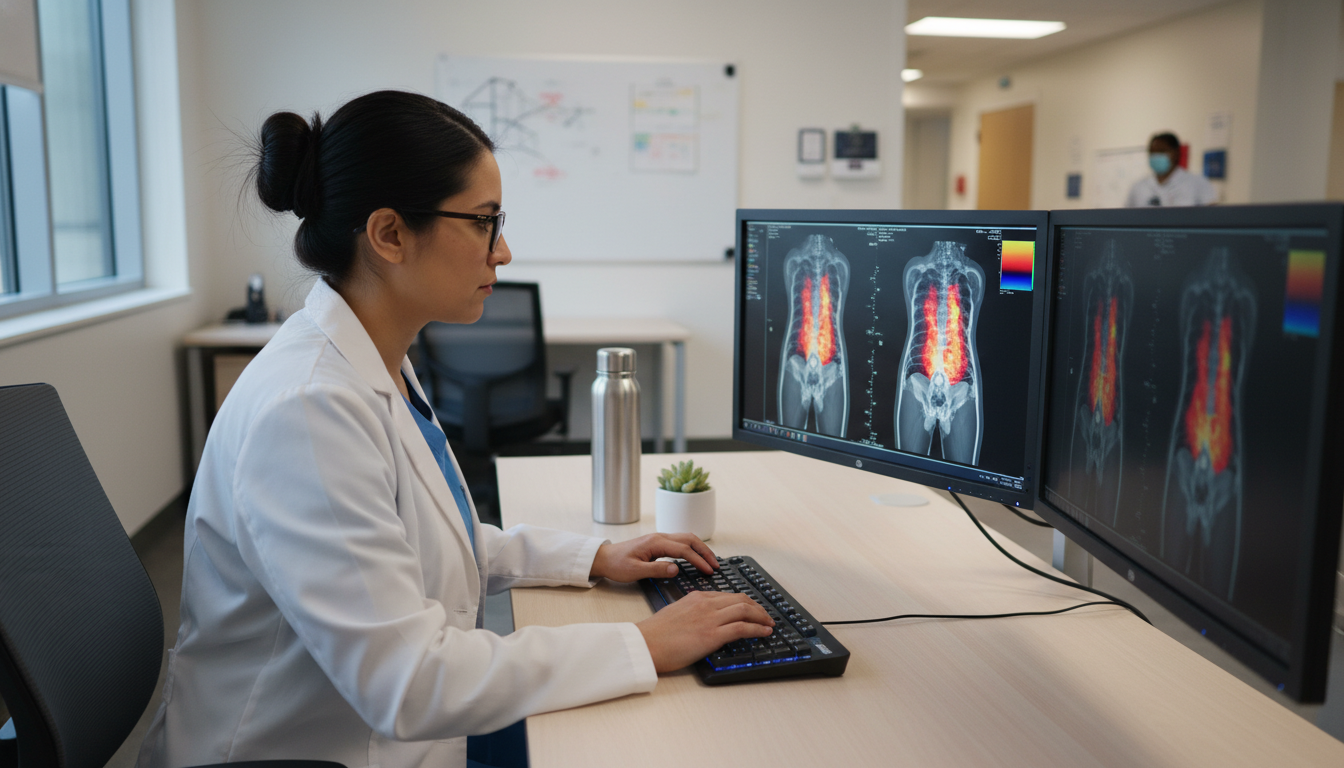
- You may spend most of your day in dimly lit rooms with limited interaction beyond your reading buddy and supervising attending.
- Errors may be rare but high-impact, adding intense mental pressure.
This mismatch of responsibility and daily feedback can undermine a sense of meaning and accomplishment if not addressed.
3. Technology-Driven Pace and Constant Learning
Nuclear medicine is technology-intensive and fast-evolving:
- New tracers, particularly in oncology and cardiology
- Evolving theranostic protocols (e.g., Lu-177, I-131, novel targeted agents)
- Upgrades to SPECT/CT, PET/CT, PET/MR, and AI-assisted image analysis
- Frequent protocol and reporting standard changes
Keeping up—on top of your clinical duties and board exam preparation—can feel relentless, especially during critical years of the nuclear medicine residency and the nuclear medicine match process.
4. Workflow and Schedule Challenges
Although many nuclear medicine services have relatively stable hours, there are stressors that can contribute to residency burnout:
- Early arrival to check doses, calibrations, and camera QC
- Managing tight patient schedules, tracer delivery windows, and imaging sequences
- Unexpected emergent scans (e.g., V/Q scans, urgent PET/CTs)
- Competing demands: clinical workload, didactics, research, and board prep
- Call responsibilities, especially in combined programs (e.g., radiology–nuclear medicine)
These stressors often accumulate in ways that are less dramatic than trauma or overnight ED call but still erode resilience over time.

Early Warning Signs of Burnout in Nuclear Medicine Residents
Preventing residency burnout starts with identifying its early warning signs. In nuclear medicine, these signs can be subtle—often dismissed as “just fatigue” during a busy block.
Emotional and Cognitive Signs
- Irritability during minor workflow disruptions (e.g., delayed doses or IT issues)
- Growing cynicism about referrers, “bad” consults, or certain services
- Difficulty concentrating when scrolling through large datasets or multiple reconstructions
- Persistent anxiety about missing a small lesion or mis-staging a patient
- Feeling dread before rotations you used to enjoy, such as PET/CT or therapy clinic
Behavioral and Performance Changes
- Procrastination on reading or dictating routine studies
- Avoidance of complex cases, pushing them off as long as possible
- Increased reliance on templates without engaging deeply in each case
- More frequent minor mistakes, such as dictation errors or overlooked details
- Skipping teaching conferences or post-call didactics “just to catch up”
Physical and Lifestyle Symptoms
- Headaches or eyestrain after relatively short periods at the workstation
- Poor sleep, difficulty winding down after call or late days
- Over-reliance on caffeine or energy drinks to get through the reading list
- Inactivity: days pass where you barely leave the reading room
- Weight changes, GI issues, or frequent minor illnesses
Loss of Meaning and Connection
- Questioning whether the specialty is “worth it” or whether you chose incorrectly
- Feeling that your work is transactional: “just another PET, just another report”
- Decreased interest in reading new literature or attending national meetings
- Detachment from the patient impact of your images and reports
Addressing these signs early improves outcomes dramatically. You do not have to wait until complete exhaustion or major performance issues arise to act.
Individual-Level Strategies: Building a Personal Burnout Prevention Plan
Effective medical burnout prevention for nuclear medicine residents requires a personalized, realistic plan matched to the realities of your schedule and environment. Below are core domains to focus on, with specialty-specific examples.
1. Daily Micro-Habits in the Reading Room
Because you spend much of the day at a workstation, small changes can have outsized effects.
Ergonomics and Environment
- Request an ergonomic assessment of your workstation. Adjust:
- Chair height and lumbar support
- Monitor height and distance
- Keyboard and mouse position to avoid strain
- Use blue-light filters or settings during long reading stretches.
- Keep a water bottle and a light snack within reach to avoid dehydration and hypoglycemia.
Movement and Breaks
- Apply the “20-20-2” principle:
- Every 20–30 minutes, briefly look at something 20 feet away
- Every 2 hours, stand and walk for 2–3 minutes (even just down the hall)
- If possible, batch studies: review a set, dictate, then walk briefly before the next batch.
- Use breaks deliberately instead of mindlessly scrolling your phone: stretch, hydrate, step into natural light if available.
Mental Reset Techniques
- Before starting a complex PET/CT, take one slow, deep breath and set an intention:
- “One scan at a time.”
- “I will read carefully, not quickly.”
- Between challenging cases, take 30–60 seconds to let your mind reset instead of immediately clicking “next.”
2. Time Management and Cognitive Load Control
Nuclear medicine can feel overwhelming when work piles up or your schedule feels chaotic.
Case-Load Management
- At the start of each day, quickly assess:
- Number and complexity of pending studies
- Known therapy appointments (e.g., radioactive iodine or Lu-177)
- Any scheduled multidisciplinary conferences
- Ask your attending to prioritize cases together (“What needs to be done first?”). This both clarifies expectations and models good workflow management.
Cognitive Offloading
- Develop checklists for:
- PET/CT staging reports (lymph node stations, common metastasis sites)
- Cardiac SPECT stress/rest reporting
- Thyroid or parathyroid scintigraphy interpretation points
- Use smart phrases or structured reporting systems wisely—not to cut corners, but to free brainpower for truly interpretive tasks.
Protected Learning Time
- Block small, recurring time windows (e.g., 20–30 minutes at lunch or end of day) for:
- Board prep questions
- Reading key articles or guidelines
- Reviewing interesting cases from earlier in the week
- Protect these blocks as much as possible—treat them like an appointment.
3. Preserving Meaning and Professional Identity
Burnout thrives where meaning gets lost. Nuclear medicine offers strong opportunities to reconnect with professional purpose.
Reconnecting With the “Why”
- When reading scans on known cancer patients, pause for 10–15 seconds to consider:
- “What decision will this report help the oncologist make?”
- “What does this exam mean in this patient’s treatment journey?”
- When possible, attend tumor boards and therapy clinics; seeing how your interpretations shape care reinforces the importance of your work.
Actively Seeking Feedback
- Ask attendings specific questions:
- “What’s one thing I did well in that PET report?”
- “What’s one thing I should start working on for board-level interpretation?”
- Positive and constructive feedback improves competence, confidence, and connection with mentors—key antidotes to burnout.
Nurturing Professional Growth
- Identify a niche that excites you: theranostics, neuroimaging, cardiac nuclear imaging, or AI applications.
- Engage in a small, manageable project: a case report, QI initiative, or small research study. Start with something that can realistically move forward in 3–6 months.
4. Physical Health and Sleep Hygiene
Neglecting physical health quietly fuels physician burnout.
Sleep Strategies
- Maintain as consistent a sleep-wake schedule as possible, even on non-call days.
- Use a “shutdown” ritual 30–45 minutes before bed:
- No work emails or exam questions
- Gentle stretching, reading for pleasure, or calming audio
- If post-call, sleep in controlled intervals (e.g., 3–4 hours first, short wake period, then another nap) rather than erratic naps all day that disrupt overnight sleep.
Physical Activity
- Aim for realistic, not ideal. During intense rotations:
- 10–15 minutes of brisk walking before or after work, or at lunch
- Short body-weight or resistance-band workouts at home 2–3 times/week
- Pair movement with existing habits: listen to board review audio while walking or stretching.
Nutrition Basics
- Plan for the reality of your schedule:
- Keep healthy shelf-stable snacks at work (nuts, protein bars, oatmeal cups).
- Bring a simple, balanced lunch when possible: protein, complex carbs, and vegetables.
- Hydrate consistently; mild dehydration can worsen fatigue and headaches during prolonged screen time.
5. Mental Health and Professional Support
No burnout prevention plan is complete without addressing mental health head-on.
- Normalize help-seeking. If you notice persistent low mood, anxiety, or functional impairment, consider:
- Confidential counseling services through your GME office
- Employee assistance programs
- Peer support systems
- Learn basic stress-response tools:
- 4-7-8 breathing or box breathing exercises between demanding tasks
- Brief grounding techniques (e.g., 5-4-3-2-1 sensory scan) after a stressful call
- If you have a history of depression or anxiety, establish care with a mental health professional early in residency, not only when crisis hits.

Team and System-Level Strategies: Shaping a Healthier Nuclear Medicine Culture
Individual strategies matter, but medical burnout prevention is not solely a personal responsibility. Nuclear medicine departments and residency programs have powerful levers to reduce physician burnout.
1. Program-Level Workflow and Call Design
Residency leadership can:
- Structure rotations to balance high-intensity blocks (e.g., PET-heavy services, therapy weeks) with lighter rotations or dedicated research/education weeks.
- Design call schedules that:
- Avoid excessive consecutive nights
- Provide true post-call recovery time
- Clarify responsibilities between nuclear medicine, radiology, and other services
- Monitor RVUs or case volumes relative to resident staffing and adjust expectations accordingly.
As a resident, you can:
- Provide constructive, data-driven feedback:
- Track case volumes, average hours stayed late, or bottlenecks in workflows.
- Share this data with chiefs or program leadership alongside suggested solutions.
- Participate in committees or workgroups addressing scheduling, call, and wellness.
2. Supervisory and Mentorship Practices
Attending physicians and senior residents are critical in shaping a culture that reduces residency burnout.
Healthy supervision includes:
- Clear expectations at the start of each rotation:
- “Here’s what a typical day looks like.”
- “Here’s how many studies you should aim to read by the end of this month.”
- Real-time teaching that is:
- Focused and clinically relevant
- Encouraging rather than shaming when errors occur
- Tailored to your level of training
As a resident, you can request:
- A brief mid-rotation check-in (even 10 minutes) to discuss progress and stressors.
- Feedback on your workflow, not just your image interpretation: “How can I structure my day more efficiently on this service?”
3. Fostering Collegiality and Peer Support
Isolation accelerates residency burnout, especially in a reading-room-based specialty.
Actions that help:
- Peer case review sessions: informally review challenging or interesting cases with co-residents weekly. This builds learning and connection.
- Shared wellness practices:
- Short mid-day “walk rounds” where a small group steps outside together.
- Group attendance at departmental wellness events or institutional workshops.
- Resident-led teaching: junior residents benefit from near-peer teaching by seniors, while seniors gain confidence and fulfillment from mentoring.
4. Institutional Resources and Advocacy
Most hospitals now recognize physician burnout as a serious risk to patient safety and organizational health.
As a nuclear medicine resident, you can:
- Learn what is available:
- Wellness offices
- Free or low-cost counseling
- Mindfulness or resilience training programs
- Protected time for medical appointments or mental health visits
- Advocate for:
- Protected wellness didactics (e.g., quarterly sessions on burnout prevention)
- Inclusion of nuclear medicine–specific topics in institutional wellness programming
- Quiet rest spaces near the imaging department for breaks or post-call recovery
When residents from multiple specialties voice coordinated, thoughtful suggestions, institutional change is more likely.
Integrating Burnout Prevention Into the Nuclear Medicine Match and Career Planning
Preventing burnout does not start on day one of residency; it begins during the nuclear medicine match process and early career planning.
1. Evaluating Programs Through a Wellness Lens
When interviewing or ranking programs, ask targeted questions about:
- Workload and schedule
- “What is the typical daily schedule for nuclear medicine residents?”
- “How are call responsibilities structured, especially for hybrid radiology–nuclear medicine programs?”
- Culture and mentorship
- “How accessible are attendings for questions and feedback?”
- “Is there a formal or informal mentorship system for nuclear medicine residents?”
- Wellness and support
- “What resources exist for residents experiencing burnout or mental health issues?”
- “Are there protected wellness or professional development sessions?”
Observe how residents respond; their tone and specifics often speak louder than program brochures.
2. Aligning Specialty Choice With Personal Values
Nuclear medicine attracts residents who value:
- Deep diagnostic reasoning and pattern recognition
- Technology and innovation
- Longitudinal involvement in complex patient care (especially oncology)
- Interdisciplinary collaboration
Reflect on how these align with your own drivers of meaning. Burnout is more likely when there is a persistent misalignment between what you value and what the work demands.
3. Planning for a Sustainable Career Path
Think beyond residency:
- Consider how you envision:
- Clinical vs. academic balance
- Exposure to theranostics, research, or teaching
- Integration with radiology or subspecialization
- Seek mentors who can speak honestly about:
- Their own experiences with physician burnout
- What they would have done differently earlier in their careers
- Strategies they use now to maintain sustainability
Deliberate planning early on allows you to design a path that is both professionally satisfying and personally sustainable.
Putting It All Together: A Sample Weekly Burnout Prevention Plan
To translate ideas into action, here’s an example of how a nuclear medicine resident might structure a week with medical burnout prevention in mind.
Daily (Mon–Fri)
- 2–3 minutes of stretching before starting at the workstation
- “One scan at a time” pause before each new complex PET/CT
- 1–2 brief walks (2–3 minutes) after finishing each reading batch
- Hydration goal: one full water bottle by noon, one by late afternoon
- 10–15 minutes of board prep or case review at lunch or end of day
- 30-minute evening wind-down routine without screens before bed
Twice Weekly
- Short exercise session (20–30 min walk, jog, home workout)
- Brief check-in text or coffee with a co-resident to share challenges and successes
Weekly
- Attend tumor board or therapy clinic to reconnect with patient impact
- Identify one case to review with an attending for deeper learning
- Reflect for 5–10 minutes on:
- What brought meaning this week?
- What felt draining, and how might I adjust?
Monthly
- Schedule a brief mentorship conversation (even informal) with an attending or senior resident
- Reassess personal goals: academic, clinical, and wellness-related
The specifics will vary for you, but the principle is constant: intentional, small, consistent actions prevent residency burnout far more effectively than occasional, dramatic interventions when crisis hits.
FAQs: Residency Burnout Prevention in Nuclear Medicine
1. Is nuclear medicine less prone to residency burnout than other specialties?
Nuclear medicine is often perceived as having more predictable hours than some procedural or shift-based specialties, which can be protective. However, physician burnout still occurs due to cognitive load, high responsibility, rapid technological change, and sometimes limited visibility and recognition. Burnout risk is not negligible; it is just different in nature, emphasizing mental fatigue and isolation more than physical overwork in many programs.
2. How can I tell if my stress is normal or if I’m actually burned out?
Transient stress around exams, call, or new rotations is common. Concern arises when you notice:
- Persistent exhaustion not relieved by rest
- Cynicism or detachment from patients, colleagues, or the specialty
- Decreased effectiveness at work or frequent errors
- Loss of interest in learning or in previously enjoyable aspects of nuclear medicine
If these persist for weeks to months, or interfere with your function or relationships, you may be experiencing residency burnout and should seek support from a mentor, program leadership, or mental health professional.
3. What should I do if my program culture seems to ignore burnout?
You still have options:
- Seek out individual mentors—sometimes a single supportive attending or senior resident makes a significant difference.
- Use institutional resources that may exist outside your department (e.g., GME wellness office, counseling services).
- Partner with co-residents across specialties to raise concerns collectively and propose solutions, such as protected wellness time or schedule adjustments.
- If the environment remains chronically unhealthy and resistant to change, speak confidentially with your program director, DIO, or a trusted mentor about options, which may include transfer in extreme cases.
4. Can focusing on burnout prevention hurt my competitiveness for fellowships or jobs?
On the contrary, learning to manage your workload, set boundaries, and maintain well-being helps you sustain high performance over time. Programs and employers increasingly recognize that medical burnout prevention is essential for patient safety, quality of care, and retention. Demonstrating that you can excel clinically while maintaining a healthy balance is an asset, not a liability—especially in a complex, evolving field like nuclear medicine.
By approaching residency burnout prevention in nuclear medicine as a continuous, integrated part of your training—rather than an afterthought—you give yourself the best chance to thrive during residency and throughout your career.