Understanding Residency Burnout in Otolaryngology
Residency in otolaryngology (ENT) is intense, competitive, and deeply rewarding—but also uniquely vulnerable to residency burnout. Between long operative days, complex head and neck oncology cases, late-night airway emergencies, and high exam expectations, the risk of physician burnout is real and substantial.
Residency burnout prevention in otolaryngology isn’t just about feeling better—it’s about protecting your performance, preserving empathy for patients, and sustaining a long, satisfying career. The habits, boundaries, and systems you build as a resident often follow you throughout your attending life. Learning how to prevent medical burnout during training is one of the most important parts of your professional education.
What Is Burnout—And What Does It Look Like in ENT?
Burnout is a work-related syndrome typically defined by three core elements:
- Emotional exhaustion – feeling drained, depleted, or unable to “refuel.”
- Depersonalization – cynicism, detachment from patients or colleagues, and “going through the motions.”
- Reduced sense of personal accomplishment – feeling ineffective, behind, or that nothing you do is “enough.”
In an ENT residency, burnout often shows up as:
- Dreading OR days or call, even for cases you once loved
- Irritability with scrub techs, anesthesia, or consult teams
- Feeling numb when delivering difficult news (e.g., new cancer diagnosis)
- Chronic fatigue despite nights off
- Declining empathy for patients with chronic or “revolving door” complaints (chronic sinusitis, dizziness, globus, etc.)
- Difficulty concentrating while reviewing imaging, pathology, or endoscopy videos
- Procrastinating on notes, research, or reading for cases
- Thoughts like “Everyone else is handling this; maybe I’m not cut out for ENT”
None of this means you’re weak or in the wrong specialty. It means you’re human in a high-pressure system.
Why Otolaryngology Residents Are at Particular Risk
Several features of ENT training amplify the risk of residency burnout:
High-stakes airways and on-call emergencies
Airway loss, epistaxis in unstable patients, trachs, and post-tonsillectomy bleeds carry intense pressure, often late at night.Long, technically demanding operations
Skull base surgery, microvascular free flaps, otologic and endoscopic sinus procedures require extended focus and precision.Heavy cognitive load
ENT covers a wide anatomical and disease spectrum: head and neck cancer, otology, rhinology, laryngology, facial plastics, pediatrics, sleep surgery, and more.Competitiveness of the otolaryngology match
Many residents arrive with a high-achieving, perfectionistic mindset, making self-compassion and boundaries harder to practice.Visible outcomes and aesthetics
Voice, hearing, facial appearance, and quality of life are central. Pressure to deliver excellent functional and cosmetic results can be intense.
Recognizing these specialty-specific challenges is the first step to creating targeted, realistic burnout prevention strategies.
Core Principles of Burnout Prevention in ENT Residency
1. You’re Managing a Career Marathon, Not a Sprint
Residency is just the beginning of a 30–40-year career. Many residents push themselves at an unsustainable pace, thinking, “I’ll recover later.” Physician burnout research clearly shows that habits formed in training often persist—and consequences accumulate.
Adopt a marathon mindset:
- Prioritize sustainability over short bursts of perfection.
- Ask: “Can I realistically live like this for 5 years straight?” If not, adjustments are needed.
- Treat your physical and mental health as critical “infrastructure” for surgical performance—not as optional wellness extras.
2. Burnout Prevention Is Both Individual and System-Level
You cannot “self-care” your way out of a fundamentally unhealthy environment, but you also don’t have to wait for the perfect system to begin protecting yourself.
Think in two layers:
- Individual strategies – sleep hygiene, mental skills, time management, boundaries, nutrition, movement, and help-seeking.
- System-level strategies – scheduling, culture, leadership support, workload distribution, mentorship, and program policies.
You may not control everything at the program level, but you can influence culture and advocate more effectively when your own foundation is solid.

Practical Daily Strategies to Reduce Residency Burnout
Optimizing the Workday: What You Can Control Now
You often can’t control your call schedule or case volume, but you can shape the way you move through your day.
1. Use “Micro-Recovery” During the Day
You may not get a full lunch break, but you can build in micro-recoveries:
- 60–120 seconds of deep belly breathing between cases
- A short walk down the hall while you wait for the patient to be transported
- Stretching your neck, shoulders, and lower back after long time on the scope or microscope
- Briefly stepping away from a bright screen to look out a window
These small resets reduce cumulative physiological stress and mental fatigue. Over a 12–14 hour shift, they add up.
Example:
After a long endoscopic sinus surgery, before starting the next case, stand at a window, inhale for 4 seconds, exhale for 6 seconds, and repeat for 1–2 minutes. No phone, no EMR, just breathing. Then proceed.
2. Structure Your Pre- and Post-Call Routines
Call is an unavoidable part of ENT residency, especially with airway emergencies and post-op complications. Having routine before and after call reduces stress:
Pre-call:
- Prepare snacks and a water bottle you can carry easily.
- Clarify backup support (which senior or attending is available for tough cases).
- Scan the schedule for high-risk situations (complex trach patients, fresh postop cases, anticoagulated epistaxis patients, etc.).
- Mentally rehearse key steps: airway algorithms, post-tonsillectomy bleed management, neck hematoma protocols.
Post-call:
- Protect a non-negotiable sleep block if allowed by duty hours.
- Use low-stimulation recovery: dark room, eye mask, white noise.
- Avoid heavy decisions or major conflicts immediately post-call; your emotional bandwidth is reduced.
- Keep a short, fixed “re-entry” routine (shower, small meal, 10–15 minutes of light reading or music) before jumping back into tasks.
3. Time Management for ENT Residents
Improved time management reduces cognitive overload and the feeling of constantly being behind.
Tactics:
- Batch tasks: Dictate multiple notes in one sitting instead of intermittently throughout the day when possible.
- Prioritize by impact and deadlines: Urgent airway issue > pending discharge summary > later research emails.
- Create a 3-item priority list each morning: One clinical, one educational, one long-term (e.g., finalize presentation slides).
- Use “dead spaces” (e.g., waiting for room turnover) for high-yield reading: quickly skim recent guidelines or operative anatomy for the next day’s case.
Protecting Your Body: Physical Health as a Performance Tool
1. Sleep: The Non-Negotiable Foundation
Chronic sleep deprivation amplifies the risk of medical burnout, mood changes, and clinical errors.
You can’t always increase total hours, but you can improve quality:
- Dark, cool room; limit screen brightness in the 30 minutes before sleep.
- Consistent pre-sleep routine—even if it’s only 10 minutes.
- Limit heavy meals and large caffeine doses late at night.
- If sleep is chronically disrupted and you feel non-functional, discuss this with your program leadership and, if needed, occupational health or a physician.
2. Movement That Fits a Resident Schedule
You don’t need a 60-minute gym session daily. Aim for brief, regular movement:
- 5–10 minutes of stretching in the morning (neck, shoulders, back, hips).
- Use stairs instead of elevators when time allows.
- Two short strength sessions per week (e.g., bodyweight exercises at home).
- Focus on movements that protect what surgeons rely on: posture, core strength, shoulder stability, and flexibility.
Even small increments improve mood, energy, and resilience.
3. Nutrition: Fuel for Focus and Fine Motor Skills
You often can’t guarantee a real lunch—but you can influence what you eat when you do get a chance.
- Keep portable, high-protein snacks (nuts, yogurt, cheese sticks, protein bars, hummus packs).
- Pre-pack snacks or simple meals on non-call days.
- Hydrate early and often—thirst can masquerade as fatigue or hunger.
- Avoid relying solely on sugar and caffeine surges; they worsen energy crashes and irritability.
Mental Skills, Culture, and Support Systems
Building a Healthy Mental Framework
1. Shift from Perfectionism to Excellence
ENT attracts high-performers, many of whom have built success on perfectionism. In residency, this mindset becomes dangerous.
Try to shift toward excellence with growth:
- Replace “I must not make any mistakes” with “I must learn from every mistake quickly and fully.”
- When you receive feedback, ask: “What can I concretely change next time?” instead of “Am I a good resident?”
- Recognize that attendings also had complications and steep learning curves; surgical skills develop over years, not months.
2. Cognitive Reframing for Difficult Cases
Challenging cases—failed airway, recurrent cancer, complications—are emotionally heavy.
Use cognitive reframing:
- Instead of “I’m terrible at this,” try “This is one of the hardest parts of ENT; my responsibility is to learn as deeply and as fast as I can.”
- Instead of “I’ll never be as good as them,” try “They have years more repetition; my job is to deliberately practice the fundamentals.”
Reframing doesn’t minimize seriousness; it directs energy toward growth rather than self-attack.
The Power of Mentorship and Peer Support
Strong relationships are among the most protective factors against residency burnout.
1. Build a Mentorship “Board”
Think beyond a single mentor; create a board of advisors:
- Clinical/surgical mentor – helps with operative skills, case strategy.
- Career mentor – guides fellowships, research, and long-term planning.
- Peer mentor – someone 1–2 years ahead of you in residency.
- Wellness or personal mentor – could be within or outside ENT, someone you can talk to honestly.
Schedule brief check-ins: even a 20-minute coffee every 2–3 months can redirect you and help you problem-solve.
2. Normalize Honest Resident Conversations
Residency culture is shifting, but many still feel pressure to appear invulnerable. Deliberately cultivate real conversations:
- Share not just the “crazy case” stories, but how they affected you emotionally.
- Ask co-residents: “How are you really doing?” and be willing to answer honestly yourself.
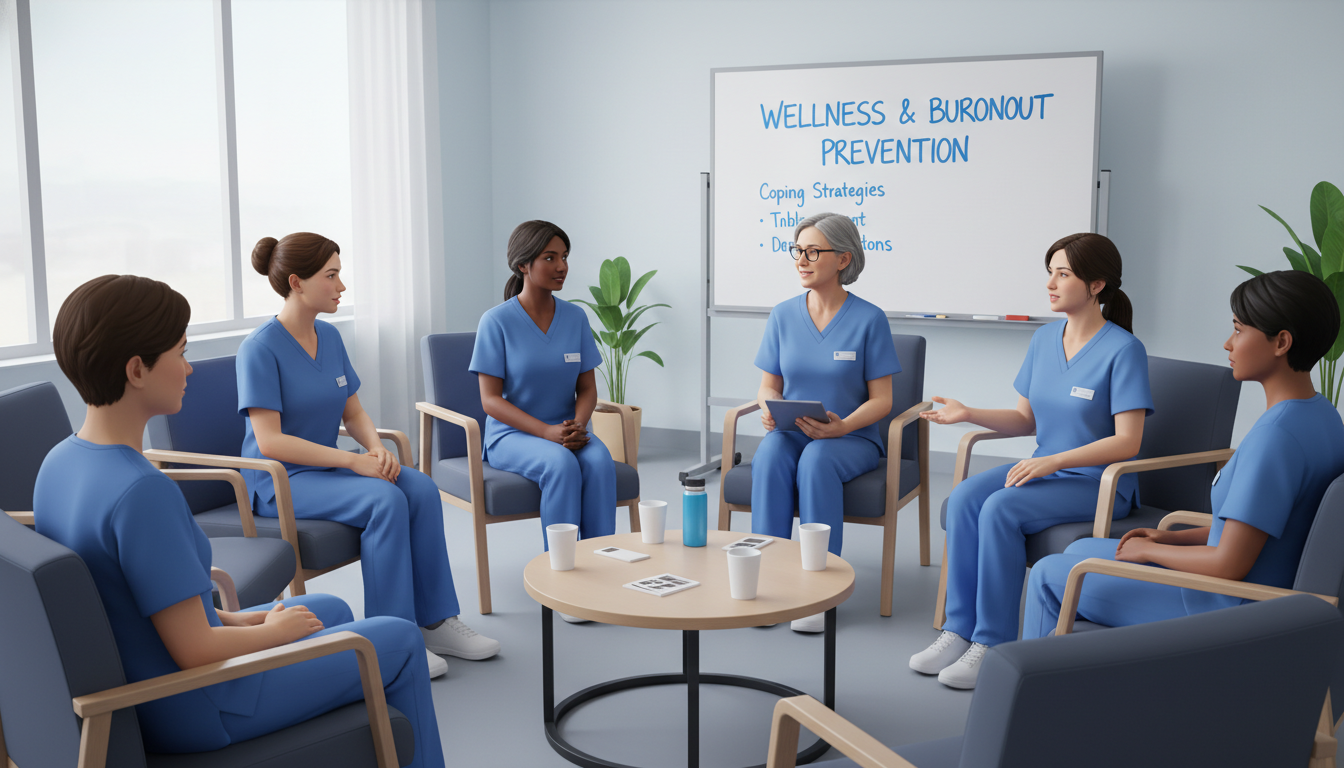
- After particularly traumatic events (e.g., unexpected death, catastrophic airway loss), propose or request a brief group debrief.
This reduces isolation, which is a core driver of physician burnout.
Using Institutional Resources Without Stigma
Many programs now have:
- Confidential counseling or Employee Assistance Programs
- Wellness committees or chief residents focused on well-being
- Scheduled “reflection” or “process groups”
- Access to mental health professionals who understand medical training
Using these resources is a sign of professional responsibility, not weakness. When you are distressed, your judgment, attention, and empathy are affected—getting support improves patient care and your own safety.
If you’re not sure where to start, ask:
- Chief residents
- Program coordinator
- GME office or resident wellness office
Program-Level and System Strategies: What You Can Advocate For
While you can’t redesign your entire program, you can contribute to a culture that reduces residency burnout risk for you and those who follow.
Promote Reasonable Workflows and Expectations
Examples of constructive suggestions:
- Standardized cross-coverage guidelines for ENT consults to prevent overload on any single resident.
- Protected educational time where pages/orders are triaged by another team member when possible.
- Clear protocols for common ENT emergencies (post-tonsillectomy bleed, neck hematoma, epistaxis) to reduce decision fatigue and confusion.
Approach leadership with data and solutions, not just complaints. For example:
“We’re seeing frequent 16-hour days on X rotation mostly because of late discharges and consult pile-up. Could we trial a 30-minute mid-afternoon ‘round-and-discharge’ block for the junior, or centralize consult paging through a single contact?”
Advocate for Debriefing and Psychological Safety After Critical Events
Critical incidents are common in ENT—difficult airways, post-op hemorrhages, unexpected deaths. Programs that create structured debriefs support both resident learning and well-being.
If this doesn’t exist at your program, you can ask for:
- A short, informal debrief after major events, facilitated by an attending.
- A safe space to discuss what went well, what could improve, and how it felt emotionally—without blame.
Over time, these practices reduce shame and isolation and turn painful experiences into meaningful learning.
Support a Culture Where Help-Seeking Is Normal
Culture change happens when enough people behave differently, consistently.
You can contribute by:
- Speaking respectfully about colleagues who seek mental health support or schedule therapy.
- Sharing (appropriately) your own experiences of stress and how you addressed them.
- As a senior resident, checking in early with juniors who seem overloaded and modeling asking for help yourself.
A healthier culture reduces the risk of medical burnout not just for you, but for the entire residency.
Early Warning Signs and When to Seek Professional Help
Recognizing the “Yellow Flags”
These are signs to slow down and intervene early:
- Increasing irritability or anger at minor frustrations.
- Dread of coming to work most days.
- Increasing “numbing” behaviors: excessive social media, alcohol, gaming, or mindless TV.
- Frequent physical symptoms with no clear cause: headaches, GI upset, muscle pain.
- Feeling disconnected from friends, family, or your pre-residency self.
At this stage, intensifying self-care, talking to trusted mentors, and using institutional wellness resources can often prevent escalation.
Red Flags: When Burnout Is Becoming Dangerous
These require prompt professional attention:
- Thoughts like “It would be easier if I didn’t wake up” or any suicidal ideation.
- Using substances regularly to sleep, cope, or “get through” shifts.
- Serious errors or near misses that directly relate to exhaustion or impaired focus.
- Feeling completely hopeless, trapped, or like there is “no way out” of your situation.
If you notice these in yourself or a colleague:
- Contact your program’s mental health resources or Employee Assistance Program immediately.
- If there is imminent risk of self-harm, use emergency services or your institution’s emergency pathway.
- Involve someone you trust (co-resident, chief, partner, friend) so you are not navigating this alone.
Your license, your career, and your dignity are worth protecting—and that requires protecting your life and mental health first.
Integrating Burnout Prevention into Your ENT Career Path
Residency burnout prevention in otolaryngology is not a one-time project; it’s an ongoing skillset. As you transition from applicant to junior resident to chief, and later to attending, your pressures will change, but the underlying challenges of physician burnout will remain.
Think of the next few years as your training not only in:
- Neck dissection
- Cochlear implants
- Endoscopic sinus surgery
- Microvascular reconstruction
- Airway management
…but also in:
- Setting healthy boundaries
- Managing cognitive and emotional load
- Building sustainable habits
- Creating and contributing to a supportive culture
Residents who intentionally develop these “parallel competencies” are not just happier; they are often better clinicians—more attentive, less error-prone, more empathic, and better able to innovate and lead.
If you start now—while in residency—you significantly increase your chances of a fulfilling, sustainable career in otolaryngology, long after the otolaryngology match and training years are behind you.
FAQ: Residency Burnout Prevention in Otolaryngology (ENT)
1. Is burnout inevitable in an ENT residency?
No. High stress is common, but burnout is not inevitable. Many ENT residents experience challenging periods without developing full burnout. Protective factors include strong mentorship, supportive peers, effective time management, mental health care access, and a program culture that values resident well-being.
2. How can I tell if I’m just tired vs. truly burned out?
Tiredness improves with rest. Burnout persists despite time off and is usually accompanied by emotional exhaustion, cynicism, and a reduced sense of accomplishment. If several days off don’t shift your mood, motivation, or outlook—and especially if you feel detached, hopeless, or ineffective—consider it a warning sign and seek support.
3. What should I do if I feel I can’t keep up with other ENT residents?
First, remember that apparent confidence and competence are often misleading; many residents struggle privately. Talk with:
- A trusted senior resident or mentor about specific areas you find difficult.
- Your program leadership if workload or expectations feel unsustainable.
- A mental health professional if self-doubt and distress are persistent.
You’re not alone, and early conversations can prevent escalation and help tailor your learning plan.
4. How can programs concretely reduce residency burnout risk in otolaryngology?
Effective interventions include:
- Reasonable call structures and adherence to duty hours
- Clear, standardized protocols for common emergencies
- Protected educational and wellness time
- Easy access to confidential mental health support
- Regular debriefing after high-acuity or emotionally intense events
- A leadership culture that encourages help-seeking, feedback, and open dialogue
Residents can help by giving thoughtful feedback, proposing realistic improvements, and modeling healthier norms for those who come after them.
By combining individual skills with supportive systems, residency burnout prevention in otolaryngology becomes not just possible, but an integral part of training the next generation of sustainable, effective ENT surgeons.