
Residency in Pediatrics-Psychiatry is uniquely meaningful—and uniquely demanding. Training across pediatrics, general psychiatry, and child & adolescent psychiatry in a triple board pathway exposes residents to high emotional intensity, complex family dynamics, and medically fragile children. This combination makes proactive residency burnout prevention not just helpful, but essential for long-term well‑being and effectiveness as a physician.
This guide explores how and why burnout develops in peds psych residency, what makes the triple board pathway distinct, and concrete strategies you can implement at the individual, team, and program levels to protect your well‑being and sustain your calling.
Understanding Burnout in Pediatrics-Psychiatry Training
What is burnout?
Burnout is a work‑related syndrome characterized by three core components:
- Emotional exhaustion – feeling drained, depleted, or unable to “give any more of myself.”
- Depersonalization or cynicism – developing a detached, negative, or callous response to patients or colleagues.
- Reduced sense of personal accomplishment – feeling ineffective or that your work doesn’t matter.
In residency, this can look like:
- Dreading coming to work or starting a new rotation
- Snapping at co‑residents, nurses, or family members of patients
- Feeling numb or detached in the face of suffering
- Difficulty concentrating, making decisions, or staying organized
- Loss of empathy, or feeling like you’re just “checking boxes”
- Persistent fatigue that doesn’t improve with a day off
While depression, anxiety, and trauma‑related conditions may coexist with burnout, they are not identical. Burnout is contextual—rooted in the relationship between the person and their work environment.
Why peds psych and triple board are high‑risk environments
Peds psych residency and triple board training combine risk factors for physician burnout from multiple domains:
High emotional load of pediatrics:
- Caring for very sick children or those with chronic illnesses
- Working with anxious, grieving, or frustrated parents
- Frequent exposure to child suffering, disability, or death
Intensity of psychiatry training:
- Managing suicidal ideation, self-harm, and aggression
- Bearing witness to trauma, abuse, and neglect
- Handling complex transference and countertransference
- Risk of vicarious trauma and compassion fatigue
Fragmented identity in triple board training:
- Frequently switching between pediatrics, psychiatry, and child/adolescent psychiatry
- Feeling like an outsider or “not fully belonging” in any one department
- Pressure to master three specialties within limited time
System-level pressures:
- High patient volumes and documentation burden
- Staffing shortages and limited mental health resources
- Increasing administrative and regulatory requirements
- Limited time for reflection, teaching, or debriefing
Burnout is not a sign of personal weakness or “not being cut out for medicine.” It is a predictable response when demands chronically exceed resources. Effective medical burnout prevention must therefore address both individual skills and system-level supports.
Early Warning Signs: How to Recognize Burnout in Yourself and Your Peers
You cannot prevent what you don’t notice. Early recognition is critical for residency burnout prevention, especially in emotionally intense fields like pediatrics-psychiatry.
Emotional and cognitive signs
- Feeling consistently irritable, impatient, or on edge
- Losing your usual sense of curiosity or compassion
- Cynical thoughts about families (“they don’t care,” “they’re impossible”)
- Feeling numb or shut down during difficult family meetings or code situations
- Difficulty focusing on notes, labs, or psychotherapy formulations
- Rumination after shifts or inability to “turn off” your brain
- Feeling like a fraud, or that you’re constantly failing your patients
Behavioral signs
- Increased avoidance: skipping teaching sessions, meals, or check‑ins
- Withdrawing from co‑residents or friends; declining social plans you previously enjoyed
- Procrastinating on notes, evaluations, or reading
- Increasing reliance on caffeine, energy drinks, alcohol, or other substances
- Staying late every day because you “can’t keep up,” even when others finish on time
- Losing interest in hobbies or activities that once restored you
Physical signs
- Persistent fatigue despite opportunities for rest
- Headaches, GI upset, muscle tension, or frequent illnesses
- Changes in appetite or weight
- Sleep problems: trouble falling asleep, non‑refreshing sleep, or frequent awakenings
- Somatic symptoms before work (e.g., “Sunday night stomachache”)
Professional and relational signs
- More frequent errors or near misses, often linked to inattention or rushing
- Increased conflicts with nursing, attendings, or other team members
- Feeling resentful about consults, pages, or sign‑outs
- Over‑identifying with certain families and feeling overly responsible for outcomes
- Thoughts of leaving residency, switching specialties, or quitting medicine entirely
If you recognize multiple signs above lasting more than a few weeks, it’s time to act. Early intervention is a cornerstone of effective physician burnout prevention.
Unique Stressors in Peds Psych and Triple Board Training
Understanding what is specific to this pathway helps you tailor your coping strategies.
Identity strain and role confusion
Triple board residents often describe feeling like:
- “Too pedes for psych, too psych for pedes”
- Constantly switching cognitive frames (DSM vs. pathophysiology; SOAP note vs. psychotherapy note)
- Struggling with imposter syndrome when rotating with categorical peers who spend all their time in a single specialty
This identity friction can create chronic low‑level stress and self‑doubt. It also complicates professional development: deciding whether you “fit” more as a pediatrician, psychiatrist, or child psychiatrist.
Emotional intensity of working with children and families
Common stressors include:
- Recurrent exposure to child maltreatment, neglect, and trauma
- Treating suicidal adolescents or children with severe behavior problems
- Navigating complex custody or legal situations
- Dealing with furious or mistrustful caregivers in crisis
- Witnessing structural inequities affecting care (poverty, racism, immigration status, lack of services)
These experiences can accumulate into moral distress: knowing what your patients need but being unable to provide it due to systemic barriers. Without space to process, this leads to cynicism and despair.
Logistical and schedule complexity
Peds psych residents and triple boarders frequently:
- Rotate between inpatient pediatric floors, NICU/PICU, CL (consult-liaison), inpatient psych, and outpatient clinics in rapid succession
- Have inconsistent schedules that disrupt sleep patterns and routines
- Carry heavy call responsibilities on pediatric services and nights in the ED
- Manage disjointed supervision or feedback because faculty may only see them for short blocks
This instability can erode your ability to build healthy habits and supportive relationships—both key to medical burnout prevention.
Individual-Level Strategies: Building a Sustainable Personal Practice
You cannot control every system variable, but you can cultivate skills and habits that increase resilience and reduce vulnerability to burnout.
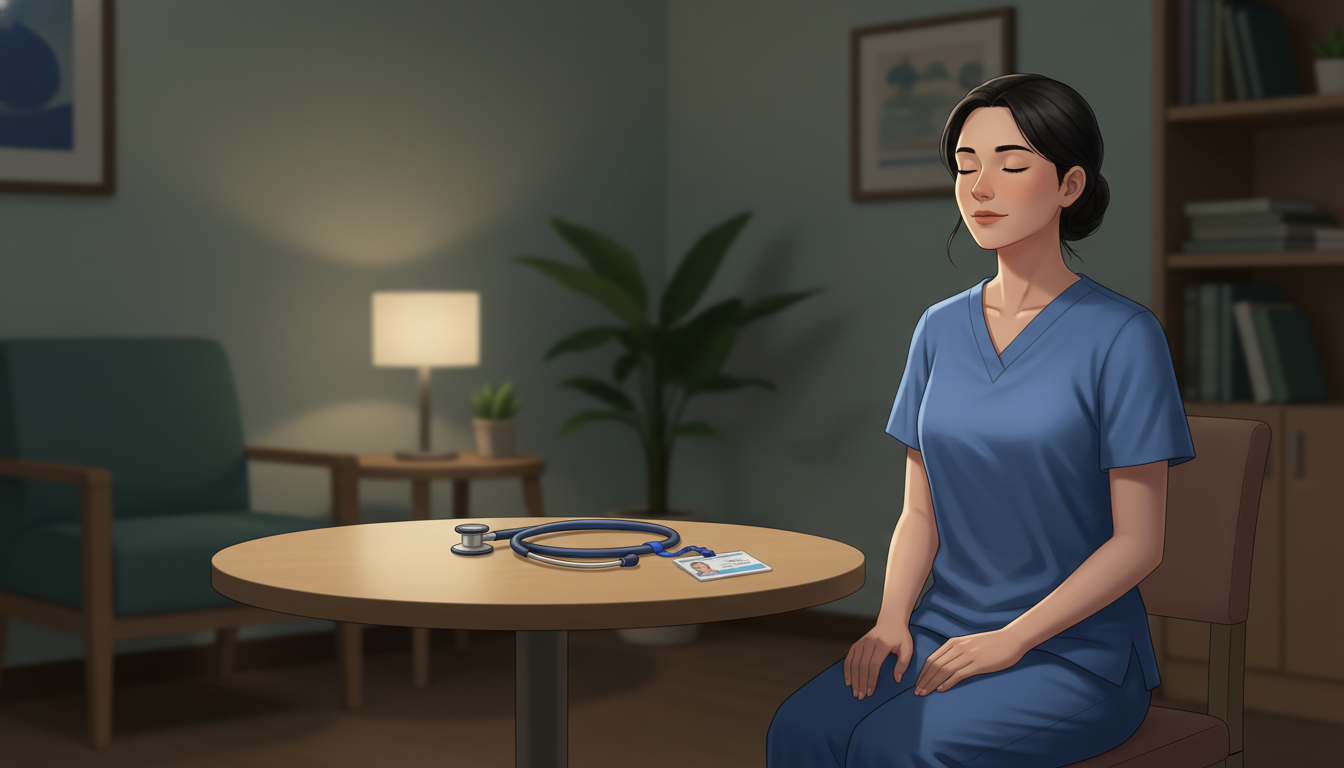
1. Protect your basic physiological needs ruthlessly
In residency, the basics are not optional; they are foundational interventions for physician burnout prevention.
Sleep:
- Aim for a protected sleep window on non‑call days (e.g., 11 pm–6 am).
- Use a consistent wind‑down routine: screens off 30–60 minutes before bed, dim lights, short reading or guided relaxation.
- After nights, commit to a fixed post‑call sleep plan (e.g., 4–5 hours immediately, then get up before late afternoon to preserve circadian rhythm).
Nutrition:
- Keep portable, sustaining snacks in your bag (nuts, protein bars, fruit, yogurt pouches).
- Prioritize one real meal per call shift, even if it’s brief. Ask co‑residents to cross‑cover for 15–20 minutes and offer to reciprocate.
- Meal prep or batch cooking on off‑days can dramatically reduce stress on busy weeks.
Movement:
- Think micro‑doses of exercise: 5–10 minutes of stretching, a walk around the hospital campus, stairs instead of elevators when practical.
- If possible, identify 1–2 days per week for a slightly longer workout (gym, run, yoga, dance).
- Notice that movement is not for “fitness goals” right now—it’s for mood regulation and cognitive clarity.
2. Use evidence-based psychological tools
As a future psychiatrist, you have unique insight into cognitive and behavioral strategies. Use them on yourself.
Cognitive restructuring:
- Notice all‑or‑nothing thinking (“I’m terrible at inpatient psych,” “I’ll never keep up”).
- Ask: “What is the actual evidence? What would I say to a patient with this thought?”
- Replace with balanced alternatives (“I’m early in training and still learning these skills; I’ve improved in X, Y, Z ways.”)
Acceptance and values-based action (ACT principles):
- Accept that discomfort (fatigue, anxiety, uncertainty) is part of this stage.
- Clarify your core values: compassion, curiosity, justice, family, growth, etc.
- When you’re overwhelmed, choose one small action aligned with your values (e.g., spending an extra minute validating a parent’s fear, reading one page on a topic you care about) rather than chasing perfection.
Mindfulness and grounding skills:
- Use short in‑the‑moment practices between patients: 3 deep breaths, feel your feet on the floor, name 3 things you see or hear.
- Consider brief guided meditations (5–10 minutes) on an app during breaks or before sleep.
3. Set boundaries and realistic expectations
Many residents burnout from over-identification with patients and unrealistic expectations of themselves.
- Clarify what is within your control (your preparation, communication, follow‑through) and what is not (system delays, insurance barriers, family decisions).
- Practice saying no or “not right now” to extra tasks that are not required and will meaningfully compromise your recovery time.
- Avoid perfectionism in documentation: ask attendings for explicit expectations on note length and content.
- Allow yourself to be a learner. You’re not meant to function like an attending; your job is to grow, not to know everything.
4. Debrief difficult cases intentionally
Peds psych residents see cases that linger emotionally—suicides, severe abuse, unexpected deaths. Unprocessed experiences fuel burnout and secondary traumatic stress.
- After a particularly tough encounter, schedule a brief debrief:
- With a co‑resident: 5–10 minutes to vent, name emotions, and feel seen.
- With a supervisor: discuss clinical decisions and emotional impact.
- Create a personal ritual after high‑intensity shifts—short walk, journaling for 5 minutes, or a symbolic act of “leaving work at work” (e.g., washing hands slowly while mentally releasing the day).
5. Maintain a life outside medicine
Even in residency, you are more than a doctor.
- Schedule protected time (even 1–2 hours/week) for non‑medical interests: music, art, games, reading fiction, faith practices, time in nature.
- Nurture at least a couple of non‑medical relationships where conversation isn’t dominated by work.
- Notice the early warning sign of “I’m too tired to do anything enjoyable” and gently push for small, nourishing activities rather than complete withdrawal.
Team and Program-Level Strategies: Creating a Culture that Fights Burnout
Individual strategies help, but residency burnout is significantly influenced by program structure and culture. Advocating thoughtfully for change is part of sustainable medical burnout prevention.

1. Normalize discussion of burnout and mental health
Programs that openly address physician burnout have better outcomes.
Residents and leaders can:
- Integrate short discussions about well‑being, coping, and medical errors into noon conferences or weekly didactics.
- Have faculty explicitly share their past challenges and how they sought help.
- Include burnout, stress, and coping assessments in routine check‑ins with program leadership.
As a resident, you can contribute by:
- Speaking up (when safe) about workload and emotional strain.
- Checking in with co‑residents who appear withdrawn or overly stressed.
- Participating in wellness or curriculum committees when possible.
2. Optimize scheduling and workload where possible
While residents don’t control the master schedule, constructive feedback can shape it.
Potential program-level interventions include:
- Thoughtful rotation sequencing: avoid clustering the most emotionally intense rotations (e.g., PICU followed by inpatient psych) without lighter blocks in between.
- Protected time for outpatient psychotherapy or longitudinal child psych clinics without frequent interruptions or cross‑coverage that disrupts continuity.
- Pre-call/post-call expectations: clarify notes, sign‑out, and teaching expectations to avoid unnecessary staying late.
- Strategies to reduce non‑educational tasks, such as better clerical support or template optimization.
If you see patterns that are particularly unsustainable (e.g., frequent 16‑hour calls followed by full clinic days), gather specific examples and propose alternatives to chief residents or program directors.
3. Build micro‑cultures of support on each rotation
Even in challenging institutional environments, you can help create healthier micro‑cultures.
On pediatrics or psychiatry services, consider:
Starting each team day with a 1–2 minute check‑in:
- “One word for how you’re arriving today?”
- “Anything big going on in your life this week we should know about?”
Encouraging a shared meal or coffee once a week when schedules allow.
Instituting a norm of brief debriefs after codes, patient deaths, or very intense family meetings.
Using inclusive language with nurses, social workers, and therapists; a sense of team reduces moral distress and isolation.
4. Use supervision and mentorship strategically
Supervisors and mentors can be powerful buffers against burnout—if you engage them intentionally.
In supervision, bring both clinical and emotional content:
- “I’m finding myself dreading seeing this patient; can we talk about why?”
- “I’m worried I’m becoming numb to these consults; how do I manage that?”
Seek mentors in:
- Triple board or peds psych who understand identity strain.
- Areas you aspire to (e.g., integrated care, advocacy, research) to reconnect with long‑term meaning.
- Wellness/physician health if your institution has such roles.
If one supervisory relationship feels invalidating or harmful, discuss with your program about adjusting assignments when possible.
5. Advocate for formal wellness resources
Many institutions now offer:
- Confidential counseling or therapy for residents, sometimes free or low‑cost
- Peer support programs after adverse events or patient deaths
- Wellness days, retreats, or protected half‑days focused on resilience and reflective practice
- Access to mindfulness groups, Balint groups, or narrative medicine sessions
If these don’t exist, collaborate with co‑residents and allies in faculty to propose pilot initiatives. Ground your proposals in evidence linking physician burnout to patient outcomes, turnover, and costs to gain administrative support.
Meaning, Growth, and Long-Term Sustainability in Peds Psych
Residency is finite, but the habits and attitudes you develop now will influence your well‑being for decades. Peds psych and triple board careers can be incredibly sustaining if you learn to balance the emotional burden with purpose and realistic self‑compassion.
Reconnecting with meaning
To counter burnout’s erosion of personal accomplishment:
Keep a “meaning file”:
- Save thank‑you notes from families.
- Jot down brief moments where you felt effective or connected.
- Screenshot kind messages from co‑residents or attendings.
Periodically ask:
- “When do I feel most like the physician I want to be?”
- “What kinds of patients or clinical questions energize me?”
Use these reflections to guide elective choices, scholarly projects, and eventually career path decisions.
Planning for a sustainable career post-residency
Physician burnout doesn’t magically disappear after graduation. Intentionally design your future work to support sustainability:
Consider practice settings that align with your values: academic medicine, integrated primary care/behavioral health, school‑based programs, telepsychiatry, or policy/advocacy work.
Negotiate for:
- Reasonable patient volumes
- Protected time for teaching, research, or program development
- Multidisciplinary teams that distribute emotional labor (psychologists, social workers, case managers)
Continue professional development in trauma-informed care, team leadership, and systems improvement—these skills reduce moral distress by giving you tools to influence your environment.
When to seek professional help
Self-care and program-level changes have limits. You should seek professional mental health support if you experience:
- Persistent sadness, hopelessness, or anhedonia
- Self-harm thoughts, or thoughts that your patients would be better off without you
- Significant impairment in work, relationships, or daily functioning
- Increased reliance on substances to manage stress or sleep
- Flashbacks, intrusive memories, or severe avoidance related to patient events
Confidential help is not a sign of weakness; it is an ethical commitment to your patients and yourself. When possible, seek care outside your training program to avoid conflicts of interest. Understand your state’s licensing questions around mental health treatment—many now focus on functional impairment rather than diagnosis or treatment history.
FAQs: Residency Burnout Prevention in Pediatrics-Psychiatry
1. Is burnout inevitable in peds psych or triple board residency?
Burnout is common, but not inevitable. Many residents experience transient symptoms during high‑stress rotations, but with support, reflection, and targeted changes, these do not have to become chronic or career‑defining. Proactive strategies—both personal and programmatic—significantly reduce the risk of severe, enduring burnout.
2. How can I tell if I’m just tired vs. truly burned out?
Tiredness improves with rest and schedule changes; burnout persists even when you theoretically have time off. Signs of burnout include:
- Emotional numbness or cynicism toward patients
- Loss of meaning or feeling that your work is pointless
- Persistent dread of going to work, across multiple rotations
If symptoms continue for weeks despite attempts at recovery, you may be dealing with burnout and should discuss it with a trusted mentor, chief, or mental health professional.
3. Does talking about burnout hurt my chances for fellowships or jobs?
Handled thoughtfully, it usually does not. Many program directors and employers now recognize physician burnout as a systems issue, not a personal failing. Framing is crucial: focus on what you learned, steps you took (therapy, supervision, communication skills, boundary setting), and how you’ve developed more sustainable practices. Avoid sharing sensitive details in writing; use judgment about what to disclose and to whom.
4. What’s one practical step I can start this week to prevent burnout?
Pick a small, high‑yield habit and commit to it for 1–2 weeks:
- A 5‑minute daily decompression ritual after work
- One protected meal break on every call shift
- A weekly 20‑minute walk with a co‑resident to check in
- Scheduling your first therapy or coaching appointment
Small, consistent shifts are more powerful—and more realistic in residency—than sweeping resolutions you can’t maintain.
Peds psych and triple board residency place you at the intersection of medicine’s most vulnerable populations and most complex systems. With intentional burnout prevention, you can not only survive this training, but emerge as a resilient, reflective physician capable of sustaining a long, meaningful career caring for children and families.