Understanding Residency Burnout in Preliminary Medicine
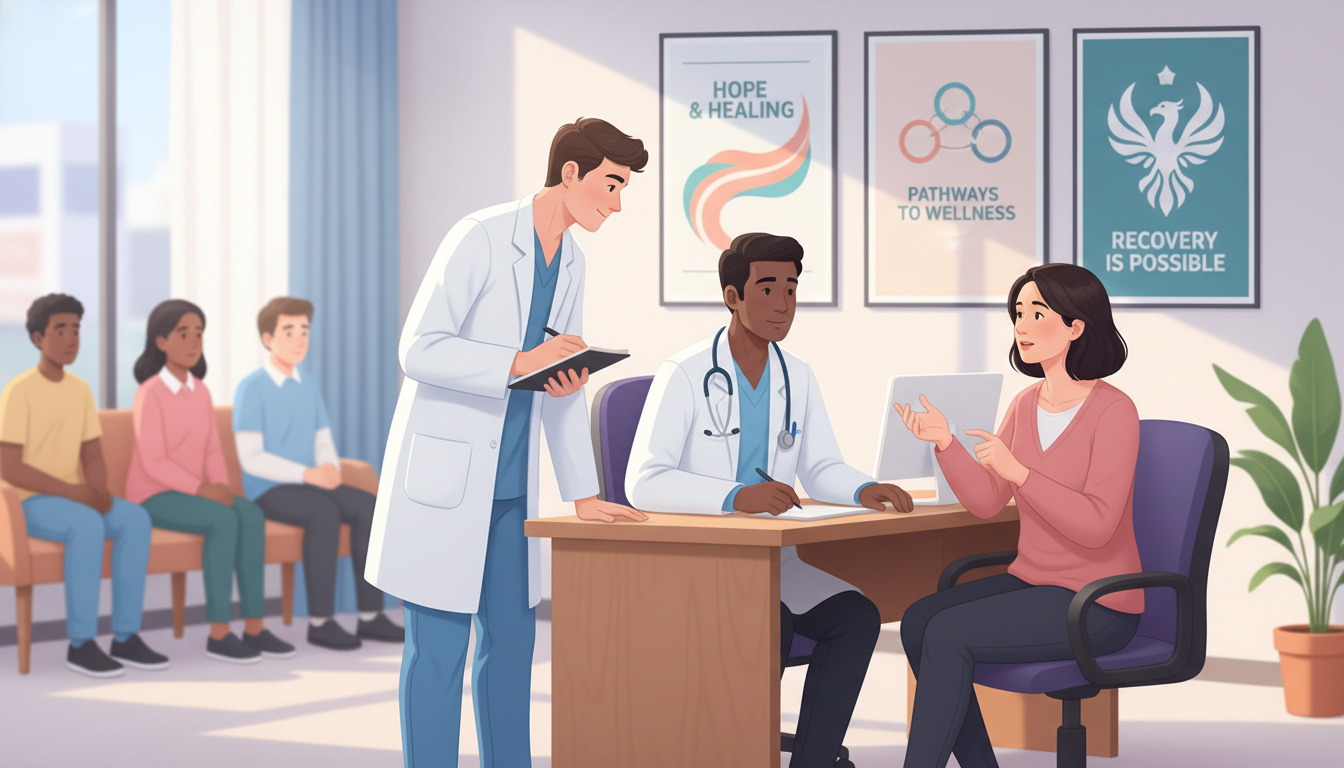
Preliminary medicine years—often called the preliminary medicine year or prelim IM—are uniquely intense. You’re frequently in a new system, rotating on multiple services, proving yourself to different teams, while also preparing for the next phase of training (neurology, anesthesiology, radiology, PM&R, dermatology, etc.). That combination makes you especially vulnerable to residency burnout.
Burnout is more than just being tired. In medical training, it’s typically defined across three dimensions:
- Emotional exhaustion – Feeling drained, overwhelmed, or “used up” by work.
- Depersonalization – Developing a cynical or detached attitude toward patients and colleagues (e.g., referring to patients by their diagnosis or bed number only).
- Reduced sense of personal accomplishment – Feeling ineffective, like your work doesn’t matter or you’re not good enough.
For preliminary medicine residents, several features amplify burnout risk:
- High workload with low continuity – Rotations change rapidly; you may not see the long-term impact of your work.
- Limited ownership over patients – Compared with categorical residents, prelims may feel “temporary,” which can undermine meaning and connection.
- Ambiguous identity – Are you “medicine,” “anesthesia,” “neuro,” “radiology”? You’re often somewhere in between.
- Ongoing application/next step pressure – Studying for Step 3, preparing fellowship or categorical applications, networking, and worrying about the future.
- Frequent night float and admissions-heavy rotations – High cognitive load, fragmented sleep, and intense call schedules.
Recognizing that this is a predictable risk, not a personal weakness, is the first step in medical burnout prevention. The goal is not to “tough it out,” but to build a sustainable way of working that can carry you through residency and beyond.
Recognizing Early Warning Signs of Burnout
Burnout rarely appears overnight. It builds slowly, often starting with small changes. Catching it early lets you intervene before it affects your performance, your relationships, or your safety.
Emotional and Cognitive Signs
- Dreading going to work every day, even on “easier” rotations
- Feeling numb, apathetic, or irritable toward patients, staff, or co-residents
- Increased anxiety, persistent worry, or feeling “on edge”
- Difficulty concentrating, making simple decisions, or prioritizing tasks
- Feeling like a failure or that you’re “behind” everyone else
- Frequent guilt (“I’m not doing enough for my patients,” “I’m letting the team down”)
Behavioral Signs
- Withdrawal from friends, family, and co-residents
- Snapping at colleagues or becoming uncharacteristically sarcastic
- Procrastination on notes or tasks you previously handled promptly
- Frequent lateness or calling out sick for preventable reasons
- Increased reliance on caffeine, energy drinks, alcohol, or other substances to “get through”
- Skipping meals, staying late unnecessarily, or never taking breaks
Physical Signs
- Chronic fatigue not improved by a day off
- Sleep disturbances: difficulty falling asleep, frequent awakenings, or sleeping excessively on off days
- Headaches, GI symptoms, or muscle tension without a clear medical explanation
- More frequent minor illnesses (colds, viral infections)
- Worsening migraines, chronic pain, or other underlying conditions
Distinguishing Normal Stress from Burnout
Stress in residency is inevitable; burnout is not. A simple self-check:
- Stress: “This week has been rough, but when things ease, I still enjoy aspects of the work.”
- Burnout: “Even on lighter days, I feel disconnected, exhausted, and like nothing I do matters.”
If you recognize multiple burnout signs, treat it as a clinical problem requiring intervention—not a personal failing.

Core Principles of Burnout Prevention in a Prelim IM Year
Preventing physician burnout during a preliminary medicine year requires individual strategies, team support, and system navigation skills. You can’t control everything about your schedule or hospital, but you can significantly influence how you experience and respond to the demands.
1. Reframe the Purpose of Your Prelim Year
Many prelims view this year as a necessary hurdle before “real” training starts. That mindset can intensify burnout: if this time feels meaningless, it’s harder to tolerate the intensity.
Reframe your prelim IM year as:
- A high-yield clinical foundation: You’re building the decision-making, triage, and communication skills that will make you a safer neurologist, anesthesiologist, radiologist, etc.
- A stress-test of your habits: This is your chance to learn how you function under high load—and to experiment with sustainable strategies before longer training begins.
- An opportunity to build professional relationships: Attendings, chiefs, and co-residents here may become future references, collaborators, or career mentors—even if your ultimate specialty is different.
Action step: Write down 3–5 specific skills or professional qualities you want to strengthen this year (e.g., rapid assessment of unstable patients, conflict resolution with consultants, efficient note-writing). Review this list monthly to stay grounded in purpose.
2. Set Realistic Standards (Not Perfection)
Perfectionism is a major driver of medical burnout. The preliminary year can tempt you to:
- Over-document every detail in notes
- Stay late “just to make sure everything is perfect”
- Redo work that’s already adequate
- Obsess over every small mistake
This is neither necessary nor sustainable.
Better framing: Aim for “safe, thorough, and efficient,” not flawless.
Ask yourself:
- “Is the patient safe?”
- “Is the key clinical information communicated clearly?”
- “Is there anything truly critical I’m missing?”
If the answer is yes, it’s okay to stop refining and move to the next task—or go home.
3. Cultivate Micro-Habits That Scale
Trying to overhaul your entire life during a 28-hour call month is unrealistic. Micro-habits—a few minutes at a time—are more effective for burnout prevention.
Examples:
- Two-minute debrief at the end of each shift: What went well? What did I learn? What will I do differently tomorrow?
- One-minute breathing reset before a difficult conversation: 4-second inhale, 4-second hold, 6-8 second exhale, repeated 3–4 times.
- Five-minute “shutdown” routine before leaving: Check sign-out, tie up loose ends, jot down 1–2 things to read about tomorrow’s patients.
These small routines create psychological separation between work and home and help you process your day instead of carrying everything with you.
Practical, Day-to-Day Strategies to Prevent Burnout
This section focuses on concrete tactics you can use on wards, in clinic, and on night float during your preliminary medicine year.
A. Managing Workload and Time More Effectively
Efficient work habits are not just about productivity; they’re central to medical burnout prevention because they protect your time and mental bandwidth.
1. Use Structured Pre-Rounding
To avoid feeling chronically behind:
- Scan vitals, labs, and overnight events in a consistent order (e.g., vitals → I/O → labs → nursing notes).
- Create a pre-round template you quickly fill in (even on scratch paper): overnight events, current issues, active lines/tubes, discharge planning status.
- Decide in advance which patients truly need a bedside exam pre-round and which can be seen after rounds (e.g., stable, near-discharge patients where plans are straightforward).
This prevents feeling scattered and reduces duplicate work.
2. Batch Tasks Whenever Possible
Shifting repeatedly between tasks (notes, pages, orders, discharges) drains attention.
Try:
- Answer pages in short, dedicated bursts rather than interrupting yourself every 30 seconds unless it’s clearly urgent.
- Enter orders in batches after rounds or patient updates rather than piecemeal for each idea that comes to mind.
- Set mini-goals: “I will finish notes on these three patients before checking my inbox again.”
Discuss with your senior how your team prefers to manage workflow to avoid redundancy and confusion.
3. Protect Discharge Momentum
Discharges often drag and contribute to late days and frustration. To reduce this:
- Identify potential discharges early in the day and mention them on rounds.
- Pre-write discharge summaries and instructions when medically safe, updating only final details later.
- Communicate clearly with nursing and case management so they can coordinate rides, equipment, and teaching.
Finishing discharges earlier shortens your day and reduces “death by a thousand delays.”
B. Sleep, Nutrition, and Physical Health
Ignoring your body is one of the fastest paths to residency burnout.
1. Prioritize “Protected Sleep” Windows
You may not control total sleep hours, but you can optimize what you get:
- On night float, use earplugs, eye mask, and white noise if needed; tell family/roommates your protected sleep hours in advance.
- Avoid scrolling on your phone in bed during post-call or pre-sleep time; set a 15-minute limit if needed.
- Even a 20–30-minute nap before an overnight call or before driving home post-call can improve alertness and safety.
If you notice heavy drowsiness driving home, that’s a red flag. Use ride-shares, public transport, or call a co-resident if available.
2. Strategic Nutrition
You may not have time for “ideal” meals, but small adjustments matter:
- Keep portable, protein-rich snacks (nuts, Greek yogurt, cheese sticks, protein bars) in your bag or locker to prevent long stretches without food.
- Drink water consistently; mild dehydration worsens fatigue and headaches.
- Avoid relying solely on energy drinks or endless coffee. They can worsen anxiety and sleep quality, worsening burnout over time.
Ask your co-residents where to find the closest microwaves, fridges, and reliable food sources in the hospital. Sometimes part of survival is simply knowing where to get decent food quickly.
3. Minimalist Exercise
You don’t need a full gym routine to get benefits:
- A 10-minute walk before or after a shift
- 5-minute stretching routine when you wake up or before sleep
- Taking stairs when feasible, especially if you’ve been sitting charting for long periods
Think of it as movement for mood and circulation, not training for a marathon.
C. Emotional and Cognitive Strategies
1. Use Brief “Cognitive Reframes”
Chronic negative self-talk accelerates physician burnout. When you catch thoughts like:
- “I’m terrible at this.”
- “Everyone else is better than me.”
- “I’m never going to be competent.”
Try replacing them with:
- “I’m still learning, and this situation is hard for everyone at my level.”
- “This is a skill I can practice, not a fixed trait.”
- “I handled similar situations before; I can improve here too.”
You’re not trying to be unrealistically positive—just more accurate and less self-destructive.
2. Debrief Critical or Distressing Events
Code blues, bad outcomes, conflict with attendings, and patient deaths are common in preliminary medicine and can fuel burnout if unprocessed.
Options for debriefing:
- A brief post-event conversation with your senior or attending: “Can I ask for 5 minutes to walk through what happened and how I can improve?”
- Informal debrief with a co-resident after the shift: “That was rough; how are you feeling about it?”
- Utilization of formal support resources if available: residency wellness programs, chaplaincy, or peer support groups.
Unprocessed distress can turn into chronic emotional numbing, a major component of residency burnout.
D. Building Supportive Relationships
Strong relationships are some of the most protective factors against burnout.
- Make a point to learn nurses’ names and say thank you, especially when they catch something or help you troubleshoot.
- Ask seniors for tips: “What’s one thing you wish you had known as a prelim on this rotation?”
- Find at least one “work friend” you can vent to, exchange quick messages with on tough days, and share small wins.
If you’re rotating at a hospital where you’ll not continue as a categorical resident, your instinct may be to “lie low.” Resist that. Being known, liked, and supported is a key hedge against burnout and can open doors later.

Navigating Program Culture and Systems to Reduce Burnout
Even the best individual strategies have limits if the system is unhealthy. Learning to navigate program culture is essential for prelim IM residents.
A. Clarify Expectations Early
Uncertainty about what’s expected of you—especially as a prelim—creates anxiety and burnout.
Early in each rotation:
- Ask your attending or senior:
- “What are your priorities for interns on this team?”
- “How do you like rounds structured?”
- “What does a strong note or sign-out look like to you?”
- Clarify logistics:
- Typical arrival and departure times
- How to handle cross-coverage issues
- Best way to reach them for urgent vs. non-urgent questions
Clear expectations reduce second-guessing and mental load.
B. Know Your Limits and When to Ask for Help
A hallmark of professional maturity (and a protector against burnout) is recognizing when you’re at capacity.
Ask for help when:
- You’re significantly behind on tasks and patient care might be compromised
- You’re unsure how to manage a potentially unstable patient
- You’ve had an emotionally overwhelming event (e.g., unexpected patient death) and are struggling to function
- You’re experiencing symptoms of medical burnout—insomnia, constant dread, emotional breakdowns—and it’s affecting your work
Formulating your concern clearly helps:
“I’m feeling overwhelmed; I have X, Y, and Z pending and I’m worried I can’t do them safely by the end of the shift. Can you help me prioritize or redistribute?”
C. Use Institutional Wellness Resources Early
Most programs now have some combination of:
- Confidential mental health services or counseling
- Employee assistance programs (EAP)
- Wellness champions or liaisons within the residency
- Peer support groups
- Policies for medical leave or schedule modifications
You don’t need to wait until you “hit rock bottom” to use them. If you feel persistent burnout symptoms for several weeks:
- Ask your chief resident confidentially about available resources.
- Consider a brief, focused course of therapy or counseling to develop coping strategies.
- Discuss with your PCP or psychiatrist if you have a history of anxiety, depression, or other mental health conditions that may flare under stress.
Addressing symptoms early is an act of professionalism—your patients need you well.
D. Advocate Safely and Strategically
If you see patterns that contribute to burnout—for example:
- Chronic violations of duty hours
- Inadequate supervision on high-acuity services
- Unsafe cross-coverage expectations
- Lack of protected time for clinic or education
You can:
- Document specific examples (dates, shifts, impact on patient care and trainee wellbeing).
- Raise concerns through established channels:
- Rotation evaluations
- Semi-annual meetings with program leadership
- Anonymous surveys
- GME office or ombudsman, if needed
Frame concerns in terms of patient safety and education, not just personal complaints. This often gets more traction.
Planning Beyond the Prelim Year: Burnout Prevention as a Career Skill
Your preliminary medicine year is one intense chapter in a longer story. Residency burnout prevention is not just about surviving the next few months; it’s about building skills that will support you throughout your career.
A. Integrate Learning for Your Future Specialty
To keep your work meaningful and reduce burnout, routinely connect daily tasks to your next step:
For a future neurologist:
- Focus on neuro-relevant histories and exams in patients with altered mental status, seizures, or strokes.
- Learn how medicine teams manage complications of neuro diseases (e.g., infections in stroke patients).
For a future anesthesiologist:
- Pay attention to hemodynamics, fluid management, and response to medications.
- Become comfortable with rapid assessment of unstable patients and communication during codes.
For a future radiologist:
- Track how imaging results influence management decisions.
- Observe which questions from radiology reports help or hinder your clinical decisions.
This alignment between present tasks and future identity protects against the “I’m just passing through” mindset that fuels burnout.
B. Build a Sustainable Professional Identity
Ask yourself:
- What kind of physician do I want to be in 10 years, not just what specialty?
- Which values matter most to me: thoroughness, kindness, efficiency, teaching, innovation?
Then, practice those values in small ways now:
- If teaching matters to you, explain a lab result to a medical student or patient.
- If kindness matters, take 30 extra seconds to sit down when delivering difficult news.
- If efficiency matters, refine one aspect of your workflow each month.
Aligning daily behavior with core values reduces depersonalization and increases a sense of purpose.
C. Create a Long-Term Support Network
This year, you may meet:
- Mentors who can advocate for you in future applications
- Co-residents who will be colleagues in your field
- Faculty in different specialties who can broaden your view of medicine
Nurture these relationships:
- Send a brief email of thanks after a rotation with an attending who taught you well.
- Stay in touch with co-residents via group chats or occasional meet-ups.
- Ask 1–2 faculty members if they’d be willing to advise you as you transition to your categorical program.
Feeling part of a broader professional community is a potent antidote to isolation and burnout.
Frequently Asked Questions (FAQ)
1. How common is burnout during a preliminary medicine year?
Burnout is very common across all residency years, and prelim IM residents are at particularly high risk due to intense workloads, frequent transitions between rotations, and uncertainty about the future. Many studies show that a substantial proportion of interns report significant burnout symptoms at some point during their first year. Recognizing that this is a known risk—and not a personal failing—makes it easier to seek support and take proactive steps.
2. What’s the difference between normal residency stress and true burnout?
Normal residency stress is situational and time-limited. Tough rotations, high-acuity patients, or exam prep can make you feel temporarily overwhelmed, but when conditions improve, your energy and sense of purpose rebound. Burnout, on the other hand, involves persistent emotional exhaustion, cynicism, and reduced sense of accomplishment, even when you’re on an easier rotation or have had time off. If you feel chronically drained, detached, and ineffective for weeks to months, it’s important to treat that as burnout and seek support.
3. Is it acceptable to seek therapy or mental health support during residency?
Yes. Seeking therapy or mental health support is both common and appropriate among residents and attending physicians. It’s a sign of insight and professionalism, not weakness. Most programs offer confidential access to mental health services and encourage their use. Untreated burnout, depression, or anxiety can impair clinical performance and patient care; addressing these early is in everyone’s best interest, including your own.
4. What should I do if I’m already feeling burned out and it’s affecting my work?
Start by acknowledging the problem and doing a quick self-inventory of symptoms. Then:
- Talk to someone you trust: a co-resident, chief resident, mentor, or trusted attending.
- Access formal resources: counseling services, employee assistance programs, or your primary care provider/psychiatrist.
- Evaluate your workload and boundaries: Are you consistently staying late? Skipping breaks? Hiding errors instead of asking for help?
- Consider schedule or duty hour adjustments if your symptoms are severe—this may involve your program director or GME office.
You are not obligated to “power through” at the expense of your health or patient safety. Burnout is treatable, and the earlier you address it, the easier it is to recover.
By approaching your preliminary medicine year with intentional strategies for medical burnout prevention, you can transform what might otherwise feel like a purely exhausting year into a challenging but deeply formative experience. The habits, self-awareness, and support systems you build now will serve you throughout residency and your career—helping you not just to survive medicine, but to practice it sustainably and meaningfully.