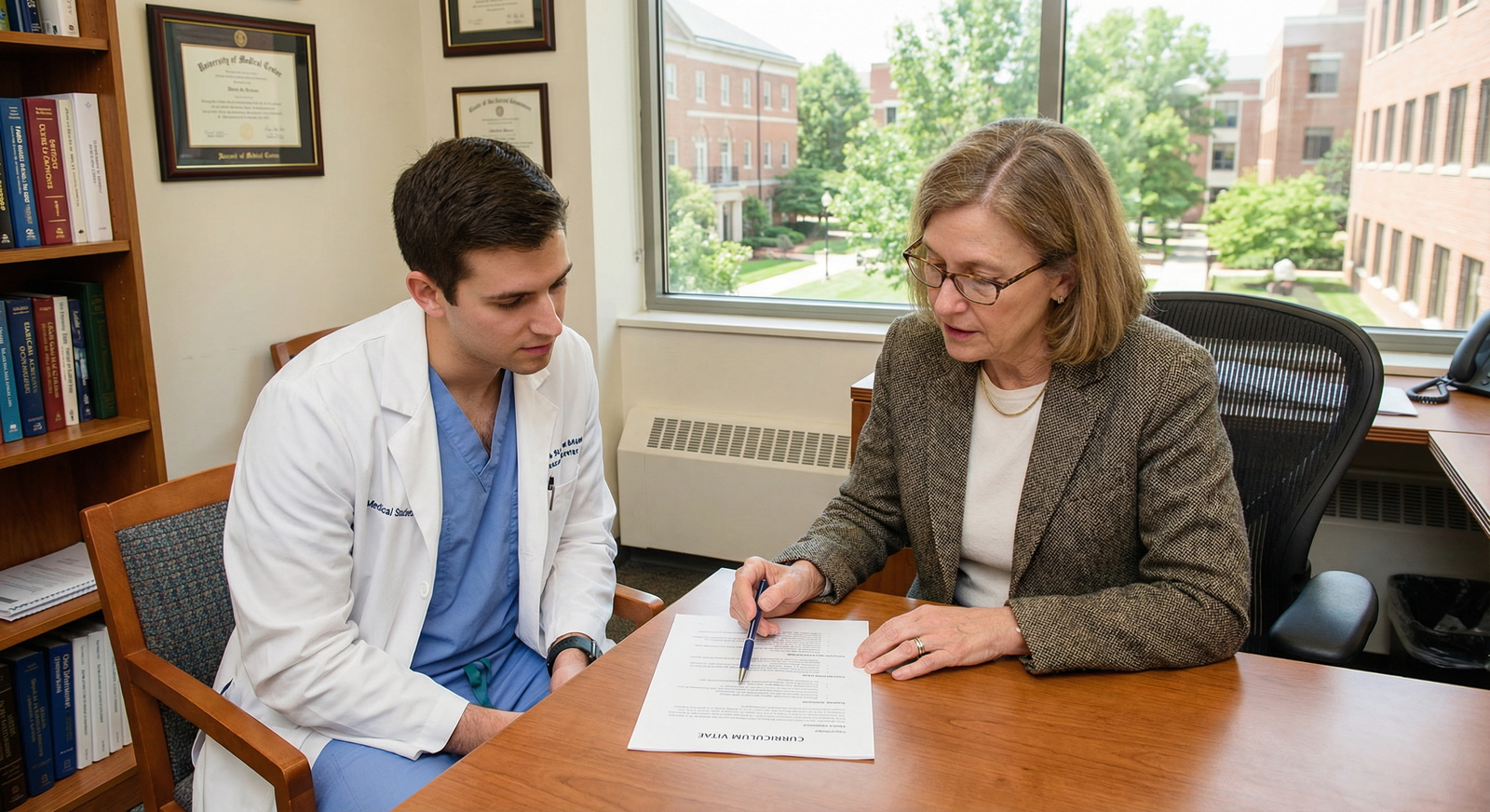
Understanding the Landscape: Is Private Practice in Pathology Still Viable?
The pathway from pathology residency to independent practice has changed dramatically in the last 20 years. Consolidation of laboratories, expansion of large reference labs, hospital employment models, and aggressive payer negotiations have all reshaped how pathologists work and get paid. Still, starting a private practice in pathology can be viable and rewarding if you understand the environment and position yourself strategically.
Current Practice Models in Pathology
Most U.S. pathologists now work in one of four models:
Hospital-employed groups
- Salaried with benefits; sometimes productivity-based bonuses
- Limited control over business decisions
- More stable income, less entrepreneurial risk
Private hospital-based practices
- Independent group contracts with one or more hospitals
- Group typically controls staffing, hiring, workflow, and often billing
- Income tied to productivity, hospital contracts, and effective management
Independent diagnostic laboratories / AP groups
- Focus on surgical pathology, cytology, and often ancillary testing (IHC, molecular)
- Revenue from referring clinicians (GI, derm, urology, OB-GYN, etc.) and sometimes hospitals
- High emphasis on relationships, turnaround time, subspecialty expertise
National reference labs / commercial labs
- Large corporate employers; advanced technologies and high volume
- Less autonomy; more “employee” than “practice owner” feel
When people say they want to start a “private practice in pathology,” they are usually talking about models #2 or #3: owning or co-owning a group that provides services to hospitals, surgery centers, or office-based practices, sometimes with its own lab.
Why Consider Private Practice vs Employment?
Private practice vs employment is one of the central career decisions for new pathologists.
Potential advantages of private practice:
- Greater autonomy over:
- Workflows and case distribution
- Hiring of partners, PAs, and support staff
- Subspecialization and new service lines (molecular, digital pathology, etc.)
- Higher income ceiling, especially if:
- The group has strong contracts
- You develop high-value subspecialty services
- You manage costs and operations efficiently
- Equity and long-term asset value:
- Buy-in to a profitable group or lab can build wealth over time
- Possible sale/merger value if you grow a strong practice
Challenges and risks:
- Financial risk and income variability
- Business and administrative workload (HR, compliance, contracting)
- Vulnerability to:
- Loss of hospital contracts
- Payer cuts and prior auth policies
- Competition from large labs or networks
- Need for strong negotiation and management skills
If you’re still in training, your pathology residency and possibly fellowship years are the time to observe these models, ask attendings frankly about their practice structures, and begin forming a realistic view of what kind of career you want.
From Residency to Ownership: Laying the Foundations
Launching or joining a private practice is rarely an immediate step after residency. You’ll typically pass through one or more phases on your way to being an owner or founding partner.
Step 1: Build Clinical and Reputational Credibility
Before you think about opening medical practice doors, you need solid clinical footing.
Obtain strong general training
- Aim for well-rounded anatomic and, if relevant, clinical pathology skills
- If you want a private practice career, prioritize programs with:
- Significant community hospital exposure
- High surgical volume and diverse case mix
- Interaction with surgeons and clinicians, not just academic subspecialists
Consider fellowship strategy
- High-yield subspecialties in private practice often include:
- Gastrointestinal
- Breast
- GYN
- Cytopathology
- Hematopathology
- Dermatopathology
- Pick a fellowship that:
- Aligns with local/regional referral patterns
- Makes you a “must-have” for a group wanting to grow in that space
- You genuinely enjoy; burnout is real in high-volume private practice
- High-yield subspecialties in private practice often include:
Cultivate your professional reputation early
- Be known for:
- Accuracy and reliability
- Reasonable, practical clinical communication
- Turnaround time awareness
- Ask for feedback from attendings who work in private groups; they can often advise you on what real-world practice expects.
- Be known for:
Step 2: Understand the Pathology Match to Market Transition
Your pathology match placed you into a residency program, but the real competition begins when searching for jobs. To eventually own or start a practice, aim for:
First job with exposure to business operations
- Ask in interviews:
- Is the group independent or hospital-employed?
- Who controls billing and collections?
- Do partners see financials?
- What is the path to partnership (timeline, buy-in amount, expectations)?
- Ask in interviews:
Mentors who are practice owners
- Seek out attendings who:
- Negotiate hospital contracts
- Sit on medical executive committees
- Run or ran independent labs
- Be explicit about your goals: “I’m interested in eventually starting a private practice in pathology—what steps should I take in my first 5 years?”
- Seek out attendings who:
Step 3: Build Non-Clinical Skills During Early Career
In your first attending job, pay close attention to:
Basic business metrics
- RVUs and/or case-count productivity
- Payer mix (commercial, Medicare, Medicaid, self-pay)
- Denial rates and billing practices
- Collection lag time and write-offs
Operational elements
- Turnaround time metrics and how they’re improved
- Staffing models for techs, PAs, and clerical support
- LIS integration and digital pathology solutions
- QC/QA processes and error mitigation
Relationship-building with clinicians and administrators
- Attend tumor boards and multidisciplinary conferences
- Offer brief education sessions for surgeons, GI, derm, OB-GYN, etc.
- Learn how hospital committees (credentials, quality, medical executive) function
These real-world experiences form the foundation you’ll use if you move from employee to owner or founder.

Choosing a Private Practice Model: Solo, Group, or Lab-Based?
When you think about starting a private practice in pathology, you need a clear model. Broadly, you’ll be considering one of these structures:
Model 1: Joining and Then Buying Into an Existing Group
Most common and often most realistic path.
- You start as an employee or associate
- After 2–5 years, you are offered partnership/buy-in
- Once a partner, you share ownership, governance, and profit
Advantages:
- Established referral base, hospital contracts, and billing infrastructure
- Lower personal financial risk and easier access to mentorship
- Bankers and lenders more comfortable with established practices
Challenges:
- Less control over initial practice culture and structure
- Buy-in cost can be substantial ($100k–$500k+ depending on assets and cash flow)
- Partnership track may be political or competitive
Actionable advice:
In residency and early practice, target groups with a transparent, written partnership track and clear financial reporting. This is the smoothest transition into true private practice ownership.
Model 2: Starting a New Hospital-Based Group
This path is higher risk and often arises when:
- A hospital is unhappy with its current pathology group
- A region is underserved and recruiting is difficult
- You and a small team negotiate a new exclusive contract with a facility
Key requirements:
- Strong relationships with:
- Hospital administration
- Department heads (surgery, oncology, OB-GYN, internal medicine)
- Ability to negotiate:
- On-site coverage requirements
- Call obligations
- Stipends and technical vs professional component arrangements
- Legal support to structure:
- Exclusive contracts
- Employment agreements
- Non-compete and non-solicitation clauses (where allowed)
This is more realistic once you have several years in practice and a proven track record.
Model 3: Opening an Independent Anatomic Pathology Lab
This is what many clinicians imagine when they think of opening medical practice in pathology—your own lab space, equipment, and staff.
Common variants include:
- GI, derm, or urology-focused AP labs
- Multi-specialty office-based pathology labs serving community physicians
- Niche subspecialty labs (e.g., bone/soft tissue, transplant, women’s health)
Pros:
- Highest potential revenue ceiling
- Direct relationships with referring clinicians
- Ability to design workflows and subspecialty services from the ground up
Cons:
- High upfront capital:
- Laboratory build-out and equipment
- LIS, QA systems, and accreditation fees
- Salaries for histotechs, PAs, admin staff
- Regulatory and compliance burden (CLIA, CAP, state regulations)
- Intense payer scrutiny and managed care negotiation
Example:
A dermpath-trained pathologist partners with several busy dermatologists to create a lab. The practice negotiates contracts with major payers, buys or leases histology equipment and IHC platforms, and hires techs. The pathologist’s income is tied heavily to case volume, payer mix, and efficient operations.
Model 4: Hybrid Model with Technical Component Outsourced
To reduce capital costs:
- You may start by contracting with an existing lab to perform:
- Grossing
- Embedding, sectioning, and staining
- IHC and special stains
- You bill separately for the professional component (interpretation)
This can be an intermediate step toward a full lab while you grow volume and refine your referral base.
Business Planning Essentials for a Pathology Private Practice
Once you’ve chosen a rough model, you need a structured business plan. This is necessary not just for your own planning, but also for banks, investors, and potential partners.
1. Market Analysis
Understand your catchment area:
- How many hospitals, surgery centers, and large clinics exist within a reasonable radius?
- What are their current pathology arrangements?
- Are there underserved niches (e.g., no local dermpath, long TAT for GI)?
- What is the payer mix in your region (commercial vs Medicaid vs Medicare)?
Practical step:
Speak with local clinicians privately about their satisfaction with current pathology services—turnaround times, subspecialty access, ease of communication, and perceived value.
2. Revenue Streams and Service Mix
Decide what you’ll offer:
- Core services:
- Surgical pathology
- Cytology (gyn and non-gyn)
- Frozen sections
- Intraoperative consultations
- Ancillary services:
- Immunohistochemistry
- Flow cytometry
- FISH and molecular testing (usually via send-out initially)
- Digital slide scanning and telepathology consults
For each service, estimate:
- Volume projections (conservative, moderate, optimistic)
- Reimbursement per case or per CPT code
- Cost per test (reagents, tech time, pathologist time)
3. Cost Structure
Key cost categories:
Fixed costs:
- Rent/lease or mortgage for lab/office space
- Major equipment leases or purchases (processors, microtomes, stainers, IHC platforms, scanners)
- LIS and IT infrastructure
- Salaries for core staff (techs, lab manager, billing staff, receptionist)
Variable costs:
- Reagents and consumables
- Outside reference lab fees for send-out tests
- Shipping/logistics for specimens
- Overtime, per-diem coverage, locums if needed
Build a 3–5-year financial projection including:
- Break-even analysis (how many cases/month you need to cover costs)
- Expected cash flow under different volume scenarios
- Sensitivity analysis for payer cuts (e.g., 10–20% reduction in reimbursement)
4. Legal and Regulatory Setup
At a minimum, you’ll need help with:
- Choice of business entity:
- Professional corporation (PC), PLLC, or other structure depending on your state
- Tax planning considerations (S-corp election, compensation vs distributions)
- Contracts:
- Hospital, ASC, and clinician service agreements
- Vendor and equipment leases
- Employment contracts and handbooks for staff
- Compliance:
- CLIA certification
- CAP accreditation (or other accrediting body)
- State-specific lab licensing
- HIPAA and data security policies
- OIG and Stark / Anti-kickback compliance (especially critical when working with referring clinicians)
Hire an attorney and an accountant who specialize in healthcare practices or laboratories; generic small-business professionals often miss critical healthcare-specific regulations.
5. Financing the Practice
You may need to combine several sources:
- Bank loans (SBA or commercial)
- Equipment leases through vendors
- Partner capital contributions
- Occasionally, outside investors (but proceed with caution to avoid conflicts and regulatory pitfalls)
Your business plan, projected cash flows, and personal credit history will all influence loan terms.

Operations, Growth, and Risk Management in a Private Pathology Practice
Once you’ve launched, your focus shifts to operational excellence, growth, and risk control.
Building a High-Performing Lab and Practice Culture
Key elements:
Turnaround time (TAT):
- Define clear targets (e.g., 24–48 hours for routine surgicals, same-day for STAT biopsies when possible)
- Track and report TAT internally; adjust staffing and workflow to meet goals
Quality and accuracy:
- Strong QA/QC program
- Regular intradepartmental consensus conferences
- Peer review for complex or high-risk cases
- Tracking of amended reports and root-cause analysis
Communication:
- Easy physician-to-pathologist access (direct phone line or secure messaging)
- Proactive calls on unexpected or critical results
- Regular educational sessions for referring clinicians
Culture matters. In competitive markets, responsiveness and collegial relationships often differentiate one pathology group from another more than pure technical skill.
Recruiting and Staffing
Your people are your practice:
- Hire experienced histotechs and PAs where possible
- Consider cross-training staff to improve resilience to absences and turnover
- Build a clear onboarding and training process, especially for:
- New techs
- AP couriers and accessioning staff
- Billing and front-office teams
Pathologist hiring strategy:
- Early on, you may start solo or as a small group
- As volume grows, plan ahead for:
- Additional generalists or subspecialists
- Coverage for vacations and CME
- Night/weekend call and frozen coverage
Marketing and Relationship Management (Without Violating Regulations)
Pathologists rarely think of themselves as marketers, but in starting private practice you must:
Develop a recognizable practice identity:
- Professional website with clear services and turnaround commitments
- Simple, understandable value proposition: “Local, accessible, sub-specialty pathology with rapid, reliable results.”
Build relationships ethically:
- Attend local medical society meetings
- Offer to give short talks at group practices, tumor boards, and ASC meetings
- Provide clinicians with:
- Easy specimen collection guides
- Clear requisition forms
- Responsive support for unusual cases
Avoid any activity that could be construed as illegal inducement or kickbacks. Work closely with your healthcare attorney to vet marketing strategies.
Risk Management and Contingency Planning
Key risks in pathology private practice include:
Contract loss:
- Hospital or major group switches to another provider or large lab
- Mitigate by:
- Sustaining high service quality
- Maintaining open communication with administrators
- Diversifying referral sources where feasible
Payer cuts and policy changes:
- Reduction in reimbursement for key CPT codes
- New prior auth requirements for IHC or molecular tests
- Mitigate by:
- Staying involved with specialty societies (CAP, ASCP, subspecialty groups)
- Periodically reviewing payer contracts and fee schedules
- Advocating as part of state and national pathology organizations
Operational disruptions:
- Equipment failure
- Staff turnover
- IT and LIS outages
- Plan for:
- Service agreements and backup instruments where critical
- Cross-training staff
- Disaster recovery and data backup plans
Malpractice coverage should be carefully reviewed. Ensure your policy:
- Covers all services you provide (including frozen sections, FNA aspirations if done, autopsies if applicable)
- Provides tail coverage if you ever change carriers or sell/merge the practice
Private Practice vs Employment: Which Path Is Right for You?
By this point, the trade-offs between private practice vs employment should be clearer.
Who Thrives in Private Practice?
You’re more likely to find private practice fulfilling if you:
- Enjoy autonomy and decision-making responsibility
- Are comfortable with financial and career risk
- Like thinking at a systems level—workflows, relationships, quality metrics
- Have (or are willing to develop) negotiation and leadership skills
- Feel energized by the idea of building something over many years
Who May Prefer Employment?
A hospital or corporate employment model may be better if you:
- Prefer to focus on diagnostics without significant business responsibilities
- Value predictable salary and benefits over entrepreneurial upside
- Are uneasy about debt and income variability
- Would rather not manage HR, contracts, or payer relationships
These preferences are not moral judgments. Many excellent pathologists choose employment models and have rewarding, stable careers. The key is aligning your personality and priorities with your practice setting.
Timing and Career Stage Considerations
You do not have to decide on ownership during residency. A realistic pathway might look like:
Years 0–3 post-residency:
- Employed pathologist in private group or hospital setting
- Focus: refine clinical skills, learn operations, build relationships
Years 3–7:
- Pursue partnership in an existing group, OR
- Begin planning a new group or lab with trusted colleagues
- Strengthen your subspecialty niche and leadership role
Years 7+:
- Senior partner or owner
- Possibly expand practice footprint, open satellite labs, or add services
- Mentor junior partners and plan for succession
Being intentional at each stage, rather than passively drifting, is what ultimately gets you to a sustainable private practice career.
Frequently Asked Questions (FAQ)
1. Can I start a private pathology practice right after residency?
It is technically possible but rarely advisable. You’ll be taking on:
- Clinical responsibility
- Business operations
- Hiring and supervision of staff
- Contracting and compliance
all at the same time, without prior real-world experience. Most successful founders spend at least a few years in practice—often in private groups—learning how billing, contracting, and lab operations work before launching their own practice.
2. How much money do I need to open a pathology lab?
The amount varies widely based on size and scope, but for a small AP lab you should expect:
- Hundreds of thousands of dollars in startup costs at minimum (space, equipment leases, LIS, initial payroll, accreditation)
- Access to operating capital to cover 6–12 months of expenses while collections ramp up
A more modest approach (professional-component-only practice with technical services outsourced) will reduce capital needs substantially. A detailed pro forma with your accountant is essential before committing.
3. What’s the biggest mistake new private pathology practices make?
Common pitfalls include:
- Overestimating volume and underestimating collection lag and denials
- Underappreciating the complexity of payer contracting and compliance
- Neglecting relationships with clinicians and hospital administrators
- Expanding too quickly (equipment, staff, space) before revenue stabilizes
A conservative, phased approach—starting with a clear, manageable service mix and realistic volume projections—helps avoid these traps.
4. How does subspecialty training impact my chances of building a successful private practice?
Subspecialty training can be a major asset, especially in areas with strong outpatient referral patterns (GI, derm, hemepath, breast, GYN, cytopathology). It can:
- Differentiate your practice from competitors
- Attract targeted referrals
- Support higher-value services (IHC, molecular, complex consults)
However, you still need broad general skills. Most private practices, especially smaller ones, require you to read a range of cases even if you have a subspecialty niche.
Starting a private practice in pathology demands clinical excellence, business acumen, and patience. For pathologists who value autonomy, long-term equity, and the challenge of building something durable, it can be one of the most rewarding ways to practice the specialty. By understanding the current landscape, planning thoughtfully, and surrounding yourself with strong legal, financial, and clinical partners, you can move from residency and the pathology match process toward a thriving independent career.