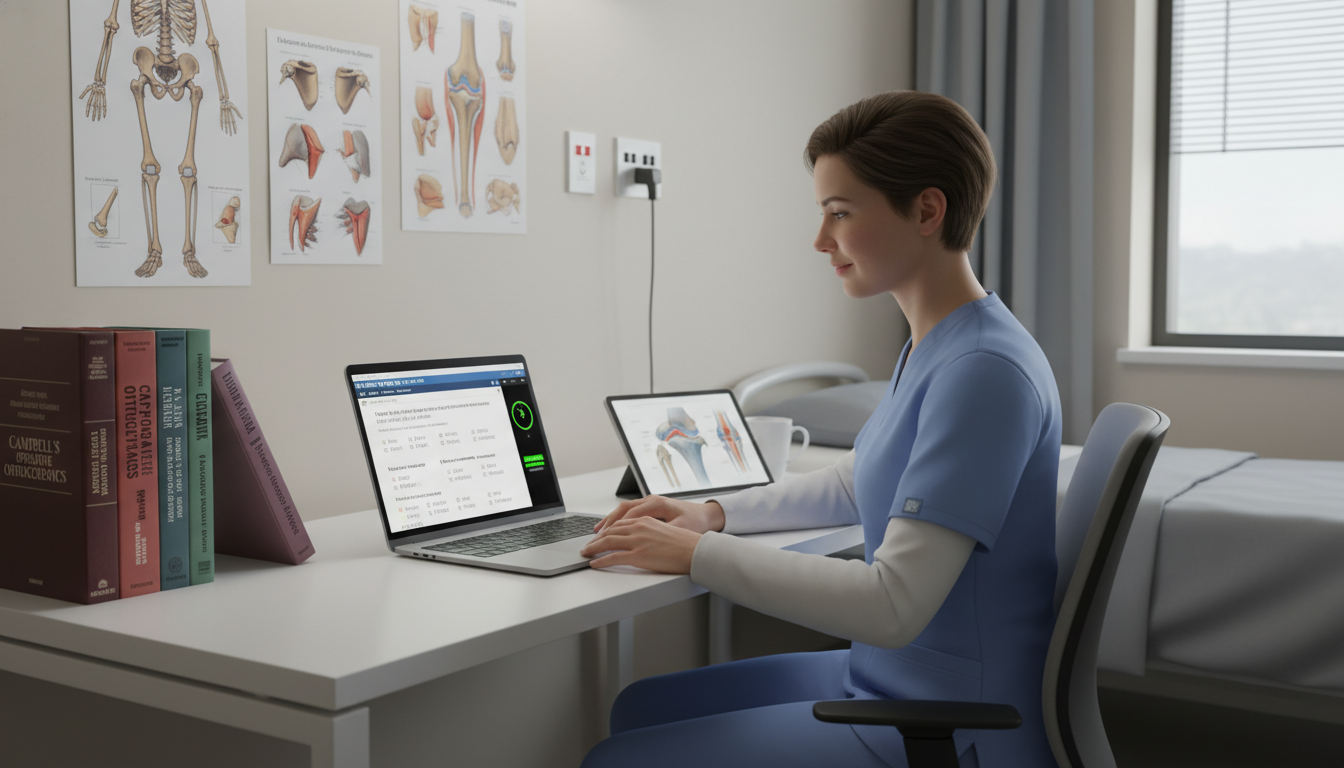
Why PM&R Residents Should Think About Private Practice Early
Physical Medicine & Rehabilitation (PM&R) is uniquely suited to private practice. You work longitudinally with patients, coordinate multidisciplinary care, and offer procedures that can support a sustainable business model. Yet most residents and even many new attendings feel unprepared to launch or join a private practice.
Planning ahead—while you’re still focused on the PM&R residency and physiatry match process—gives you options later. Even if you begin your career in an employed position, understanding how private practice works will help you negotiate contracts, choose practice settings, and eventually transition to more autonomy if you want it.
This guide walks step-by-step through:
- Whether private practice is right for you
- How to prepare during residency
- The business and legal foundations you must understand
- How to design a PM&R practice model that fits your skills and market
- Practical timelines, budgets, and pitfalls to avoid
The emphasis is on outpatient musculoskeletal, interventional, and general physiatry practices, but many principles apply to other niches (brain injury, spinal cord injury, sports medicine, pain, etc.).
1. Is Private Practice Right for You? Big-Picture Considerations
Before thinking about logos, leases, or EMG machines, you need a sober assessment of whether starting private practice fits your skills, risk tolerance, and personal goals.
1.1 Private practice vs employment: core trade-offs
Most new physiatrists start their careers employed—by a hospital, health system, academic center, or large multispecialty group. Understanding private practice vs employment will help you make intentional choices.
Advantages of employment
- Predictable income (salary + RVU or productivity bonuses)
- Existing referral network and patient flow
- Institutional support (billing, IT, HR, compliance)
- Coverage for malpractice, benefits, CME budget
- Easier early-career learning curve
Disadvantages of employment
- Less control over:
- Scheduling and visit length
- Patient mix and procedures
- Which payers you accept
- Staff hiring and culture
- Vulnerability to:
- RVU pressure and high volume expectations
- Changes in administration/strategic priorities
- Non-compete clauses and restrictive covenants
Advantages of starting a private practice
- High autonomy:
- Design clinic schedule and visit length
- Choose your niche (e.g., ultrasound-guided procedures, EMG, MSK ultrasound, spasticity management)
- Build team and culture aligned with your values
- Long-term financial upside:
- You own the business and any equity value
- Profit from ancillaries (DME, procedures, rehab services) if appropriate and compliant
- Flexibility:
- Ability to pivot services and add partners
- Potential to build a regional reputation and referral center
Disadvantages and risks
- Income volatility, especially first 1–3 years
- Personal financial risk (loans, leases, startup capital)
- Responsibility for:
- Payroll and HR
- Billing/collections and revenue cycle
- Compliance, credentialing, contracting
- Time cost: less “clinical only” work, more business and administrative tasks
1.2 Personality and skill-set fit
Starting a private practice isn’t just a financial decision; it’s a lifestyle and identity decision. You’re not only a physiatrist—you’re also a small business owner.
You’re more likely to thrive if you:
- Enjoy problem-solving beyond clinical medicine (systems, workflows, numbers)
- Are comfortable with uncertainty and delayed gratification
- Communicate clearly and lead teams
- Can delegate and trust others
- Are willing to learn basic business, finance, and legal concepts
You may prefer employment or joining an established group if you:
- Strongly dislike administrative work
- Prefer clearly defined roles and support systems
- Have very low risk tolerance or high immediate financial obligations
- Need predictable hours and income early due to family or debt constraints
1.3 Timing in your career
For many, the best path is:
- Complete PM&R residency, possibly followed by fellowship (pain, sports, SCI, TBI, etc.)
- Work 2–5 years in an employed setting to:
- Build clinical confidence
- Understand practice operations from the inside
- Pay down some educational debt
- Learn what you do and don’t want in a future practice
- Begin planning or transitioning to a private practice once you have a clearer sense of your niche and local market.
But some residents—especially those with strong entrepreneurial drive or family support—go directly into or quickly toward private practice. Both paths are viable; what matters is intentional planning.
2. Preparing During PM&R Residency and Early Career
Your preparation for starting private practice should begin well before you sign a lease.
2.1 Use residency strategically
Even while focused on the physiatry match and PM&R residency milestones, you can build a foundation for future independence.
Seek exposure to different practice models
- Rotate or moonlight (if allowed) in:
- Private outpatient PM&R clinics
- Interventional pain practices
- Sports medicine clinics
- EMG laboratories
- Multidisciplinary rehabilitation centers
- Ask attendings:
- How their practice is structured (solo, group, hospital-affiliated)
- Revenue streams (office visits, EMG, procedures, injections, consults)
- Biggest business and operational challenges
Deliberately develop billable skills
Procedural and diagnostic skills can be central revenue drivers in a PM&R residency private practice:
- EMG and nerve conduction studies
- Musculoskeletal ultrasound
- Ultrasound-guided injections
- Botulinum toxin injections for spasticity and dystonia
- Fluoroscopically guided procedures (if within your scope and training)
- Orthotics, prosthetics coordination, and DME-related services
Aim to graduate confident, efficient, and accurate in at least one or two high-value niches you can build around.
Learn the language of billing and documentation
During residency:
- Ask your attendings and coders to review:
- E/M coding (levels, time-based vs MDM)
- Procedure codes common in your rotations
- Diagnosis coding for common PM&R conditions
- Practice:
- Writing notes that support proper coding without being bloated
- Understanding pre-authorization triggers
This knowledge will translate directly into better revenue capture later.
2.2 Early-career employed years: treat them as practice school
If you begin in an employed role, treat it like a paid fellowship in practice management.
Proactively request:
- Meetings with practice managers or administrators to learn:
- How scheduling templates are created
- How no-shows and cancellations are managed
- How collections and denials are tracked
- Access to your own metrics:
- RVUs, charges, collections, payer mix
- Procedure volumes and profitability, if possible
Use this period to refine your clinical identity:
- What patient populations give you energy?
- What procedures feel most aligned with your skills?
- What aspects of your current practice would you keep vs change?
3. Designing Your PM&R Practice Model
Once you’ve clarified your motivation and timing, the next step is deciding what your practice will actually look like.
3.1 Defining your clinical niche and scope
PM&R offers multiple private-practice-friendly niches:
- General musculoskeletal and spine
- Chronic low back/neck pain, radiculopathy, myofascial pain, osteoarthritis, tendon disorders
- Sports and performance medicine
- Athletes, active adults, ultrasound-guided procedures, return-to-play decisions
- Interventional spine and pain
- Epidural steroid injections, medial branch blocks, RFA, SI joint injections (training and regulations permitting)
- Neuromuscular & EMG-focused
- EMG/NCS services for referring neurologists, orthopedists, PCPs, and surgeons
- Spasticity and neurorehabilitation
- Botox, phenol, intrathecal baclofen pump management, post-stroke or SCI follow-up
- Amputee and prosthetics-focused rehabilitation
- Cancer rehabilitation, pelvic rehab, pediatrics, or other subspecialties
You don’t need to pick only one, but your branding and marketing will be clearer if you emphasize 1–2 primary service lines.
Ask yourself:
- Which conditions and procedures will be:
- Clinical mainstay (time-wise)?
- Revenue drivers (financially)?
- Differentiators (what makes you unique in your area)?
3.2 Market and location analysis
Location can make or break a starting private practice. Conduct a structured market analysis:
Assess demand
- Use public data:
- Census data for population size, age distribution, and growth
- Local health system websites to identify existing PM&R, pain, sports, and ortho services
- Estimate needs:
- Are there underserved geographic pockets farther from major hospital centers?
- Are PCPs complaining about long wait times for physiatry referrals?
Assess competition
- How many PM&R physiatrists and pain/sports specialists are already in the area?
- What do they focus on (look at their websites, reviews, procedure offerings)?
- What are their wait times? High wait times often signal unmet demand.
Evaluate referral sources
- Primary care groups
- Orthopedic surgery, neurosurgery, neurology
- Rheumatology, oncology, pediatrics (for specific niches)
- Physical therapy and chiropractic offices
Talk to potential referrers informally (during your current job or via networking) about:
- What types of PM&R services they need most
- Pain points with existing services (access, communication, scope)
3.3 Choosing practice structure and growth model
Solo vs group practice
- Solo practice
- Highest autonomy and simplest governance
- You control all clinical and business decisions
- Can be more vulnerable to volume fluctuations and vacations
- Group PM&R or multispecialty practice
- Shared overhead and support services
- Built-in colleagues for consults/call coverage
- Requires clear agreements about compensation, governance, and exit
Growth model
- Lean start-up model
- Smaller space, minimal staff at start
- Basic equipment (e.g., EMG, ultrasound) targeted to core niche
- Gradual expansion of services and staff as volume grows
- Fully built-out from day one
- Larger capital requirements and risk
- More comprehensive service offerings (e.g., in-house PT, procedures) early
- Better suited if you’re joining with partners or backing from an investor/health system
For most new physiatrists starting private practice, a lean model with strategic, phased expansion is safer.
4. Business, Legal, and Financial Foundations
This is the part most physicians feel least prepared for—yet it’s critical for sustainability.
4.1 Choosing a legal entity and ownership structure
Work with a healthcare attorney and accountant to choose and form your entity. Common structures for PM&R practices in the U.S.:
- Professional Limited Liability Company (PLLC)
- Professional Corporation (PC) or Professional Association (PA)
- LLC or S-Corp, depending on your state’s rules for professional services
Key considerations:
- Liability protection (separation of personal and business assets)
- Tax implications (salary vs distributions, self-employment tax)
- Ownership rules for physicians vs non-physicians in your state
Also clarify:
- If multiple physicians: equity split, governance, decision-making, and buy-in/buy-out formulas
- Whether you’ll allow non-physician ownership (where permitted) for capital investment
4.2 Licensure, credentialing, and payer contracting
Licensure and registrations
- State medical license (and any additional state licenses if practicing across borders)
- DEA registration (if prescribing controlled substances)
- State controlled substance registration (if applicable)
- NPI (National Provider Identifier) and NPPES registration
Credentialing and contracting
Start this process early—often 3–6 months before opening:
- Credential with:
- Medicare and Medicaid
- Major commercial payers in your region (BCBS, Aetna, United, Cigna, etc.)
- Workers’ compensation plans if servicing industrial injuries
- Decide whether you’ll:
- Be in-network with most plans (higher volume, lower per-visit payment)
- Maintain some out-of-network/cash-based services (e.g., advanced procedures or performance services)
Be realistic: being entirely cash-based is rare in PM&R except for very niche practices or specific services.
4.3 Malpractice insurance and risk management
- Choose between claims-made and occurrence policies
- Claims-made requires tail coverage when you leave
- Occurrence is more expensive but doesn’t require tail
- Consider coverage limits commonly used in your state (e.g., $1M/$3M)
- If coming from an employed job:
- Clarify whether their malpractice includes tail coverage
- Make sure there’s no gap in coverage while you transition
Incorporate risk management practices:
- Appropriately detailed documentation for procedures
- Informed consent processes
- Checklist-based protocols for higher-risk procedures
4.4 Building a realistic startup budget
Your starting private practice budget will depend on size, services, and location, but think in categories:
One-time startup costs
- Legal and accounting setup: entity formation, contracts, lease review
- Credentialing and payer enrollment services (if outsourced)
- Office buildout or renovation
- Medical equipment
- Exam tables, vital signs equipment
- EMG machine, ultrasound machine, C-arm (if applicable)
- Procedure supplies, braces, DME (if offered)
- IT and software
- EHR/PM system
- Practice website, domain, branding
- Phone system, computers, printers
- Initial marketing materials
- Website design
- Referral packets, brochures
- Signage
Ongoing fixed monthly costs
- Rent and utilities
- Staff salaries and benefits
- Malpractice insurance premiums
- EHR and billing software fees
- Phone/internet
- Accounting and legal retainer (if needed)
- Loan payments (equipment, buildout, or line of credit)
Variable costs
- Medical and office supplies
- Billing service percentage (if using third-party billing)
- Marketing and outreach events
Work with a healthcare-savvy accountant to build a cash-flow projection for at least 12–24 months and secure sufficient funding (savings, loans, or investors) to cover a realistic ramp-up period.
4.5 Revenue cycle: billing, coding, and collections
Effective revenue cycle management is fundamental to opening medical practice in PM&R.
Key decisions:
- In-house billing vs outsourced billing company
- In-house can give more control but requires experienced staff
- Outsourcing can be wise early, but carefully vet companies
- EHR/practice management system integration with billing
- Policy for co-pays, deductibles, and unpaid balances
Track metrics from day one:
- Charges and collections by payer
- Days in accounts receivable
- Denial rates and reasons
- No-show and cancellation rates
5. Operations, Team, and Patient Experience
Once legal and financial foundations are in place, your daily operations and culture will determine whether the practice thrives.
5.1 Staffing your PM&R practice
Early on, you might limit to a small but strong core team:
- Front desk/reception
- Scheduling, check-in/out, insurance verification
- Medical assistant or nurse
- Rooming patients, vitals, assisting with procedures
- Billing/collections (in-house or outsourced)
- Practice manager (can be part-time or shared at start) to oversee:
- HR, payroll
- Vendor relationships
- Compliance and policies
As you grow, consider:
- Additional MAs or nurses
- Advanced practice providers (PA/NP) to expand access
- In-house PT/OT (if appropriate, compliant, and financially viable)
Hiring tips:
- Prioritize attitude and reliability over specific EMR experience
- Look for candidates who are comfortable with change and growth
- Invest time in training and cross-training
5.2 Clinic flow and scheduling design
Thoughtful scheduling is critical for both patient experience and practice finances.
Key decisions:
- Visit types and time slots:
- New patient evaluations (e.g., 30–60 minutes)
- Follow-ups (15–30 minutes)
- EMG slots (45–60+ minutes)
- Procedure blocks (based on complexity)
- Template structure:
- Start with more generous times, then tighten as you gain efficiency
- Reserve buffer slots for overflows, urgent add-ons, or complex cases
- Telemedicine:
- Follow-ups, medication checks, and some chronic pain/spasticity care may be possible via telehealth, subject to regulations and payer rules
Monitor and adjust:
- Track wait times, no-show patterns, and staff workload
- Refine templates every few months based on real data
5.3 Building your referral network and marketing ethically
Marketing in medicine is fundamentally about visibility and trust.
Referral-based marketing
- Meet with:
- Local PCPs, orthopedists, neurosurgeons, neurologists, rheumatologists
- PT/OT clinics and chiropractors
- Pain clinics (for complementary services like EMG or rehab)
- Provide:
- Clear referral guidelines and easy contact methods
- Timely notes and feedback after seeing their patients
- Offer:
- Educational talks (e.g., on updated spine care guidelines, EMG indications, spasticity management)
- Collaborative case reviews
Patient-facing marketing
- Professional website that clearly communicates:
- Who you are (bio, training, philosophy)
- Services offered
- Conditions treated
- How to schedule and what to expect
- Online presence:
- Google Business Profile and online reviews
- Social media (optional but can be powerful for sports/performance or wellness niches)
- Educational content:
- Blog posts, short videos, or community talks on common PM&R conditions
Stay within regulatory frameworks (e.g., Stark law, Anti-Kickback Statute) and your local medical board’s rules regarding advertising and referrals.
5.4 Patient experience and practice culture
Your culture is your long-term differentiator.
Elements that build loyalty and word-of-mouth:
- Short and predictable wait times
- Staff who are consistently kind, competent, and empowered to solve problems
- Clear communication of diagnosis and treatment plan
- Coordination with therapists and other specialists
- Proactive follow-up for high-risk or complex patients
In PM&R, functional outcomes and quality-of-life improvements are often more meaningful to patients than pain scores alone. Build systems to measure and celebrate those outcomes.
6. Timelines, Common Pitfalls, and Long-Term Strategy
6.1 A realistic timeline to opening
Working backward from a target opening date:
12–18 months before opening
- Clarify clinical focus and market
- Begin deeper networking in your target area
- Talk with mentors who have started or run practices
- Review and understand your current employment contract (non-competes, notice periods)
9–12 months before
- Choose your location/neighborhood
- Engage attorney and accountant
- Decide on legal structure; start entity formation
- Begin payer research and preliminary credentialing planning
- Evaluate EHR and billing options
6–9 months before
- Sign lease (after legal review)
- Plan office layout and order major equipment
- Begin payer credentialing and contracting
- Hire key staff or at least a clinic manager/front desk lead
- Build website and branding elements
3–6 months before
- Finalize EHR and practice management system
- Develop clinic policies, forms, and protocols
- Test workflows and billing processes
- Begin “soft marketing”: announce upcoming opening, meet referrers
0–3 months before and after opening
- Open with a manageable schedule
- Monitor finances and workflows weekly
- Adjust visit lengths and template as needed
- Pursue ongoing feedback from staff, patients, and referrers
6.2 Common pitfalls when starting a PM&R private practice
- Underestimating startup and ramp-up time
- Expect at least 6–12 months before reaching stable volume
- Overbuilding too early
- High fixed costs (large space, many employees, expensive equipment) before demand is proven
- Neglecting payer mix and contracts
- Poorly negotiated rates or heavy reliance on low-paying plans
- Inadequate attention to billing and documentation
- High denial rates, undercoding, or incomplete documentation leading to lost revenue
- Ignoring personal financial planning
- Insufficient emergency savings or overreliance on personal credit
6.3 Long-term strategy: from solo to sustainable enterprise
Once the practice is stable, think strategically about growth:
- Add complementary services:
- Additional EMG capacity
- Ultrasound-guided interventions
- In-house therapy services or collaborative agreements
- Consider adding partners or associates:
- Clearly define compensation, partnership tracks, and governance
- Evaluate satellite locations to expand reach if demand and staffing allow
- Invest in your own leadership education:
- Courses in negotiation, management, and healthcare finance
- Coaching or mastermind groups with other physician-owners
The goal is to build a practice that not only supports your income, but also remains attractive to future partners, buyers, or successors when you eventually retire or transition roles.
FAQs
How early in PM&R residency should I start planning for private practice?
Begin exploring the idea as soon as you have a basic sense of what PM&R encompasses—typically PGY-2 or early PGY-3. You don’t need to commit that early, but you can:
- Seek rotations in private practices
- Ask mentors about their career paths
- Focus on acquiring billable skills (EMG, ultrasound, injections) More concrete planning (location, niche, financial modeling) usually begins during late residency or in your first 1–3 years of practice.
Can I go directly into private practice after residency?
Yes, it’s possible, though riskier. You’ll need:
- Strong procedural and diagnostic competence in at least one high-demand niche
- Mentorship from someone who has built a practice
- Access to capital and a supportive personal financial situation Many new graduates instead join an existing private group with a path to partnership. This offers exposure to business operations with less initial risk than opening medical practice entirely on your own.
Is a fellowship necessary to start a PM&R private practice?
Not strictly, but a fellowship can:
- Deepen a niche (e.g., pain, sports, SCI, TBI, pediatrics) that differentiates your practice
- Provide more procedural training, often key for revenue and marketability
- Enhance your credibility with referrers General MSK/spine or EMG-focused private practices can be built without fellowship if your residency training and early experience are strong. Your choice should depend on your desired scope and local market needs.
Should I start in private practice or take an employed job first?
There’s no single right answer. Many physiatrists begin in an employed role to:
- Build clinical confidence
- Learn operations and billing in a lower-risk setting
- Stabilize personal finances
Later, they either transition to starting private practice or join an existing private group. Others with high risk tolerance, strong mentorship, and a clear vision may go directly to private practice. Reflect on your goals, financial situation, and personality, and seek advice from trusted mentors who know you well.