



Understanding Your First Year: Where Addiction Medicine Fits In
First year of medical school rarely feels “manageable.” It’s intense, disorienting, and packed with information. Yet for students interested in addiction medicine, M1 can be more than just survival—it’s a crucial foundation for your future work with patients experiencing substance use disorders (SUDs).
You might be wondering:
- How does addiction medicine fit into the first year medical school curriculum?
- What should I focus on now if I’m considering an addiction medicine fellowship later?
- How do I actually survive and not burn out?
This guide walks through core strategies for surviving medical school in M1—with a specific focus on skills, mindsets, and opportunities that will serve you in addiction medicine. Think of it as a roadmap to stay afloat now and set yourself up for a meaningful, competitive path later.
We’ll cover:
- How M1 content directly supports future addiction medicine training
- Study strategies that work when everything feels like “too much”
- Protecting your mental health in a specialty that deals with suffering and stigma
- Early experiences, mentors, and projects that align with substance abuse training
- How to build a trajectory toward residency and, eventually, an addiction medicine fellowship
Building a Strong Academic Foundation (Without Burning Out)
Your first responsibility in M1 is simple but not easy: pass and learn enough to think like a physician-in-training. For future addiction medicine physicians, the basic sciences are not just hurdles—they’re the language of the field.
Core M1 Subjects That Matter in Addiction Medicine
As you move through your courses, keep an eye on how each one connects to substance use and addiction:
Neuroscience / Neuroanatomy
- Neural pathways of reward and reinforcement
- Dopamine, GABA, glutamate systems
- Brain regions involved in craving, decision-making, and impulse control
- Long-term neuroadaptive changes in chronic substance use
Biochemistry & Pharmacology
- Metabolism of common substances: alcohol, opioids, stimulants, nicotine
- Receptor pharmacology (mu-opioid receptors, GABA-A, NMDA, nicotinic receptors)
- Mechanisms of medications used in addiction treatment (e.g., buprenorphine, methadone, naltrexone, acamprosate, disulfiram, varenicline)
- Tolerance, dependence, withdrawal physiology
Physiology & Pathophysiology
- Alcohol’s impact on liver, pancreas, brain, and cardiovascular system
- Stimulant effects on cardiovascular and nervous systems
- Respiratory depression with opioids
- Pregnancy and substance use; fetal exposure
Behavioral Science & Psychiatry Foundations
- Diagnostic criteria for substance use disorders (SUDs)
- Co-occurring psychiatric conditions (depression, anxiety, PTSD, bipolar disorder, personality disorders)
- Motivational interviewing basics
- Stigma and social determinants of health
When you see addiction-related content in lectures, flag it. These are early building blocks for substance abuse training later.
Strategic Study Habits for M1 Survival
The volume of first-year material is overwhelming. But your goal is not perfection—it’s sustainable competence.
1. Use active learning, not passive review
Replace rereading with:
- Spaced repetition (e.g., Anki or similar flashcard systems)
- Practice questions (from course banks or commercial resources)
- Teaching a classmate (“If I can explain opioid receptor subtypes out loud, I probably know them”)
Tie new material to addiction medicine whenever possible:
- Example: When studying liver metabolism, connect it to chronic alcohol use and cirrhosis.
- When learning about reward pathways, relate to craving and relapse.
2. Use “minimum effective dose” studying
You don’t need to master every detail. Focus on:
- Learning objectives given by your course
- Concepts that:
- Reappear across courses
- Apply directly to clinical care (especially pharmacology, physiology, and neuro)
Create a simple decision rule for yourself:
“If it’s a high-yield core mechanism, a board favorite, or clearly related to addiction medicine, I study it deeply. Otherwise, I aim for functional understanding.”
3. Protect your bandwidth: say no selectively
M1 offers endless extras: clubs, shadowing, research, volunteerism. These can be valuable, especially for addiction medicine fellowship aspirations, but not if you’re failing classes.
In the first 2–3 months, limit commitments to:
- 1–2 organizations max
- Academic success as your top priority
As your routines solidify, you can add more targeted activities (e.g., an addiction interest group, harm reduction outreach).
4. Build a weekly system
A simple weekly rhythm helps prevent chaos:
Sunday planning:
- Map out lectures, labs, quizzes, and major deadlines
- Block 2–3-hour study chunks each day
Daily structure (example):
- Morning: lectures (live or recorded at 1.5x speed)
- Afternoon: review of same-day materials + flashcards
- Evening: practice questions / group review
- At least one protected hour for exercise, social, or rest
Consistency is your ally in surviving medical school far more than raw intelligence.

Mental Health, Boundaries, and Emotional Resilience
Addiction medicine is emotionally heavy. You will eventually care for people who have suffered trauma, overdose, incarceration, and stigma—from systems and sometimes from healthcare professionals themselves.
Ironically, M1 itself can push you toward unhealthy coping: sleep loss, isolation, poor nutrition, or even increased substance use. Surviving first year requires deliberate attention to your own well-being.
Normalizing the Emotional Roller Coaster
It’s common in first year to experience:
- Doubting your decision to pursue medicine
- Feeling “behind” compared to everyone else
- Periodic burnout, irritability, or detachment
- Fear about failing exams or not matching into your desired specialty
For students specifically drawn to addiction medicine, you may also:
- Have personal or family experiences with substance use
- Feel strong emotional reactions when addiction topics come up in class
- Struggle with frustration over outdated or stigmatizing comments you may hear
Recognize these as data, not defects. Use them to refine your boundaries and support systems.
Mental Health Strategies That Actually Help
1. Schedule mental health like a required course
- Block weekly time for:
- Therapy or counseling (if accessible)
- Peer support groups or wellness programming
- Religious/spiritual practice if applicable
- Unstructured downtime (non-negotiable)
Think in terms of: “What keeps me functioning as a future physician?” Then protect it.
2. Set realistic, self-compassionate expectations
You do not need to:
- Be at the top of the class
- Know your specialty on day one
- Volunteer for every addiction-related opportunity to prove your commitment
It’s more sustainable to:
- Aim for steady progress, not constant excellence
- Accept that some blocks will go better than others
- Be gentle with yourself when you fall short—and then adjust your systems
3. Identify and address high-risk coping behaviors early
Because of your future role in addiction medicine, it’s important to be honest with yourself now:
- Are you using alcohol, cannabis, or other substances more as stress increases?
- Are you relying on stimulants or sleep aids in unsafe ways?
- Are you hiding these patterns out of shame or fear?
If you see concerning patterns:
- Talk to a trusted physician mentor, mental health professional, or your student health service.
- Remember: early help is strength, not a liability for your career—many physicians in addiction medicine have personal experiences that shape their empathy and effectiveness.
4. Boundaries around exposure to trauma and suffering
If you get involved in early addiction-related volunteering (overdose outreach, shelter health, needle exchange, etc.), balance is critical:
- Debrief difficult encounters with a mentor or team member.
- Give yourself permission to step back if you feel overwhelmed.
- Use reflective writing or journaling to process emotions and values conflicts.
Building healthy boundaries now will protect you in residency and beyond.
Getting Early Exposure to Addiction Medicine (Without Overloading Yourself)
Even as an M1, you can begin to explore the field in ways that are manageable and meaningful. The key is targeted, low-intensity exposure that complements your coursework.
Low-Time-Commitment Ways to Explore Addiction Medicine
1. Join an addiction or psychiatry interest group
Look for:
- Student-run Addiction Medicine, Psychiatry, or Public Health groups
- Activities like:
- Journal clubs on new SUD treatment research
- Panels with physicians in addiction medicine
- Naloxone (Narcan) training workshops
These often require only a few hours per month but offer:
- Mentorship opportunities
- Early connections with faculty
- Insight into career paths (e.g., psychiatry vs internal medicine vs family medicine with addiction focus)
2. Attend one-off events and grand rounds
Most academic centers with addiction specialists host:
- Grand rounds on opioid use disorder, harm reduction, or integrated care
- Community seminars on overdose prevention, MAT (medications for addiction treatment), and policy
Commitment: 1–2 hours at a time. Pay attention to:
- What kinds of cases addiction physicians discuss
- How interdisciplinary teams function (social work, nursing, counseling, case management)
- How stigma is addressed—or not addressed
3. Carefully chosen volunteer work
Examples of M1-friendly roles:
- Health education or screening activities at community events
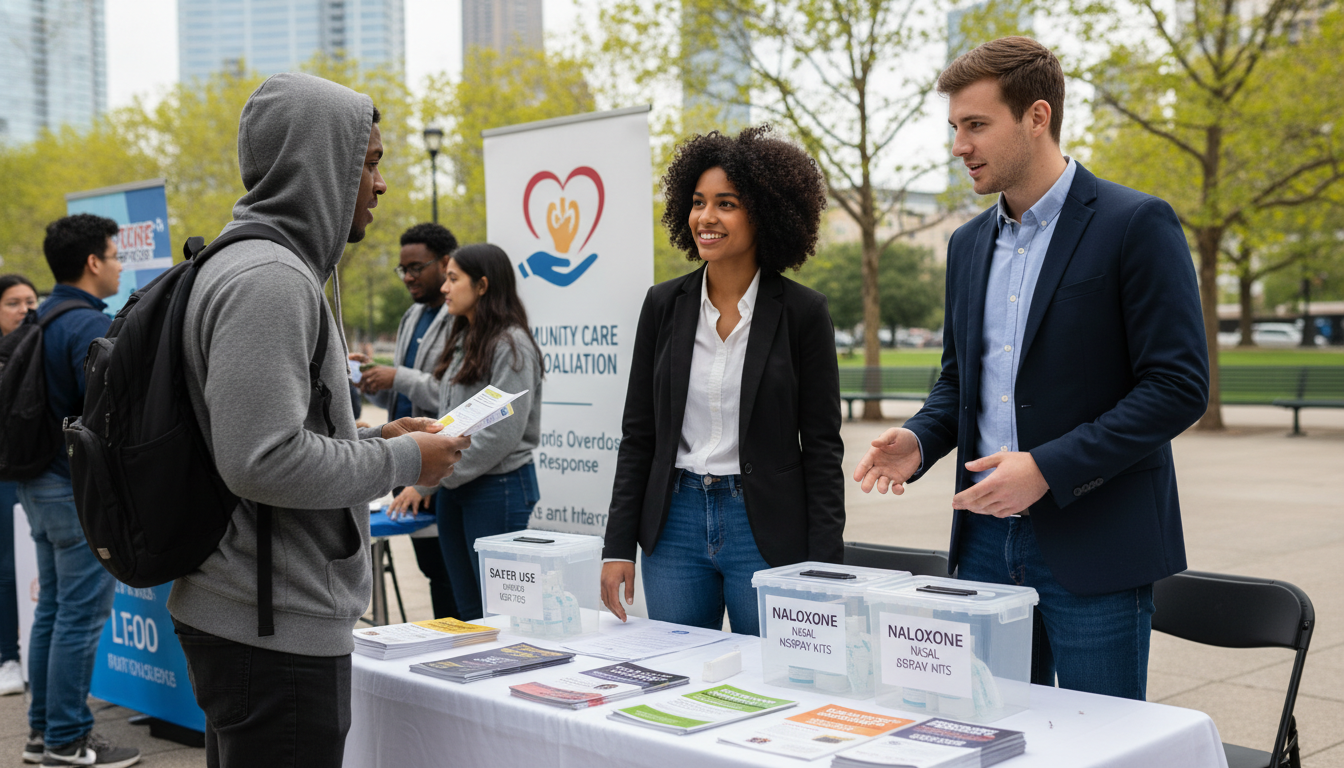
- Tabling for naloxone distribution under supervision
- Supporting syringe service programs (where allowed by law) in administrative or outreach roles
- Peer-support-adjacent roles (not as a clinician, but as a healthcare learner observing systems)
Questions to ask before committing:
- Who will supervise me?
- What’s the minimum time commitment per month?
- How will I be supported if I see something emotionally difficult?
If your schedule is already strained, attending interest group meetings and occasional events may be enough for M1.
Laying the Groundwork for Future Addiction Medicine Training
M1 is early, but not too early, to start thinking strategically about how your experiences will support residency applications and, later, an addiction medicine fellowship.
Clarifying the Addiction Medicine Pathway
Addiction medicine in the U.S. is generally a subspecialty, reached via fellowship after primary residency. Common routes:
- Internal Medicine → Addiction Medicine Fellowship
- Family Medicine → Addiction Medicine Fellowship
- Psychiatry → Addiction Psychiatry Fellowship or Addiction Medicine Fellowship
- Pediatrics, OB/GYN, Emergency Medicine, and others → Addiction Medicine Fellowship (depending on program requirements)
During M1, you do not need to pick a residency yet. Instead, focus on:
- Learning which disciplines many addiction physicians come from
- Noticing which parts of early curriculum you naturally enjoy (neuro, psych, internal medicine-like content, etc.)
- Understanding that you can incorporate addiction treatment into many specialties (e.g., family medicine, emergency medicine)
M1-Friendly Academic and Research Opportunities
You don’t have to do research in addiction medicine to end up in the field—but it can be helpful and deeply educational.
Potential projects that fit M1 bandwidth:
Chart reviews under faculty supervision:
- ED visits for overdose before and after a policy change
- Linkage to care after inpatient detoxification
- Co-occurring psychiatric diagnoses in patients with OUD
Quality improvement (QI) projects:
- Improving screening rates for alcohol or substance use in a primary care clinic
- Evaluating implementation of SBIRT (Screening, Brief Intervention, and Referral to Treatment)
- Streamlining naloxone prescribing at discharge
Public health or community-based projects:
- Evaluating patient education materials
- Participating in community needs assessments for SUD services
Keep your criteria simple:
- Time-limited (e.g., summer, one semester)
- Clear supervisor who understands you’re an M1
- Realistic deliverables (poster, abstract, short paper, QI presentation)
Even if you’re not ready for research, consider:
- Writing reflections or narrative pieces about addiction-related experiences (maintaining confidentiality) for student publications.
- Tracking your activities (date, role, impact) in a spreadsheet—you’ll thank yourself when it’s time to write residency or fellowship applications.
Skills to Develop Now That Pay Off Later
Across specialties, strong addiction medicine clinicians share certain skills. Many can be practiced during M1:
Nonjudgmental communication
- Practice using person-first language: “person with opioid use disorder,” not “addict.”
- Challenge stigmatizing phrases when you hear them—respectfully and professionally.
Motivational interviewing basics
- Learn the “OARS” framework: Open questions, Affirmations, Reflective listening, Summarizing.
- Try using these techniques even in peer conversations (e.g., when a classmate is ambivalent about seeking help for stress).
Cultural humility and awareness of structural factors
- Study how racism, poverty, criminalization, and housing instability intersect with addiction.
- When you learn about “risk factors,” think beyond biology to policy and systems.
Interdisciplinary collaboration mindset
- Recognize early that addiction care is rarely “physician-only.”
- Value nursing, social work, peer recovery coaches, and community partners as co-experts.
These competencies will show through in your future letters, interviews, and, more importantly, your patient care.
Practical M1 Tips: Day-to-Day Survival with an Eye on Addiction Medicine
To bring everything together, here are concrete M1 tips you can start using immediately.
Academic Survival Checklist
Attend (or watch) lectures with a purpose:
- Before: skim objectives, pre-load your brain with key questions.
- During: focus on mechanisms and clinical correlations—especially where addiction is mentioned.
- After: do 20–30 minutes of review the same day.
Build a core Anki deck (or equivalent) focusing heavily on:
- Neurotransmitters and receptors
- Pharmacology of psychoactive substances and treatment meds
- Major SUD-related pathophysiology (e.g., alcohol and the liver, opioids and respiratory drive)
Use past exams or practice questions not just to pass, but to identify:
- Where addiction-related mechanisms appear in board-style questions
- Gaps in understanding that might matter later in clinical practice
Well-Being and Balance Checklist
Minimum targets each week:
- 7–8 hours of sleep most nights
- 3+ sessions of physical activity (even 20–30 minutes)
- 1–2 social interactions completely unrelated to school
- One block of time with absolutely no studying or screens
Red flag responses:
- If you notice persistent anxiety, depressed mood, or hopelessness for >2 weeks, reach out for help.
- If you’re using substances more often or in riskier ways, treat this as a professional concern and seek support early.
Addiction Medicine–Specific Actions This Year
During M1, aim for just a few targeted experiences:
Join one relevant student group
- Addiction medicine, psychiatry, family medicine, public health.
- Attend most meetings, but don’t overcommit to leadership yet.
Shadow once or twice in an addiction-related setting (if available)
- Outpatient addiction clinic
- Methadone or buprenorphine program
- Inpatient consult service focusing on SUDs
Attend 1–3 grand rounds or seminars on addiction
- Keep notes on cases or approaches that resonated with you.
- Note any faculty you might want to talk with later.
Optional: Explore one small academic/quality project over the summer
- This could become a research poster or a foundation for future work.
Remember: you’re playing a long game. You don’t have to check every box in M1—just move consistently in the direction of your interests while protecting your core goal: successfully completing the first year.
FAQs: Surviving M1 with an Interest in Addiction Medicine
1. Do I have to commit to addiction medicine during first year of medical school?
No. M1 is primarily about learning the basics and exploring possibilities. Many future addiction physicians only discover the field in clinical years or even in residency. Early interest helps you seek relevant experiences, but it’s completely fine to stay open-minded.
2. How much addiction-focused activity do I need for a future addiction medicine fellowship?
Addiction medicine fellowships typically look for a demonstrated interest in SUD care during residency and sometimes earlier. As an M1, a few experiences—such as joining an interest group, attending grand rounds, or doing a small project—are plenty. Focus on depth and reflection, not volume. Your residency years will carry more weight than M1.
3. I’m struggling academically. Should I still pursue addiction-related activities?
Your coursework comes first. If you’re consistently underperforming or feeling overwhelmed, pause extracurriculars temporarily and stabilize your academic situation. Addiction medicine as a specialty will still be there later; strong fundamentals now will make you a better physician for your future patients.
4. I have a personal or family history of addiction. Will that hurt my chances in residency or fellowship?
Personal experience with addiction—your own or a loved one’s—is common among people drawn to this field and can be a powerful source of empathy and motivation. Protect your privacy and well-being first; share details only with trusted mentors or programs where you feel safe. Honesty about recovery or family experiences, framed appropriately and with insight, is often seen as a strength, not a liability.
Focusing on foundational knowledge, sustainable systems, mental health, and a small number of meaningful addiction-related experiences will help you not only survive first year of med school, but begin shaping the kind of physician you want to become.




















