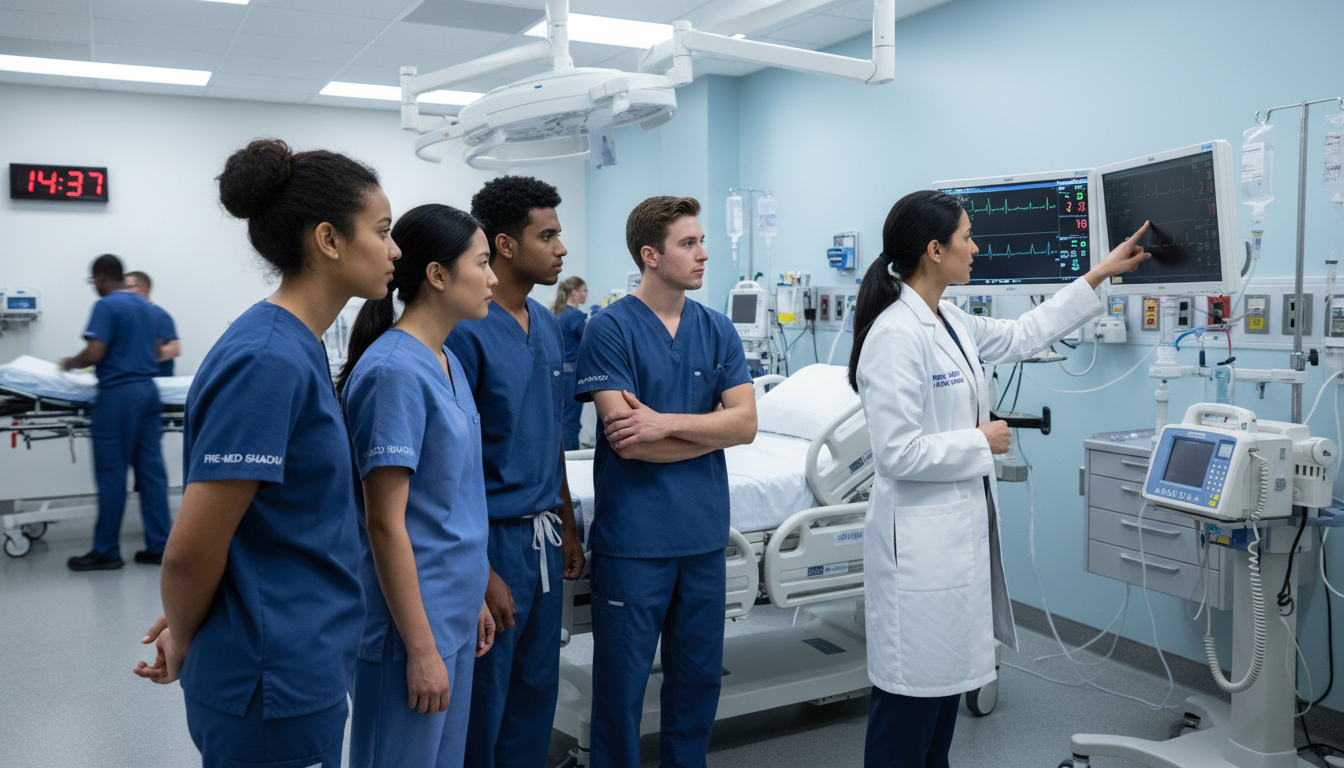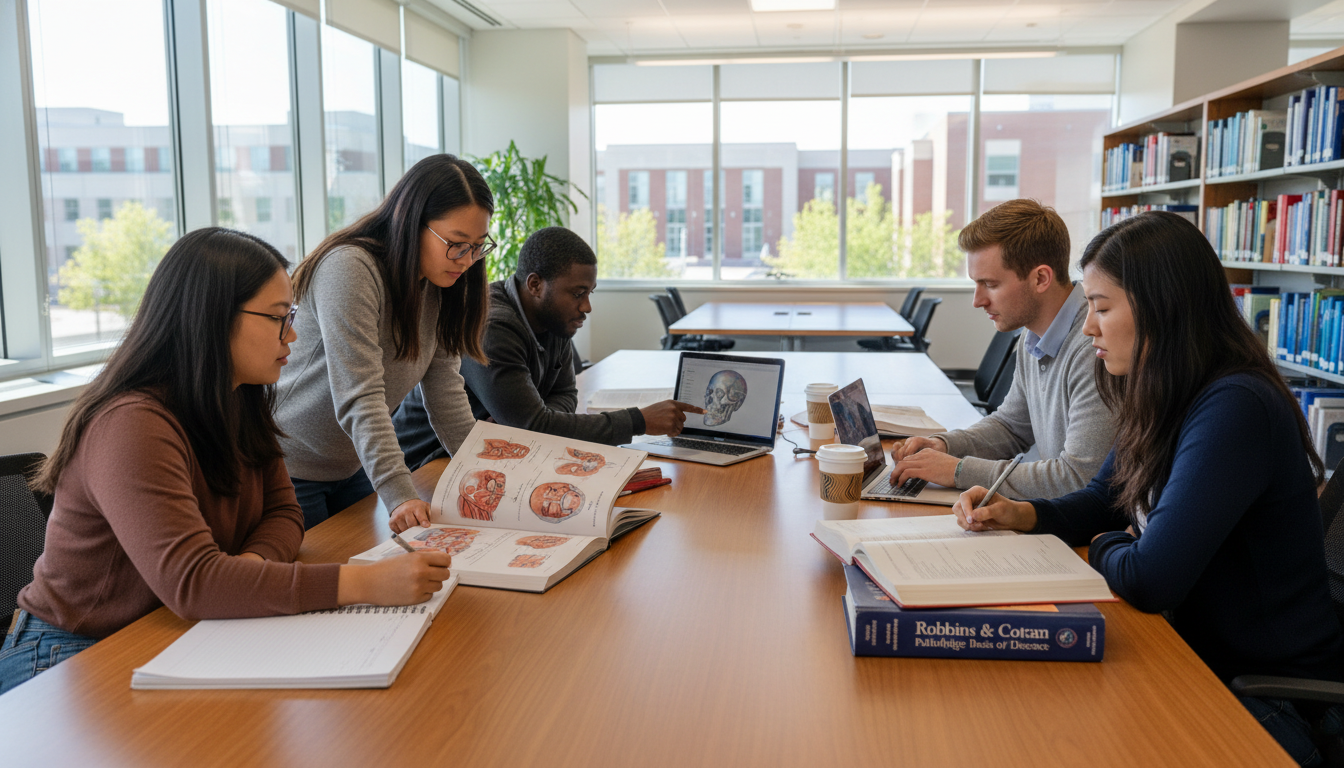
Why Your M1 Year Matters for a Future in Plastic Surgery
If you’re starting first year of medical school and already thinking about a plastic surgery residency, you’re ahead of the game—but probably also a little overwhelmed. The first year of med school is a shock: new content volume, new expectations, and constant pressure. Add in the competitiveness of plastic surgery residency, especially the integrated plastics match, and it can feel like you must “optimize” every hour of your life starting on day one.
Here’s the truth: you can survive first year of med school and set yourself up strongly for a future in plastic surgery without burning out. The M1 year is not about having a fully developed plastic surgery CV; it’s about building foundations:
- Academic habits that withstand high-volume studying
- Early, low-pressure exposure to plastic surgery
- Healthy routines that prevent burnout before clinical years
- Relationships—with peers, mentors, and yourself
This guide will walk you through how to use M1 wisely: how to study, when to get involved in plastic surgery activities, what actually matters to future program directors, and how to preserve your energy and motivation through the long haul.
Understanding the Plastic Surgery Path from Day One
Before optimizing your first year, you need a clear mental map of the path ahead.
The Road to Plastic Surgery: Big Picture
There are two main routes to becoming a plastic surgeon in the U.S.:
Integrated Plastic Surgery Residency (most competitive, most common goal now)
- Match directly into a plastic surgery residency from med school
- 6–7 years of training after graduation
- Training includes reconstructive, aesthetic, hand, craniofacial, burn, microsurgery, and more
Independent Plastic Surgery Pathway
- Complete a full residency in general surgery, ENT, orthopedics, or similar
- Then match into an independent plastics fellowship (now less common)
Most students aiming seriously at plastics are targeting the integrated plastics match. This matters because:
- You have less time to build your application (no “second chance” residency first)
- Research, letters, and clinical exposure in plastic surgery need to start earlier
- Your performance starting in the first year of medical school can influence opportunities later (research invites, mentoring, honor societies)
But that does not mean you must commit to plastics on day one or that your M1 CV must look like a fellowship application. It does mean:
- You should explore plastic surgery early to figure out if you love it
- You should avoid major missteps (e.g., repeated failures, professionalism problems)
- You should build skills and habits that make later success more realistic
Mastering M1 Academics Without Burning Out
Your M1 performance might feel abstract, but it forms the foundation for boards, clerkships, research credibility, and letters of recommendation. Programs in competitive fields like plastic surgery value evidence of excellence, and often the first signal they see is how you handled the preclinical years.
Know Your School’s Grading System
First, clarify how your school evaluates M1:
Pass/Fail only: Individual class grades don’t show up in applications, but failures and professionalism concerns will. Focus on:
- Passing solidly
- Preparing for boards (especially if Step 2 is your first scored exam)
- Building good habits and avoiding remediation
Honors/High Pass/Pass: Preclinical performance may:
- Influence class rank or internal awards
- Affect AOA (Alpha Omega Alpha) eligibility at some schools
- Indirectly influence access to competitive research mentors
Regardless of grading system, your goals during the first year of med school should be:
- No course failures or professionalism flags
- Competent understanding of core material (to help with boards)
- Enough time and energy left for wellness and some early plastics exposure
Building an Efficient Study System
Your content load will be enormous, especially in M1. For a plastic surgery residency, where anatomy and surgical thinking are central, your early understanding of core systems can make you stand out later.
Core principles for surviving medical school academically:
Use Active Learning Early
- Question banks (e.g., appropriate to your curriculum phase)
- Anki or another spaced repetition tool for high-yield facts
- Self-testing from lecture objectives rather than rereading slides
Bundle Resources Strategically Avoid trying every resource your classmates mention. Pick:
- Your school’s lecture notes or syllabus (primary)
- 1–2 trusted board-aligned resources (for overview, not replacement)
- A consistent Anki deck (if that method works for you)
Plan Your Week, Not Just Your Day Create a simple weekly structure:
- Daily:
- 2–4 hours of lecture review / note consolidation
- 1–2 hours of practice questions / active recall
- 30–60 minutes of Anki or flashcards
- Weekly:
- One “long” study block for weak topics
- One protected non-academic half-day (essential for longevity)
- Daily:
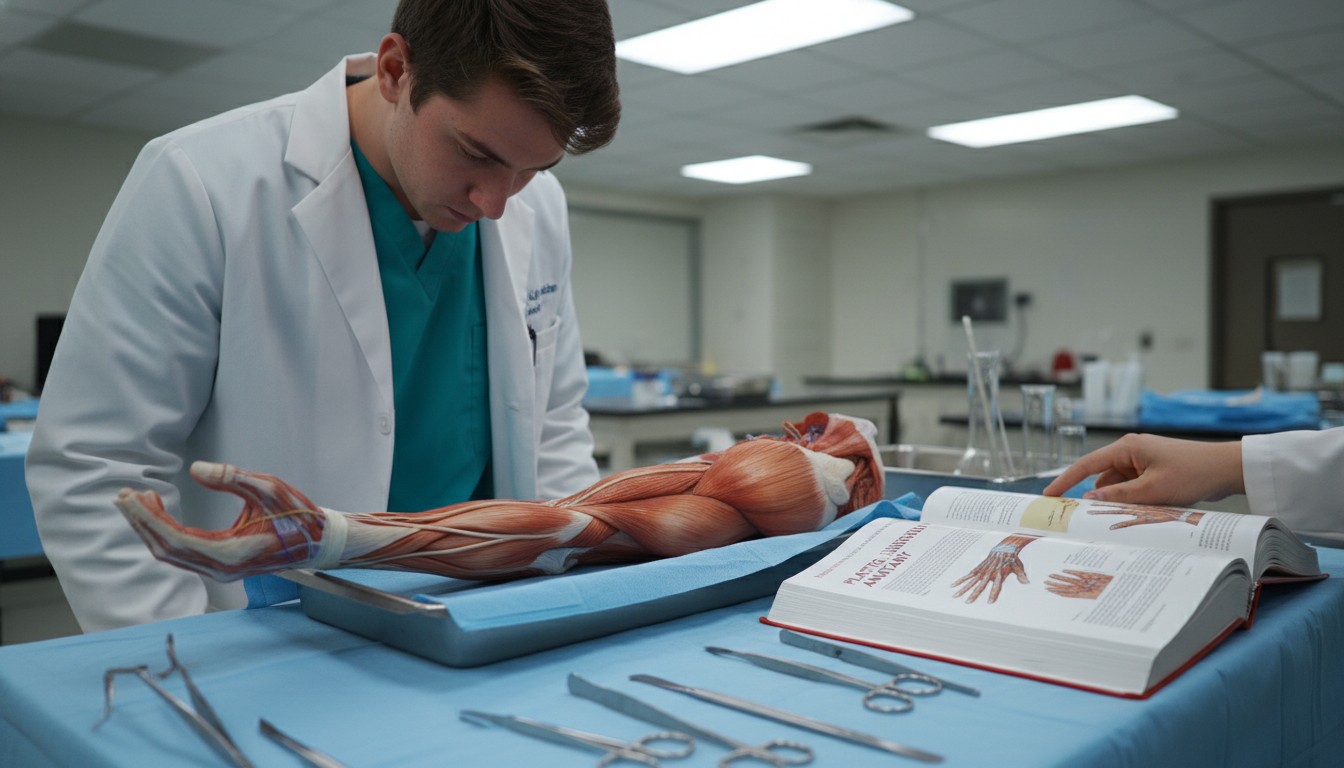
Respect the Anatomy and Histology Blocks For plastic surgery, anatomy is not just an exam—it’s your future language. During anatomy-heavy blocks:
- Attend or watch dissection labs with intention
- Relate structures to real procedures (e.g., flap design, nerve sparing)
- Use 3D anatomy apps or atlases that highlight surgically relevant relationships
A practical example: If you’re in the brachial plexus unit, don’t just memorize roots and branches. Ask:
- How would an injury to the radial nerve affect hand function?
- What flaps or procedures involve the radial forearm? Creating this clinical context now will make later plastic surgery rotations far easier.
Balancing Boards Preparation with M1 Coursework
With USMLE Step 1 now pass/fail, it’s tempting to de-prioritize it. For competitive fields like plastic surgery, that would be a mistake.
Program directors still care deeply about:
- Whether you passed Step 1 on the first attempt
- Your Step 2 CK score, which is now more heavily emphasized
- Your overall academic trajectory (do you handle exams well?)
During M1:
- Focus 80–90% on mastering your courses in a board-focused way
- Integrate board-style questions early, but don’t obsess about Step 1 scores yet
- Aim to build a strong conceptual base for physiology, pathology, and pharmacology—these are core for Step 2 CK and clinical rotations
Smart, Sustainable Early Exposure to Plastic Surgery
You don’t need to be in the OR every weekend as an M1. But being totally absent from plastic surgery until M3 also puts you at a disadvantage. The goal is low-pressure exploration and relationship-building.
How Much Plastics Exposure Is Enough in M1?
A realistic, sustainable target:
- Attend 1–2 plastic surgery interest group events per month
- Shadow a plastic surgeon a few times per semester (even 2–3 half days can be helpful)
- Start one small, realistic involvement—research, volunteering, or a project—if you are stable academically
If your grades or wellness are slipping, academics and health come first. Plastics exposure is a long game; there is no prize for burning out early.
Step-By-Step: Getting Involved in Plastic Surgery as an M1
Join the Plastic Surgery Interest Group (PSIG)
- Go to the first meeting; introduce yourself to the leadership
- Volunteer for small roles (help organize an event, run sign-in sheets)
- Ask about:
- Shadowing lists
- Resident panels
- Suture workshops
Find a “First-Line” Mentor Look for:
- A senior medical student (M3/M4) who matched into or is applying to plastics
- Or a friendly resident involved with the interest group
Use them to ask: - What helped most in their first year of medical school?
- Which faculty are good to approach as an M1?
- Which research projects are realistic for a beginner?
Shadowing Without Overcommitting Approach shadowing like this:
- Aim for 1 half-day every 2–4 weeks during lighter academic periods
- Rotate through different settings if possible:
- Reconstructive clinic (e.g., post-cancer reconstruction)
- Hand or trauma call
- Aesthetic clinic or OR (where allowed) Goals of M1 shadowing:
- Learn what daily life in plastics actually looks like
- See whether the specialty’s pace and patient population resonate with you
- Begin to recognize basic procedures and postoperative care
Trying Out Low-Stakes Plastics Skills
- Suture workshops
- Knot-tying clinics
- Simulation labs (microsurgery simulators, if your school has them) You don’t need to be technically gifted as an M1; you just need to be curious and consistent.
Research and CV-Building in M1: How to Start Without Drowning
For integrated plastic surgery residency, research output is common among matched applicants. But it’s easy to get this wrong as a first year medical student—either by overextending or by doing nothing until it’s too late.
How Important Is Research for Plastic Surgery?
Current trends show:
- Many successful plastics applicants have multiple publications, abstracts, or presentations
- Quality and relevance matter more than sheer number, but volume does signal sustained interest and productivity
- Starting research in first year of med school can:
- Buy you more time for longer projects
- Lead to mentor relationships
- Make later summers and M2 year more productive
When Should You Start Research?
Use this guideline:
First 2–3 months of M1:
- Focus on adjusting to academics and schedule
- Attend interest group meetings, shadow a little
- Talk to older students about which mentors are supportive
After your first major exam block, if you’re stable:
- Explore 1–2 potential research projects
- Meet 1–2 faculty members for short, focused conversations
How to Approach a Potential Research Mentor
When emailing faculty in plastic surgery:
Be concise and specific:
- Who you are (M1, school)
- Your honest level of experience (it’s okay if it’s “none”)
- Your interest in plastic surgery and/or research
- What you’re asking: “I’d love to learn more about your work and see if there might be a small role I can play on a project.”
Attach:
- A brief CV (even if sparse—include any prior projects, leadership, or skills)
- A short note about your schedule reality (class-heavy, but open to long-term involvement)
In the meeting:
- Ask about realistic roles for an M1
- Clarify expectations:
- Time per week
- Type of work (chart review, data entry, writing, figure creation)
- Timelines (abstract deadlines, planned publications)
Choosing the Right Project for M1
For your first year of medical school, ideal projects are:
- Retrospective chart reviews
- Case reports or small case series
- Simple literature reviews or educational articles
- Quality improvement projects with clearly defined steps
Be cautious about:
- Basic science lab commitments requiring fixed daily hours
- Large, multi-year trials with no clear role for beginners
The best early project:
- Fits your schedule
- Has a clear path to a poster or manuscript
- Includes regular check-ins with a resident or fellow who can guide you

Protecting Your Mental Health, Energy, and Motivation
Surviving medical school is not just about grades and CV lines; it is fundamentally about sustainability. Plastic surgery is a long training path. If you destroy your wellbeing in M1, it becomes harder to recover in time for the intense clinical years and the integrated plastics match.
Normal Challenges in the First Year of Medical School
Most M1s—especially those aiming at competitive specialties—experience:
- Imposter syndrome (“Everyone is smarter/more experienced than I am”)
- Comparison fatigue (constant conversations about scores, resources, research)
- Burnout risk (no clear stopping point for studying)
- Identity shifts (“I used to be top of my class; now I’m average”)
Recognizing these as normal helps you respond constructively rather than catastrophically.
Building a Sustainable Routine
Protect your future self by designing structure:
Fixed Sleep Window
- Choose a 7–8 hour block and defend it most nights
- Consistent sleep improves memory consolidation and stress resilience
Non-Negotiable Recharge Blocks
- At least one half-day per week with no academic activity
- Use this for friends, hobbies, exercise, or doing nothing
Physical Activity
- 3–4 sessions per week, even 20–30 minutes each:
- Walking outside
- Gym sessions
- Yoga, cycling, or sports Exercise reliably improves mood and cognitive performance—crucial for surviving long study days.
- 3–4 sessions per week, even 20–30 minutes each:
Healthy Boundaries with Your Peer Group
- It’s okay to opt out of constant score talk and Step anxiety
- Identify a small circle of supportive classmates who are collaborative, not competitive
When to Ask for Help
Taking care of your mental health is not a liability in the integrated plastics match; unmanaged burnout and unprofessional behavior are.
Seek help early if you notice:
- Persistent low mood, hopelessness, or loss of interest in things you previously enjoyed
- Severe anxiety, panic attacks, or sleep disruption
- Thoughts that you “don’t belong here” or “everyone would be better off if I failed or disappeared”
Action steps:
- Talk to a trusted friend or senior student first
- Use student mental health or counseling services (usually confidential)
- If you’re under care or on medication, stay consistent with appointments
Residency program directors increasingly recognize resilience, insight, and help-seeking as positive attributes. Protecting your mental health is part of surviving medical school and building a sustainable career in plastic surgery.
Strategy Timeline: Year-By-Year Perspective Starting from M1
It’s helpful to see where M1 fits in the arc toward plastic surgery residency.
M1: Foundations and Exploration
Priorities:
- Adjust to med school workload and pass classes without crisis
- Develop efficient, active study habits
- Explore plastic surgery through:
- Interest group
- A few shadowing experiences
- Possibly 1 early research project if you’re stable academically
- Maintain mental and physical health
M2: Consolidation and Board Preparation
Priorities:
- Strong focus on Step 1 (if you haven’t taken it yet) and course integration
- Continued involvement in research with goal of abstracts, posters, or manuscripts
- Deepening relationships with 1–2 mentors in plastic surgery
- More structured technical skill development (suturing, lab skills)
M3: Clinical Performance and Visibility
Priorities:
- Excel in core clinical clerkships (especially surgery)
- Seek early sub-internship or electives in plastic surgery
- Gain strong letters of recommendation from surgeons
- Continue research and submit to national/regional meetings
M4: Application and Interview Season
Priorities:
- Finalize integrated plastics match application (CV, personal statement, letters)
- Participate in sub-internships/audition rotations in plastic surgery
- Prepare for interviews and rank list decisions
From this perspective, your first year of medical school is not “too early”—it’s an ideal time to build a base so that each subsequent year adds a manageable layer rather than requiring a frantic last-minute scramble.
Putting It All Together: A Sample “Balanced” M1 Week for a Plastics-Bound Student
Here’s an example of how you might structure your time once you’re settled into the semester.
Monday–Friday
- 8:00–12:00
- Lectures, labs, or watching recorded lectures
- 12:00–13:00
- Lunch; short walk or break
- 13:00–16:00
- Review lecture material / make Anki cards / small-group review
- 16:00–17:00
- Practice questions or case-based learning
- 17:00–18:00
- Exercise or decompress
- 19:00–21:00
- Light review, questions, or working on a small research task (1–2 evenings only)
One weekday evening
- 18:00–20:00
- Plastic surgery interest group workshop or meeting, or a short shadowing session
Saturday
- Morning:
- Focused study for the week’s challenging topics
- Afternoon:
- Personal time, errands, social activity
Sunday
- Morning:
- Light review, planning for the week
- Afternoon:
- Optional research work (1–2 hours max)
- Evening:
- Off, prep for Monday, sleep on time
The specifics will vary by school and block, but the key elements remain:
- Protected sleep and rest
- Dedicated academics
- Modest, regular plastics exposure
- Limited but steady research involvement if feasible
This is how you survive first year of med school and quietly, steadily build the foundation for a serious run at an integrated plastic surgery residency.
FAQs: Surviving M1 with an Eye on Plastic Surgery
1. Do I need to know for sure that I want plastic surgery in M1?
No. It’s common to be interested but uncertain. M1 should be an exploration phase:
- Shadow plastic surgery and a few other fields
- Attend some interest group sessions
- Talk to residents and senior students about the day-to-day reality
You’ll gradually refine your goals. Many successful plastics applicants only fully committed in M2 or even early M3—but having some early exposure helps you make that decision intelligently.
2. How much research is “enough” if I’m aiming for an integrated plastics match?
There is no single number, but many competitive applicants have:
- Several publications, case reports, or review articles
- A mix of posters or oral presentations at local/national meetings
For M1, focus on starting 1–2 realistic projects and being a reliable contributor. Depth and sustained involvement over 2–3 years will usually matter more than trying to stack a dozen shallow projects.
3. If my grades are average in M1, is plastic surgery still possible?
Yes. Program directors look at the entire application:
- Step 2 CK score
- Clinical evaluations and letters (especially from surgery/plastics)
- Research productivity and commitment to the field
- Interview performance and fit
Average M1 performance is not disqualifying. What matters is your overall trajectory: do you improve, handle responsibility well, and show genuine engagement with plastic surgery over time?
4. How can I tell if I’m overcommitting in M1?
You may be doing too much if:
- You consistently feel behind in coursework
- Sleep drops below 6–7 hours most nights
- You no longer enjoy activities you once liked
- You dread research or shadowing sessions you signed up for
If this happens, scale back:
- Prioritize passing and learning your core M1 material
- Keep 1–2 highest-value plastics activities (often a mentor relationship and 1 ongoing project)
- Drop or postpone optional extras until you’re academically stable
Surviving first year of med school while aiming for plastic surgery is a marathon, not a sprint. Thoughtful pacing now will make you a stronger, more resilient candidate when it’s finally time to apply for an integrated plastic surgery residency.