Understanding the “First Year” and the Transitional Year Path
When people talk about the “first year of med school,” they usually mean the M1 year: your introduction to the massive volume, new expectations, and emotional intensity of medical training. But if you are ultimately aiming for, or considering, a transitional year residency (TY program), it’s strategic to think of M1 as the first step in a much longer continuum that ends with Match Day and the beginning of internship.
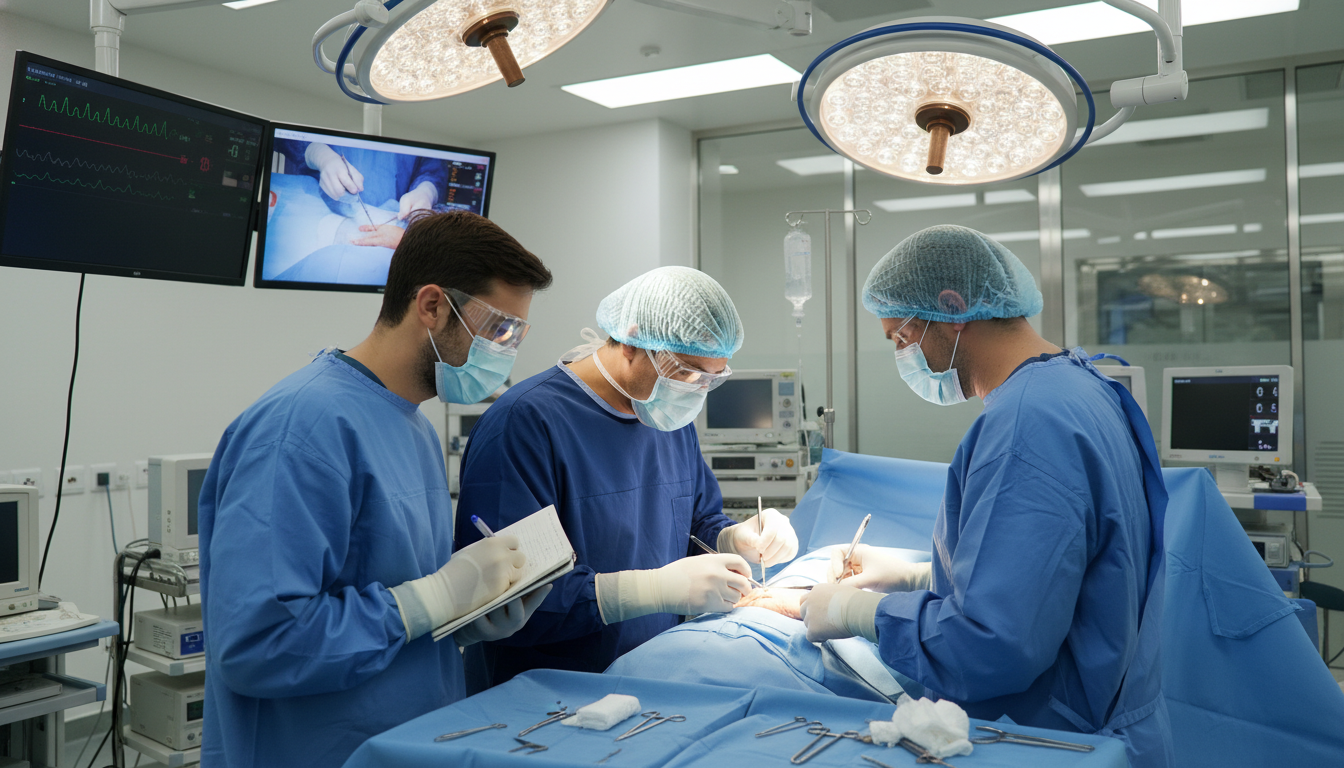
A transitional year residency is a one-year, broad-based clinical internship that can lead into advanced specialties such as radiology, dermatology, anesthesiology, PM&R, ophthalmology, radiation oncology, and others. Although you won’t start your TY program until after graduation, your ability to thrive in that year is heavily influenced by habits, skills, and decisions you make as an M1.
This guide focuses on surviving first year of med school while keeping one eye on your future TY program. You’ll find:
- Practical M1 tips to manage workload, stress, and imposter syndrome
- Strategies to build a foundation that will later make your transitional year residency smoother
- Concrete examples of schedules, study methods, and mindset shifts that work in real life
Think of this as a roadmap for surviving medical school Year 1 while quietly setting yourself up for a strong residency application and a successful internship.
Academic Survival: Building a Sustainable M1 Study System
Your first year is less about being “naturally smart” and more about system design: how you study, organize, and protect your energy.
Step 1: Accept That Volume, Not Difficulty, Is the Main Challenge
Most M1 content is not conceptually impossible; it’s that:
- It comes fast
- It comes from many directions (lectures, labs, small groups)
- It’s high stakes (exams, early Step prep, professionalism)
Reframing the problem from “I’m not smart enough” to “I need a better system” is one of the most important mindset upgrades. That same systems-thinking is key to handling the unpredictable pace of a transitional year residency, where your time and attention will be just as stretched.
Step 2: Use Active Study Techniques from Day One
Passive strategies (re-watching lectures, re-reading notes) are seductive but inefficient. Instead, focus on active recall and spaced repetition.
Core tools and approaches:
- Anki or similar spaced repetition apps
- Make or use pre-made decks tied to your school’s curriculum
- Aim for consistent daily reviews rather than big cramming sessions
- Question-based learning
- Start simple: school-provided questions, basic anatomy/physio QBank
- Later, integrate board-style questions as you progress through systems
- Teach-back method
- Explain concepts out loud (to a classmate, family member, or even your wall)
- If you cannot explain it simply, you don’t fully understand it
These habits closely mirror how you’ll study during your TY program for in-service exams and specialty board prep.
Step 3: Build a Weekly Study Template
Having a default week structure makes it easier to adapt when things change (exams, labs, fatigue). Here’s an example for an M1 in a systems-based curriculum:
Example weekly template
Monday–Friday
- 8:00–12:00 – Class/labs
- 12:00–13:00 – Lunch + short walk
- 13:00–15:00 – Review same-day material using active recall
- 15:00–16:00 – Anki/spaced repetition
- 16:00–18:00 – Flex time: small group prep, practice questions, light review
- Evenings – Gym/social/relaxation + no more than 60–90 minutes of additional light study
Saturday
- Morning: dedicated board-style questions and consolidation
- Afternoon: free time, hobbies, errands
- Evening: social or rest
Sunday
- 2–4 hours: preview upcoming week’s material, reset schedule, update to-do list
- Evening: early bedtime
This structure accomplishes three critical survival goals:
- Prevents accumulation of massive backlogs
- Establishes predictable protected time for rest and wellness
- Trains time-management muscles you will need in a busy transitional year residency
Step 4: Use Exams as Training, Not Trauma
Exams in M1 feel crucial—and they are—but learning to review them strategically is what pays off long term.
After each test:
- Identify 3–5 concrete reasons you missed questions:
- Misread the stem
- Didn’t know a detail
- Confused two similar conditions
- Adjust your study process accordingly:
- Add missed facts to Anki
- Create a one-page “confusables” sheet (e.g., nephritic vs. nephrotic)
- Practice reading question stems more slowly
This deliberate improvement cycle is exactly how strong residents improve performance on in-service exams and early board certifications.

Clinical Identity Starts in M1: Think Like a Future Intern
Even in a pre-clinical M1 curriculum, you are already forming your professional identity as a future doctor—and as a future intern if you pursue a TY program. That begins with how you approach patients, teamwork, and feedback.
Learn to Be Reliable, Not Just Smart
Ask any program director what they want in a transitional year resident, and you’ll hear:
- Shows up on time
- Follows through on tasks
- Communicates clearly
- Takes responsibility
You can rehearse all of these in M1:
- Punctuality
- Arrive early for anatomy lab, small-group sessions, standardized patient encounters
- When you say you’ll attend a study group, honor that commitment
- Follow-through
- If you volunteer to gather resources for your small group, do it promptly
- Complete required modules before deadlines without needing reminders
- Communication
- Reply to faculty emails professionally and clearly
- Clarify expectations when you’re unsure, rather than guessing
These behaviors build a reputation that can translate into strong letters of recommendation down the line, including for your transitional year residency applications.
Practice Clinical Skills Intentionally
Your school’s clinical skills sessions are not just “check-the-box” requirements—they are early practice for what you’ll do constantly as an intern.
Focus especially on:
- History taking
- Practice open-ended questions and active listening
- Develop a system: chief complaint → HPI → pertinent ROS → PMH → meds → allergies → family/social history
- Physical exam basics
- Instead of memorizing scripts, understand why each maneuver is done
- Be meticulous in technique—future attendings and TY program supervisors will notice
- Note writing
- Even if your notes aren’t graded in detail, aim for structured thinking: organize info in a problem-based format (assessment and plan)
- Save templates that feel natural; you’ll adapt them during clinical years and transitional year
These fundamentals will reduce the shock of your first clinical rotations and, later, your intern year.
Build Early Comfort with Uncertainty
First-year medical school can feel unsettling because there’s so much you don’t know. The same is true—magnified—during internship.
Instead of fighting uncertainty:
- Learn to say, “I’m not sure, but here’s how I’d find out.”
- When you encounter a confusing topic, write down one or two specific questions and seek clarification in office hours or from upperclassmen.
- Notice that every physician you admire is still comfortable saying “I don’t know” and then consulting guidelines, colleagues, or resources.
This emotional tolerance for not having all the answers is one of the most portable skills you can carry from M1 to residency.
Professional and Personal Foundations for Surviving Medical School
The myth of medical training is that you must sacrifice everything to succeed. In reality, burnout is one of the biggest threats to your long-term career—and it can start in M1.
Set Boundaries Early: You Are a Person, Not Just a Trainee
From the first week, clearly define:
- Non-negotiables (sleep minimum, mental health appointments, major family commitments)
- Nice-to-have routines (exercise, hobbies, time with friends or partners)
Examples of realistic boundaries:
- “I will sleep at least 6.5–7 hours every night, even before exams.”
- “I will not study past 10:30 PM on weekdays.”
- “I will protect one half-day every week for non-medical activities.”
These are the same kinds of boundaries you’ll need to survive a demanding transitional year residency, so practicing now is not selfish—it’s preparation.
Manage Stress Proactively, Not Reactively
Don’t wait until you’re overwhelmed to build coping tools.
Effective, evidence-backed strategies:
- Scheduled exercise
- Even 20–30 minutes of walking or light cardio 3–4 times a week can significantly reduce stress
- Brief mindfulness or breathing exercises
- Use apps or simple techniques: 5 minutes of box breathing before or after studying
- Peer support systems
- Join or create a small, reliable group of classmates you can be honest with
- Normalize talking about setbacks and anxiety instead of pretending everything is fine
If stress, anxiety, or depression become overwhelming, seek professional help early. Most schools have confidential counseling for students, and taking advantage of this is a sign of maturity, not weakness.
Taming Imposter Syndrome
Many high-achieving students arrive at M1 and quietly fear they were an admissions mistake. This feeling often resurfaces in residency.
To respond effectively:
- Recognize it as common, not personal truth
- Keep concrete evidence of progress:
- Old notes showing how little you knew at the start of the block, compared to now
- Exam score improvements over time
- Distinguish between struggle with content and a false belief that you “don’t belong”
- Talk with trusted mentors or upperclassmen—they will almost always say, “I felt that too.”
Remember: persistence and adaptability predict success in both medical school and a TY program far more than perfect performance.

Strategic Career Planning: Connecting M1 to a Transitional Year Residency
Even though the transitional year residency is still several years away, your M1 year is an ideal time to explore and lay groundwork—without pressure.
Understand What a Transitional Year Residency Is (and Isn’t)
A TY program:
- Is a one-year, broad clinical internship
- Often includes a mix of:
- Internal medicine
- Surgery
- Emergency medicine
- Outpatient rotations
- Selectives/electives
- Can be:
- Categorical (linked with your advanced specialty)
- Or standalone, requiring separate application
It is not:
- A “gap year” or time off from serious training
- Always less demanding than a categorical preliminary year—some are quite intense
Knowing this early helps frame M1 decisions: you’re not just trying to pass anatomy; you’re gradually becoming a safe, reliable, broadly competent future intern.
Use M1 to Explore, Not Lock In
You do not need to know if you want a transitional year by the end of M1. But you can gather data that will help future decisions.
Practical ways to explore:
- Attend specialty interest group events (radiology, derm, anesthesiology, ophthalmology, PM&R, radiation oncology, etc.)
- Do brief shadowing experiences once or twice a month after you’ve settled into your coursework
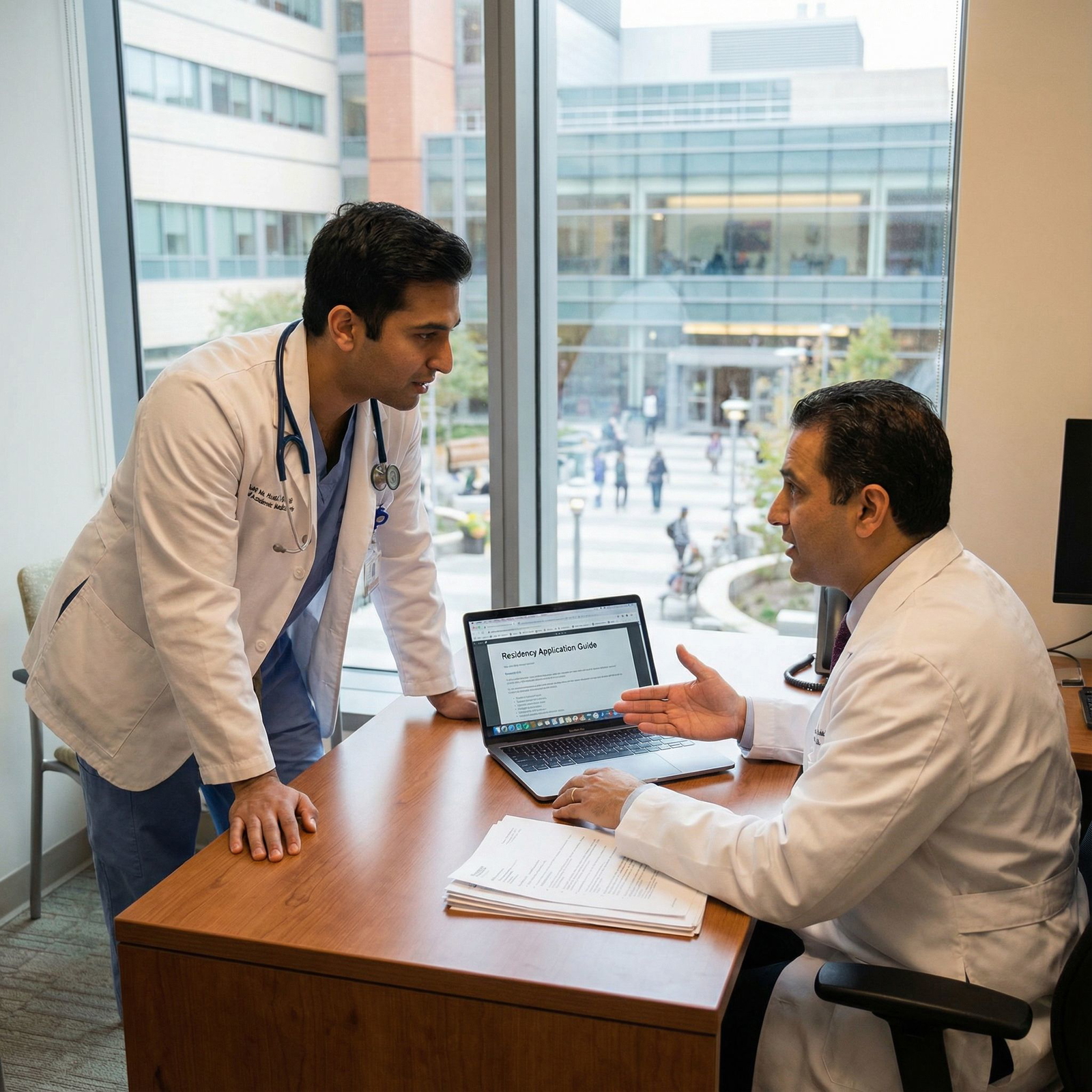
- Talk to M3s, M4s, or residents who matched into specialties that commonly use a TY program
Questions to ask upperclassmen and residents:
- “What made you choose a transitional year versus a prelim year in medicine or surgery?”
- “How did your M1 and M2 choices help (or not help) your residency application?”
- “Looking back, what would you do differently in first year?”
These conversations can shape how you prioritize research, leadership, or clinical exposure in later years.
Build a Lightweight CV Without Overloading Yourself
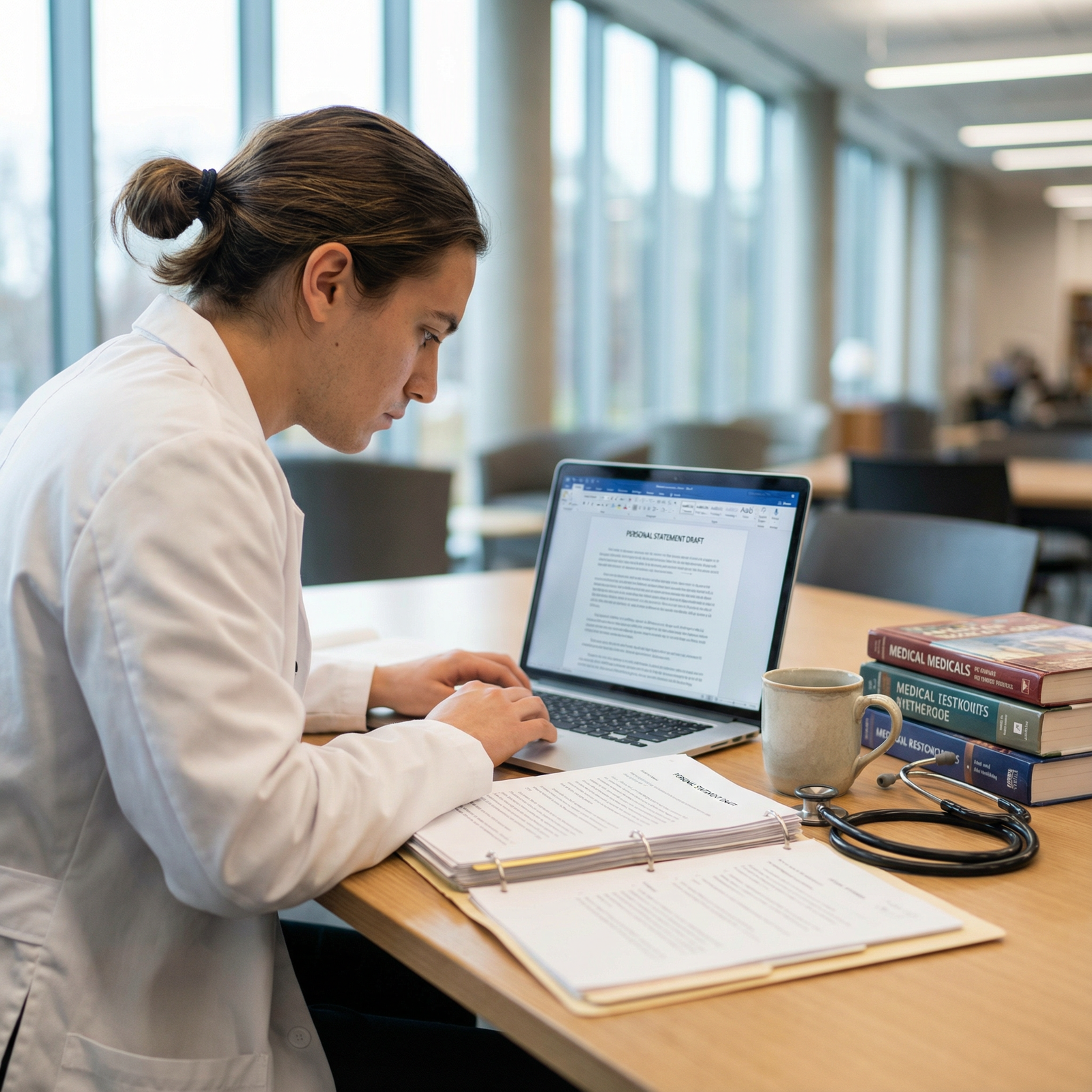
Your primary job in M1 is to learn how to be a successful medical student. But you can also take small, strategic steps that later help your residency applications.
Low-intensity, high-yield options:
- Join one or two student organizations you genuinely care about
- Say yes to small roles (committee member, event coordinator) rather than jumping straight into heavy leadership
- If research interests you:
- Start by attending department or lab info sessions
- Email 1–2 faculty whose work actually interests you with a short, clear message:
- Who you are
- Why their work caught your attention
- Your time availability
- A request to meet briefly to learn more
Aim for quality and consistency, not volume of activities. TY and advanced program directors value applicants with sustained involvement and evidence of follow-through.
Practical Day-to-Day M1 Tips for Surviving Medical School
Survival in first year is often about small, repeated habits rather than dramatic overhauls. These M1 tips address common pain points.
Organizing Your Digital and Physical Life
An organized system reduces cognitive load and stress.
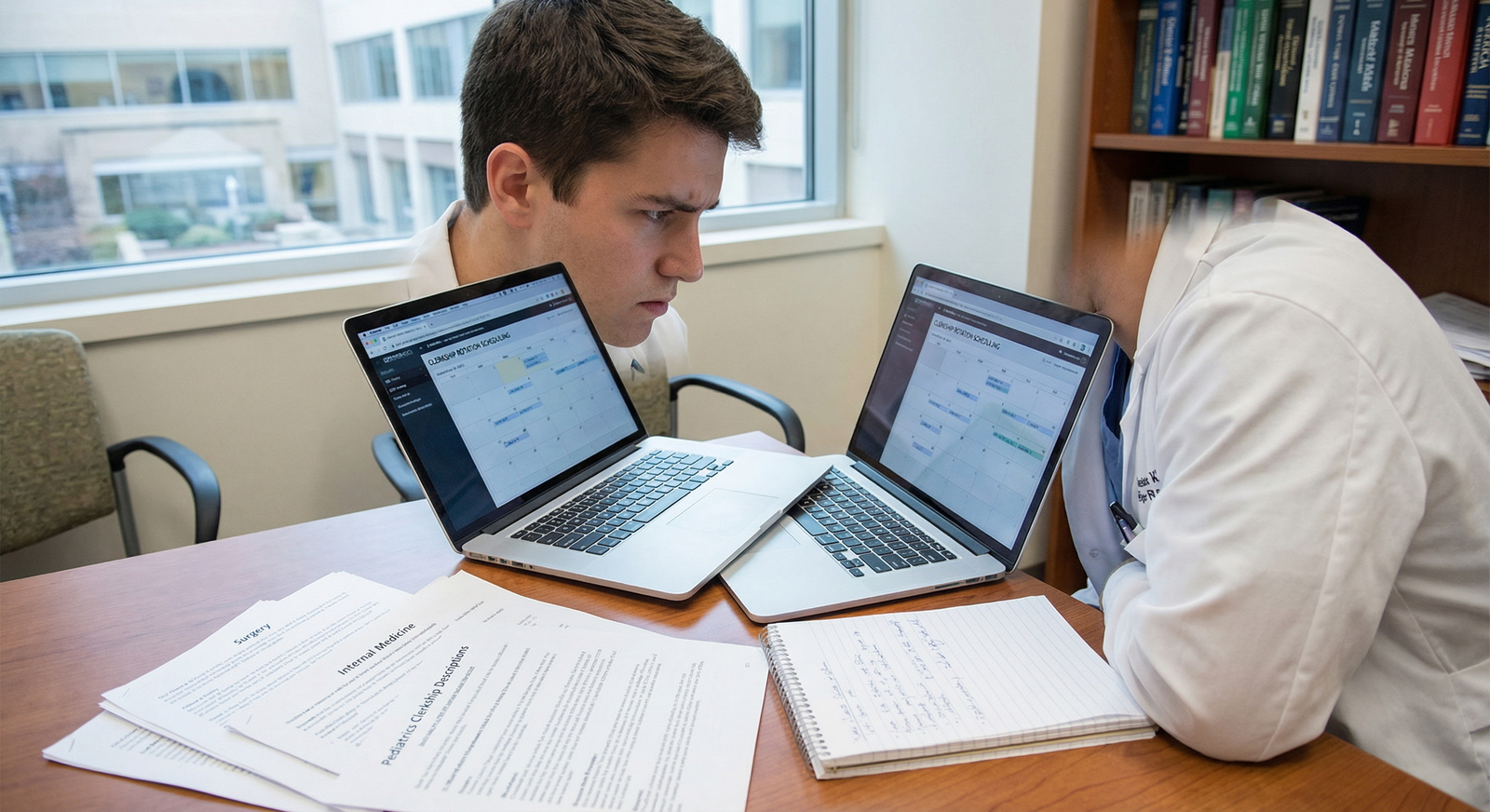
- Calendar
- Put all lectures, labs, exams, and assignment due dates into one digital calendar
- Color-code: exams red, mandatory sessions blue, personal events green
- Task management
- Use a simple to-do app or notebook; avoid managing tasks in your head
- Break down large goals into specific actions:
- “Review renal physiology lecture 3”
- “Do 20 renal flashcards”
- “Email Dr. X about shadowing”
- Notes and files
- Choose a simple folder structure:
- /M1/Fall/Block1_Cardiology
- /M1/Fall/Block2_Pulmonology
- Name files clearly:
2025-09-12_Cardio_Lecture1_HeartAnatomy.pdf
- Choose a simple folder structure:
These systems translate well into internship when you’re juggling patients, notes, and educational requirements.
Handling “Bad” Weeks
You will have weeks when everything feels off: illness, family stress, fatigue, or just mental overload.
When that happens:
- Triage your tasks
- Must-do (exams, mandatory sessions, wellness needs)
- Should-do (routine studying, Anki reviews)
- Can-wait (extra questions, optional events)
- Reduce to bare-minimum survival mode for a few days
- Plan a catch-up window:
- A half-day on the weekend to stabilize and review the most high-yield topics
Do not let shame or perfectionism push you into giving up altogether. In residency, you’ll also have bad weeks—learning how to adjust rather than collapse is critical.
Maintaining Relationships Outside Medicine
Medical school can erect invisible walls between you and non-medical friends or family. But these relationships are a key buffer against burnout.
Strategies:
- Schedule regular check-ins: a weekly call with a parent, partner, or friend
- Share small wins and challenges, not just catastrophes
- Gently explain your schedule and limitations to loved ones so they don’t misinterpret reduced availability as disinterest
These support systems will still matter when you’re an intern finishing a 28-hour call shift.
Frequently Asked Questions (FAQ)
1. Is it too early in M1 to think about a transitional year residency?
It’s not too early to understand what a transitional year residency is and which specialties commonly require it. However, you don’t need to decide on a TY program during M1. Use first year to:
- Learn effective study and time-management strategies
- Explore different specialties through interest groups and limited shadowing
- Talk with upperclassmen and residents about their paths
You’ll make more concrete decisions about TY versus other preliminary options in late M3 and early M4, once you’ve had real clinical exposure.
2. How much should I study per day in M1 to survive and do well?
Most students who are consistently successful (and sane) study:
- Around 6–8 focused hours per weekday (including class time)
- 2–5 hours on one weekend day, with the other day lighter or off
The exact number varies by school and curriculum, but the key is consistency and efficient methods (active recall, spaced repetition, practice questions), not sheer number of hours.
3. Do I need to do research in M1 to be competitive for a TY program?
Transitional year residencies themselves are often less research-heavy than some advanced specialties. However, if your ultimate goal is a specialty like dermatology, radiology, or radiation oncology, research can be helpful. In M1:
- Focus first on academic survival and adjustment
- If you have time and interest, start exploring potential projects in a low-commitment way
- It’s completely fine if your substantive research work begins in late M1 or M2 instead of right away
Quality, relevance, and completion matter more than an early start.
4. What’s the biggest mistake M1 students make when thinking about the future?
A common mistake is swinging between extremes:
- Either obsessing over future residency and Step exams so much that they burn out early
- Or ignoring future planning altogether until it’s late in medical school
Aim for a middle path:
- Treat first year as your training ground for habits and skills that will carry into clinical years and residency
- Check in with mentors or advisors once or twice a year about long-term strategy
- Focus on steady growth, not having all the answers right now
Surviving first year of med school is about endurance, adaptation, and deliberate planning—not perfection. If you invest this year in sustainable study, healthy boundaries, and early professional habits, you won’t just pass M1; you’ll be building the core competencies that make a capable, resilient future intern in any transitional year residency.