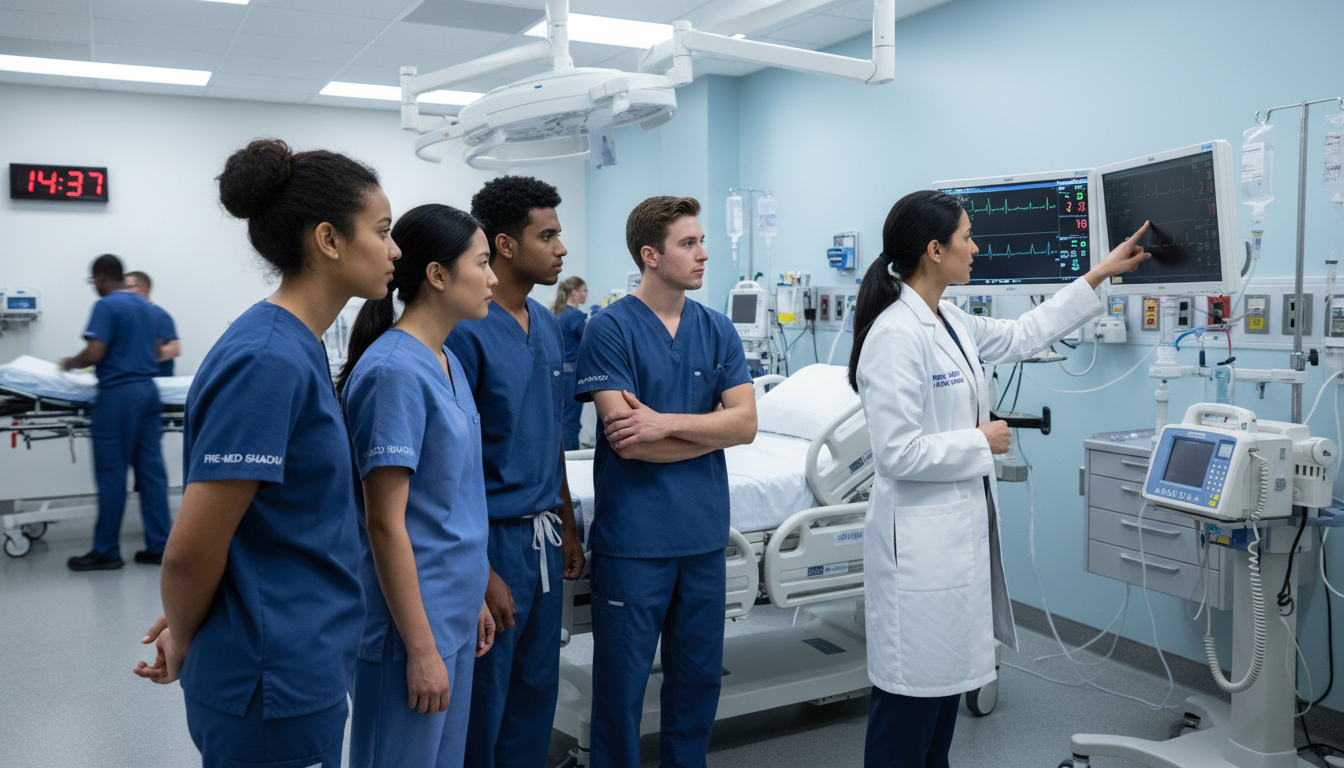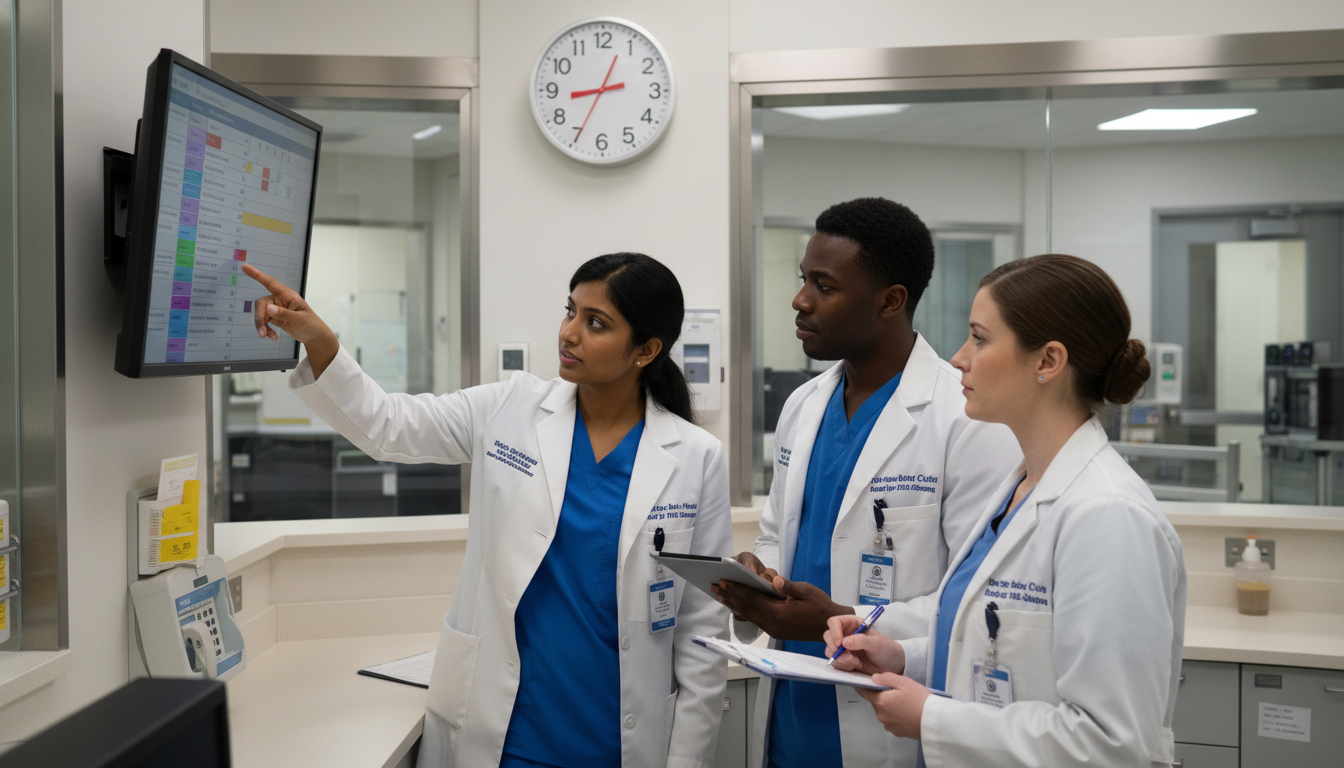
Starting first year of medical school is intense no matter what specialty you’re considering—but if you’re already eyeing a future in vascular surgery, the stakes can feel even higher. You’re trying to survive M1 while also laying foundations for a competitive vascular surgery residency or integrated vascular program. That’s a lot of pressure.
This guide walks you through how to survive (and even thrive) during your first year of med school while positioning yourself for a future in vascular surgery. We’ll cover mindset, study strategies, early exposure to vascular surgery, wellness, and long‑term planning.
Understanding M1 in the Context of Vascular Surgery
The first year of medical school doesn’t look like vascular surgery—yet. It’s dominated by basic sciences: anatomy, physiology, biochemistry, histology, and introductory clinical skills. But this is exactly where the groundwork for a vascular surgery career begins.
Why Your First Year Matters for Vascular Surgery
Vascular surgery is a demanding, highly technical field that deals with complex arterial and venous disease, limb salvage, aneurysms, and endovascular interventions. To be competitive for a vascular surgery residency—especially an integrated vascular program—you’ll need:
- Strong academic performance (Step scores are less numerical now, but performance still matters)
- Solid anatomy and physiology foundations
- Research and scholarly work (often starting pre-clinically)
- Early mentorship and networking
- Evidence of commitment to surgery and vascular disease
M1 is where you can quietly build many of these without burning out.
The Realistic Role of M1
Your top priorities during the first year of medical school are:
- Learn how to learn in medical school
- Pass your courses with solid grades
- Develop sustainable habits and coping strategies
- Get exposure—not commitment—to vascular surgery
Think of M1 as “infrastructure building” rather than “race to the OR.” You’re paving the road you’ll drive on later.
Mastering the Academic Side: M1 Tips That Actually Work
The academic pressure in first year medical school can be overwhelming. To survive medical school—especially M1—you need systems, not willpower.
Build a Study System, Not Just Longer Hours
Medical school content is high volume, not necessarily high difficulty. The problem is density and speed. Here’s how to adapt:
1. Use Active Learning as Your Default
Passive reading won’t cut it. Focus on:
Anki or other spaced repetition tools
- Ideal for anatomy, pharm basics, path concepts, key vascular anatomy structures (even early on)
- Build your own decks or use vetted shared decks, but always edit to match your curriculum
Question-based learning
- Use question banks appropriate for your level (early on, school-provided questions are enough)
- After anatomy blocks, do vascular questions to reinforce: peripheral vascular disease, aneurysms, ischemia, etc.
Teaching others
- Explain topics to classmates, or yourself out loud
- Use board diagrams and whiteboards, especially for circulation and physiology
2. Time Blocking and Realistic Scheduling
Create a weekly template schedule that includes:
- Lecture review (same day, brief)
- Dedicated study blocks (2–4 per day, 45–60 min each)
- Question time (even if only 10–20 questions/day early on)
- Review/Anki time
- Breaks, meals, and sleep—non‑negotiable
Example weekday (pre-exam week):
- 8–12: Lectures/labs
- 1–3: Review lecture content (condense notes, tag Anki cards)
- 3–4: Break / gym / walk
- 4–6: Practice questions related to the week’s content
- 7–8: Light review / Anki / wind down
The key: Build a plan that you can sustain for months, not a week.
Navigating Anatomy with a Vascular Surgery Lens
Anatomy is the first place where your interest in vascular surgery becomes an asset rather than a source of pressure.
Focus on Vascular-Relevant Regions
Pay particular attention to:
- Upper and lower limb vascular anatomy (arterial and venous)
- Aorta and its branches: thoracic and abdominal
- Carotid, vertebral, and cerebral circulation basics
- Major vascular landmarks (inguinal ligament, adductor canal, popliteal fossa, etc.)
- Collateral circulation and anastomoses
This doesn’t mean ignoring everything else. It means, when you’re struggling to prioritize, give vascular structures extra effort.
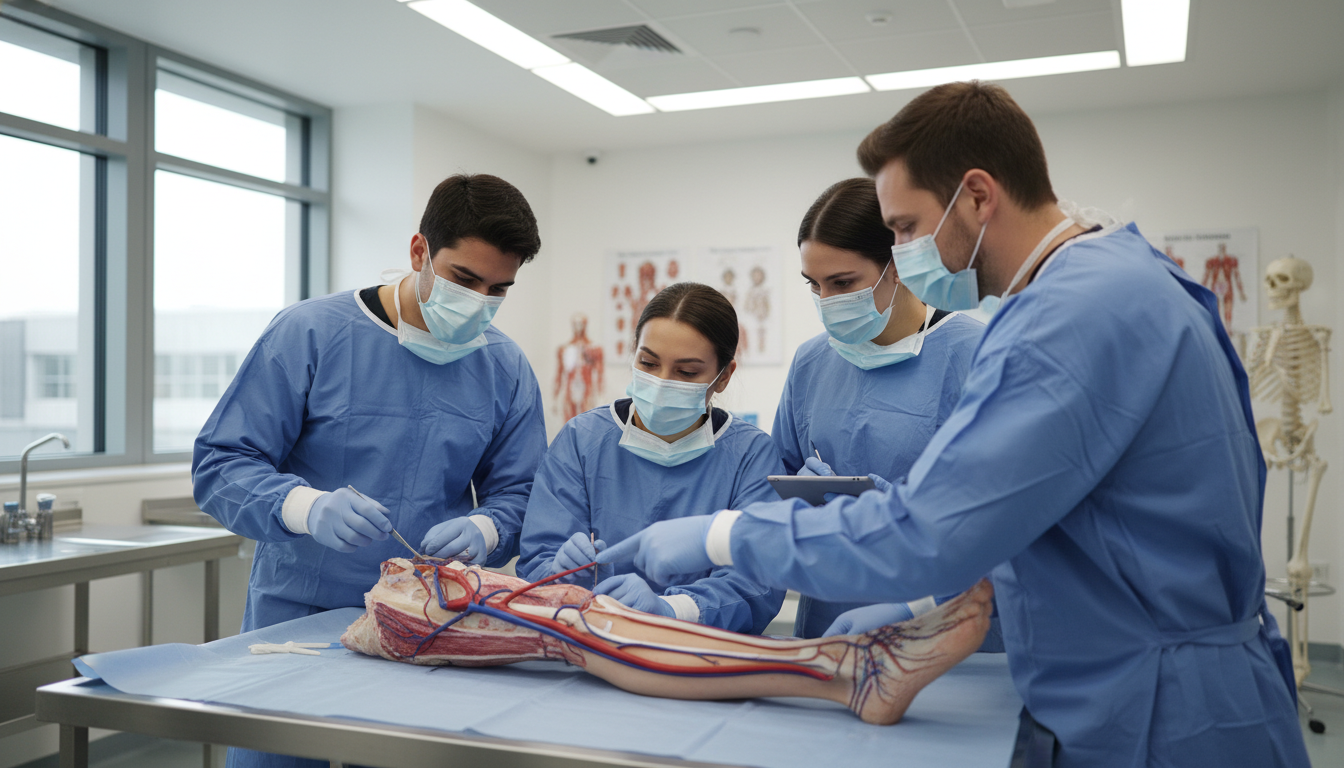
Lab Strategies for Long-Term Retention
- In dissection, volunteer for the vascular structures when possible
- Trace vessels from origin to termination; say their names out loud
- Try to connect anatomy to clinical concepts:
- “This is the femoral artery—common site for access in endovascular procedures.”
- “Popliteal artery aneurysms are a classic vascular surgery case—where is it in relation to the knee joint?”
Managing Exams and Performance Anxiety
Surviving medical school exams is as much about psychology as knowledge.
Start with a 2–3 week runway for major exams
Simulate test conditions:
- Do practice questions timed
- Sit at a desk, no phone, limited breaks
Decompress after exams:
- Protect 6–24 hours post-exam for rest and non-medical activities
- This helps prevent cumulative burnout over the academic year
If your school is Pass/Fail in M1, use that to your advantage: aim for mastery, but don’t obsess over being perfect on every small assessment.
Getting Early Exposure to Vascular Surgery (Without Overcommitting)
You do not need to decide for sure on vascular surgery during M1. But if you already have a strong interest, you can explore in low‑stakes ways.
Join Relevant Student Groups
Look for:
- Surgery interest group
- Vascular surgery interest group (if available)
- Radiology/endovascular interest groups
- Cardiovascular or cardiology societies (often overlap with vascular concepts)
Show up to talks, panels, and workshops. Ask thoughtful questions and get a feel for the culture of surgical specialties.
Find a Vascular Surgery Mentor (or Two)
Early mentorship doesn’t have to be formal. You can start simple:
Ask your surgery interest group leaders which faculty are approachable in vascular surgery.
Send a concise email:
- Who you are (M1 at X school, interest in vascular surgery)
- What you’re looking for (brief meeting to learn about the field, advice for M1)
- Flexibility in scheduling
During a short meeting:
- Ask how they got into vascular surgery
- Ask what they wish they’d known as an M1
- Ask if there are ways for pre‑clinical students to get involved (shadowing, research, conferences)
Don’t immediately ask for a big research project in your first meeting. Build a relationship first.
Shadowing in Vascular Surgery as an M1
Shadowing during first year medical school should be occasional, not at the expense of your coursework or wellness.
Good times to shadow:
- Light weeks in your block schedule
- After big exams
- Early summer after M1, when many students start clinical exposure
When you do shadow:
- Observe the culture: How do vascular surgeons talk to patients? To each other? To residents?
- Pay attention to the mix of open vs endovascular cases
- Notice the pace: Do you like this environment?
Shadowing is about exploration more than resume building at this stage.
Building a Long-Term Vascular Surgery Trajectory From Day One
You don’t need to “specialize” as an M1, but small choices now can make it easier to pursue vascular surgery later.
Research: When to Start and How Much to Do
Vascular surgery residency—especially the integrated vascular program route—is research-friendly but not research-obsessed like some specialties. Still, having at least some scholarly work helps significantly.
Timing:
- Fall of M1: Focus on adjustment and studying
- Late winter / early spring: Begin exploring research options
- Summer after M1: Ideal time for more concentrated research work
Types of projects that fit M1 schedules:
- Chart reviews/outcomes research related to:
- Peripheral arterial disease
- Aneurysmal disease
- Carotid disease and stroke prevention
- Limb salvage and amputation prevention
- Case reports or small series
- Quality improvement (QI) projects in vascular clinics or OR
Working with a vascular surgeon or vascular team gives you both experience and mentorship.
Strategic Involvement in Extracurriculars
You only have so much time and energy. Choose activities that give you genuine growth and alignment with your long-term goals.
High-yield for a future vascular surgeon:
- Surgery/vascular interest group leadership (later, once you’re settled)
- Teaching/tutoring—med ed is valued in academic surgery
- Volunteer clinics, especially those serving patients with high cardiovascular risk (diabetes, PVD, smoking)
- Vascular or cardiology-related community health projects (smoking cessation, foot checks for diabetics, blood pressure screenings)
Low-yield or risky for your time:
- Too many unrelated clubs where you’re only nominally involved
- Leadership roles you cannot realistically support during exams
- High-commitment activities before you’ve adapted to the pace of M1
Focus on doing a few things well rather than many things superficially.
Mapping Your Path to a Vascular Surgery Residency
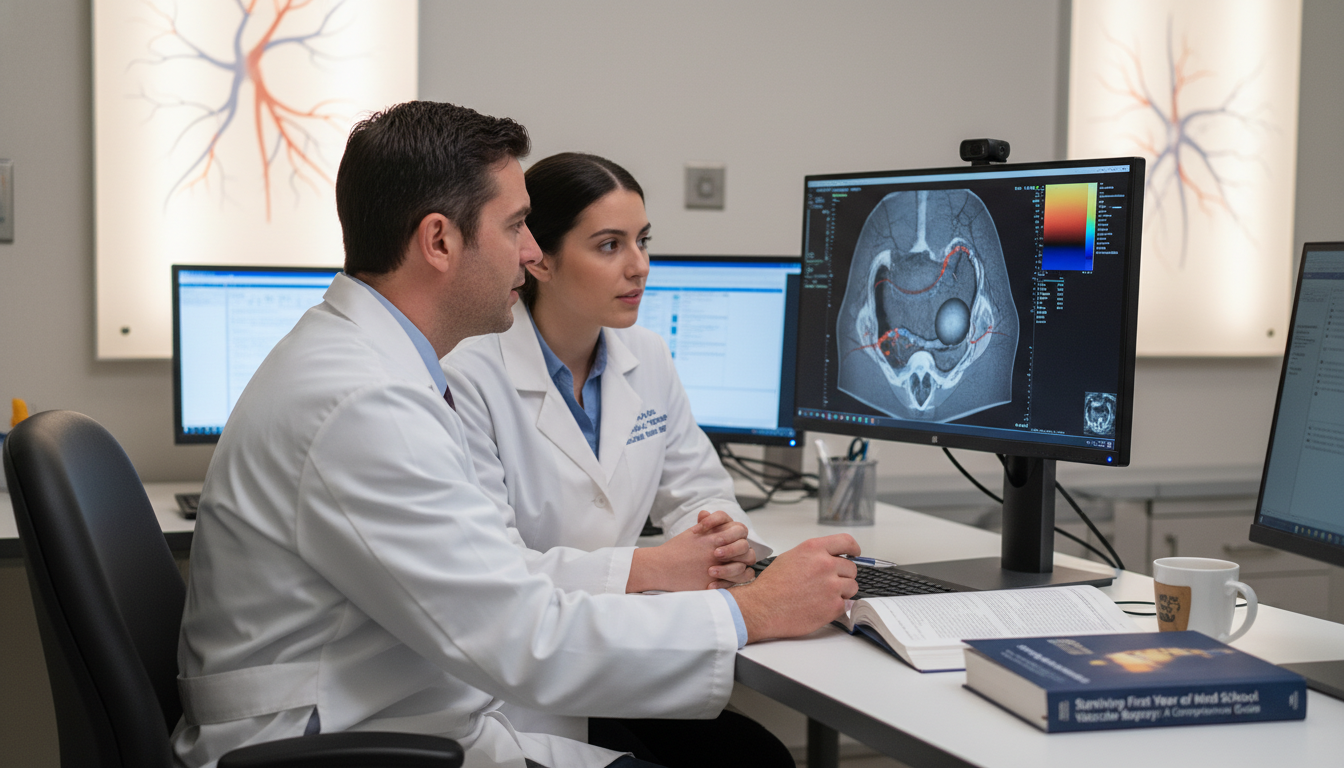
Keep this flexible—your interests might change—but it’s helpful to see how M1 fits in:
- M1: Academic foundation, early exposure, tentative mentors, start small research
- M2: Step/Level prep, more focused research, some limited shadowing
- M3: Clinical rotations—critical decision period; maximize performance in surgery and related fields
- M4: Sub-internships in vascular surgery and general surgery; applications to vascular surgery residency or integrated vascular program
Remember: If you change your mind and pursue a different field, nothing you’ve done in vascular surgery will be wasted. Anatomy, research skills, and professionalism are universally valuable.
Surviving Medical School Emotionally: Wellness, Identity, and Burnout Prevention
Many guides discuss studying; fewer address staying human while you do it. Yet this is often the deciding factor between students who sustainably thrive and those who crash halfway through.
Setting a Healthy Mindset From Day One
Common emotional traps in first year of medical school:
- Constant comparison to classmates
- Impostor syndrome (“Everyone else is smarter than I am”)
- Fear of “falling behind” in specialty planning
Reframe M1 as:
- A training period, not an audition
- A chance to experiment with learning strategies
- A time to observe specialties, not lock in a final choice
You’re not “behind” if you haven’t started vascular research in October of M1. You’re not “ahead” just because you shadowed in the OR once. Focus on consistency instead of optics.
Non-Negotiable Health Behaviors
To survive medical school long-term, treat these like mandatory coursework:
Sleep:
Aim for 7 hours minimum most nights. Chronic 4–5 hour nights will sabotage memory and mood.Movement:
3–5 sessions per week of anything:- Lifting
- Running/walking
- Yoga
- Sports
Use exercise as a mental reset, not just a checkbox.
Nutrition:
You don’t need a perfect diet, but:- Avoid living on energy drinks and vending machines
- Batch cook simple, balanced meals when possible
- Bring snacks to campus to avoid long gaps without food
Vascular surgeons routinely treat the consequences of poor lifestyle choices. Modeling reasonably healthy habits from M1 forward is both personally and professionally powerful.
Building Your Support System
Support in first year of medical school comes from multiple levels:
Classmates:
Join or form a small study group (2–4 people) with similar seriousness and communication style. Focus on accountability, not competition.Faculty and mentors:
A pre-clinical advisor and one or two interested surgeons (even if not strictly vascular) can normalize your experience and guide long-term planning.Friends and family outside medicine:
Keep at least a few non‑medical relationships alive. They remind you that your identity is bigger than your last exam score.
If your school offers counseling or mental health services, normalize using them early—even preventively.
Common Pitfalls for Aspiring Vascular Surgeons in M1 (and How to Avoid Them)
Pitfall 1: Overcommitting to Vascular Too Early
Signs:
- You feel guilty if you attend non-surgical events or consider other specialties
- You cram in excessive shadowing at the expense of coursework
- You panic if you’re not doing “vascular things” every week
Fix:
- Give yourself explicit permission to be undecided for at least M1–M2
- Explore at least 2–3 other specialties you’re curious about
- Treat vascular surgery as a serious interest, not a binding contract
Pitfall 2: Ignoring Fundamentals in Favor of “Cool” Content
It’s tempting to skip “dry” foundational material and jump into interventional videos or procedural tech.
Reality:
Strong vascular surgeons are built on rock‑solid knowledge of:
- Basic cardiovascular physiology
- Hemodynamics
- Coagulation and thrombosis
- Wound healing and tissue perfusion
When you’re in an intense vascular surgery residency, you won’t have time to re-learn first-year physiology. Invest now.
Pitfall 3: Burnout from Trying to Do Everything
Early enthusiasm is great… until it fragments your time and drains your energy.
Strategies:
Set a hard cap on commitments:
- During your first semester: no more than 1–2 structured extracurriculars plus school.
- Reassess second semester once you understand your bandwidth.
Learn to say:
- “I’m very interested, but I’m at capacity this semester. Could we revisit this in the summer or M2 year?”
Long-term surgical training is a marathon, not a sprint. Pacing is a survival skill.
FAQs: M1 and a Future in Vascular Surgery
1. Do I need to know for sure I want vascular surgery in my first year?
No. Many vascular surgeons discover the field during third-year rotations or even during general surgery residency. First year medical school is for exploration. If you’re interested, get exposure and maybe a mentor, but leave room for your perspective to change.
2. How much vascular-specific activity should I have on my CV by the end of M1?
A reasonable target might be:
- Membership in a surgery or vascular interest group
- One or two shadowing sessions (optional)
- Initial conversations about a possible research project, with real work typically starting late M1 or over the summer
If you have less than this, you are not behind. If you have more, ensure it’s not harming your academics or wellness.
3. What’s more important in M1 for a future vascular surgeon: grades, research, or extracurriculars?
Priority order for surviving and succeeding in M1:
- Academic performance and learning how to learn
- Personal health and sustainable routines
- Early mentorship and exposure
- Research and extracurriculars
In other words, don’t sacrifice grades or mental health to force early research or heavy involvement in vascular activities.
4. How can I tell if vascular surgery is actually a good fit for me?
As you move through M1 and beyond, ask yourself:
- Do I enjoy anatomy, especially vascular anatomy?
- Am I drawn to solving complex, high-risk problems?
- Do procedures and OR culture energize me more than they drain me?
- Do I like long-term, longitudinal patient relationships (e.g., chronic limb ischemia, surveillance of aneurysms)?
Use shadowing, mentorship conversations, and exposure in M3–M4 to test these questions. M1 is about building the background and positioning yourself, not making an irreversible decision.
Surviving first year of med school while aiming for vascular surgery is absolutely possible. If you focus on mastering the basics, protecting your health, and gradually connecting with the vascular community at your institution, you’ll walk into M2 not just surviving medical school—but building a solid, realistic path toward a vascular surgery residency or integrated vascular program, should you choose it.